Pat and Dave’s Magical Maritime Meanderings – PART 3: New Brunswick and Nova Scotia (Redux)

This post continues the story of our Road Scholar tour of the Canadian Maritimes. At the end of Part 2, we had just arrived at the Delta Hotel in Moncton, New Brunswick, having completed our exploration of Prince Edward Island. Onward we go:

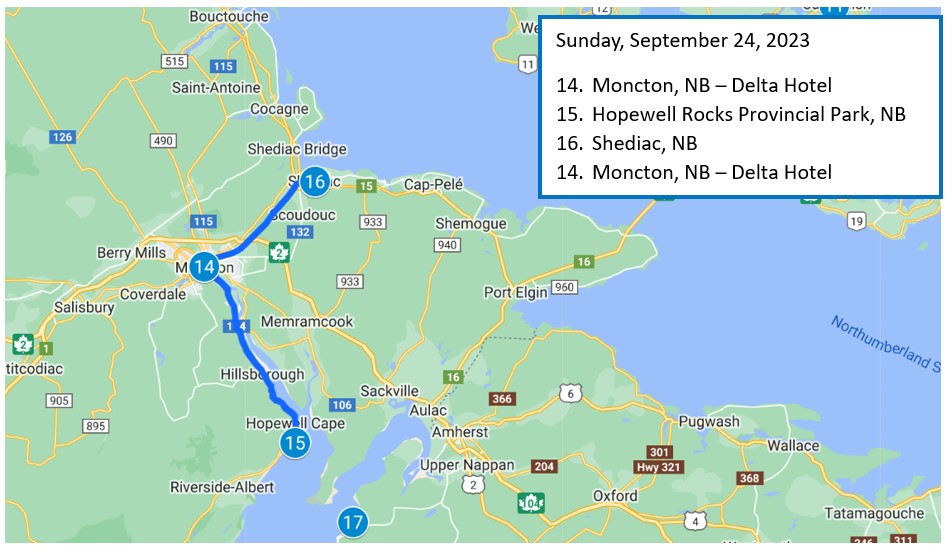
Sunday, September 24, 2023: After breakfast at the hotel, we headed southeast along the banks of the Petitcodiac River to the Hopewell Rocks Provincial Park, located on the western “arm” near the tip of the Bay of Fundy. (Interestingly, our guide at the park pronounced the name of the bay as “Funday” rather than as “Fundee” as I had always heard it. Apparently, that is the local way to say it.) This visit was definitely one of the highlights of the trip.

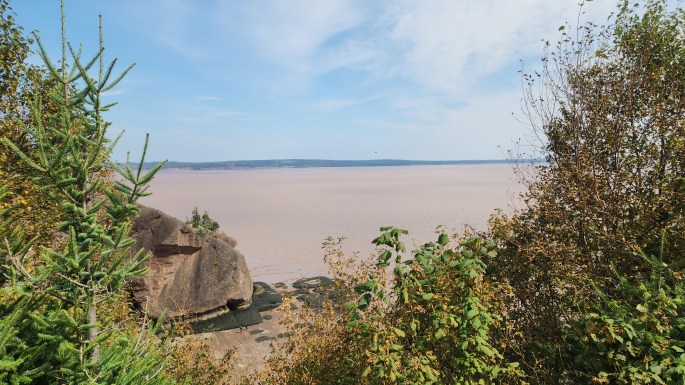
The bay of Fundy produces the highest tides in the world due to its unique shape and dimensions, rising from 39 to 52 feet from low to high tide at the Hopewell Rocks site, depending on the date, time, and positions of the moon and the sun. Our visit to the park came as the water approached low tide, which allowed us to walk along the beach and explore the fascinating sea stacks, or “flowerpots” – so named for the impression conveyed by the trees and shrubs on top. These free-standing rock structures have been sculpted from the sandstone cliffs over thousands of years by the daily tides. In the photo below, you can see the arch in which weddings are regularly held; at high tide the water can rise above the top of the arch. I’ve also included a time-lapse video showing the tide cycle on a day that it reached 42.6 feet:

Hopewell Rocks Provincial Park as Low Tide Approaches
Time Lapse of Tide (downloaded from New Brunswick Parks website)

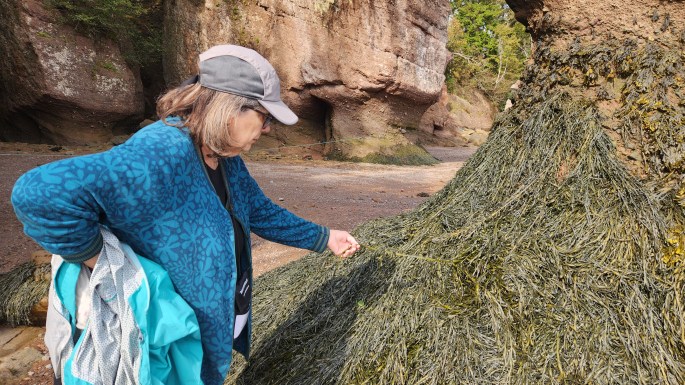
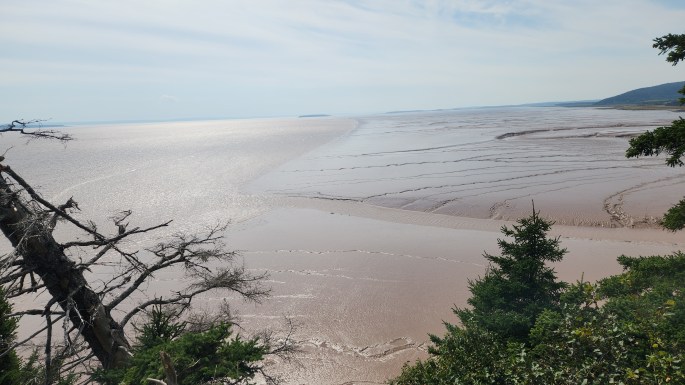
We spent about four hours at the provincial park exploring the excellent museum, walking along the beach, enjoying lunch at the museum café, and then walking along a trail on the cliff for an overlook of what we had seen on the beach. The seaweed was quite interesting – very thick and sturdy. It only survives if wetted by seawater daily, so the top line of the seaweed indicates the lowest level of daily high tides at the Hopewell Rocks site. The cliff rocks are also somewhat unstable and there are warning markers in various areas to prevent visitors from getting too close to them. Here are some more photos to provide a feel for the place.

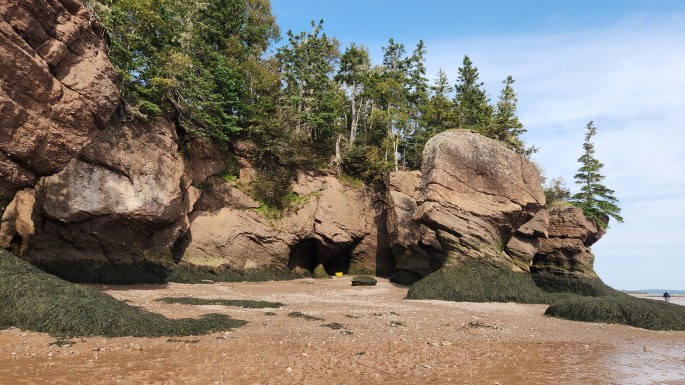
View of Sea Stacks from the Beach
Sandstone Cliffs at Hopewell Rocks Provincial Park
Seaweed clings to the rocks up to the minimum level of daily high tides
View at nearly low tide from the Hopewell Rocks cliffside trail
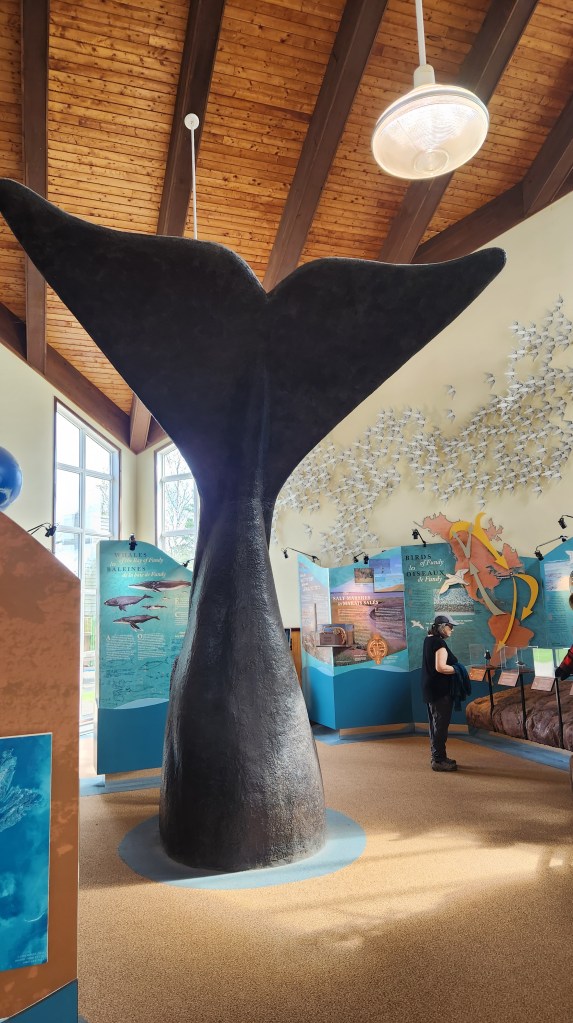
Model of Right Whale at Hopewell Rocks Provincial Park Museum

After our visit to the Hopewell Rocks, we rode the motorcoach back up the Petitcodiac to Moncton and then on to Shediac, on the northern coast of New Brunswick. It was interesting to learn that the river flows backward as the high tide develops each day, then reverts to its normal course as the tide recedes again. After a brief stop at the Homarus Center to visit the world’s largest lobster, we boarded a boat operated by Croisieres Shediac Bay Cruises. Why is there an enormous lobster in Shediac? The city bills itself as the Lobster Capital of the World, of course!
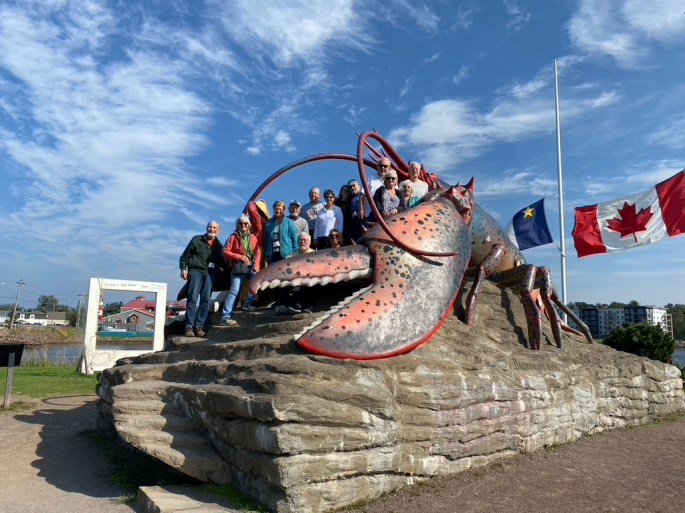
Our Tour Group at the World’s Largest Lobster, Shediac, New Brunswick

NOTE: In an earlier version of Part 2, I made a mistake in my reporting. The photo above was taken in Shediac on Sunday, not in Borden-Carleton, PEI, on Saturday as I previously claimed. My apologies for the error, now corrected, which was no doubt caused by my age-impaired memory.

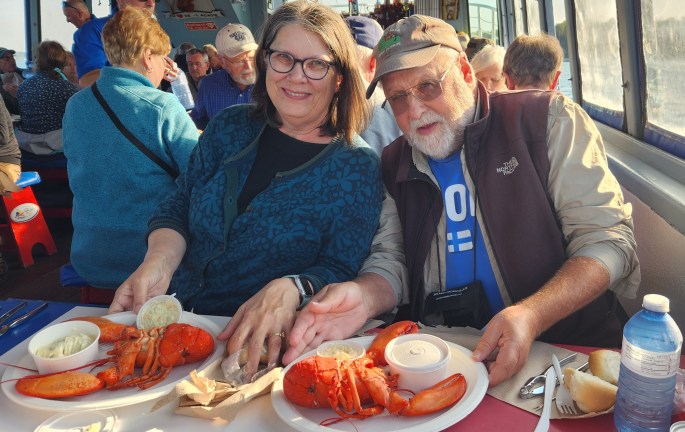
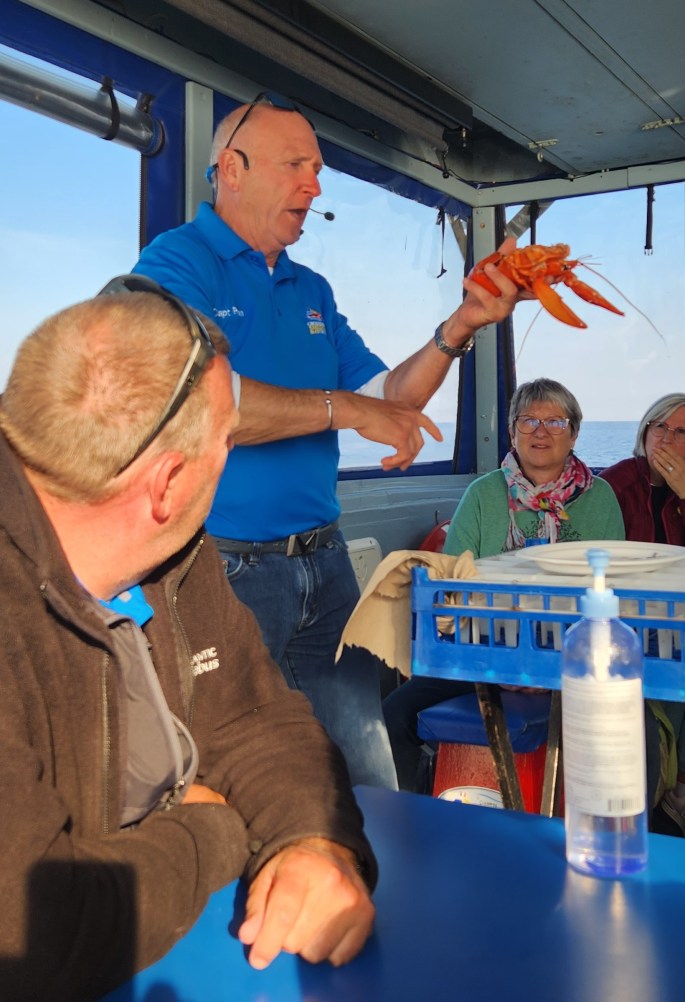
On the lobster cruise, we listened to a fascinating presentation on lobster fishing by the cruise boat owner, Ron Cormier, himself a long-time lobsterman. Since more than half of the passengers on the boat were from France, Captain Ron switched back and forth effortlessly from French to English and back as he went through his narration. We learned how modern lobster fishing employs conservation techniques to ensure that only mature lobsters are caught. This came about as advancing technologies led to overfishing, which nearly decimated the lobster industry in the latter part of the 20th century. Today, lobster fishing in the southern Gulf of St. Lawrence follows a sustainable model under which fishermen can make a good living. After Captain Ron’s presentation, we were treated to the most delicious lobster dinner Pat and I have ever had anywhere.
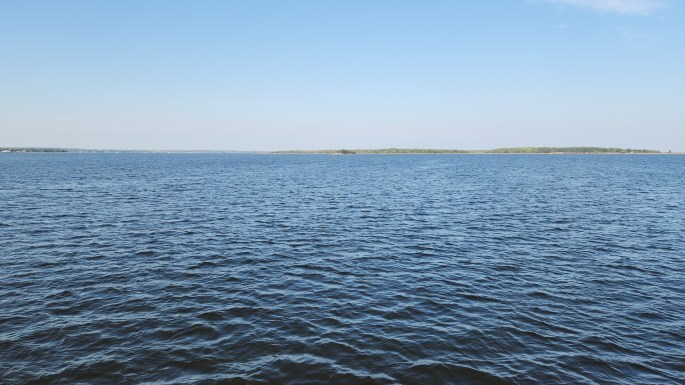
View from top deck of the lobster cruise boat
Captain Ron explaining the art of lobster fishing
The. Most. Delicious. Lobster. EVER.

After the cruise, we returned to the Delta Hotel in Moncton, and I went on a brief stroll around the area to hunt for someplace that sold Dr. Pepper, to support my morning addiction. No luck, though. Not many places in Canada actually carry that most delicious of beverages, so I had to settle for a Pepsi purchased at the hotel front desk.
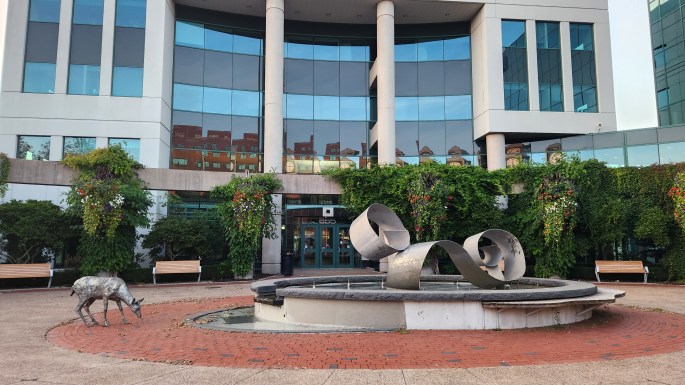
Plaza near our hotel in Moncton, New Brunswick

Here’s a map of Sunday’s travels:

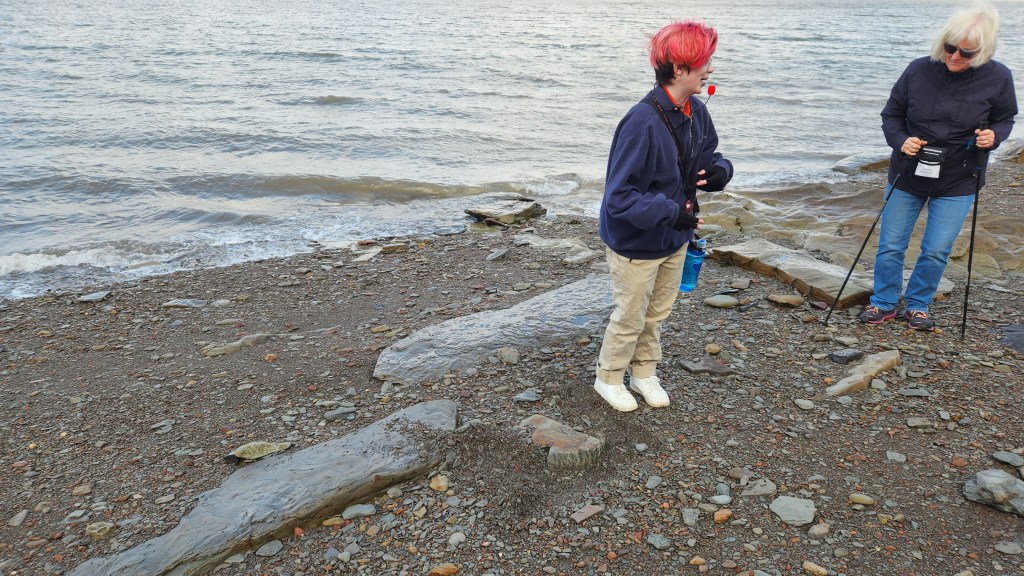
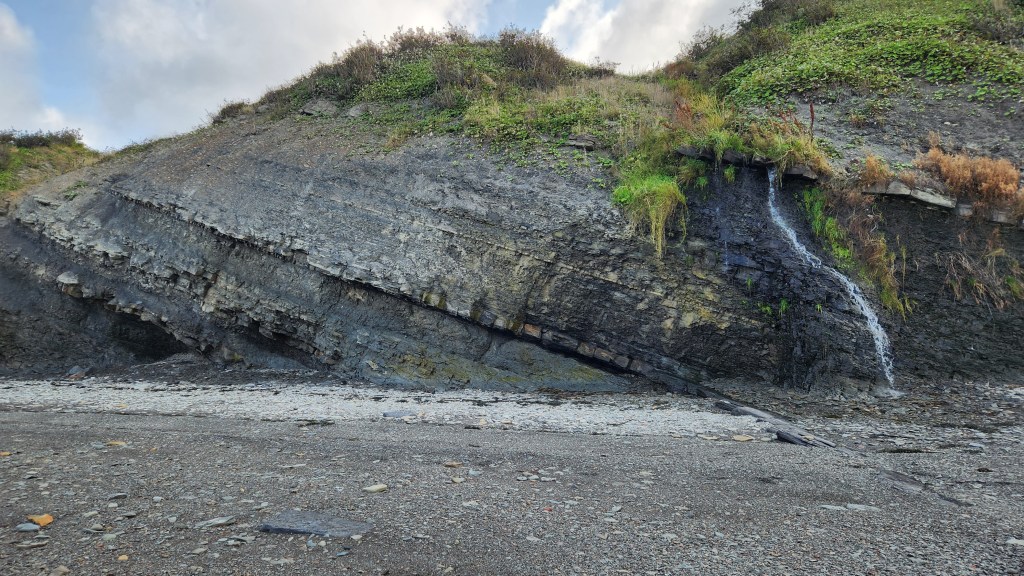
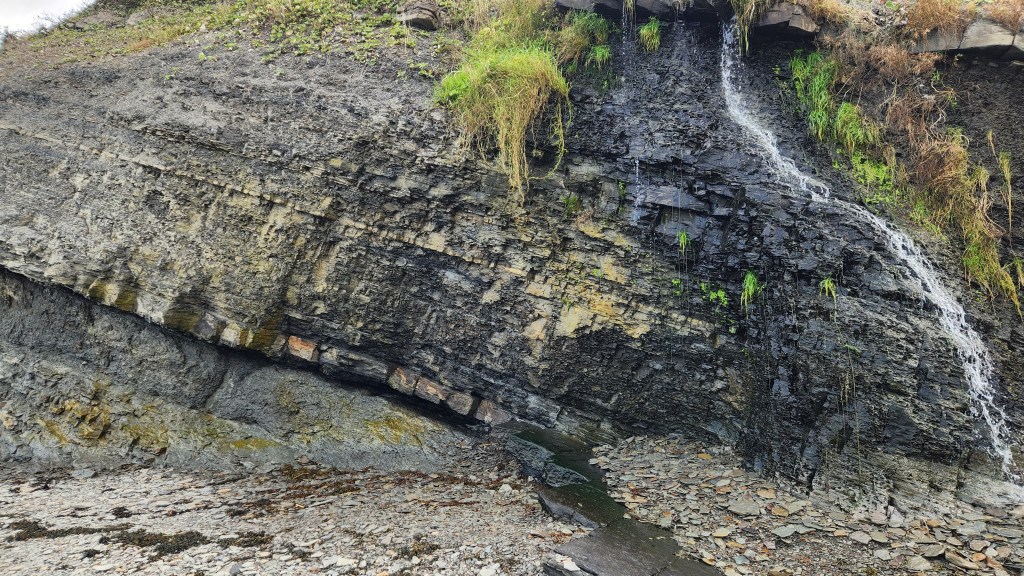
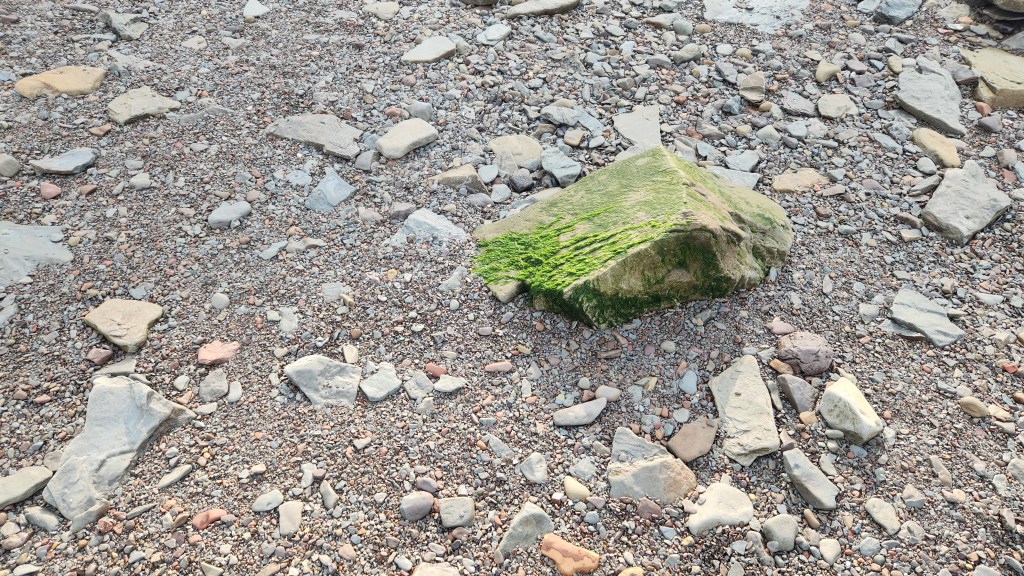
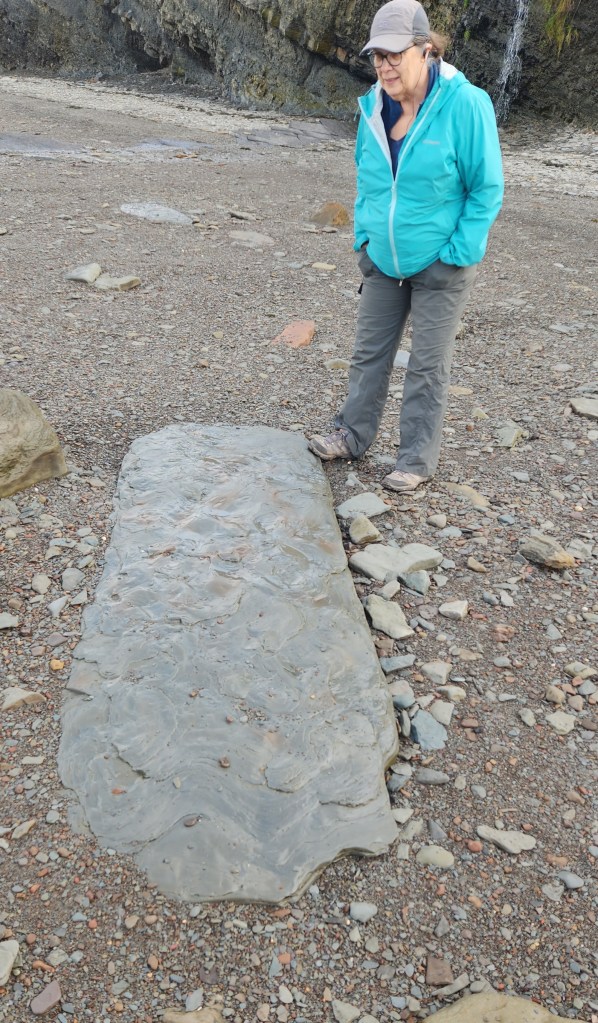
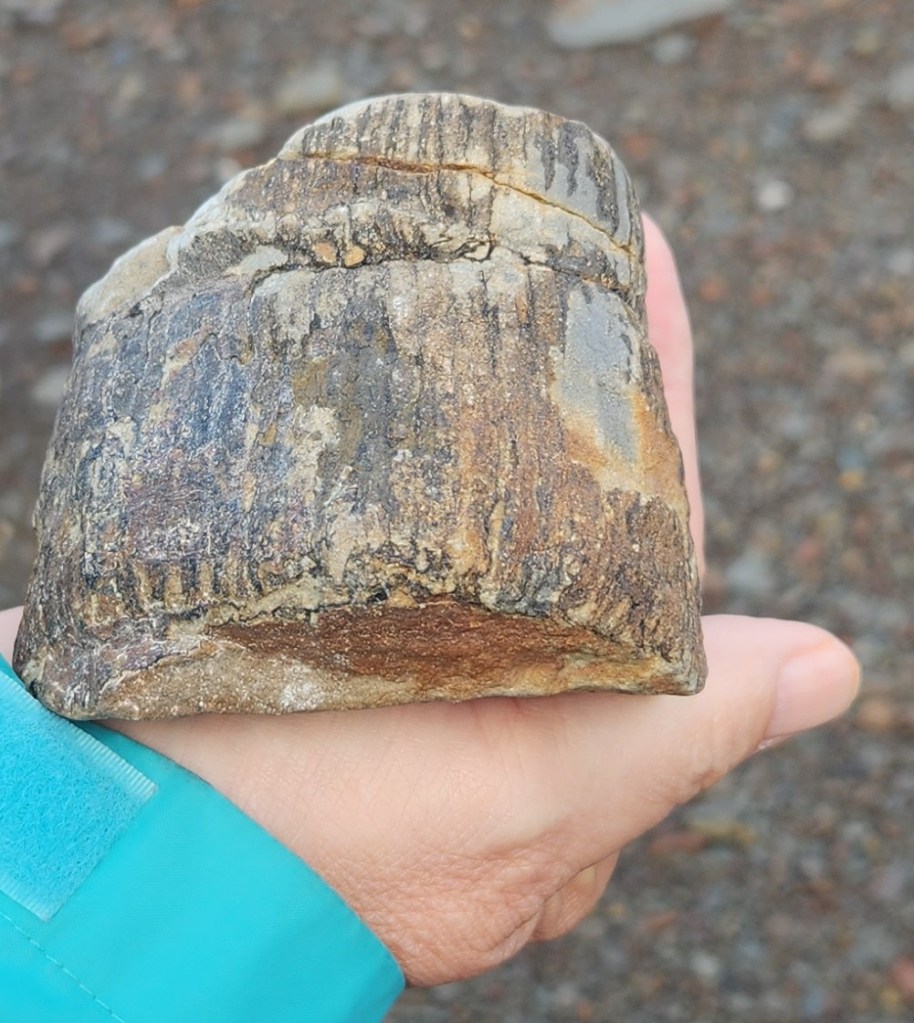
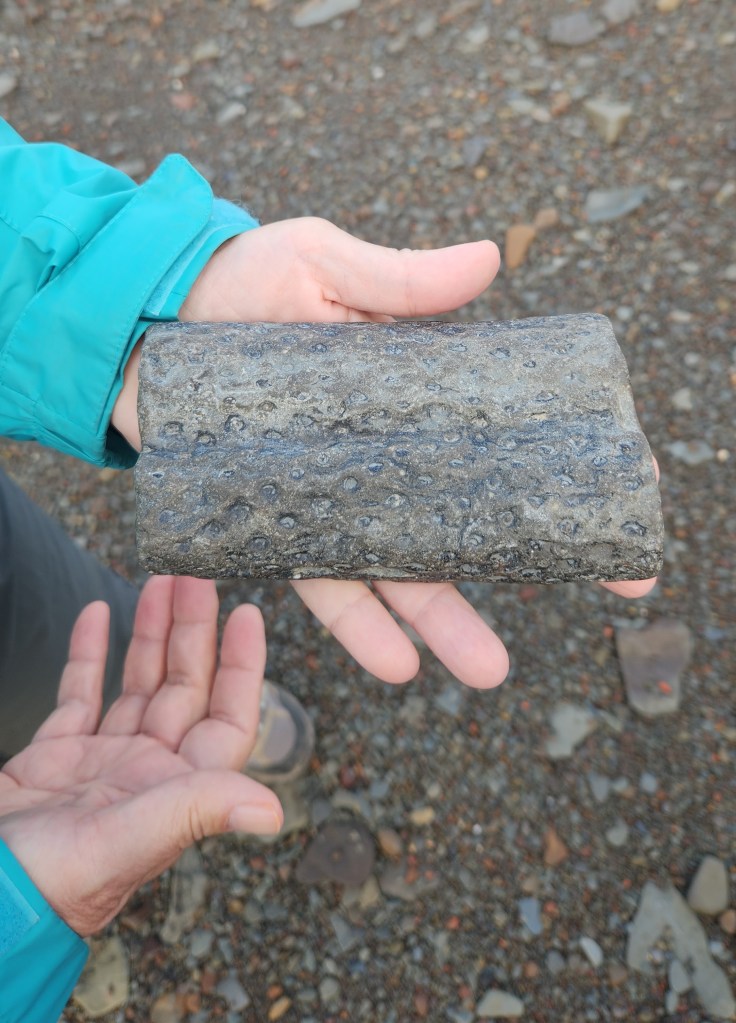
Monday, September 25, 2023: On Monday, we again had breakfast at the Delta Hotel before checking out and heading off on the motorcoach once more. Our first stop was at the Joggins Fossil Center, on the Nova Scotia side of the Bay of Fundy. At Joggins, the highest tides in the world reveal the most complete fossil record of the “Coal Age,” 100 million years before the dinosaurs. The site includes an excellent museum, which we visited before heading to the beach with a very young, but also very knowledgeable, local guide. The beach was fascinating, strewn with rocks of assorted sizes and shapes and quite a few fossils. The exposed cliffsides were also fascinating, with vegetation growing above the high tide line and small waterfalls issuing from the rock walls.
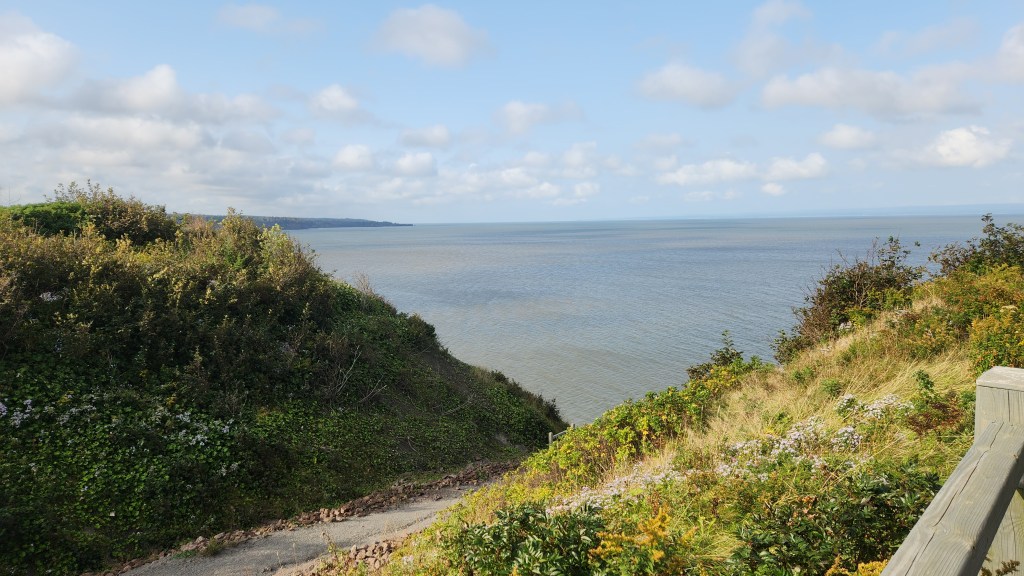
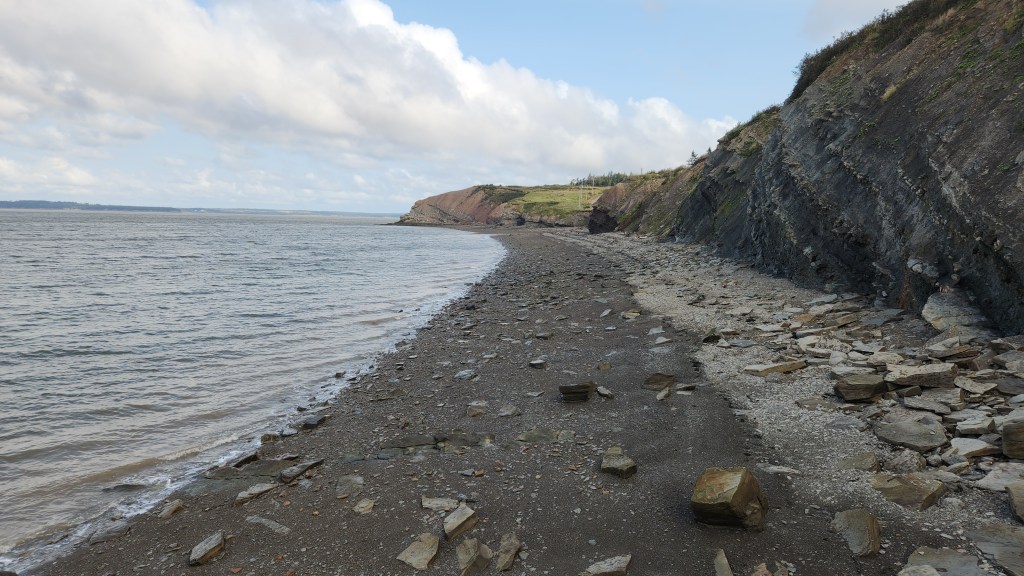
Bay of Fundi as seen from Joggins Fossil Center
The beach at Joggins Fossil Center
Our guide at Joggins Fossil Center
Cliffs at Joggins Fossil Center
Vegetation on the rocks at Joggins Fossil Center
The beach at Joggins Fossil Center

The Canadian spirit of inclusion was especially evident in the museum restrooms, as illustrated by this sign on the wall. Imagine the reaction of a member of the US House of Representatives Freedom Caucus upon encountering that sign: not only is it presented in multiple languages, but it hints at the possibility of encountering someone not exactly like him or her inside. Precious!
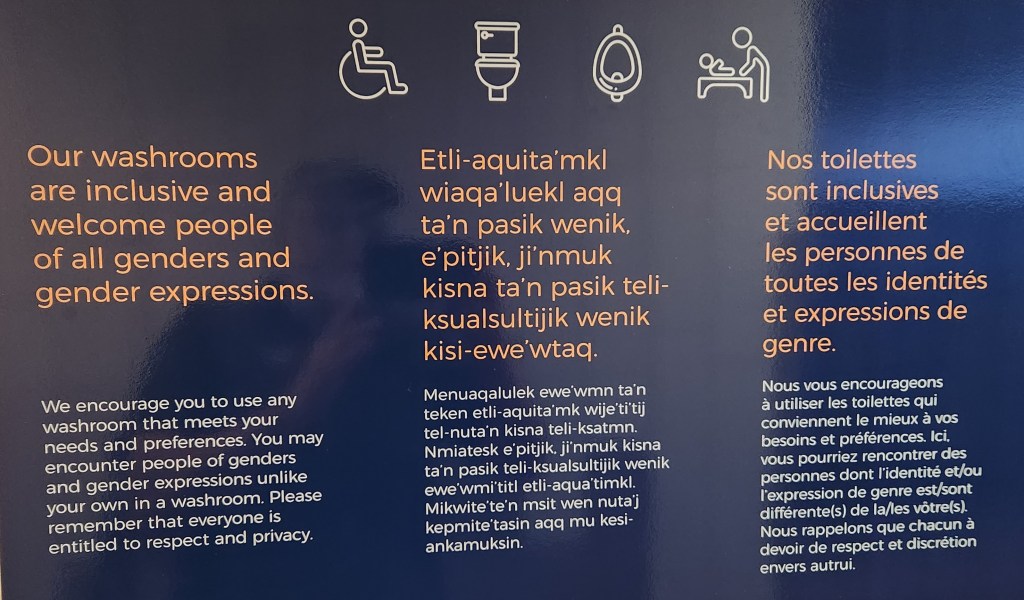
Don’t let the right-wingers know about this!

After Joggins, we headed east. We made a brief rest stop at a place called the Masstown Market, sort of a combination garden supply store, restaurant, and mini-mart. I was delighted to discover that they sold Dr. Pepper, so I snagged a couple of bottles to feed my habit for the rest of the trip. Our next stop was the Sugar Moon Farm, a maple syrup producer and restaurant, where we had a tour of the manufacturing and bottling facilities followed by an excellent lunch.
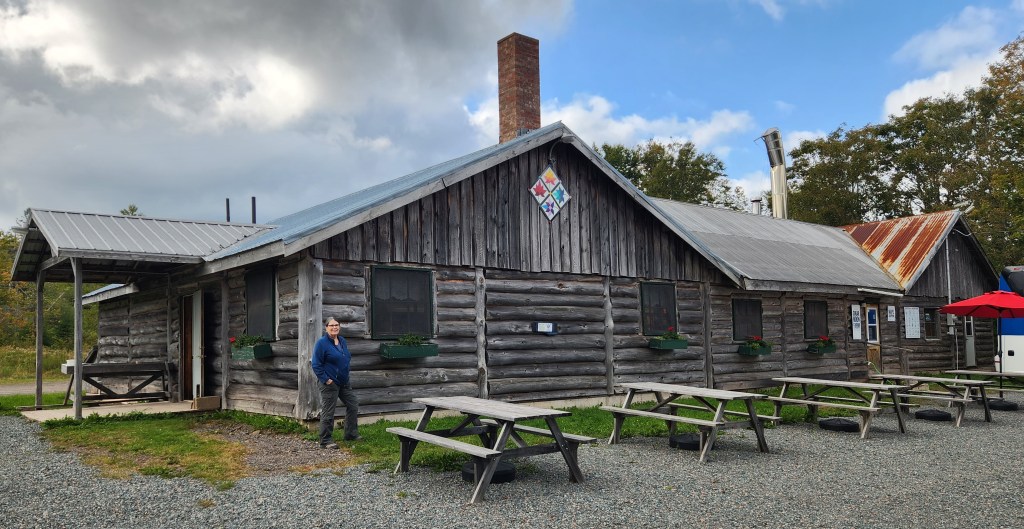
Sugar Moon Farm — Producer of Maple Syrup near Tatamagouche, Nova Scotia

Then it was off to Halifax, where we checked in at the Hotel Halifax before walking to a nearby restaurant, the Baton Rouge Grillhouse and Bar, for dinner. After dinner, Pat and I stopped off in the hotel bar for a nightcap. I figured that a guy ought to be able to find a decent single malt Scotch in the biggest city in Nova Scotia, what with all the Scotsmen populating the place.  My faith was rewarded with a dram of Lagavulin 16-year, which was incidentally the only adult beverage I had on the entire trip. Quite a contrast to Pat and Dave’s Tremendous Tropical Trek!

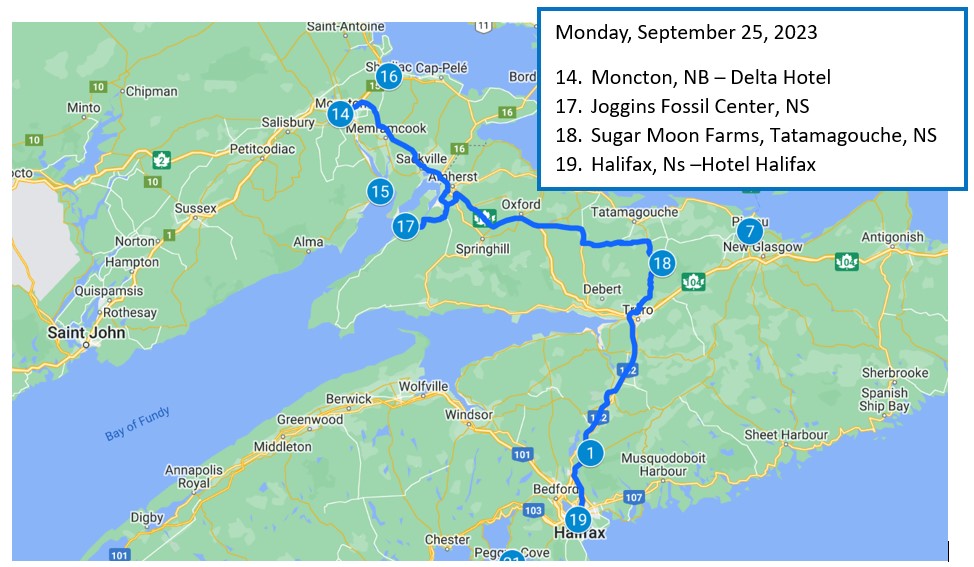
Here’s a map of Monday’s travels:
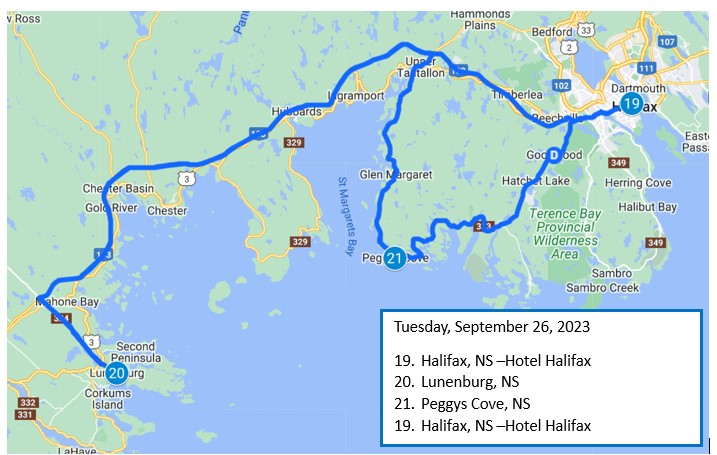
Tuesday, September 26, 2023: On Tuesday morning, after breakfast at the hotel, we departed for our last two tour sites in Noval Scotia. The first stop was at Lunenburg, a port on Nova Scotia’s southern coast. Lunenburg is the best surviving example of a planned British colonial settlement in North America. Established in 1753, the city has retained its original layout and overall appearance, based on a rectangular grid pattern drawn up by absentee landlords in England who had no idea of the actual topography. It is one of only two urban communities in North America designated as a UNESCO World Heritage site.

We began with a walking tour of the city, starting at the Lunenburg Academy, a historic school building constructed in 1895 to replace a building that had been destroyed by fire. The academy operated as a school from 1895 until 2012, when the Town of Lunenburg took over the property. It was designated a National Historic Site in 1983 for its distinctive Second Empire architectural features and its illustration of Nova Scotia’s education system in the 19th century. As of 2019, the building houses a library and music school, and restoration efforts are ongoing. By the way, local lore has it that the schoolhouse is haunted.
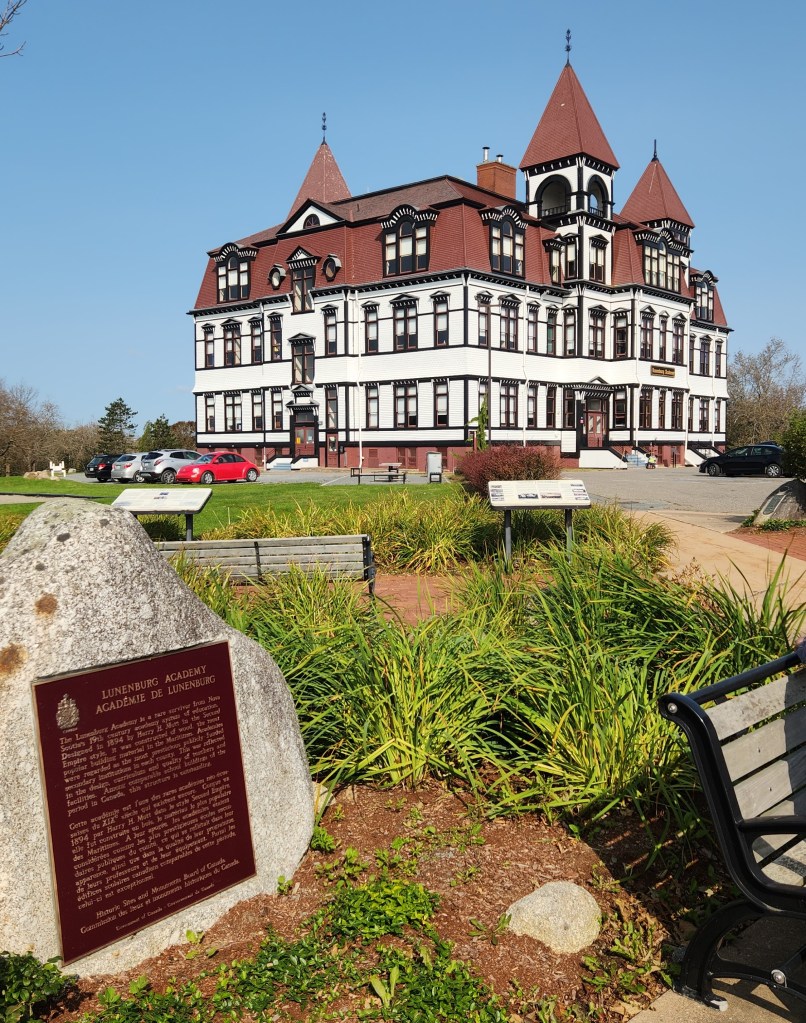
The Lunenburg Academy, Lunenburg, Nova Scotia

We saw well-preserved, historic homes along the way, many of which incorporate enclosed front entry porches – a unique Lunenburg design feature.
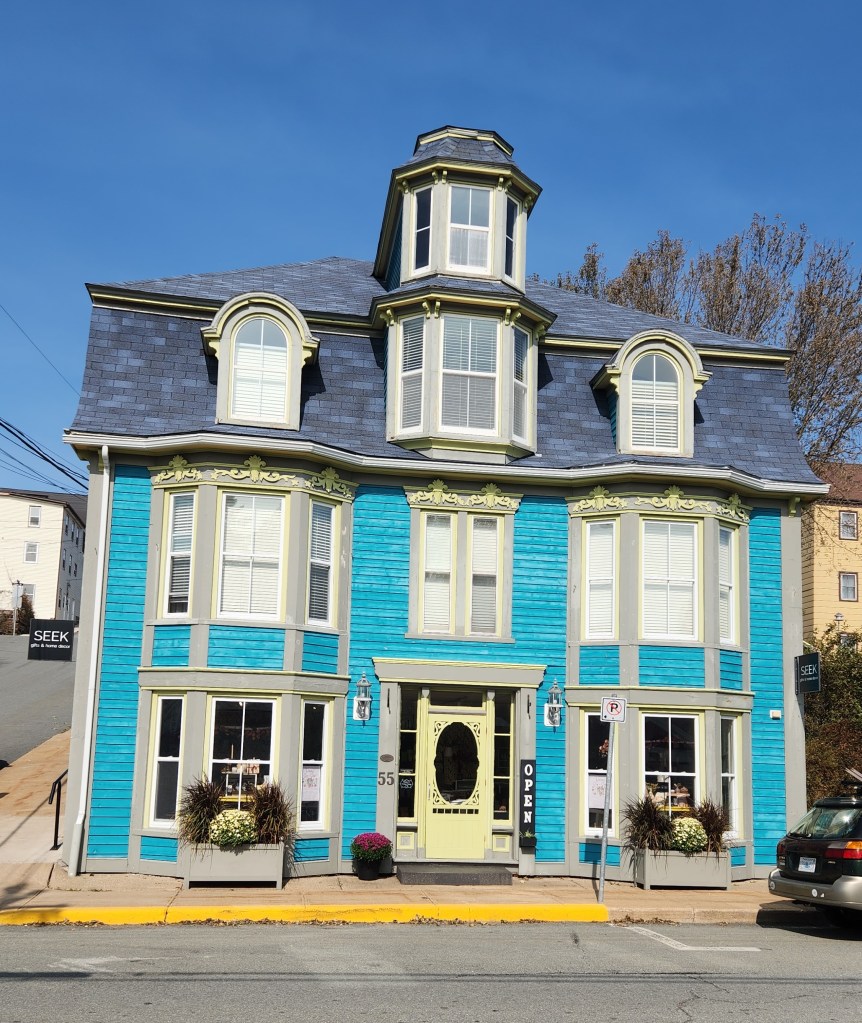
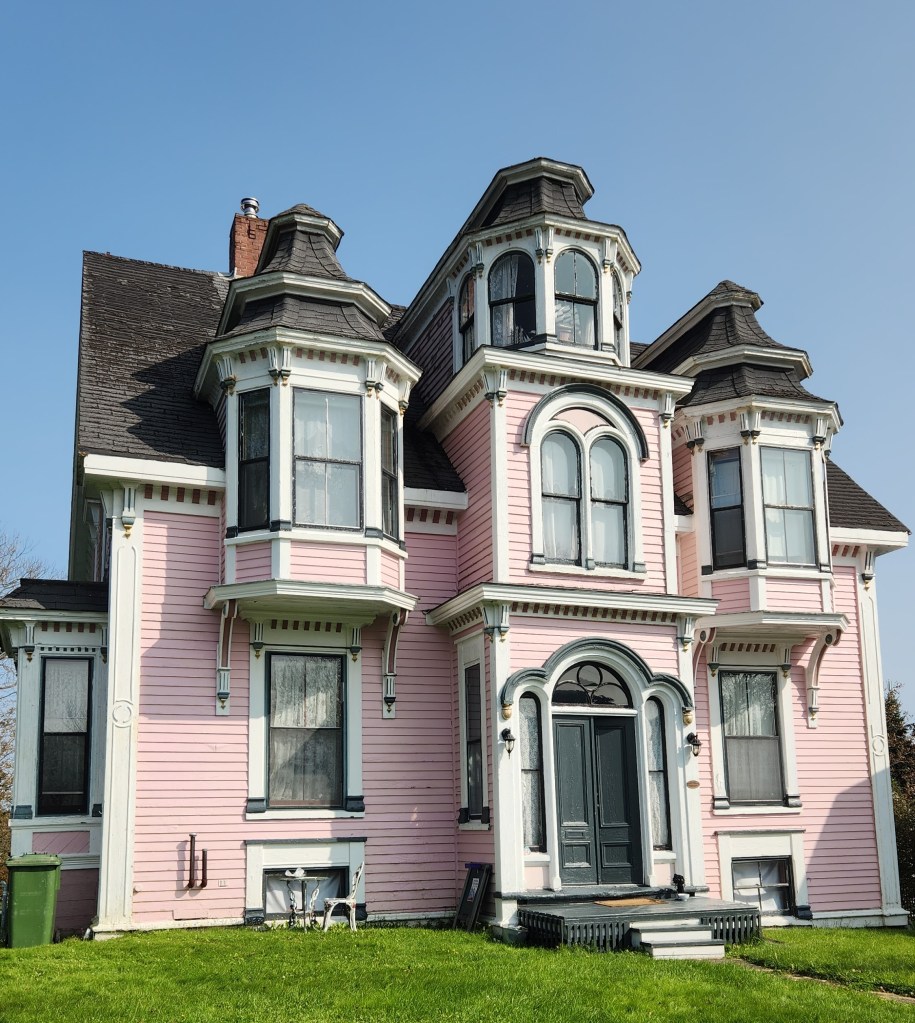
Historic House in Lunenburg, Nova Scotia
Historic House with enclosed entry porch

We also toured St. John’s Anglican Church; originally built in 1753, it is the second oldest continuous Protestant church in present-day Canada. It was destroyed by fire in 2001 but subsequently restored to its former glory, reusing many parts that were rescued from the blaze.
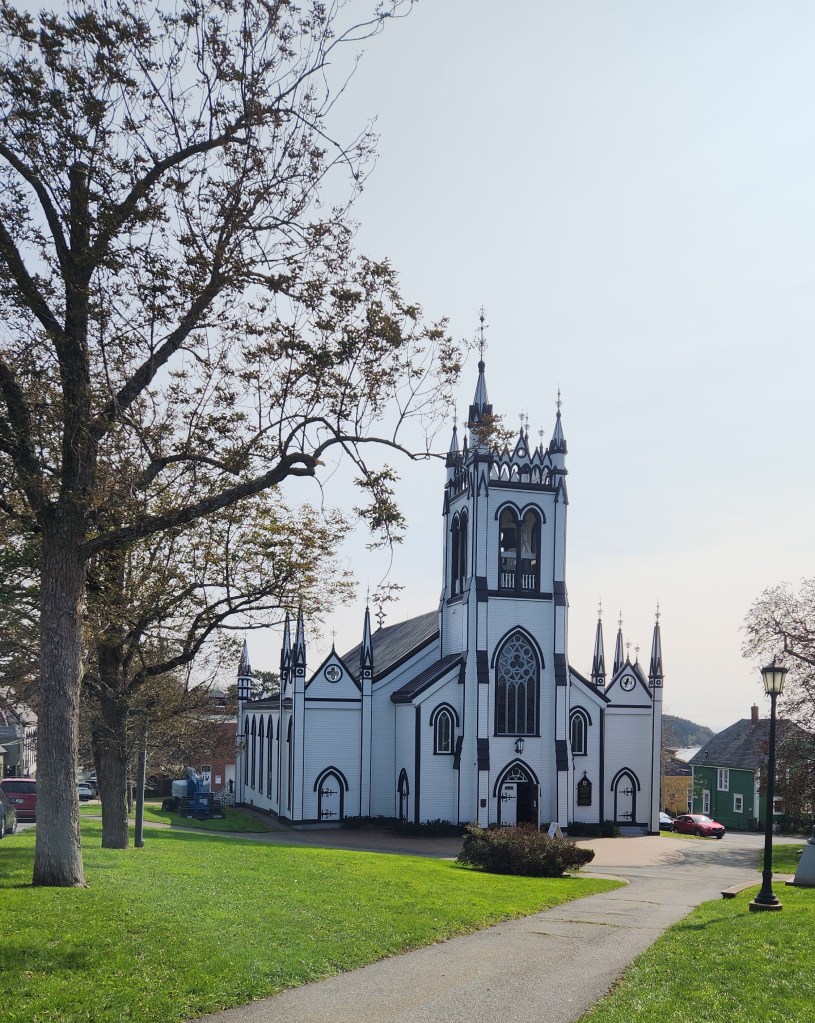
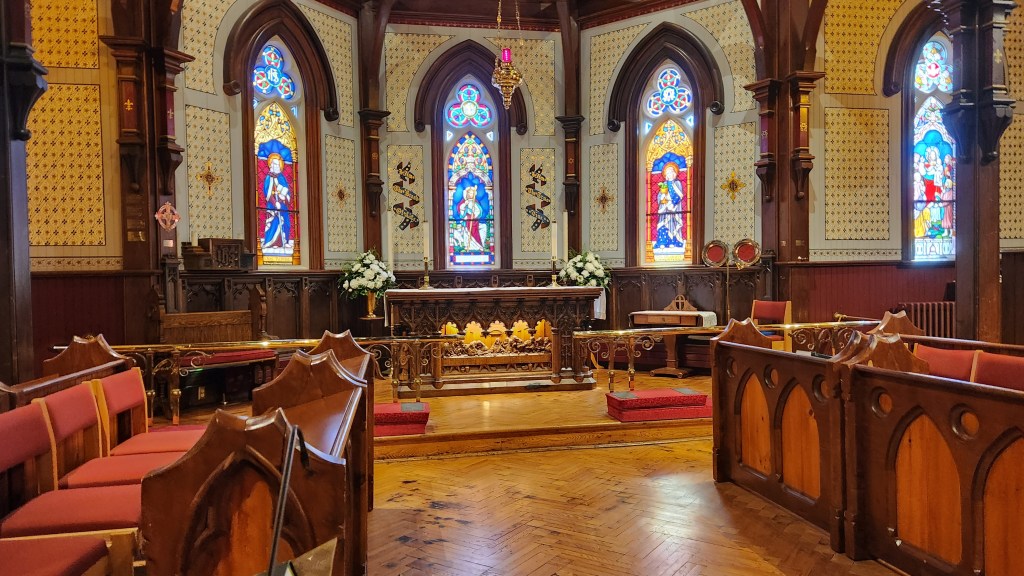
Saint Johns Anglican Church, Lunenburg, Nova Scotia
Saint John’s Anglican Church, Lunenburg, Nova Scotia

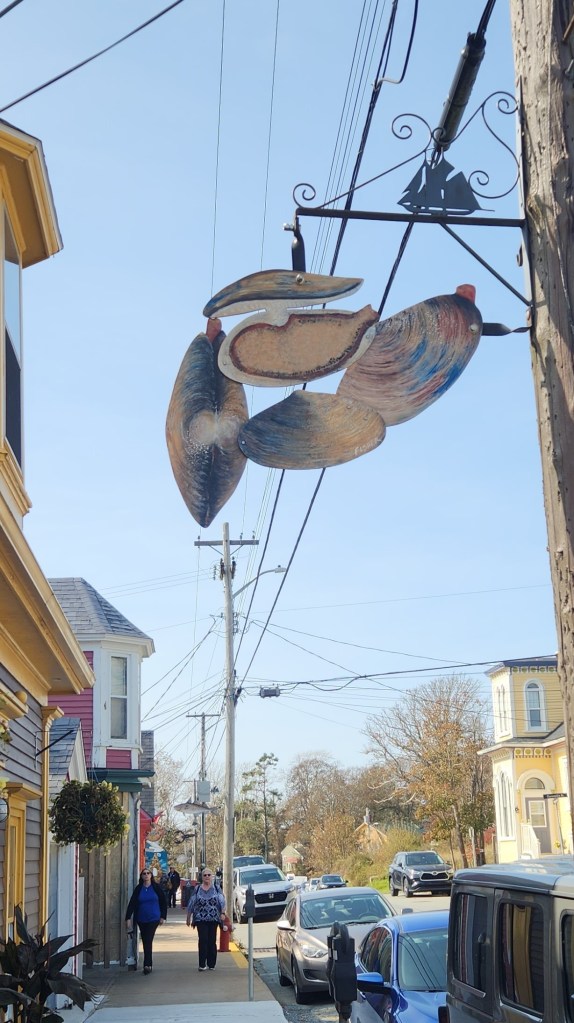
As we neared the harbor, we passed along a street lined with brightly colored buildings, which have become a symbol of the city over the past decades.
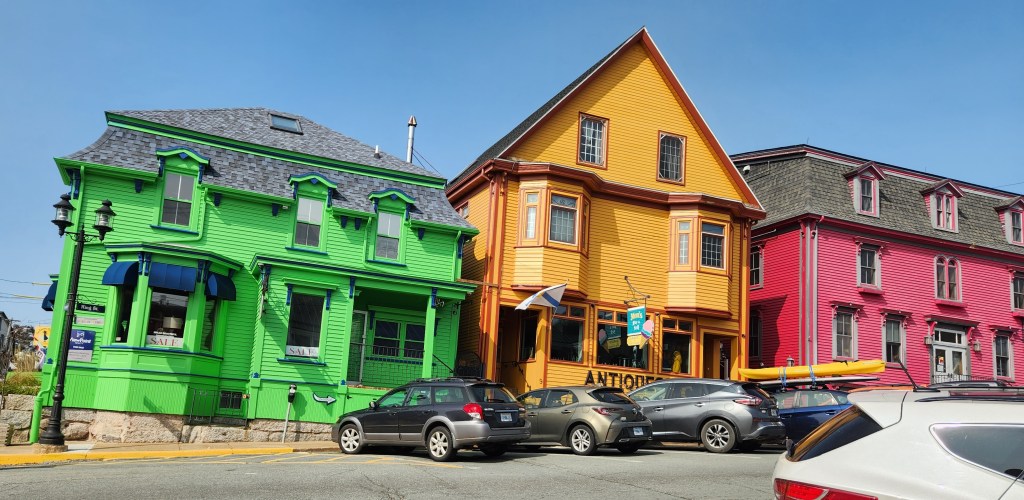
The brightly colored buildings of Lunenburg, Nova Scotia

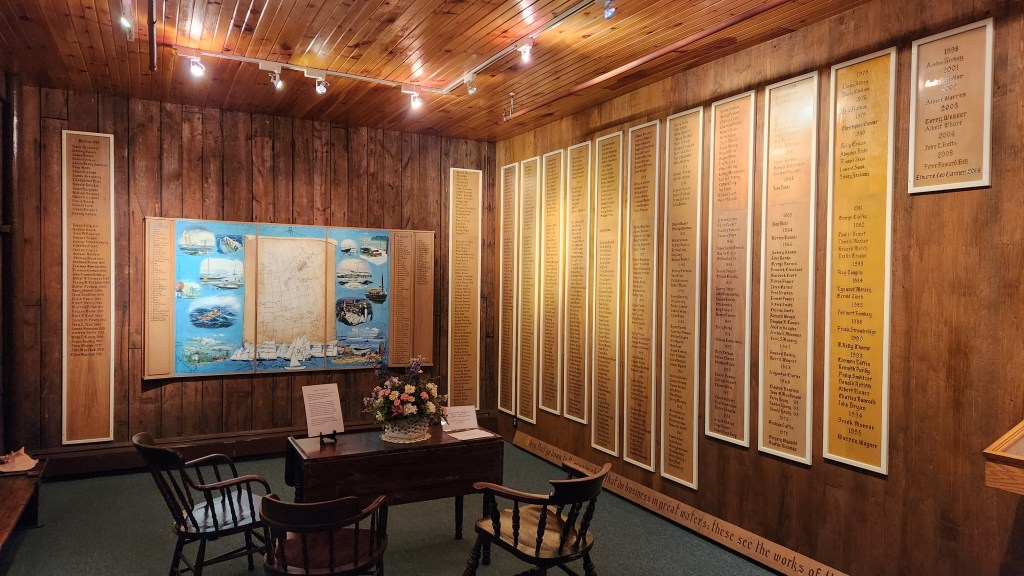
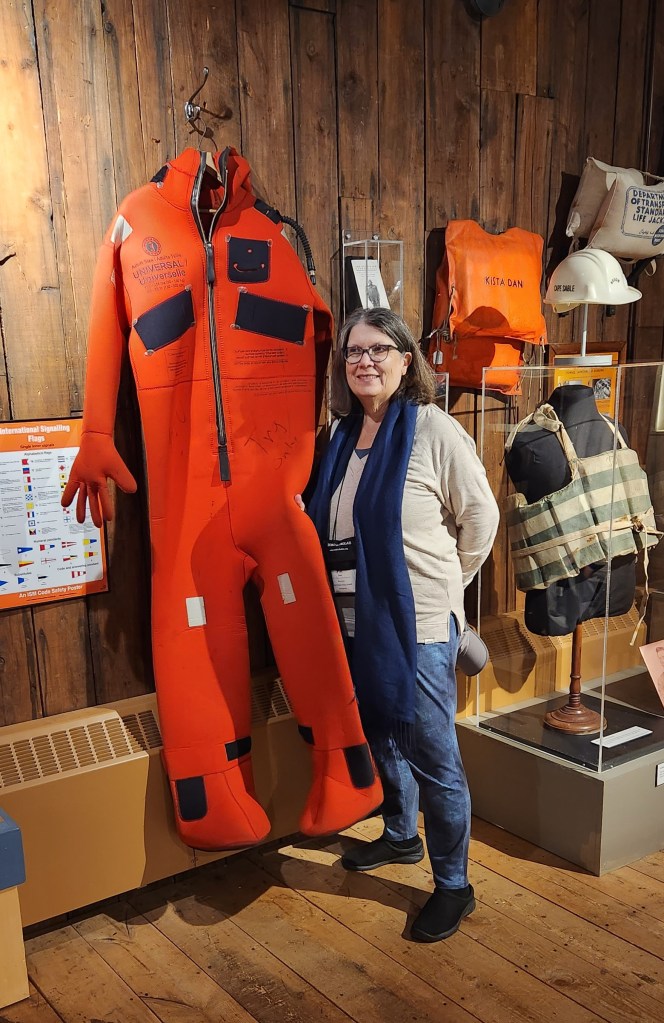
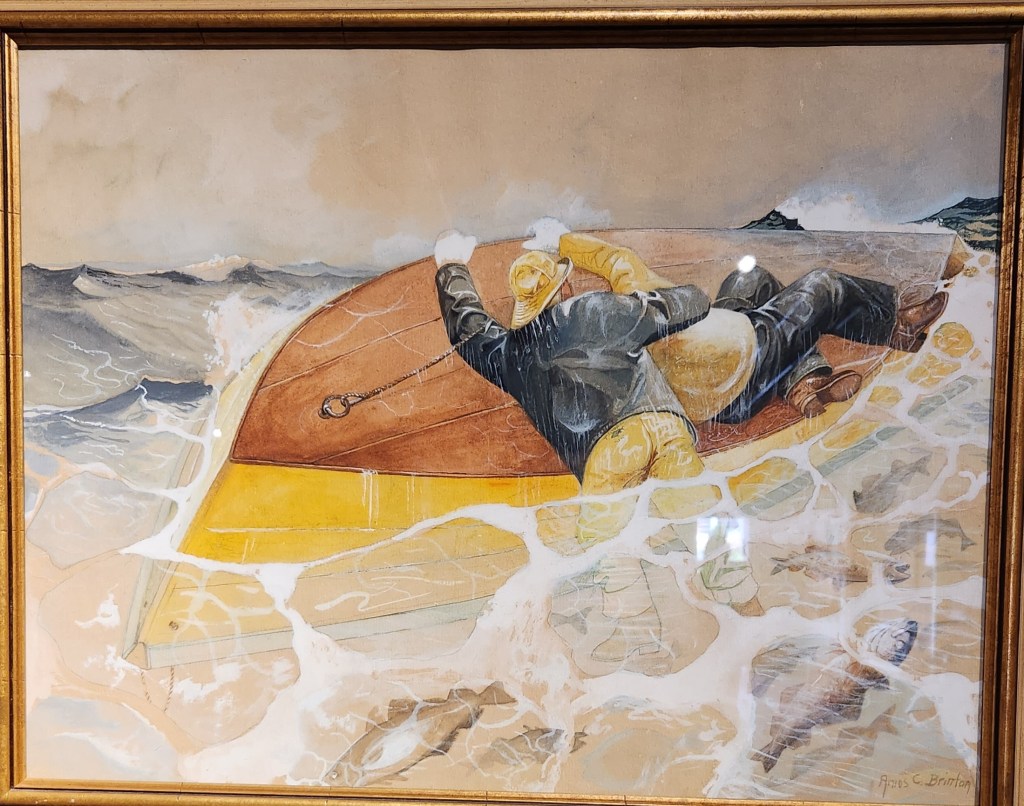
Next, we visited the Fisheries Museum of the Atlantic, with exhibits illustrating the history of cod and lobster fishing in Nova Scotia. Cod fishing was a huge part of Lunenburg’s early economy, but the working conditions for the fishermen were horrific – two-man crews worked endless hours in tiny boats far from the relative safety of the fishing schooners. Safety protocols and equipment were eventually introduced after the so-called August Gales of 1926 and 1927, when the “Graveyard of the Atlantic” claimed the lives of the crews of six Lunenburg schooners and an American schooner, and fishermen refused to work until reforms to the hazardous methods were instituted. Thankfully, today’s fishing practices are a far cry from the brutal past.

Two-man fishing boat from the 19th century — Fisheries Museum
Painting of the hazards of fishing — Fisheries Museum
Memorial to sailors lost at sea — Fisheries Museum
Modern safety suit — Fisheries Museum

After the museum tour, we explored Lunenburg on our own for two hours, finding a nice restaurant for lunch and strolling through the town admiring the quaint décor, such as the Christmas tree made from lobster traps and the streets named for various species of fish.
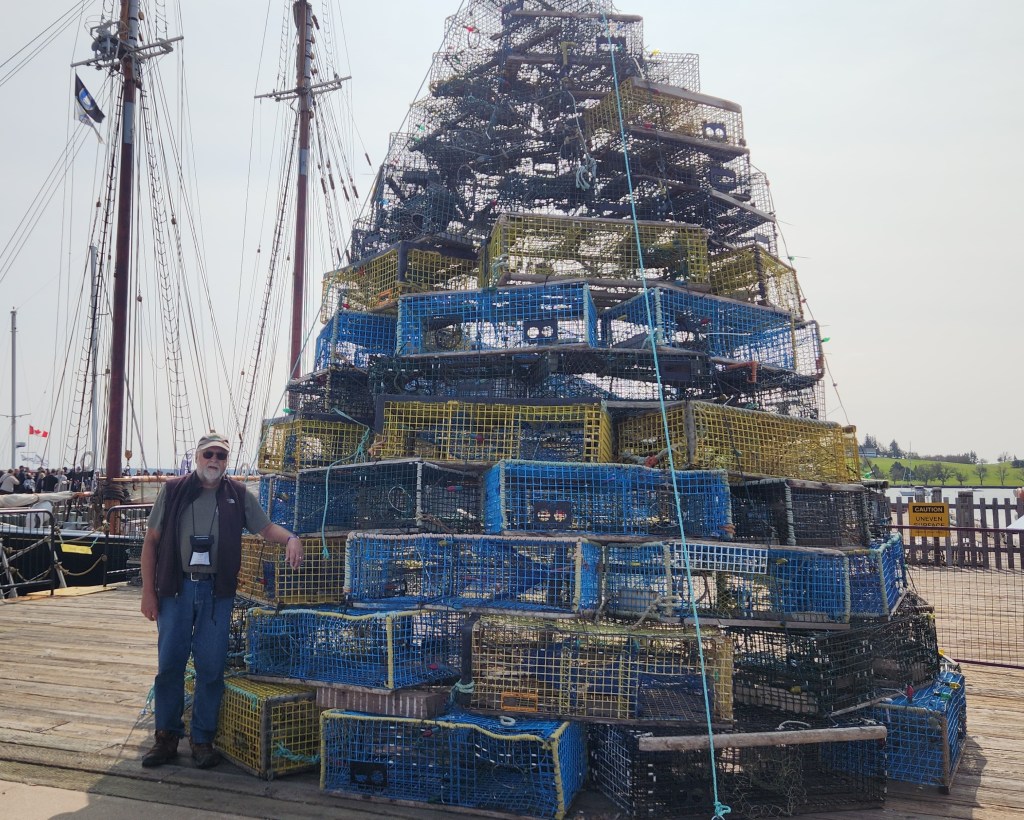
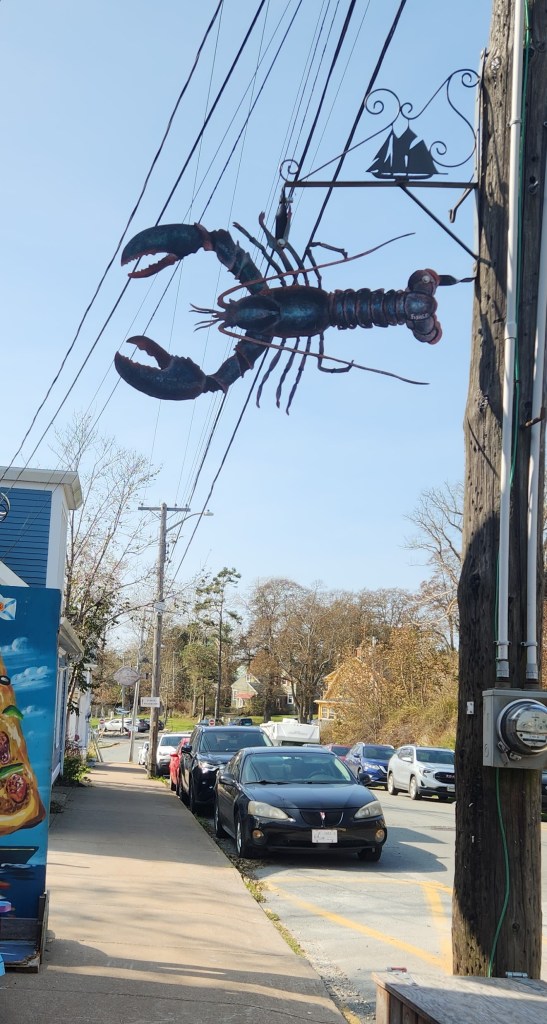
The Lobster-Trap Christmas Tree

We also watched the Blue Nose II, a replica of the famous racing schooner, depart with a boatload of passengers for a tour. The original Blue Nose was built at the Smith and Rhuland Shipyard in Lunenburg in 1921 with the goal of winning the International Fisherman’s Race, a competition for the hard-working vessels of fishermen who made their living on the sea. Nova Scotia’s pride and shipbuilding reputation sailed with Bluenose, and she took home her first Fishermen’s Trophy in October of 1921. During the next 17 years, no challenger — American or Canadian — could wrest the trophy from Bluenose. She earned the title “Queen of the North Atlantic” and became a Canadian icon.
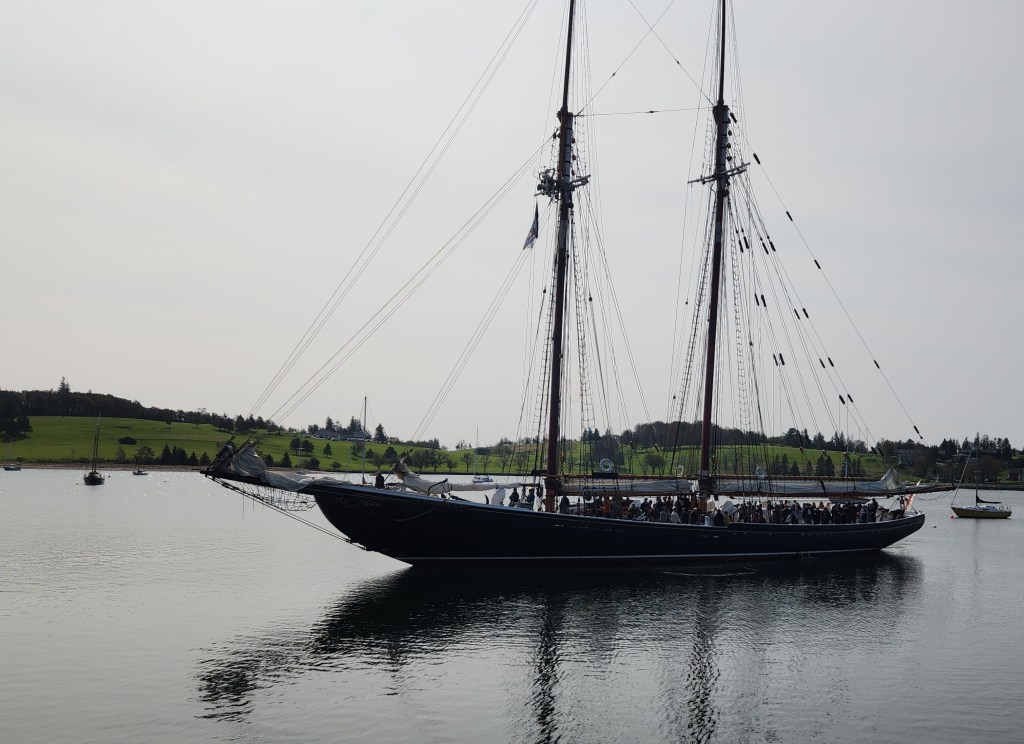
The Bluenose II sailing into Lunenburg Harbor

Perhaps sharp-eyed readers can see the Bluenose Golf Club in the picture above, located across the bay from the Lunenburg pier. This was just another reminder that there are plenty of courses to be found in the Maritimes, which might be reason enough to come back some day.

After our Lunenburg visit, we climbed aboard the bus for a journey to Peggys Cove, a small fishing village on St. Margaret’s Bay. As we neared the town, the landscape changed dramatically to feature a rugged, granite coastline. What caused this dramatically different geology? I’ll try to summarize what I’ve read about it. Some 470 million years ago, deposits of mud and sand were formed near the earth’s south pole. As the continents shifted across the surface of the earth, these deposits were compacted into shale and sandstone. When the African and North American continents collided, the Appalachian Mountain belt was formed. The shale and sandstone were crumpled and folded, and the heat of collision transformed them into slate and quartzite. Molten material from below the earth’s crust then flowed upward and crystallized into granite at least 370 million years ago. Over the next 350 million years, uplift, weathering, and erosion removed much of the slate and quartzite, exposing the granite once buried by the mountains, and the sea waters that flowed into the resulting valleys caused further erosion.

Whatever the cause, the Peggys Cove landscape is beautiful and fascinating. It reminded me of the rock formations along our beloved North Shore of Lake Superior, though my understanding is that those rocks are much older and primarily basalt formed from lava flows. But I’ll stop trying to describe this any further, pictures being worth thousands of words and all.

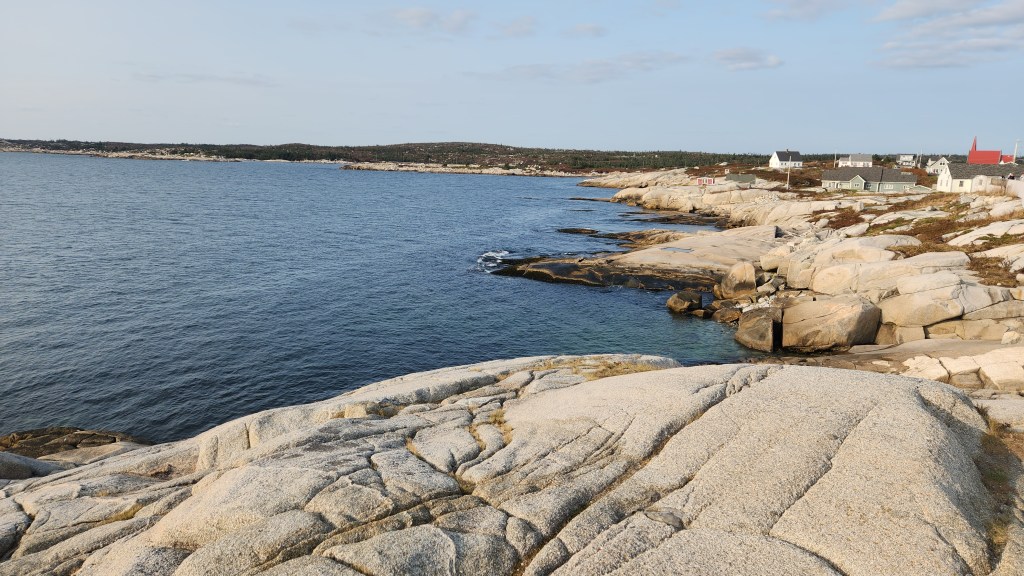
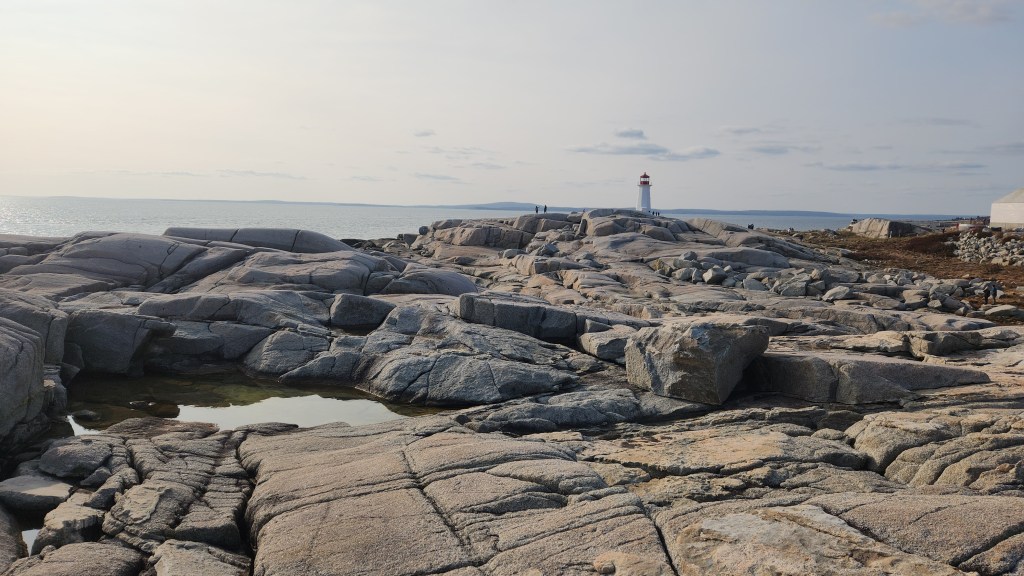
Peggys Cove, Nova Scotia
View of St. Margaret’s Bay from Peggys Cove, Nova Scotia
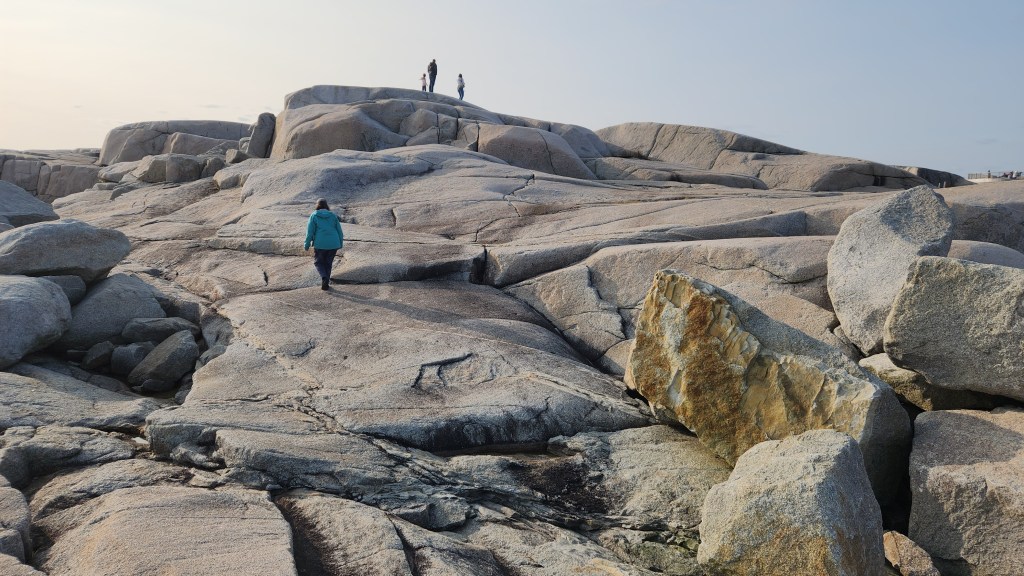
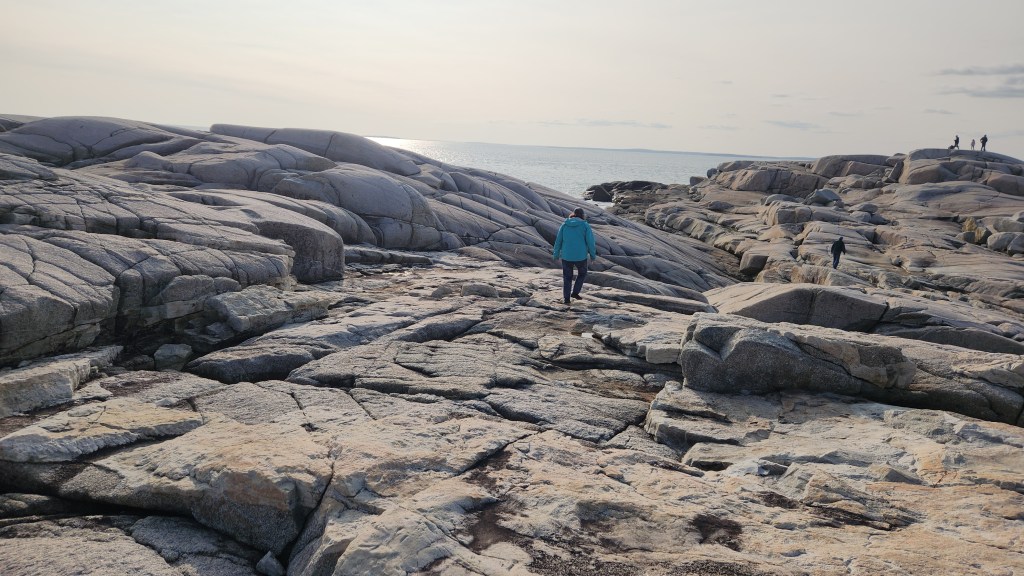
Granite Rocks at Peggys Cove, Nova Scotia
Granite Rocks at Peggy’s Cove, Nova Scotia

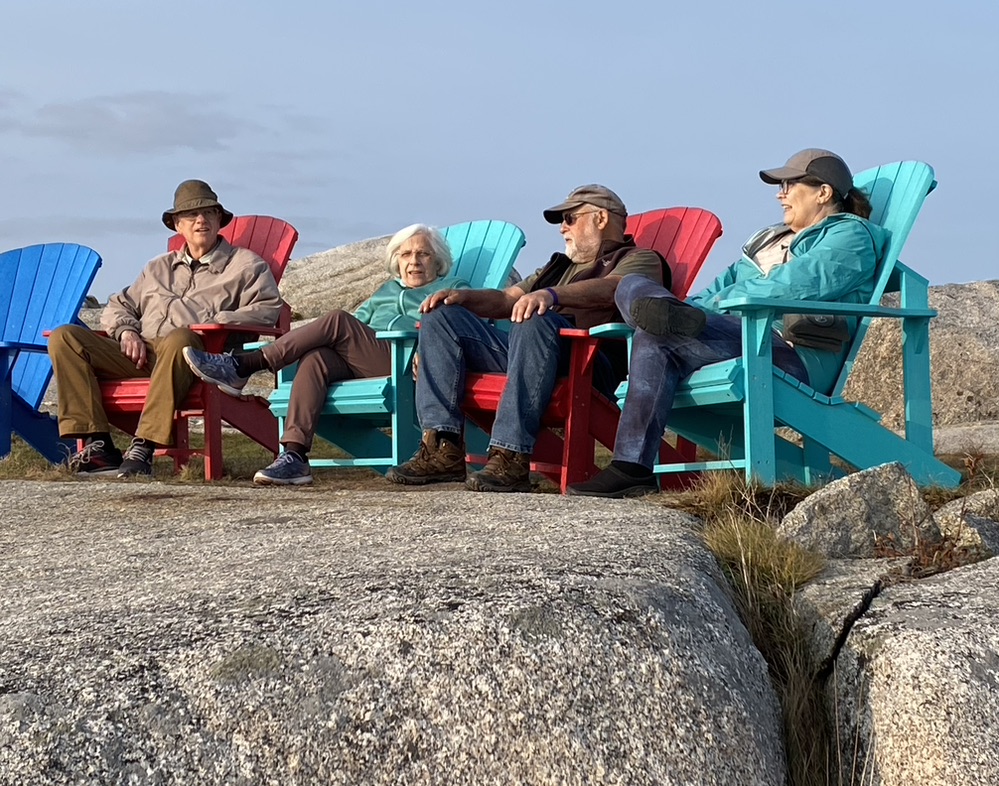
There are many signs warning of the hazards involved in exploring Peggys Cove, but we didn’t let those deter us. After some clambering about, we relaxed on the comfortable chairs set out for visitors until it was time for dinner.
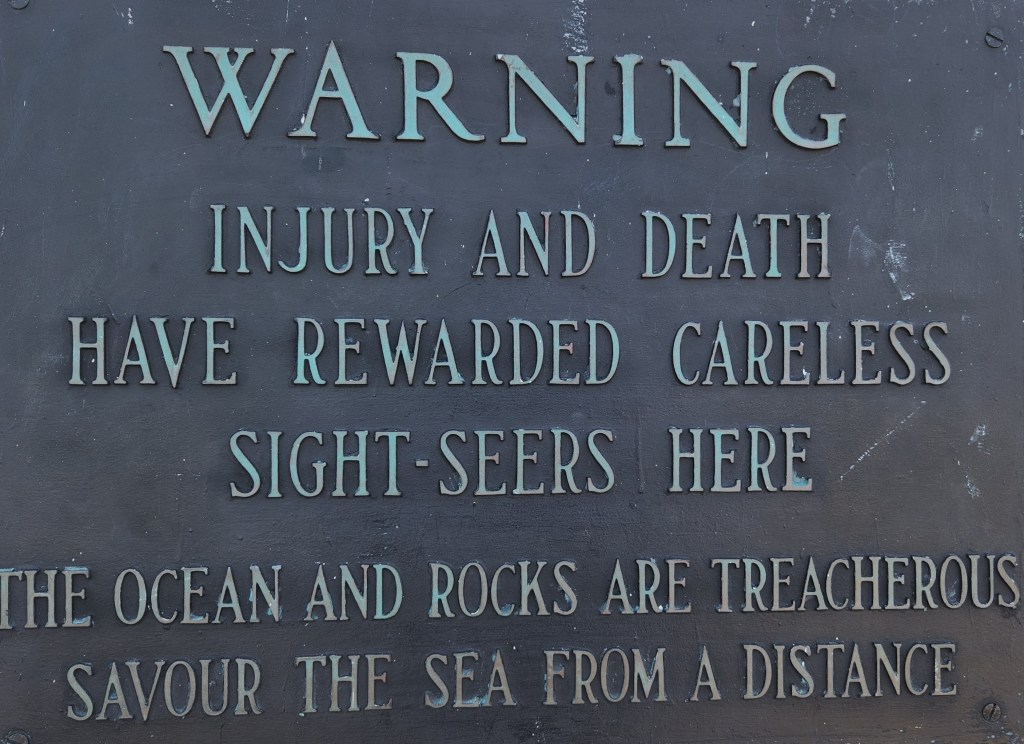
A Dire Warning for Careless Maritime Meanderers
Relaxing before dinner at Peggys Cove

We had lobster at the large visitor’s center building, and although it was tasty, it was nowhere near as good as our feast on the Shediac Tour boat the day before. After dinner, we went back outside to watch the sunset before boarding the bus again.
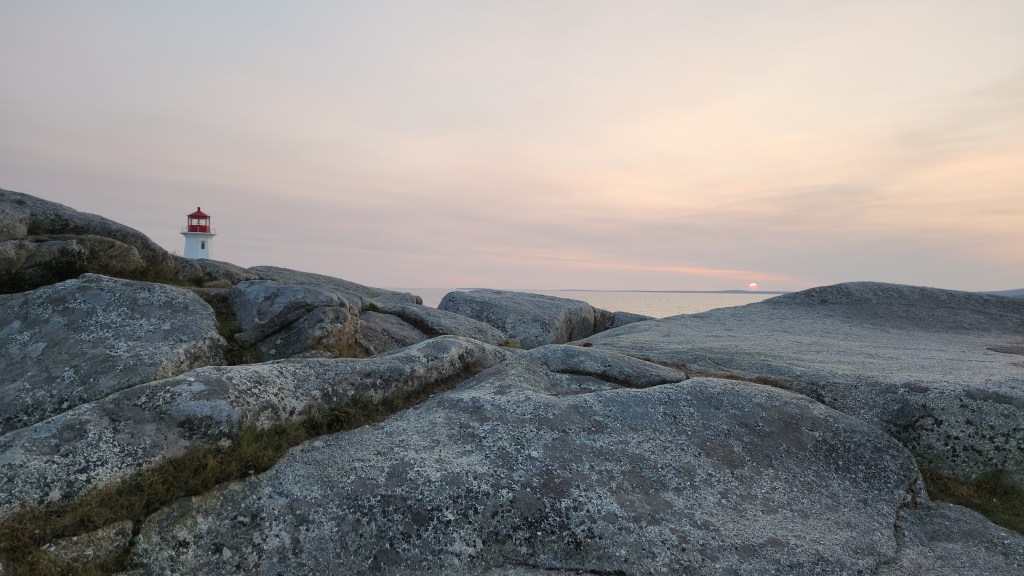
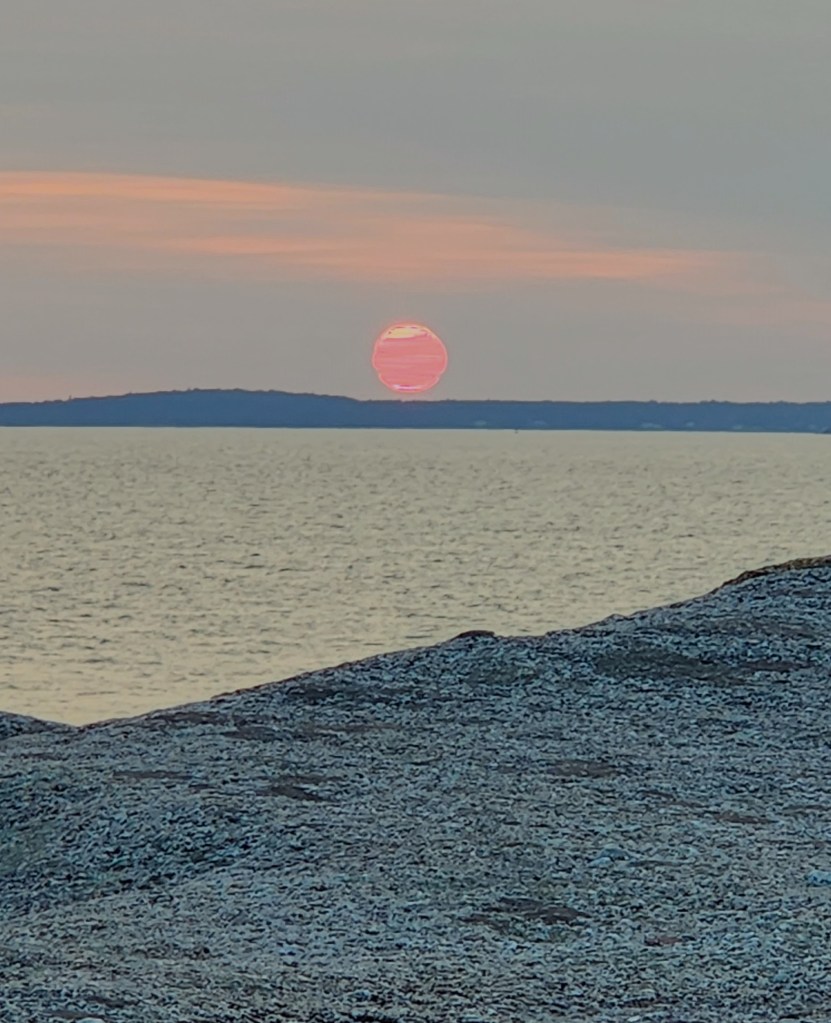
Sun Setting over St. Margaret’s Bay
A beautiful end to our evening at Peggys Cove

On the way back to the Hotel Halifax, our bus driver, Kirby, entertained us all by missing a turn on one of the roundabouts – twice. He was clearly embarrassed, but all of us had done something like that before and were just glad to know that even professionals can sometimes find the occasional evil roundabout to be a challenge. Sadly, we had to bid Kirby adieu as we departed at the hotel, wishing him the best after eight nearly flawless days of Maritimes meandering.

Here’s a map of the day’s travels:
Wednesday, September 27, 2023: On Wednesday morning, we breakfasted with the remaining members of our tour group for the last time before heading to the Halifax Stanfield International Airport. I don’t have a map of the day’s travels, which, if I did, would show us Ubering to the airport some 32 miles north of the hotel, flying to Toronto, eating lunch in the Toronto airport (we just had to get another Shawarma wrap and a salad at that great place we discovered in Part 1), then flying on to Thunder Bay, retrieving the Tesla from long-term parking, and driving back to the cabin in Grand Marais. Not very exciting, but it gave us time to reflect on our Road Scholar program, The Best of the Canadian Maritimes. As we discussed the adventure, we enthusiastically rated it with two thumbs up.

So, there you have it, dear readers, my complete report on Pat and Dave’s Magical Maritime Meanderings. To sum up, here is a map showing all of our destinations and travel routes in the Maritime Provinces.

We haven’t scheduled any further travels for a while, since I’m having total knee replacement surgery in mid-October (left knee) and hopefully in mid-January (right knee). What with the associated physical therapy, we assume I won’t be up for travel until spring, and then we’ll be heading back to Grand Marais. However, in December of 2024 we are booked on a Viking River Cruise along the River Duro in Portugal, which I will no doubt attempt to chronicle. All the best until then …

Pat and Dave’s Magical Maritime Meanderings – PART 2: Cape Breton and Prince Edward Island

This post continues the story of our Road Scholar tour of the Canadian Maritimes. In Part 1, I told of our rough start and the days of the tour through our visit to Fortress Louisbourg. The post ended at our hotel, Auberge Gisele’s Inn in Baddeck, Nova Scotia.

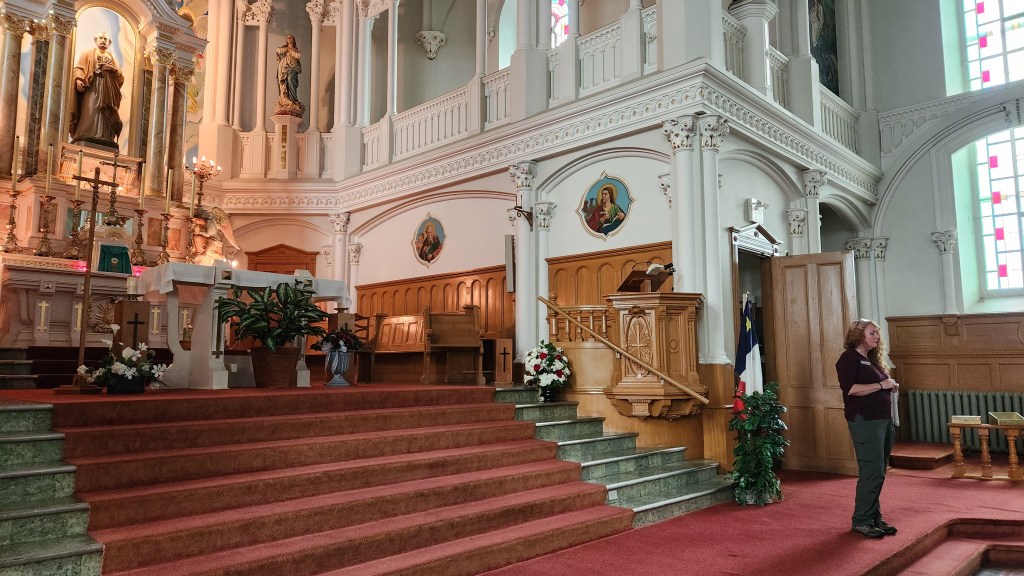
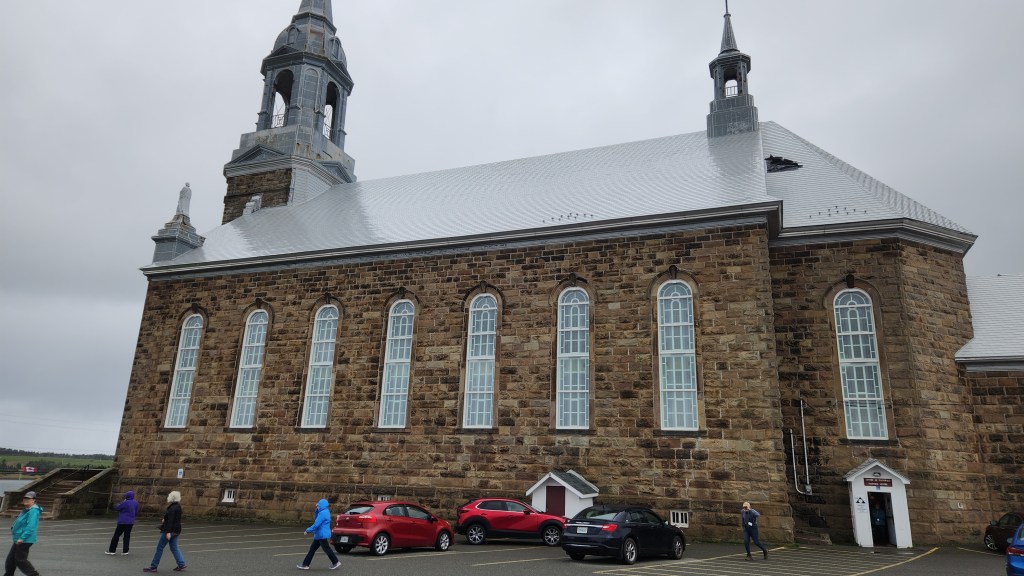
Wednesday, September 20, 2023: On Wednesday morning, we rose for 7 AM breakfast at the hotel before heading off for the northern part of Cape Breton Island. The highway that circles the northern tip of the island is the world-famous Cabot Trail, named for Italian explorer Giovanni Caboti, better known as John Cabot, who explored Cape Breton Island during his 1497 voyage. Our first stop was in Cheticamp, a picturesque Acadian fishing village where we visited St. Peter’s church and Le Trois Pignons.

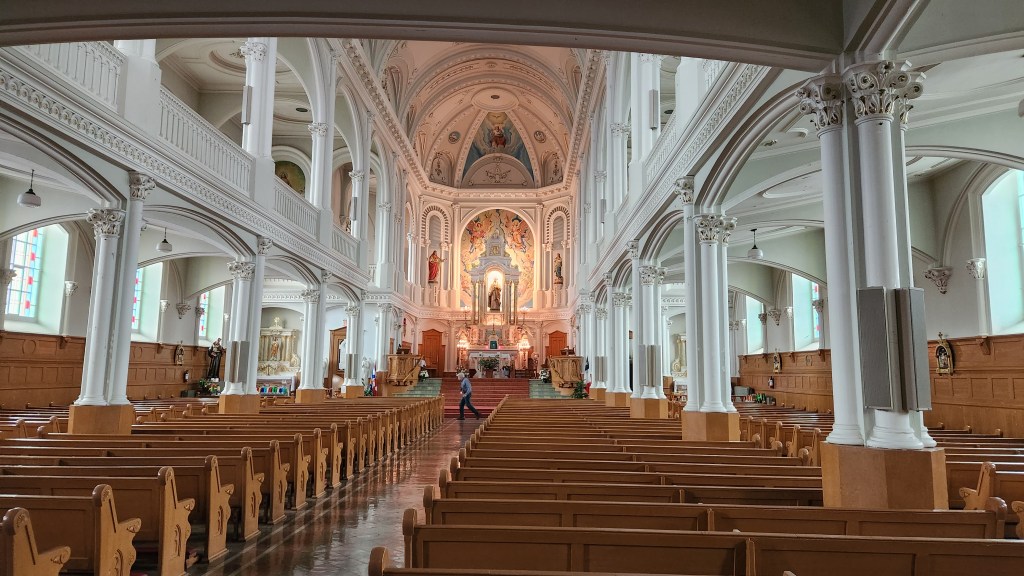
When a new Catholic priest was assigned to Cheticamp in 1875, he determined that the area needed a much larger church than existed at that time. He imposed an annual levy on parishioners beginning in 1880, and construction of St. Peter’s was completed in 1893 by expert tradesmen from Quebec. Its vaulted plaster ceilings were completed in 1900, and the ornate altar was added in 1912. At right in the last photo below you can see our excellent guide for the day, a knowledgeable and charming local resident self-nicknamed “Cheryl of Gray Shingles,” singing a hymn for our group.

St. Peter’s Church, Cheticamp, Nova Scotia
Vaulted Ceiling in St. Peter’s Church
St. Peter’s Church Altar

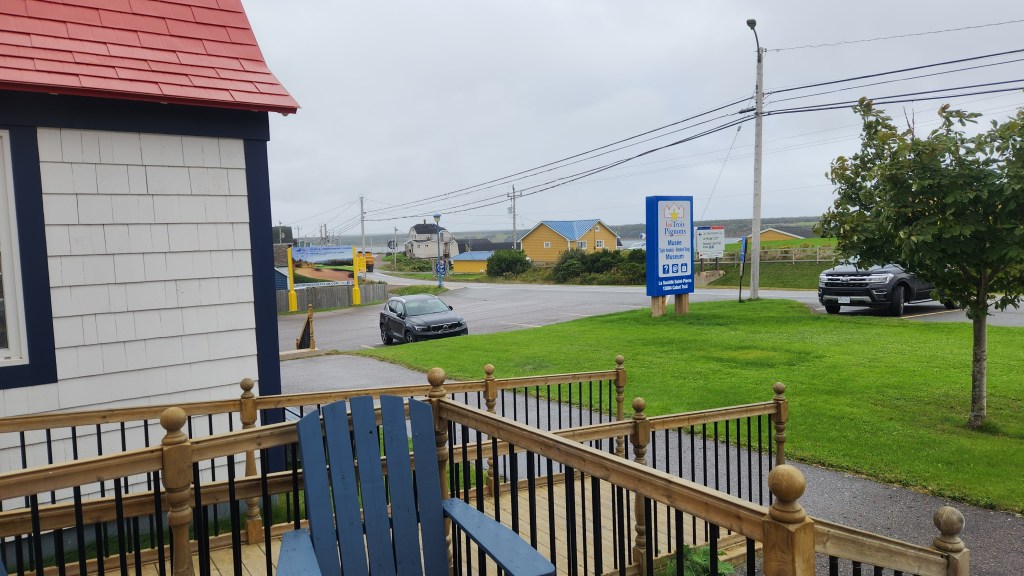
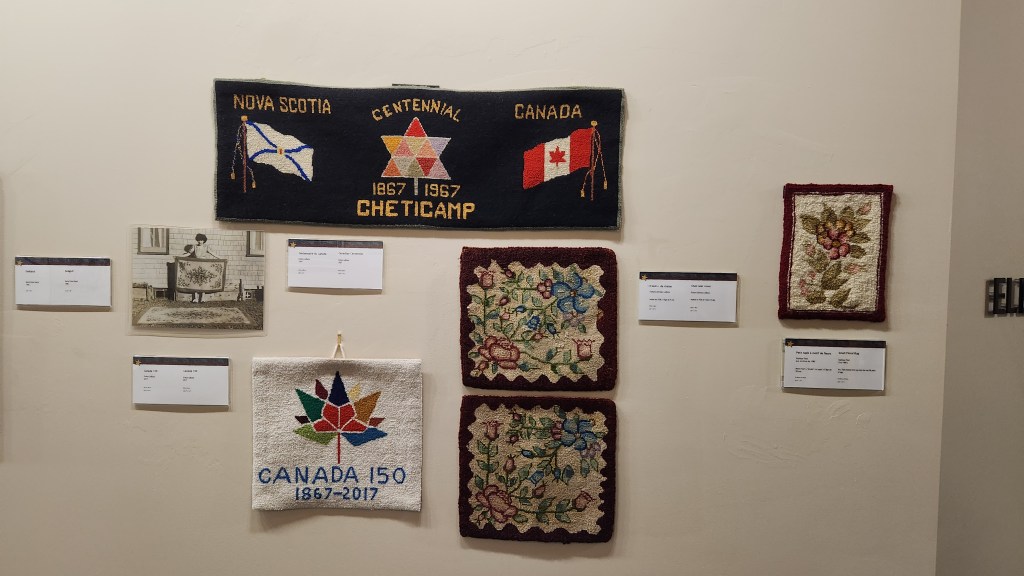
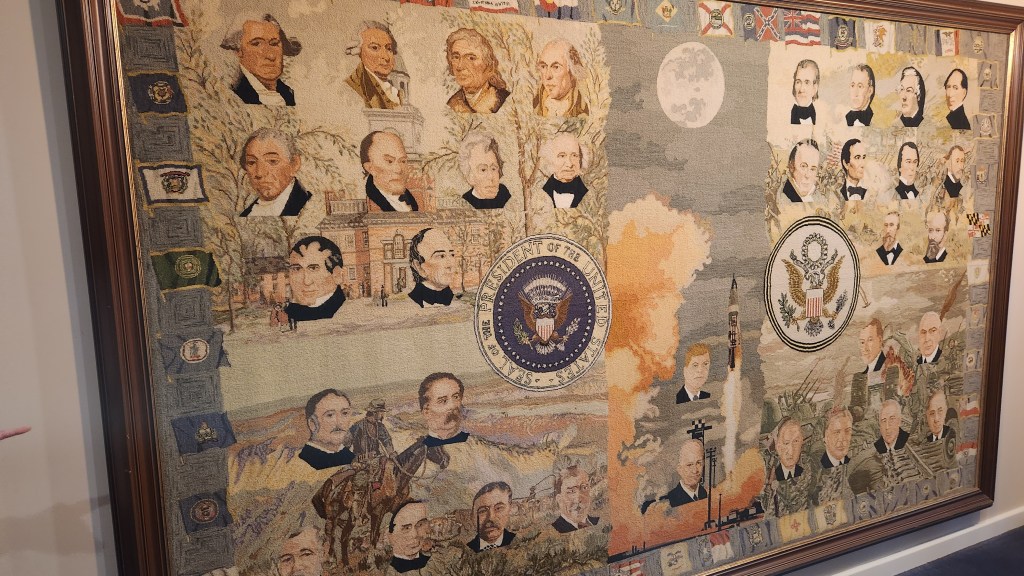
Le Trois Pignons (The Three Gables) is officially known as the Museum of the Hooked Rug and Home Life. It was begun when local resident Marguerite Gallant donated a huge collection of antiques and other artifacts she had collected during her 94-year lifetime. The museum also includes an impressive collection of hooked rugs by local artisans, including Elizabeth LeFort, who began hooking rugs at age 9 and became world famous, continuing to produce amazing rugs until her death in 2001 at age 91.

Le Trois Pignons Museum, Cheticamp, Nova Scotia
Hooked Rugs at Le Troi Pinions
Example of Elizabeth LeFort Rug

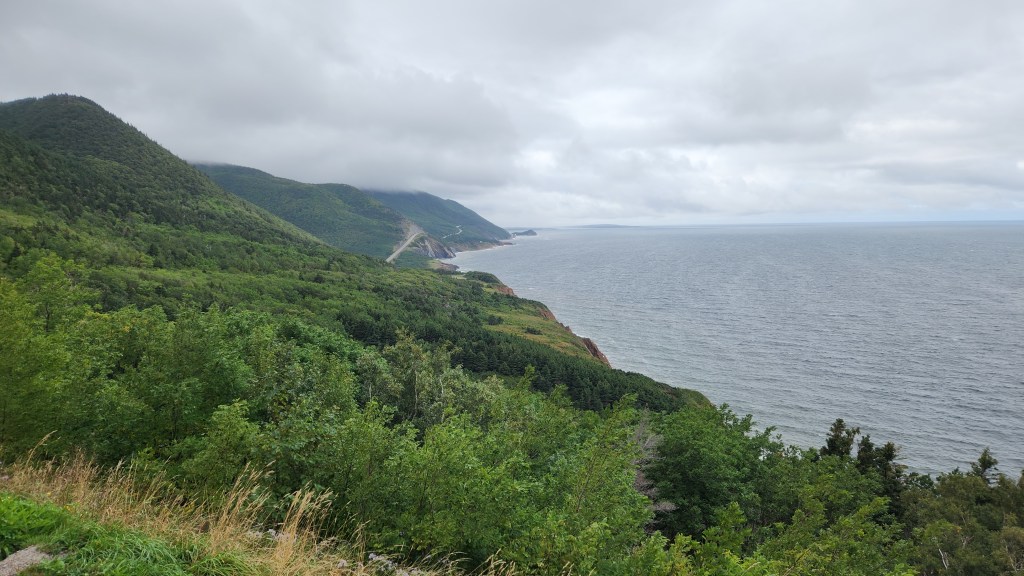
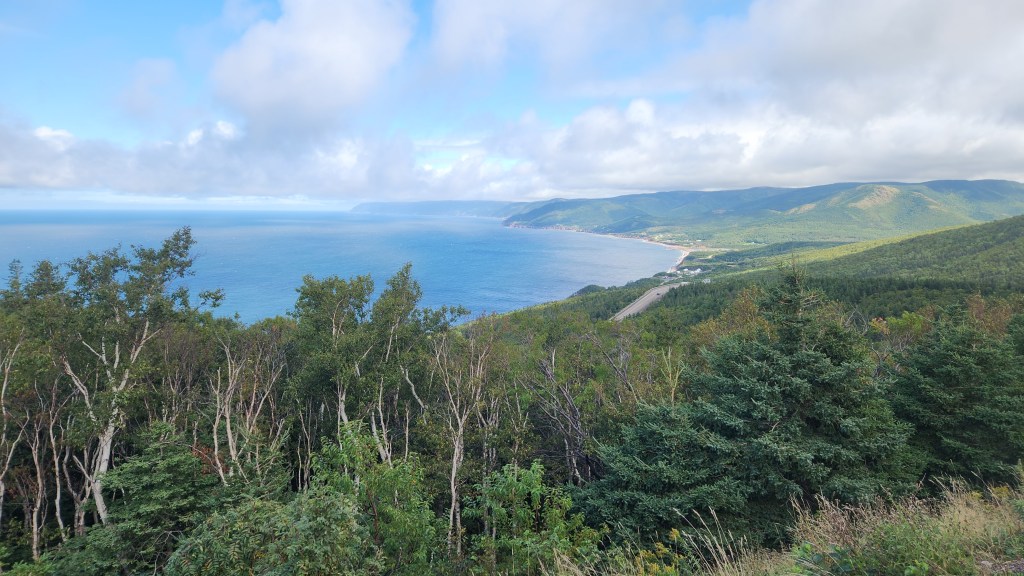
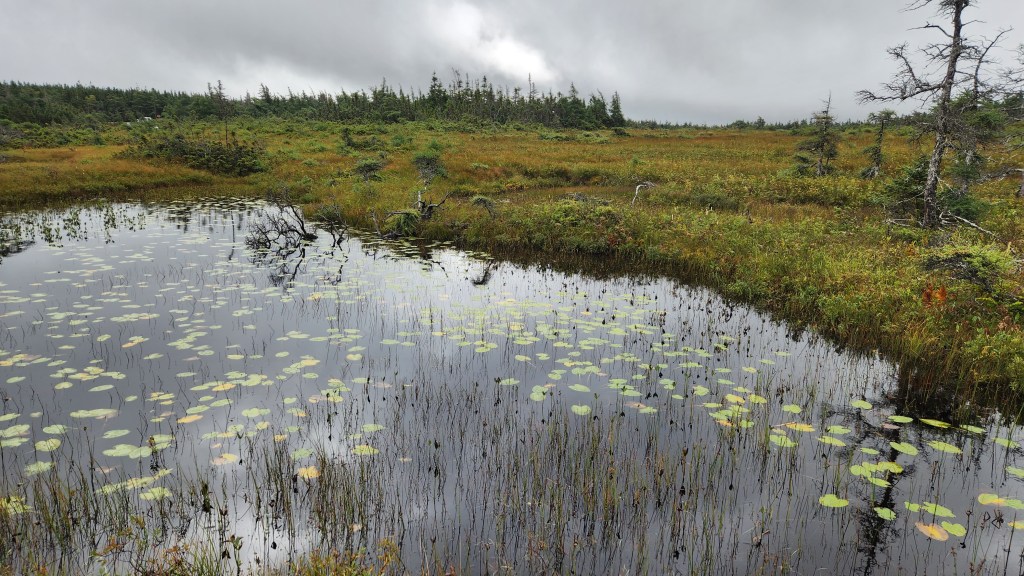
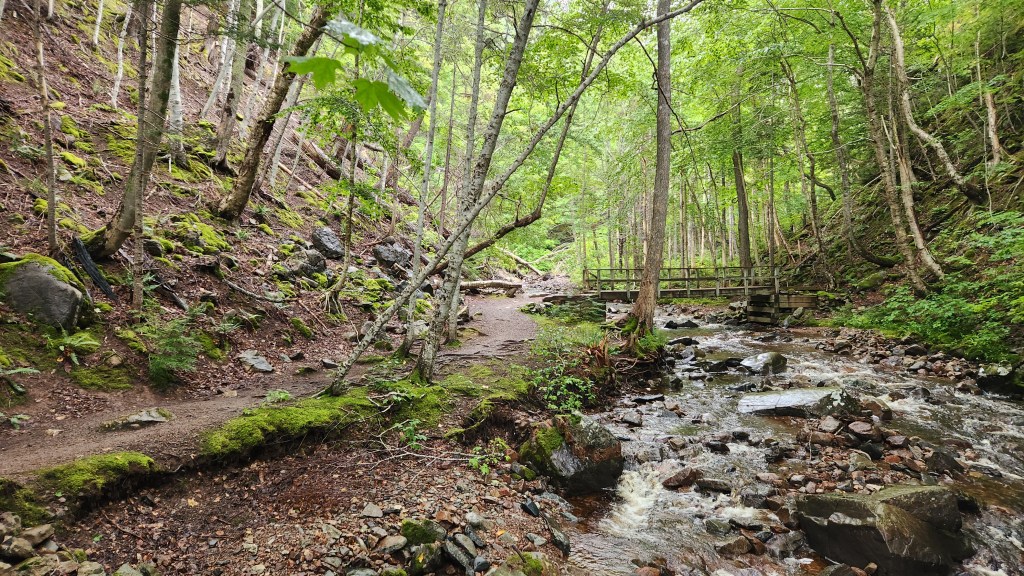
From Cheticamp, we traveled on to Cape Breton Highlands National Park. We made three stops in the park, at a scenic overlook, at the Bog Trail, and at the Macintosh Brook Trail. The scenery was spectacular, and very reminiscent of our earlier trip to Acadia National Park in Maine, although Cape Breton Island has more elevation change as one would expect of “Highlands.”

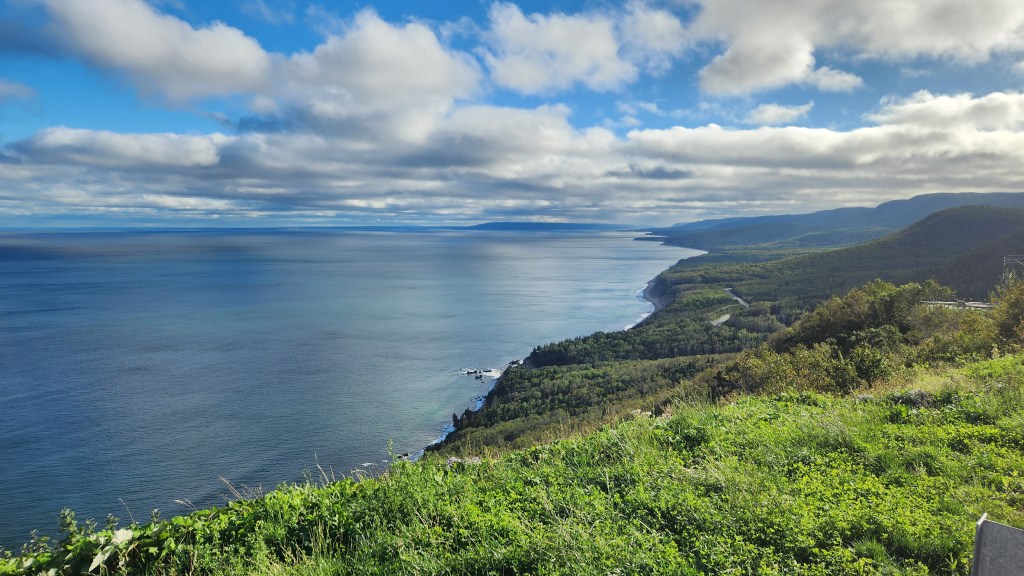
View from the Cabot Trail in Cape Breton Highlands National Park
View from Scenic Overlook
Along the Bog Trail
Along the Macintosh Brook Trail
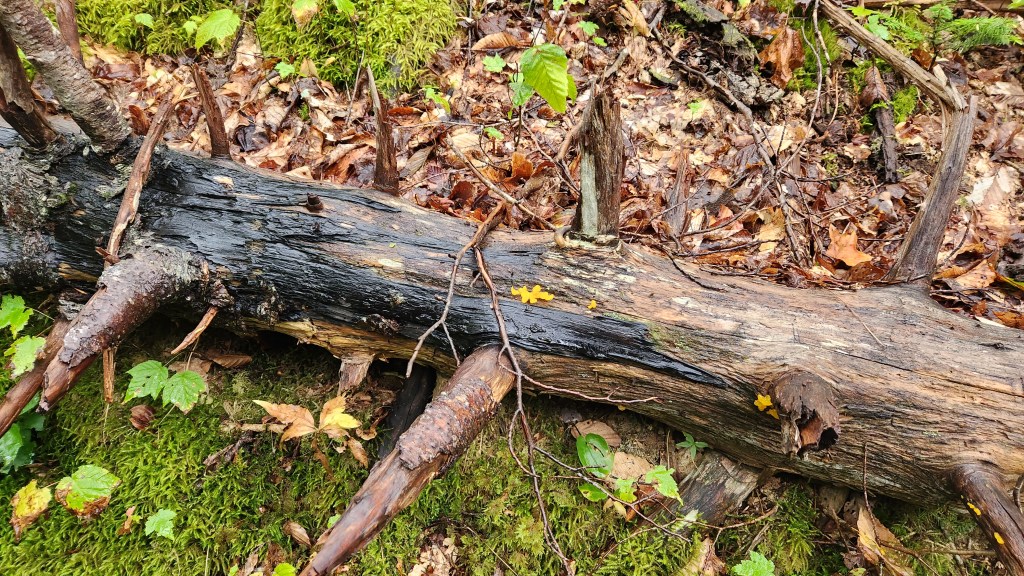
Fallen Tree with Fungal Growths along Macintosh Brook Trail

We had a group box lunch at the Macintosh Brook Trailhead (which coincidentally had a bank of chargers supplied by Tesla for their own and other brands of EVs) before driving out of the park again on the Cabot Trail. We then made a brief stop at Ingonish Beach for a final look at the spectacular scenery before heading back to the hotel.

Near Ingonish Beach on the Cabot Trail
A Final Look from the Cabot Trail

I took particular notice of a lovely golf course near Ingonish appropriately called Cape Breton Highlands Links, rated as the fourth best in Canada and among the top hundred in the world. Hmmm, Tesla charger, great golf course – this may be a good place to go back to in the future.

Back in Baddeck, the group dispersed independently for supper. While most of the group went to various restaurants in town, Pat and I enjoyed the second of those beef bourguignon dinners that the hotel had set aside for us on Monday evening.

Here’s a map of Wednesday’s travels:

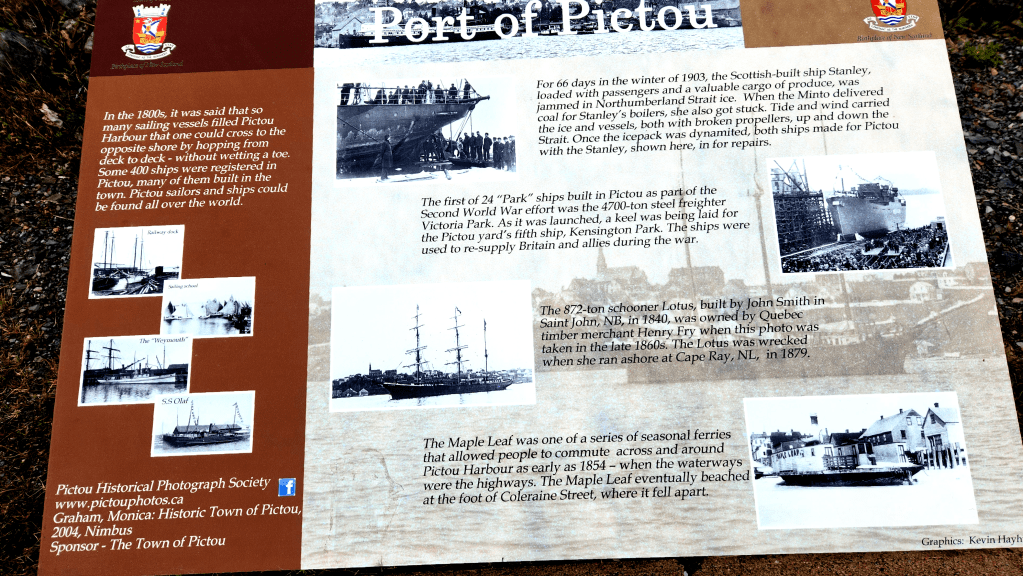
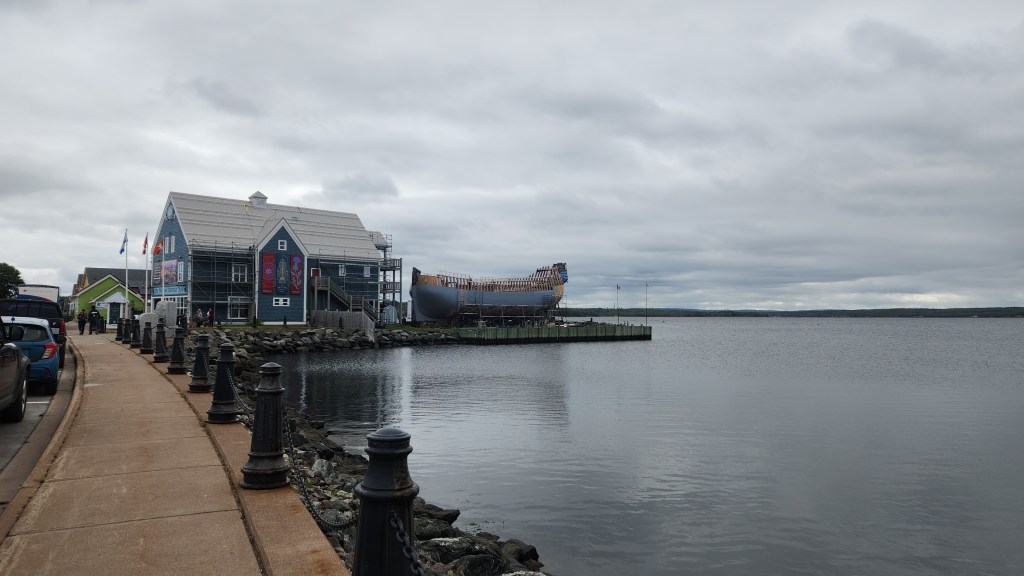
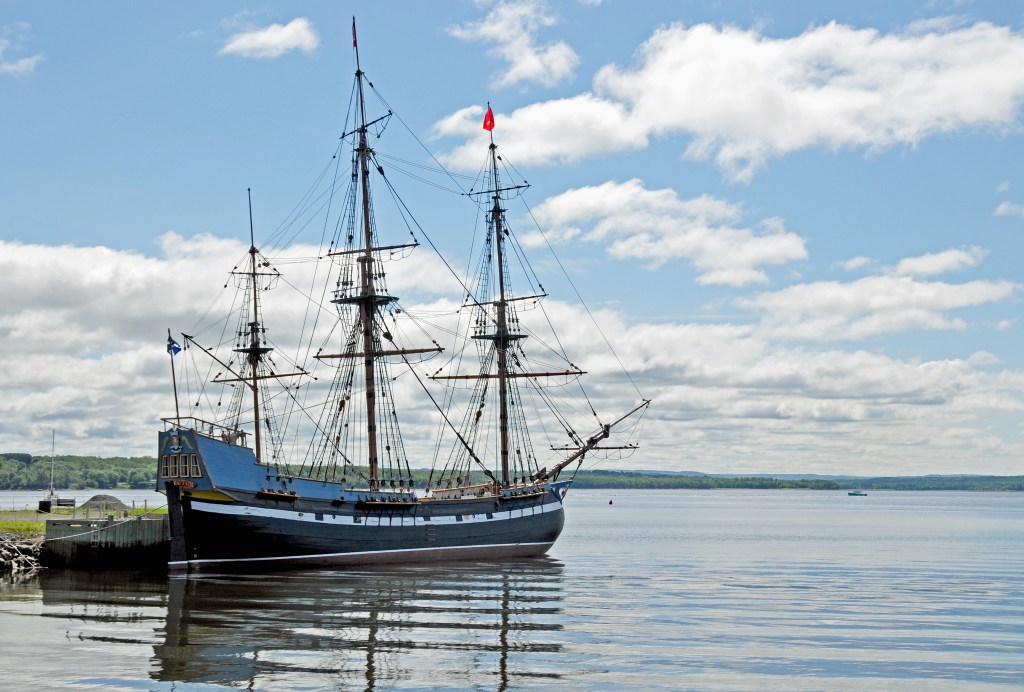
Thursday, September 21, 2023: On Thursday, we checked out of Auberge Gisele’s Inn and headed west. Our main stop of the day was in the seaport town of Pictou, where we visited the Hector Heritage Quay. This museum is dedicated to the voyage of the ship Hector, which arrived in Pictou harbor on September 5, 1773, carrying 189 passengers – the first people to emigrate directly from Scotland to Nova Scotia, though earlier ships had brought Scottish emigrants to Prince Edward Island. The Hector passengers were Scots forced off their ancestral lands, enticed by the ship’s owner who promised free passage, a year of free provisions, and a farm on land he had purchased near Pictou. After an arduous, eleven-week voyage, during which 18 passengers died of dysentery and smallpox, the provisions never materialized and the land was unsuitable for farming. Yet the new immigrants managed to survive and become a major part of the future Scottish presence in Nova Scotia. The Hector is currently being restored, as shown in the photo below. It has a long way to go to achieve its former glory as depicted in the companion photo I borrowed from the internet, and our guide at the museum wasn’t shy about sharing details of the ongoing fundraising effort.

Poster in Hector Heritage Quay
Hector Heritage Quay with Hector Replica in Progress
Photo by Dennis Jarvis, wikimedia.org/w/index.php?curid=1667572

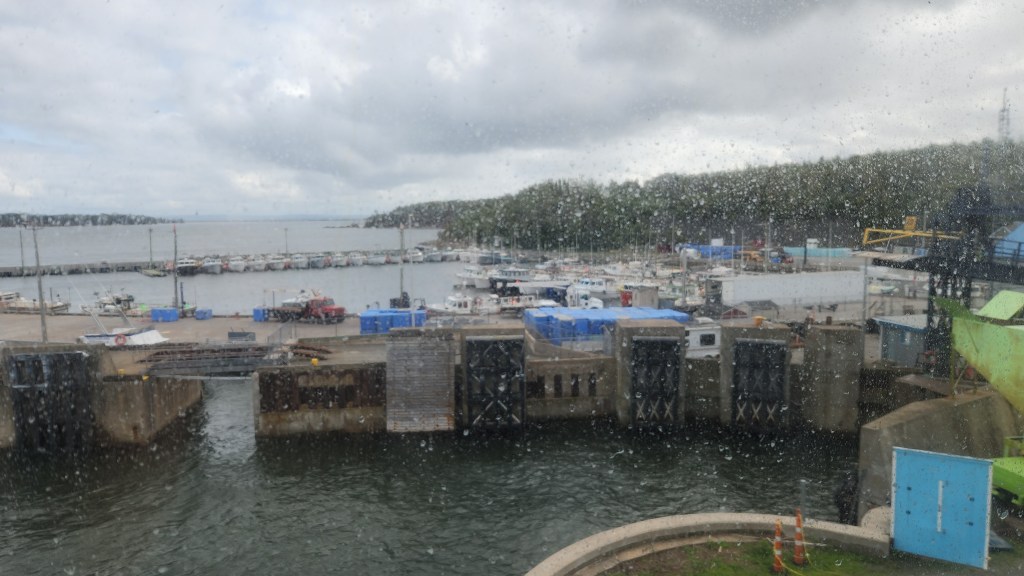
After the museum, we motored to the nearby ferry terminal and crossed the Northumberland Strait to Prince Edward Island (PEI). After a brief stop at a small tourist area in Wood Islands, we continued on to Charlottetown and the Hotel on Pownal (named for Pownal Street in Charlottetown) where we stayed for two nights. As you can see in the photo below, it was quite rainy during the ferry crossing, so I didn’t get any useful photos.

Pictou to Prince Edward Island Ferry Terminal

During our stop at Wood Islands, the sun came out, and I was wandering around looking for photo opportunities. Just as I was ready to snap a few, I was drenched by a cloudburst and rushed back to the bus (if you can call my ungainly old-man gait “rushing”), and then the sky cleared again. I took this as a sign to give up on photos for the day, so you’ll just have to trust me that the scenery on PEI was quite lovely. I’ll also note that, following the changeable and often rainy conditions up to this point, the weather was fantastic for the remainder of the trip.

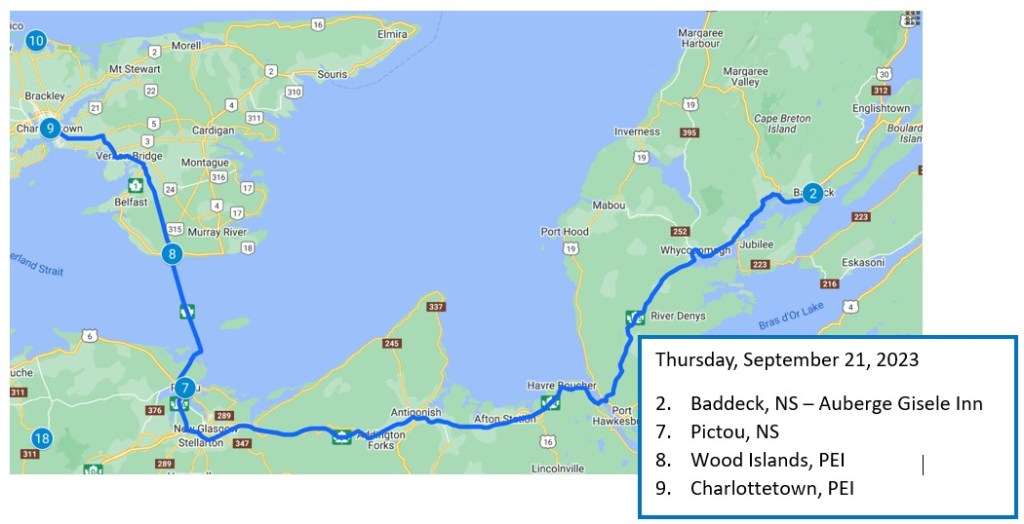
Here’s a map of the day’s travels:

Friday, September 22, 2023: On Friday morning, we joined the other tour participants for breakfast at the hotel at 8 AM, and then attended an excellent lecture on the history of PEI and Charlottetown by a man named Cameron Macdonald (it seems that a huge percentage of the people on PEI are named Macdonald). We learned that the island’s cultural heritage is a mix of First Nations, French, English, Irish, and Scottish. Archeologists have found evidence of Mi’kmaq settlements that date back thousands of years, and the early French settlers enjoyed very good relations with the Mi’kmaq people. Not so much so with the English, whom they opposed in the so-called French and Indian War, and perhaps not so much with the subsequent Scottish and Irish immigrants who flocked to the island after the English defeated the French and their Native allies.

Interestingly, our lecturer (and virtually all of the guides at the various sites on the tour – in Nova Scotia, PEI, and New Brunswick) took pains to explain that the places we visited are “unceded lands of the Mi’kmaq.” So, even though the lands were taken by the immigrants, current Canadian policy is to acknowledge that fact rather than ignore it or try to pretend otherwise in the vein of many US politicians. When I asked one of the guides if there were any discussions of reparations within Canada, she said no, but agreed that recognition of history is at a minimum the first and proper thing to do.

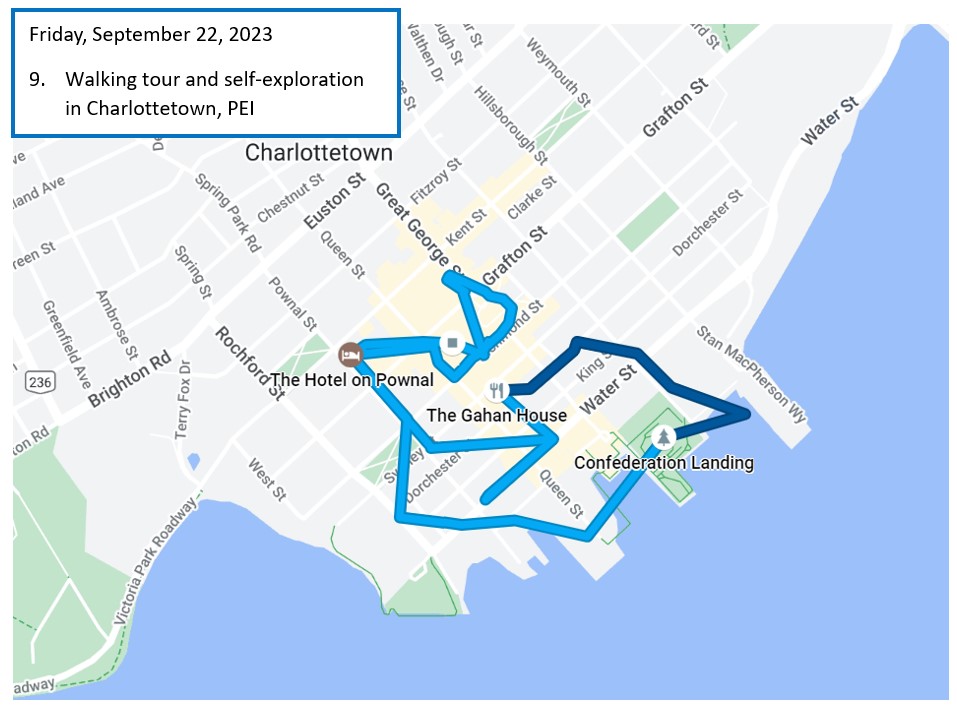
Following the lecture, we joined the guide for a walking tour of Charlottetown, during which he regaled us with stories such as the grisly, twice-botched execution of a man convicted of murdering a drunken man who had attacked him while walking in the street with his fiancée. The fiancée served as a prosecution witness when she learned that he already had a wife back in Scotland (or wherever he was from – I’m a little foggy on the details). At any rate, after the debacle, public executions were banned, though the gallows remained until the 1940s. The site of the gallows is now a public park with swing sets and other play equipment, which were being enjoyed by a group of schoolchildren even as Cameron told us the story.

We learned that shipbuilding began on PEI in 1789 and became the driver of PEI’s economy by the 1860s. The population was primarily engaged in farming, fishing, and lumbering, and many local residents became wealthy through manufacture of furniture and farm implements. However, the shipbuilding industry began to decline with the onset of metal ships in the late 1870s and collapsed almost entirely by 1880, wiping out half the economy. Later, bootlegging liquor to the US during prohibition became a large underground economy.

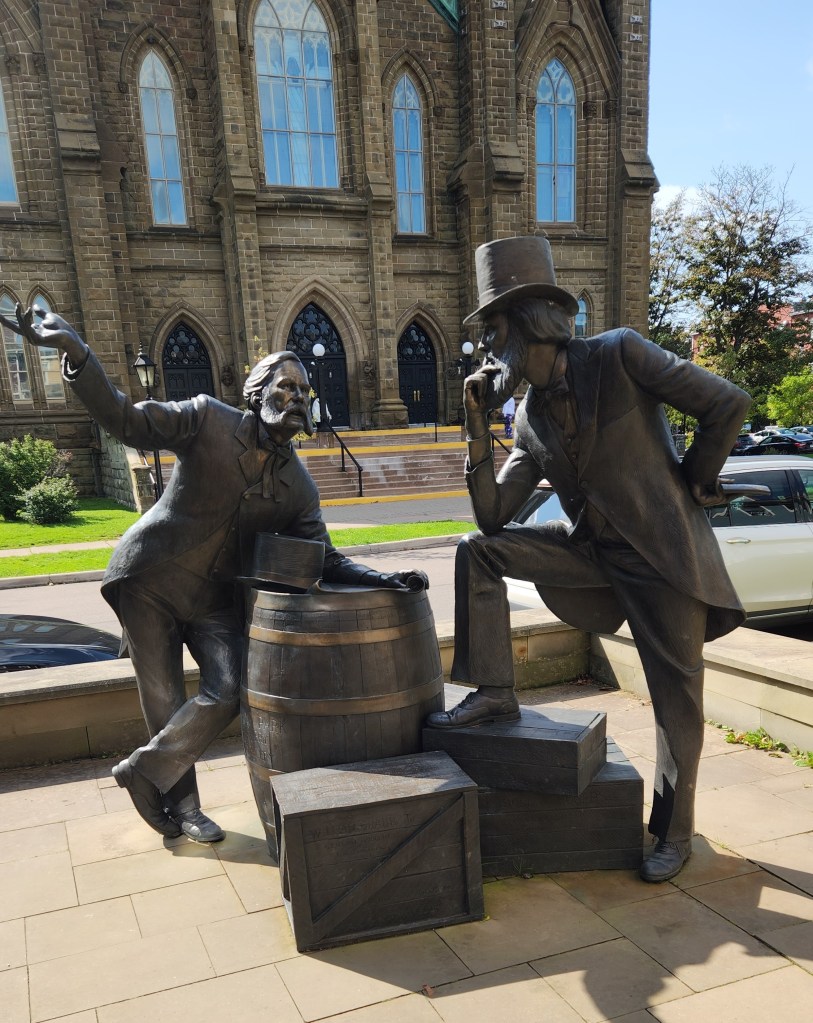
One thing I found curious is that the vast majority of the historic displays – statues, plaques, artwork, etc. – are related to Charlottetown’s status as “the birthplace of Canadian Confederation,” because the first meeting at which the idea was discussed took place in Charlottetown on September 1, 1864. The meeting was originally planned to discuss a union of the Maritime provinces (Nova Scotia, PEI, and New Brunswick), but delegates from the province of Canada (present day Ontario and Quebec) got themselves invited and used the opportunity to push their own idea of Canadian Confederation. The Canadian delegates arrived on the ship SS Victoria, bearing a massive cache of champagne, and found no one to welcome them until a single man, PEI’s Colonial Secretary William Henry (W.H.) Pope, was eventually rowed out to the ship. Unfortunately, there were no rooms available at the local hotels because the first ever circus had come to PEI, and the town was swelled with visitors wanting to attend the circus. Only Sir John A. Macdonald, the man who eventually became Canada’s first Prime Minister, was given accommodations at Pope’s residence on the island; the other delegates had to bunk on the ship during the conference.

Despite the rocky start, the Canadian delegation wined and dined and charmed the others and pushed aside all thoughts of Maritime Union. Canadian Confederation did happen on July 1, 1867, after subsequent meetings in Quebec and London, in which PEI didn’t even participate. The island had no interest in joining the Confederation because the PEI economy was still roaring due to shipbuilding and strong trade with the US. It was only in 1873, when shipbuilding had begun to decline, that PEI joined the Canadian Confederation. Despite this reluctance to join, much less participate in the Confederation’s planning, Charlottetown is now hailed as its birthplace. I guess revisionist history does thrive in Canada, despite my earlier comments about acknowledging the taking of Native lands.

Statue Commemorating the “Birthplace of Canadian Confederation” in Charlottetown

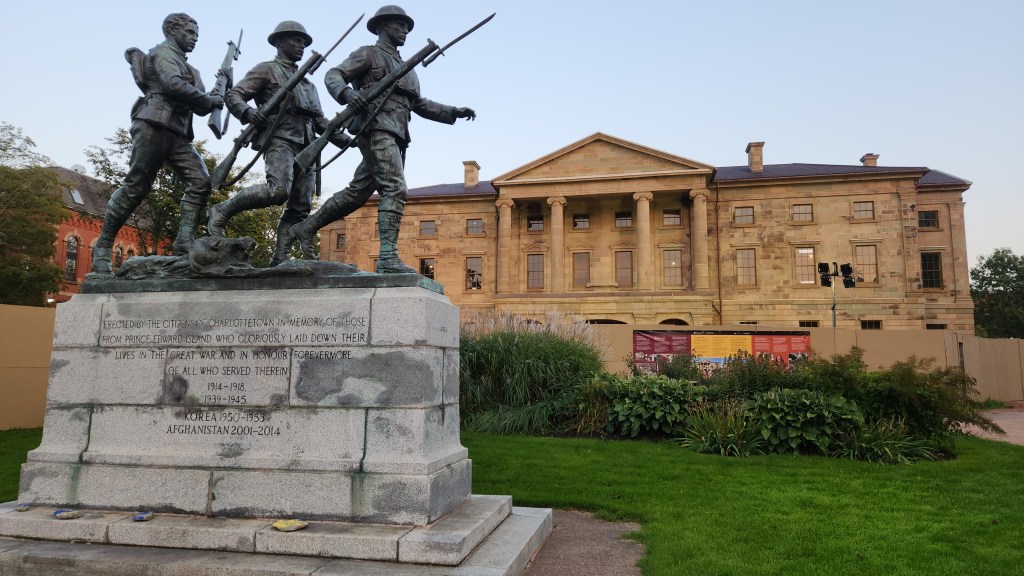
Some of the meetings took place at Province House, officially known as Legislative Assembly of Prince Edward Island, where the PEI Legislature has met since 1847.  The building was constructed starting in 1843, and the architect did not have a sufficient budget to include many features, such as the facade and balcony which were added later. Due to this delay in adding a balcony, there is no door leading to it, so politicians need to climb through a window when they wish to give a speech to an outdoor crowd.

Province House, home of PEI Legislature
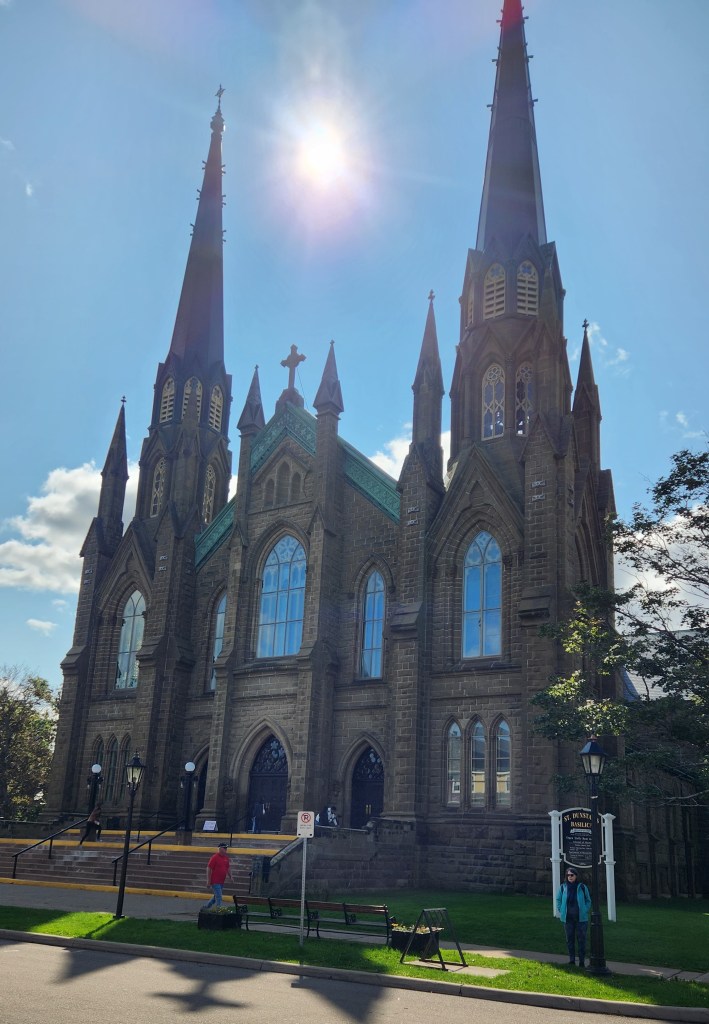
St. Dunstan’s Basilica, Charlottetown PEI
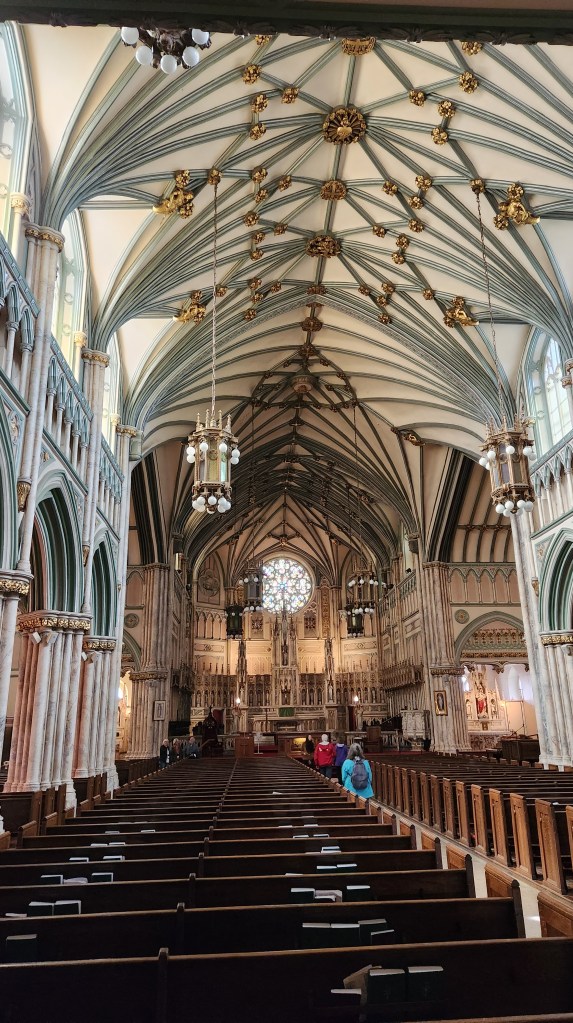
St. Dunstan’s Basilica
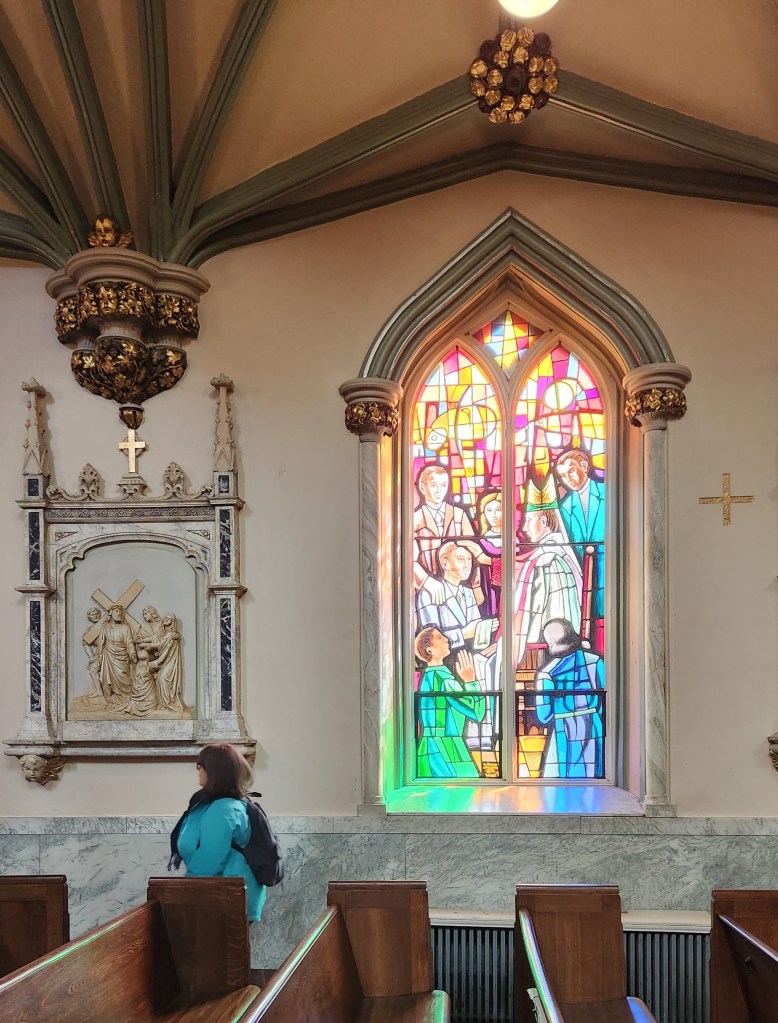
St. Dunstan’s Stained Glass — Note the Contemporary Figures Depicted
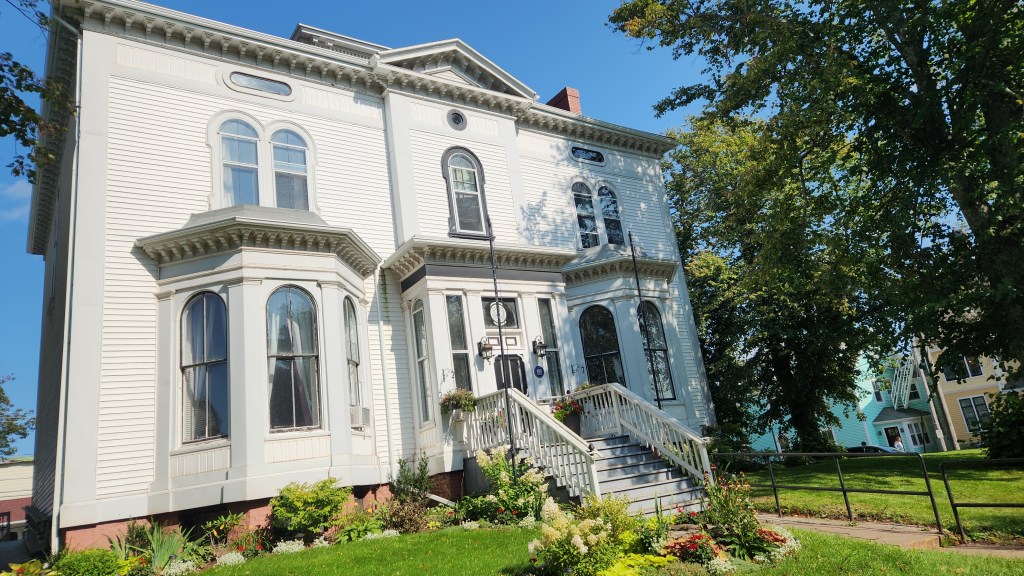
Historic House in Charlottetown
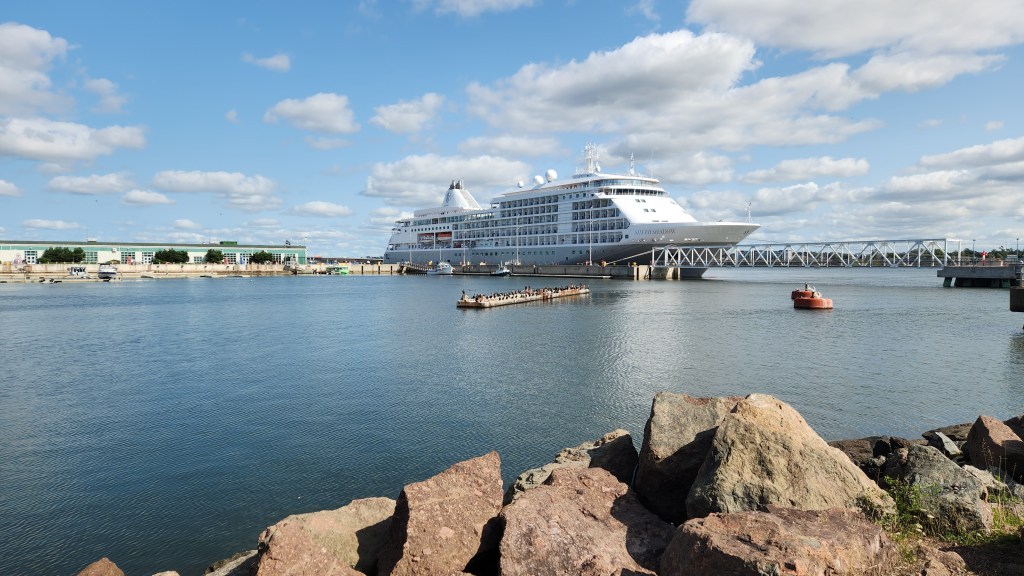
Charlottetown Harbor
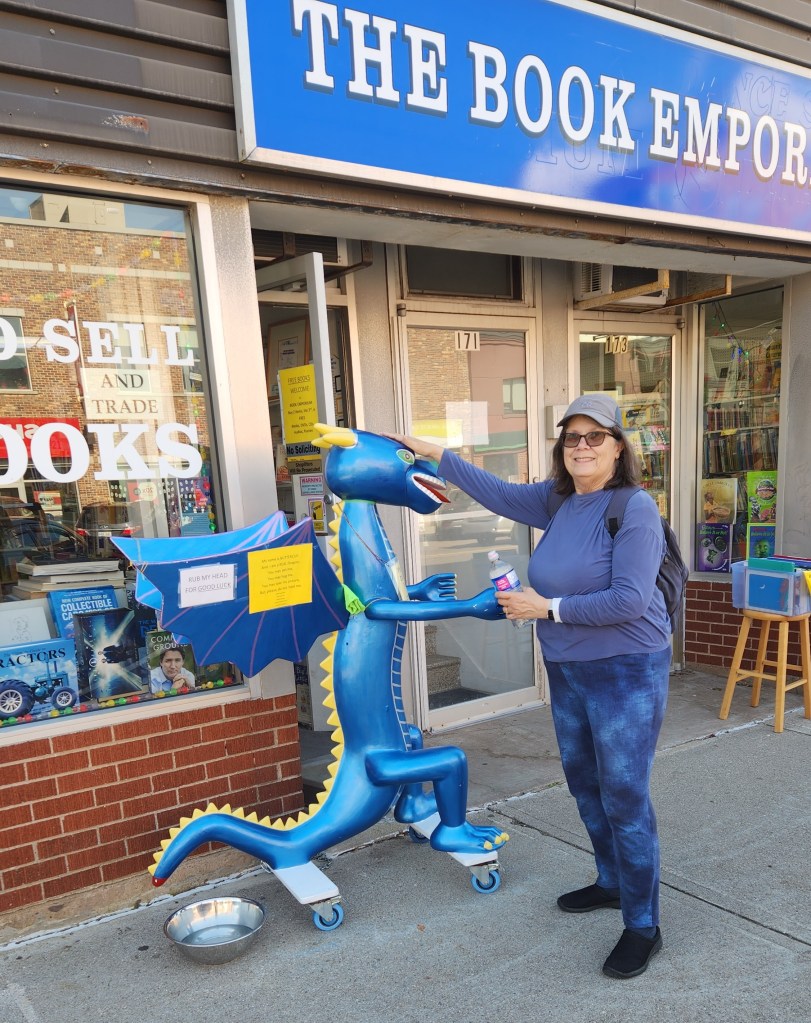
Pat Meets a new Friend in Charlottetown

After the walking tour, we had a group lunch at a local restaurant called The Gahan House (named for John Gahan, a prominent merchant and importer of wines, teas, and groceries on PEI in the 19th century) and then spent the afternoon roaming the city on our own. (I had an earworm of “She Wears Short Shorts” going all afternoon, eventually realizing that it might have been inspired by our server’s attire.)

We ate dinner, again on our own, at Brit’s Fish and Chips and then attended a madcap comedy at the Confederation Centre of the Arts called The Play that Goes Wrong. It was great fun and a nice way to end our time in Charlottetown.

Here’s a map of the day’s travels:

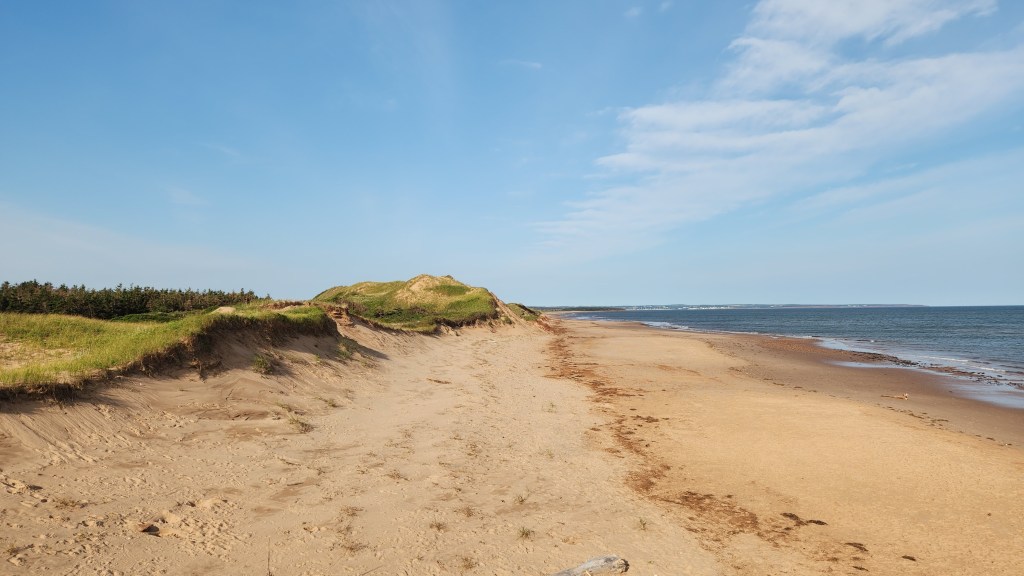
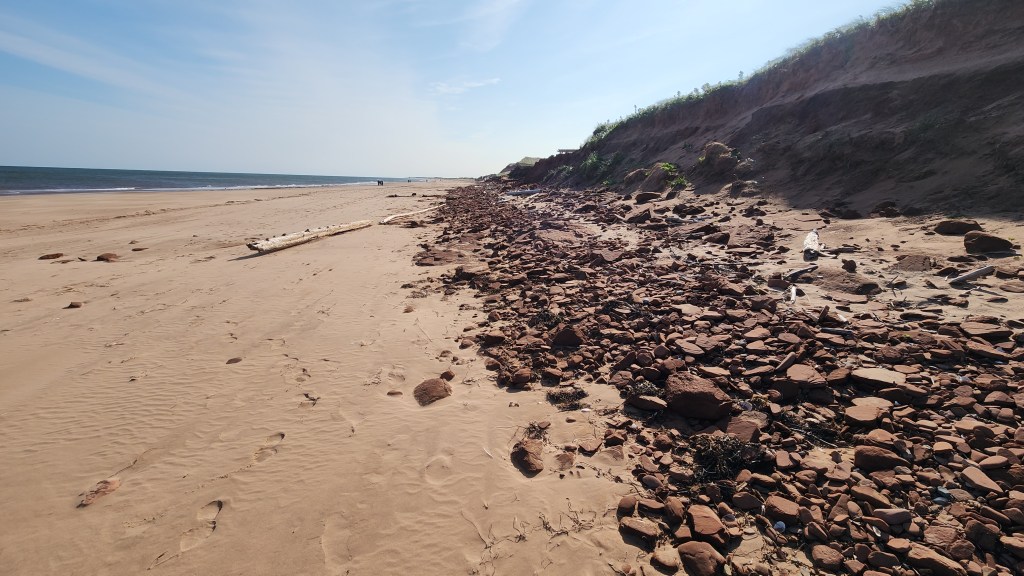
Saturday, September 23, 2023: On Saturday morning, we checked out of the Hotel on Pownal after breakfast and headed for the north side of the island. Our first stop was at the Prince Edward Island National Park. Known for its diverse habitats including forests and wetlands, the park provides a home for a variety of plants and animals, and is popular for its beaches, sandstone cliffs, sand dunes, barrier islands, and sand pits. The coastal area is inhabited by the endangered Piping Plover, whose nesting sites are protected. The park is a dynamic system of shifting sand carried by wind and waves, and is the finest example of sand-dune ecosystems in Atlantic Canada.

Prince Edward Island National Park Beach
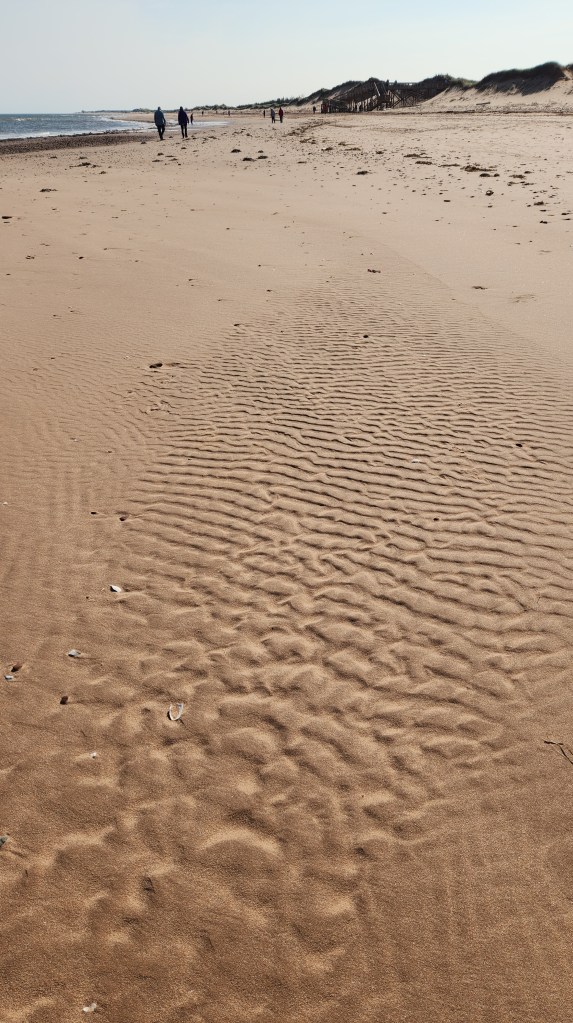
Wind Patterns on the Beach
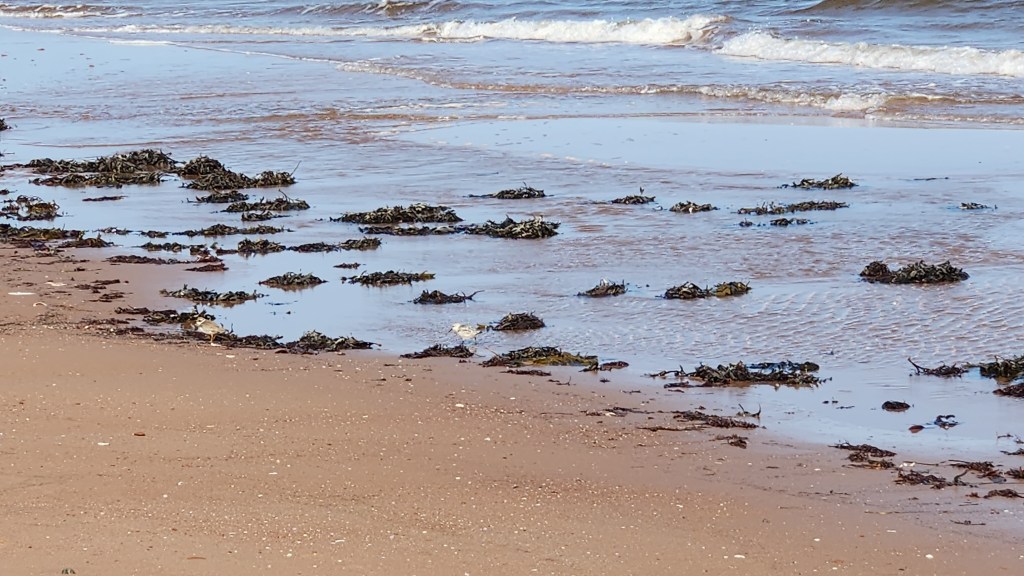
Scavenging Birds at Prince Edward Island National Park

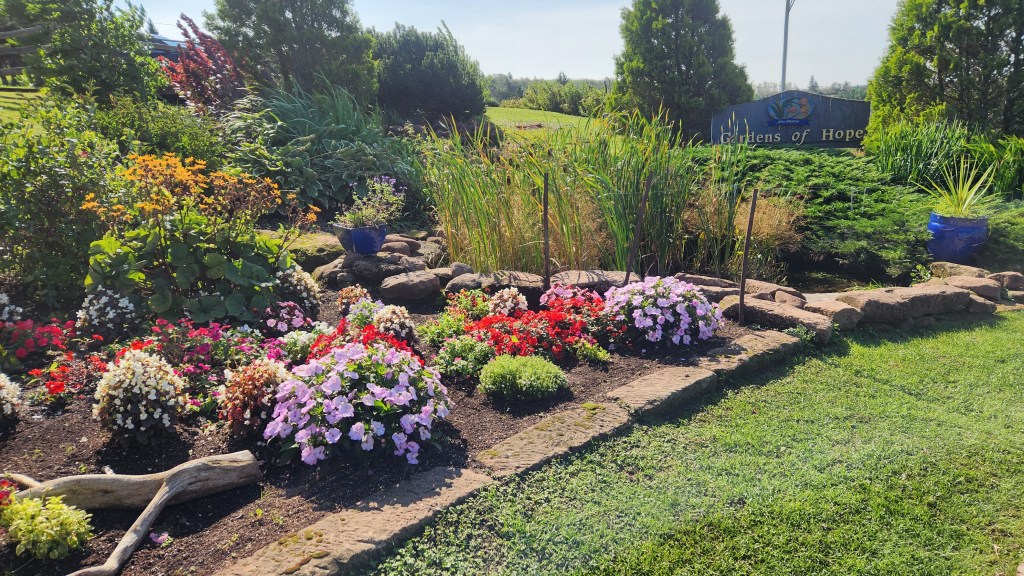
After the National Park visit, we stopped for lunch at the Prince Edward Island Preserve Company, whose grounds include a beautiful Peace Garden. We also bought some jam there, which will serve as a reminder of the lovely place we enjoyed.

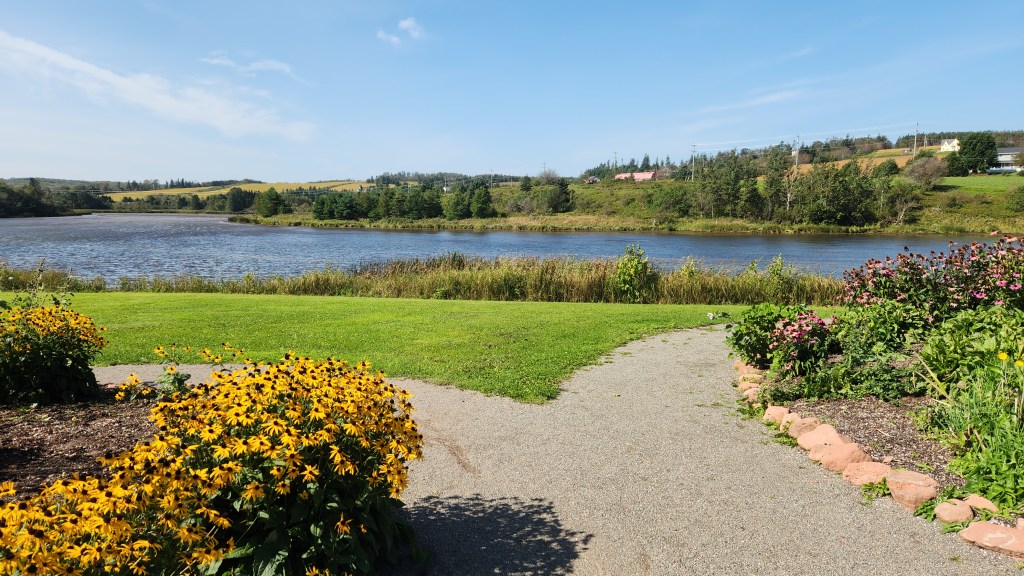
Peace Garden at the PEI Preserve Company

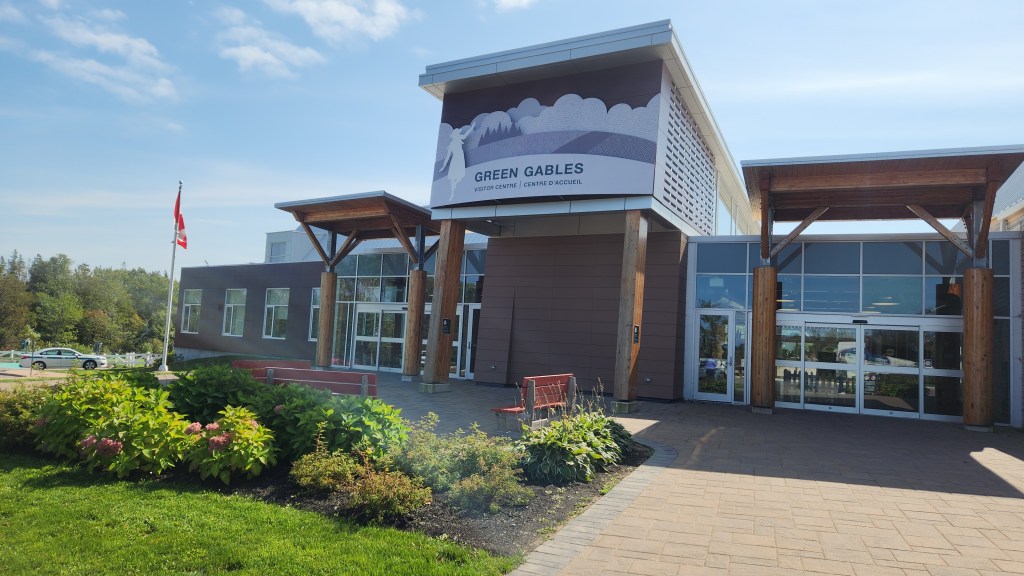
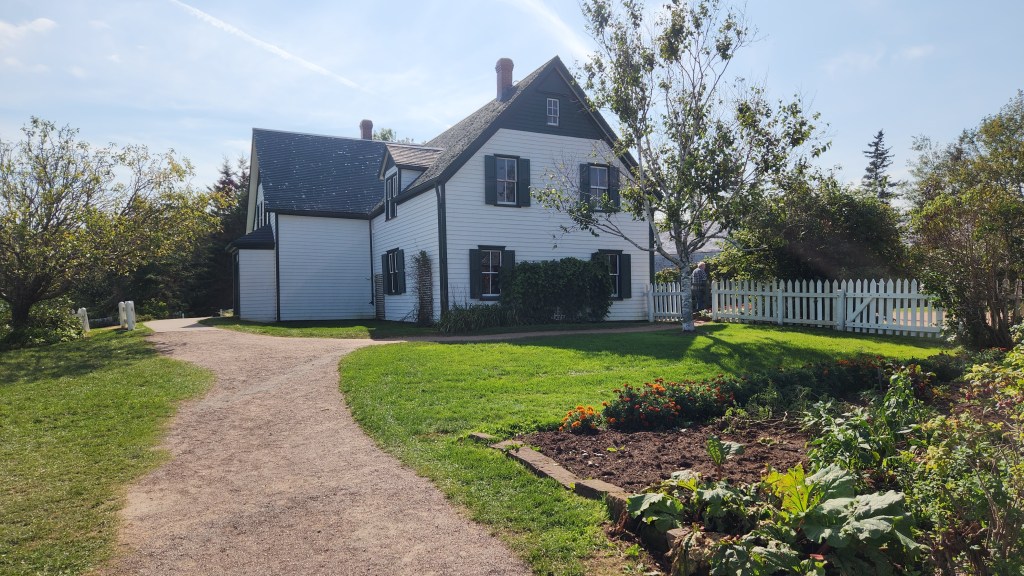
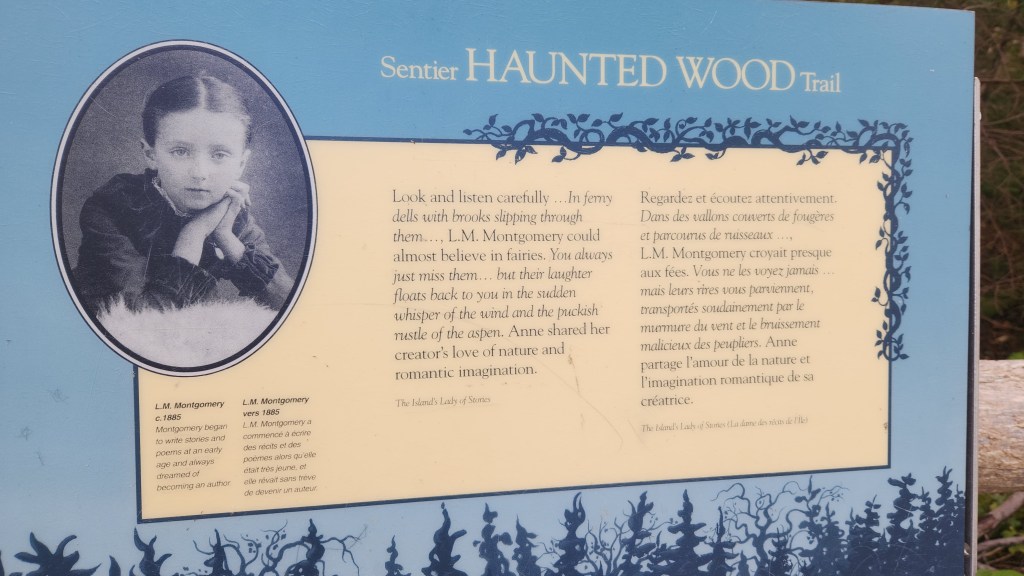
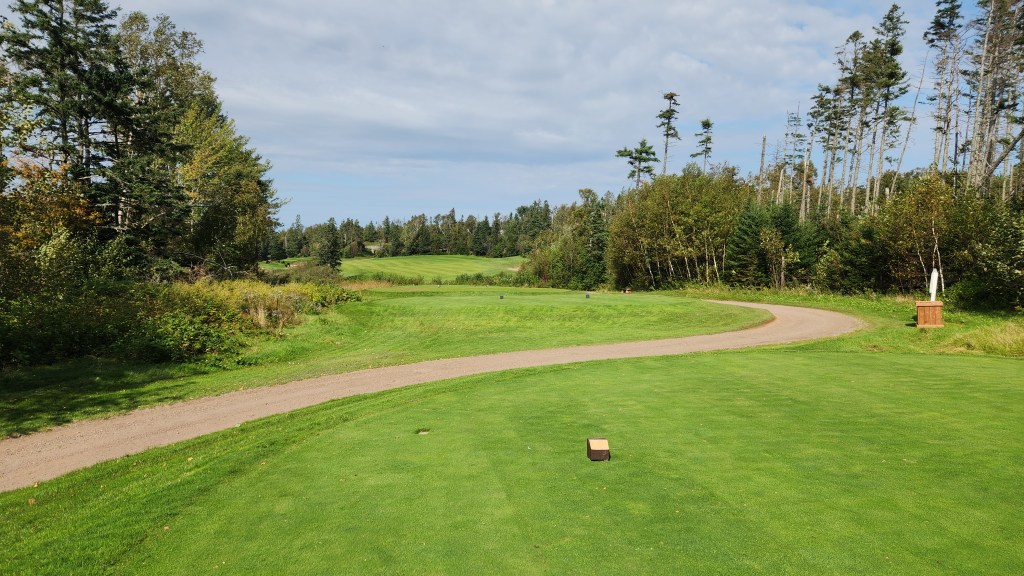
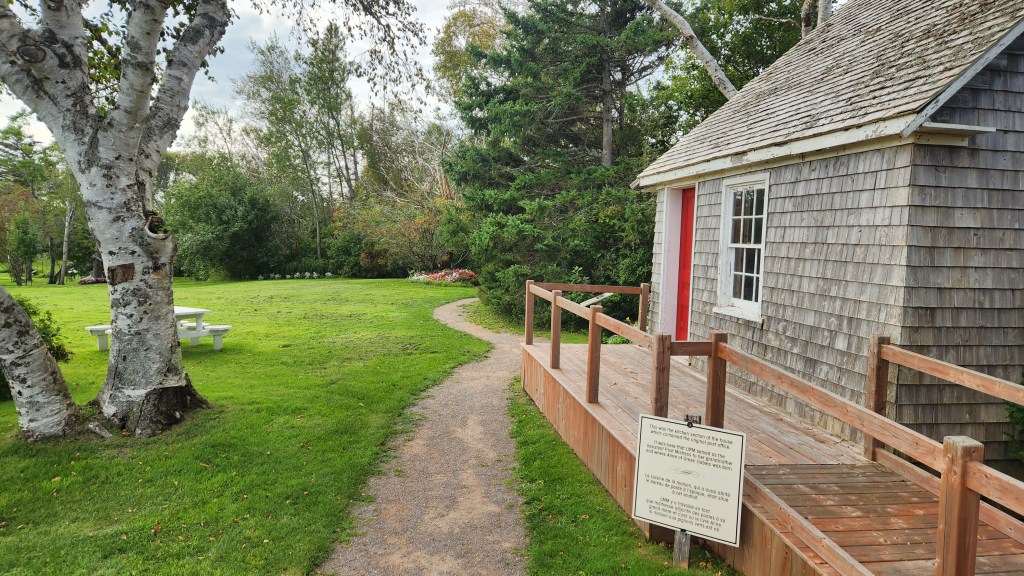
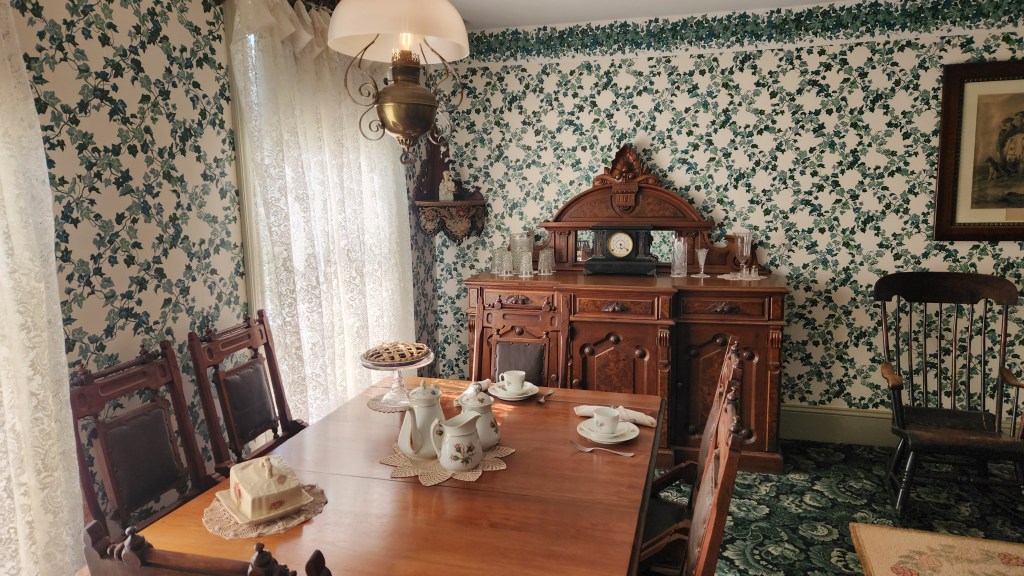
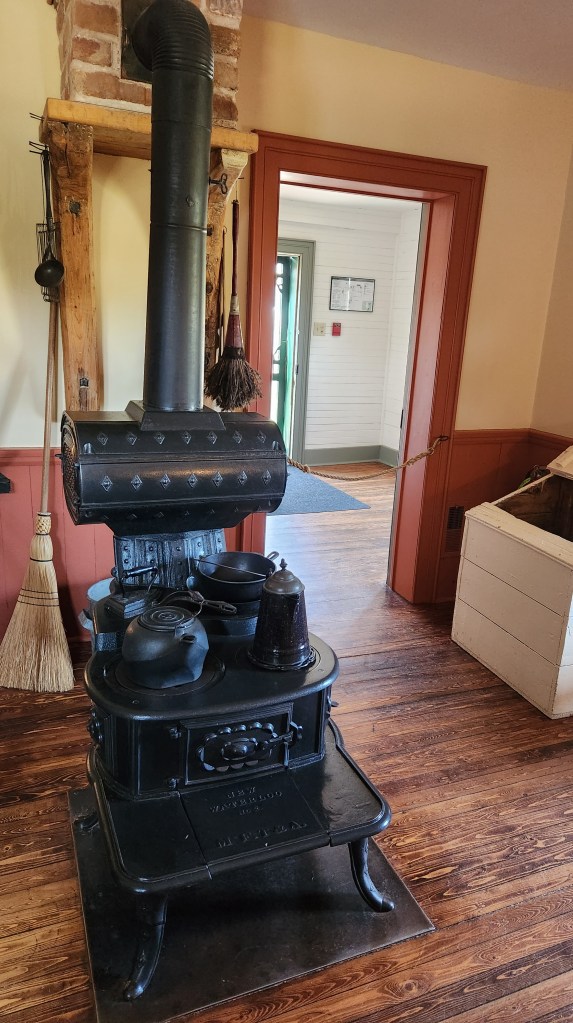
After lunch, we traveled to another part of the National Park, the Green Gables Heritage Place. This beautifully restored site includes: the MacNeill Family Homestead, which inspired the setting for Lucy Maud Montgomery’s famous Anne of Green Gables books, a well-tended garden, and two walking paths. One of the paths, the “Haunted Wood Trail,” winds some half-mile through the woods from the MacNeill homestead to the home Lucy Maud shared with her maternal grandmother, who was the local postmaster. I was very surprised to find that the site also includes a beautiful golf course — too bad I didn’t bring along my clubs!

Green Gables Heritage Place, Prince Edward Island
MacNeil Family Homestead, inspiration for the Anne of Green Gables books
Dining Room in MacNeil Home
Heating Stove for MacNeil Family Home
Information Plaque along the “Haunted Wood Trail” from Lucy Maud’s home to the MacNeil Family Homestead
The Haunted Wood Trail passes between two holes of the golf course
Lucy Maud’s Childhood Home, where her grandmother operated the Post Office
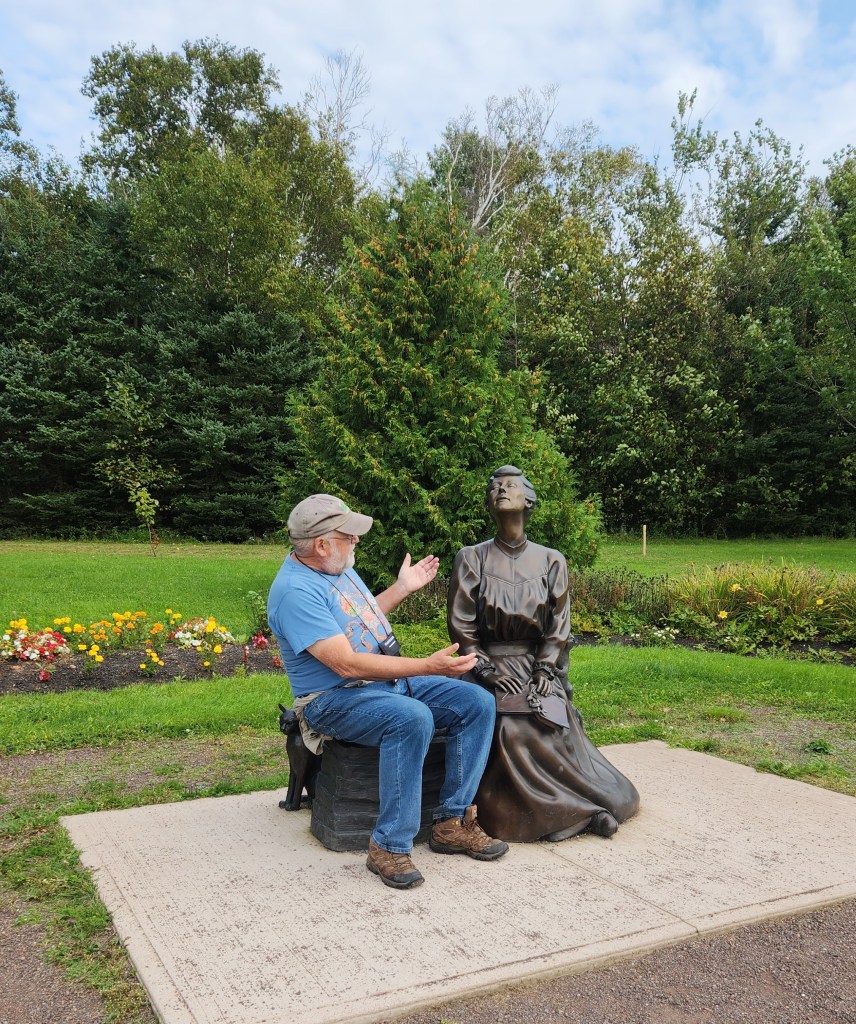
Dave and Lucy Maud Discuss Writing Techniques (in his mind, anyway)

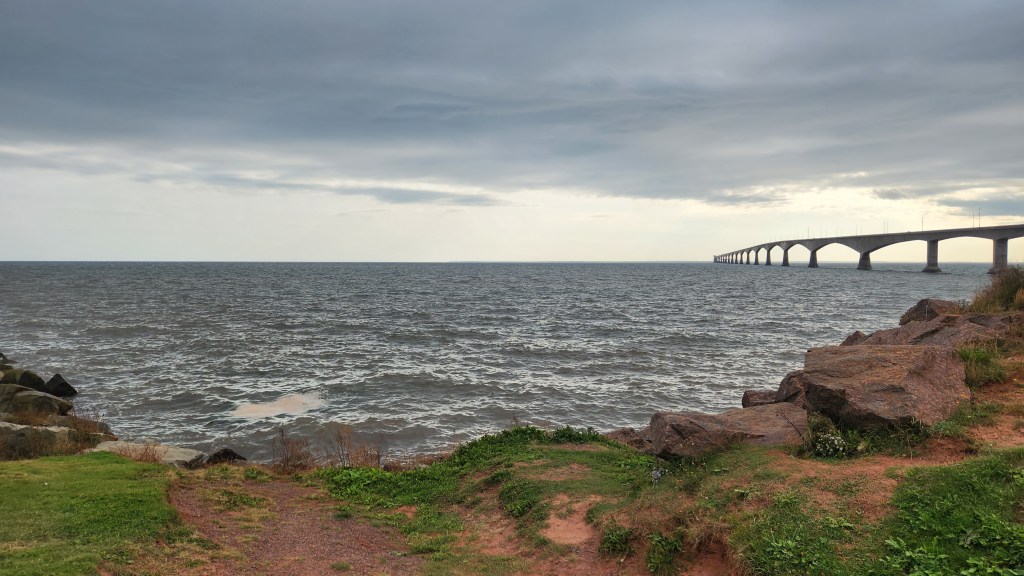
Then it was off on the bus again, with two quick stops before leaving the Island. We made a spur-of-the-moment stop at the Somerset Ice Cream Bar, our guide Derrick’s favorite ice cream shop, and then again at Borden-Carleton before traversing the Confederation Bridge to New Brunswick. The bridge is billed as the “longest bridge in the world over ice-covered waters” at 8 miles in length. The curved design adds to the bridge’s structural integrity, ensuring its capability to withstand the high winds that regularly occur on the Northumberland Strait.

View of the Confederation Bridge from Borden-Carleton, PEI

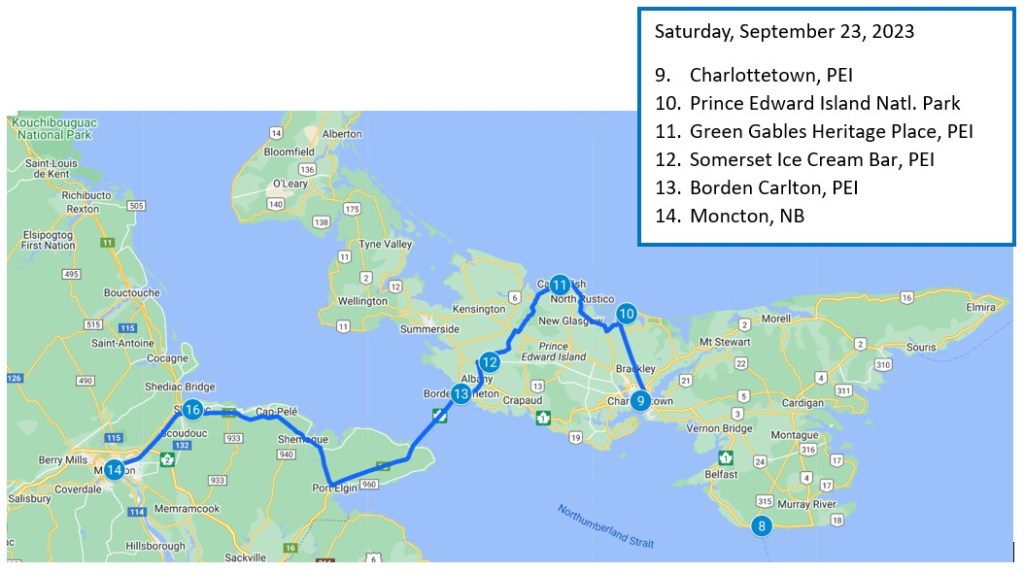
We ended the day in the city of Moncton, New Brunswick, at the Delta Hotel. Here’s a map of the day’s travels:

OK, I’ve done an awful lot of blathering, so I’ll stop now. In Part 3, I’ll cover Sunday, September 24, through the end of the trip on Wednesday, September 27.

Stay tuned …
Pat and Dave’s Magical Maritime Meanderings – PART 1: Best Laid Plans

As past readers know, for the past several years I’ve been documenting some of our travel experiences through blog posts. (The most recent of these was Pat and Dave’s Tremendous Tropical Trek, describing our travels in March of 2023, from Fort Lauderdale to the Panama Canal and back with Viking Ocean Cruises.) We are among those most fortunate of people who are able to travel about the world in our Golden Years, and we like to schedule these trips well in advance, so we always have something to look forward to.

As we basked in the winter glory of our “southern home” – our Minneapolis condo – back in January, even as we eagerly anticipated the upcoming Panama trip, we were trying to decide where to go in the fall. One of our most enjoyable past adventures was a jaunt with the RV we formerly owned to Acadia National Park in Maine (that one was dubbed Pat and Dave’s Eastern Escapade) back in August and September of 2021. During that trip, we had considered continuing on to Nova Scotia, which we could barely see across the Bay of Fundy as we enjoyed the scenery at Acadia. We didn’t make it that time, but vowed to go sometime in the future. So, as we were tossing around ideas for fall travel, we decided to do just that. For reasons which I can’t quite recall, much less comprehend, it was agreed that I would plan out the trip and make the necessary arrangements.

Fast forward to mid-May, when the following conversation took place.

Pat: “How are you doing on planning that Nova Scotia trip?”

Dave: “Ah …, well …”

Pat: “You’d better get going on that before you head to the cabin for the summer, or else nothing will get planned at all.”

Dave: “Sure thing, dear. I’ll get right on it.”

It just so happened that I chose that moment to go down to the lobby and collect our mail. And it just so happened that in the mail was a brochure from Road Scholar, the travel group formerly known as Elderhostel. And it also just so happened that Road Scholar was offering a tour entitled “Best of the Canadian Maritimes,” a 12-day motor coach tour encompassing Nova Scotia, Prince Edward Island, and New Brunswick. I quickly scanned the brochure on my way back up in the elevator, then entered our condo and resumed the conversation:

Dave: “You can relax now. I’ve got it all planned.”

We had gone on Road Scholar programs three times previously, to Key West, Hilton Head, and St. George, UT, though only the latter has been chronicled in the blog (Pat and Dave’s Eclectic Electric Road Trip). As a result, we were familiar with Road Scholar and were confident that the program would be excellent. So that was that, and we happily marked the trip on our calendars for September 16 through 27. Our plan was to drive from the cabin in Grand Marais, MN, to Thunder Bay, Ontario, then fly to Halifax, Nova Scotia, to join the tour group on Saturday, September 16. The “Best of the Maritimes” program began with a tour of Halifax on Sunday, September 17.

Sunday, September 17, 2023: On Sunday morning, we took the hotel shuttle to the airport and took a train some 25 miles into the city for a nice tour. Here’s a photo from that excursion:

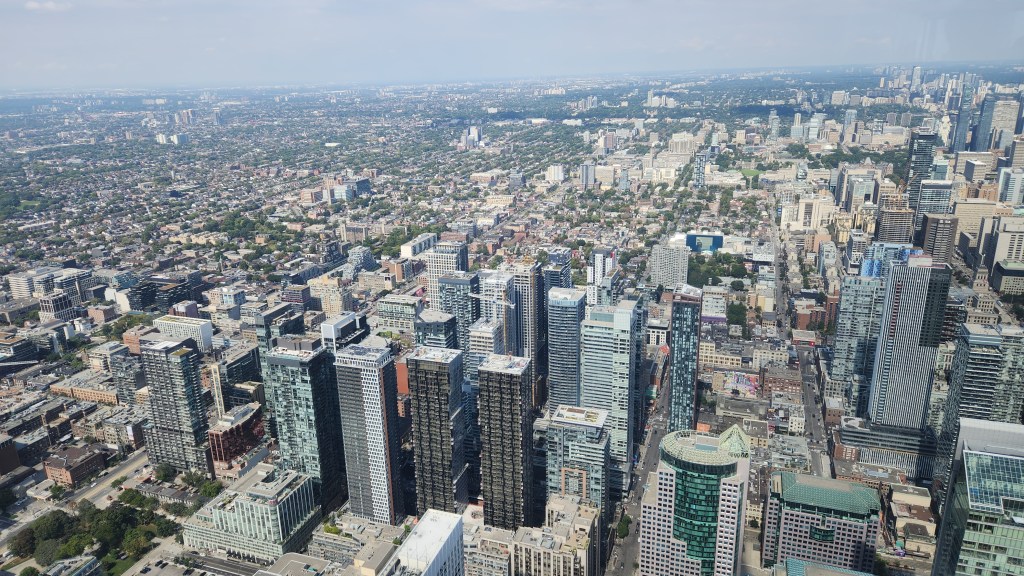
A view of the City … but is it Halifax?
Those world travelers among you are probably thinking: “That photo doesn’t look like Halifax at all.” Right you are! In fact, Pat and I were in Toronto while the Road Scholar group was touring Halifax, and I have no idea what they actually saw there. Why were we in Toronto? Our best laid plans were upended by Mother Nature, as Hurricane Lee forced cancellation of all flights into Halifax on Saturday. The first leg of our flight, from Thunder Bay to Toronto, was unaffected, but our flight to Halifax was rescheduled for Monday, September 18, so we hunkered down in a hotel near the airport to wait. We spent much of the day on Saturday on the phone with Road Scholar representatives trying to sort out what to do. On the advice of Road Scholar, we booked tickets on the Maritime Bus departing from Halifax International Airport at 3:50 PM Monday and arriving at a place called Nyanza, near the hotel in Baddeck where the tour group would be staying, at 8:30 PM. The Road Scholar advisor assured us we could catch a taxi from Nyanza to the hotel.

Meanwhile, we continued to look for an earlier flight that might get us to Halifax on Sunday. After repeated attempts to contact Air Canada – at the airport customer service desk, on line, and by phone – I finally spoke with an Air Canada agent Sunday morning. After giving me a condescending lecture about the hurricane, she reluctantly agreed to check all earlier flights, confirming that there was nothing available that would get us to Halifax prior to 2:30 PM Atlantic time Monday, by which time the Road Scholar tour would have left for parts east. Heaving sighs of resignation, we decided to take the UP Express train from the Toronto Pearson International Airport to Union Station in downtown Toronto and have our own self-guided city tour.

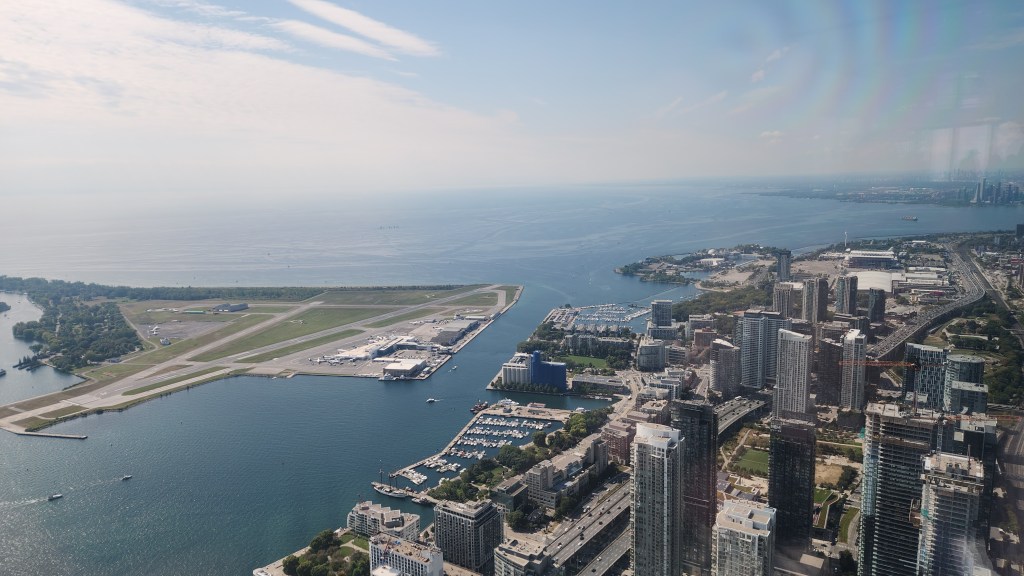
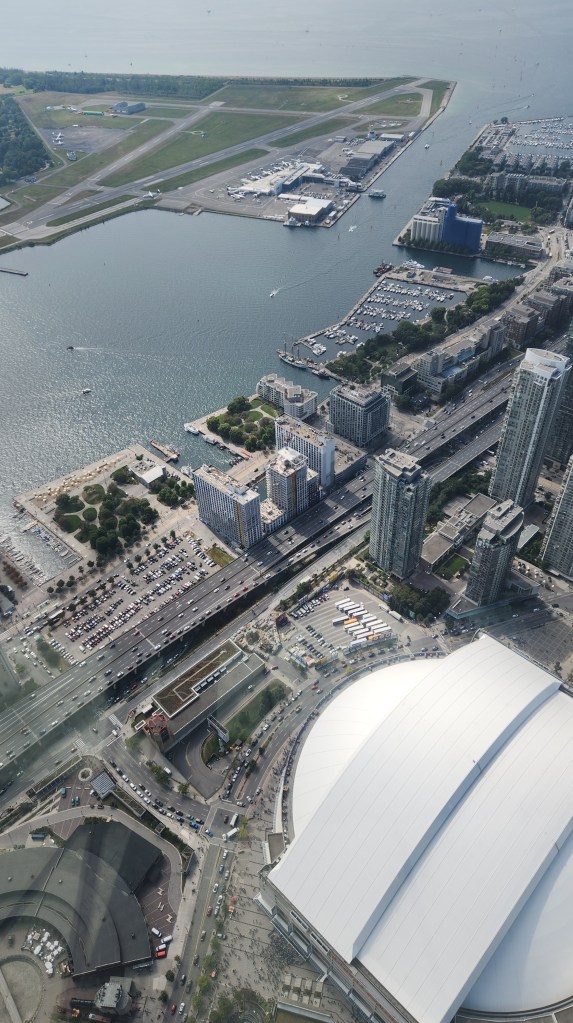
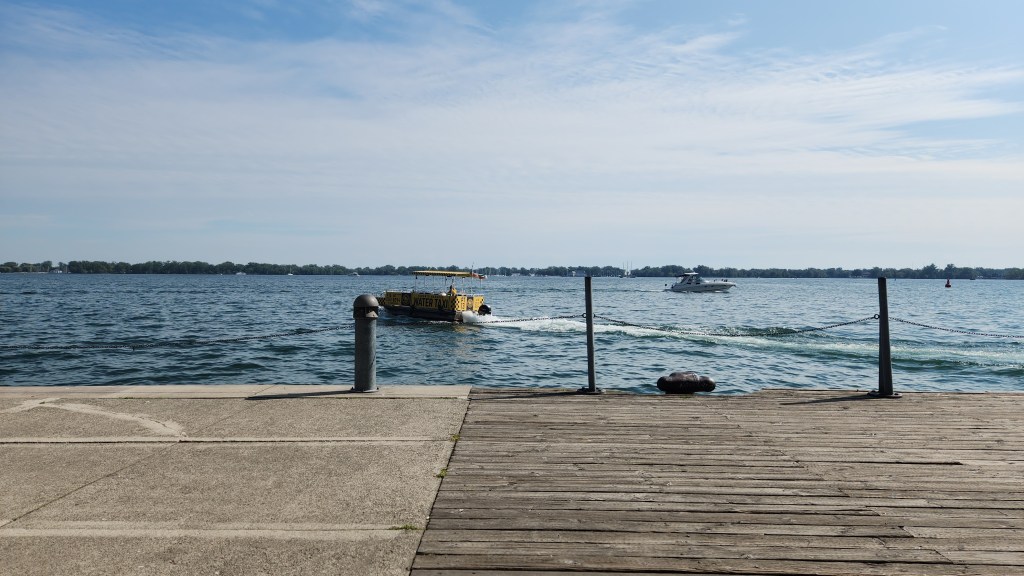
So, while the Road Scholar group was touring Halifax, we schlepped around the bustling, international city of Toronto. From the UP Express terminal at Union Station (UP stands for Union-Pearson, by the way) we walked through the SkyWalk to the CN Tower and then to the Harbourfront Center, taking in the sights of modern, glass and steel high-rise buildings, water taxis, tour boats, and sailboats flitting about the harbor, and the city airport located on an island in Lake Ontario.

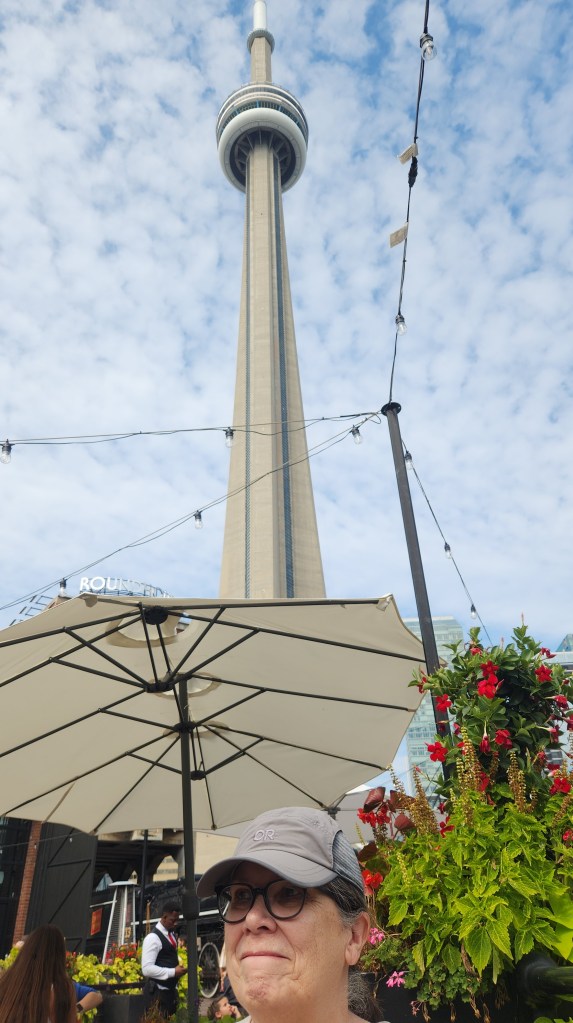
The CN Tower, seen from our table at lunch
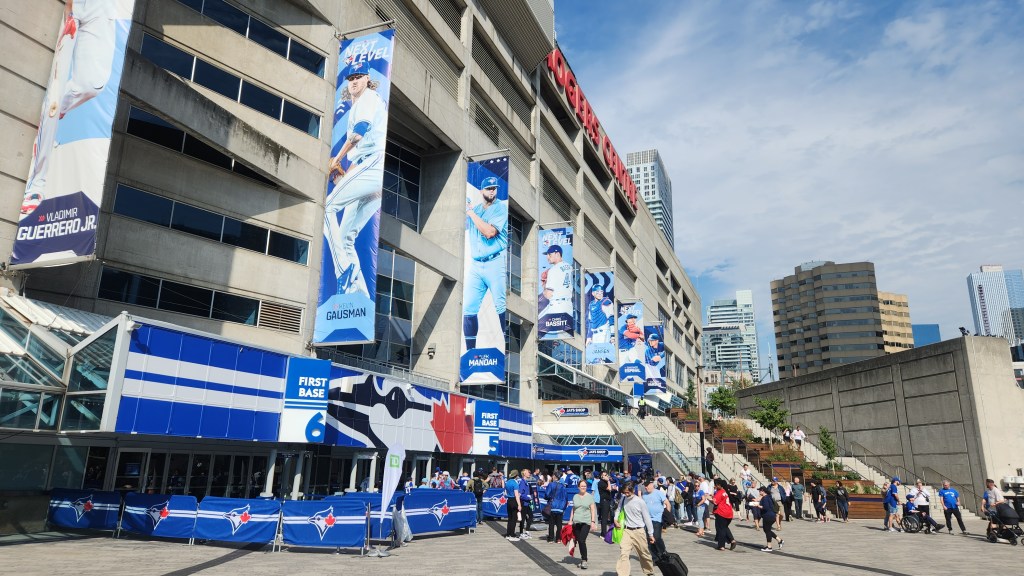
The Rogers Center, home of the Blue Jays
View from the CN Tower
Toronto Water Taxis

I was mightily impressed by the CN Tower, which rises 1,815 feet, towering above the Rogers Center, the roofed stadium where the Blue Jays play. CN Tower is the tallest free-standing structure on land in the Western Hemisphere and the tenth tallest free-standing structure in the world. Interestingly, we learned that it gets hit by lightning about 75 times each year. We went up to the main observation level at 1135 feet and then up to the SkyPod at 1,467 feet, taking in the spectacular views before returning to terra firma. My only regret is that we didn’t stay ten minutes longer – the roof of the Rogers Center was closed as we entered the elevator to go down, but then opened as we descended a few minutes before the start of a baseball game, so I missed a great aerial view of the ballpark.

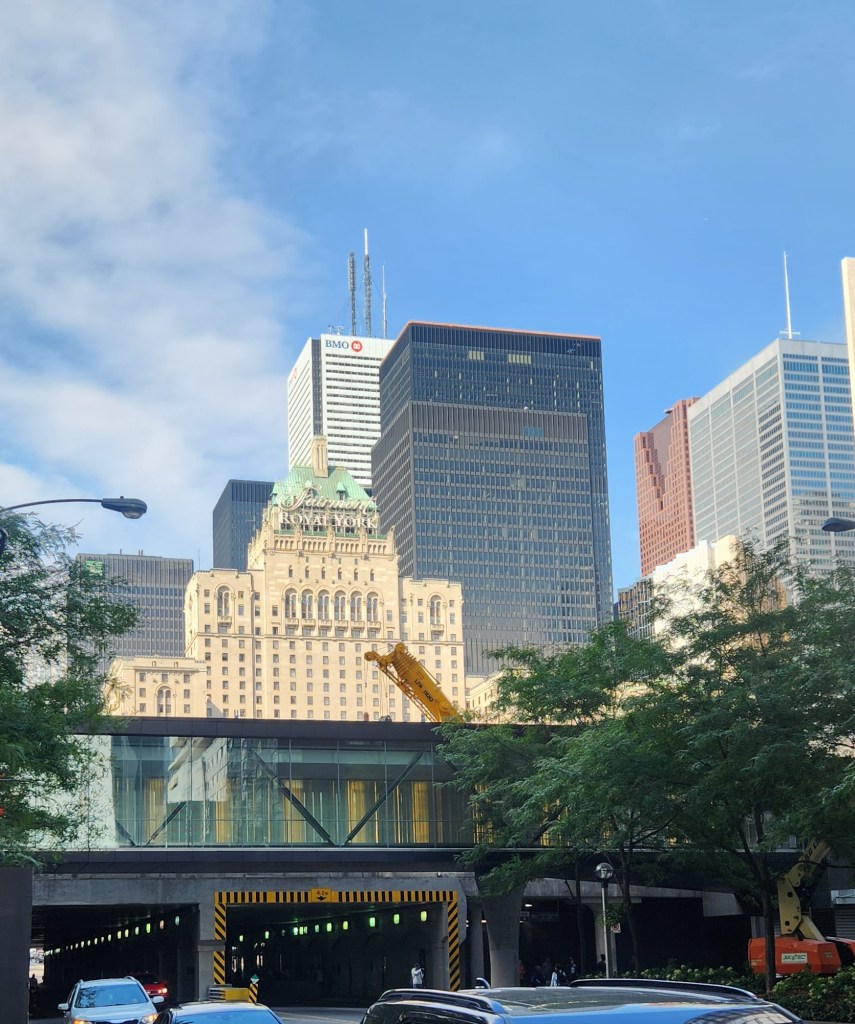
As we walked around the city, the one discordant note for me was that there are almost no “old” or historic buildings in the downtown area, and the handful that remain stick out like sore thumbs. The impression I got was of an ultramodern city that has no interest in its own history. Nevertheless, I was very glad to have the chance to experience it.

The Old and the New — Not Compatible?

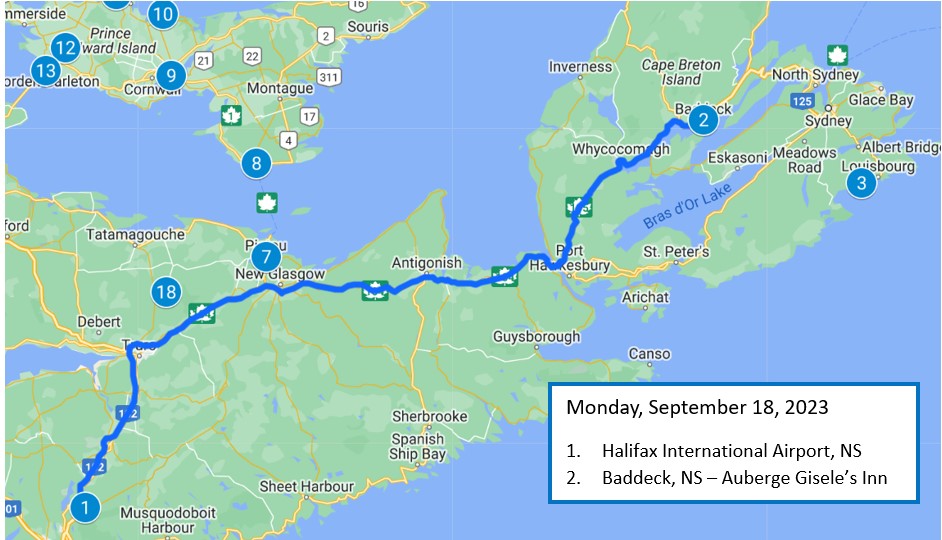
Monday, September 18, 2023: Monday turned into an all-day travel event. We left our hotel in Toronto at 9:00 AM EDT, arrived at Halifax International Airport at 2:30 PM ADT, and boarded the Maritime Bus at 3:50 PM. The somewhat crabby bus driver informed me: “There’s no such place as Nyanza; you’re going to Wagmatcook.” Somewhat taken aback, I tried to enjoy the scenery as we wound our way eastward, stopping to discharge and/or pick up passengers at some half-dozen stops and eventually disembarking at an Ultramar Gas Station in Wagmatcook at 8:35 PM. Per the original theory, that was where we would catch a taxi to Auberge Gisele’s Inn in nearby Baddeck, where the Road Scholar group had checked in earlier in the day. As we stood outside in the dark, an elderly gentleman emerged from the gas station (which was quickly locked by the lone attendant, presumably to prevent either Pat or I from trying to enter the premises). The gentleman regaled us with some local lore before climbing on a four-wheeler and driving off with a friendly wave, leaving us alone and somewhat unsettled.

There was one minor problem with the taxi plan, however. There are no taxis in Wagmatcook, Baddeck, Nyanza (which does in fact exist – it’s just not an actual stop for the Maritime Bus service), or anywhere else remotely close. Fortunately, we had tumbled to this earlier in the day and, through a series of phone calls and text messages, had arranged for the Auberge Gisele’s Inn manager to come and pick us up for a nominal fee. Which he did, and we were finally settled in to our cozy hotel room by 9:30 PM. The hotel staff had thoughtfully set aside the beef bourguignons dinners we would have eaten had we actually arrived with the Road Scholar group. They were quite delicious after microwaving, and we ate contentedly in our room, having finally caught up with our tour.

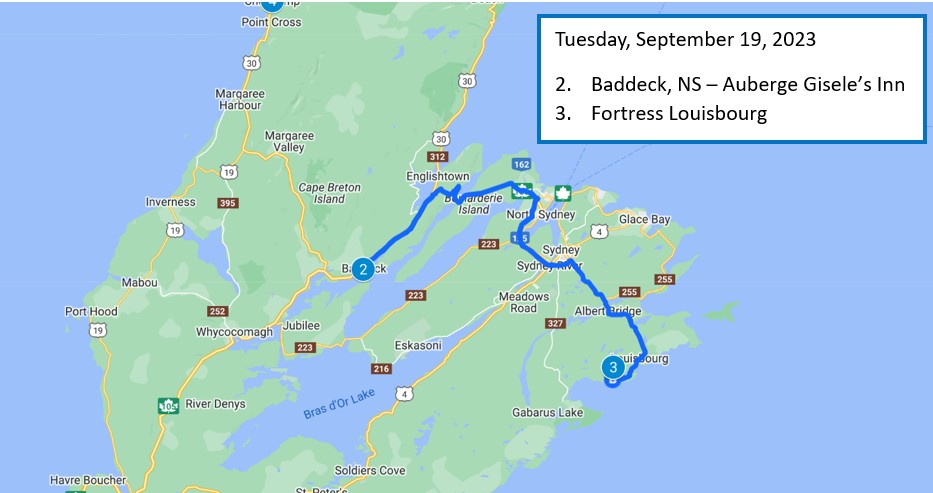
We later learned that the other tour participants had also taken a motorcoach from Halifax with a stop for a tour of the Alexander Graham Bell Museum, and were at that time attending a ceilidh (a Gaelic word pronounced “kay-lee”), a social gathering featuring Scottish songs, dancing, and storytelling. So, we missed those two things by being latecomers, replaced instead by our culturally-enriching, 12-hour travel day. I didn’t manage to get any pictures of interest, so instead I offer this map of the day’s journey from Halifax International Airport to Baddeck:

Tuesday, September 19, 2023: On Tuesday morning, we joined the other tour participants for breakfast at 7 AM, finding them to be a very congenial group. There were twelve other Road Scholars, hailing from California, Washington, Indiana, and Ohio, along with our knowledgeable and friendly tour guide from Prince Edward Island, Derrick Higgins. Four of the original eighteen tourists had canceled due to travel issues caused by the hurricane. (I presume those four had purchased trip insurance; we had not, so were more determined to catch up with the tour.) After breakfast we met our excellent bus driver, Kirby, also from PEI, as we made our way to the site of Fortress Louisbourg. This complement of fourteen tourists plus Derrick and Kirby remained together for the entirety of the trip.

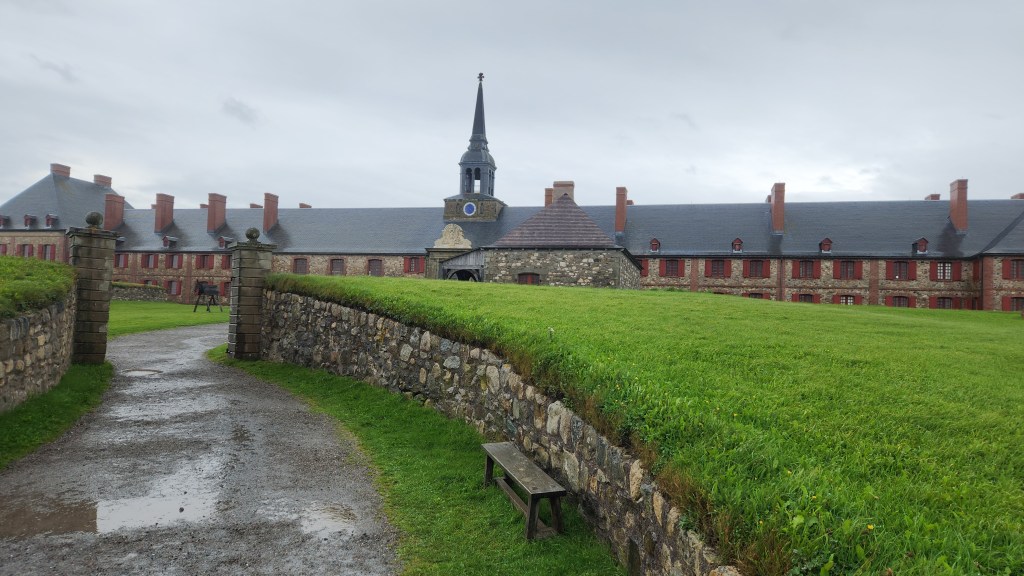
Fortress Louisbourg is a National Historic Site restored by the Canadian Government to represent its condition in 1741. The original settlement was founded in 1713 by French settlers from Newfoundland. The major attraction of the site was the abundant supply of cod, which supposedly sometimes ran so thick that ships could not navigate the waters, and settlers could harvest the fish using buckets. Subsequently, the fishing port grew to become a major commercial port and a strongly defended fortress, with fortifications eventually surrounding the entire town. The walls were constructed mainly between 1720 and 1740. By the mid-1740s Louisbourg, named for Louis XIV of France, was one of the most extensive (and expensive) European fortifications constructed in North America.

The fortress was conquered by British forces in 1745, but then returned to the French in 1748 under the Treaty of Aix-la-Chapelle, which ended the War of the Austrian Succession. The British then established their own fortified town at Halifax. Louisbourg was recaptured by the British in 1758 as part of the general hostilities of the French and Indian War and the Seven Years War, and the British then used Louisbourg as the staging ground for their assault on Quebec. Having captured the fortress, the British expelled all French residents, known as Acadians, who would not pledge loyalty to the King of England. The Acadians dispersed to surrounding areas such as Prince Edward Island (known then as Ile-Sainte-Jean) and Newfoundland, and many travelled south to the Colonies or to Louisiana, establishing the Cajun presence there.

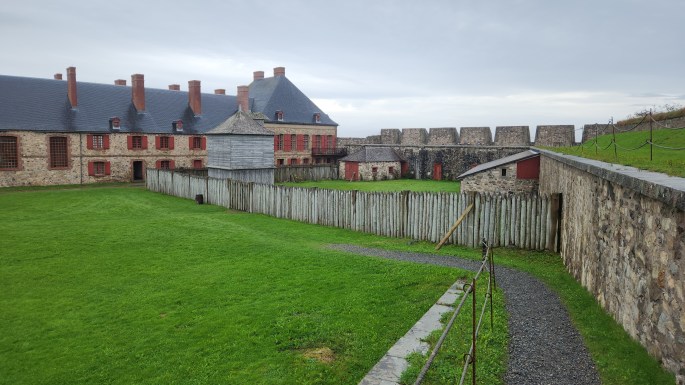
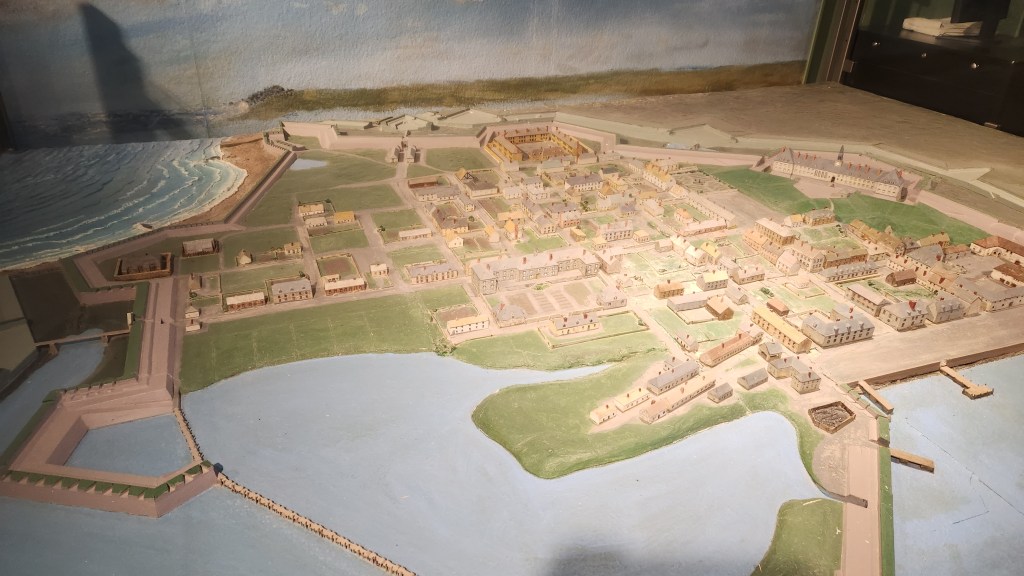
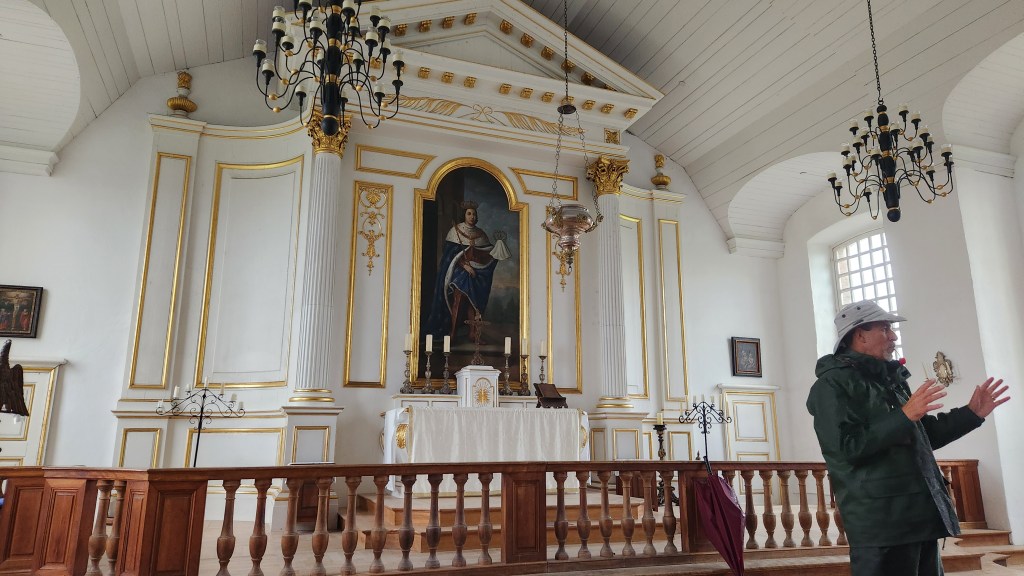
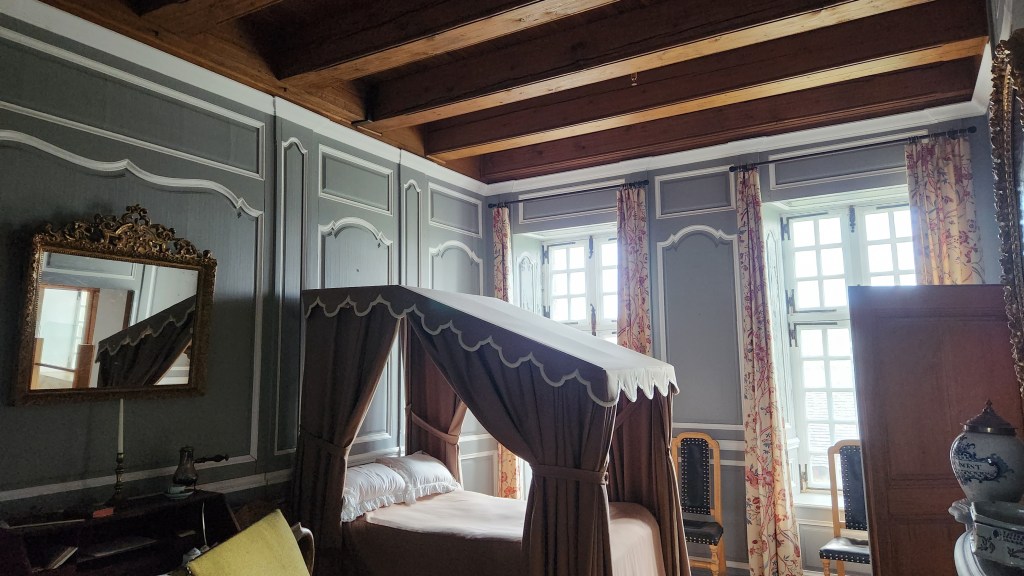
Our visit to the Louisbourg site included a walking tour with a guide, a lunch of soup, vegetables, and bread prepared in 1741 style, and free time to roam the grounds. Here are some photos – as you can see, it was rainy during our visit. We got caught in a downpour when we had reached the furthest point from shelter, eventually returning to the bus well soaked and moderately miserable.

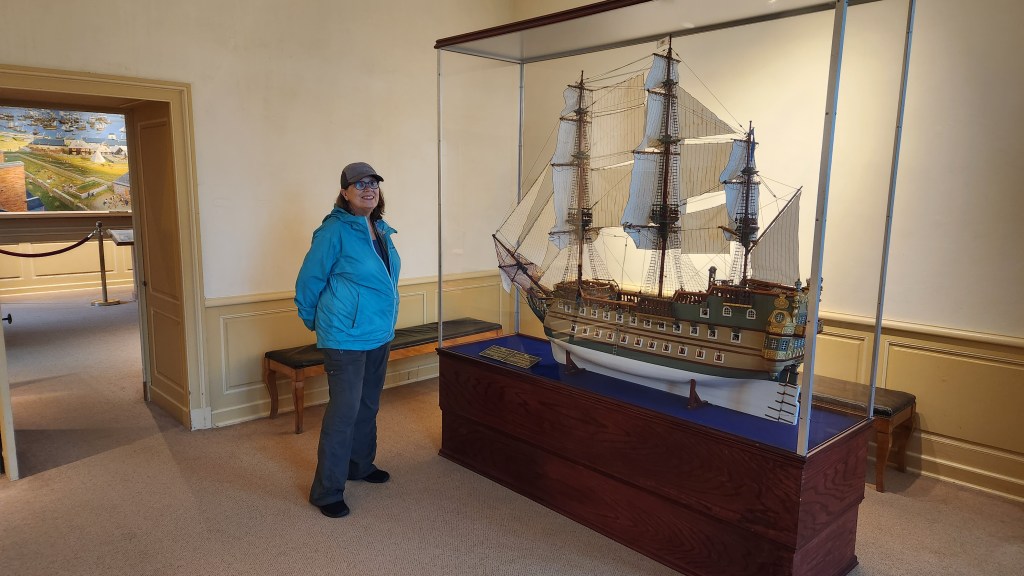
Model of Louisbourg Site — 20% has been restored
Main Entrance to Fortress Louisbourg
Our site guide in the Louisbourg Fortress Chapel
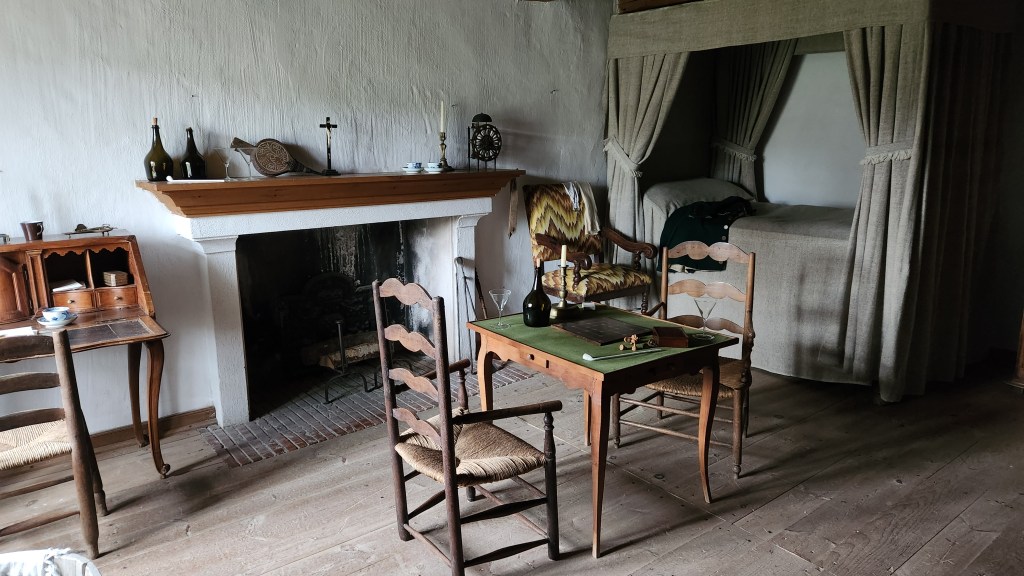
Governor’s Quarters at Fortress Louisbourg
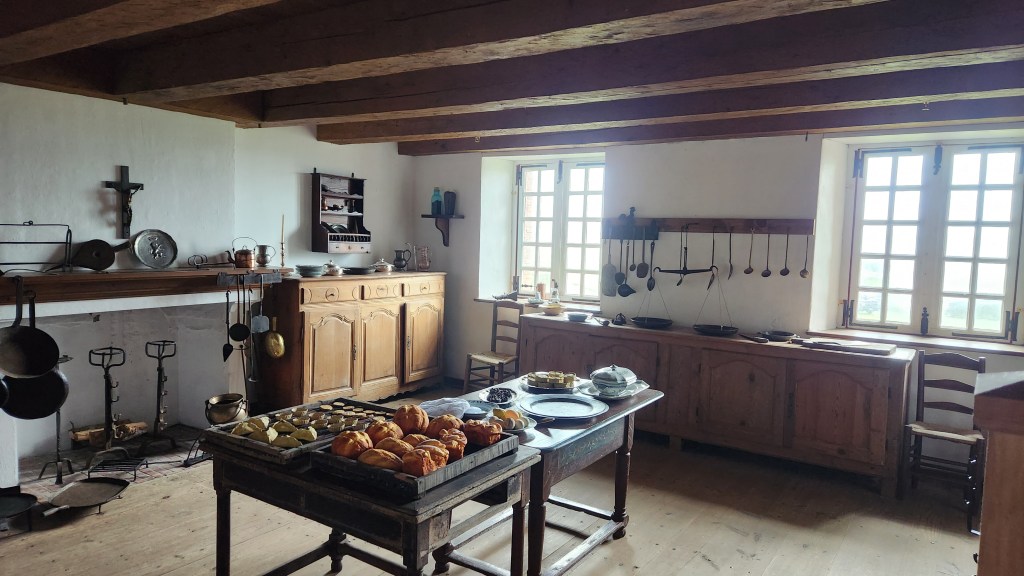
Governor’s Kitchen at Fortress Louisbourg
Officer’s Quarters at Fortress Louisbourg
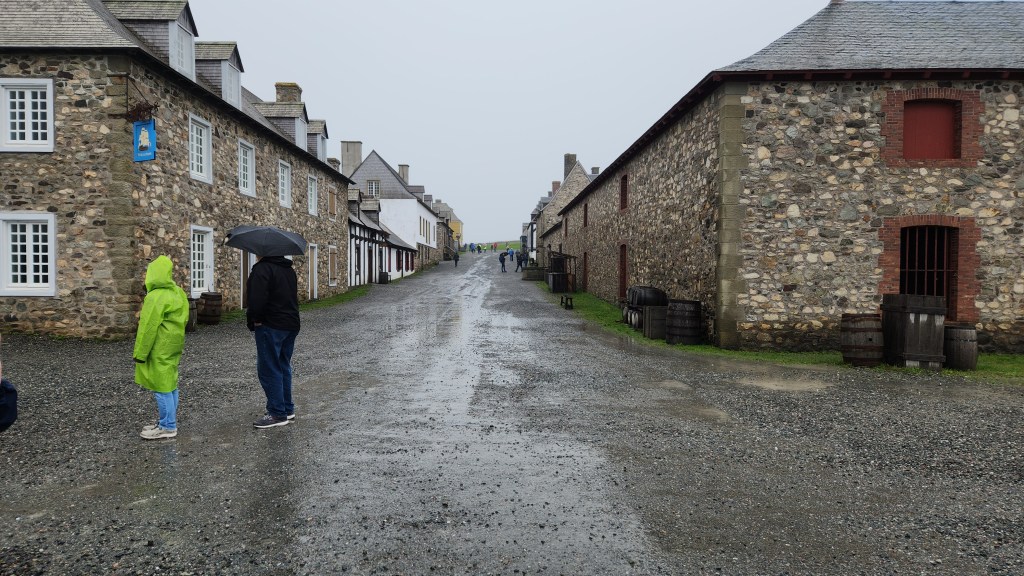
Main Street of Louisbourg Settlement
One of Multiple Displays at Louisbourg
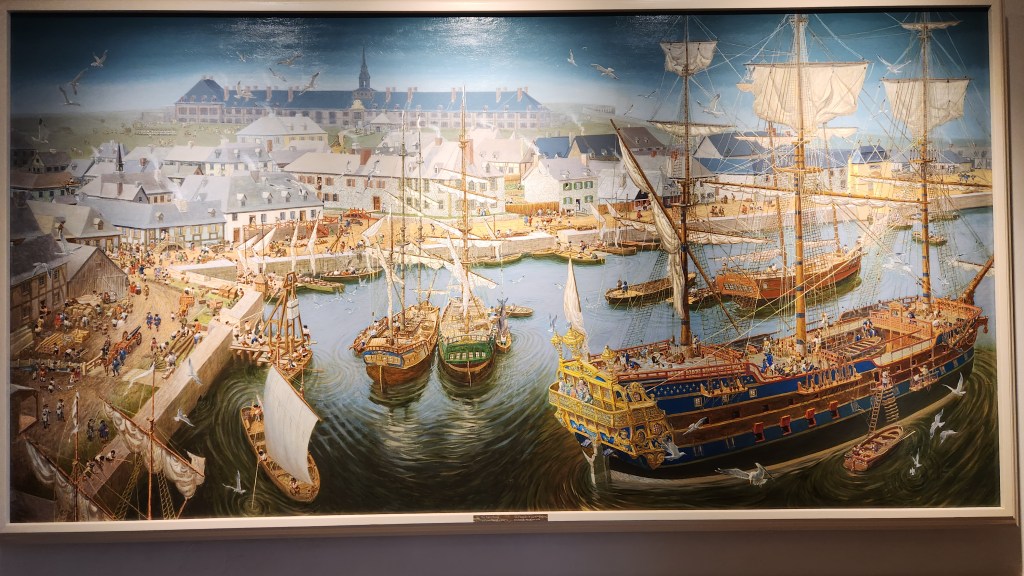
Mural Depicting Louisbourg in 1740s

After the Louisbourg tour, we returned through the rain and mist to Auberge Gisele’s Inn for a change of clothes and dinner. Then we rode into town to attend a play at Theatre Baddeck entitled “The Hydrofoil Mystery,” centered on Alexander Graham Bell’s secret development of a hydrofoil to attack German U-Boats off the coast of Nova Scotia during World War I. It was well-done, especially for a local theater troupe.

As the bus was preparing to depart for Gisele’s Inn, a local woman engaged in a conversation with Kirby. I was sitting too far back in the bus to hear what was said, but eventually she retrieved her husband and boarded the bus, directing Kirby to drive along the narrow, hilly streets of Baddeck to a turnaround, then back to her home on Queen Street where Kirby dropped her off to encouraging shouts and laughter from our tour group. She was a long-time resident of Baddeck, an Acadian descendant, and she impressed us all with her wit and friendly demeanor. It was a fitting end to our first full day in Nova Scotia.

Here’s a map of the day’s travels:

OK, that’s enough for the first installment.

In Part 2, I’ll cover Wednesday, September 20 through Saturday, September 23.

In Part 3, I’ll cover Sunday, September 24, through Wednesday, September 27.

Stay tuned …