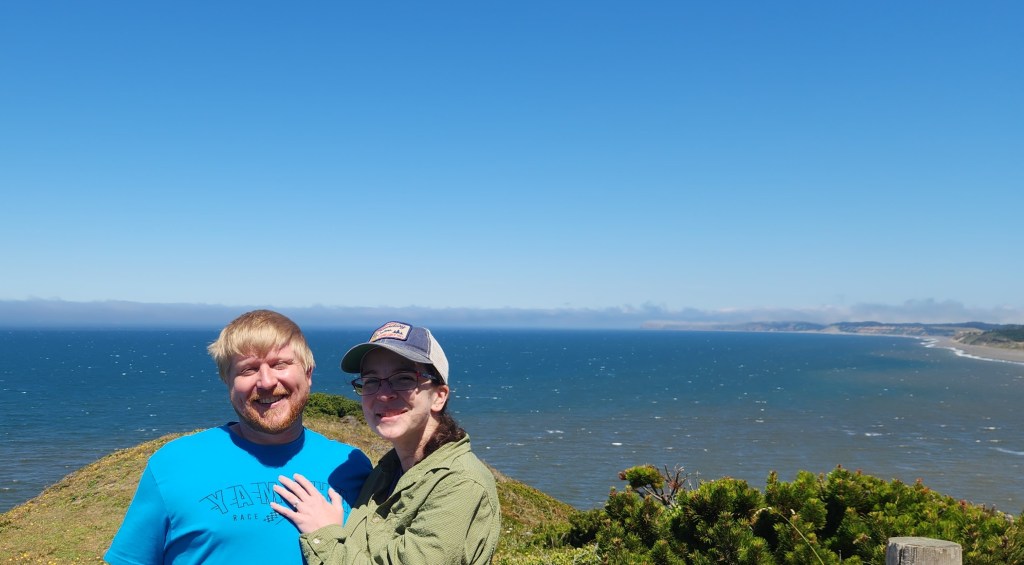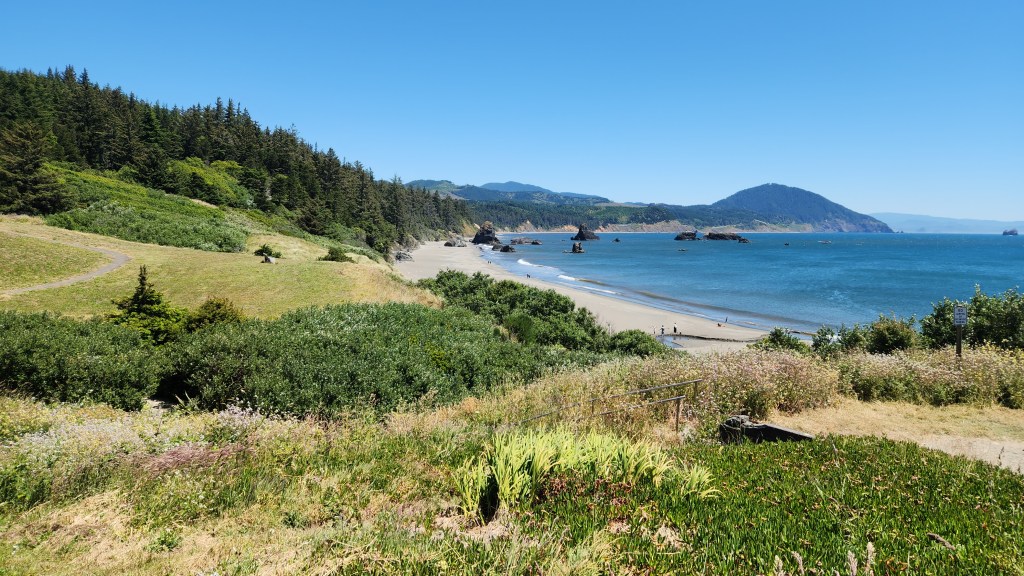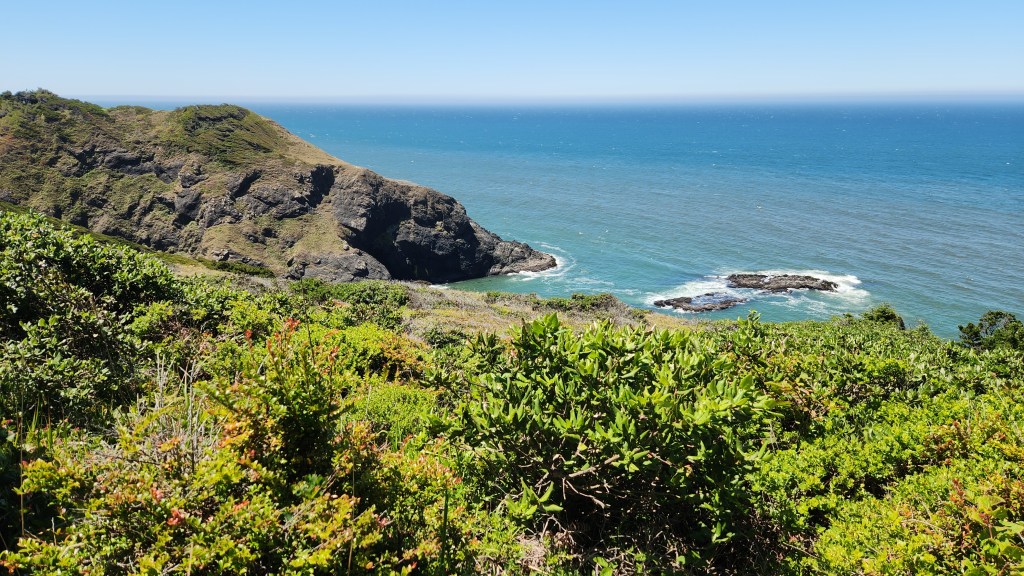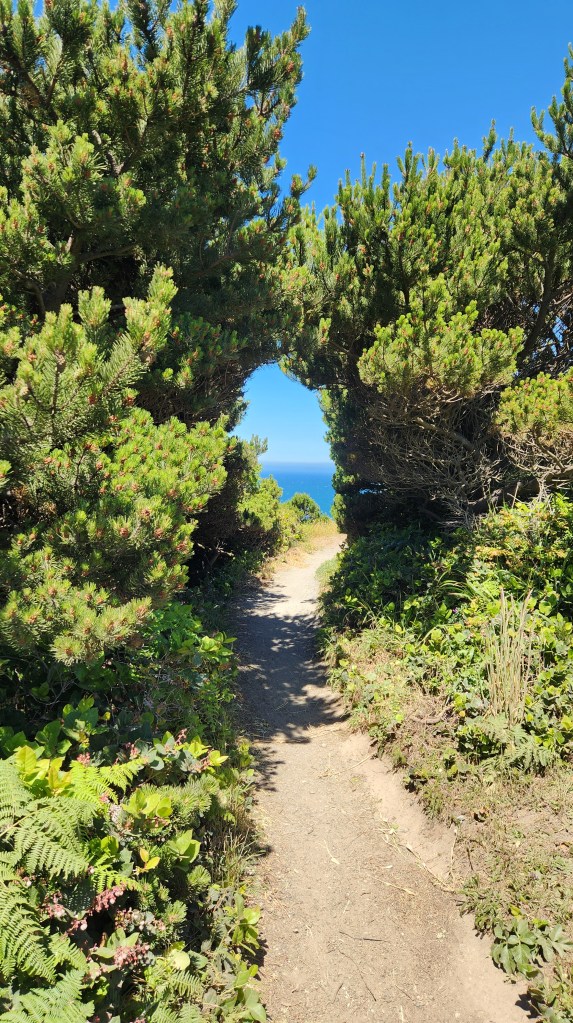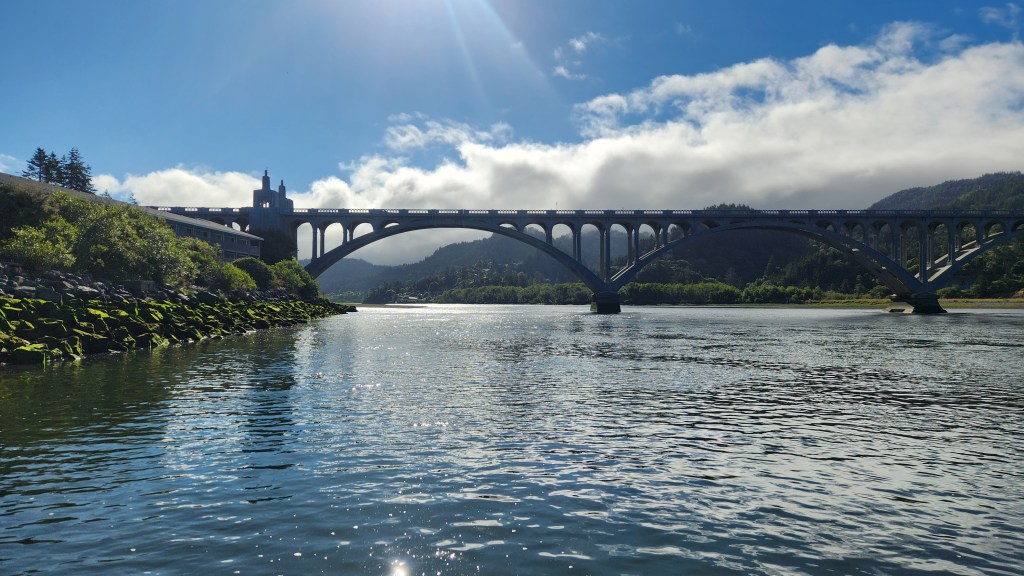
The Saaris’ Summer Sanctuary – PART 2

This is the second and final part of a travel blog installment describing some of the places we visited during the summer season of 2025. Part 1 covered some interesting sites near our cabin on Lake Superior’s North Shore (the titular Summer Sanctuary) as well as several places along the shore that we visited during June of 2025. In this post, I’ll describe some additional places along the shore and in our great neighbor nation to the north over the course of the summer season (my generous definition of summer extends into the first week of October).

Near the Summer Sanctuary: I forgot to add this tidbit to Part 1. On August 25th, for the first time ever in my life, I encountered a pelican swimming in Lake Superior just off the mouth of Durfee Creek near the cabin. It was very calm as I approached, gently paddling out into the lake until it was out of view.

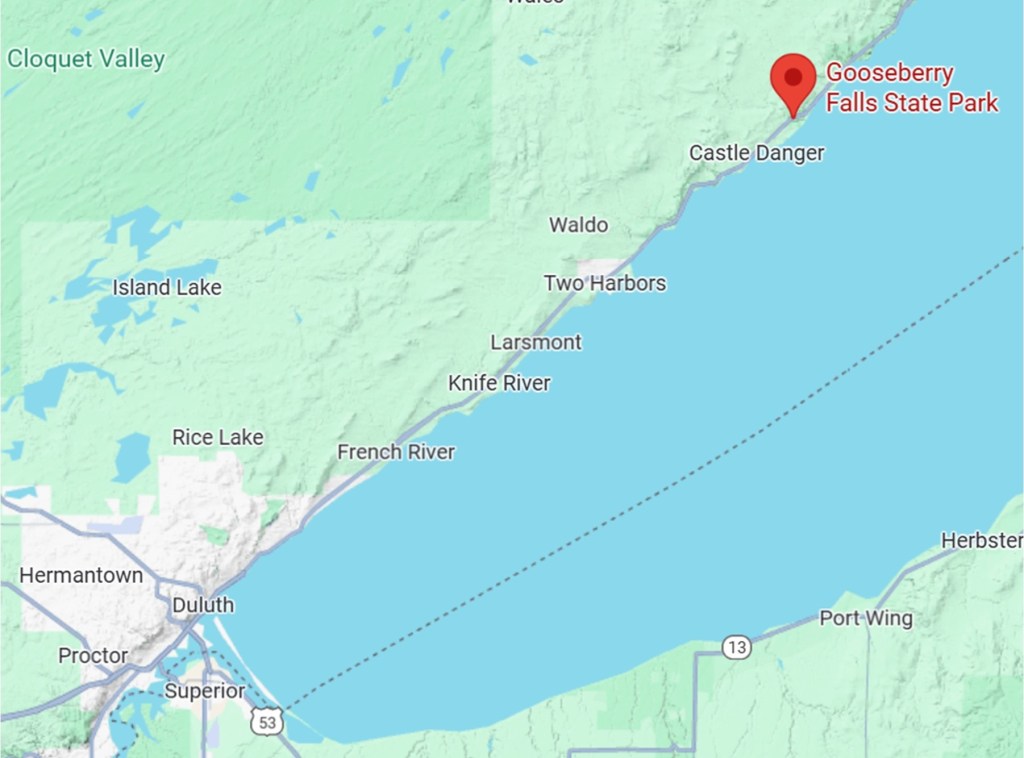
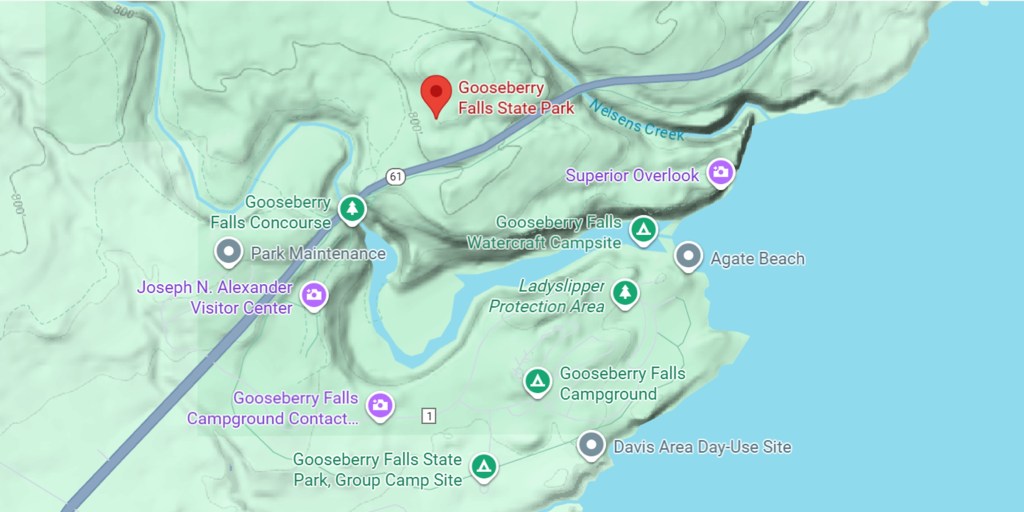
Gooseberry Falls State Park: Gooseberry, located 40 miles northeast of Duluth, MN, on Highway 61, is the most-visited of the eight state parks along the North Shore.

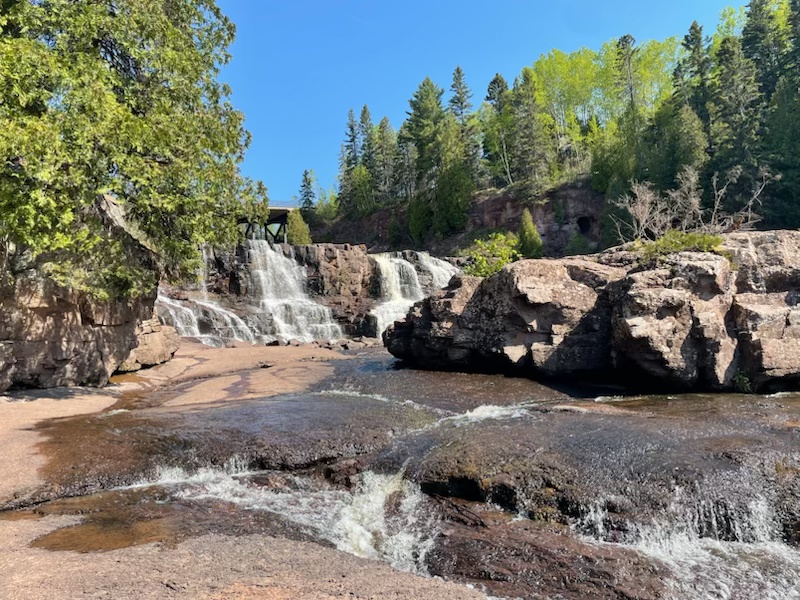
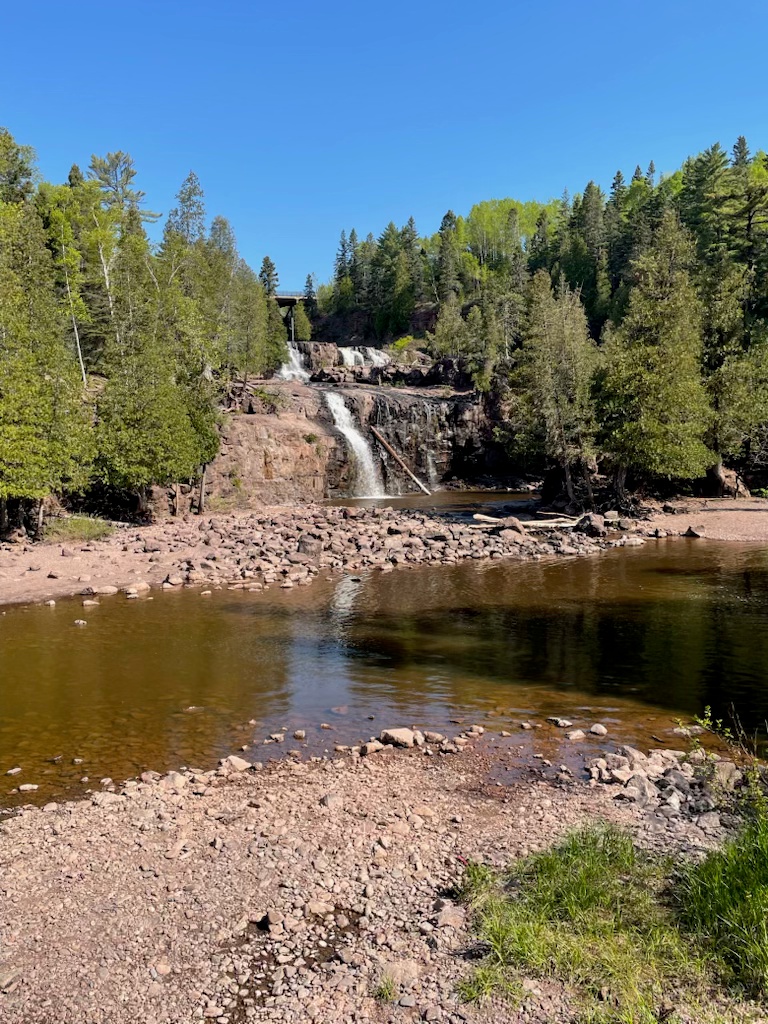
We stop there at least once every year on the way to or from the Summer Sanctuary. There is free access to the visitor center and the multiple trails on both sides of the Gooseberry River. There are two free EV chargers located in the parking lot, and for the first time in my experience when I stopped by on September 18, both chargers were being used. A sign of progress? Pat took these photos and video when she visited the falls on May 31 – they illustrate exactly why visitors love to stop there to hike the various trails and admire the scenery.

Probably the Most Popular View of the Lower Falls
View from Downstream of the Falls
The Upper Falls

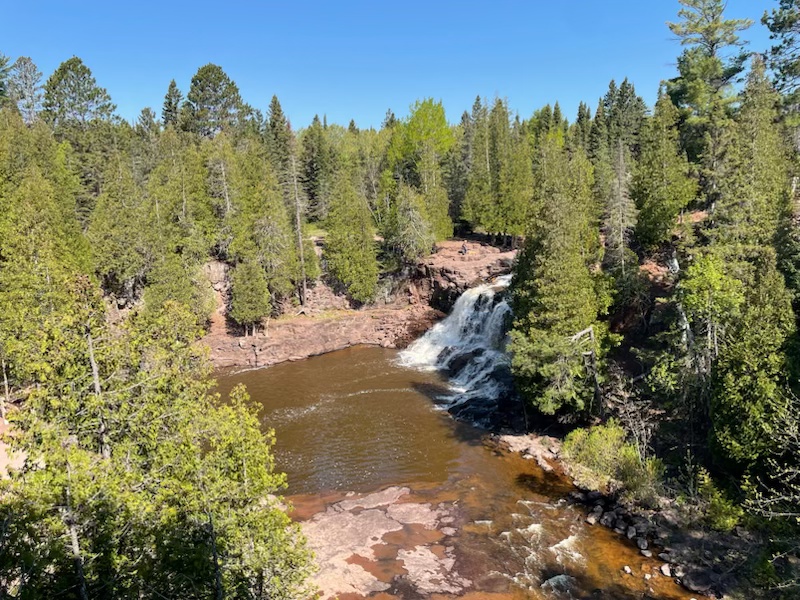
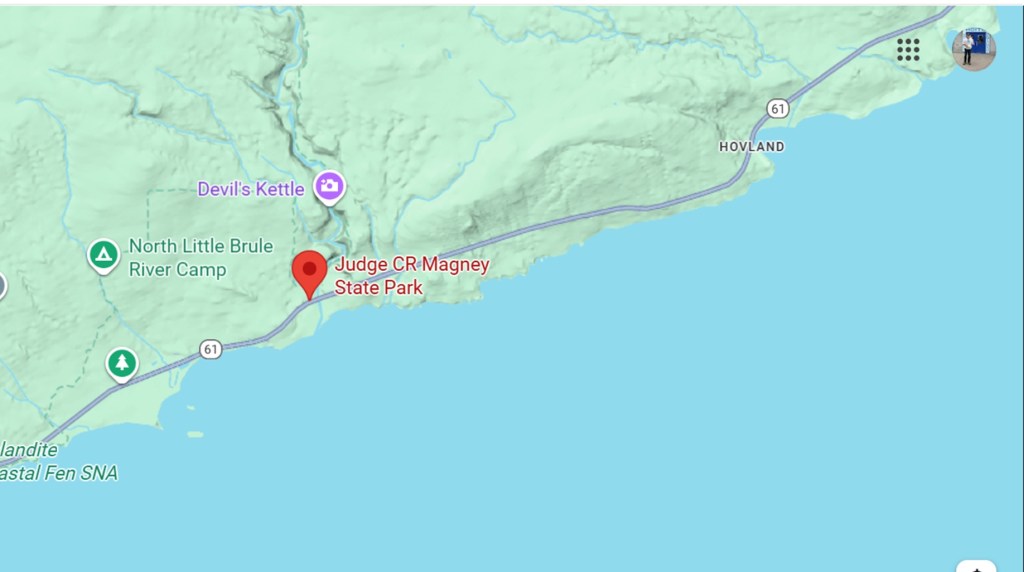
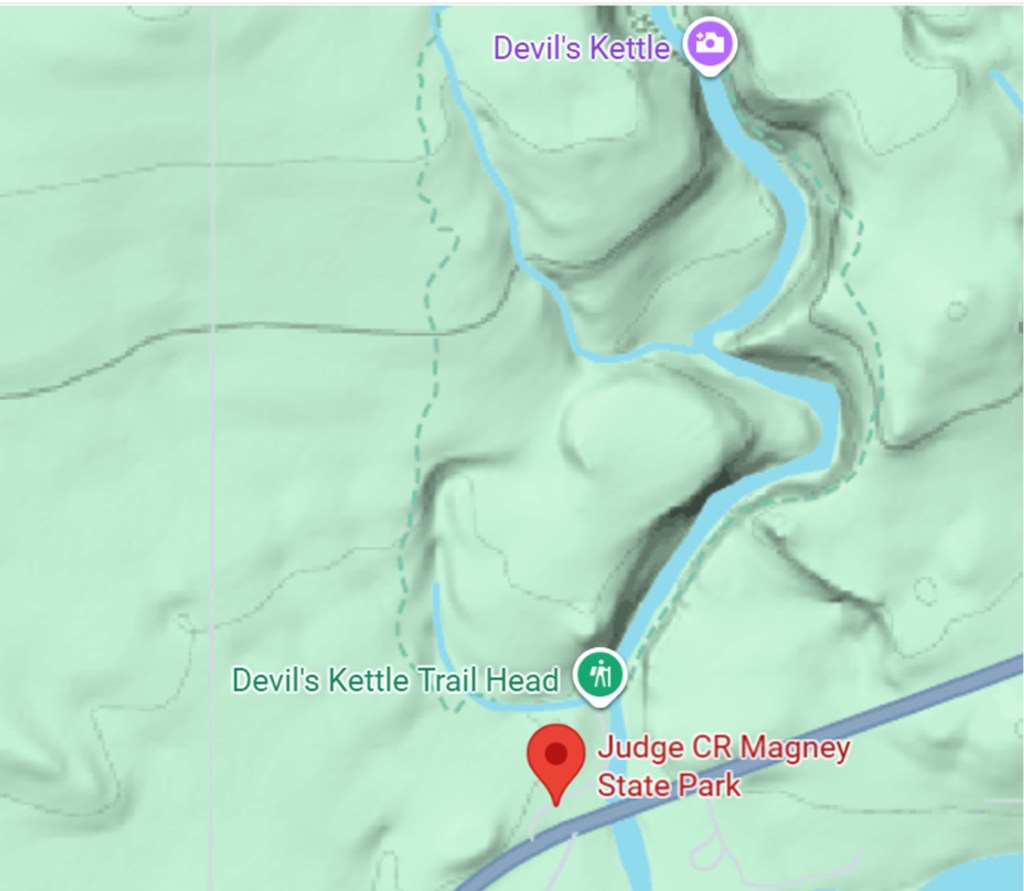
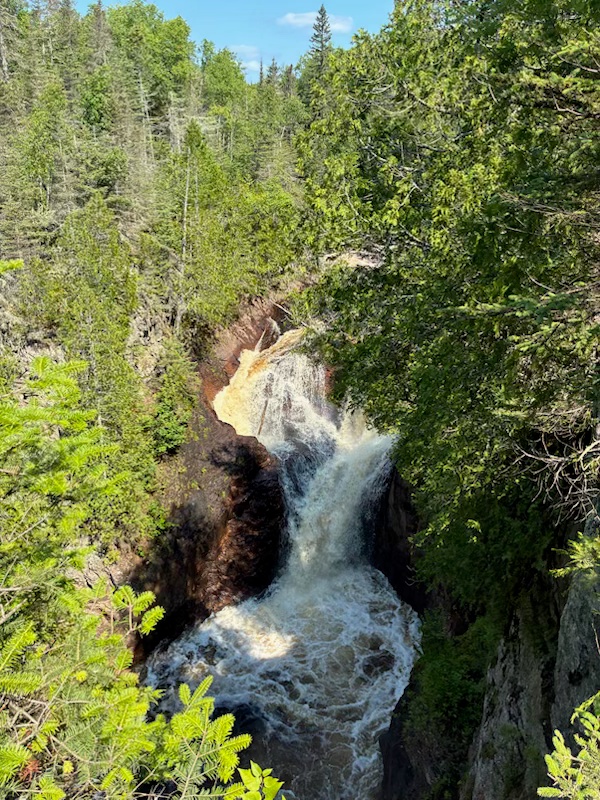
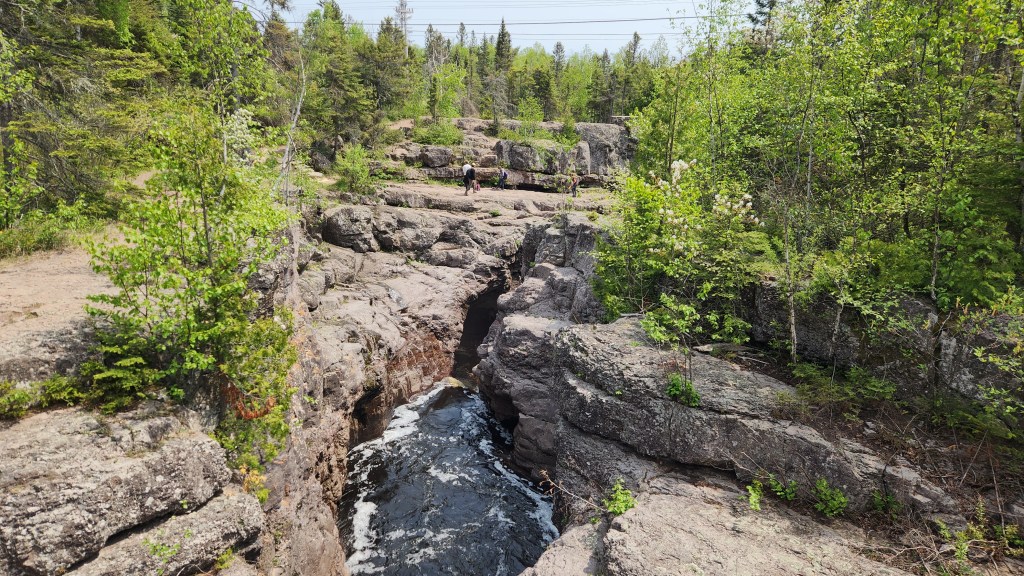
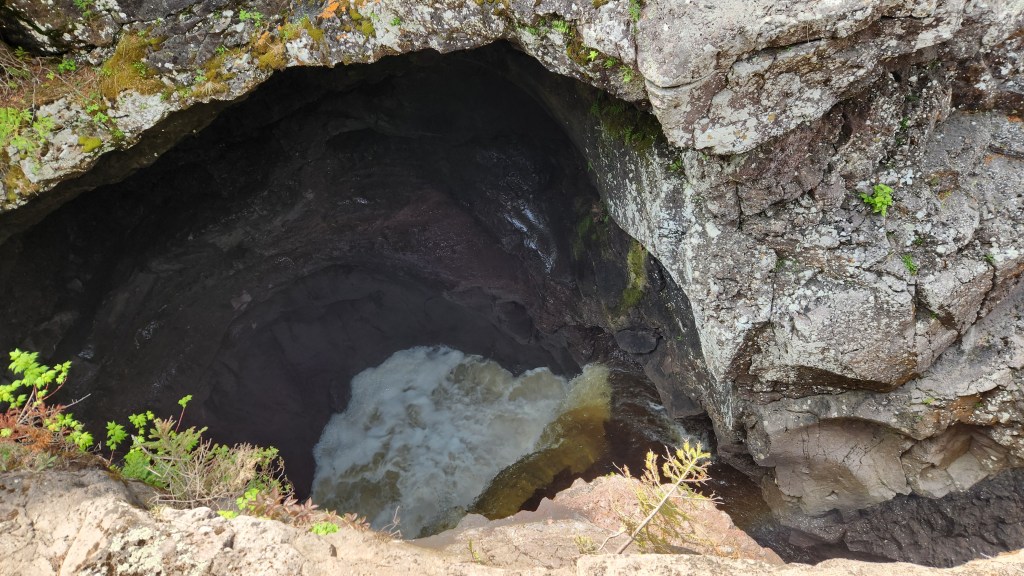
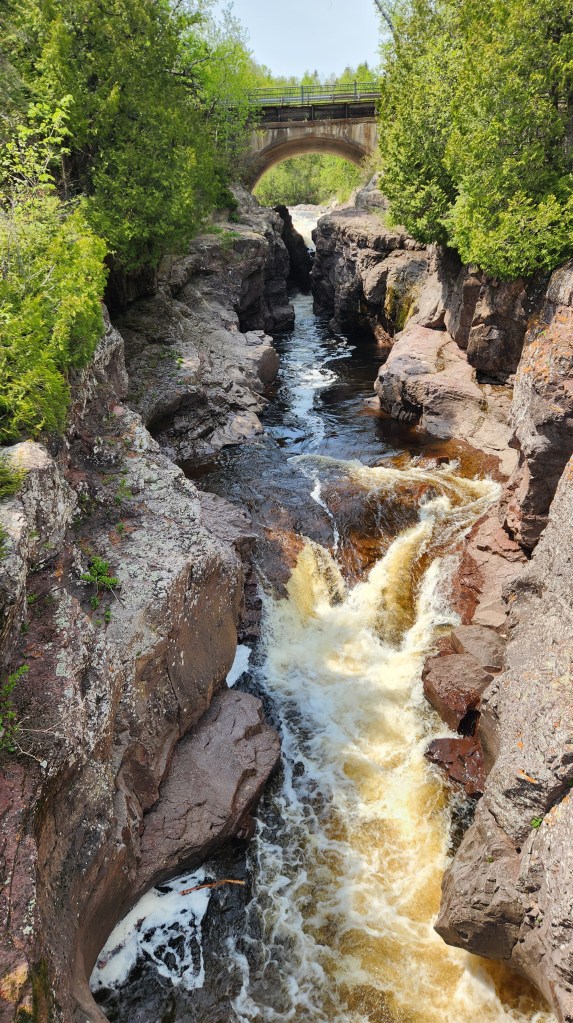
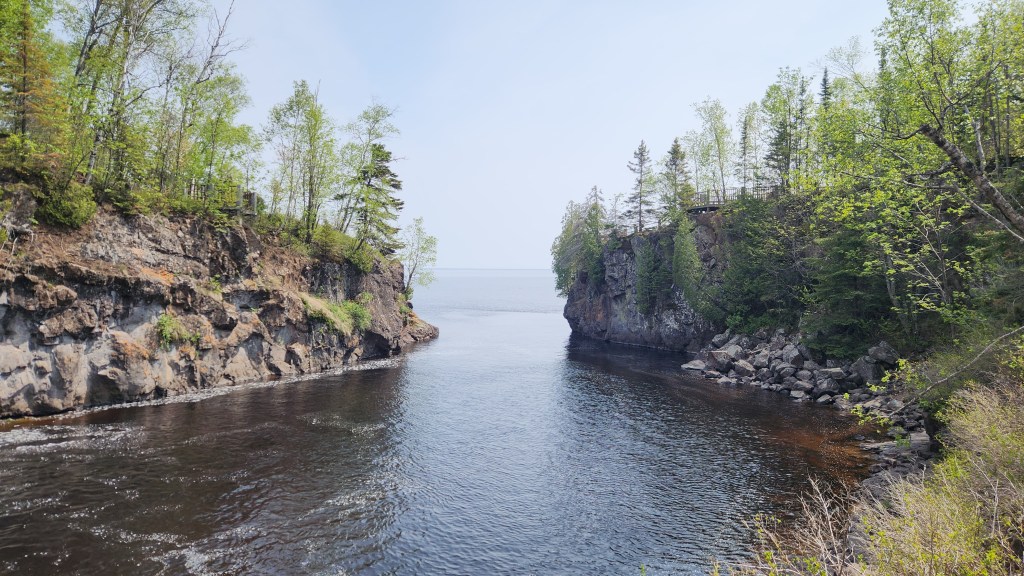
Devil’s Kettle: This interesting natural phenomenon is located on the Brule River within the Judge C.R. Magney State Park, located on Highway 61 four miles southwest of Hovland, MN.

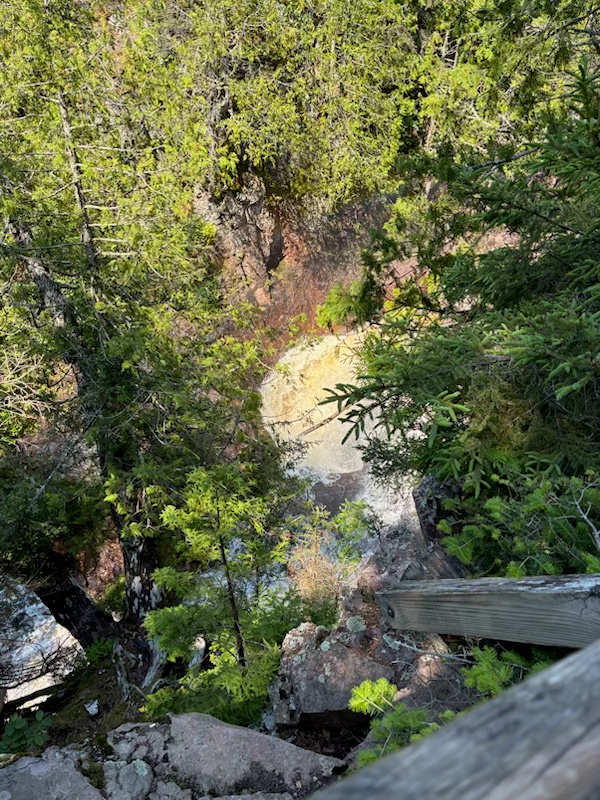
The Devil’s Kettle is a place where roughly half of the river disappears into a hole in the rocks while the rest of it flows on to a beautiful waterfall. I’ve read various stories about people trying, unsuccessfully, to find the outlet for the missing half of the river by putting various substances in the water. Wherever it may go, it’s a fascinating sight to see, after a hike of roughly a mile from the trailhead. Pat took these photos there on July 6th.

The Devil’s Kettle viewed from Above
The Devil’s Kettle and Brule River Waterfall

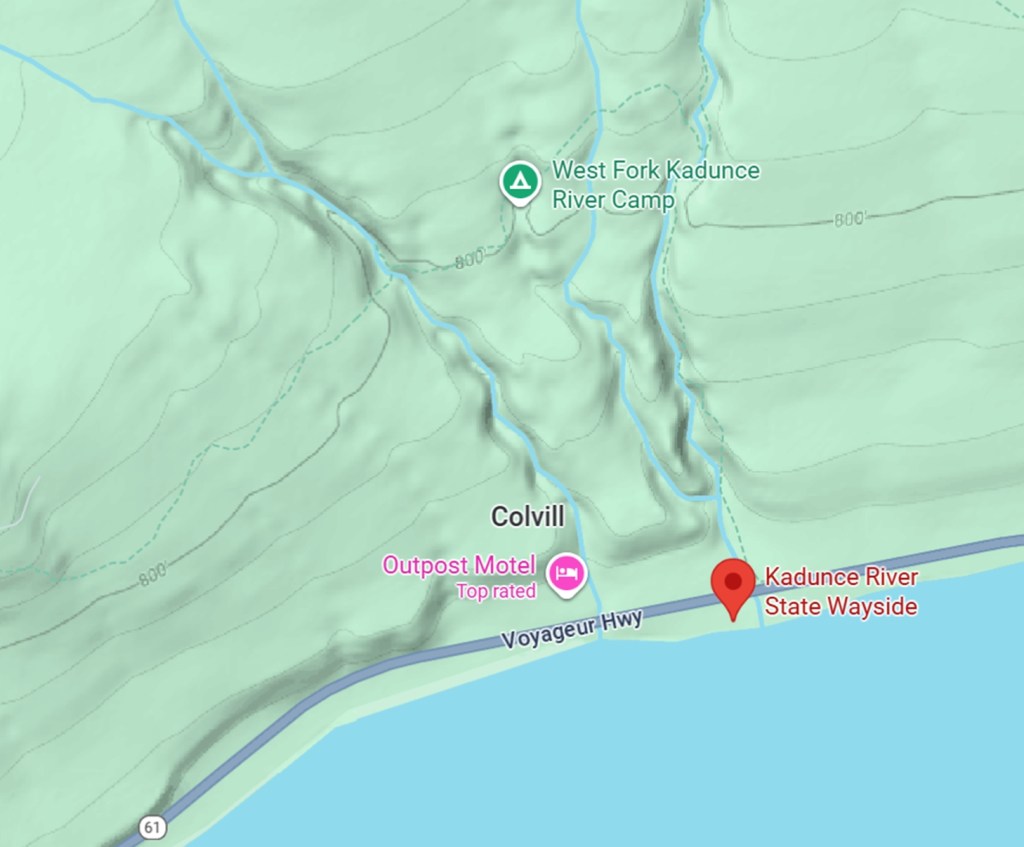
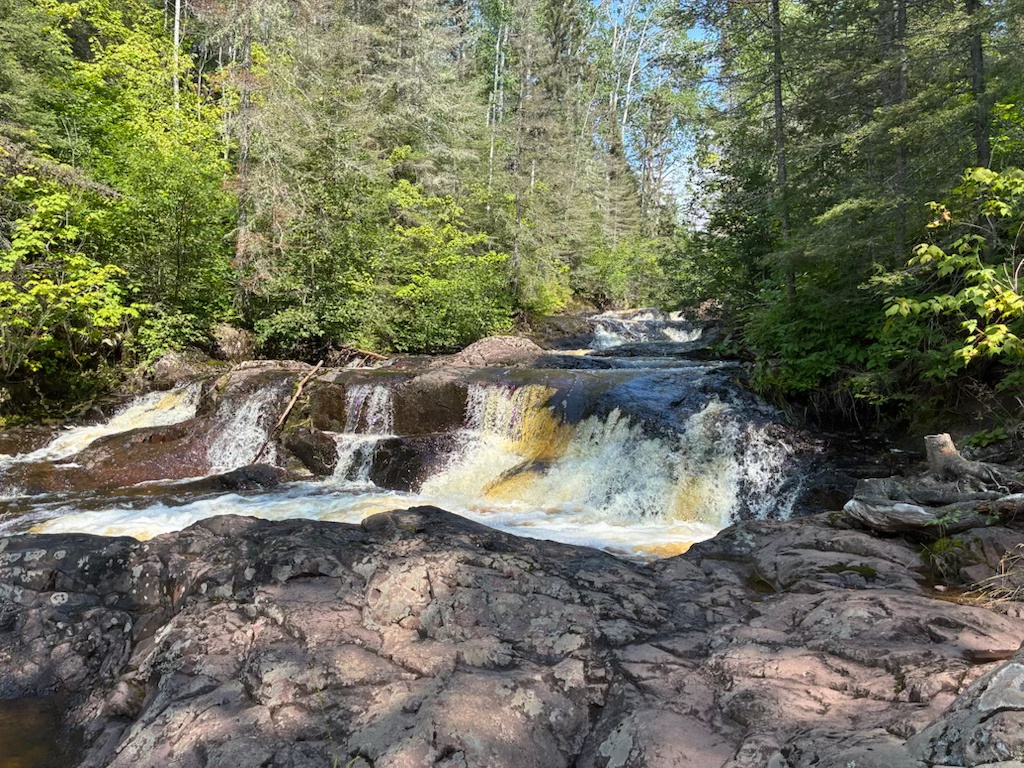
Kadunce River: The Kadunce River State Wayside is located just past Colvill, MN, on Highway 61.

From there, a 0.9-mile spur trail follows alongside the river to a bridge that is part of the Superior Hiking Trail. We have walked along that trail dozens of times over the years. It begins at essentially the same elevation as the river, but then climbs steadily until the river can only be seen in glimpses flowing far below the trail through the adjacent canyon. At the upstream end of a series of some seven or eight waterfalls, however, the trail is again essentially at the same elevation as the river. The walk is quite enjoyable, passing through scenic woods, listening to the birds, glimpsing the river periodically, and then emerging next to a beautiful waterfall at what we call “decision point.” (If you want to hear the backstory for that, I’ll be happy to regale you in person with an epic tale, or you could read the book Snowman, whose climactic scene was inspired by the very tale I’m talking about.) At any rate, Pat took the photo and video below on August 11th.

“Decision Point” on the Kadunce River
One of Many Waterfalls on the Kadunce River

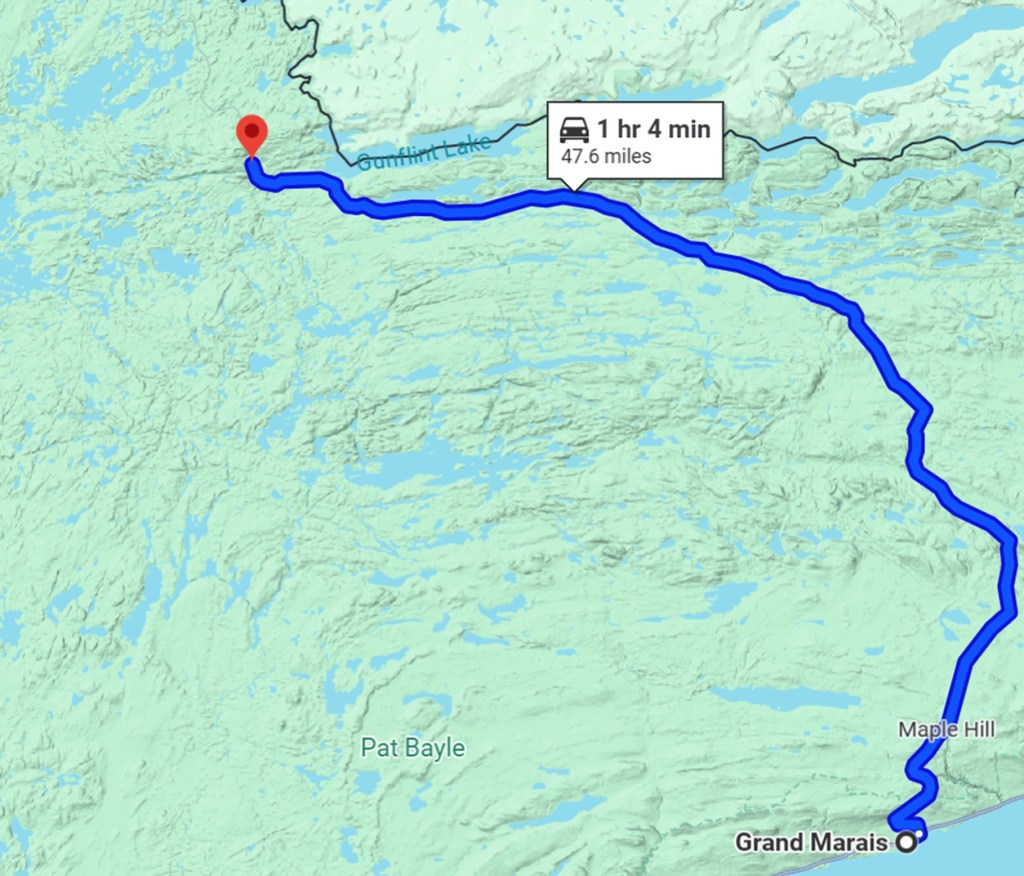
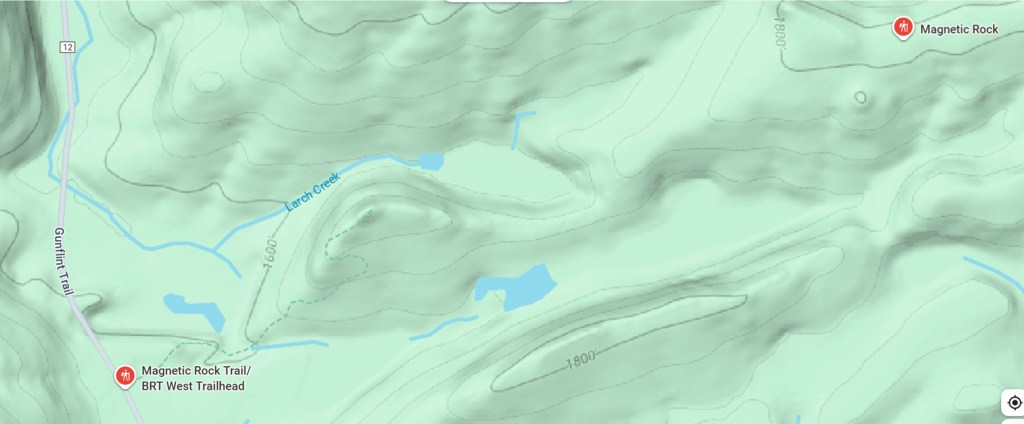
Magnetic Rock: The Magnetic Rock Trailhead is located 47.6 miles from Grand Marais, MN, on the Gunflint Trail. From there, a 3-mile trail passes through a diverse landscape – over bare and/or lichen covered rocks, through open meadows, through thickly forested areas – to a monolithic rock protruding from the earth.

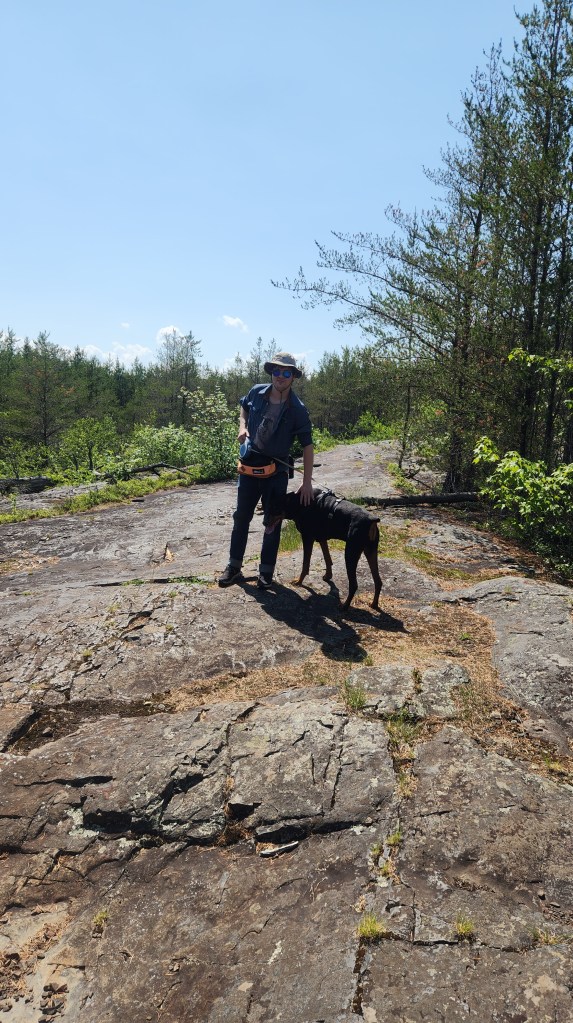
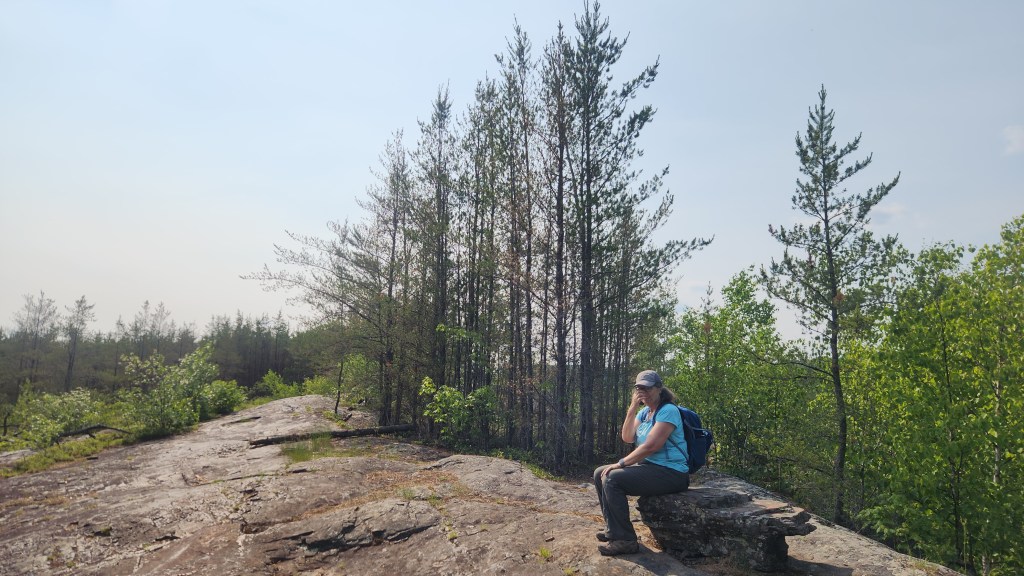
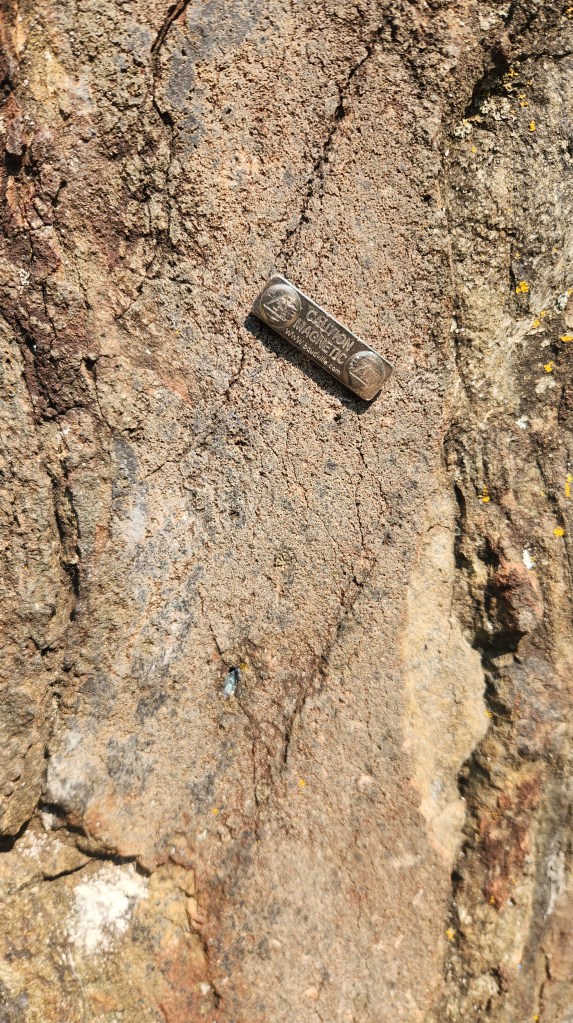
The rock contains so much iron that it can distort a compass needle to give a false indication of true north. We’ve probably walked this trail ten times or more over the past thirty-five years. The surrounding vegetation was severely damaged by fire in 2007, and we saw it begin to regenerate very quickly over the subsequent years until it is now almost at its pre-fire condition. There are still charred remnants of trees visible in some areas, though they are not readily noticeable. If the timing and climatic conditions are right, you can find quite a few blueberries along the trail. This year we went there with son Brian and his dog, Pippin, on July 1st, and there were no berries. Pippin nearly got heat stroke, so Brian stopped about halfway along and helped his pet back to the trailhead, but Pat and I made it all the way to the rock and back in two and a half hours. Here are some photos.

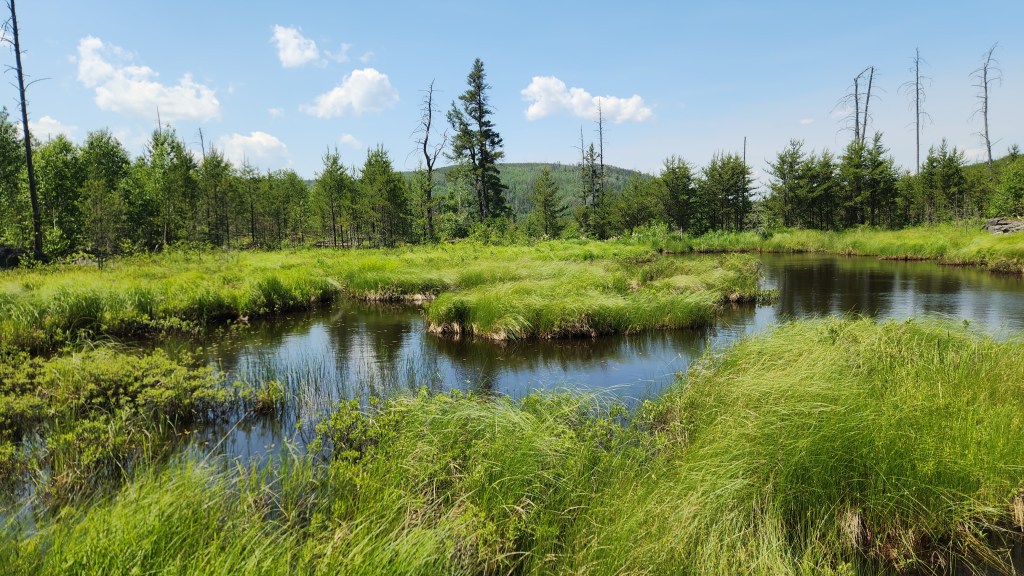
View from Magnetic Rock Trail
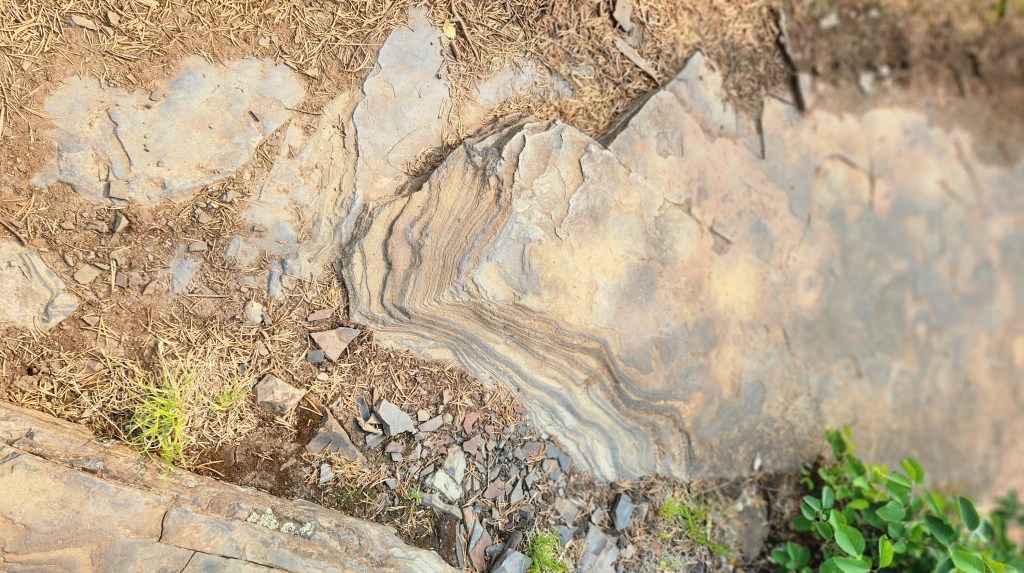
Rocky Surface Near Start of Magnetic Rock Trail
Brian and Pippin on Magnetic Rock Trail
Natural Bench on Magnetic Rock Trail
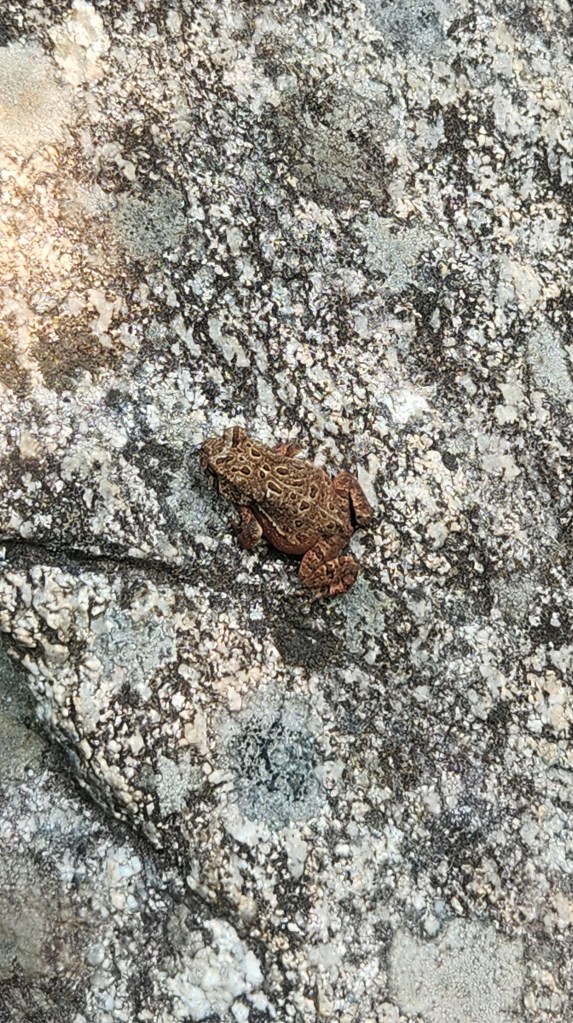
A Friendly Denizen of the Magnetic Rock Trail
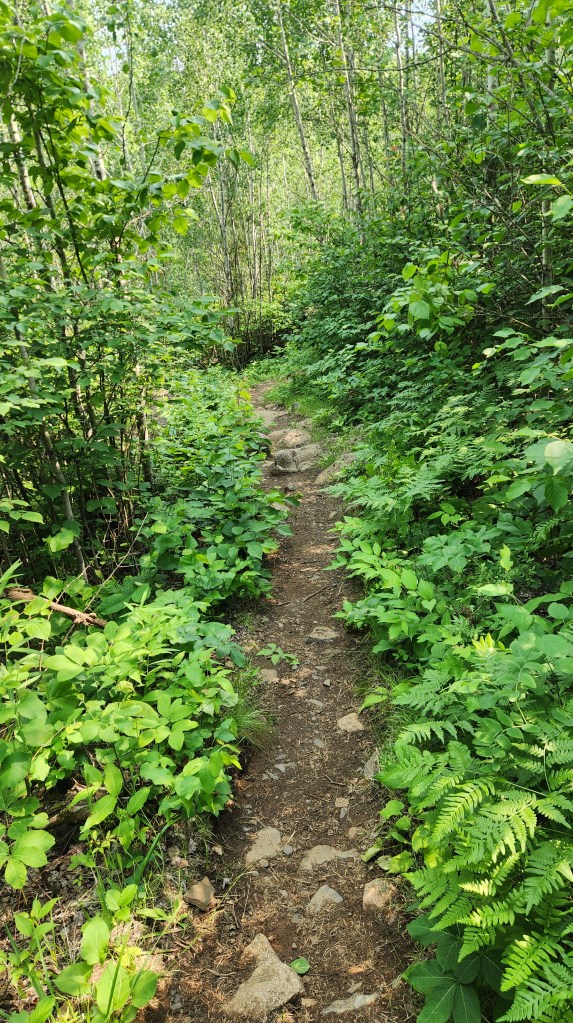
Forested Portion of Magnetic Rock Trail
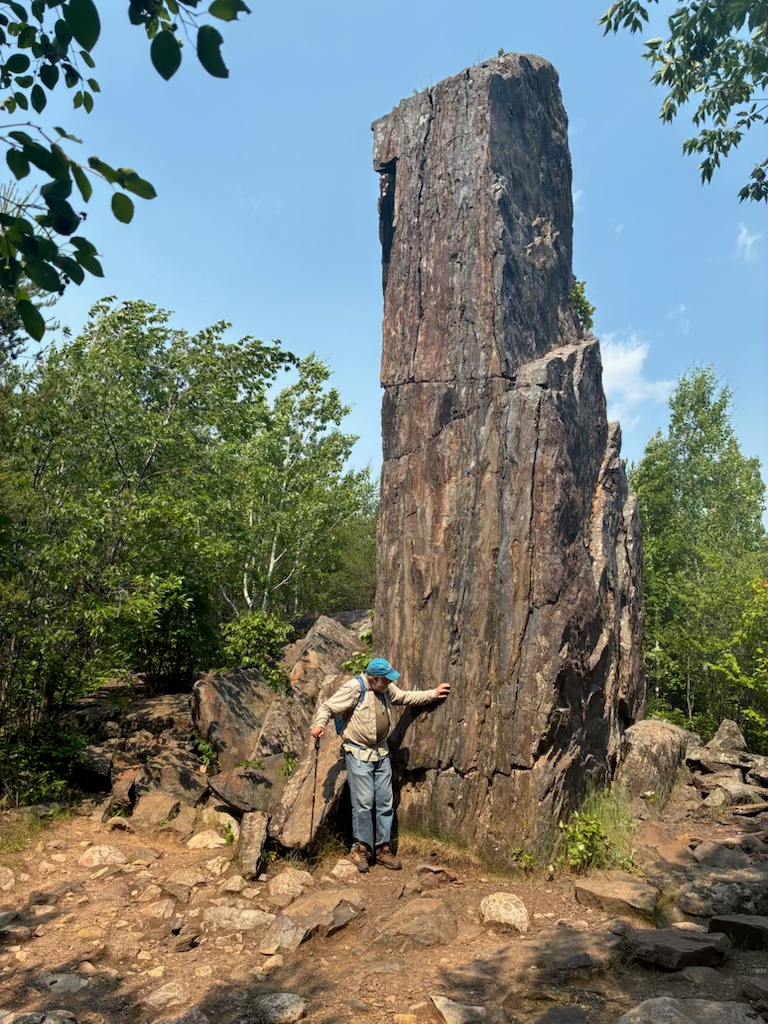
The Magnetic Rock (I’m examining the artifact pictured below)
Magnet Left Behind by a Previous Visitor

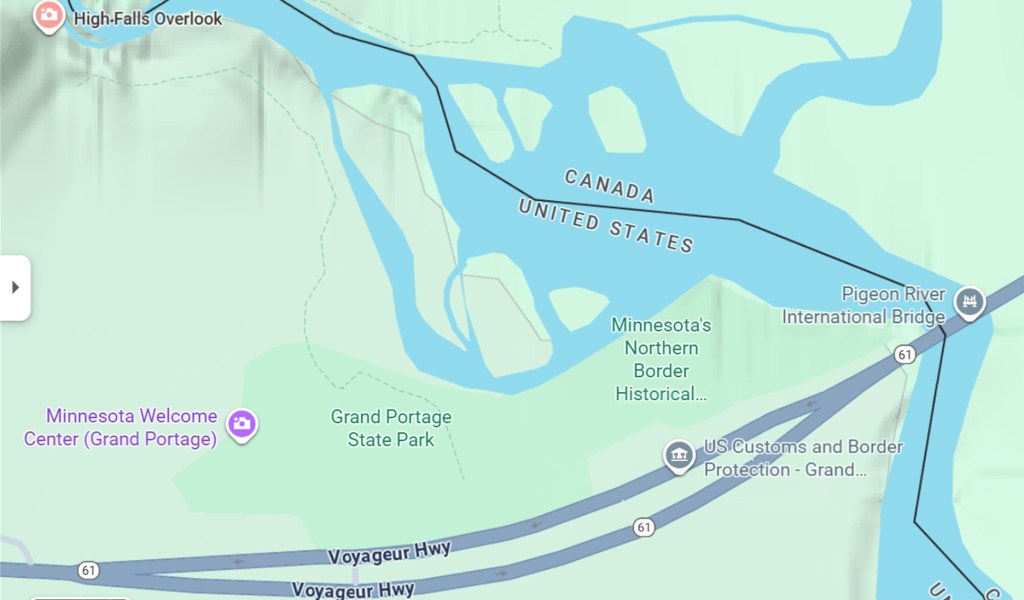
Pigeon River High Falls Overlook: The Grand Portage State Park, located on Highway 61 about a mile from the US-Canada border, is jointly operated by the State of Minnesota Department of Natural Resources and the Grand Portage Band of Lake Superior Chippewa.

It includes a very easy, paved walking path from the Visitor Center to the High Falls Overlook. The High Falls can also be reached from the Canadian side of the border, but the view isn’t as good from there. The State Park is only a 36-mile drive from the Summer Sanctuary, so we manage to visit once or more every year. This year, we visited on August 2nd.

High Falls on the Pigeon River
That’s a Lot of Water …

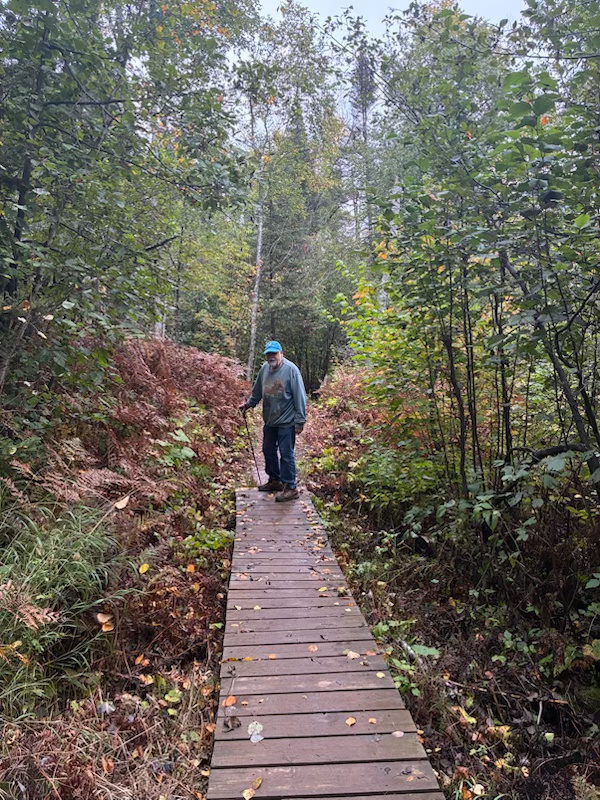
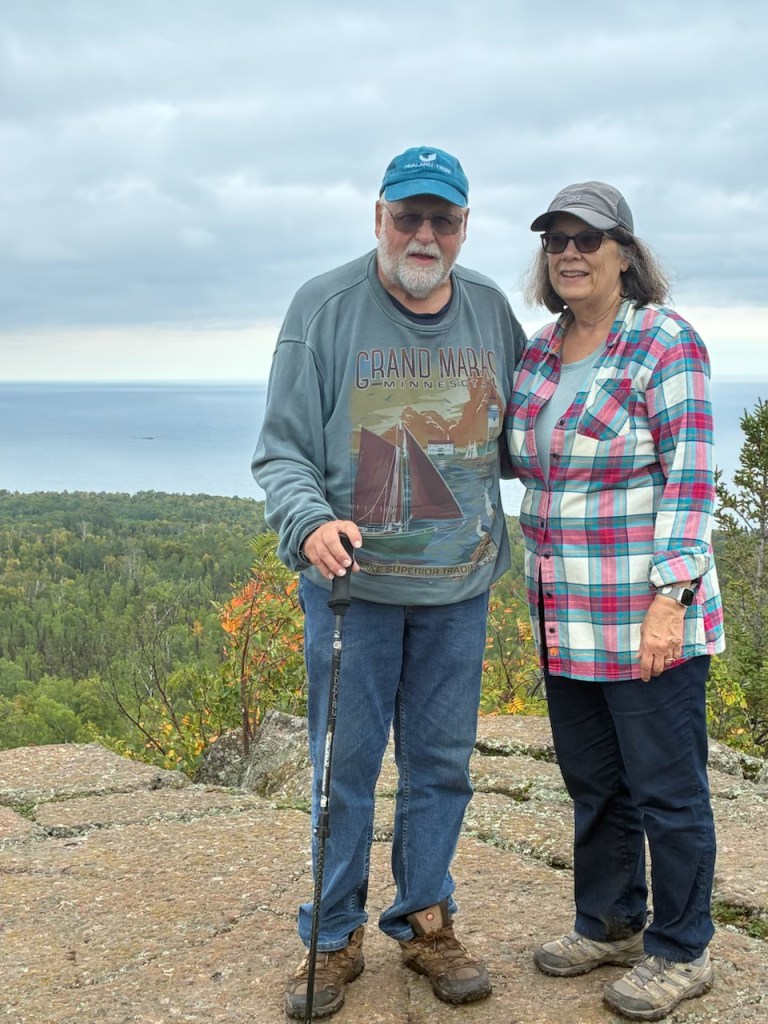
Pincushion Mountain: The Pincushion Mountain Overlook is accessible via a three-mile drive from Grand Marais up the Gunflint Trail. From the parking lot at the overlook, there are multiple trails that lead to Pincushion Mountain, which we have walked many times over the years. This year, we walked on the Superior Hiking Trail for 4.5 miles to the Pincushion Summit on September 20th. While there, a friendly hiker snapped our picture, with Five Mile Rock on Lake Superior barely visible in the background.

Heading Toward Pincushion Mountain on the Superior Hiking Trail
At the Summit of Pincushion Mountain

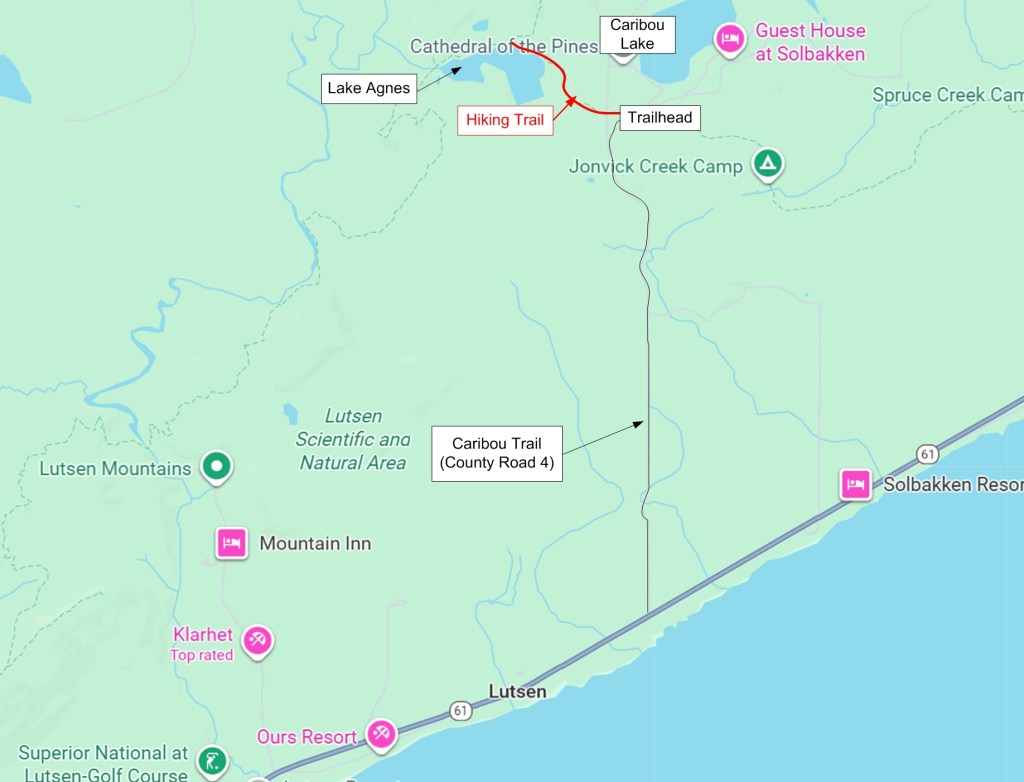
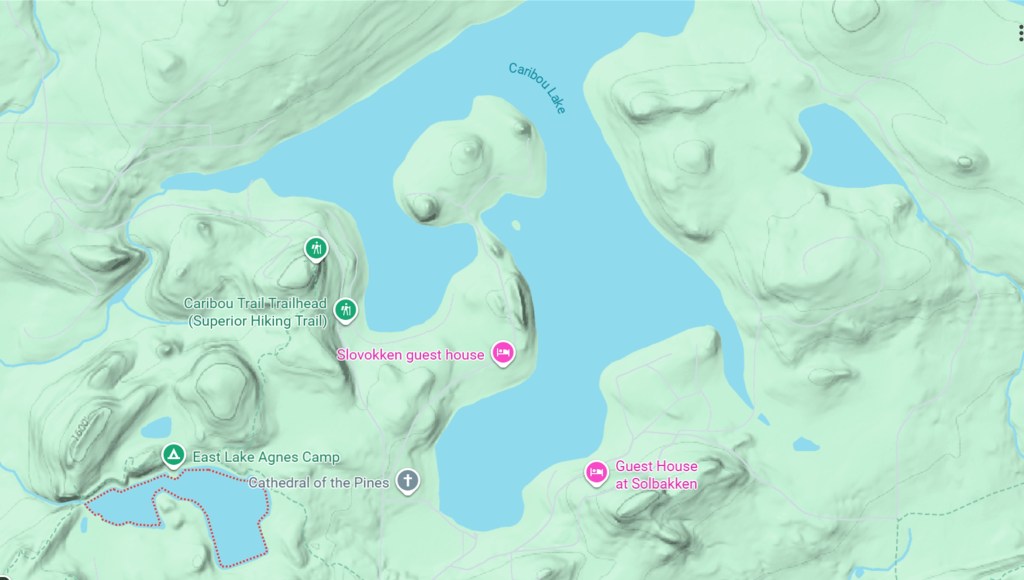
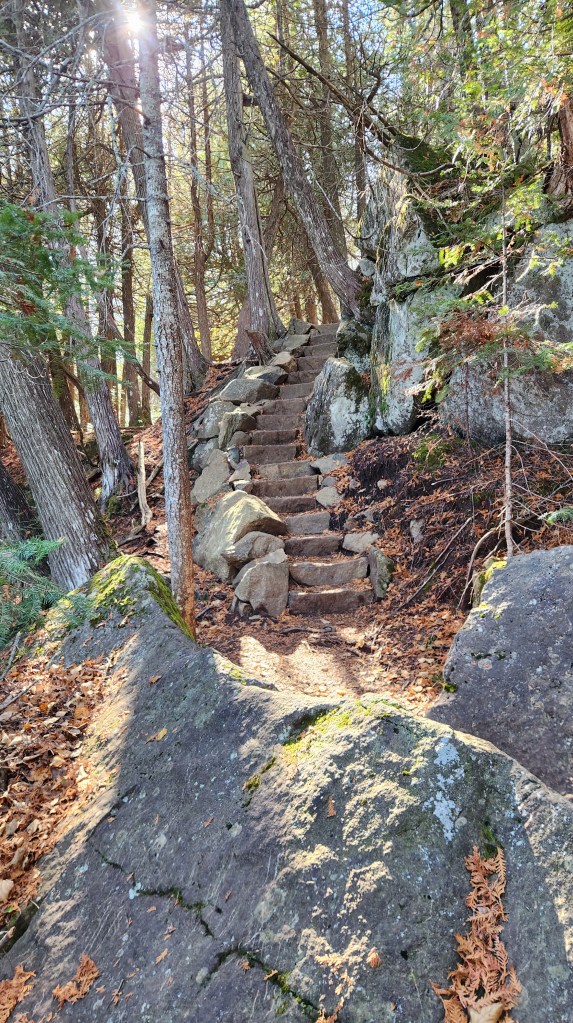
Lake Agnes and Lutsen Mountains:  This was our last hike of the season, on October 10th. After driving southeast on Highway 61 to the Caribou Trail near Lutsen, MN, then north about 3.2 miles to a trailhead for the Superior Hiking Trail, we embarked on a 2 ½ mile round trip hike to a campground on Lake Agnes.

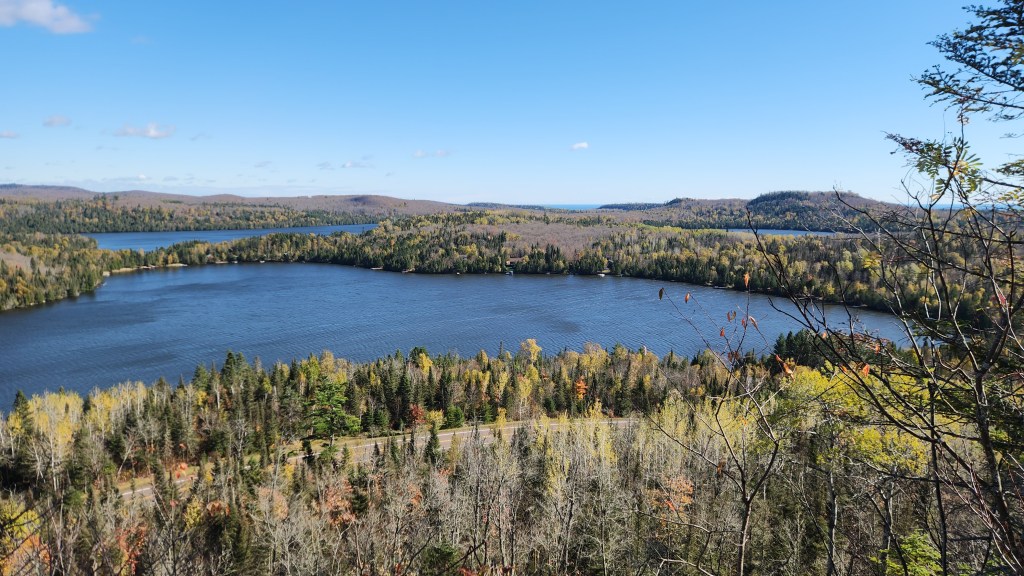
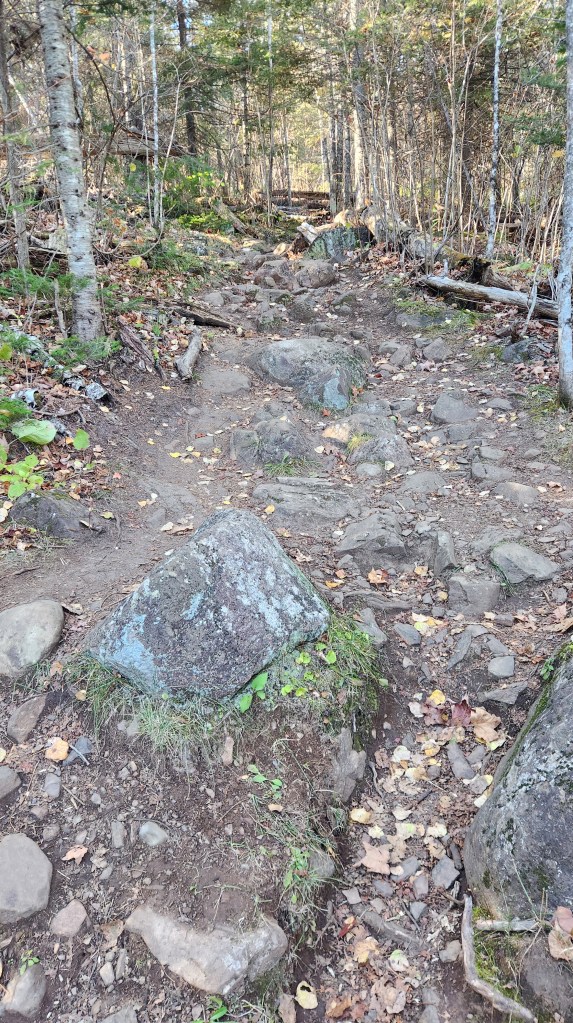
The hike started out with a steep, rocky climb to a short spur trail which led to what is known as White Sky Rock, an outcropping that provides a spectacular view of Caribou Lake.

Caribou Lake View from White Sky Rock

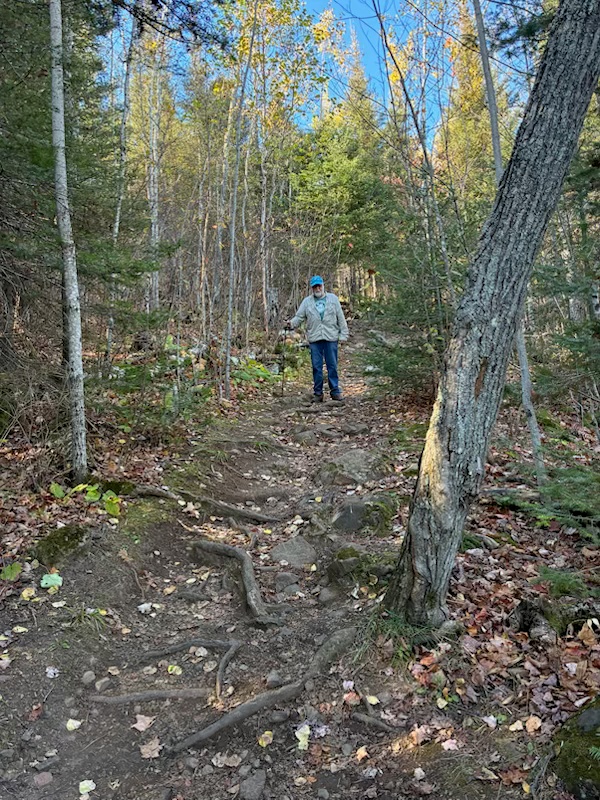
After taking in the view from White Sky, we returned to the Superior Hiking Trail and headed west to Lake Agnes. The trail was surprisingly diverse – sometimes rugged and rocky, sometimes easy; sometimes forested, sometimes surrounded by steep bluffs and rock outcroppings.

Superior Hiking Tral Heading Toward Lake Agnes

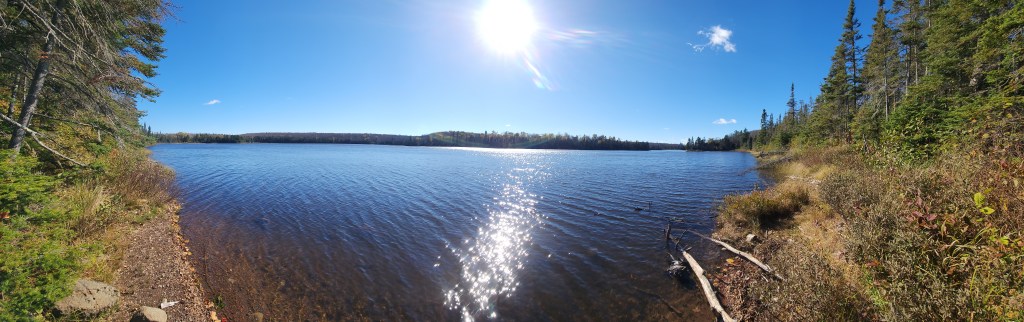
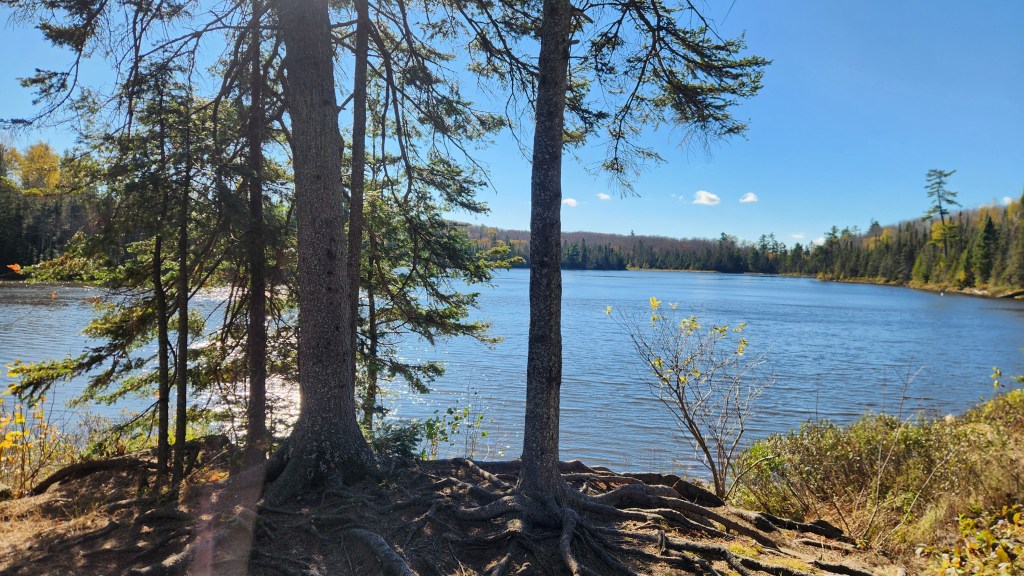
The trail hugged the northern shore of Lake Agnes as we headed to The East Lake Agnes Camp, where I had camped once (with son Brian, brother-in-law Andy, and nephews Chris and Dan) some fifteen years ago, at which point we turned around and headed back to our car parked at the Caribou Trail trailhead. I would rate this hike among the best we’ve ever had on the North Shore due to the diversity I mentioned above.

Panorama of Lake Agnes from Superior Hiking Trail
View from East Lake Agnes Camp
Almost Back to the Car …

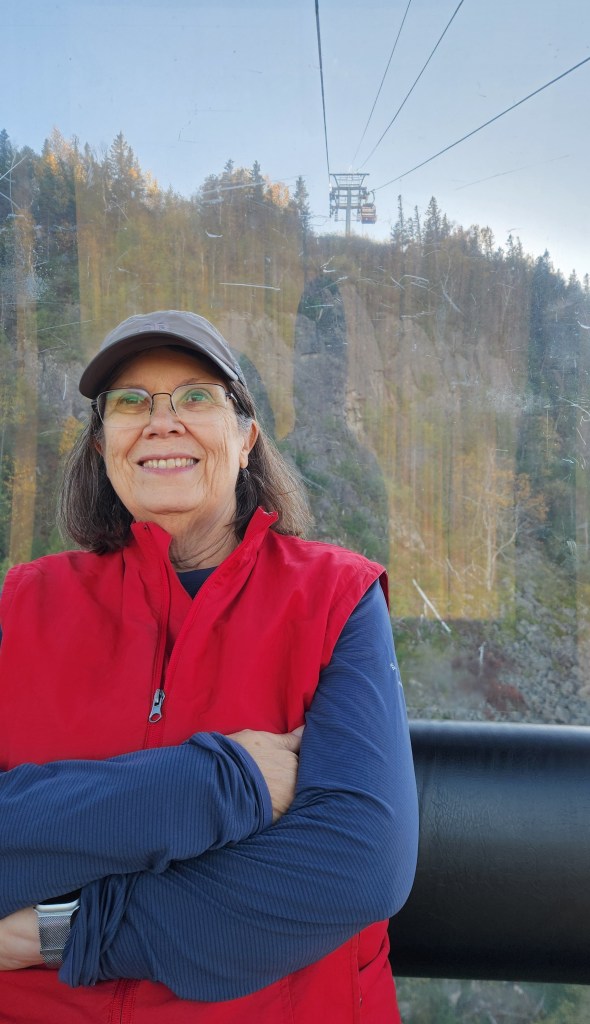
After the hike, we took a short drive to Lutsen Mountains to ride the gondola up to top of Moose Mountain, where we enjoyed the beautiful views.

Riding the Lutsen Mountains Gondola
View from Moose Mountain
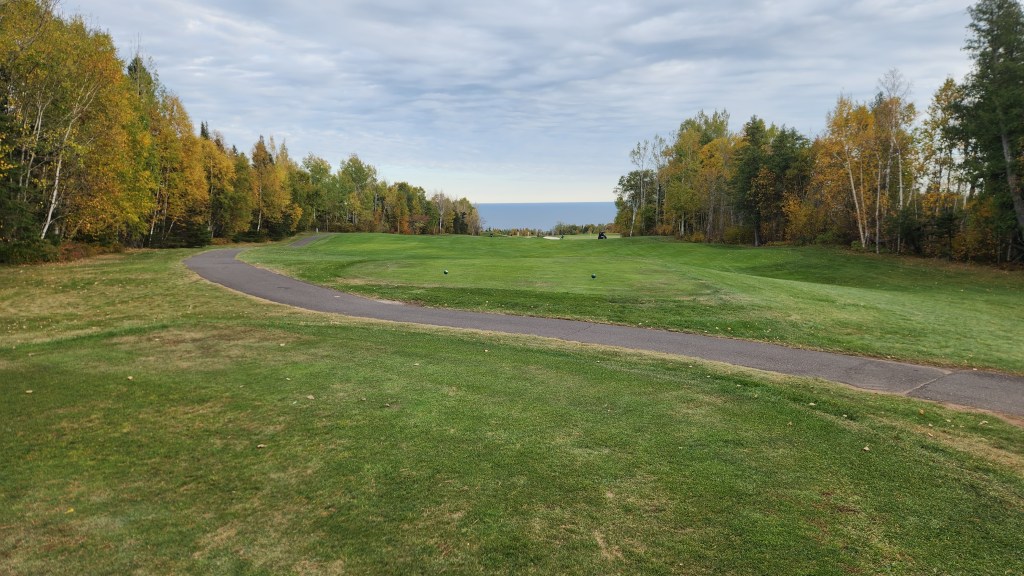
7th Hole at the Superior National Golf Course (in case any readers are golfers)

Canada:  We also made a few forays into Canada, as we usually do each year. (We like the fact that our Summer Sanctuary is so close to our northern neighbor, so that if we ever decide we can no longer tolerate the disgusting manner in which the current United States Government “leaders” are dragging the country, we can quickly escape to a place where we feel safer and more welcome. Not that I wish to inject politics into my travel blogs, but sometimes it’s just hard to cope.)

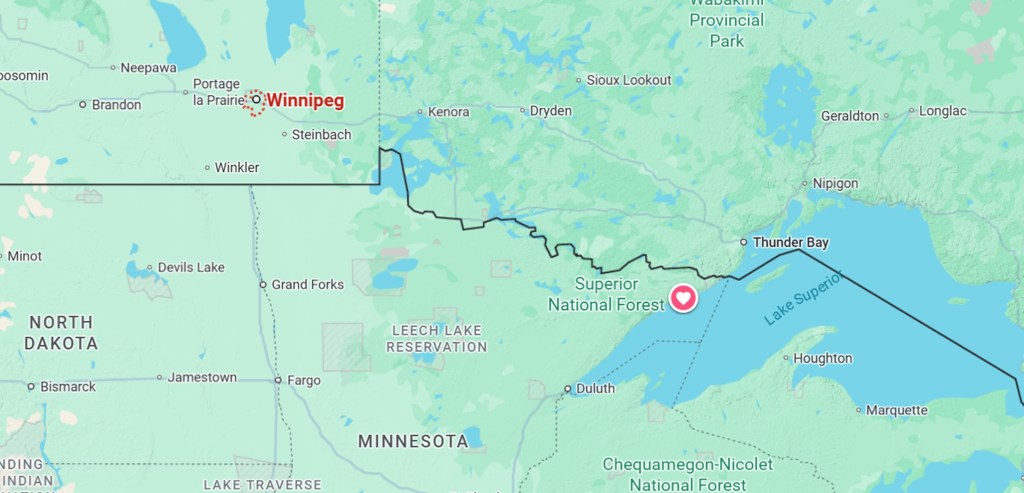
Thunder Bay, Ontario, Marina:  Pat and I made our annual summer visit to Thunder Bay, Ontario, on August 8th this year. Thunder Bay is located 75 miles northeast of the Summer Sanctuary via MN Highway 61 and Canadian Highway 61.

As usual, we went to the Algoma and Bay “Finntown” neighborhood to visit the Finnish Bookstore, the Finnport shop, and the Cheese Encounter store. Unfortunately, the Hoito Hose Restaurant reconstruction has ground to a halt, with only a large foundation waiting sadly for a future recreation of the iconic landmark following its total destruction in a fire several years ago. We continue to wait with hope in our hearts. We also stopped at the Thunder Bay Marina for a nice lunch at the Bight Restaurant and a stroll around Marina Park.

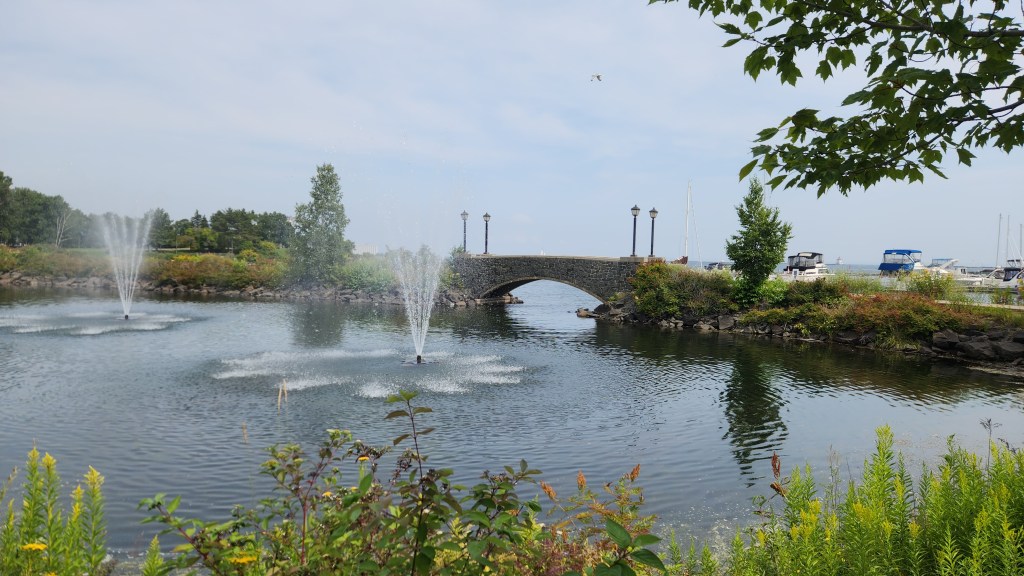
Thunder Bay Marina Park
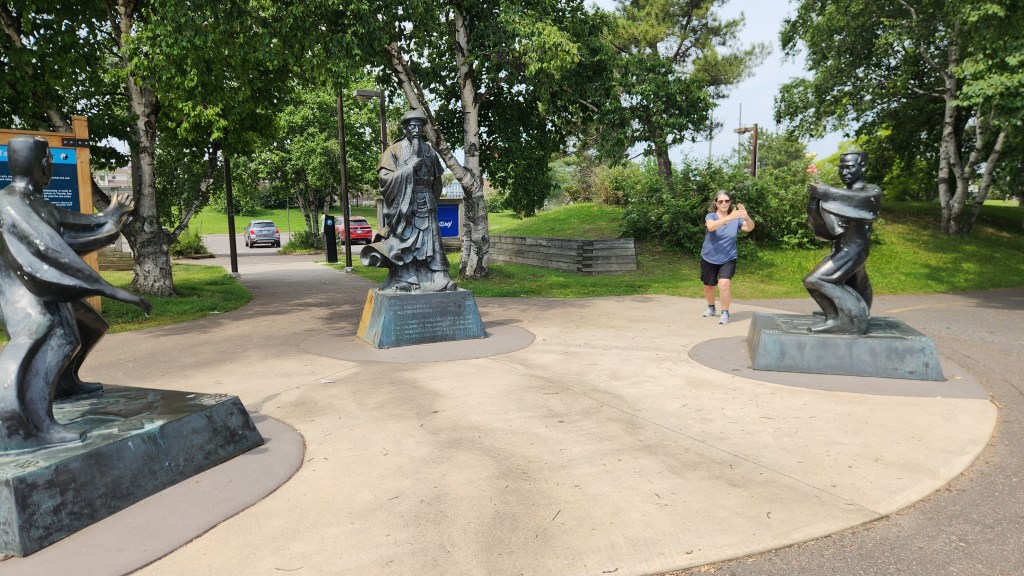
Communing with Tai Chi Masters in Marina Park

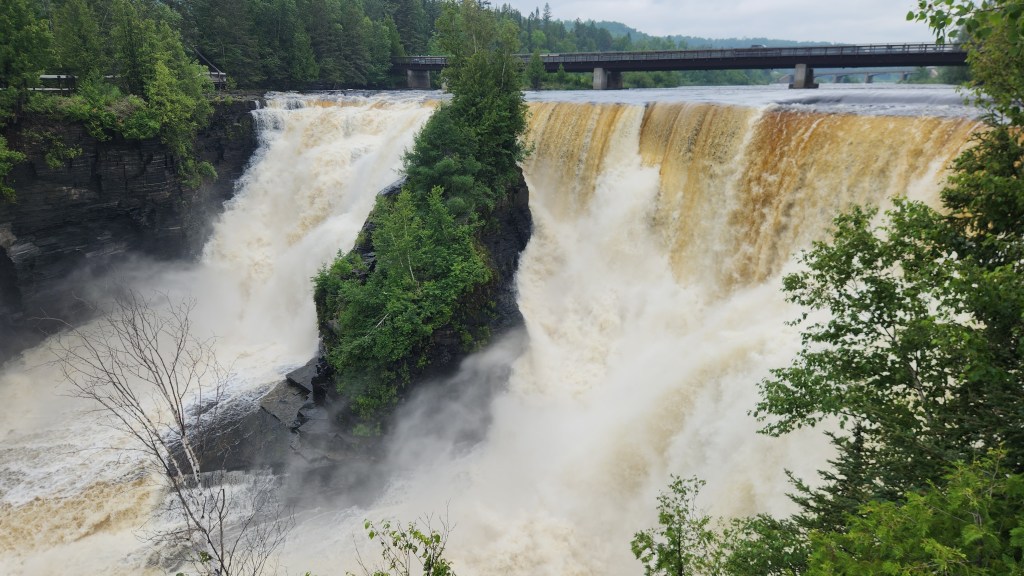
Kakabeka Falls, Ontario: This 130-foot-high waterfall on the Kaministiquia River is a fairly frequent stop for us when we venture up north to Thunder Bay, but this year Pat didn’t go there at all, and I only made one quick stop with my frequent golf partner after we played at the nearby Whitewater Golf Club on July 15th. I always feel a thrill when observing the awesome power of the thunderous water, and perhaps readers will feel the same way as they check out the following.

Kakabeka Falls from North Side Viewing Platform
Kakabeka Falls from North Side of River
Through the Mist from Downstream Viewing Platform

Winnipeg, Manitoba: As our final foray of the season, we decided to visit Winnipeg, Manitoba, departing from Minneapolis on October 4 and returning to the cabin on October 7. We’ve discussed going to check out Winnipeg several times over the years, but had never seemed to make it happen until this year, when we deiced to emulate the marketers from Nike and “just do it.”

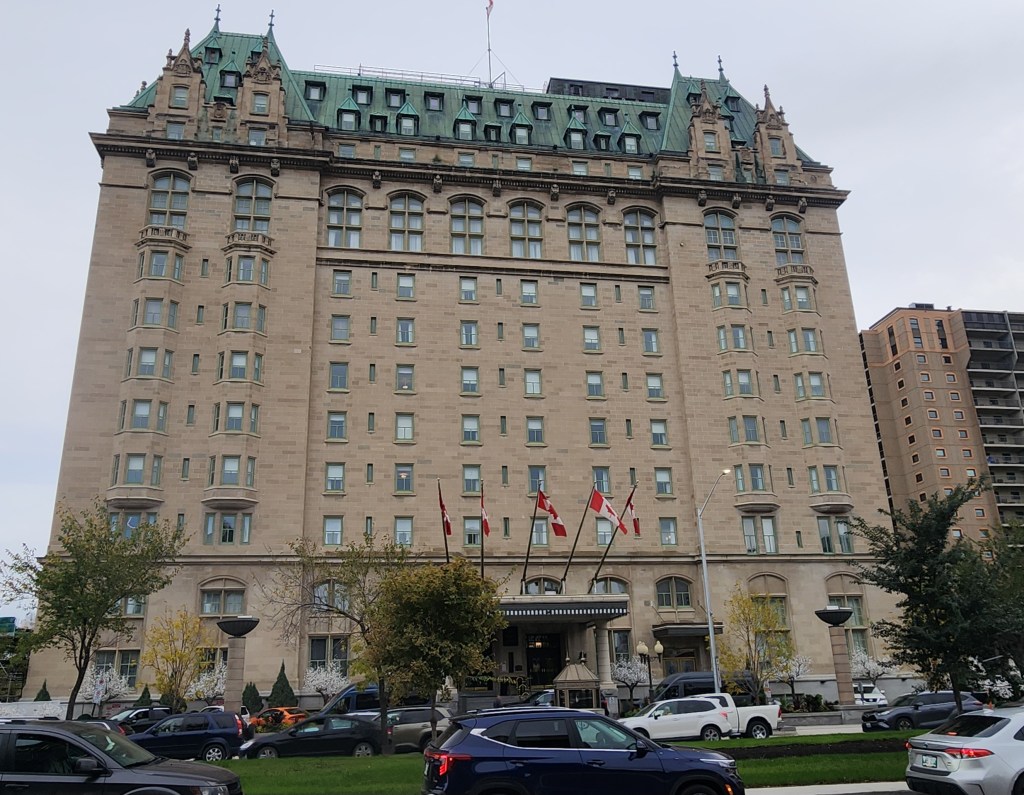
We stayed at an impressive place called the Fort Garry Hotel, Spa, and Conference Centre, built by the Grand Trunk Pacific Railway in 1913 as one of Canada’s grand railway hotels. While there were a few quirky aspects of the place, like an elevator that occasionally decided to do something other than what you had in mind, it was very conveniently located near the places we wanted to visit.

The Fort Garry Hotel, Spa, and Conference Centre

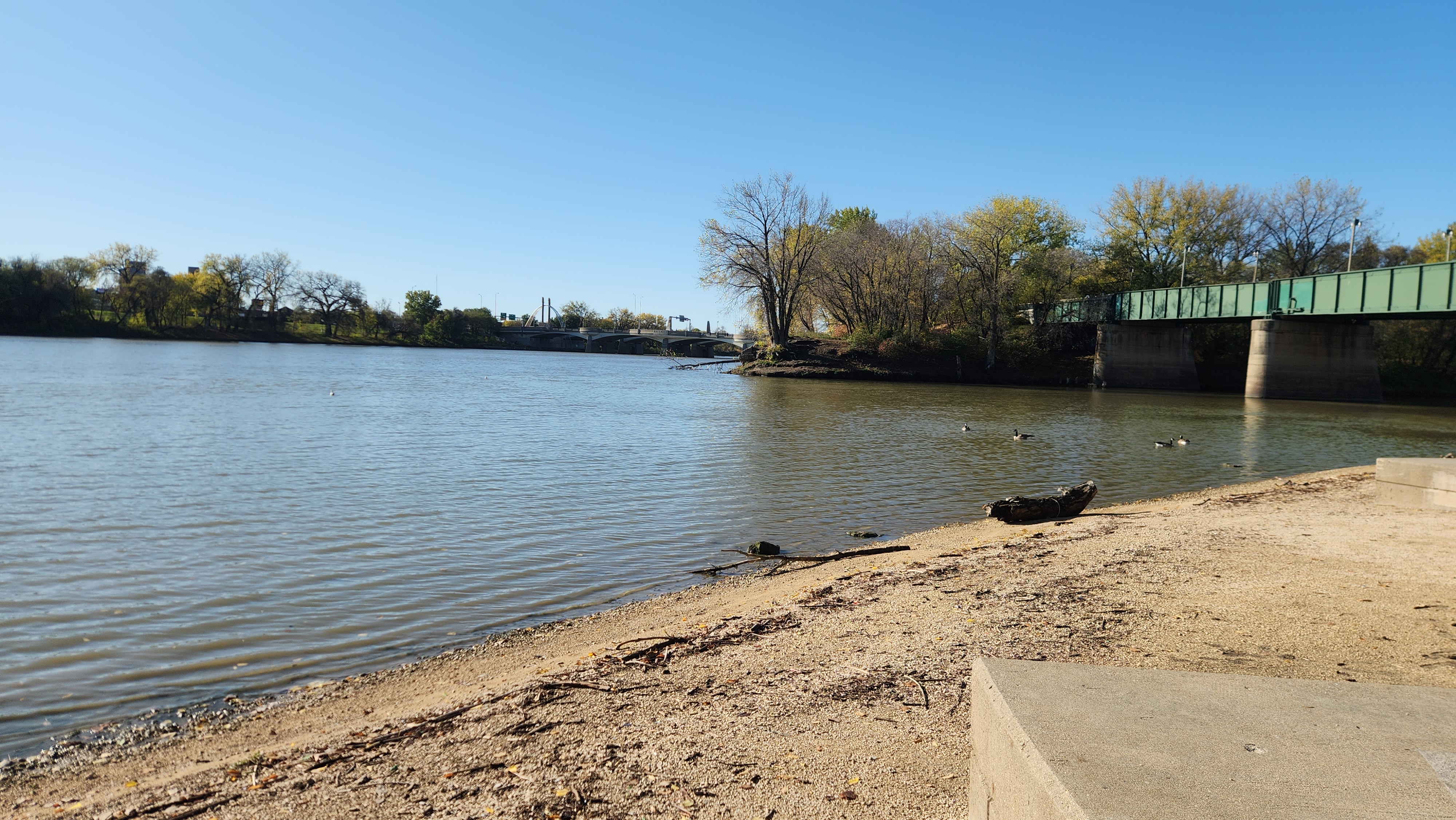
First, a bit of history. The confluence of the Assiniboine River and the Red River, known as The Forks, is located within the city of Winnipeg. The Forks was a focal point for canoe river routes travelled by Aboriginal peoples for thousands of years before the arrival of European traders and settlers. Populated by First Nations peoples, the area was used for camps, hunting, fishing, trading, and (further north) agriculture. The rivers linked the Assiniboine, Ojibway, Anishinaabe, Mandan, Sioux, Cree, Lakota, and others for trade and knowledge sharing.

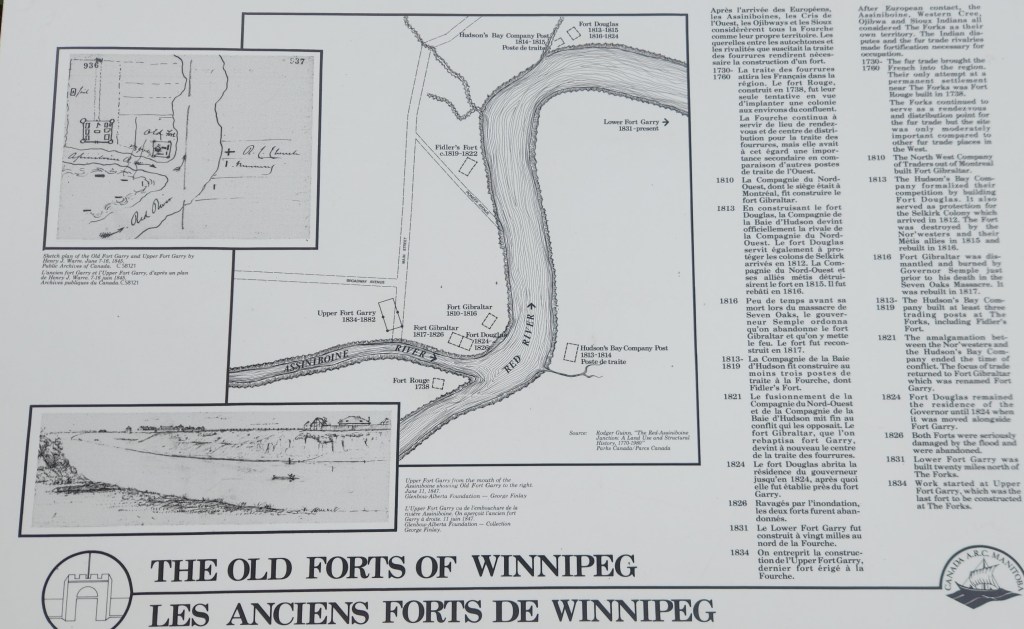
The Red River flows north from the confluence of the Bois de Sioux and Otter Tail Rivers near Wahpeton, ND, and Breckenridge, MN and empties into to Lake Winnipeg, which then drains into Hudson Bay via the Nelson River. This made The Forks a natural place for the indigenous people to supply firs to the Hudson’s Bay Company which, along with British colonialists, laid claim to the entire Hudson Bay drainage basin, including what is now Winnipeg, in the late 17th century. However, French traders worked the area for the rival Montreal-based North West Company decades before the first English traders arrived in about 1767. During these years, various French and British forts were built in the area to facilitate operations of the rival fur companies.

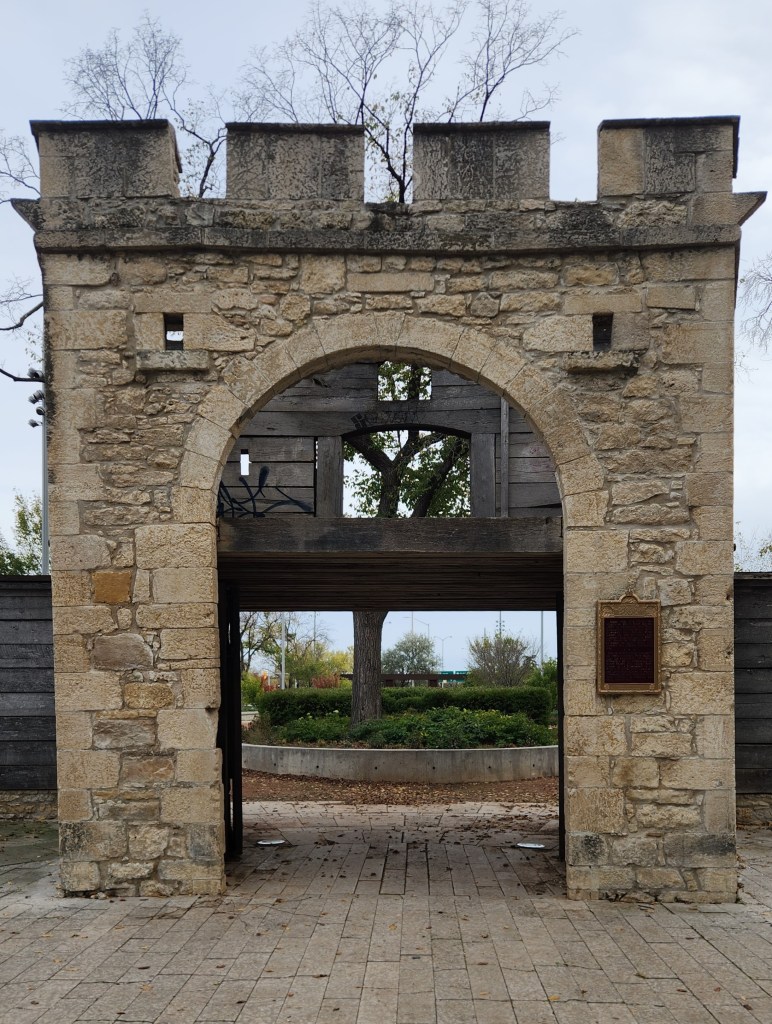
In 1811, Scottish aristocrat and humanitarian Thomas Douglas, Earl of Selkirk, received a grant of 116,000 square miles in the basins of the Red and Assiniboine Rivers from the Hudson’s Bay Company, which he named Assiniboia, and established an agricultural settlement populated by displaced Scottish Highland families and retired Hudson’s Bay Company workers. The Red River Colony (or Selkirk Settlement) was founded in 1812 and built Fort Douglas a short distance upriver from Fort Gibraltar, the area headquarters of the North West Company. The two fur companies fought several battles for control of the area until the Hudson’s Bay company succeeded in forcing a merger in 1821. Fort Gibraltar was taken over as the Hudson’s Bay Company headquarters in 1822 and renamed Fort Garry. During this period, the Métis, an ethnic group descended from the mixing of indigenous Canadians and European traders, began settling in the Red River Valley. As their numbers grew, the Métis instituted a rebellion against the new federal government imposed by Canadian Confederation in 1867 and eventually established a provisional government under Luis Riel in 1869. During these turbulent times, the Catholic Church beefed up its presence in the area; a Cathedral was bult and the so-called “grey nuns” established hospitals which remain today. Eventually, Riel agreed to have the Red River Settlement join the newly formed Province of Manitoba, and Winnipeg was formally incorporated in 1873. Fort Garry was demolished in the early 1880s to make way for Winnipeg’s Main Street, although the fort’s gate was retained. The site was designated as a National Historic Site in 1924 and stands a mere stone’s throw away from the Fort Garry Hotel.

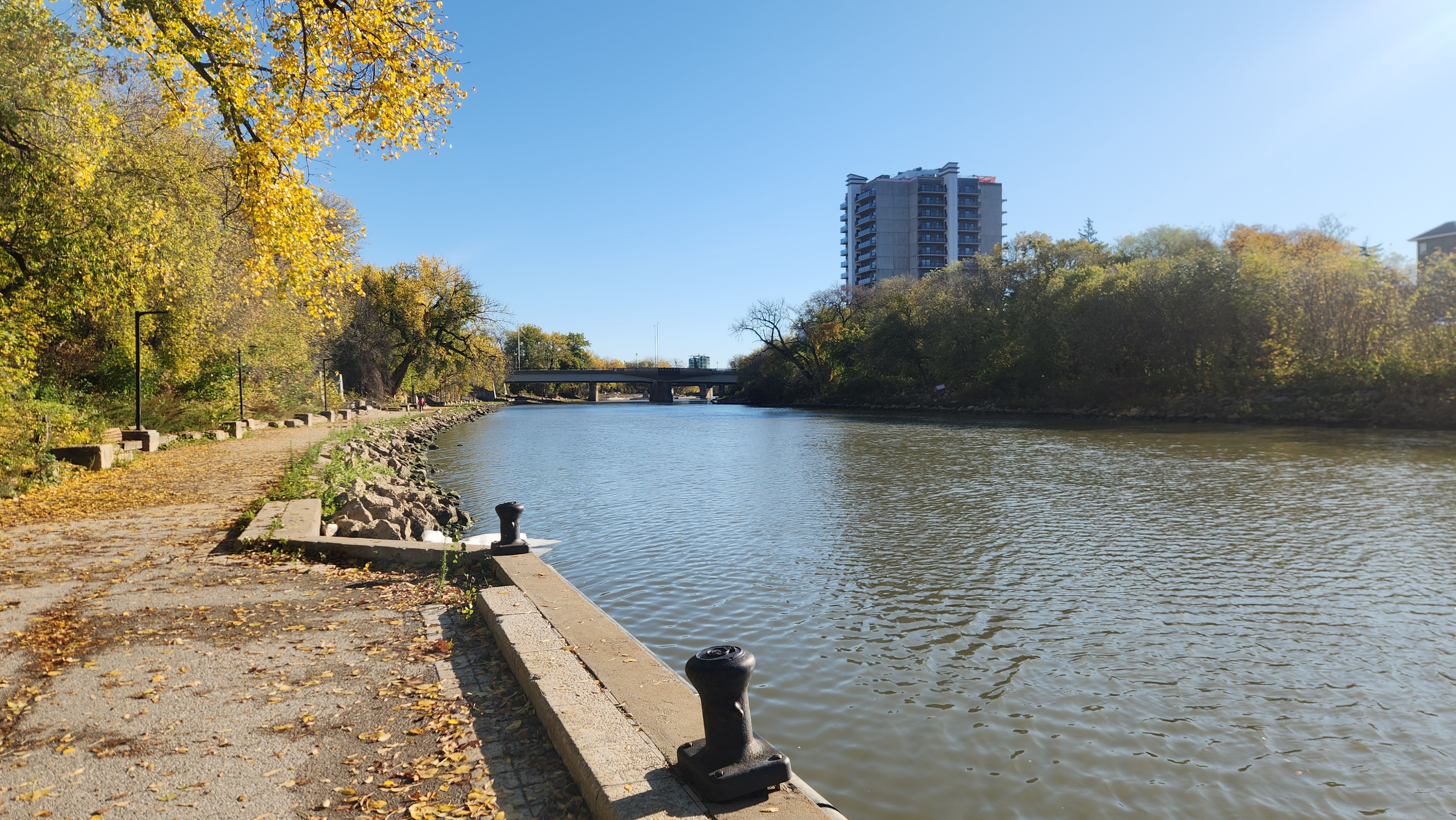
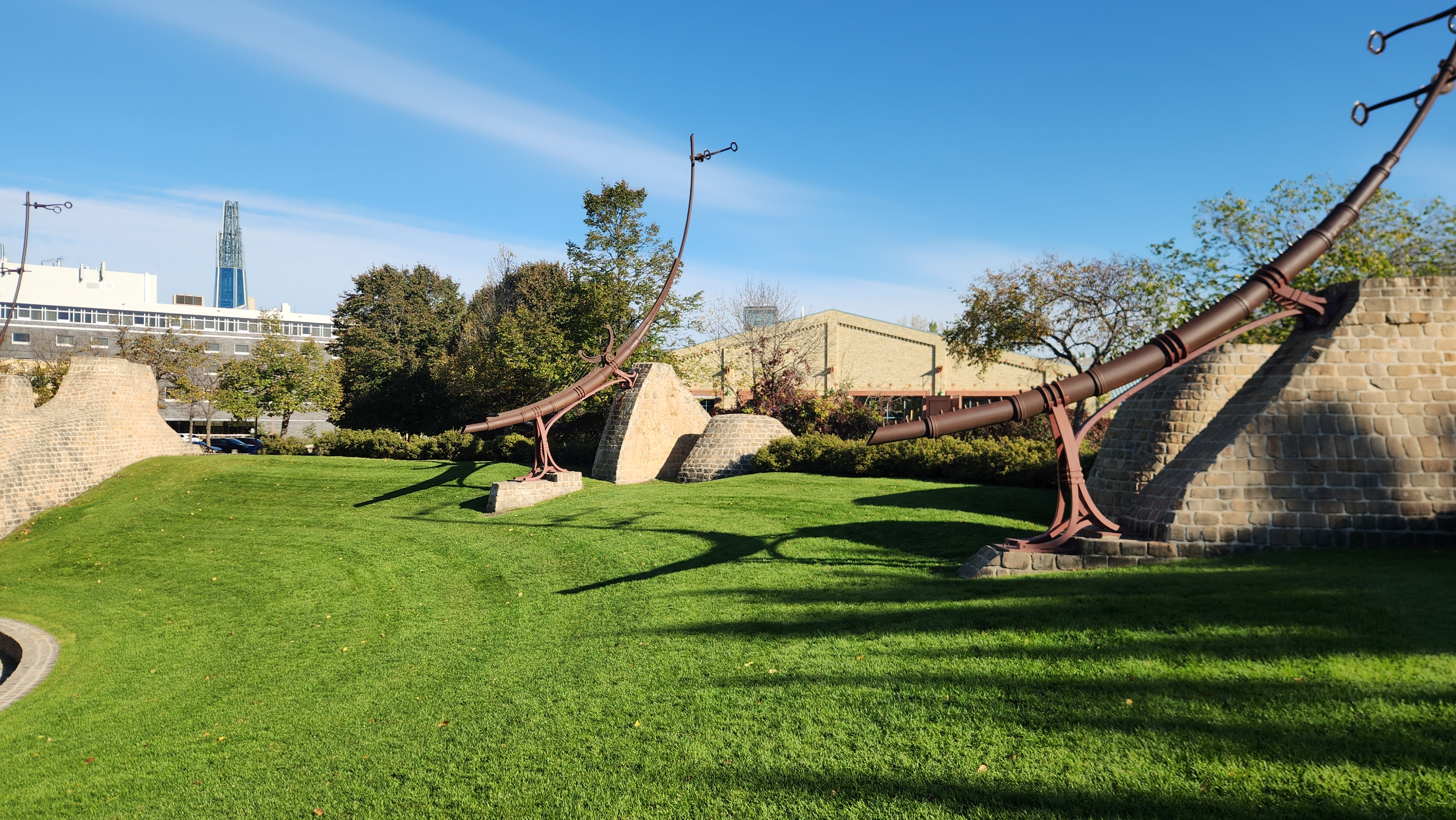
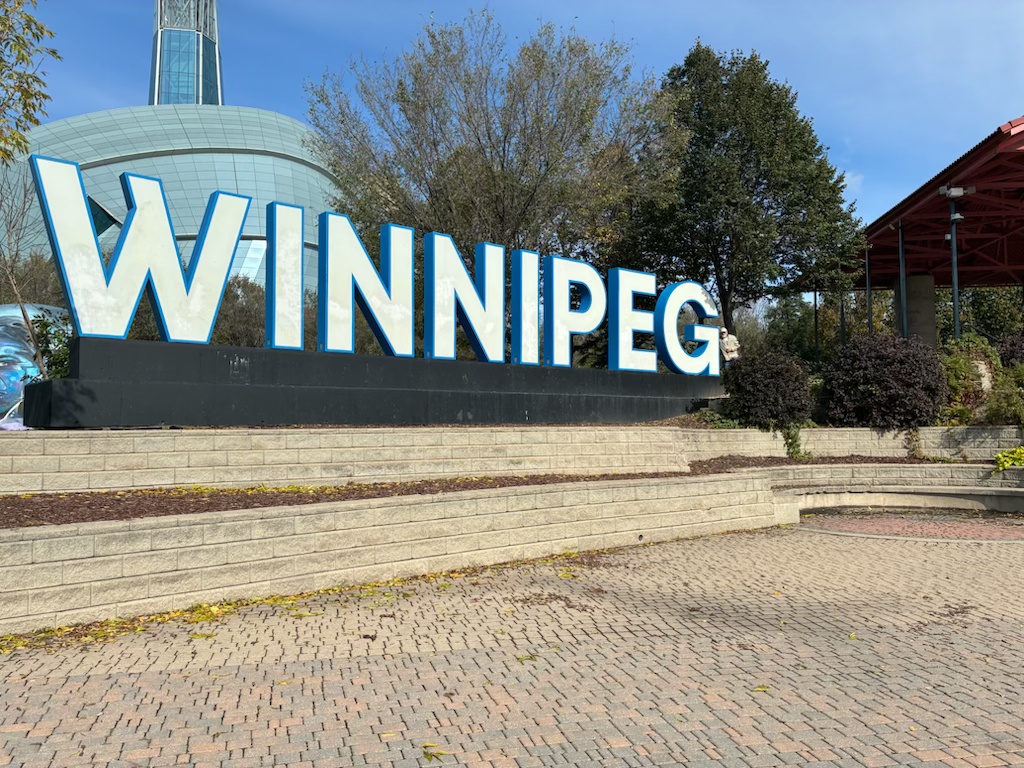
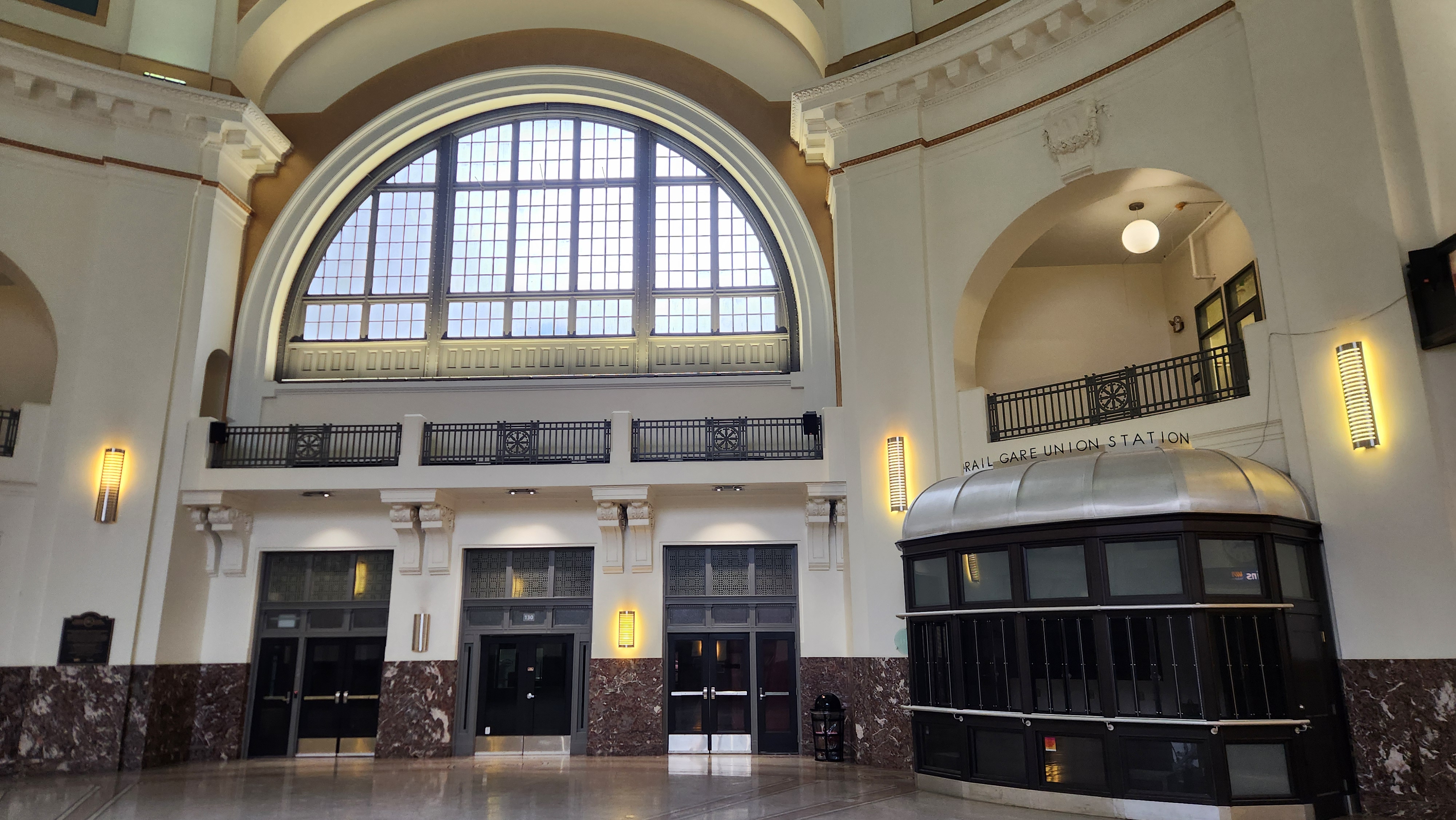
Wow, that was confusing! Sorry I couldn’t condense all that to a more cogent description, but the point of it all was to explain how Winnipeg’s history has resulted in a fascinating collection of various ethnic groups and interesting historical sites. In the two days we spent exploring Winnipeg by foot, we visited The Forks Historic Harbor, The Forks National Historic Site, the French Quarter, the Upper Fort Garry National Historic Site, the Forks Market, the CN Stage and Field, and the Winnipeg Railroad Station, all of which are shown in the photos below.

The Fork: Red River on Left and Assiniboine River on Right
The Forks Historic Harbor
The Forks National Historic Site
The Forks Market
CN Stage and Field
Upper Fort Garry Gate
An Old Map at the Upper Fort Garry National Historic Site
Railroad Station

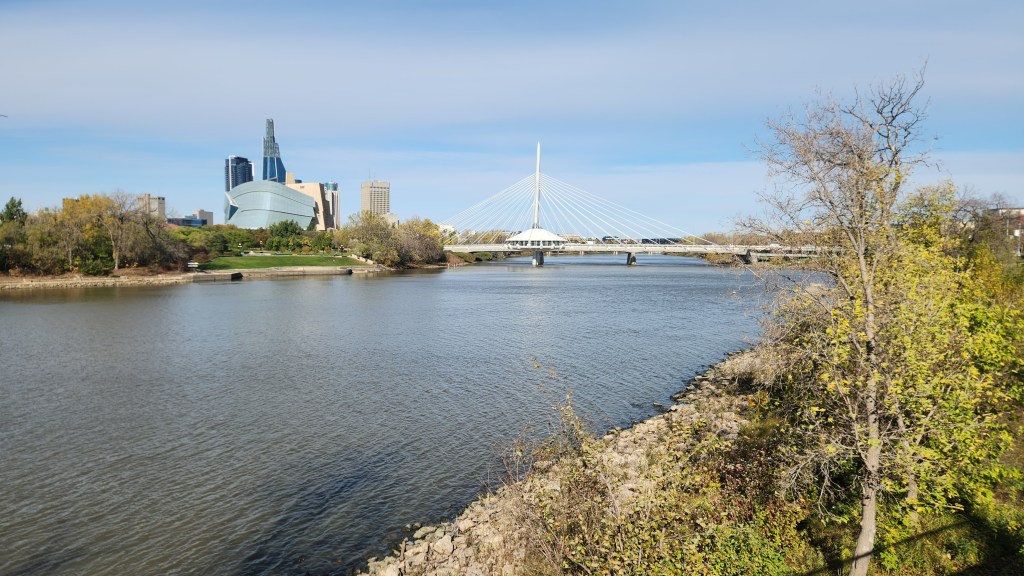
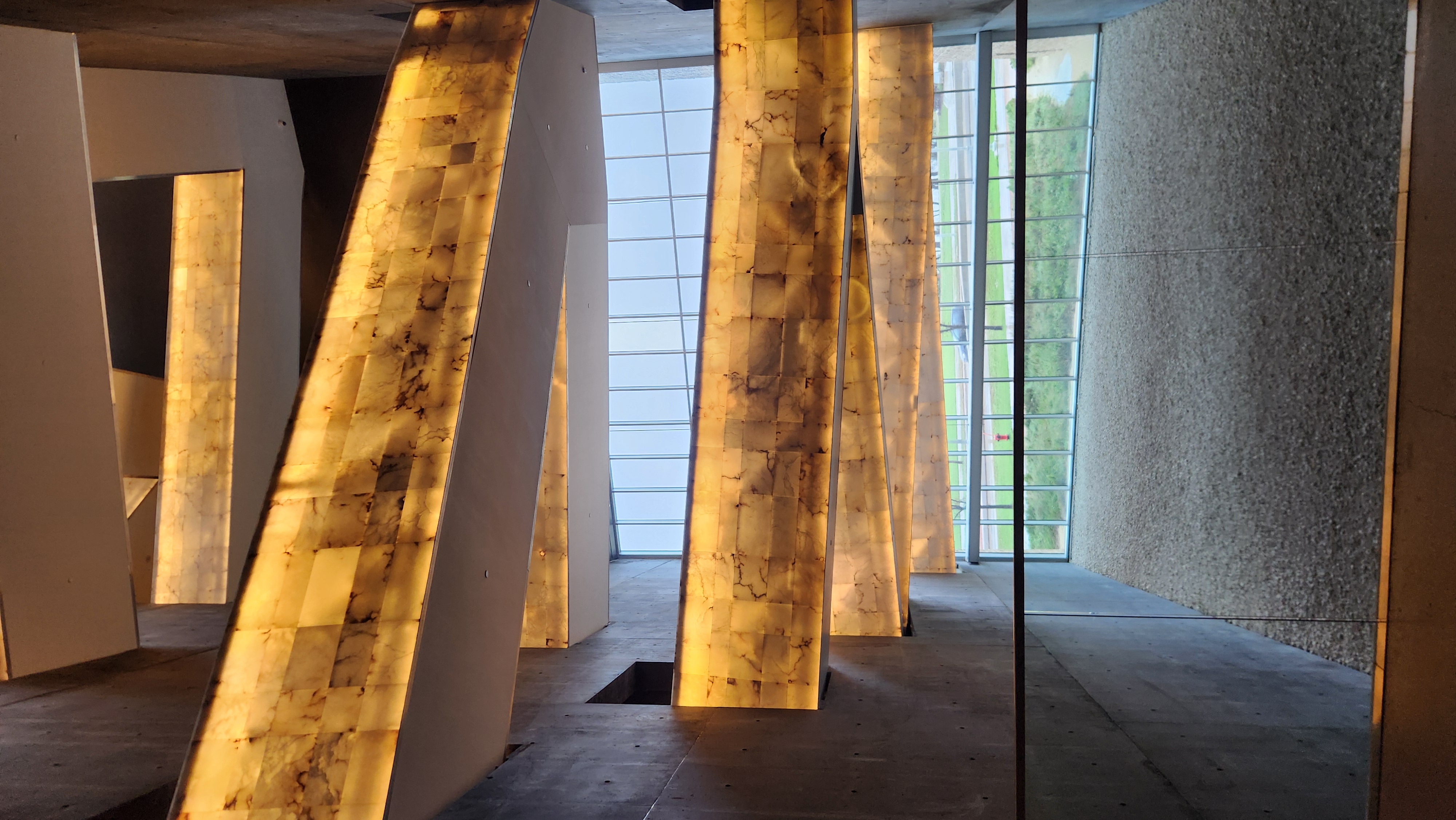
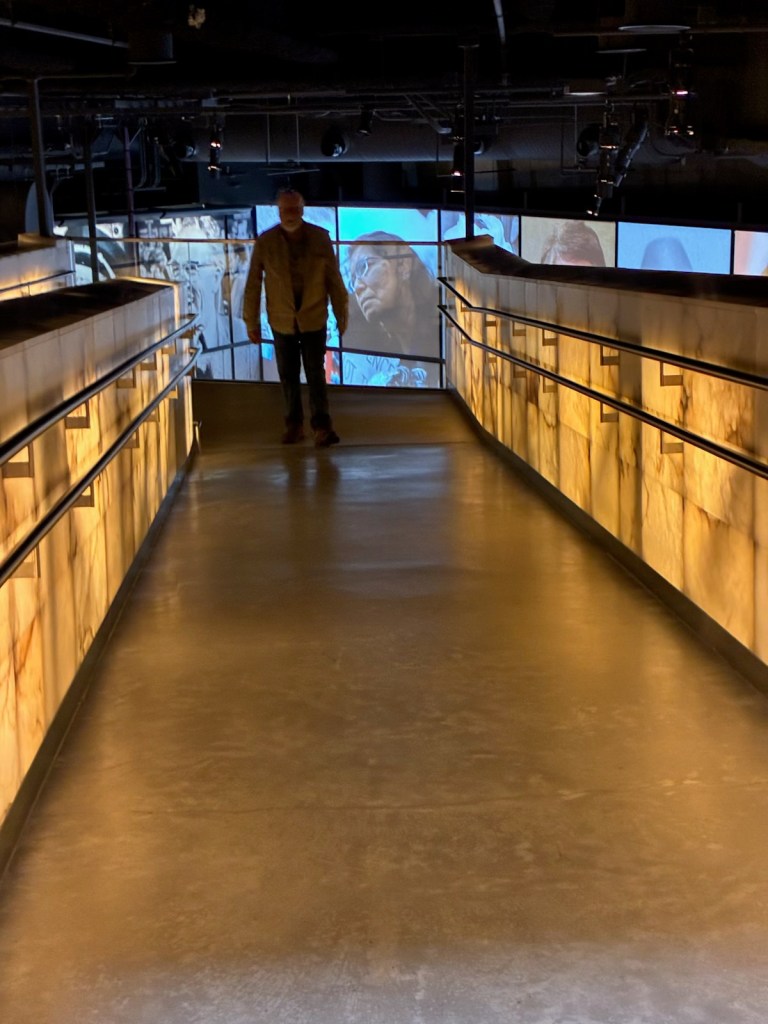
I’ve saved one more Winnipeg site for last – the Canadian Museum for Human Rights. We spent about five hours touring the museum (including lunch at the cafeteria), and if we had stayed another day in Winnipeg we would have gone back again. The building is architecturally stunning, both inside and out, spanning seven floors with multiple display rooms of various shapes and sizes. The floors are linked by angled walkways in a central column. The walkways have translucent alabaster walls. One of the docents told me the idea was that you emerge from the darkness into the light. At the time, I took that to mean from the metaphorical darkness of human wrongs into the light of understanding. The displays documented some of the worst episodes in history – such as the Holocaust and antisemitism in Canada and elsewhere, the forced internment of Japanese Canadian citizens during World War II, discrimination against indigenous Canadians – while highlighting the important steps that have been taken to advance human rights throughout history.

Canadian Museum for Human Rights and Peace Park — View from Across Red River
Walkways in the Museum
Passing from Darkness into Light
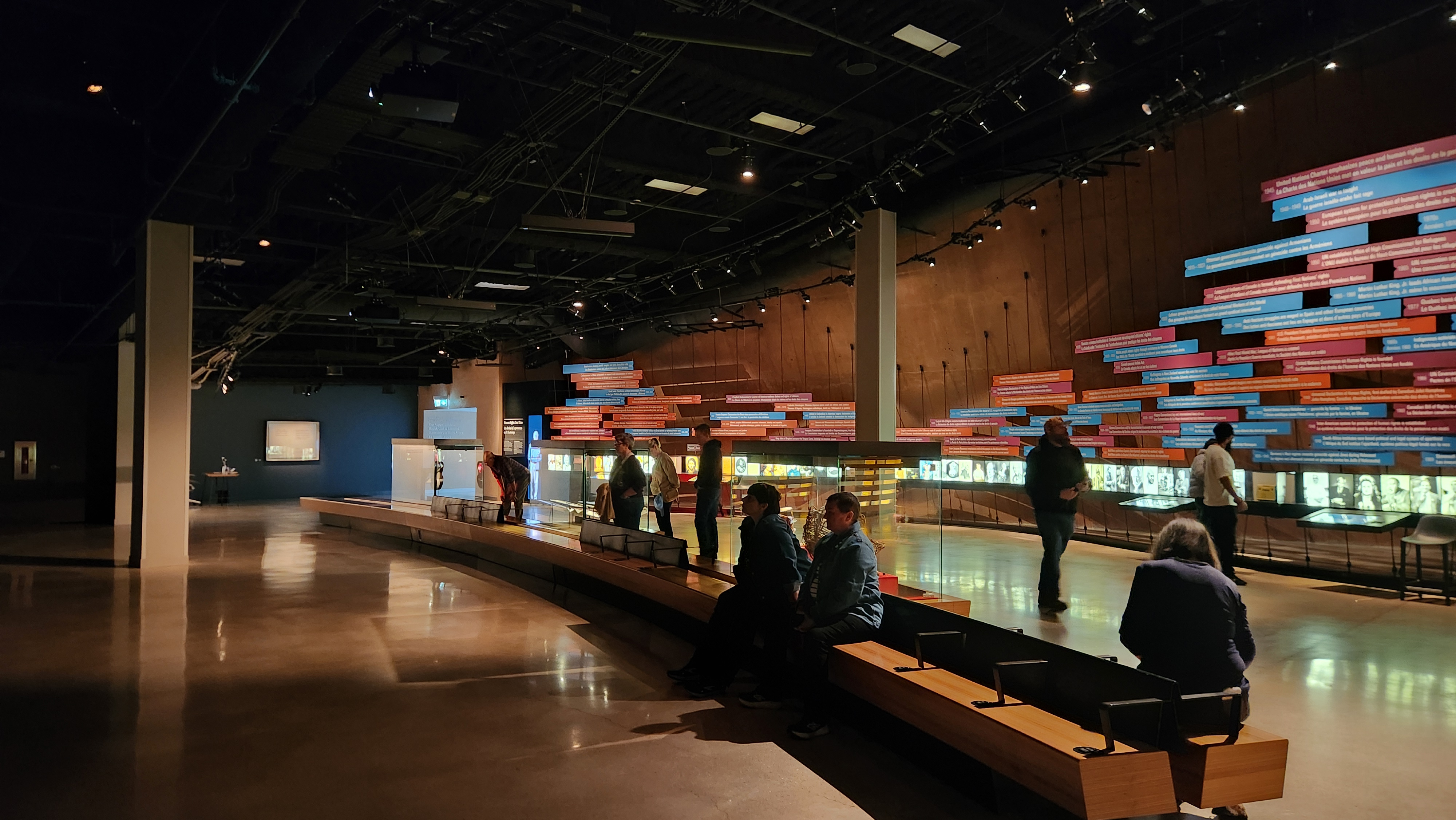
Main Floor Gallery with Human Rights Timeline
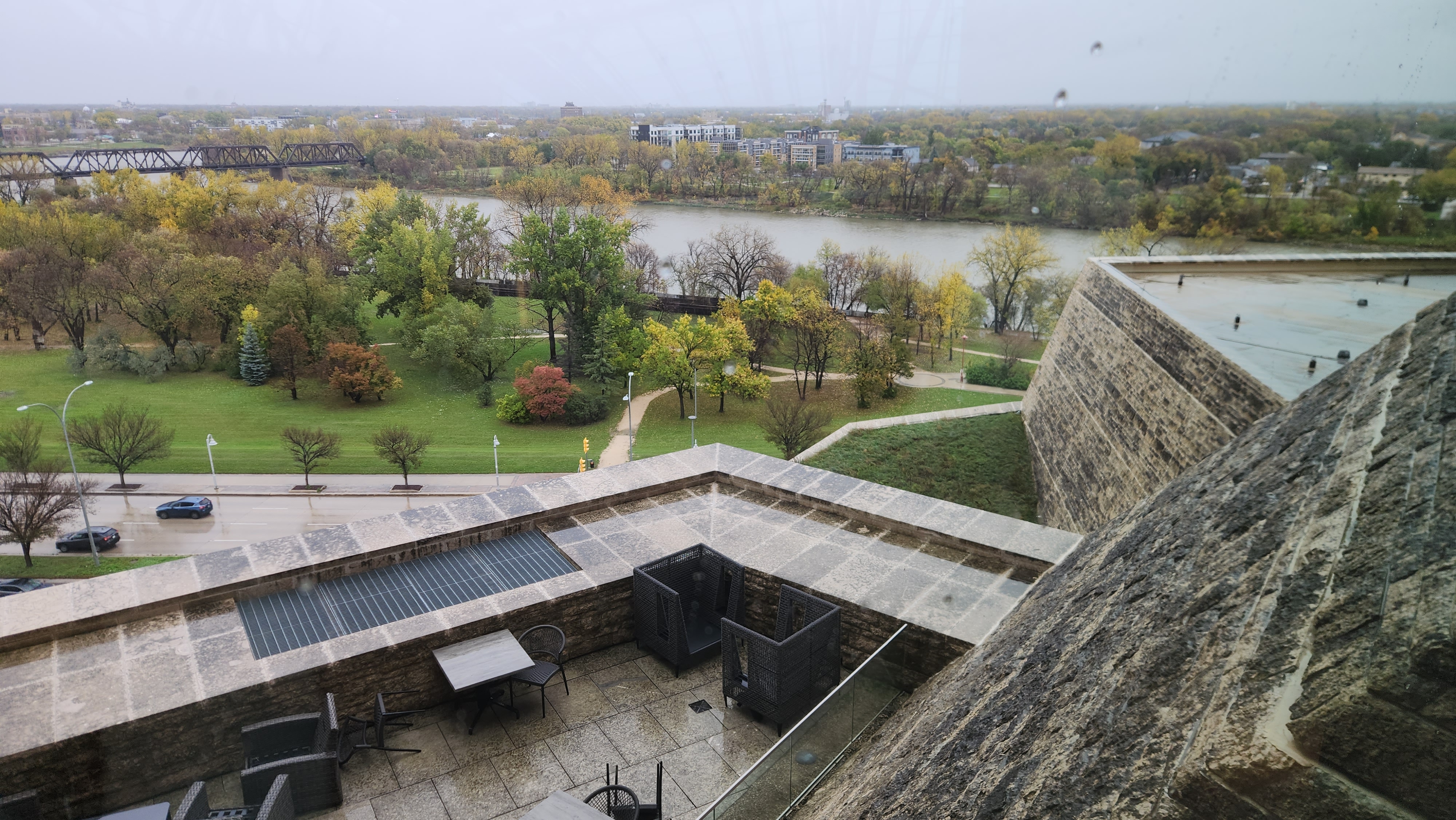
View from Seventh Floor of Museum

The museum’s Visitor Guide includes this statement:

“This national museum invites you to reflect on human rights in Canada and around the world. It’s a place for people to explore the idea that respect and understanding of human rights can serve as a positive force for change in the world.”

And we certainly did reflect, for a long time after we left the site. I was reminded of the famous quotation paraphrased by Martin Luther King: “The arc of the moral universe is long, but it bends toward justice.” The museum showed that to be true, and in these times when so-called populists are doing their utmost to bend it back the other way, it gave me some hope to cling to.

On that note, that’s it for this blog installment. Thanks for reading, and stay tuned for our upcoming Viking Ocean Cruise, which I’ll hopefully post by the end of November.

The Saaris’ Summer Sanctuary – PART 1

Readers of this travel blog series may recall that it was born back in 2018 when, at the urging of family members, I began documenting a 10,200-mile RV trip. Since then, I’ve documented a total of thirteen domestic and international trips. Next up will be our fourth trip with Viking Cruise Lines, this time starting at Lake Como, Italy, and ending in Athens, Greece. As I was looking over the list recently, it dawned on me that I have neglected a major aspect of our travel experiences. We are most fortunate to be able to spend most of our summers at our cabin on Minnesota’s beautiful North Shore of Lake Superior, and we regularly visit various points of interest along and near the magnificent lake. So, purely in the interest of furthering readers’ knowledge of excellent travel destinations, I decided to write a travel blog installment describing some of the places we visited during the summer and early fall of 2025. Which I will now proceed to do …

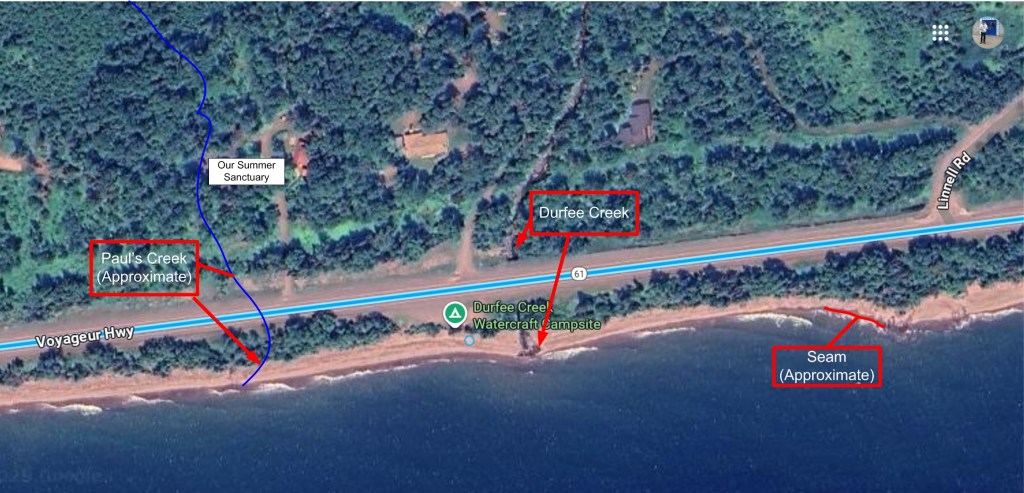
Sites Near the Cabin: Our peaceful cabin (which I’ve now dubbed The Saaris’ Summer Sanctuary) is located on Minnesota Highway 61, also known as the Voyageur Highway, some 5.6 miles east of the harbor in Grand Marais, MN. I’ll describe three nearby features that we frequently visit by strolling down a path from the cabin and crossing the highway. Readers interested in checking out these features can travel by car or kayak to a public access point denoted on the satellite image below as the Durfee Creek Watercraft Campsite. (I may seem friendly on these blog posts, but I will not be charitable to anyone dropping in at the cabin for an unannounced look-see.)

Features Near our Summer Sanctuary

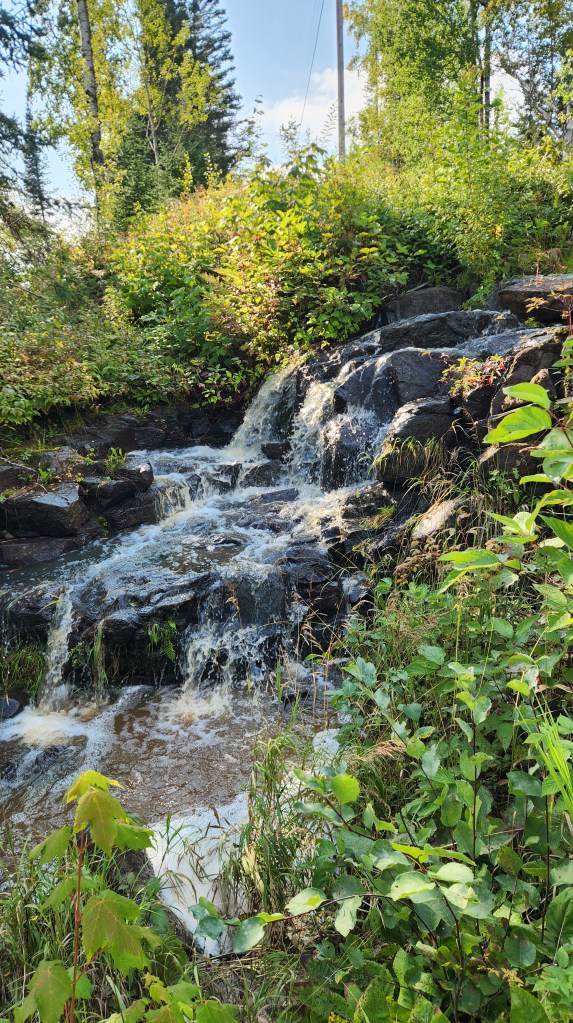
On the satellite image, I’ve hand sketched a line labeled Paul’s Creek. You won’t find such a creek on any map, although Google Maps indicates a nonexistent, unnamed creek that supposedly flows into Lake Superior somewhat to the east of the actual, unnamed creek. I gave it the unofficial name of Paul’s Creek in honor of my late father, who enjoyed constructing makeshift footbridges across the creek bed. For most of the year, this little stream is barely a trickle, but after a significant rainfall it can look quite impressive. Here are some photos of the waterfall on the north side of Highway 61 and its subsequent discharge point into Lake Superior.

Paul’s Creek on June 21, 2025
Paul’s Creek Waterfall on September 13, 2025
Paul’s Creek Discharge on September 13, 2025
Paul’s Creek Discharge on September 16, 2025

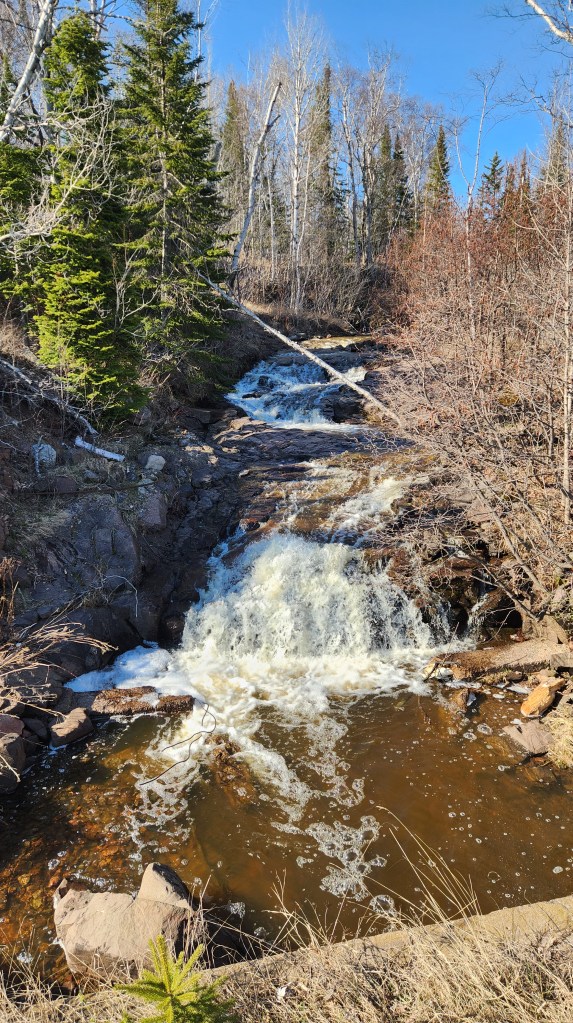
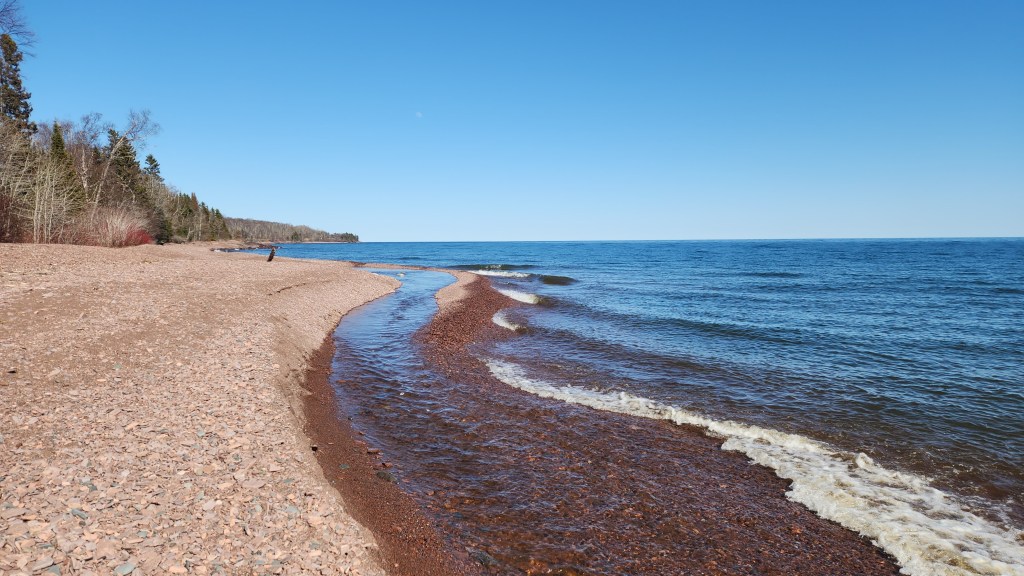
A few hundred yards to the east there is a much larger stream known as Durfee Creek, which flows steadily year-round but also becomes engorged after a rainfall. The most interesting aspect of Durfee Creek is its discharge into Lake Superior, which can change dramatically from day to day depending on the volume of water flow in the creek as well as a particular day’s wave action on the Lake.

Durfee Creek Waterfall on May 10, 2025
Durfee Creek Discharge on May 7, 2025

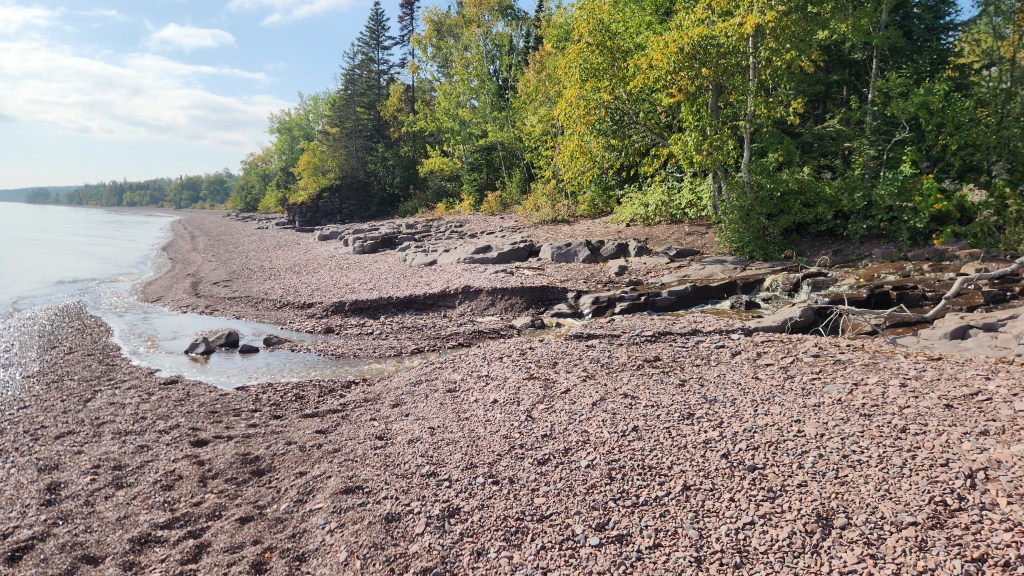
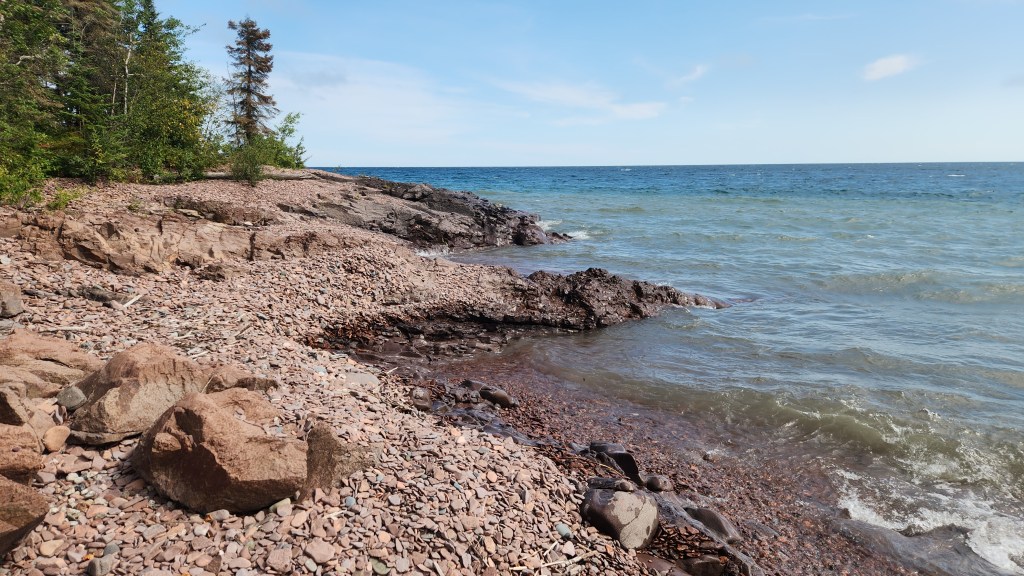
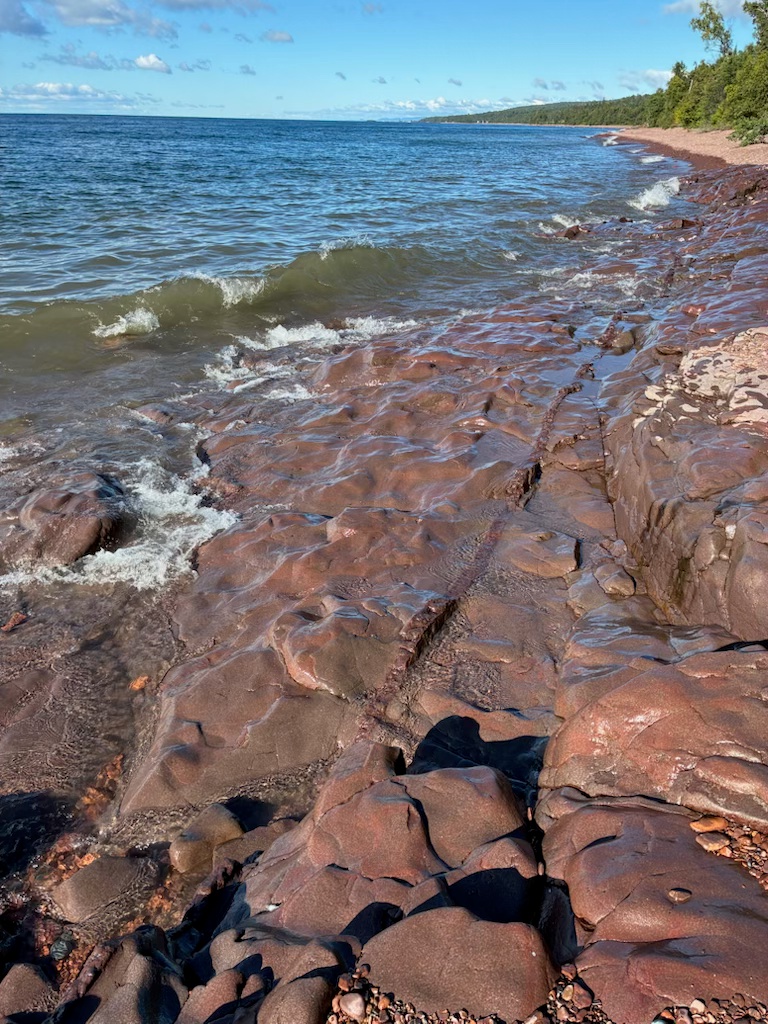
I’ve sketched in another interesting feature to the east of Durfee Creek, which I call “The Seam.” Along this stretch of Lake Superior, the billion-year-old bedrock which forms the shoreline is generally covered over with stones, most of which are flat and really fun to skip along the surface of the Lake on calm days. Here’s a photo looking eastward showing a typical configuration of these stones. However, the wave action routinely spreads the rocks around in many different ways, so that the shoreline can look completely different from one day to the next.

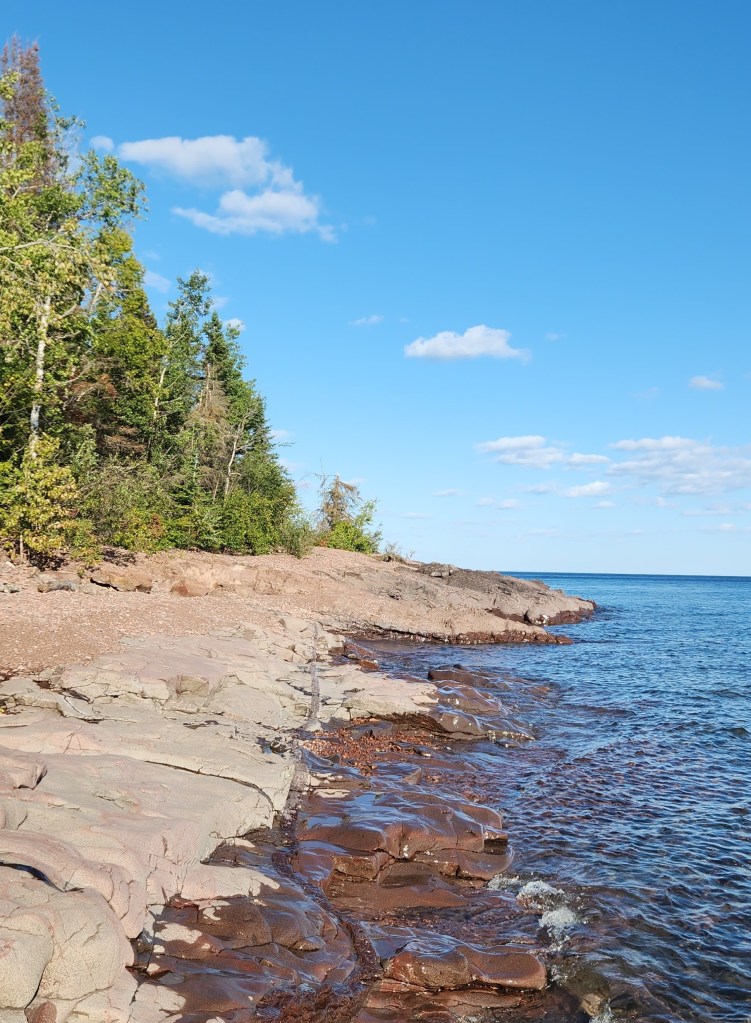
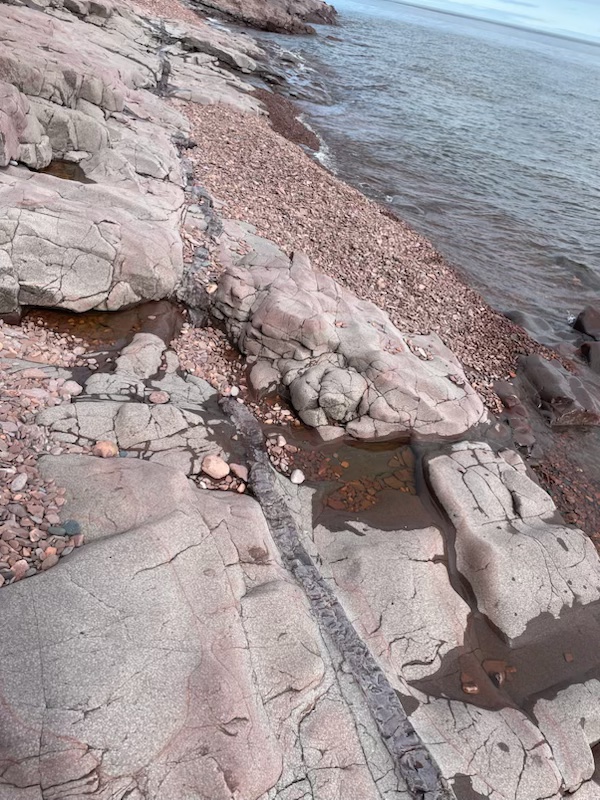
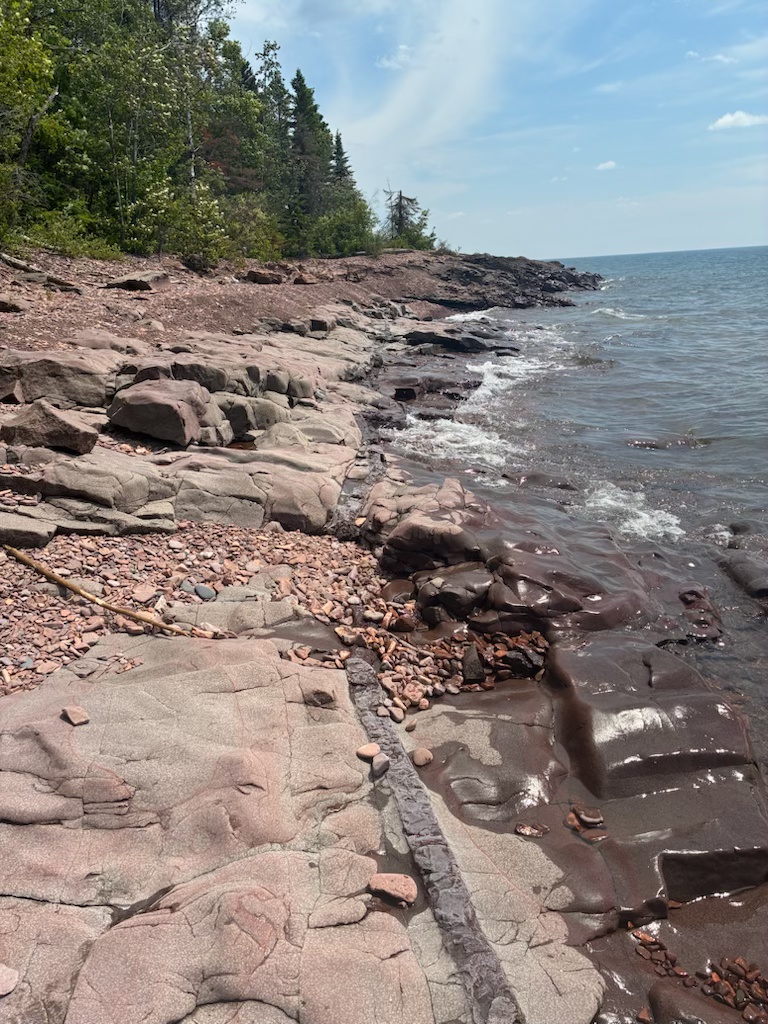
Sometimes, the waves remove most or all of the covering stones to reveal the bedrock. When that happens, you can see The Seam. I’m not a geologist, but to me it looks like a place where the rock cracked open in ancient times, and lava flowed from below to fill in the gap. I absolutely love the days when The Seam reveals itself for my enjoyment.

Stones Covering Bedrock on August 29, 2024
Bedrock and Seam Exposed, August 25, 2025
The Seam on May 23, 2025
The Seam on July 2, 2025
The Seam on August 23, 2025

These three features of the ever-changing Lake Superior shoreline near our Summer Sanctuary have thrilled me for nearly fifty years and never fail to make the summer months especially rewarding.

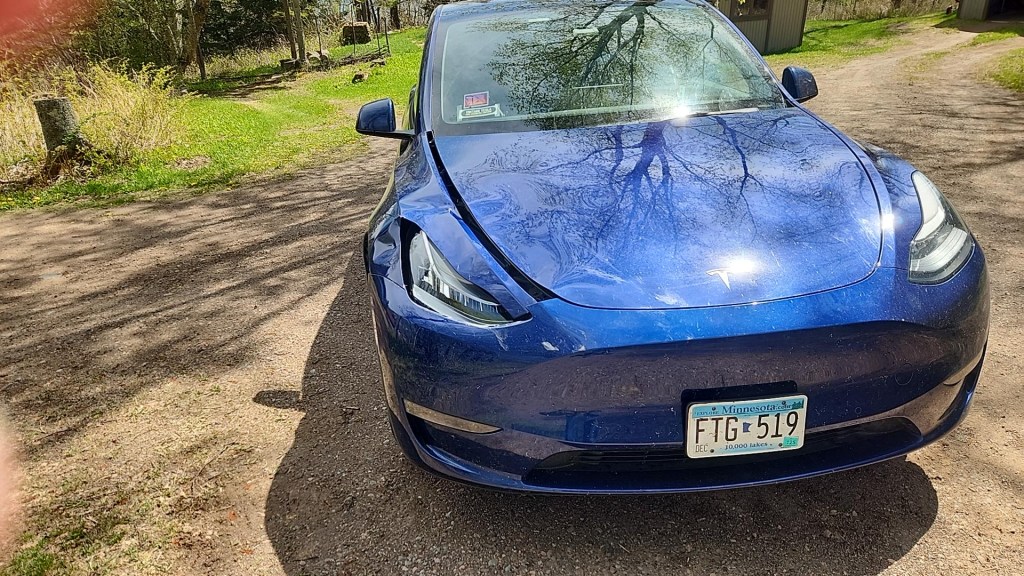
A Lapse in Attentiveness: Unfortunately, there was one aspect of the summer that was not a positive. For the first time in nearly sixty years of driving back and forth on Highway 61, I hit a deer. It was all my own fault. It was a sunny afternoon in May and I was returning from a trip to Duluth with son Brian. As we neared Two Harbors, he began yelling “Whoa! Whoa!” Not expecting to see deer at that time of day, I had failed to notice four of the critters ambling across the highway. I slammed on the brakes and almost managed to stop in time, but I caught the lead deer’s hindquarters with the right front bumper of the car. I imagined him laughing at me as he loped off into the woods.

Damaged by Deer, but Still Drivable

While the damage appeared minimal, it still required a trip to the Tesla Repair Center in Eden Prairie. I dropped it off there on May 29 and had to leave it there until June 12, leaving us with only one car for a couple of weeks. As a big promoter of electric vehicles, I have to admit that the paucity of repair facilities is one downside of Tesla ownership. (I guess that’s an example of what Brian calls a first world problem.)

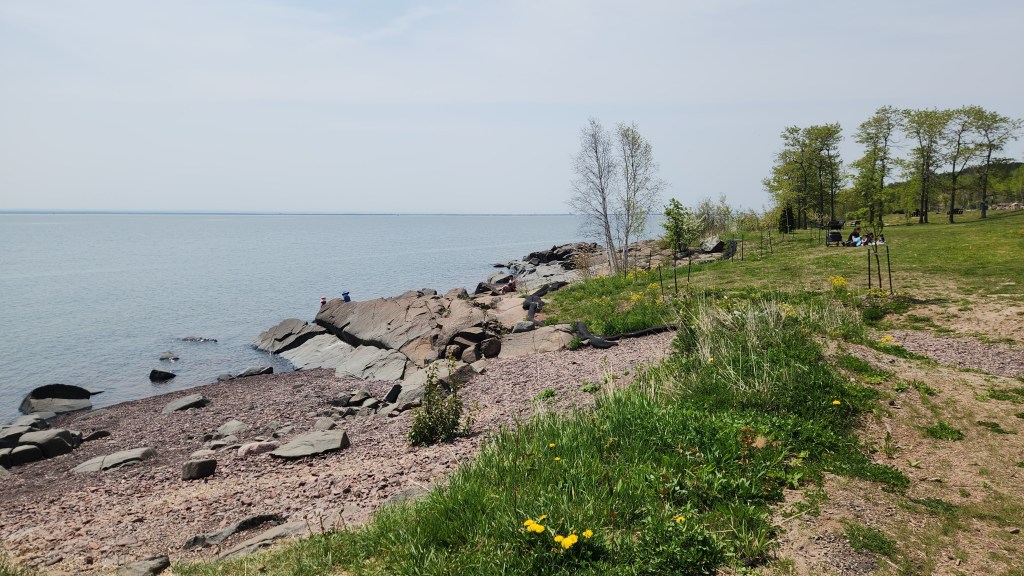
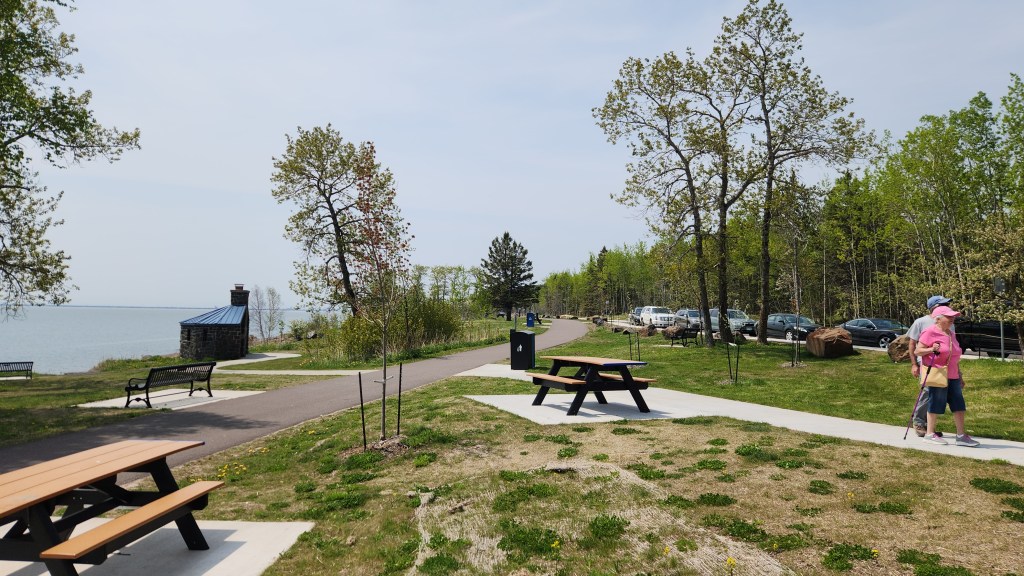
Kitchi Gammi Park: Pat and I stopped at this nice park on the east end of Duluth on our way back to the Summer Sanctuary on June 2, after dropping the damaged car at the repair shop. The park was recently renovated, improving the access drive and adding rest rooms, picnic tables, and children’s play areas. Here are a few photos.

Kitchi Gammi Park
Kitchi Gammi Park
Kitchi Gammi Park
Kitchi Gammi Park

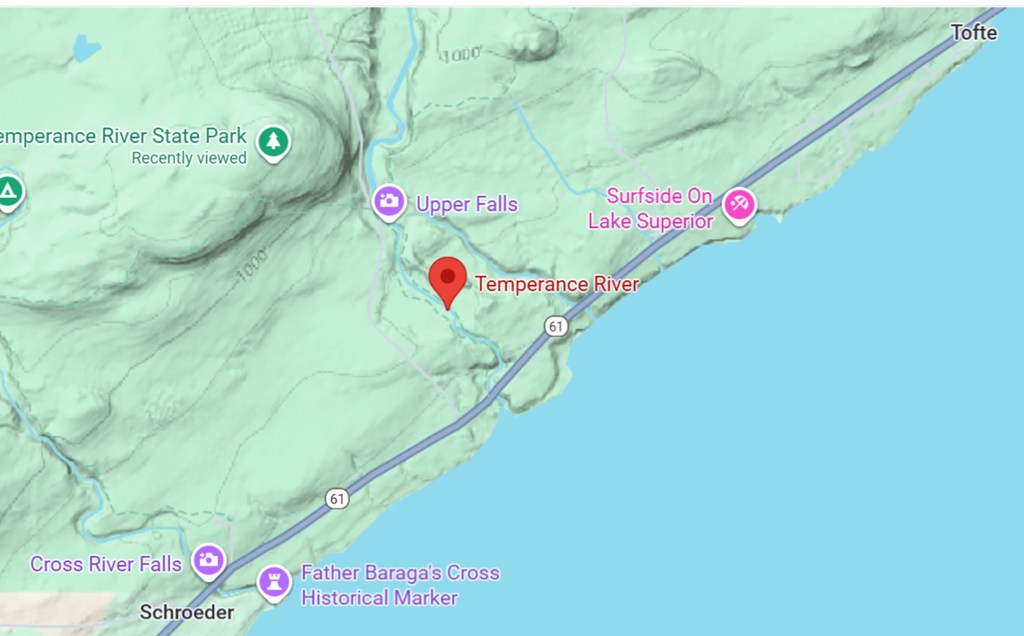
Temperance River: Temperance River State Park, located along Highway 61 between Schroeder and Tofte, is one of eight state parks along the North Shore.

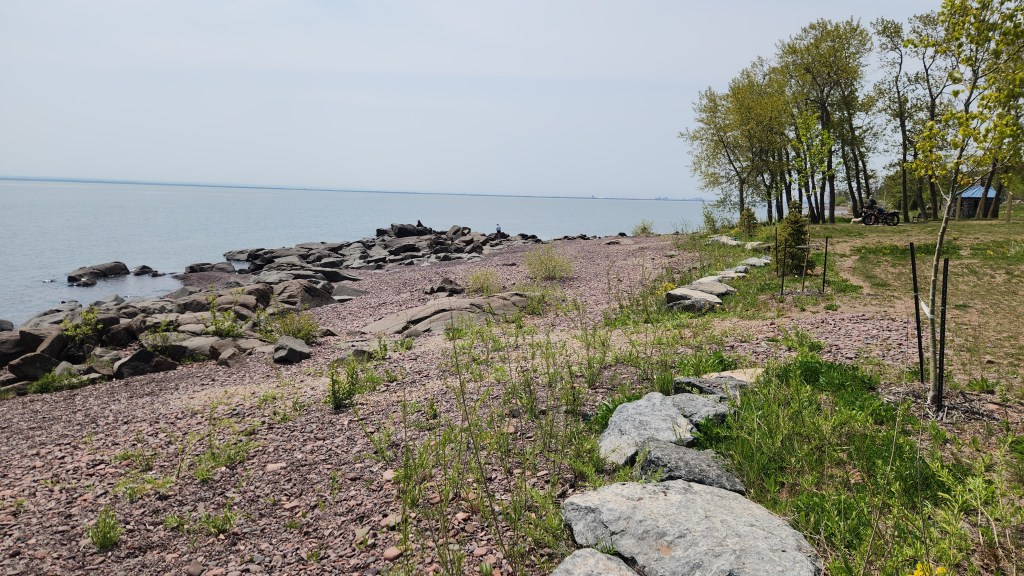
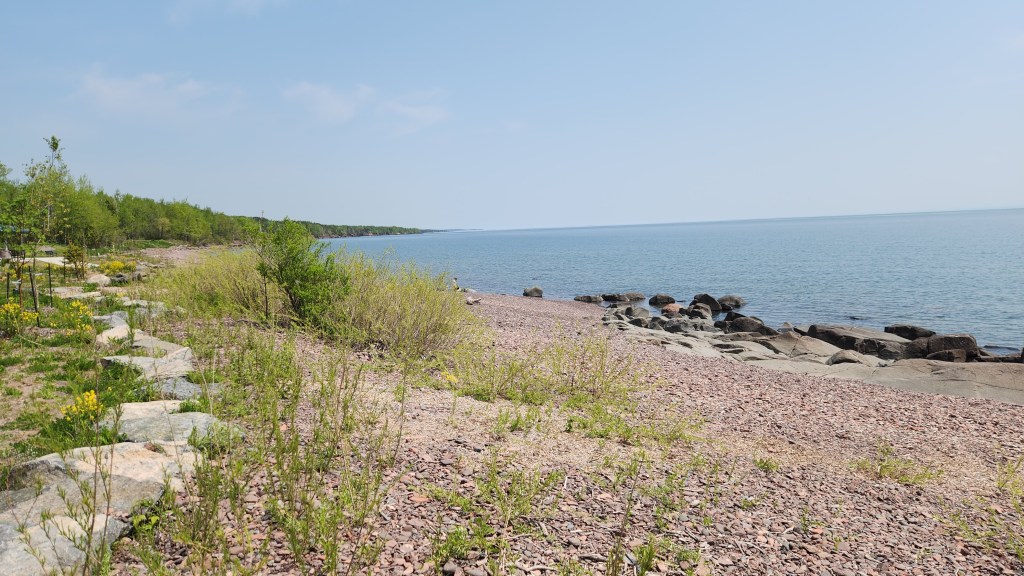
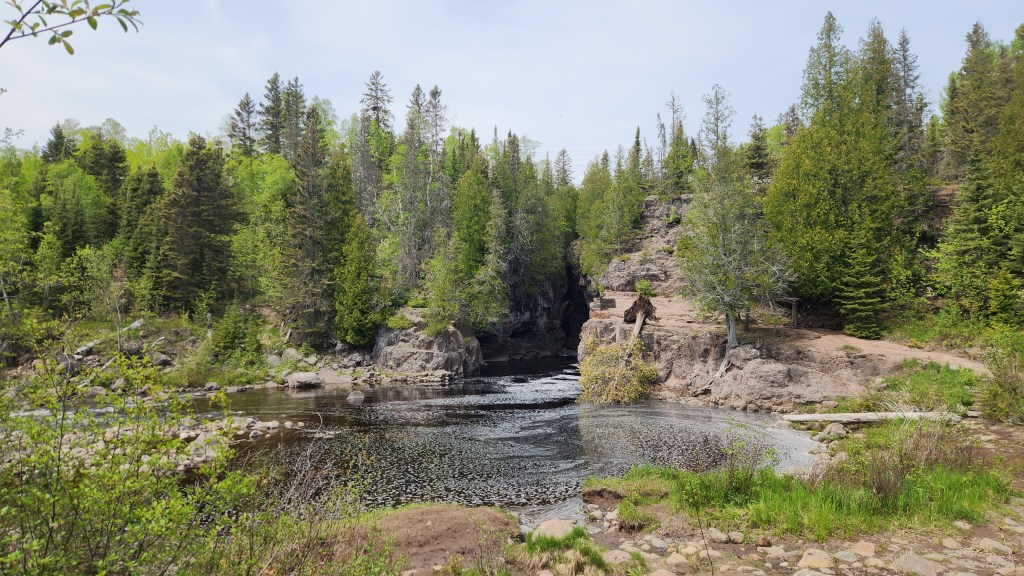
The river owes its name to the fact that it is the only river on Minnesota’s North Shore that has no bar at its mouth. We stopped there on June 2 and spent an hour or so on the hiking trails both upstream and downstream of the highway. The upstream part of the river canyon is extremely rugged, with multiple potholes initially gouged out of the bedrock some 10,000 years ago by powerful torrents of glacial meltwater.

Temperance River Upstream of Highway 61
Pothole in Temperance River

The downstream portion becomes more serene as rapids give way to the gentle river mouth, with no bar as promised by the river’s name.

Temperance River Downstream of Highway 61
Hiking Path Near Mouth of Temperance River
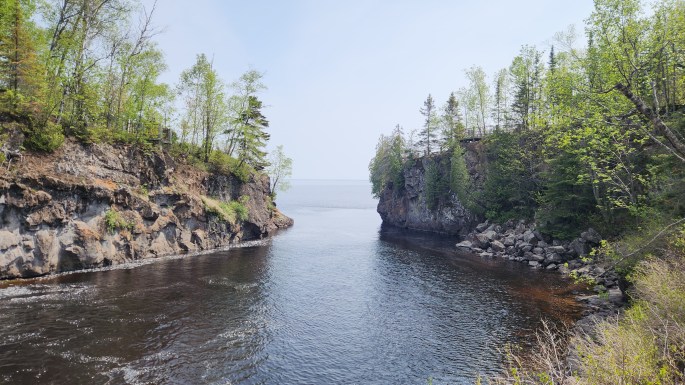
Temperate Mouth of the Temperance River

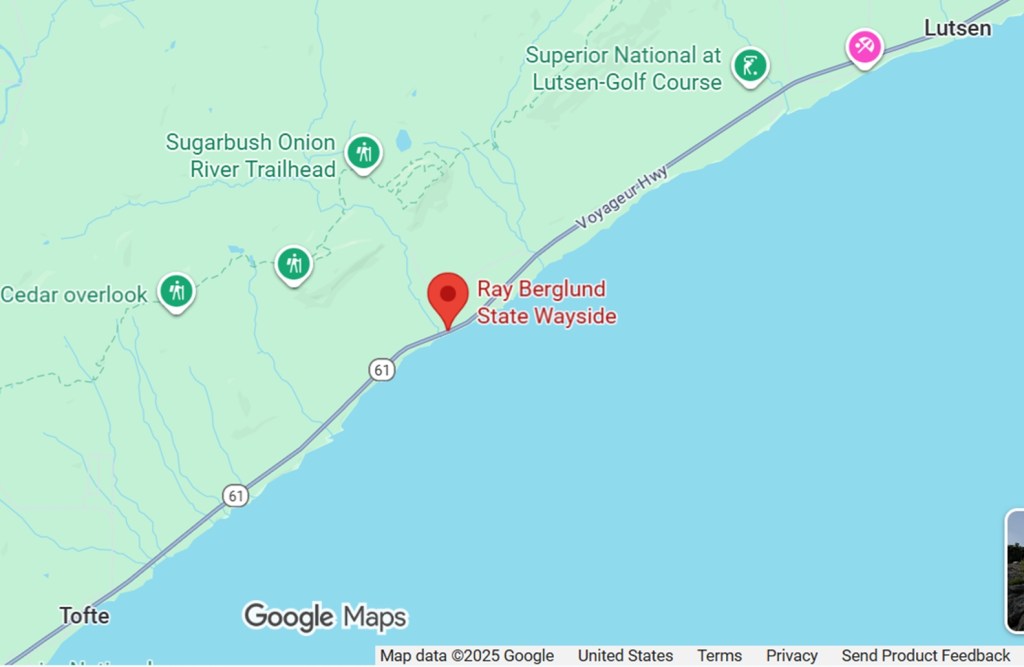
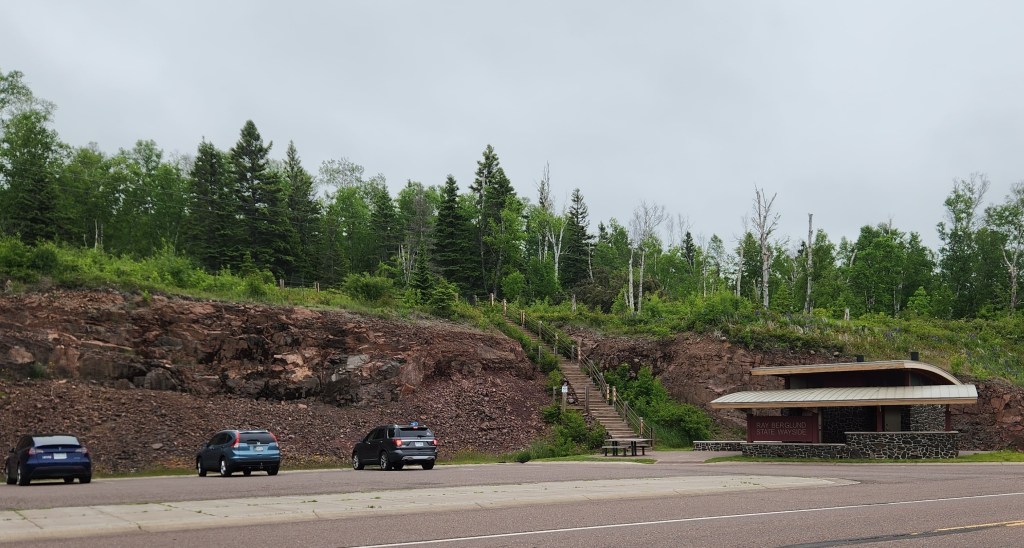
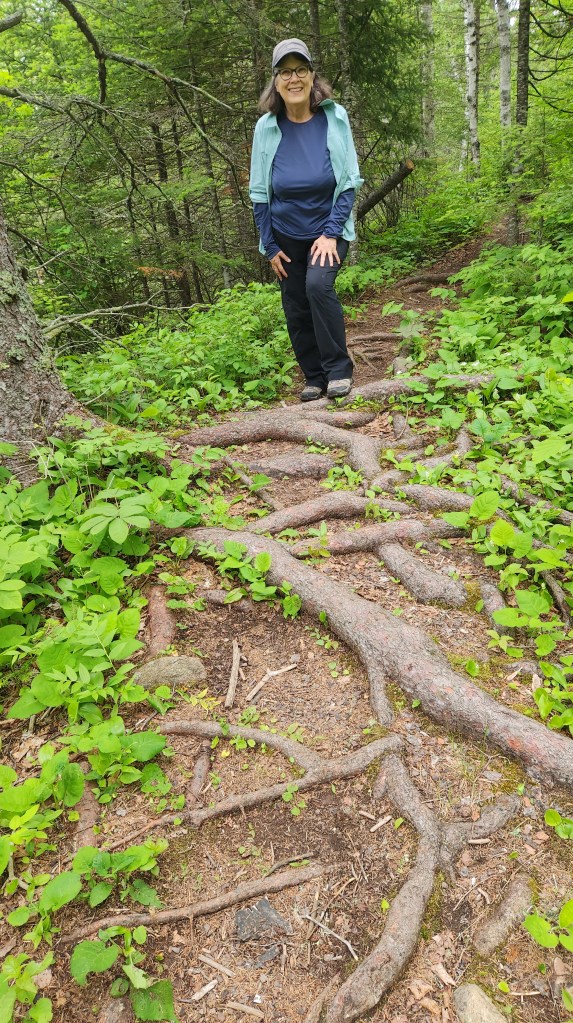
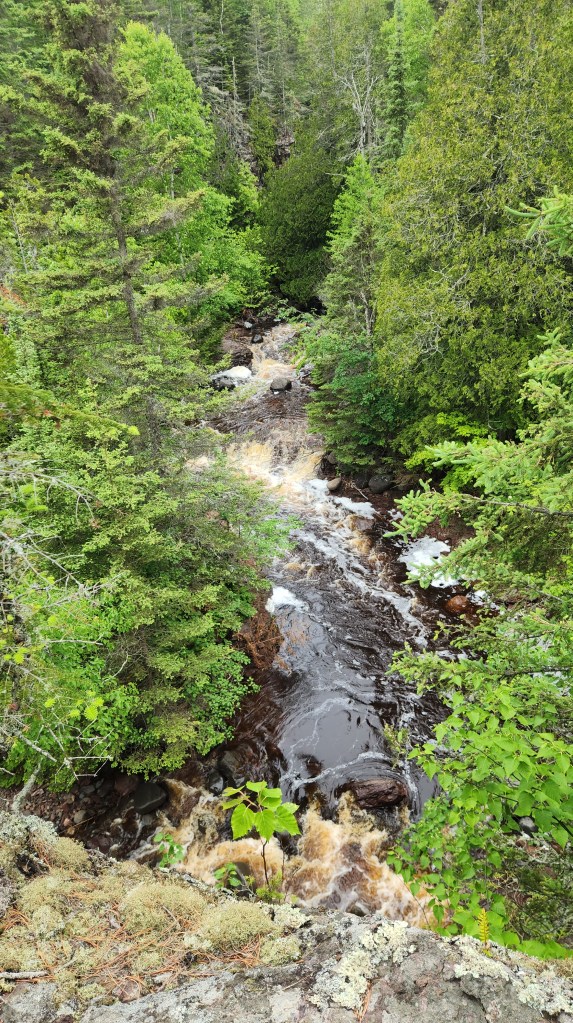
Onion River: The Onion River Trailhead starts at the Ray Berglund State Wayside, located along Highway 61 between Tofte and Lutsen. We drove there from the Summer Sanctuary on June 22 and walked alongside the Onion River for about three quarters of a mile to a bridge where the Gitchi-Gami State Snowmobile Trail crosses the river. The walk through the forest is peaceful and scenic, with limited views of river, until reaching the Onion River Falls, which were flowing very nicely on the day of our visit.

Ray Berglund State Wayside
Roots on the Onion River Trail
View from Onion River Trail
Onion River Waterfall
Onion River Seen from State Trail Bridge

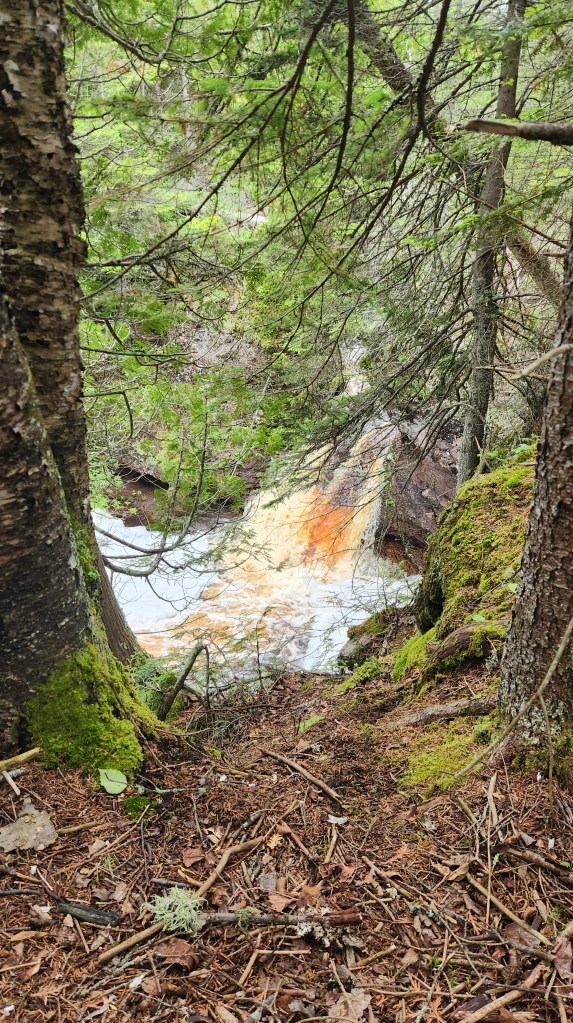
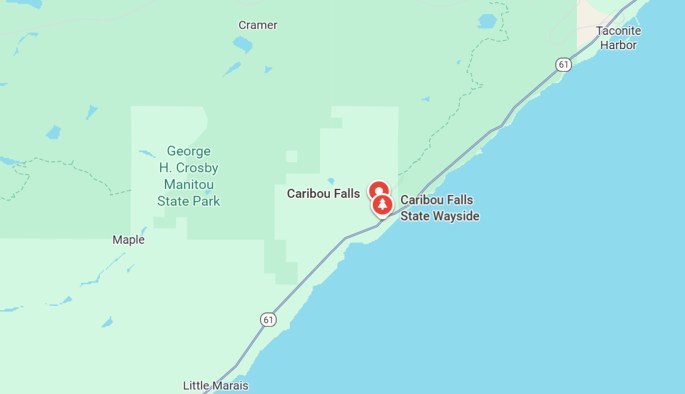
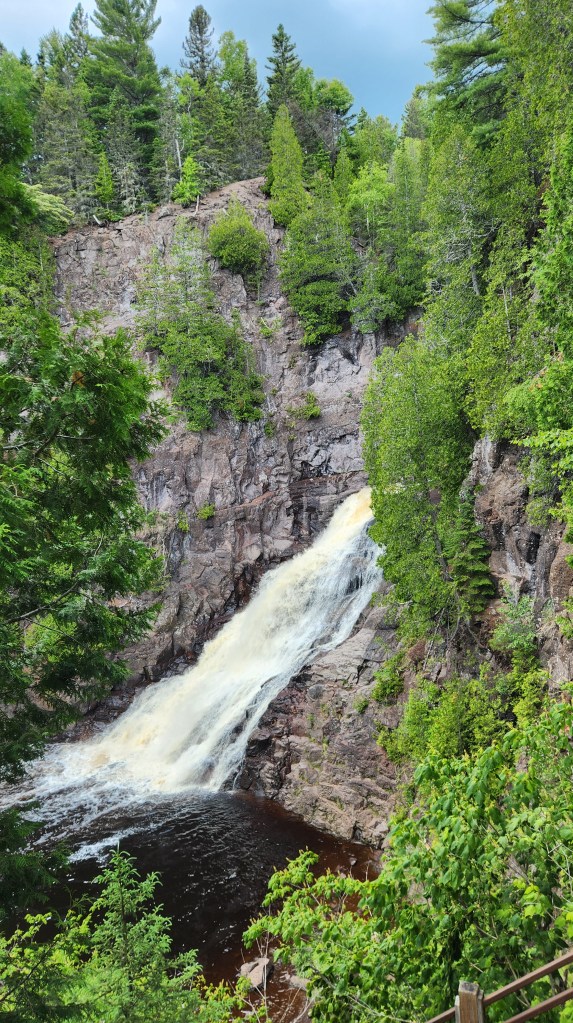
Caribou Falls: This is another nice place to stop when driving to or from the Summer Sanctuary, located between Little Marais and Taconite Harbor along Highway 61. The State Wayside has a nicely paved parking lot and a rest room (handy for those days when too much Dr. Pepper is causing a bloated bladder). A trail heads north from the parking lot to the Caribou Falls. Here are some photos from June 30, when Pat and I stopped for the 1.3-mile hike and were rewarded with a spectacular view of the falls from an excellent access stairway.

Caribou Falls Trail
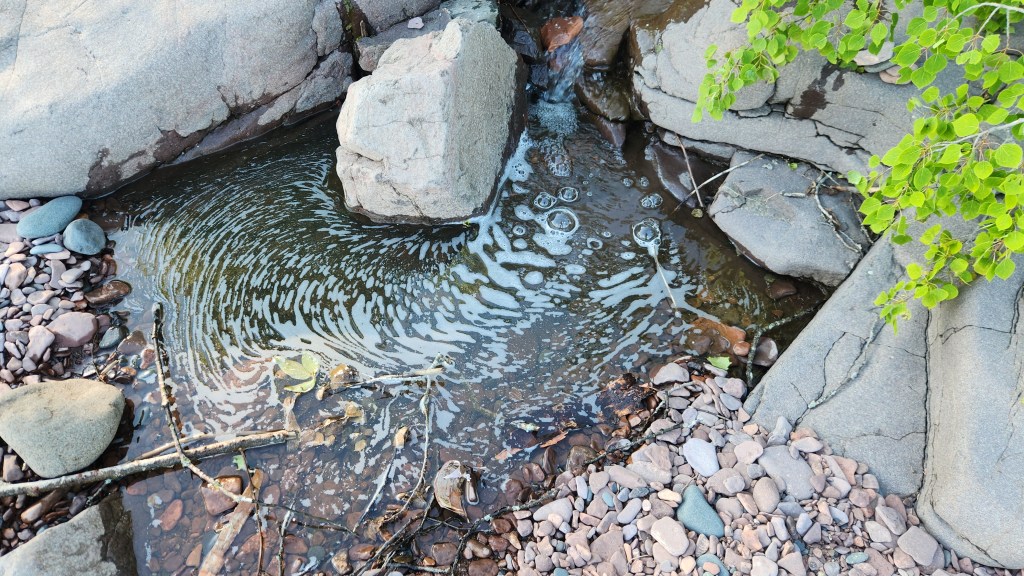
A Gentle Pool in the Caribou River
The Caribou Falls
The Caribou Falls

OK, that’s it for Part 1. Thanks for reading, and stay tuned for Part 2, in which I’ll cover several more highlights from the summer season.

Pat and Dave’s Winter Warmup – PART 3: Road Trip Home

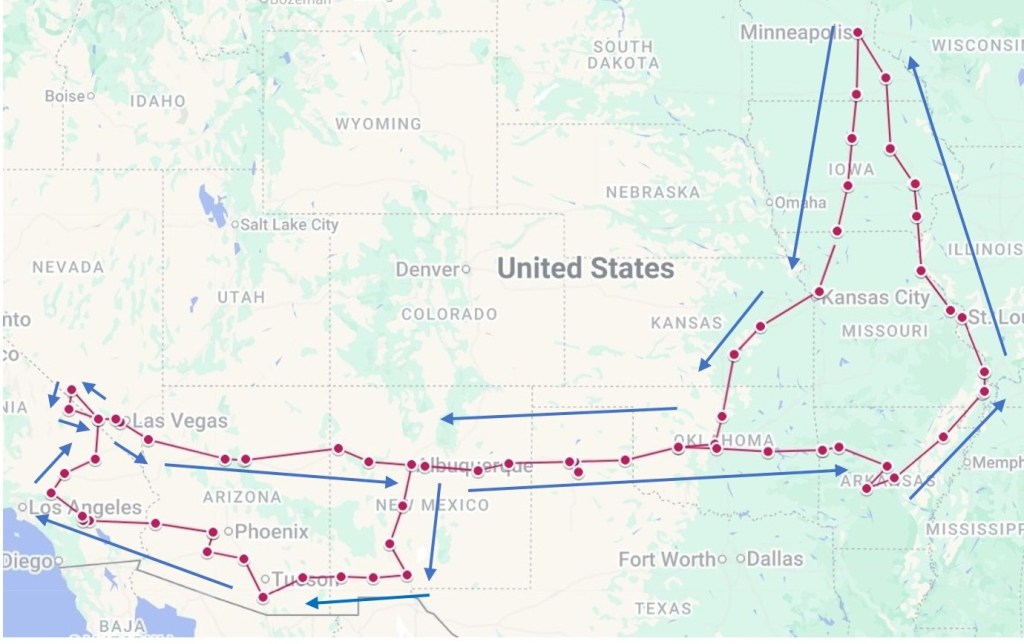
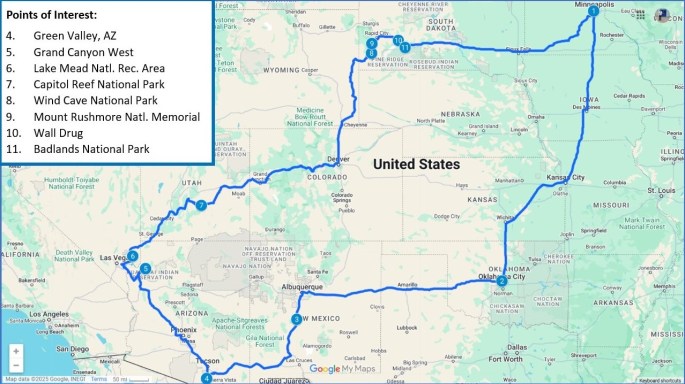
Part 2 of this travel blog series described the places of interest we saw in and around Green Valley, AZ. This final installment describes the fun stuff we did as we drove back home to Minneapolis. As a reminder, here is a map of the overall journey, including the main points of interest covered in this installment:

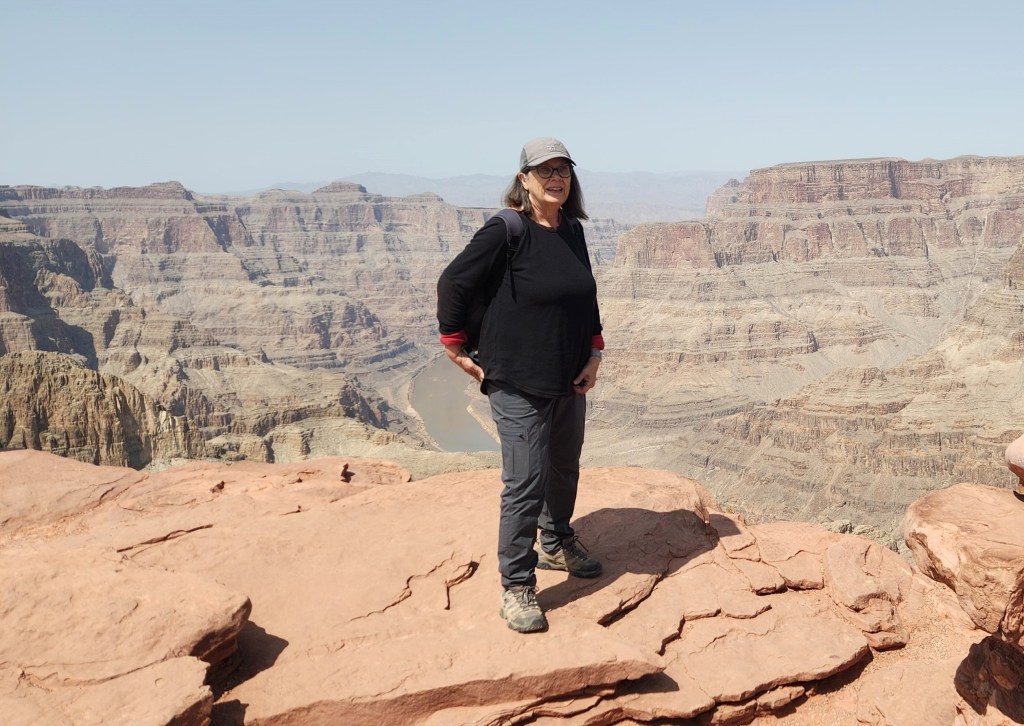
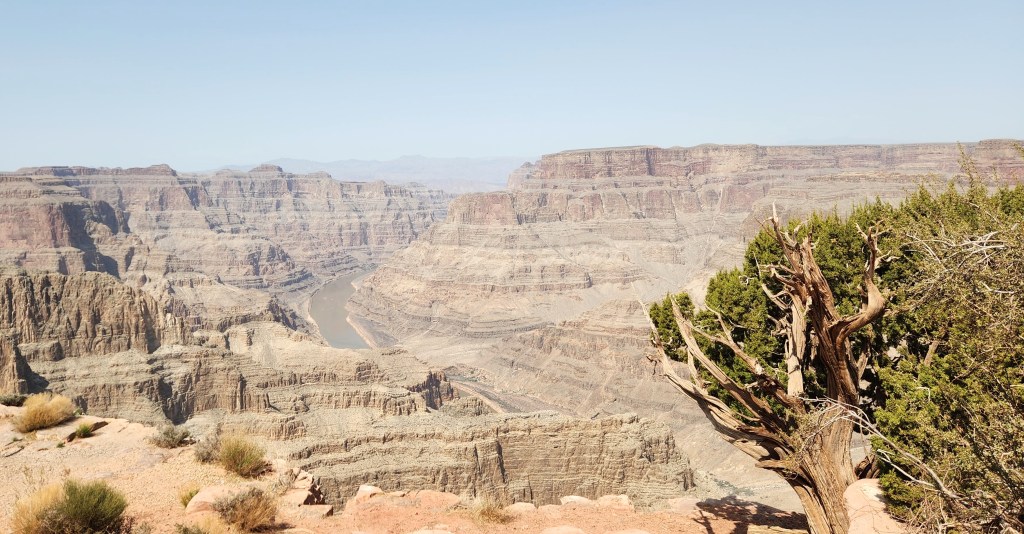
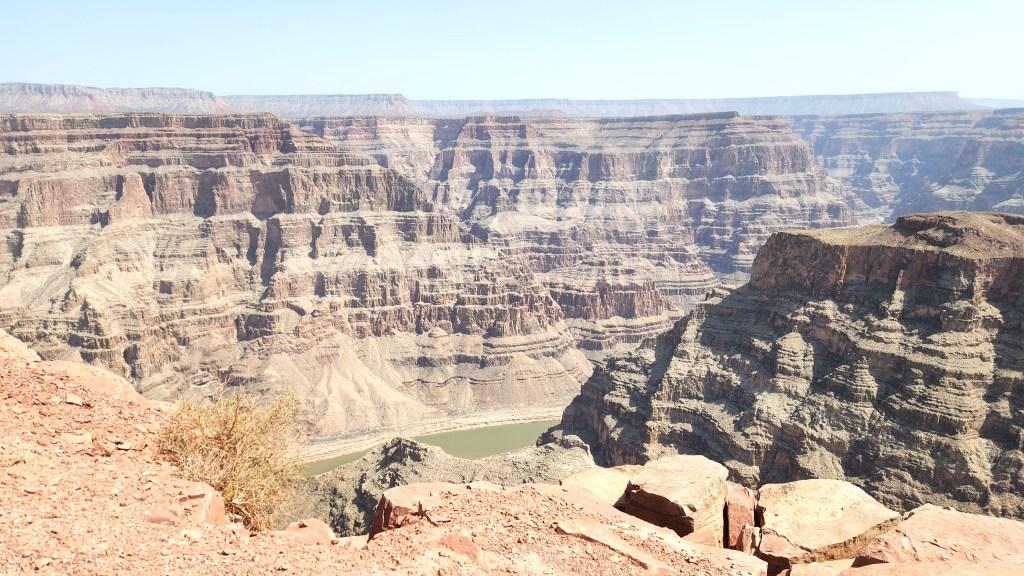
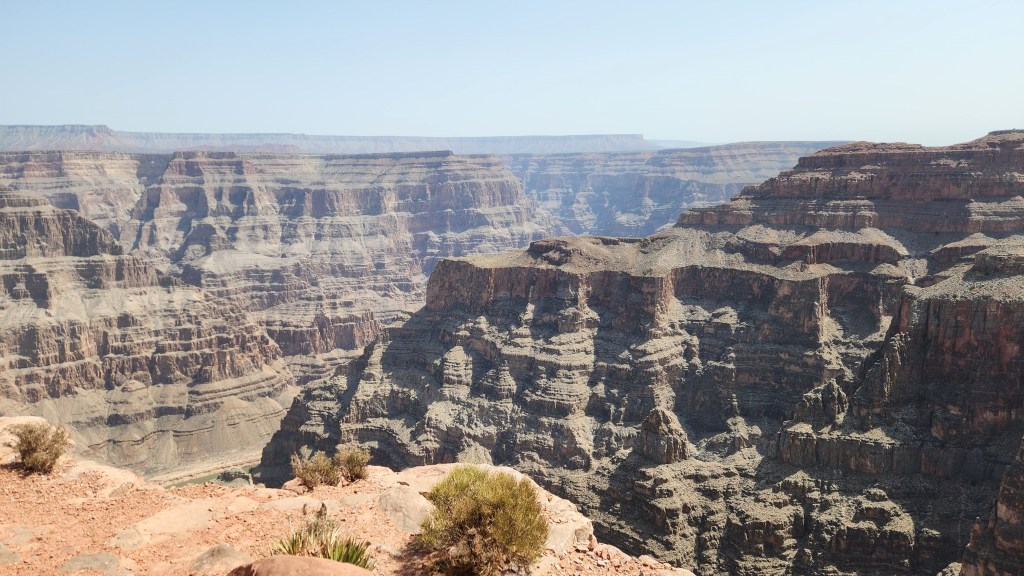
Grand Canyon West: We departed from the Canoa Ranch Golf Resort at 8:30 AM on Friday, March 28, heading northwest toward Kingman, AZ, where we stayed the night. On Saturday morning, we drove north toward Grand Canyon West, the recreation area owned and operated by the Hualapai native American tribe and best known for the Skywalk, which is billed as “a horseshoe-shaped bridge made of glass allowing visitors to walk 4,000 ft above the canyon floor.” (More about that language later.)

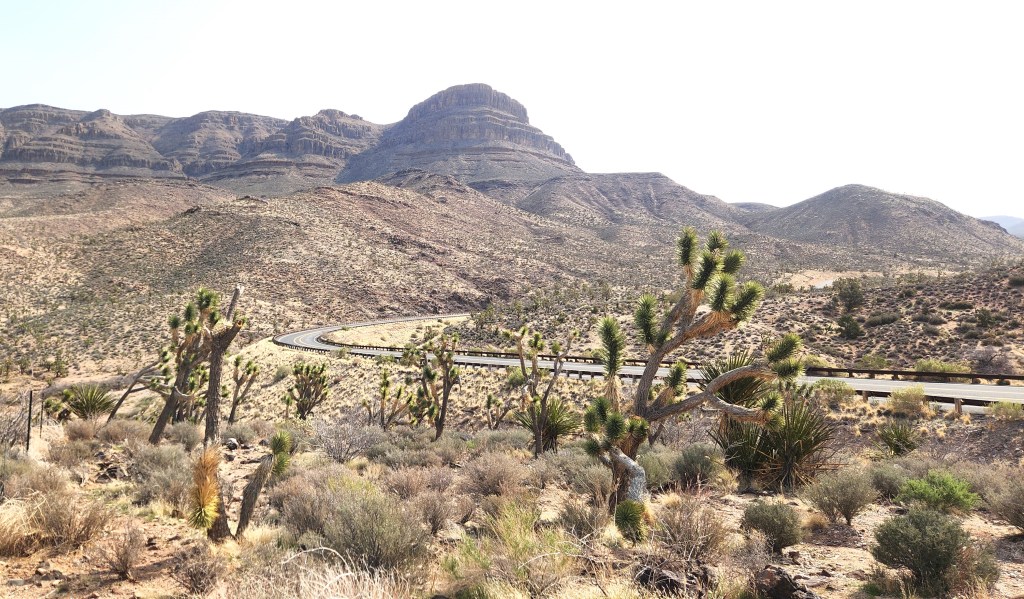
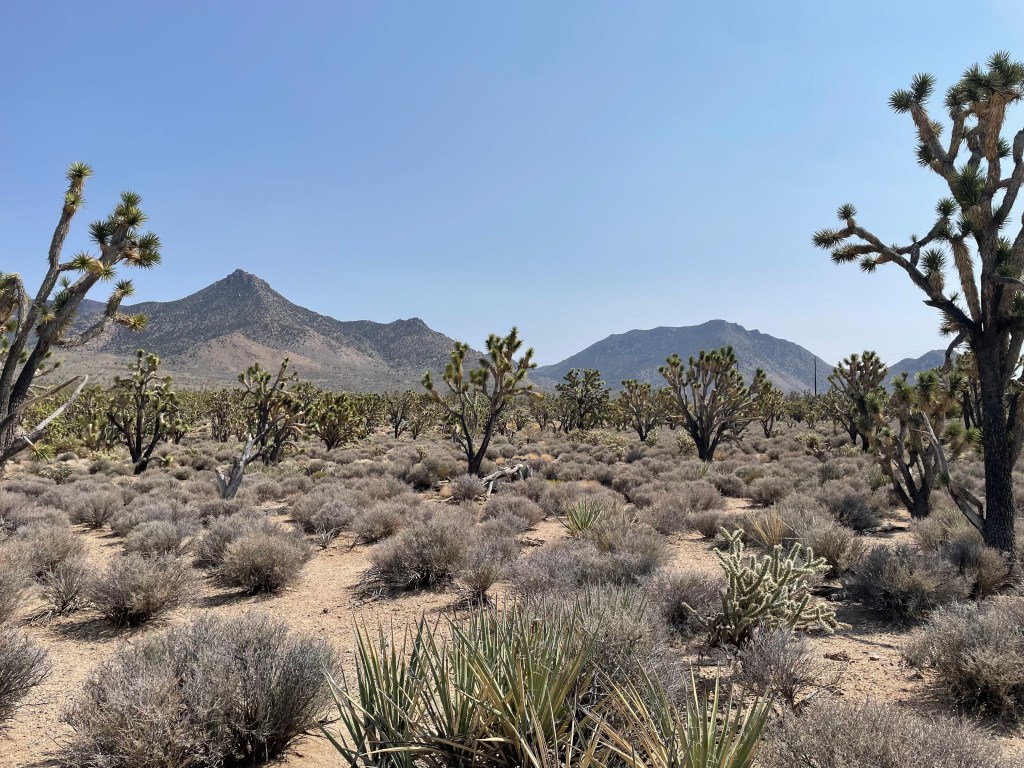
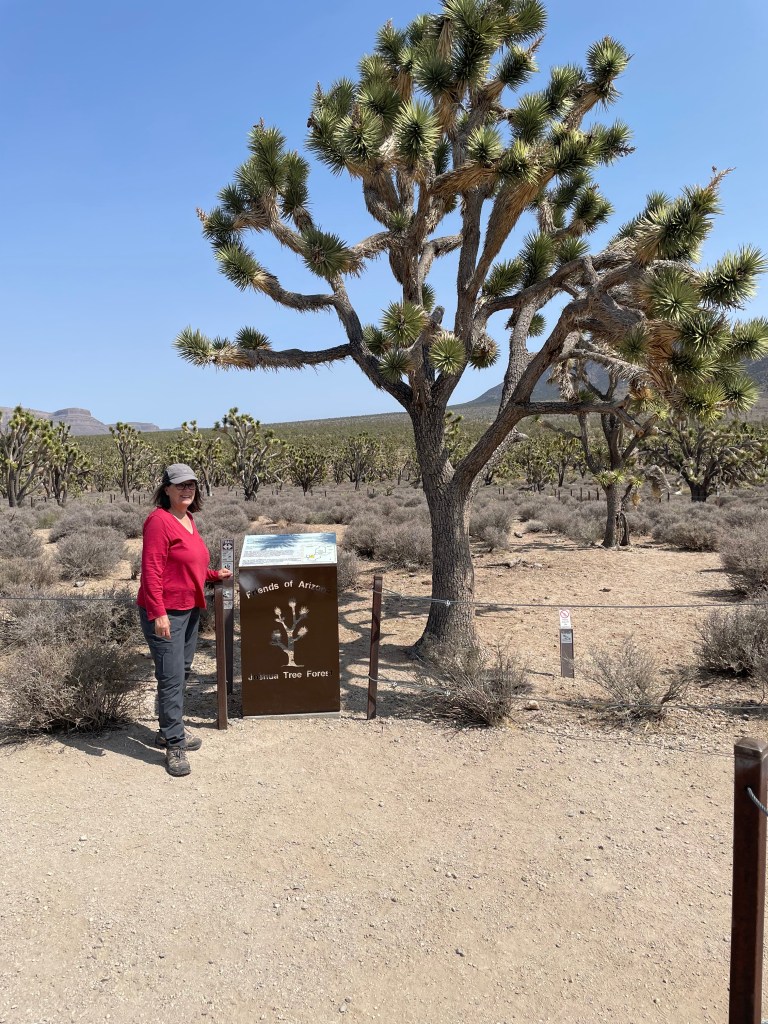
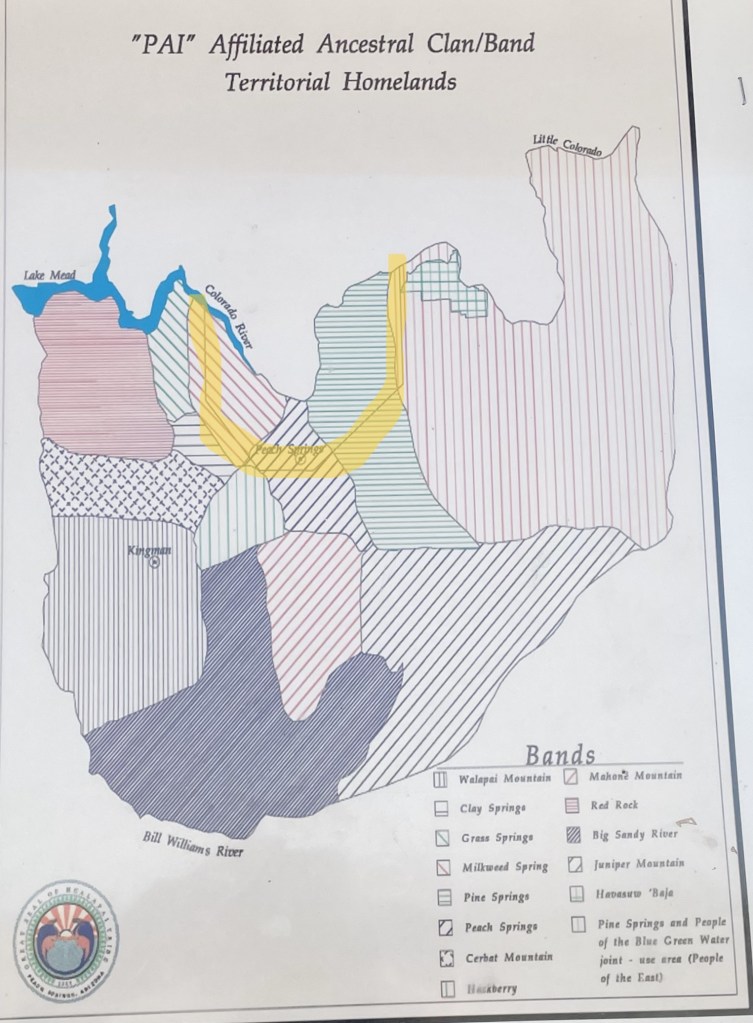
After driving for some 40 or 50 miles through dry scrubland which seemed to be used almost exclusively for cattle grazing, we were quite surprised to find ourselves driving past Joshua trees, then what appeared to be thriving orchards growing nut trees of some sort, perhaps walnuts. As we continued in a northeasterly direction toward Grand Canyon West, the Joshua trees became more and more abundant, until they completely dominated the landscape. Road signage informed us that we were in the Arizona Joshua Tree Forest, which seemed to me to have many more Joshua trees than the more well-known Joshua Tree National Park located 230 miles to the southwest in California. We stopped at a nice little nature preserve where we admired the trees and other desert flora and also learned something about the Hualapai tribe.

View from an Overlook in the Arizona Joshua Tree Forest
Nature Preserve in the Arizona Joshua Tree Forest
The Joshua Trees are Healthy and Robust
Map of Former Hualapai Territorial Homelands (Current Hualapai reservation approximate outline is shown in yellow)

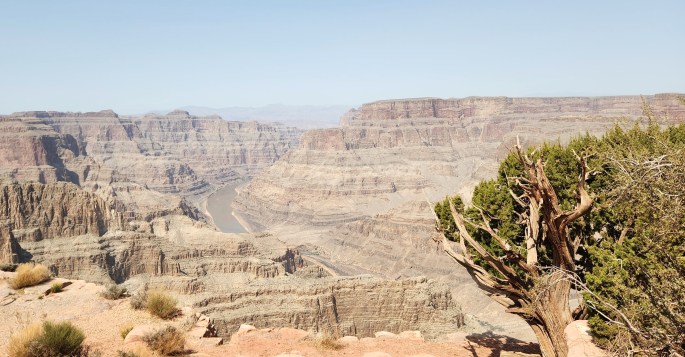
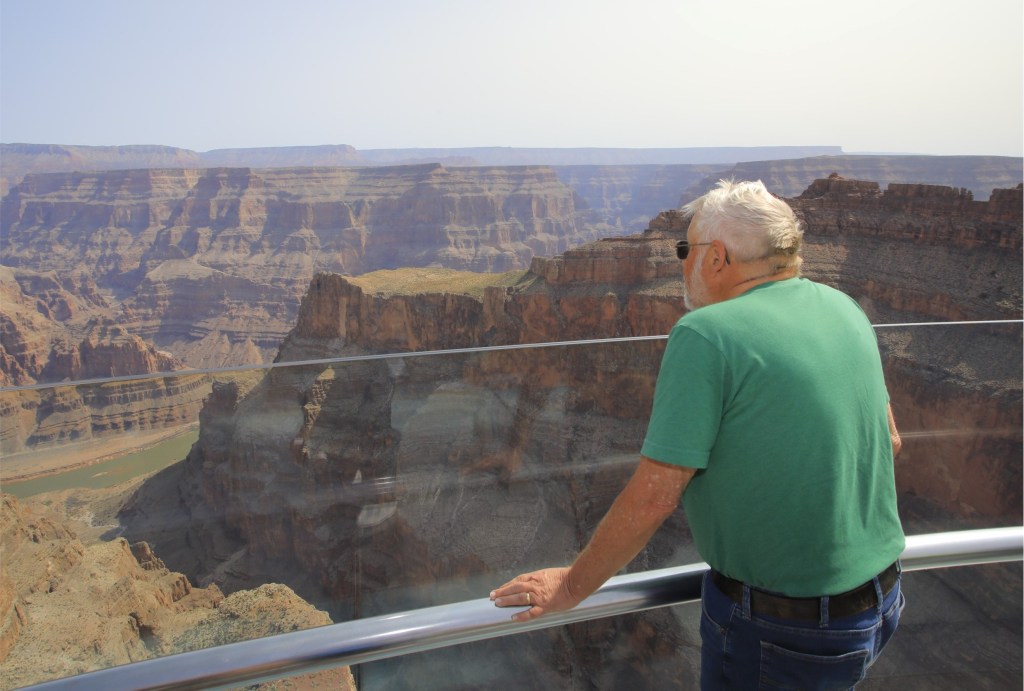
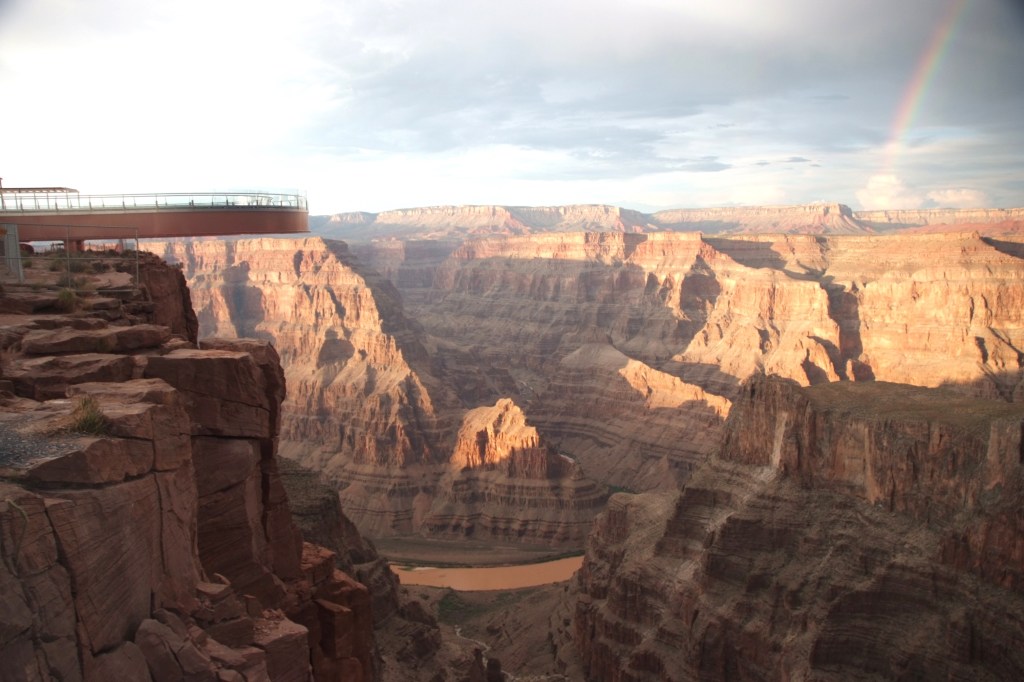
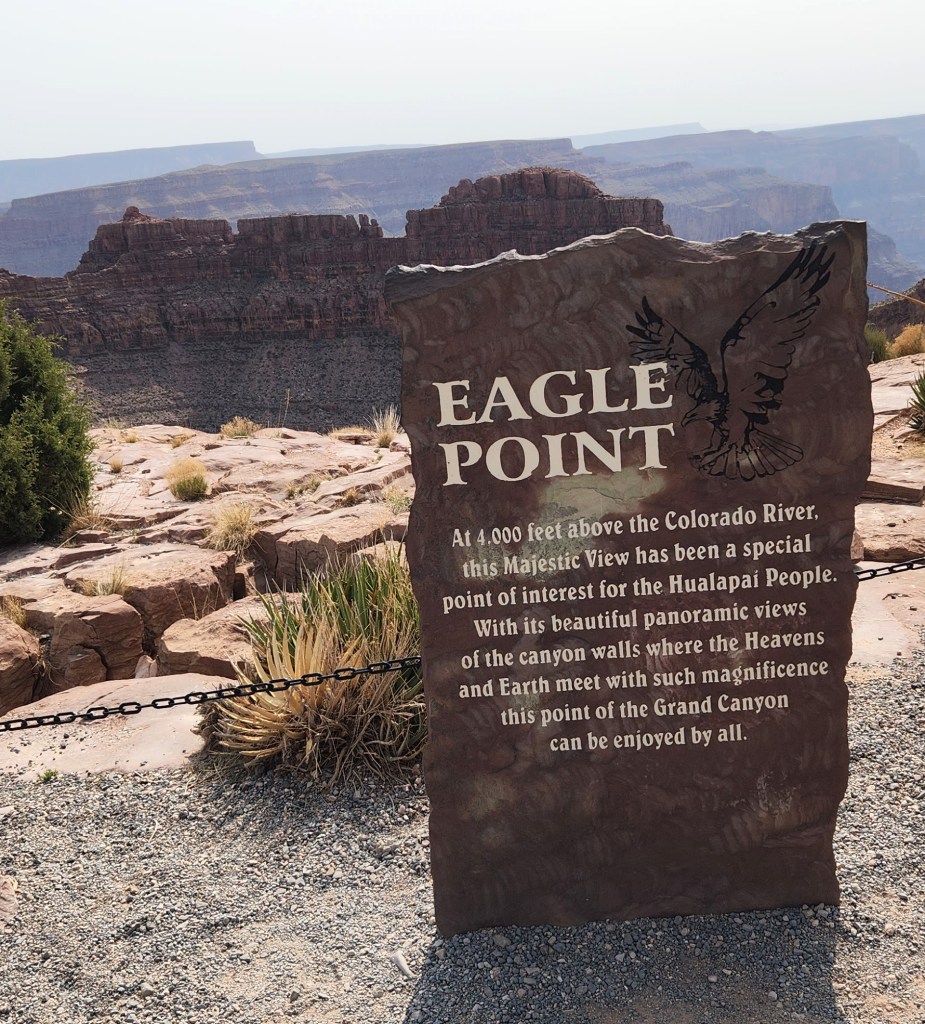
We arrived at Grand Canyon West at about 12:30 to find the huge parking lot something like 10% occupied by vehicles. We strolled over to the Visitor Center, where the electronic tickets I’d purchased the day before were scanned and we boarded a bus to take us a few miles north to Eagle Point, the first of two stops near the canyon rim. Its name derives from the huge natural rock formation resembling an eagle with outspread wings. Once there, I scanned my ticket to enter the famous Skywalk, while Pat wandered around nearby – she was too much of a chicken to go on the Skywalk.

Eagle Point Visitor Center
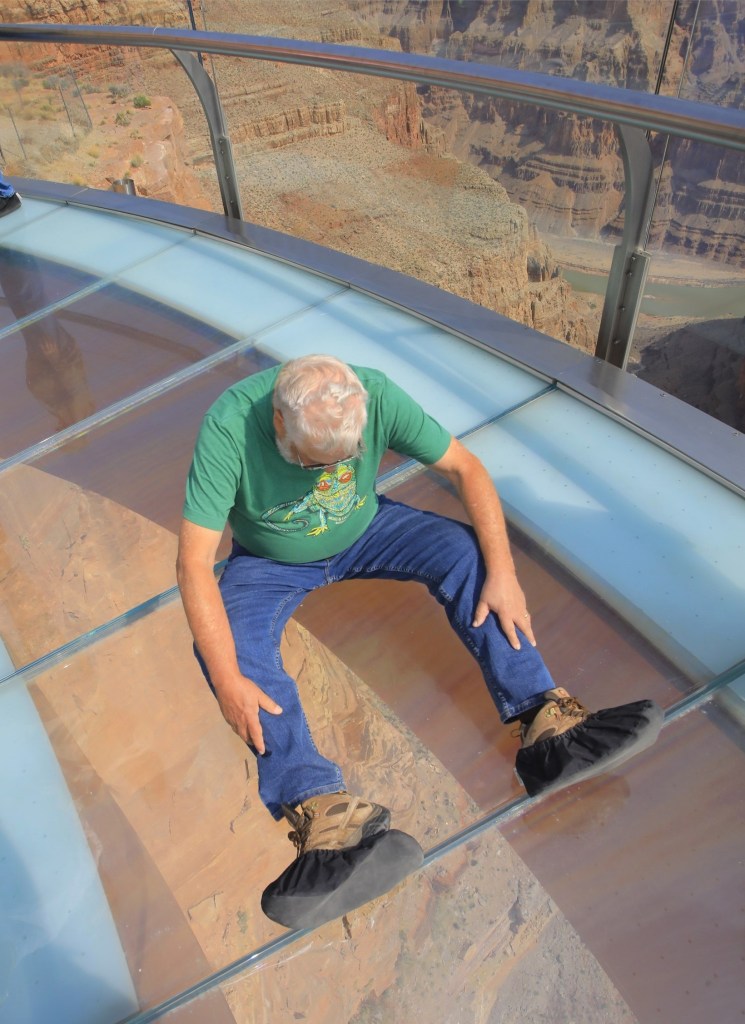
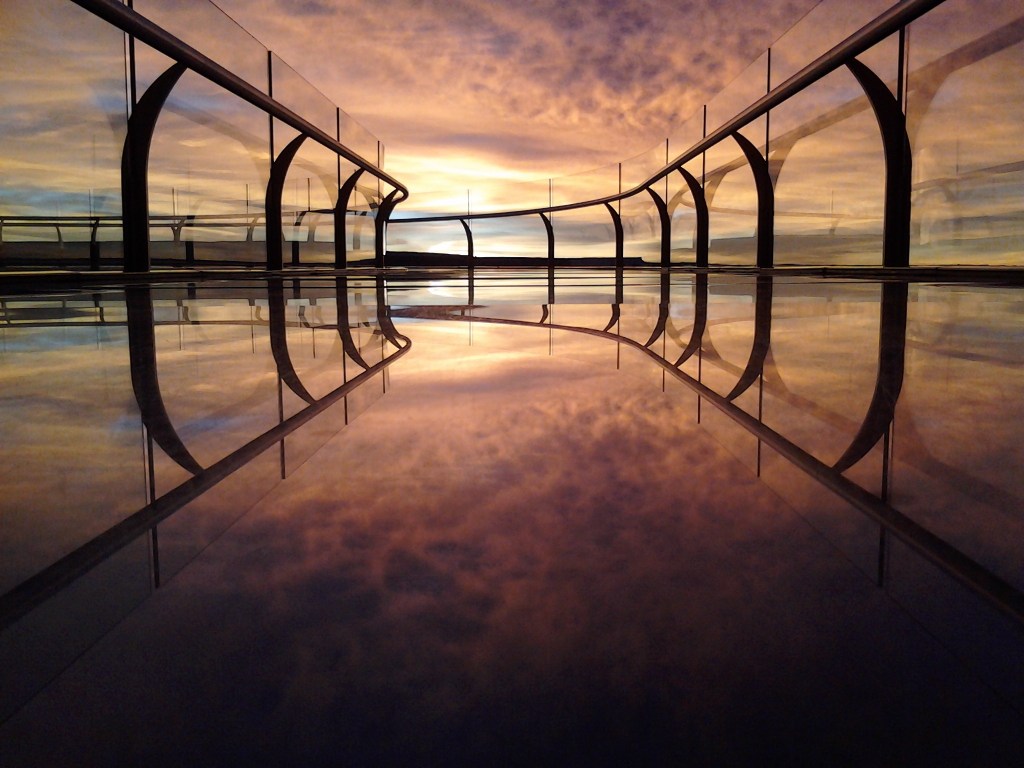
Admiring the View from the Skywalk
It’s actually not scary at all
Marketing Photo of Skywalk by Hualapai Tribe
Another Marketing Photo

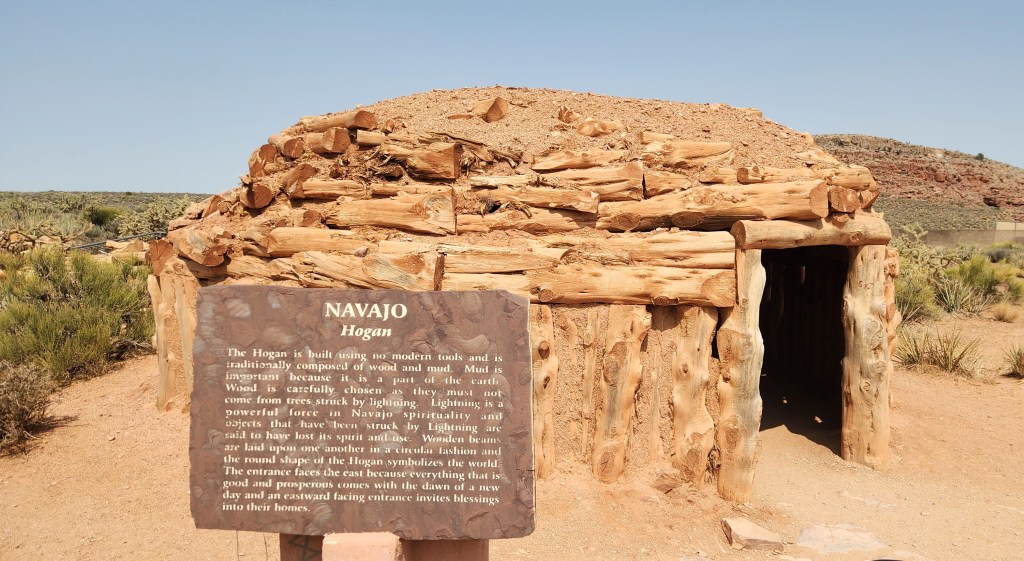
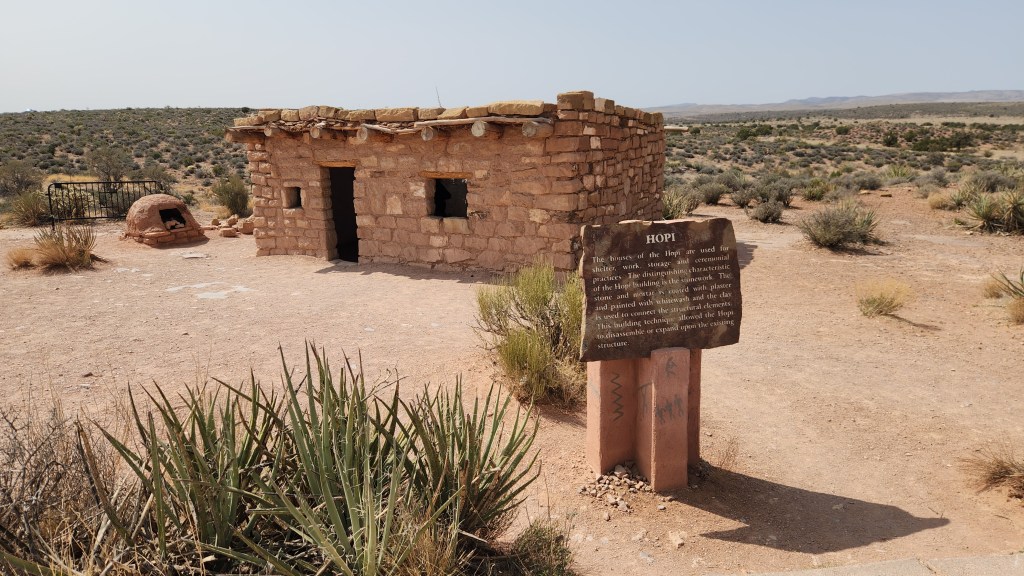
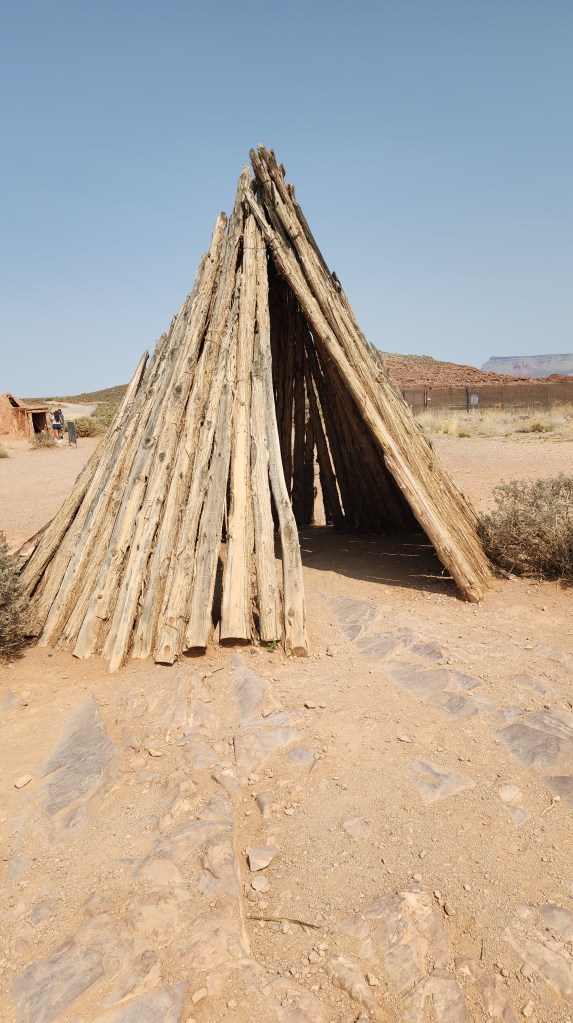
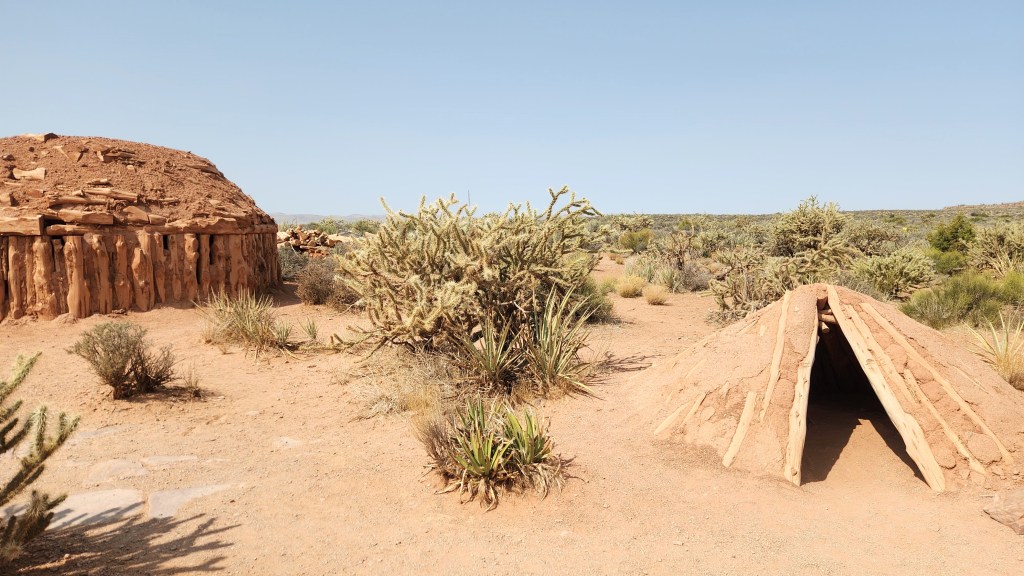
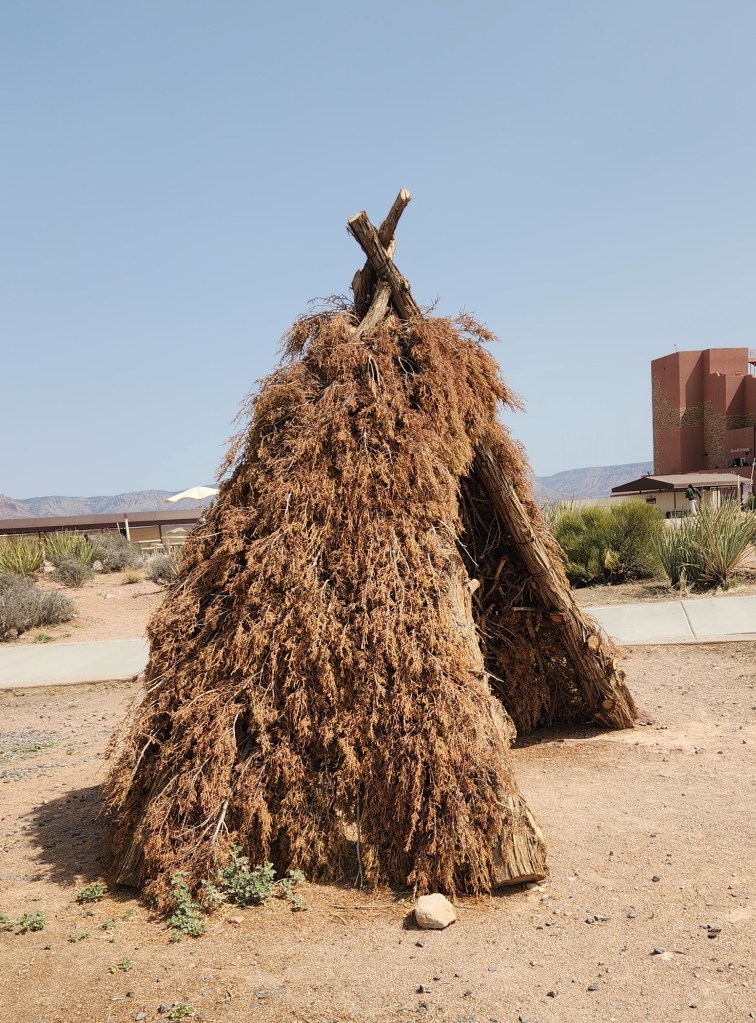
After the Skywalk, we walked along the canyon rim and then along a loop trail that passed by several types of traditional native American dwellings and structures. Pat and I both felt that the Hualapai tribe has done a very nice job of providing educational materials honoring the cultures of their own and other neighboring tribes.

Eagle Point Marker in front of Eagle Rock Formation
The Eagle’s Head is in the Middle, the Wings Outspread to Either Side
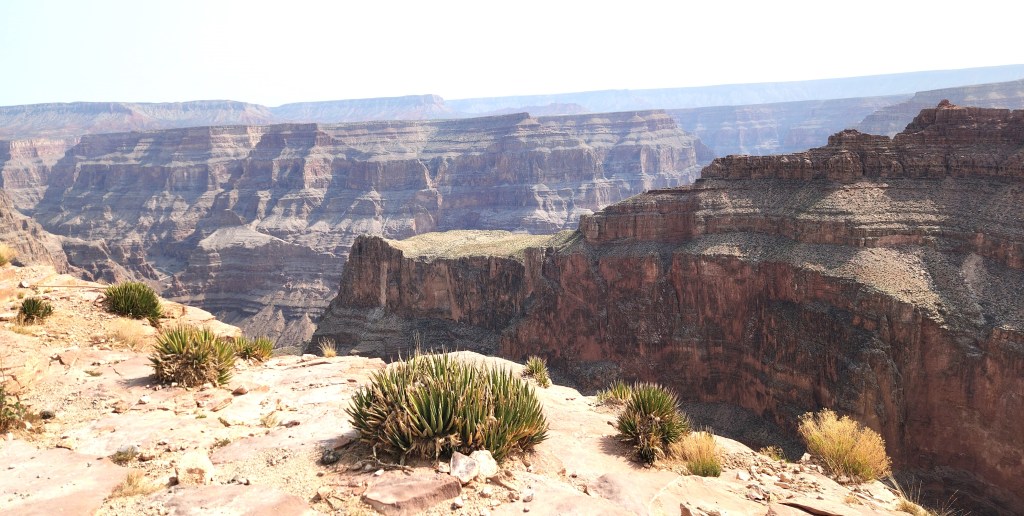
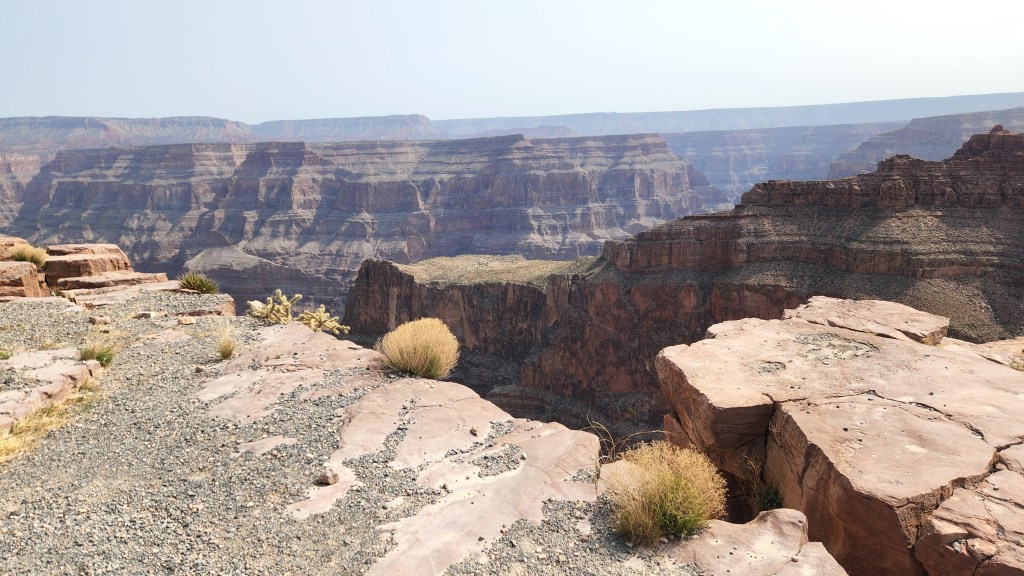
View from Eagle Point Canyon Rim
Navajo Hogan on Eagle Point Loop Trail
Hopi Dwelling on Eagle Point Loop Trail
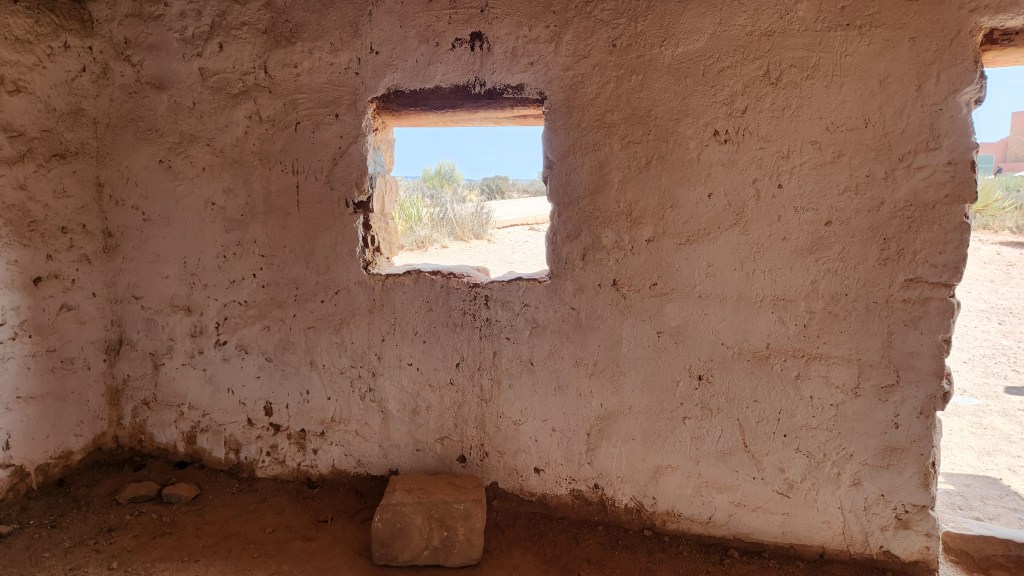
Interior of Adobe Dwelling
Dwelling Structure on Eagle Point Loop Trail
Interior View of Dwelling
Along the Eagle Point Loop Trail
Dwellings on Eagle Point Loop Trail
Dwelling On Eagle Point Loop Trail

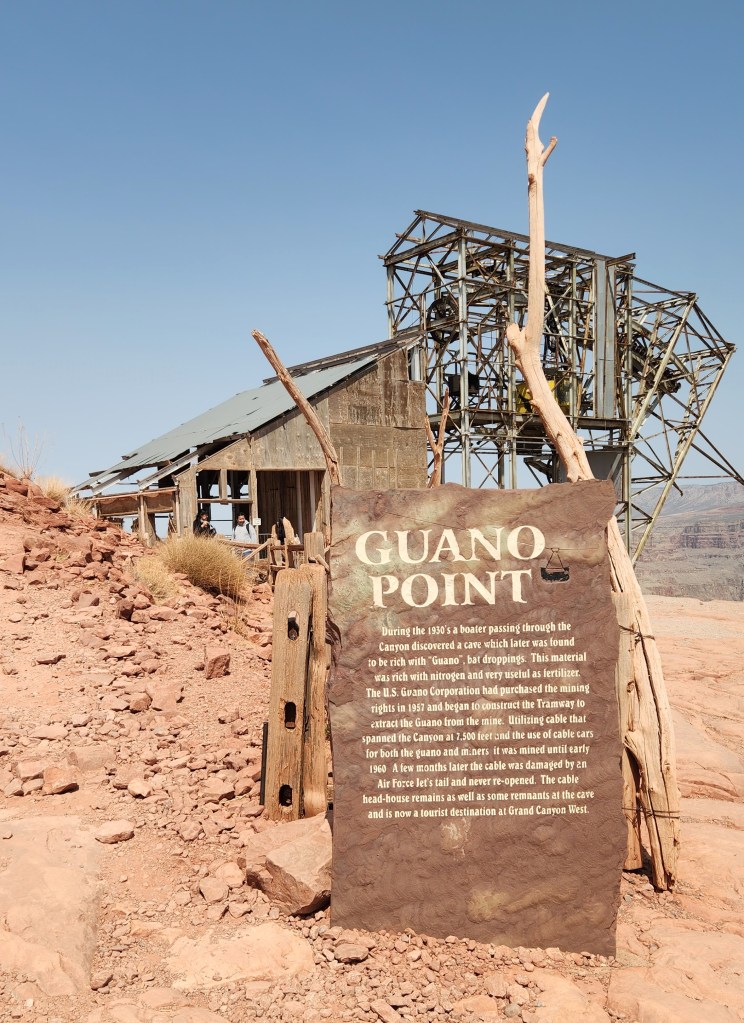
We then boarded the bus again for a short drive to the second stop, Guano Point. This name came about as a result of a bat cave discovered by boaters on the Colorado River in the 1930s. They successfully sold their dream of riches from guano mining to the U.S. Guano Corporation, who constructed a tramway system to extract guano from the cave to the canyon rim at what became known as Guano Point, as well as roads to transport the valuable shit to market. The cave’s guano supply, having been vastly exaggerated by the original discoverers, ran out in 1959. To add insult to injury, a U.S Air Force Top Gun wannabe wiped out the tram cable while hot dogging in the canyon some years later. Presently, the tramway structures have been left intact as a monument to man’s attempt to mine the Canyon, and the roads built by the mine operators are now used for Grand Canyon West tourism buses. At any rate, we disembarked at Guano Point, had a nice lunch of pulled pork and coleslaw, and walked around the site with our mouths agape as we took in the stunning views.

Guano Point Tramway Structure
Guano Point Canyon Rim
View from Guano Point Canyon Rim

As we were leaving the recreation area, the Visitor Center had become jam-packed with people and the number of cars in the parking lot had probably quadrupled or more. This bore out the advice we had heard that the busiest times were between about 1 and 4 PM.

Before I move on to our subsequent points of interest, let me say a few words about the Skywalk and the recreation area in general. Perhaps you will have noticed from the words I quoted above that the Hualapai do not actually state that the Skywalk overhangs the Grand Canyon, although I suspect most people think it does – until they actually visit the place. You’ll notice from the pictures above that the Skywalk, while in fact some 4,000 feet higher than the Colorado River, does not actually extend beyond the canyon rim. Once I thought realistically about it, I realized that it would probably be impossible to construct such a structure – it would need to be extremely long, would probably cost billions, and would probably cause irreparable damage to the natural beauty of the canyon. The Skywalk does provide beautiful views of the canyon from an entirely safe vantage point, actually much safer than walking near the canyon rim, and does provide a feeling of being suspended in the air. It’s a great marketing “hook” and probably is the primary reason that many people go to the recreation area. In fact, it’s what hooked me.

At first, I was a bit annoyed by this discovery, but the sheer beauty of the rugged overlooks at Eagle Point and Guano Point were well worth the price of admission. Our experience at Grand Canyon West was much more intimate than our visits to the Grand Canyon National Park. The crowds were smaller, there were no CCC-built walls along the rim, leaving a much more natural view, and the vistas were as spectacular as anything at the National Park. If anyone asks me which of the two places to visit, I’d say go see both. They each offer something a bit different and very rewarding. Oh, and I failed to mention that the Hualapai recreation area also has a zipline for the adventurous, which both Pat and I were too chicken to try.

I’ll add one final note regarding the Hualapai tribe and their great success in drawing tourist dollars to their reservation. I learned that Guano Point is sacred to the Hualapai for a very poignant reason. In 1874, the U.S. military forced the Hualapai people to march from their traditional lands in western Arizona to a relocation camp at La Paz, on the Colorado River Indian Reservation. This journey was physically demanding and resulted in many deaths due to disease and lack of resources. Many Hualapai weren’t able to escape the “Long Walk to La Paz.” These tribespeople, called the lost souls, jumped off the canyon edge to their deaths at what is now called Guano Point rather than be captured by the military. The tribe was eventually given their own reservation, a small portion of their ancestral homeland, and allowed to return. I find it very hard to begrudge a people so resilient as to have reestablished themselves once again and discovered a way to thrive in the modern world. Far from feeling “fleeced” by the slight deception regarding the Skywalk, I’m thrilled that Pat and I got to experience this special place.

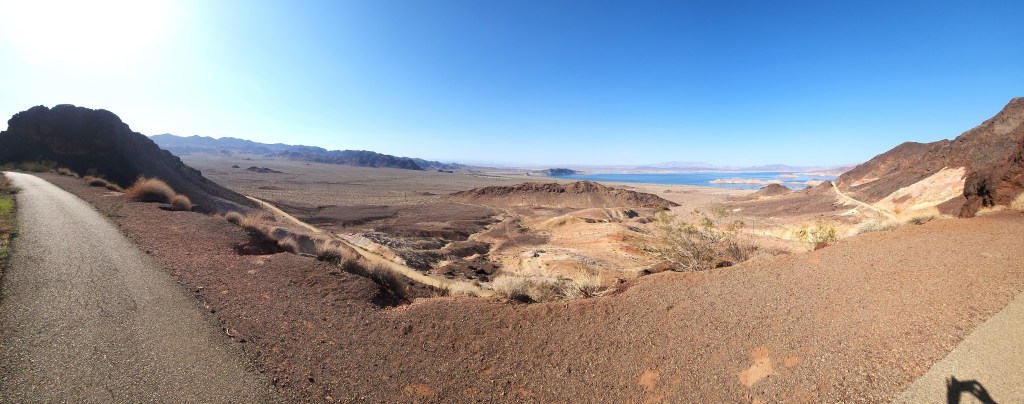
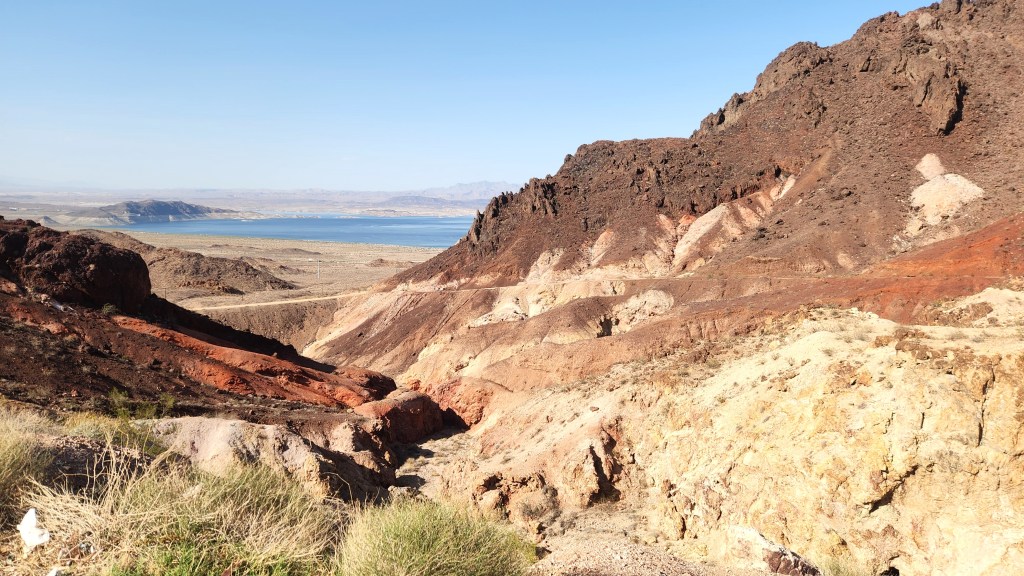
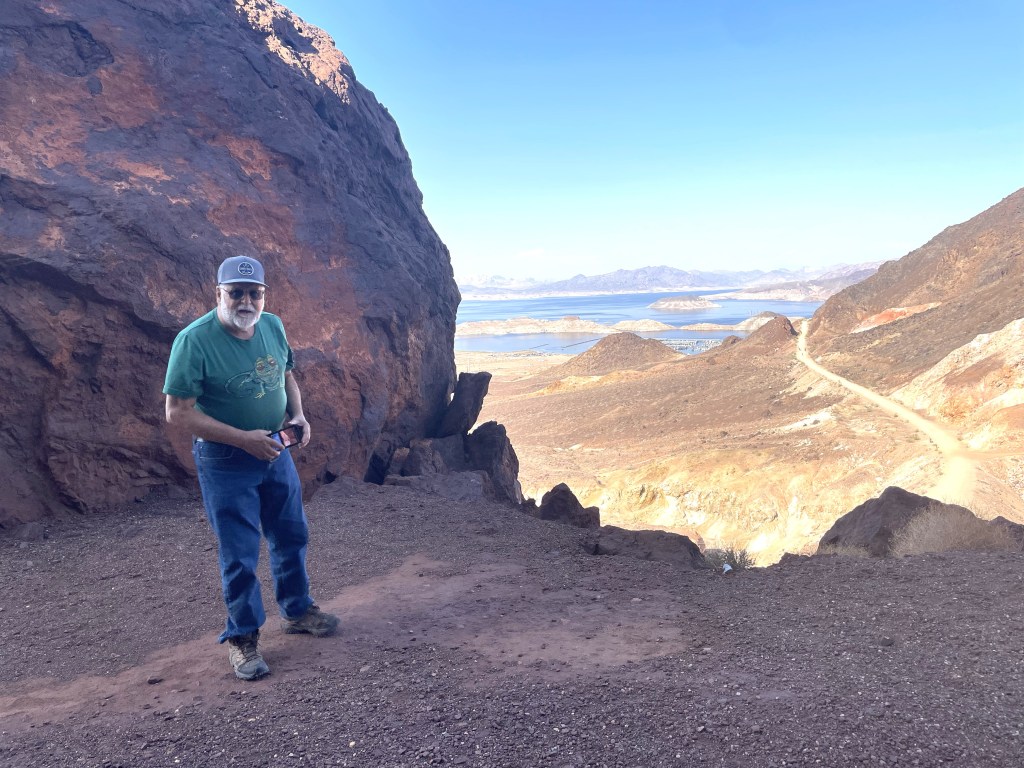
Lake Mead National Recreation Area and St. George, UT: After leaving Grand Canyon West, we drove to the Hoover Dam Lodge, overlooking Lake Mead, to spend the night. On Sunday, March 30, we drove to Richfield, UT, via St. George. Rather than take the faster freeway route through the Las Vegas area, we drove through the Lake Mead National Recreation Area, using my priceless Senior National Parks Pass for free entry. We didn’t actually stop anywhere except at St. George to charge the car, but we thoroughly enjoyed our leisurely drive (pulling over frequently to let impatient drivers speed past) and the beautiful scenery around Lake Mead, which we have visited several times during previous travel adventures. The mountain passes following the Virgin River into St. George are also absolutely gorgeous, so that Sunday’s travels were among our most enjoyable of the entire trip.

Lake Mead View from Hoover Dam Lodge Trail

So, why aren’t there more pictures? Since I did most of the driving, I couldn’t be taking pictures, and Pat doesn’t like to take pictures out the car windows because they usually turn out to be disappointing. Sorry.

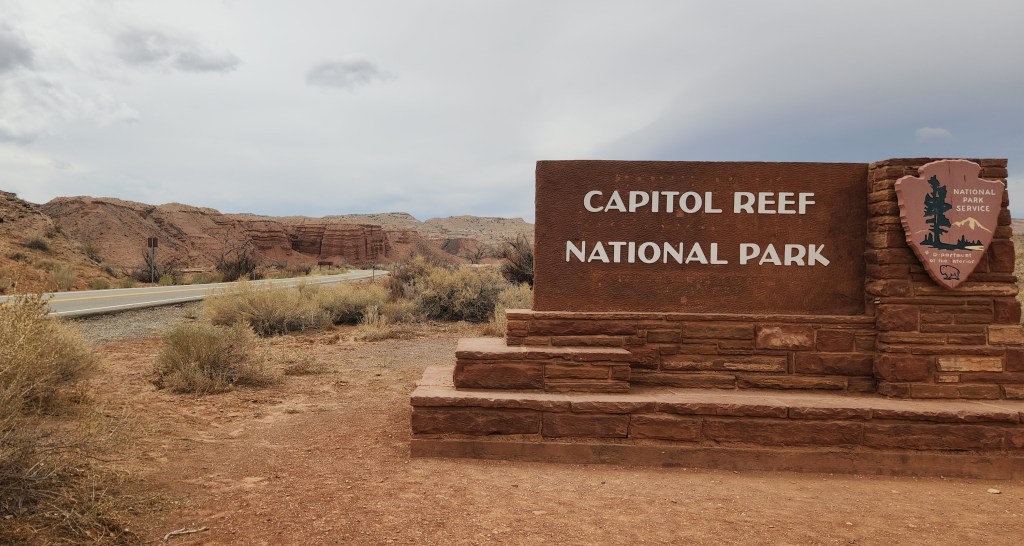
Capitol Reef National Park: After spending Sunday night at a hotel in Richfield, we drove to Capitol Reef National Park, the 29th National Park we’ve visited so far and the only one in Utah that we hadn’t visited previously. The park takes its name from white domes of Navajo Sandstone that resemble the dome of the U.S. Capitol building, and a formidable ridge of rocky cliffs that early Mormon settlers, who settled in a town they named Fruita due to the fruit orchards they established there, likened to a “reef.” Per the National Park Service brochure:

“Capitol Reef’s defining geologic feature is a wrinkle in Earth’s crust, extending nearly 100 miles from Thousand Lake Mountain to Lake Powell. It was created over time by three gradual yet powerful processes: deposition, uplift, and erosion. The result is a classic example of a monocline, or one-sided fold, in the otherwise horizontal rock layers.”

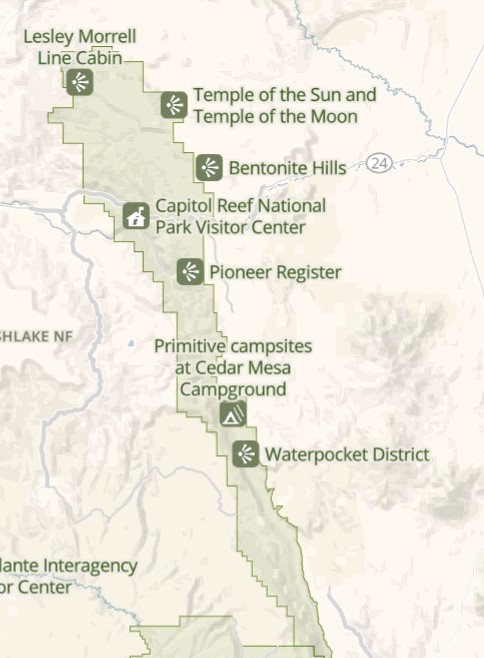
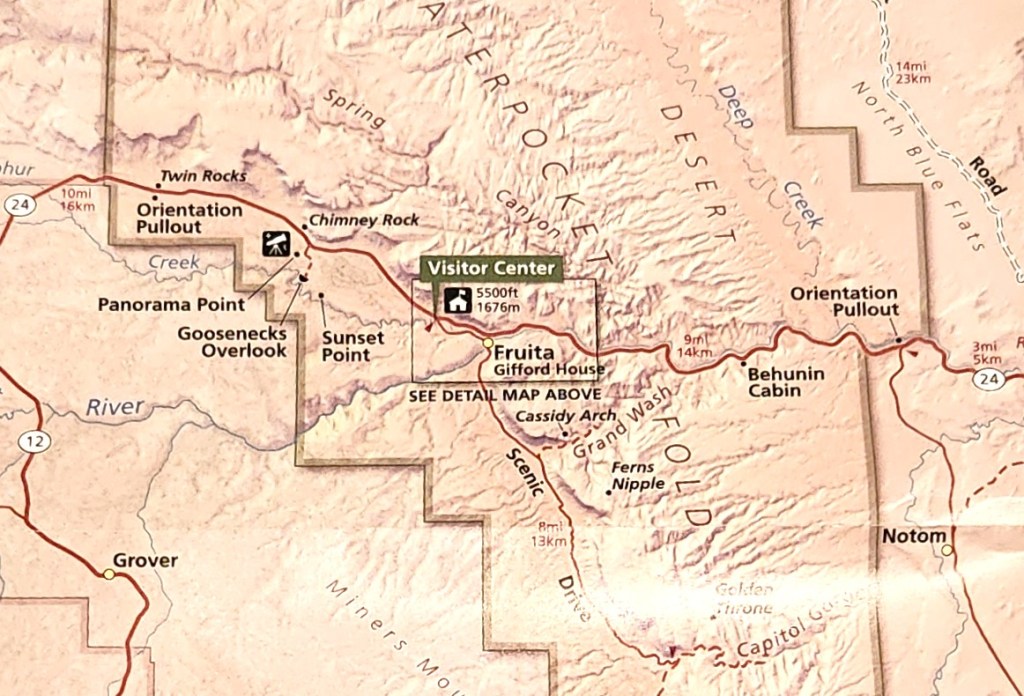
This “wrinkle” is known as the Waterpocket Fold, and it created a land of fascinating and spectacular scenery. The National Park is very large, comprising nearly a quarter million acres. The maps below show the entire extent of the park and the portion that we explored over several hours.

Capitol Reef National Park
The Portion we Explored

We drove into the park on Highway 24 from the west and stopped at the Visitor Center to watch the National Park Service video overview, then drove 8 miles south along the Scenic Drive until the pavement ended. Along the way, we stopped to hike along the Grand Wash trail and then stopped at multiple overlooks along the rest of the Scenic Drive. I was jumping in and out of the car like a jackrabbit and snapping pictures like a crazed documentarian, and Pat was doing her best to put up with my antics. After the tenth or twelfth stop, she suggested that maybe she could drive and I could just gawk out the windows.

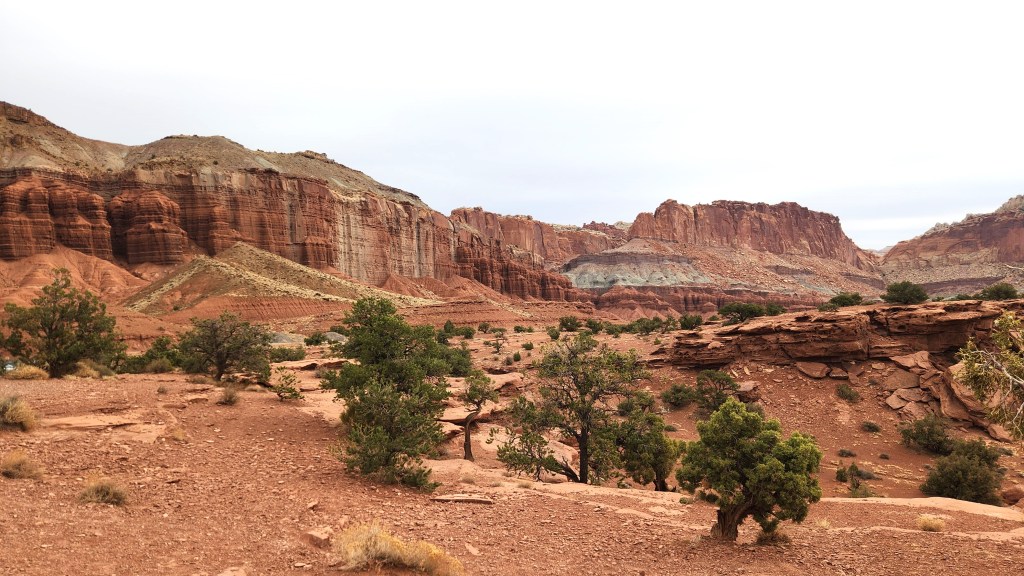
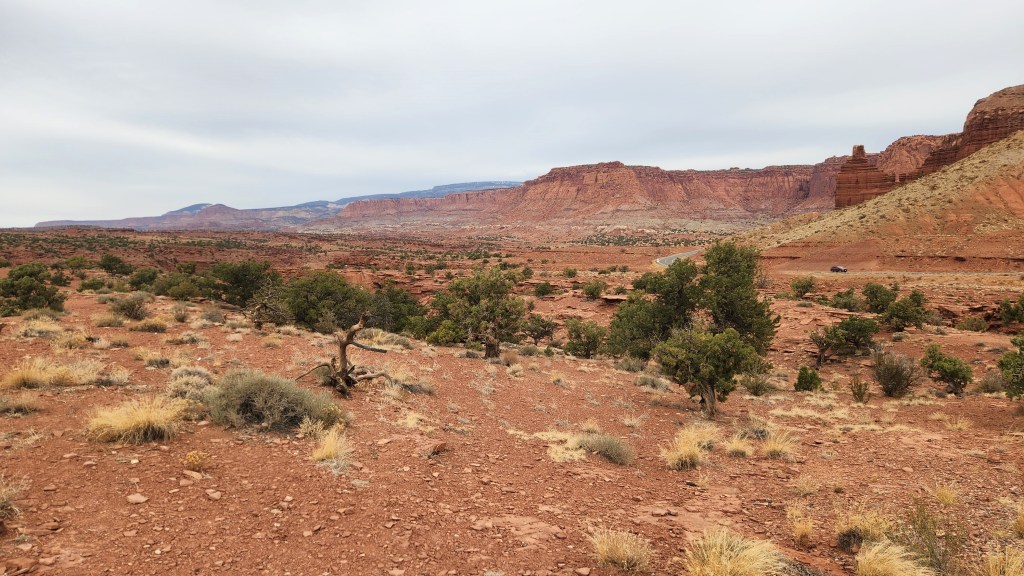
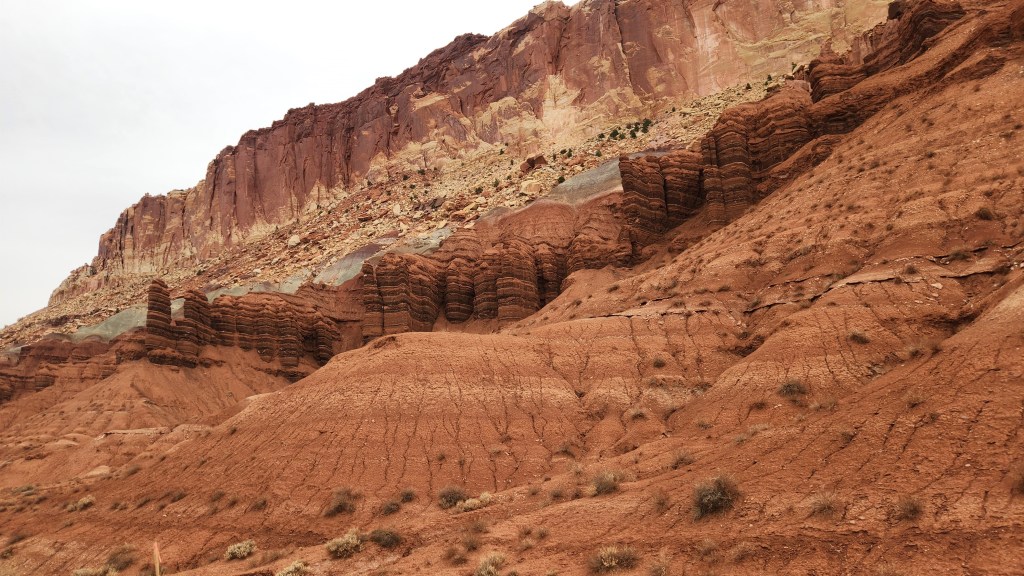
View of Capitol Reef from Scenic Drive Overlook
The Road to the Grand Wash Trail
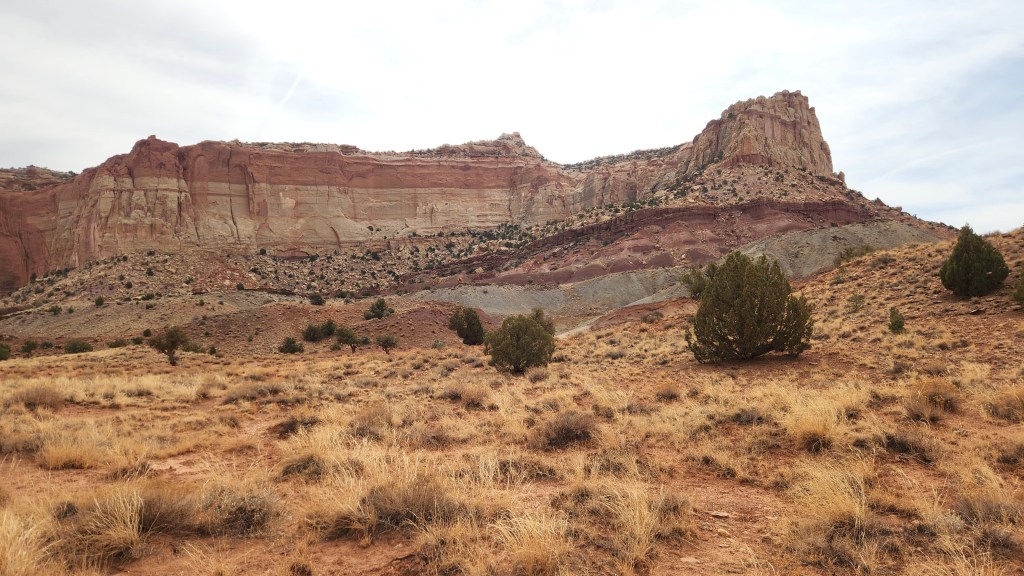
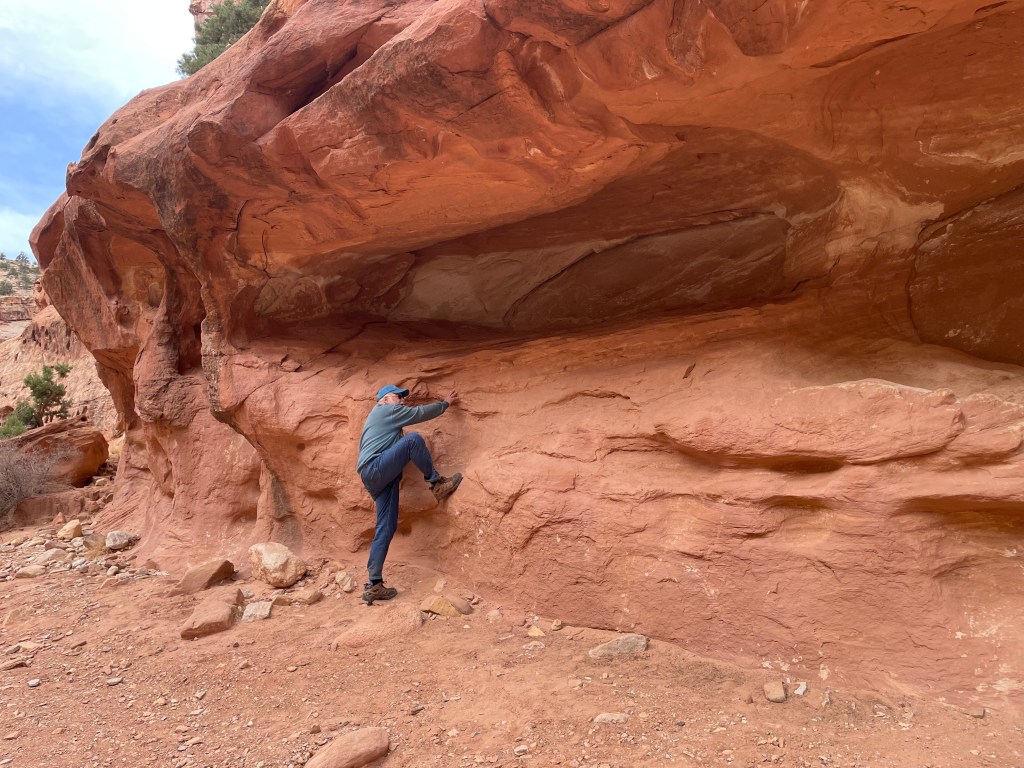
Rock Formation Along Grand Wash Trail
The Grand Wash
Peek-a-boo, I see Pat …
The new knees are great, but … I couldn’t make it up to the cozy resting spot
View from Scenic Drive Overlook

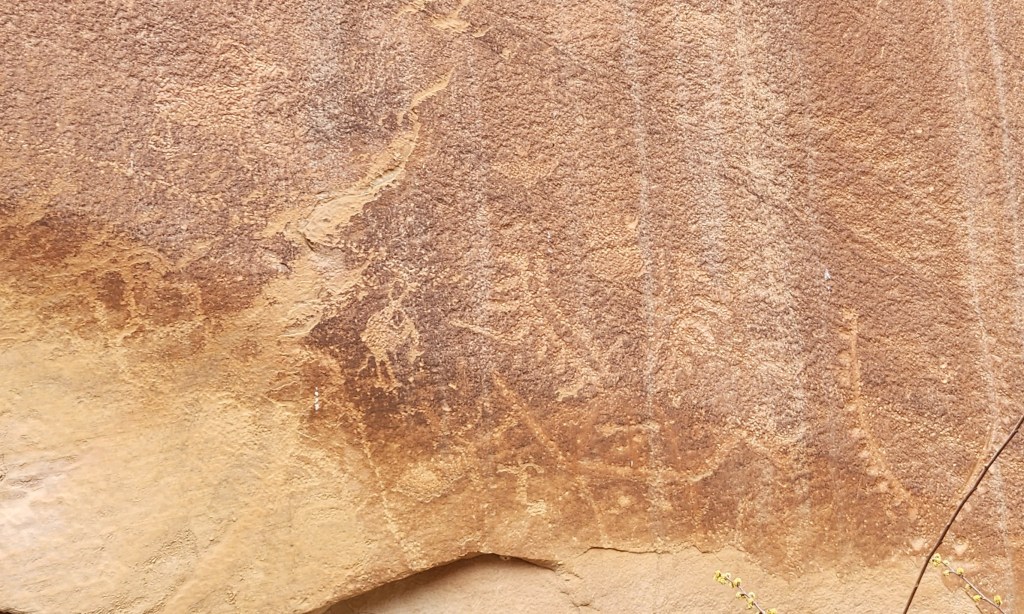
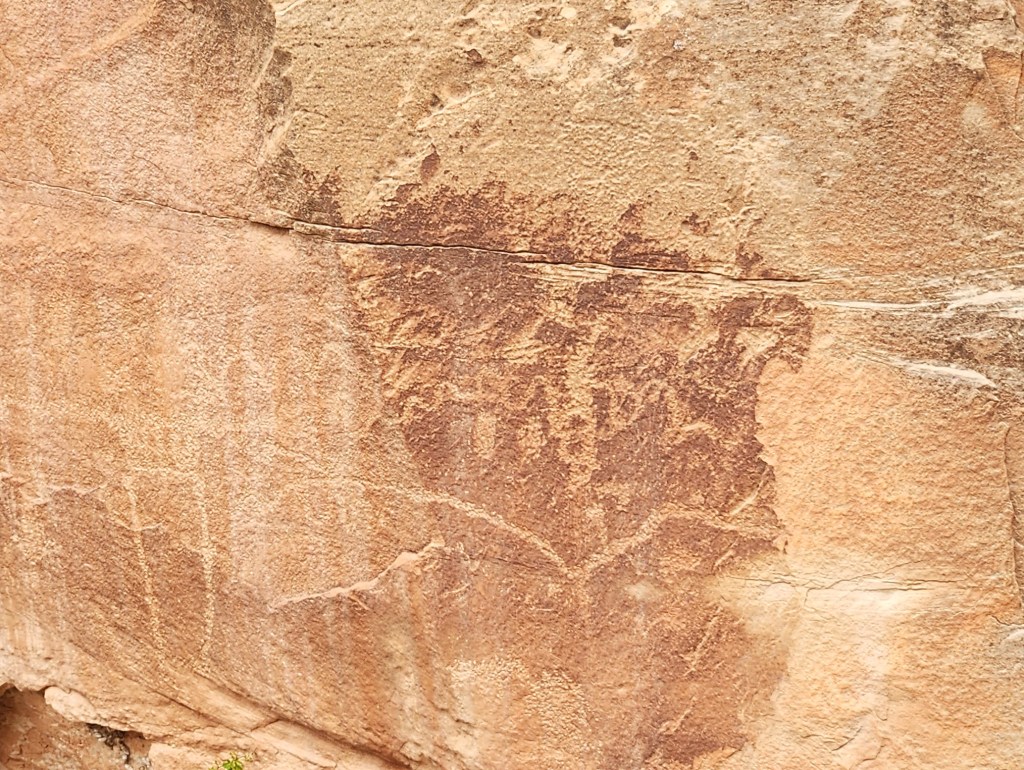
With Pat at the wheel, we returned to the Visitor Center area and stopped to explore a walkway with views of a cliff containing ancient petroglyphs.

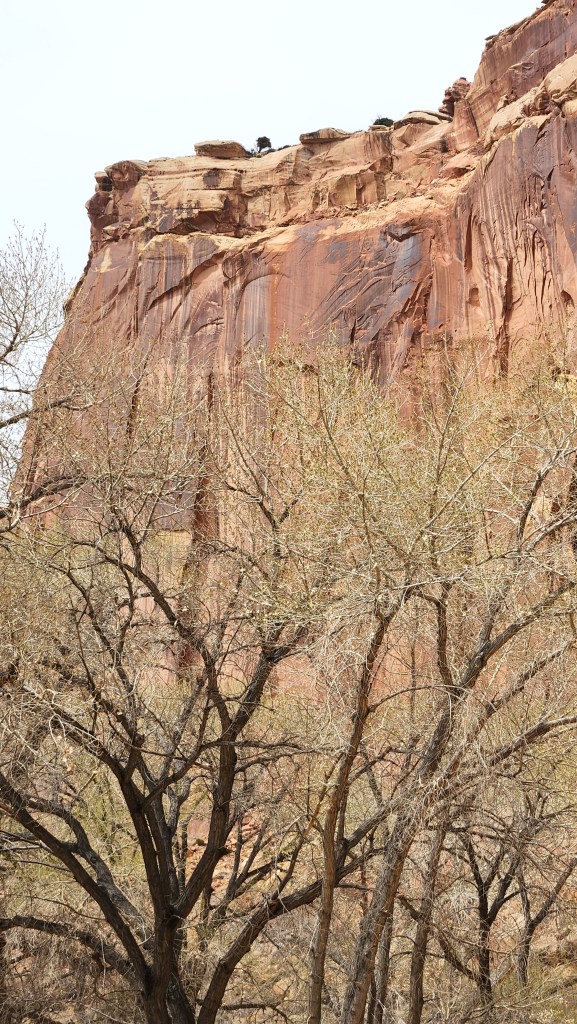
Cliff face North of Fruita
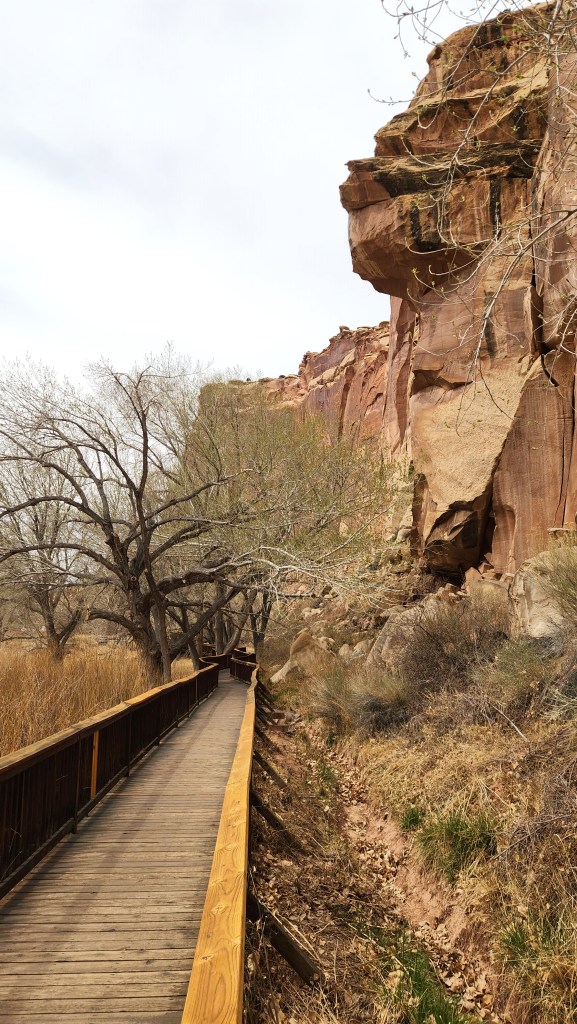
Walkway for Petroglyph Viewing
Ancient Petroglyphs
More Petroglyphs

We then headed east again on Highway 24, and I contented myself with window gawking until we made one last stop at the eastern entrance to the park before heading on toward our next hotel in Green Valley, UT. Incidentally, we passed by those Capitol dome-like mounds along the way, but I failed to get a decent photo from the car, so you’ll just have to use your imagination.

The East Entrance on Highway 24

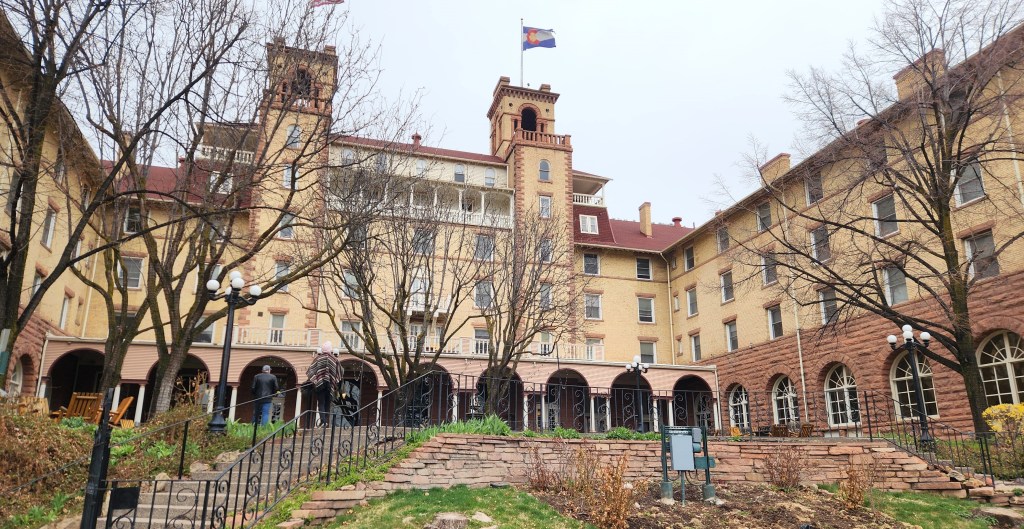
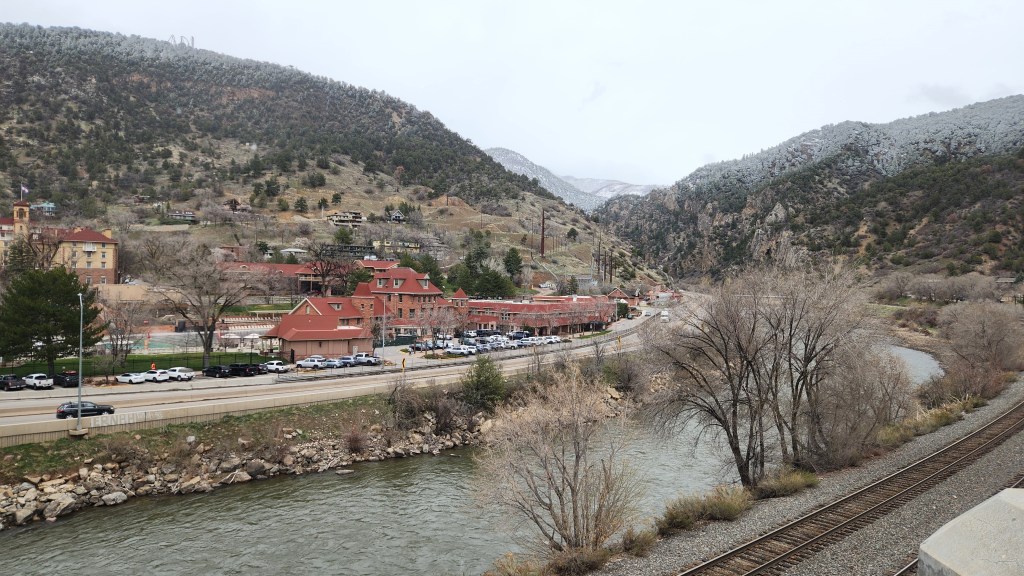
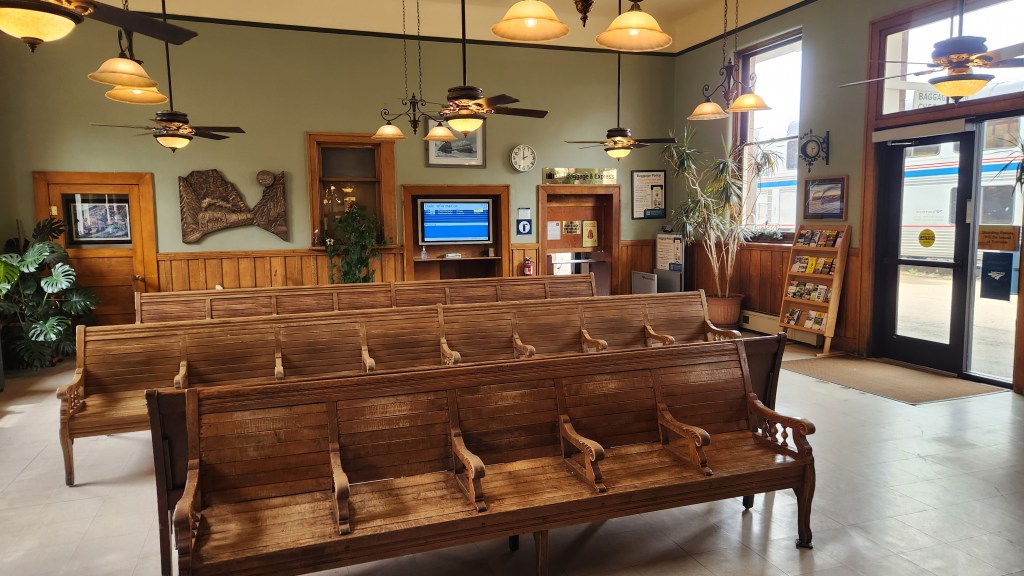
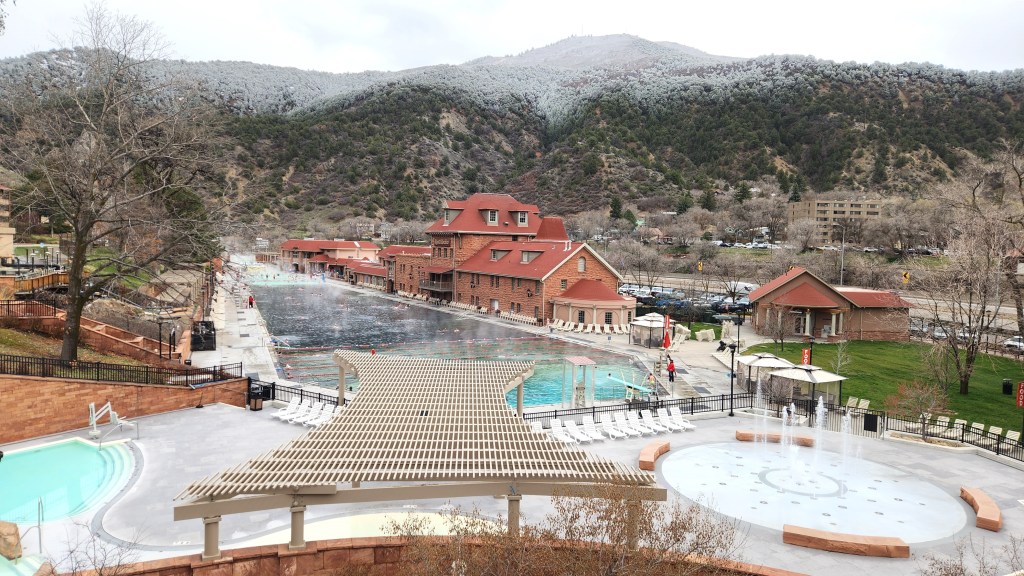
Glenwood Springs, CO: Our original plan for Tuesday was to drive from Green Valley to Golden, CO, for our next night’s stay. However, weather reports indicated that a heavy snow storm was developing in the Vail Pass, complete with avalanche warnings. The prospect of battling the elements as we navigated the high altitude crossing through Colorado ski country was a bit unsettling, so we changed plans and booked a hotel in a cute little town called Glenwood Springs instead. We got there around lunchtime and spent a couple of hours walking around before checking into our Holiday Inn. We had lunch at the Colorado Hotel, a grand old place founded in 1893 and now included on the National Trust’s list of Historic Hotels of America, before wandering off to the nearby railroad station and passing by an impressive Hot Spring and Spa.

Hotel Colorado, Glenwood Springs, CO
The Colorado River flows through Glenwood Springs
Interior of Glenwood Springs Railroad Station
Spa and Hot Springs at Glenwood Springs

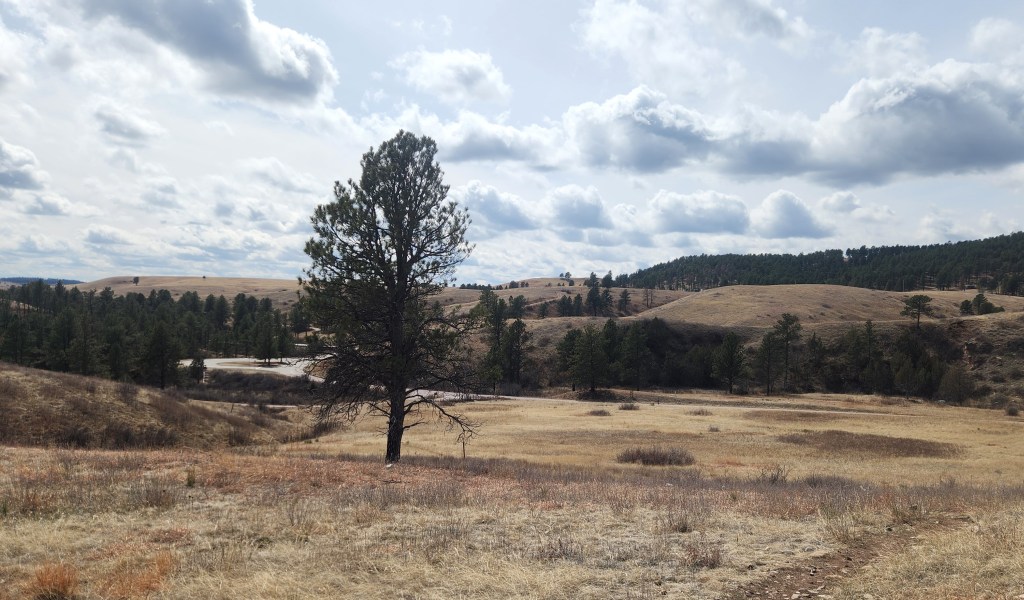
Wind Cave National Park:  On Wednesday, we resumed our eastward journey along I70, passing through the remnants of the storm in the Vail Pass and beyond. We passed a number of snowplows clearing the shoulders and experienced a few spots where the road was still icy, but by the time we reached the Eisenhower-Johnson Memorial Tunnel through the Continental Divide (11,132 feet elevation) all was clear. We drove on to a hotel with a destination charger that we had stayed at last October in Wheatland, WY, then drove on into South Dakota on Thursday morning and visited Wind Cave National Park. Unfortunately, all the cave tours were sold out for weeks in advance – we should have made on-line reservations before leaving Green Valley, but didn’t have enough foresight for that. As a result, our visit to the National Park (number 30 on our list) was limited to the Visitor Center, a short hike along a trail near the center, and a brief jaunt along a portion of the scenic drive. At least we saw some interesting rocks and some friendly animals. We’ll have to go back there some time to see the cave, which is said to be the seventh longest cave in the world with 154.2 miles of explored cave passageways (as of 2021) and the third longest cave in the United States. The cave was discovered in 1881 by a pair of brothers due to the sound of a strong wind blowing out of the hole (it blows in or out depending on the atmospheric pressure) and subsequently developed for tourism.

Nature Trail at Wind Cave National Park
Count those stairs, old man!
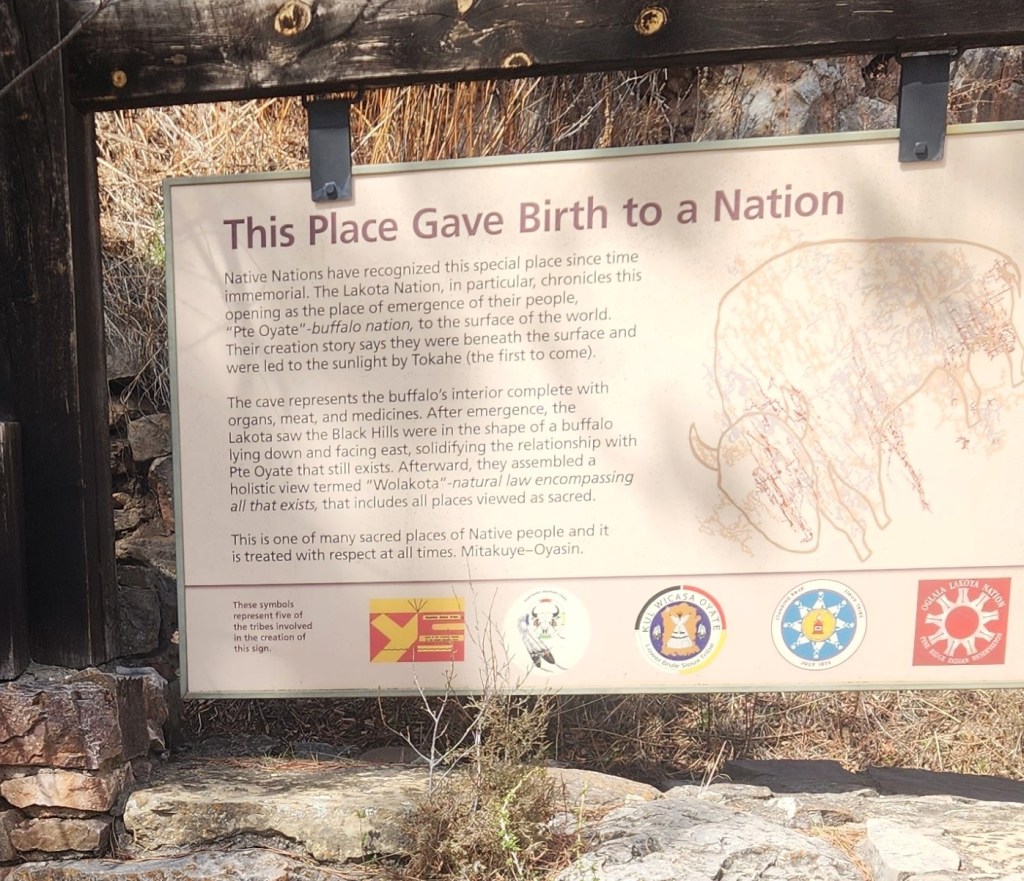
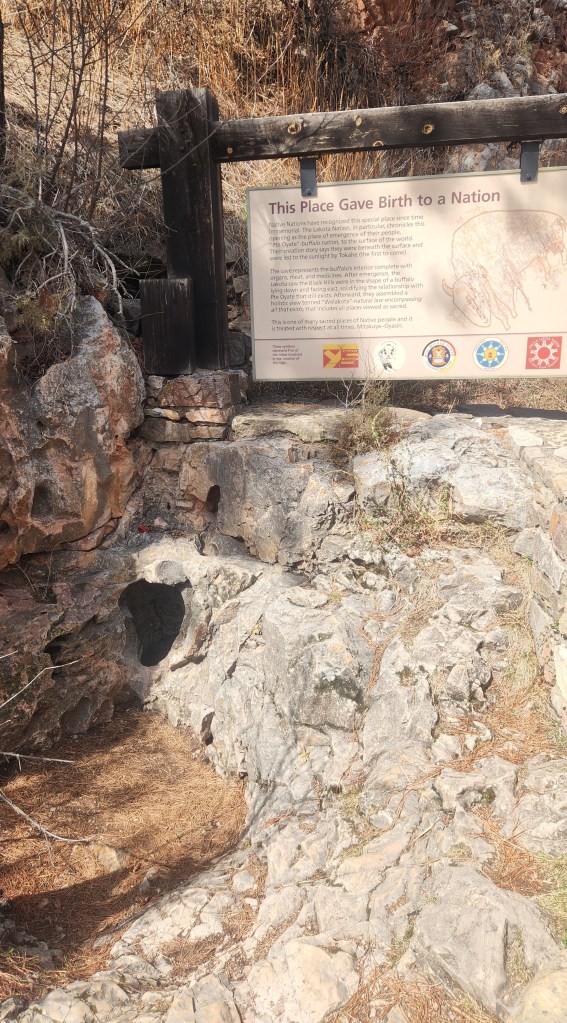
Sign Near Original Cave Entrance
The Original Wind Cave Entrance

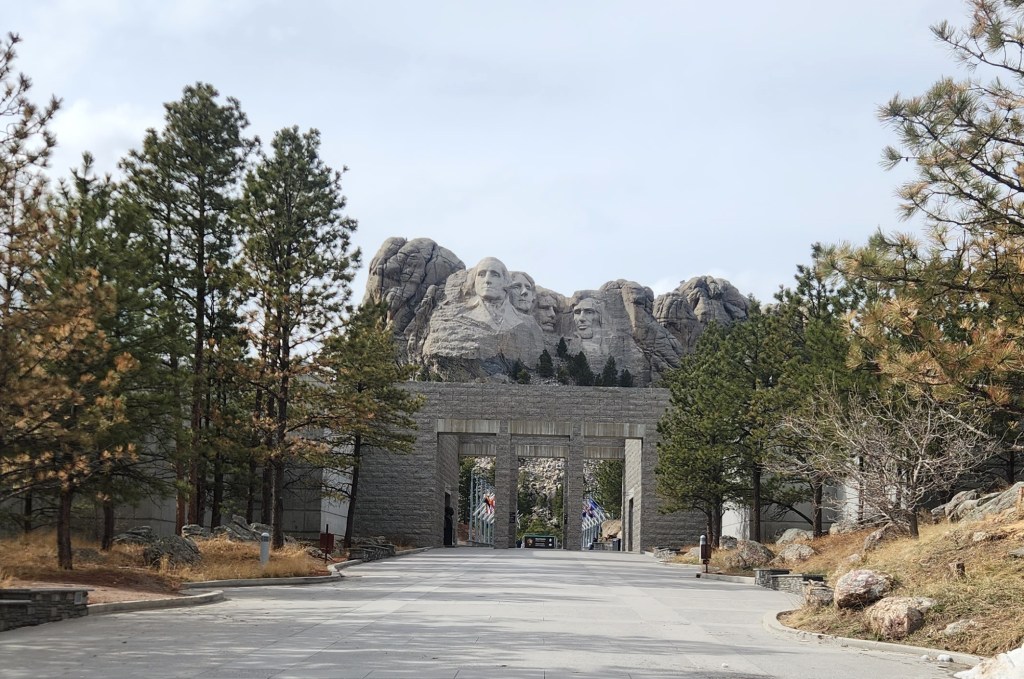
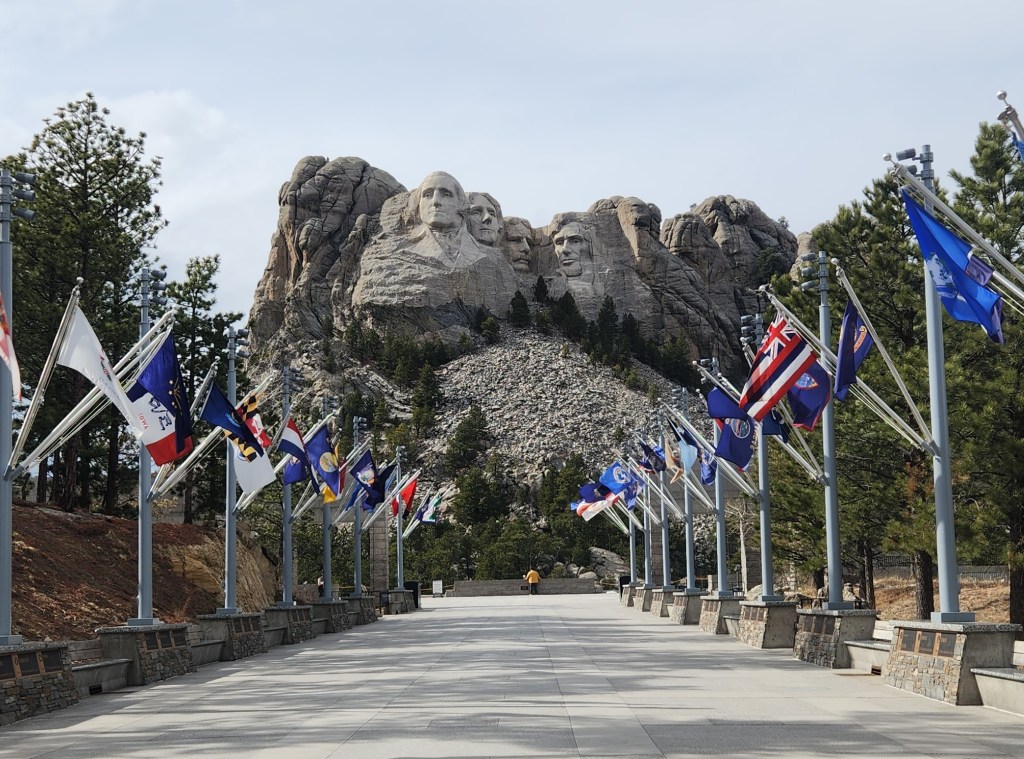
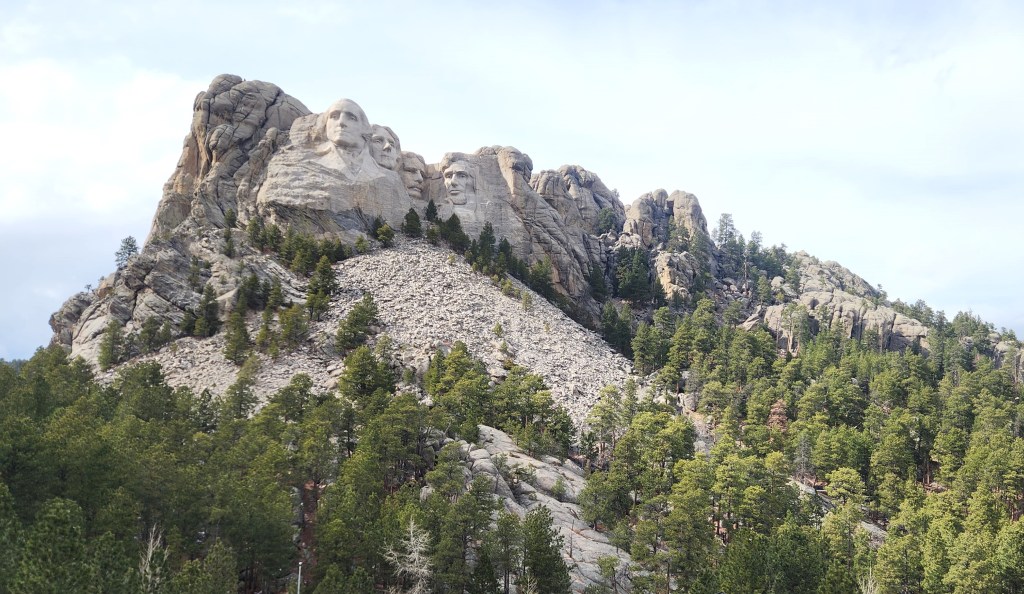
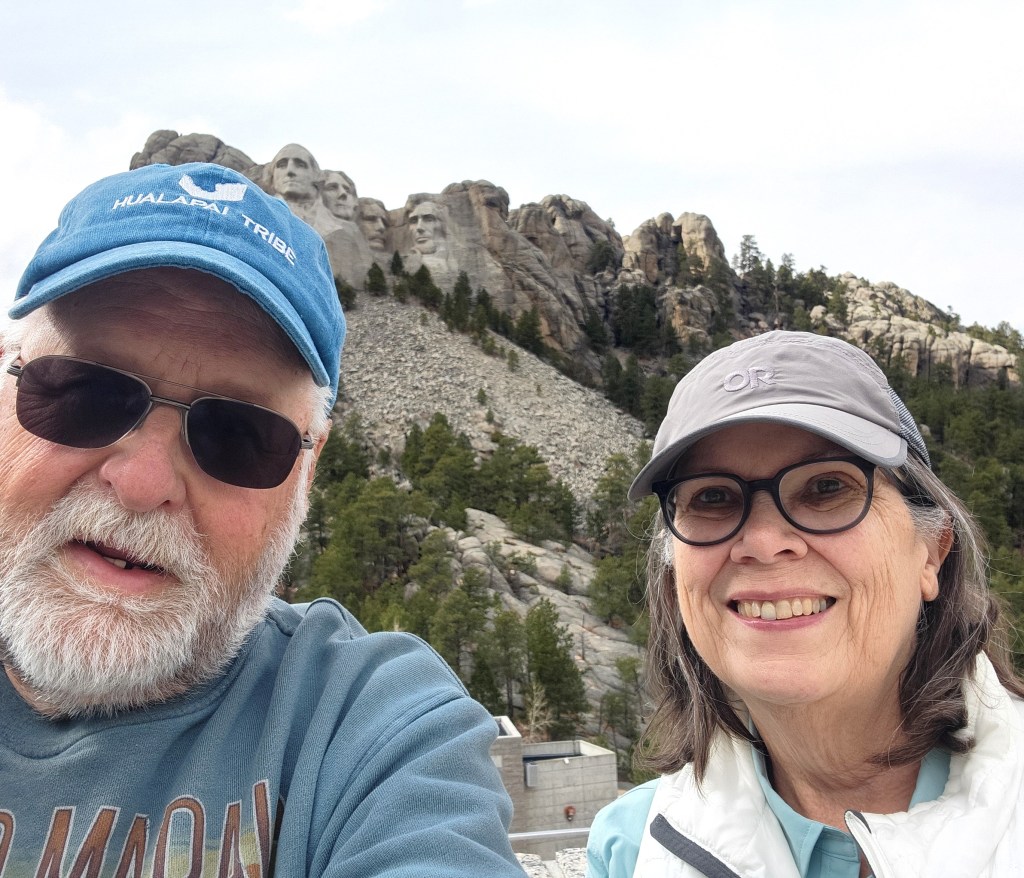
Mount Rushmore National Memorial: Since we were so close to this iconic piece of Americana, we had to stop and check it out. Unfortunately, the temperature was falling precipitously and the wind was rising, so, lacking appropriate cold weather wear, we didn’t spend a whole lot of time checking it out. There are some nice trails there, but they were closed due to the weather and we were too cold to go on them anyway. We did sit by a fireplace to watch a nice video and have some refreshments before leaving, though. One neat thing: it cost us only $5 to enter and park the car (half-price for seniors), and our ticket is valid for an entire year, so if we make it back out that way during better weather, we’ll stop in again.

Entrance to the Mount Rushmore National Memorial
An array of U.S. State and Territorial Flags leads to the viewing area
In better weather, we could have walked up a trail for a closer view
Just so you know we were really there …

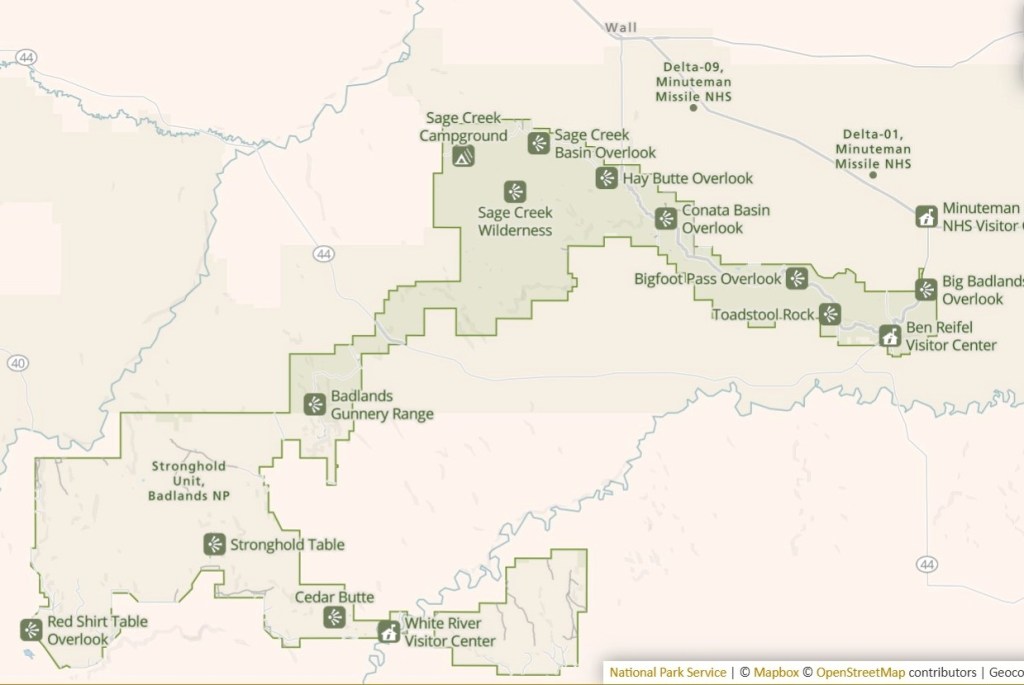
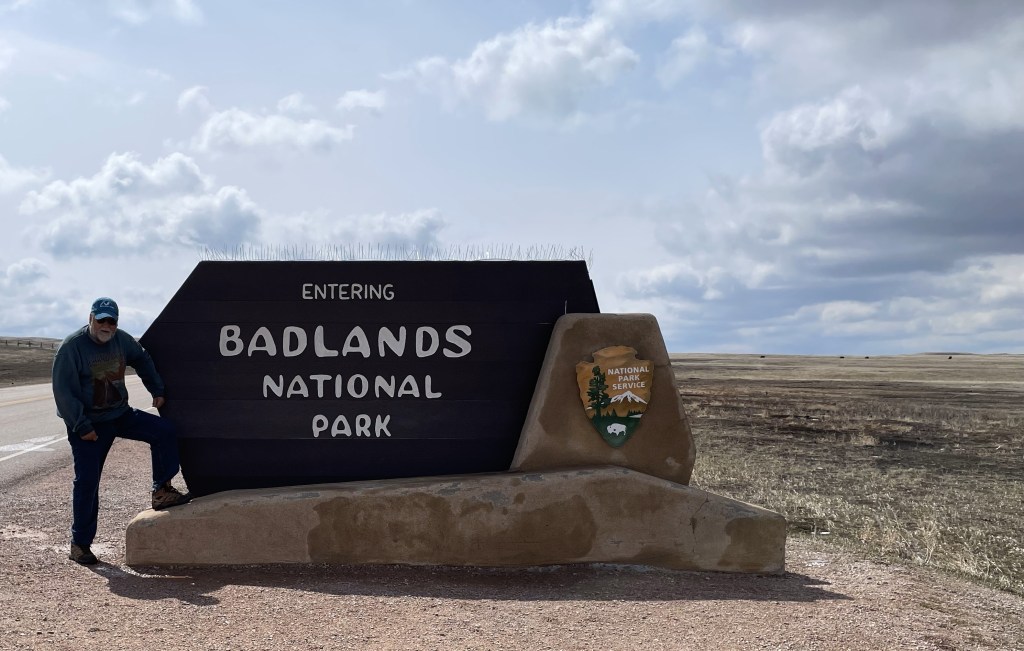
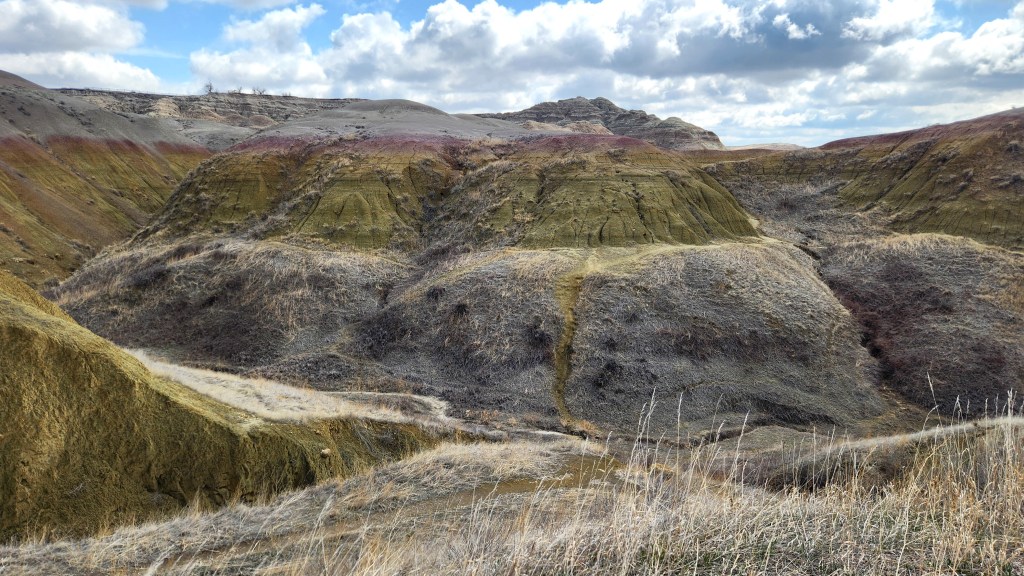
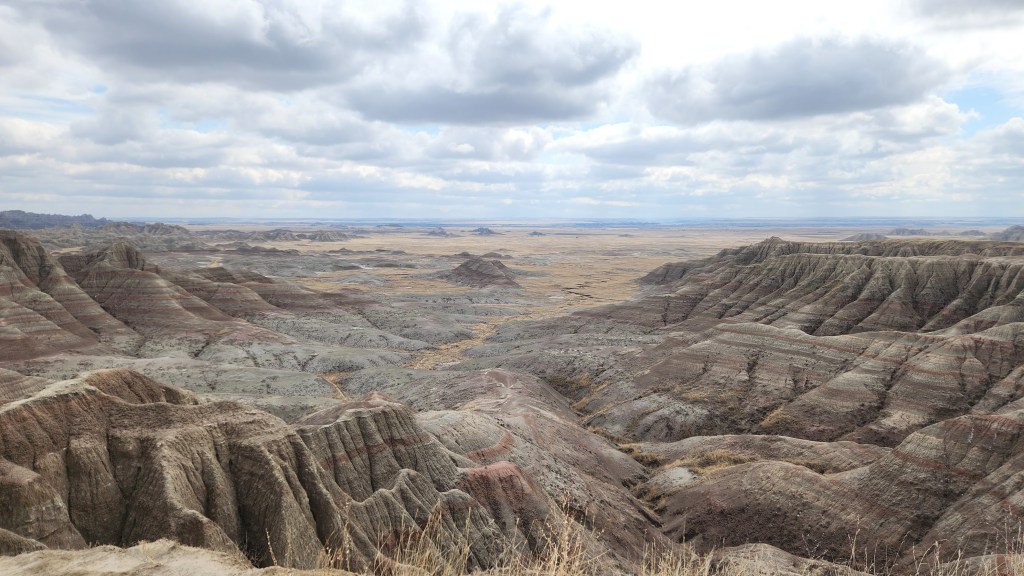
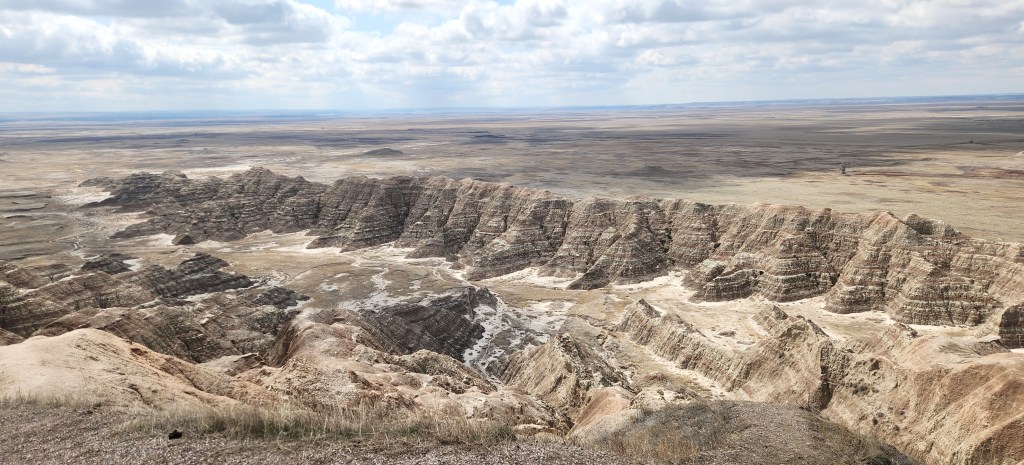
Badlands National Park: Afterspending Thursday night in Rapid City, SD, we drove to Badlands National Park, which brought our total number of National Parks to 31 so far. As you see on the map above, we failed to avoid Wall Drug as I had planned, but the only reasons we went there were: 1) to charge the car, and 2) to get on the road that enters Badlands from the north. I’ll admit that we did go inside – to use the rest rooms, not to bathe in the kitsch. At any rate, after surviving Wall Drug, we drove south to the park entrance.

Map of Badlands National Park

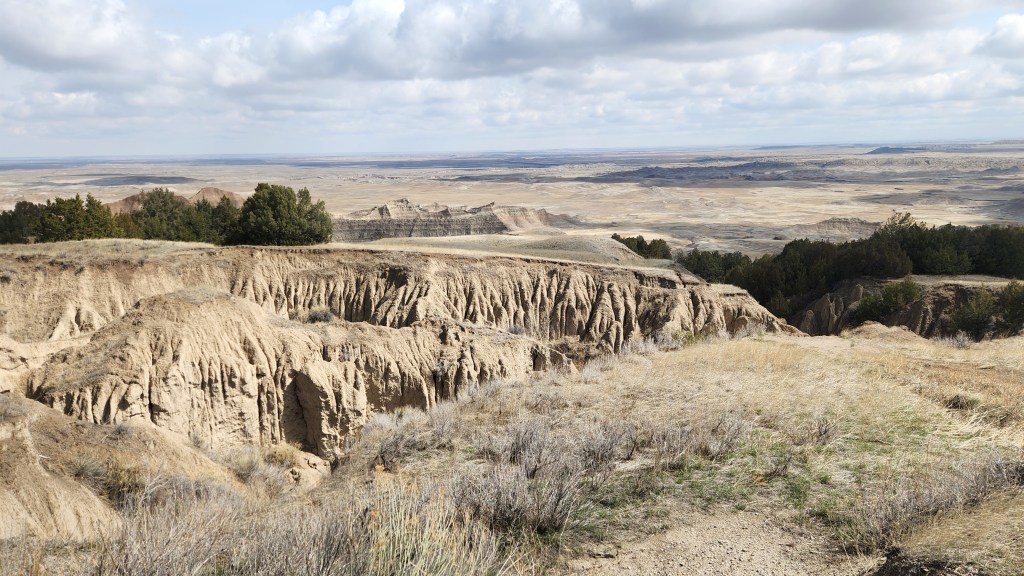
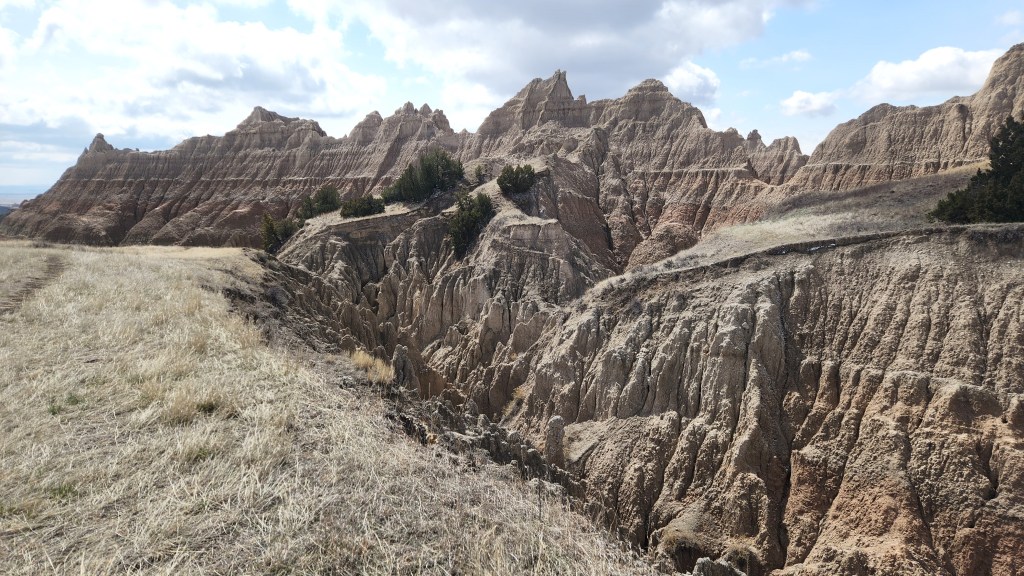
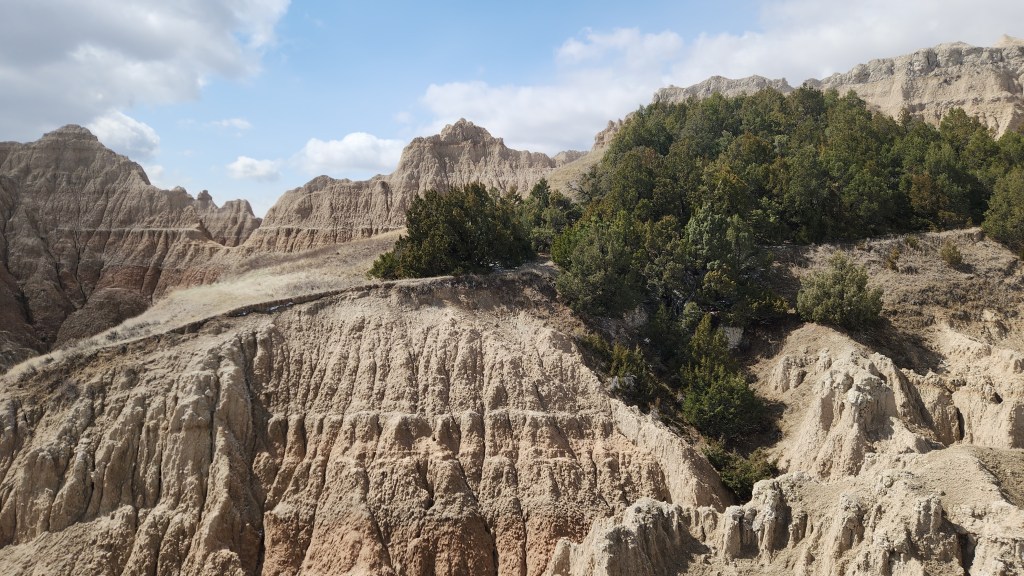
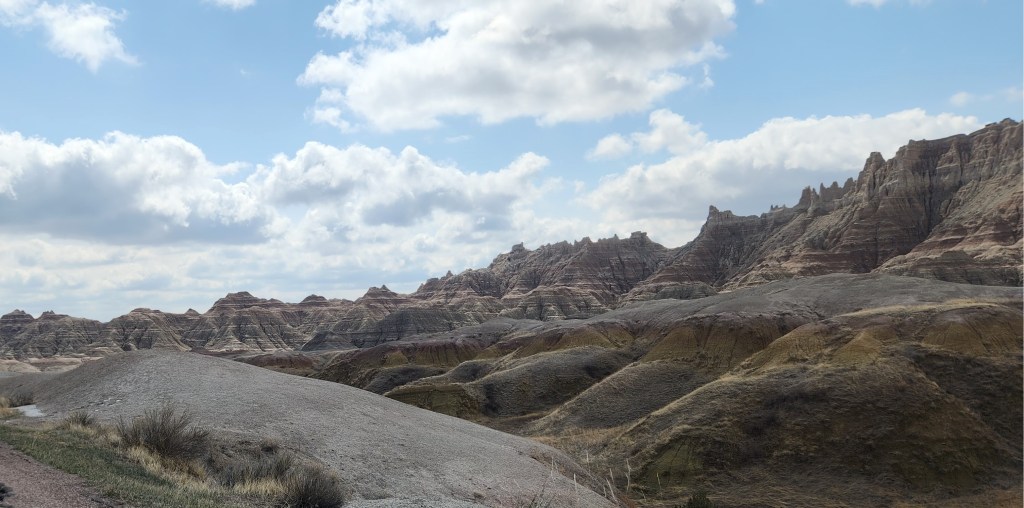
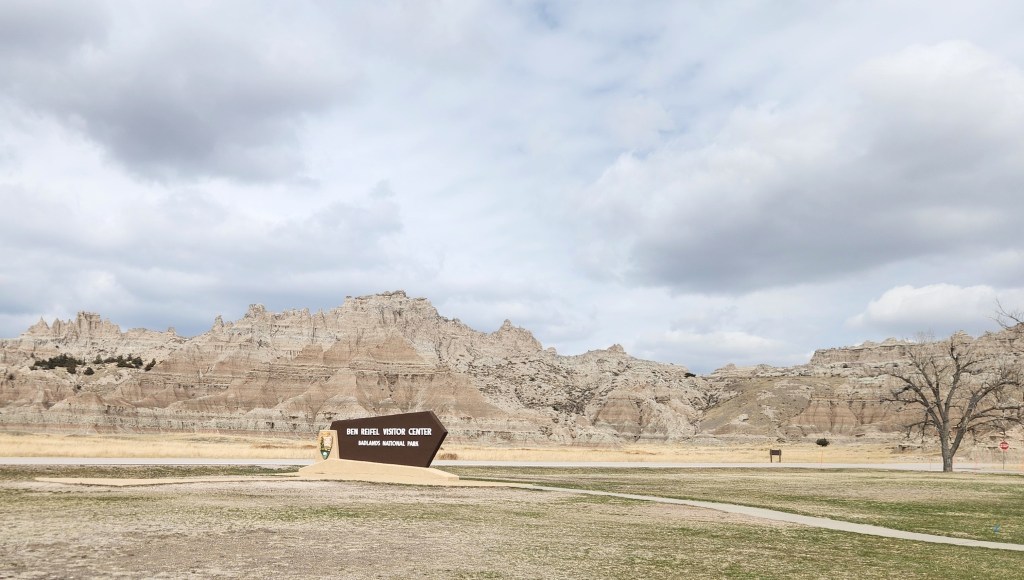
After stopping at the entry gate and showing my Senior Parks Pass, we headed southeastward through the park to the Ben Reifel Visitor Center. We had somewhat of a repeat of the Capitol Reef experience – jackrabbit Dave, Pat growing impatient until she took over driving, and Dave gawking and taking crummy pictures through the car windows. At the Visitor Center, we watched a video (of course) and perused the exhibits before heading off to the east toward Sioux Falls. If I can sum up the park in one simple statement, I’ll use a quote from the video, which was something like: “Badlands is a geologist’s wonderland.” As is sort of becoming a pattern with these travel blogs, I’m running out of gas, and you probably are, too, so I’ll just finish off with pictures.

The North Park Entrance
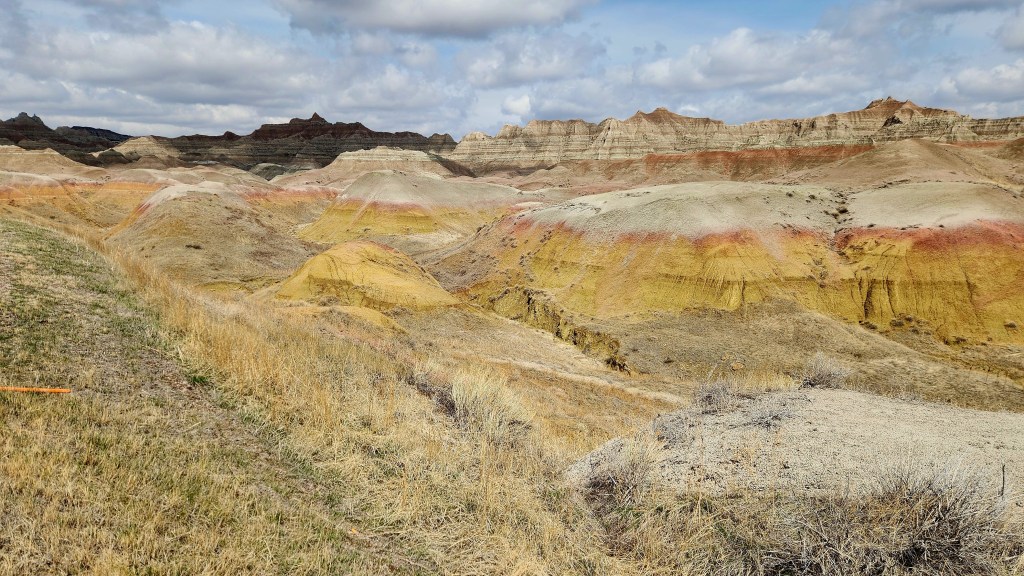
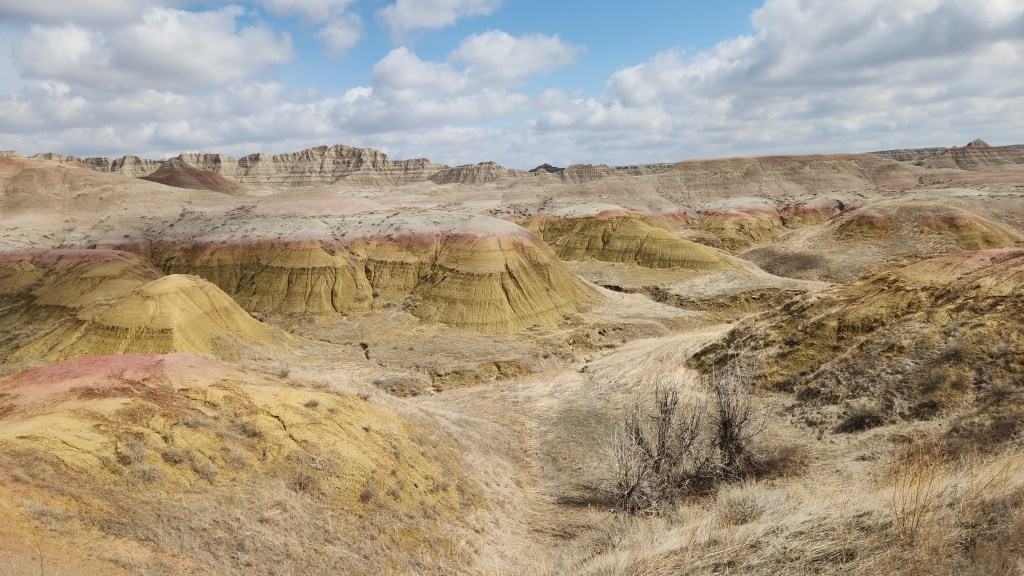
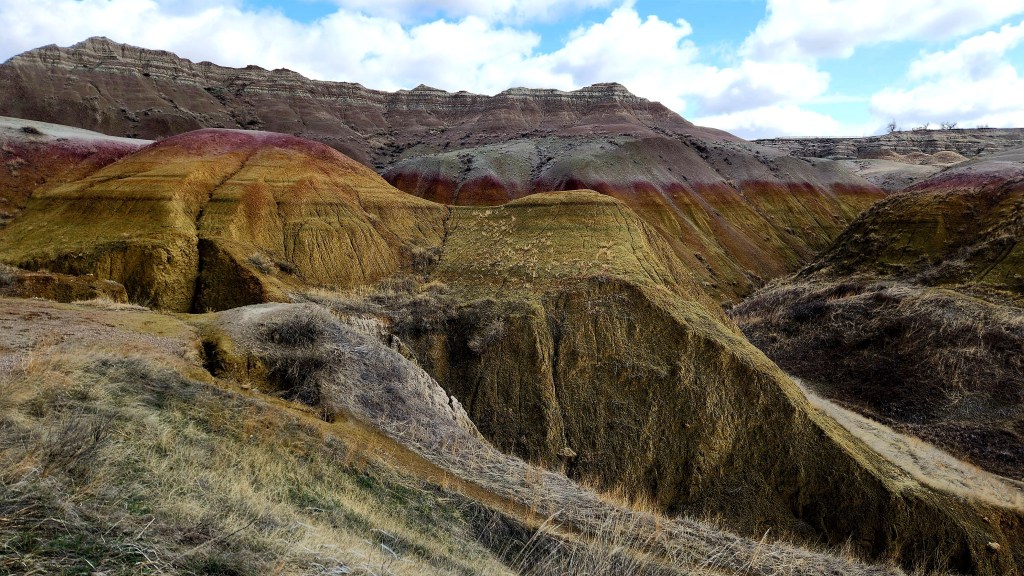
View of Badlands National Park from Scenic Drive Overlook
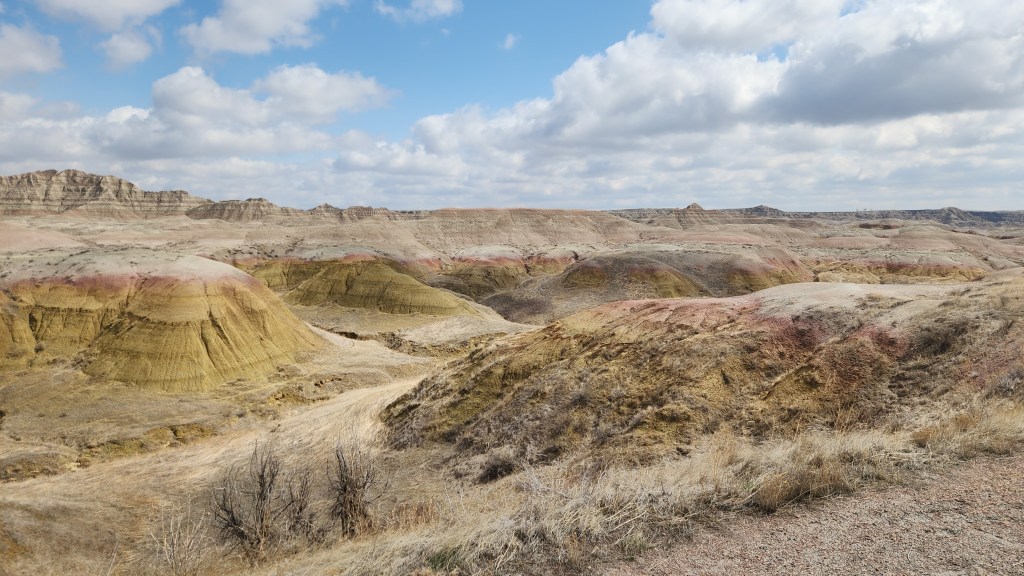
View from the Ben Reifel Visitor Center
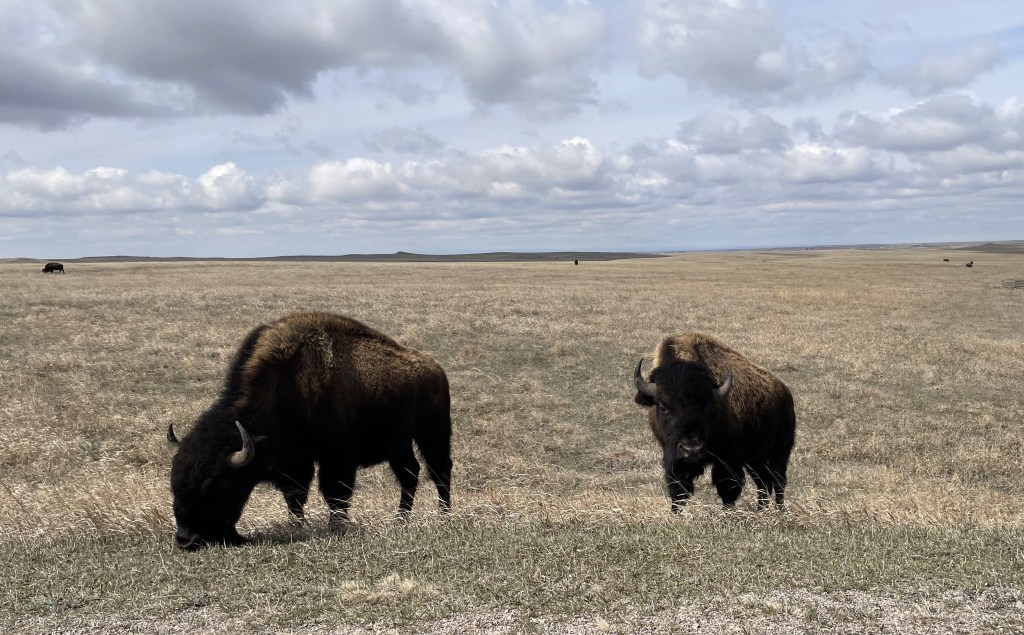
Bison have a beautiful Home on the Range
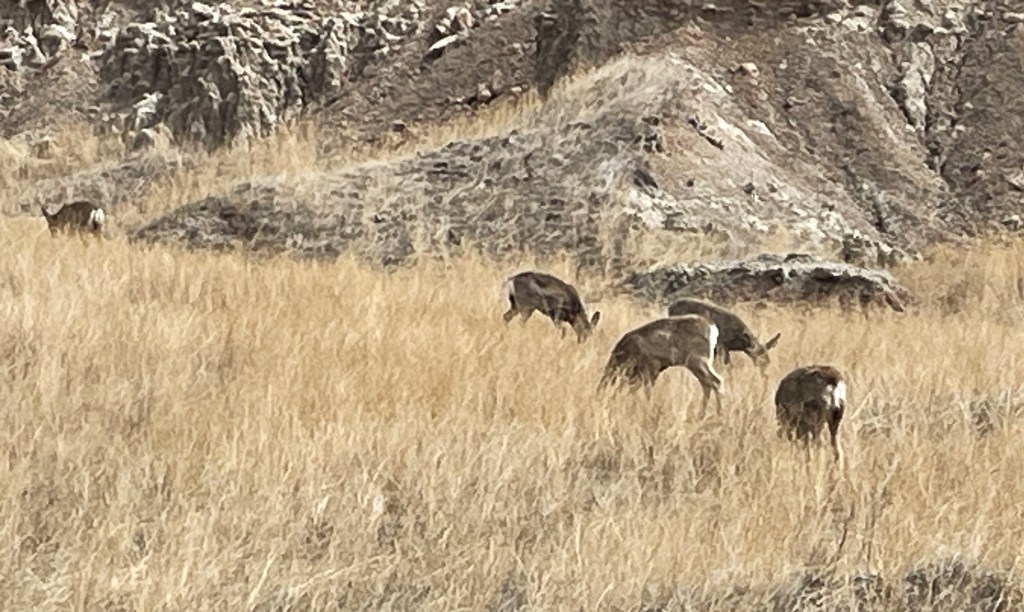
Pronghorn are also abundant

Okay, that’s a wrap for Pat and Dave’s Winter Warmup. After a night in Sioux Falls, we arrived safe and sound back home in Minneapolis on Saturday, April 5. We once again enjoyed traveling to the beautiful southwestern United States, visiting some familiar locales and some new ones, each and every one interesting and enjoyable. I hope readers enjoyed sharing the adventure with me!

Our next planned travel adventure (no doubt to be documented in yet another travel blog series) will be in October and November of 2025, when we go on a Viking Ocean Cruise with pre- and post-cruise extensions. This time, Viking will be escorting us from Baveno, Italy to Athens, Greece.

Thanks for reading! Bon voyage, until next time …
Pat and Dave’s Nifty National Park Lark – PART 2

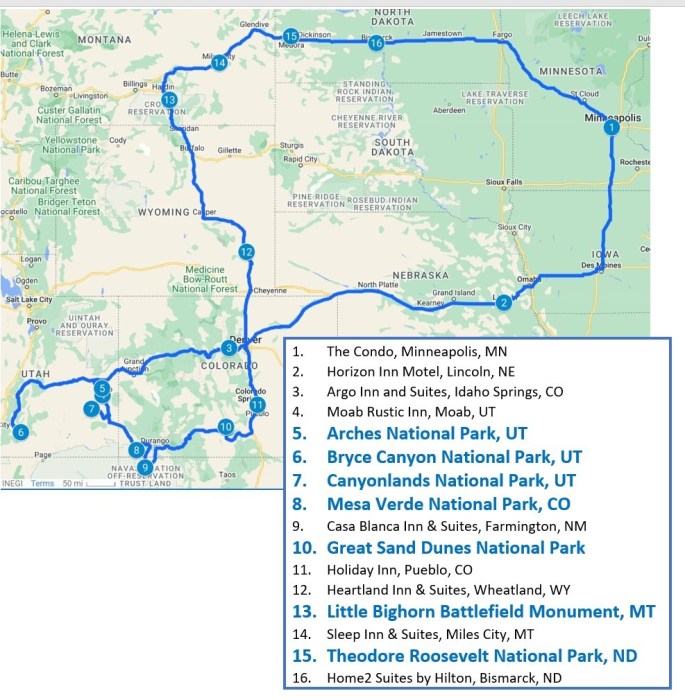
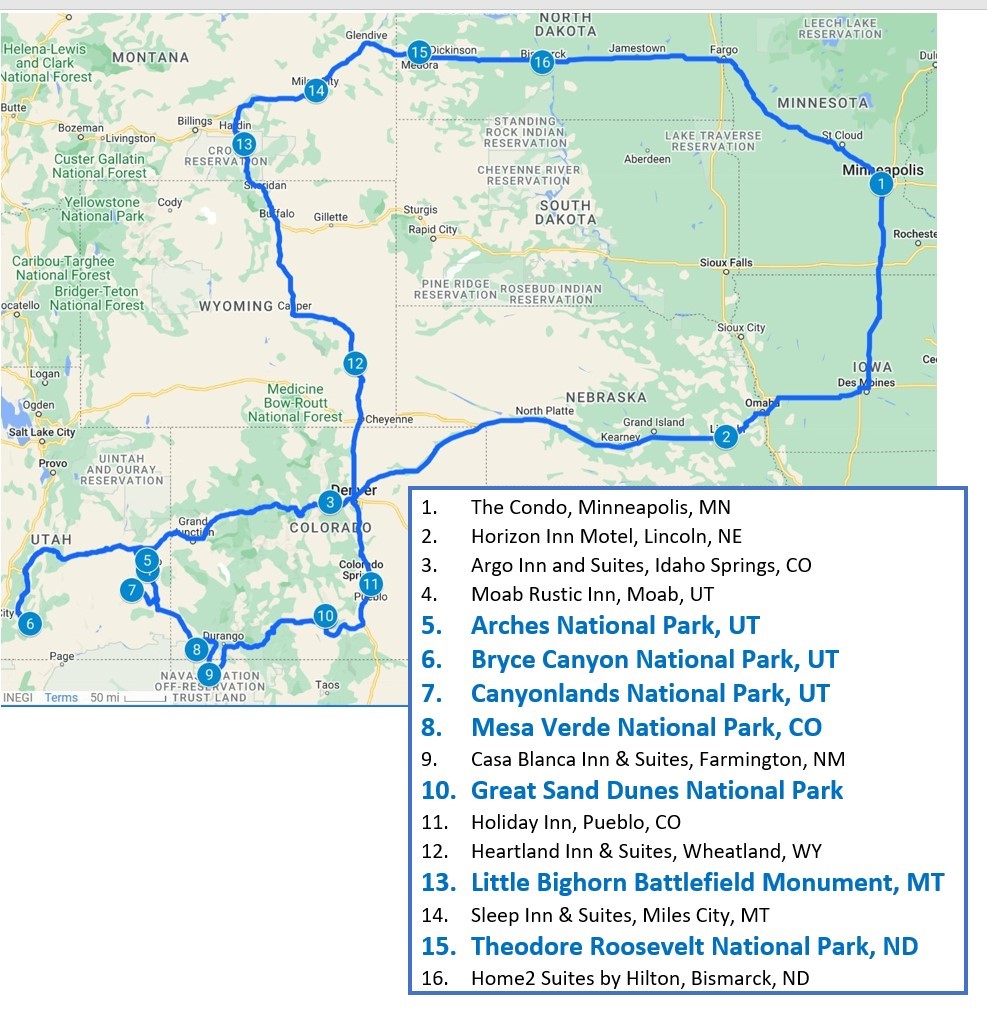
In Part 1 of this travel blog, I began the description of our recent 4,128-mile road trip, during which we visited six National Parks and one National Battlefield. As a reminder, here’s a map of the journey:

I’ll pick up the narrative again after our visits to the three National Parks located in Utah.

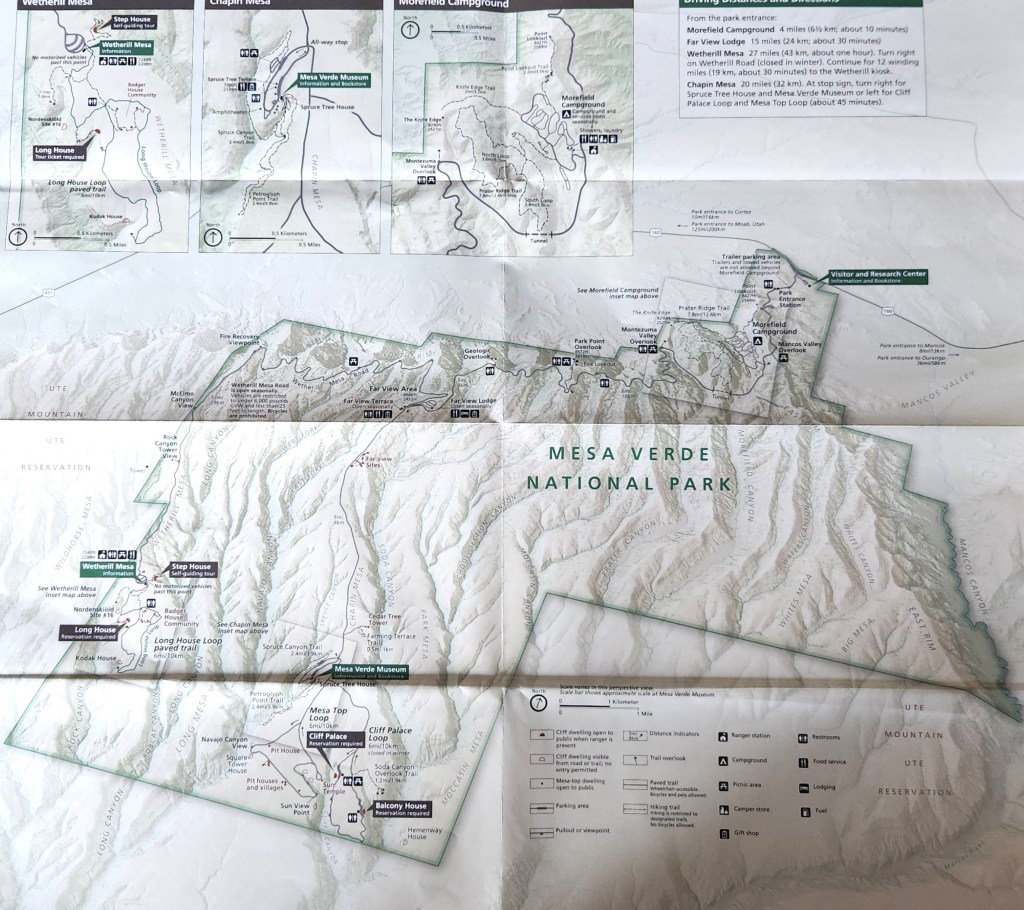
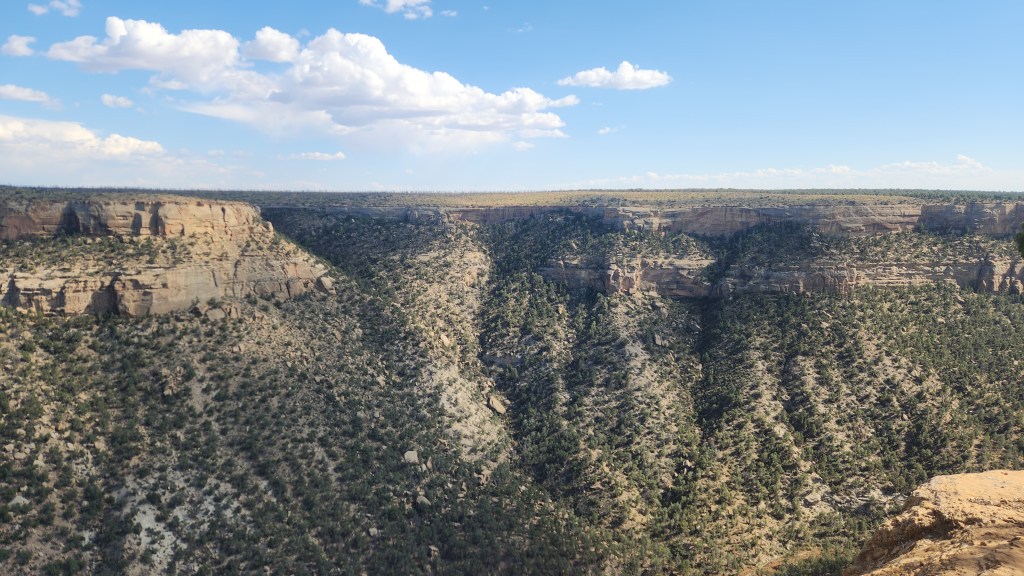
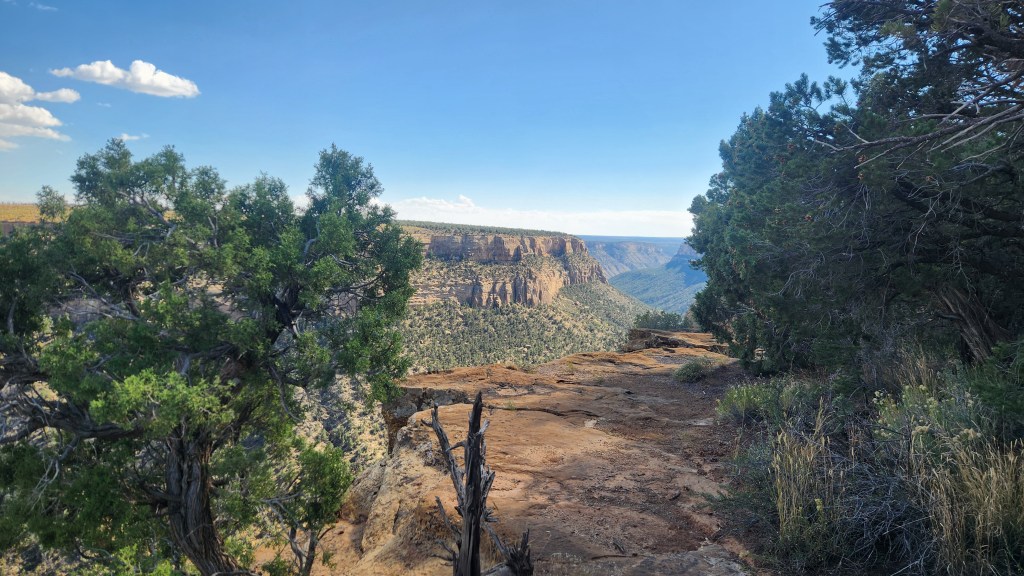
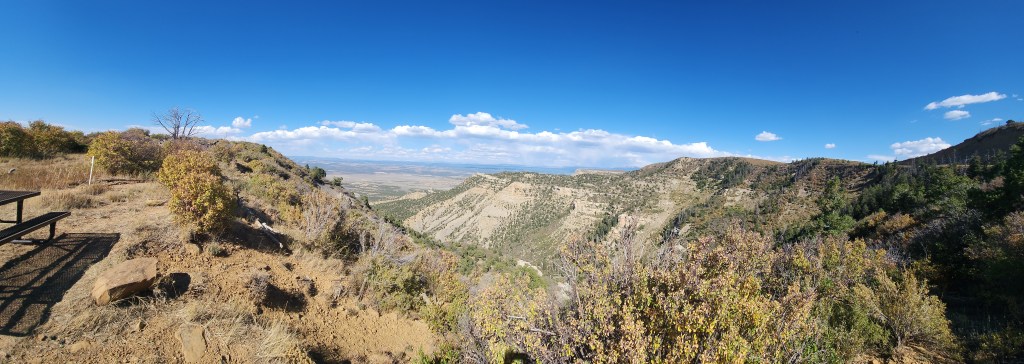
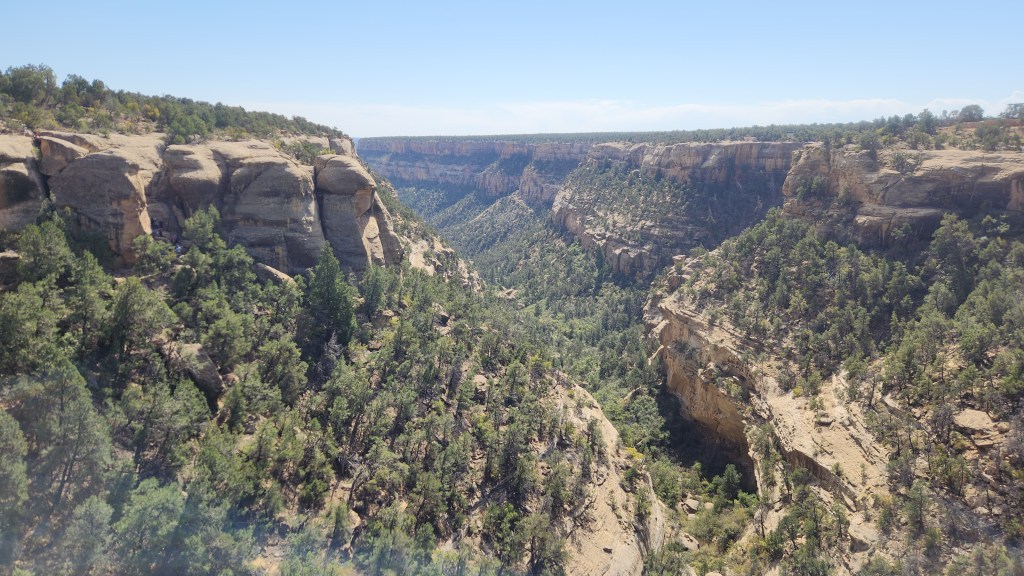
Mesa Verde National Park (October 9): I’d never heard of this park before the trip, but Pat suggested we check it out. The name for the area, which translates as “Green Table Mountain,” was coined by early Spanish explorers who noted the unusually lush greenery on flattened mountain tops separated by canyons. This was a misnomer, however, since the top of a mesa is almost perfectly horizontal, whereas the flatlands in the park actually are inclined at an angle of 7 degrees toward the south. Such an inclined, flat surface is known geologically as a cuesta, so that the “proper” name for the park perhaps should have been “Cuesta Verde.” At any rate, the park is very picturesque, with a well-maintained road that winds among the canyons to provide access to the various points of interest. Here’s a map:

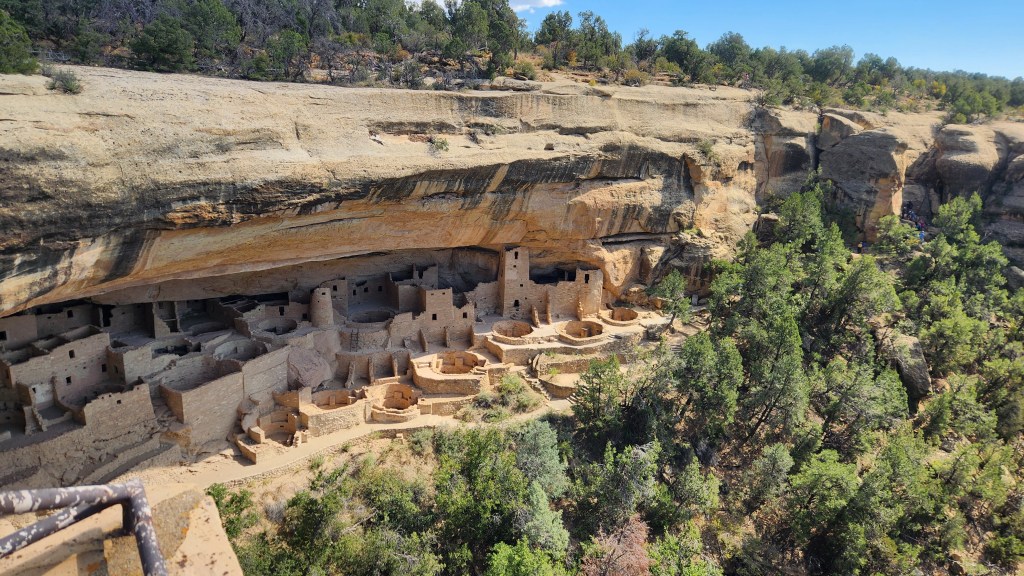
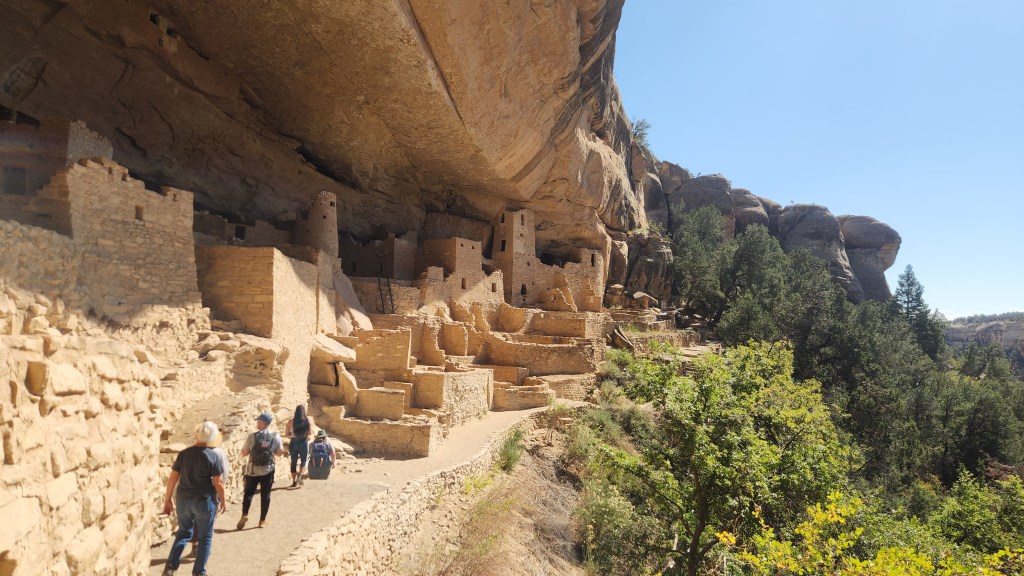
The cuesta top land is covered by soil, providing a much more fertile climate then the surrounding desert land. As such, it became an attractive home for the Pueblo people who began growing corn in the area as early as 1000 BCE and lived in villages on the surface near the crop fields. The people flourished as corn production increased and a thriving trade economy developed, with the population of Mesa Verde reaching about 40,000 at its peak in the 1200s. Around that time, the inhabitants began constructing and moving into cliff dwellings adjacent to the flatlands, which provided access to potable water via seep springs, protection from heat and rain, and places for storage of grain, clothing, and manufactured items such as baskets. One of the largest of these dwellings, known as the Cliff Palace, is a main feature of the National Park.

The highlight of our visit to Mesa Verde was a ranger-guided tour of the Cliff Palace. On the evening before our visit, we obtained tickets for a 1:30 PM tour on October 9 ($8.00 apiece) using my Recreation.gov app. We arrived at the Visitor Center around 10:30, watched a nice movie about the park (of course!), and then ogled the spectacular scenery while driving to the Chapin Mesa area.

View from Roadside Overlook

Once at the Chapin Mesa area, I bought a souvenir T-shirt at the Mesa Verde Museum and we ate lunch at a nice cafeteria before our tour. Access to and exit from the Cliff Palace was a bit challenging, including stone steps, some narrow passages, a path that was precariously close to the cliff edge in places, and even a series of wooden ladders –the ranger was very careful to stress the hazards before we started – but the tour was well-worth it. I highly recommend it for anyone traveling to Mesa Verde, as long as they are fit enough for the climb down and out again. There were a couple of people on our tour (out of about forty total) who seemed a bit wobbly to me, but everyone managed to navigate it safely.

The Cliff Palace
Canyon Adjacent to the Cliff Palace
Touring the Cliff Palace

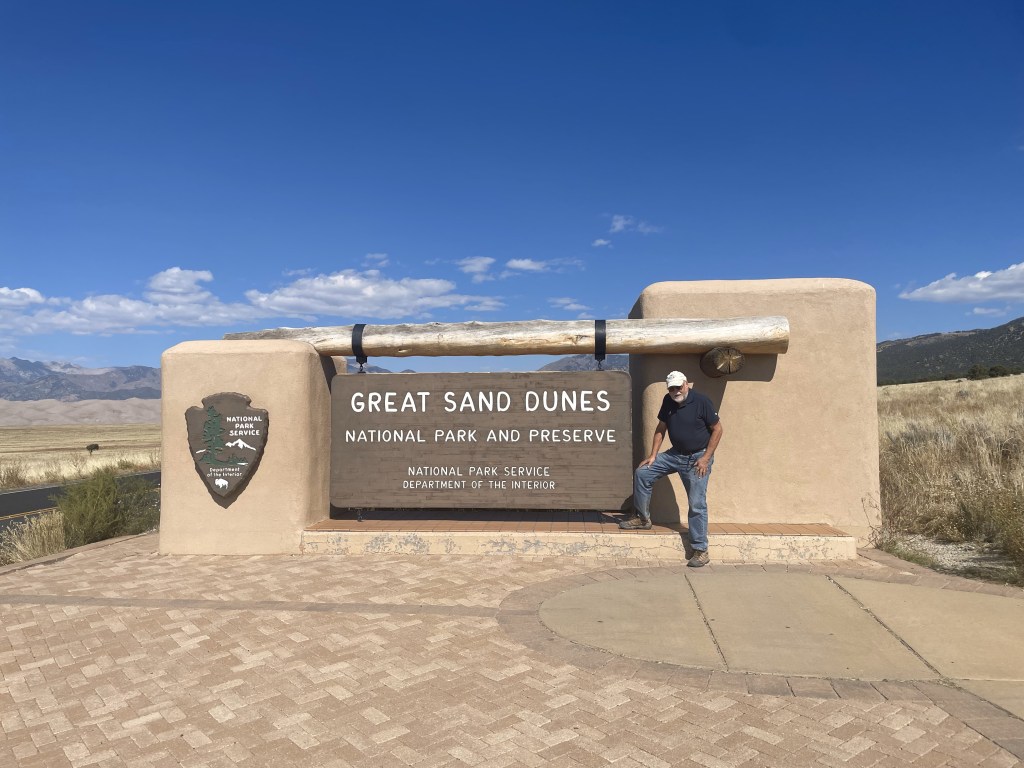
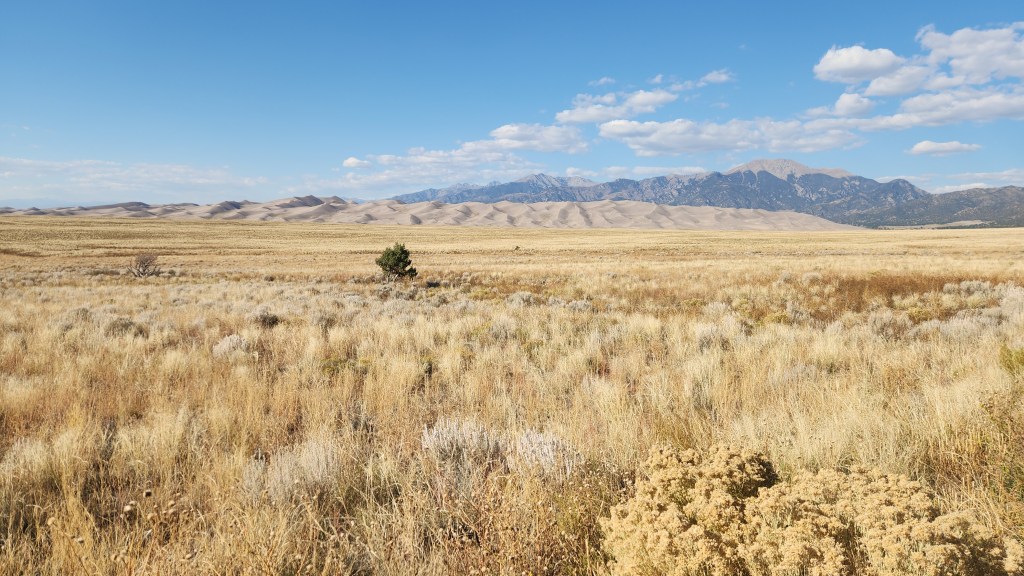
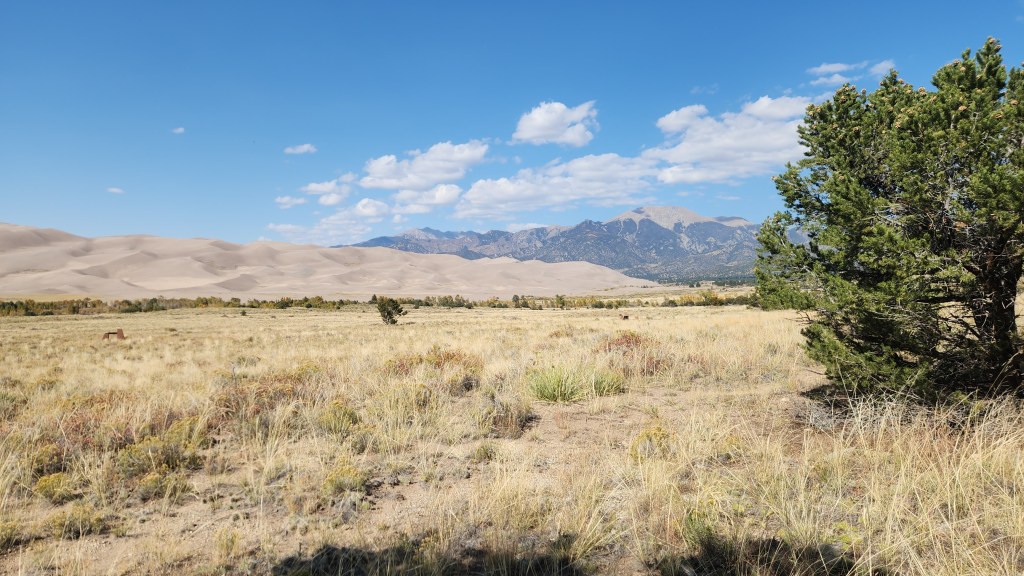
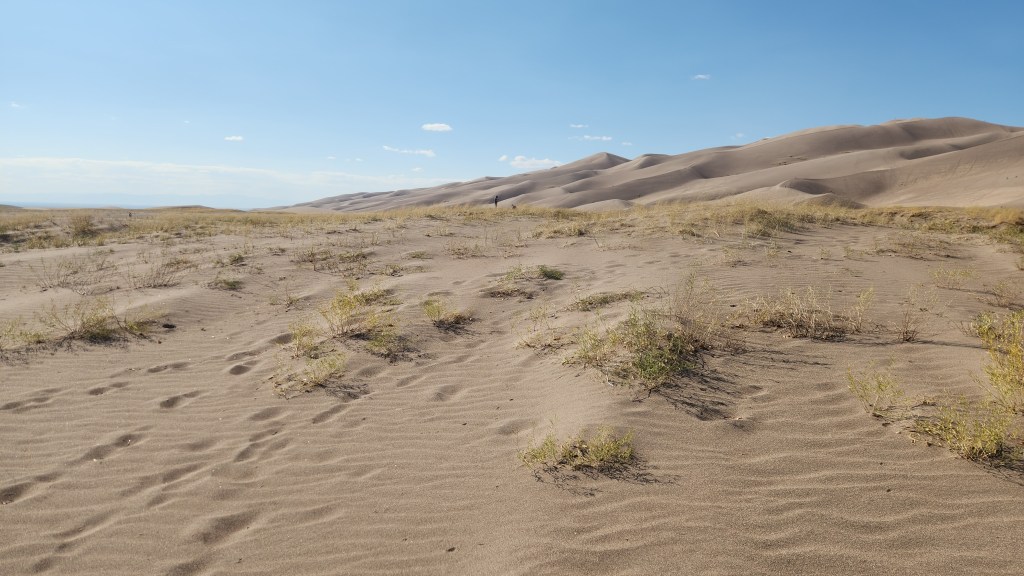
Great Sand Dunes National Park (October 10): This is another one I had not heard of before this trip, and once again I give credit to Pat for steering us there. After driving for about four hours from the Casa Blanca Inn, we were approaching the National Park from the south over a flat plain that extended for many miles with a view of some mountains in the distance, and I began to wonder if we had taken a wrong turn since there appeared to be nothing of real interest on the horizon. However, a huge pile of sand gradually began to take shape and we eventually came to the park entrance sign.

No, we hadn’t made a wrong turn …
Introductory View: Great Sand Dunes and Sangre de Christo Mountains

We proceeded to the Visitor Center and, naturally, watched a movie about the park and bought a souvenir T-shirt. (Perhaps you’re beginning to realize that we are creatures of habit.) The film was absolutely mesmerizing to a fluid dynamicist such as myself. What does a huge sand dune have to do with fluid dynamics, you might ask? Plenty, it turns out. I learned that the Great Sand Dunes developed over thousands of years, beginning as sediment deposited in ancient lakes. As the climate warmed, the lakes disappeared, leaving a vast layer of sand behind. Predominant winds from the southwest blew much of the sand into a low curve of the Sangre de Christo Mountains, and periodic storm winds from the mountains pushed sand back in the other direction, causing it to build up into the immense dunes. The dune structure now maintains itself through an annual cycle as follows: the desert winds blow sand into the mountains during the fall and winter seasons, and then spring and summer floods wash sand back down via Medano Creek, which borders the sand dunes to the east and south. Another fascinating aspect of the system is that the water flow in Medano Creek exhibits a pattern of waves that is unique in the world due to the ebb and flow due to the large quantity of sand carried by the water. The only disappointment in all this was that, while the film included beautiful footage showing the water flow, the actual creek was completely dry at the time of our visit, as it always is in late fall and winter. In other words, a return visit during the spring or summer will be an absolute must.

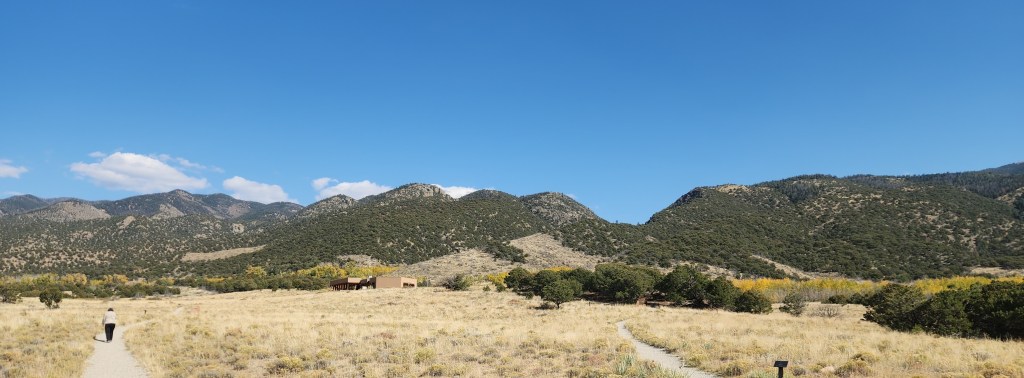
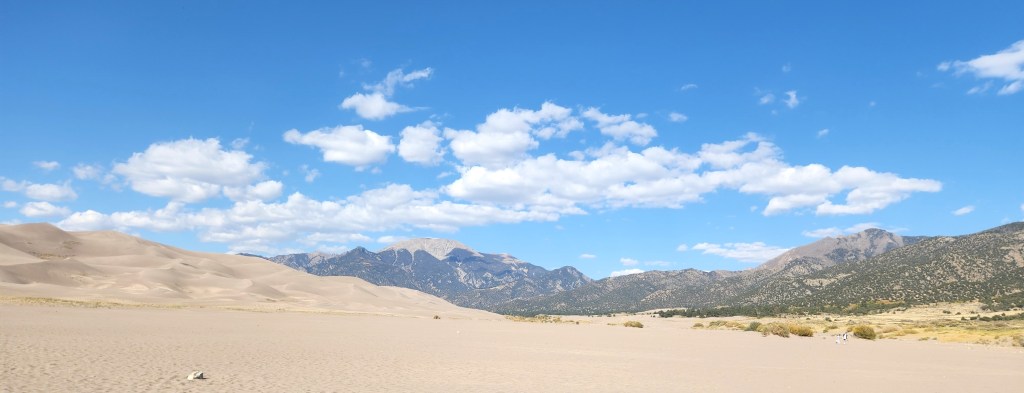
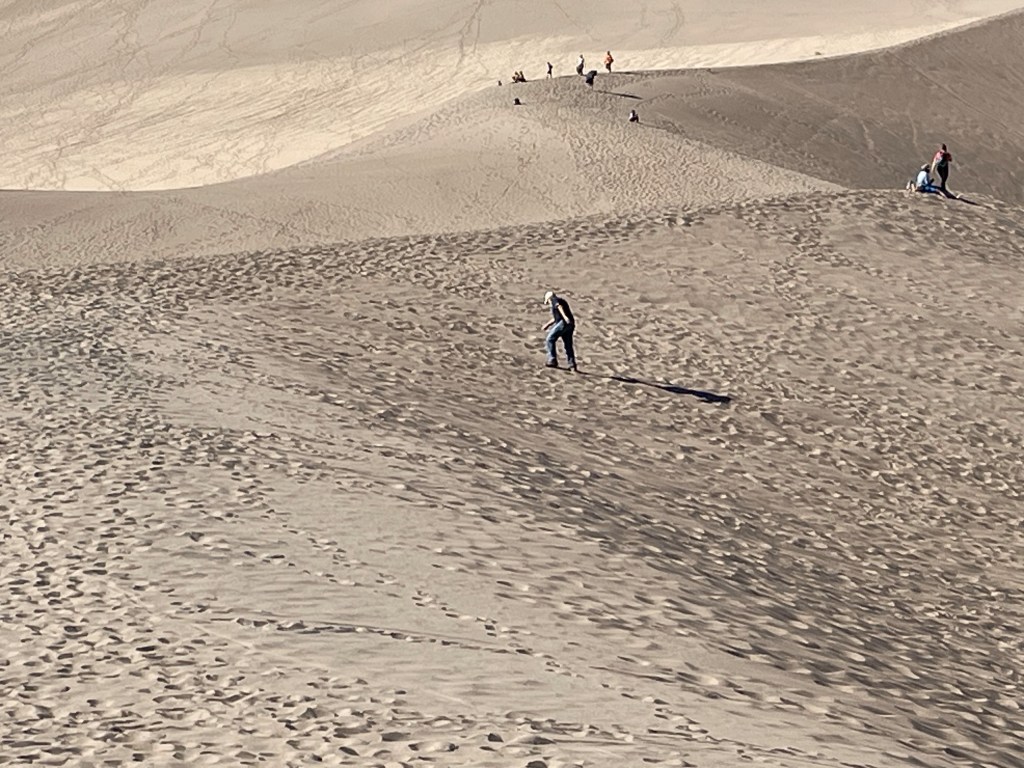
We did spend a couple of hours exploring the park, first walking around a nice loop trail near the Visitors Center, which offered great views of the dunes and the mountains and also had signs identifying the various species of local foliage, and then driving to a parking lot with access to the dunes. We walked for some distance on the coarse, khaki-colored sand, which made for very tough slogging. I found the immensity of the dunes very impressive, but in fact they were neither as accessible nor as interesting as the dunes at White Sands National Park, which we visited back in 2020, where the dunes of fine, white sand are easily accessible and more changeable in the wind. All of which again points to the need to visit Great Sand Dunes at the proper time of year, when the water is flowing.

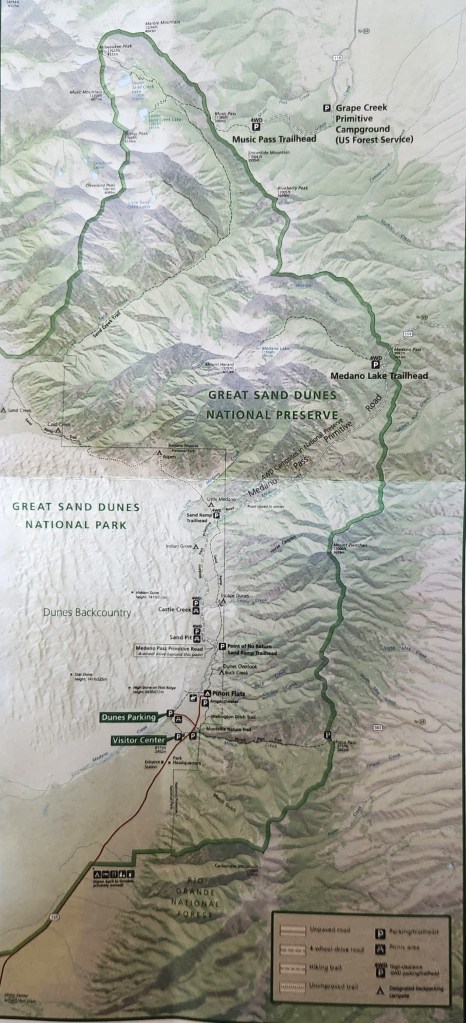
Map of Great Sand Dunes National Park
View from Nature Trail
The Great Sand Dunes
Slogging in the Dunes

Little Bighorn National Battlefield Monument (October 12): I first learned about the battle of the Little Bighorn some 65 years ago, when I was a young boy. At that time, it was universally referred to as Custer’s Last Stand and portrayed as a tragic loss in the righteous war to subjugate the Native people. One of the first things I saw that presented somewhat of an alternate view of the battle was the 1958 movie, “Tonka,” starring Sal Mineo in a non-PC role as a young Lakota who captures and tames a wild stallion (the titular Tonka) before eventually joining Custer’s 7th Cavalry and surviving the battle. I suspect the film was actually quite biased, but somehow it sparked an interest in me and planted a seed of doubt about just how “righteous” the white man’s war actually was. I have since read many things about the conquest of the Native peoples, George Armstrong Custer, Sitting Bull, Crazy Horse, and the battle at Little Bighorn which have confirmed those early doubts. I also remember seeing an episode of “The Twilight Zone,” in which three US Army soldiers on a tank training exercise find themselves retracing Custer’s movements – after some rather mysterious goings on, the final scene shows the three men’s names on grave markers at the Little Bighorn Battlefield site. All of this background left me with a curiosity to see the actual battle site. Since we were traveling not too far from it, I suggested that we add it to our itinerary.

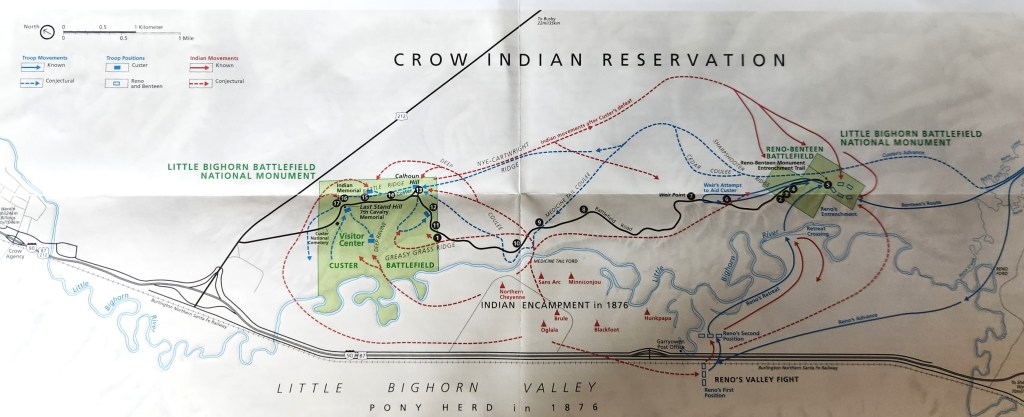
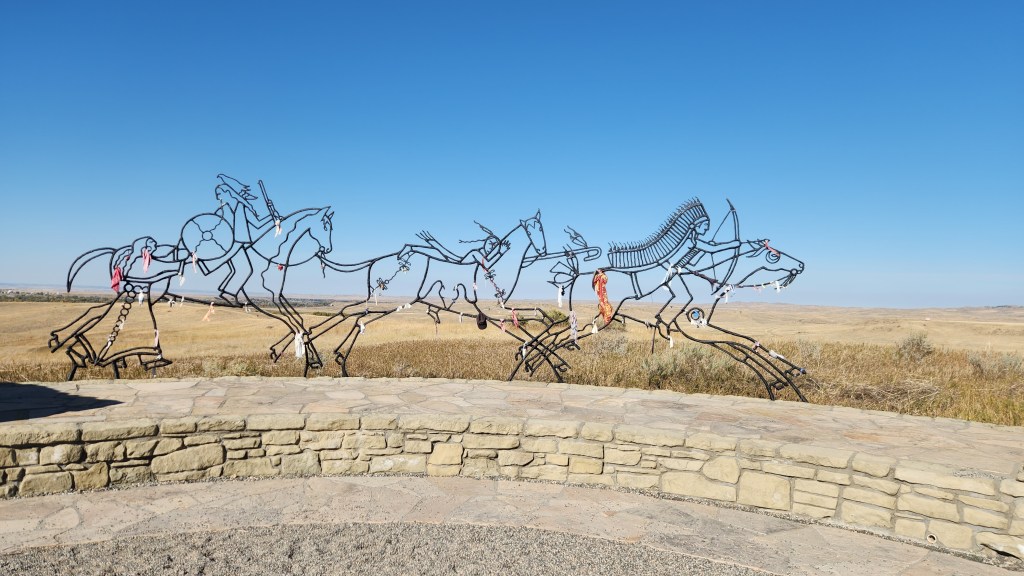
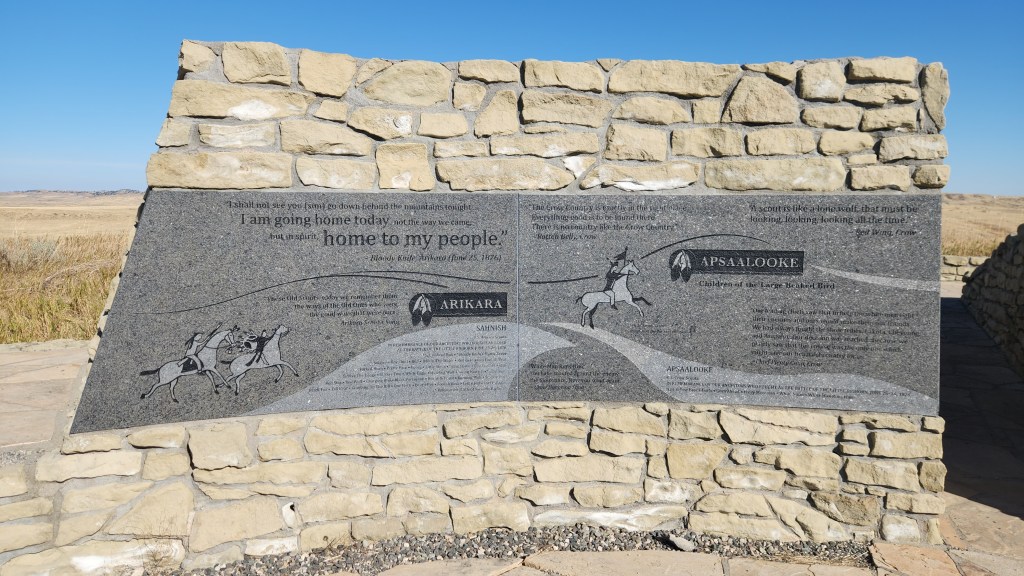
The Little Bighorn Battlefield National Monument was originally established by the Secretary of War in 1879 as a National Cemetery to commemorate the battle and preserve the graves of the soldiers and their allies who died there. In addition to those who died in the 1876 battle, the site includes graves of many hundreds of soldiers who subsequently served in the military in an area called Custer National Cemetery. The site was transferred to the National Park Service in 1940 and eventually given its present name in 1991 by an Act of Congress, which also decreed that an “Indian Memorial” be added to the site near Last Stand Hill. Here’s a map of the site:

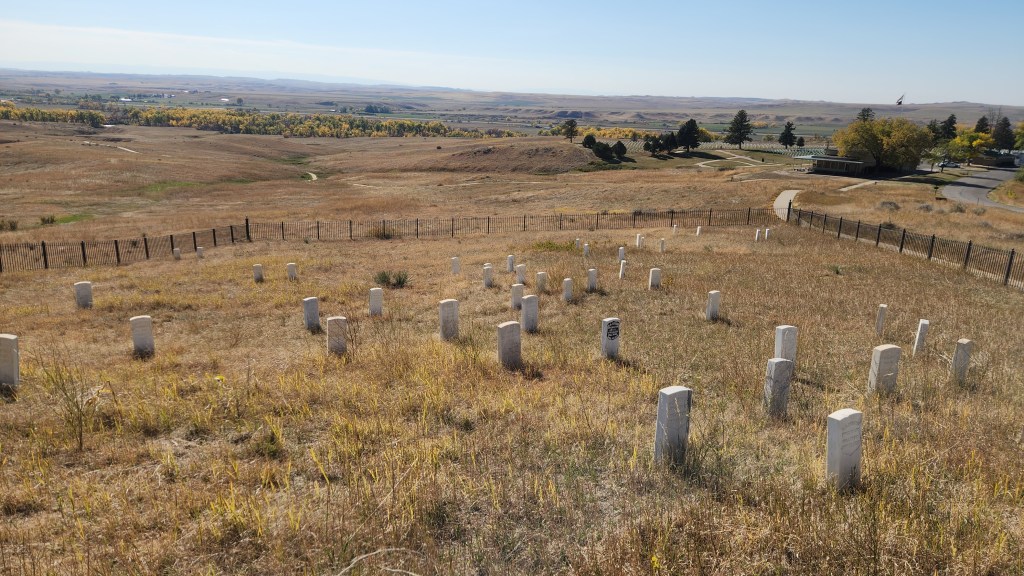
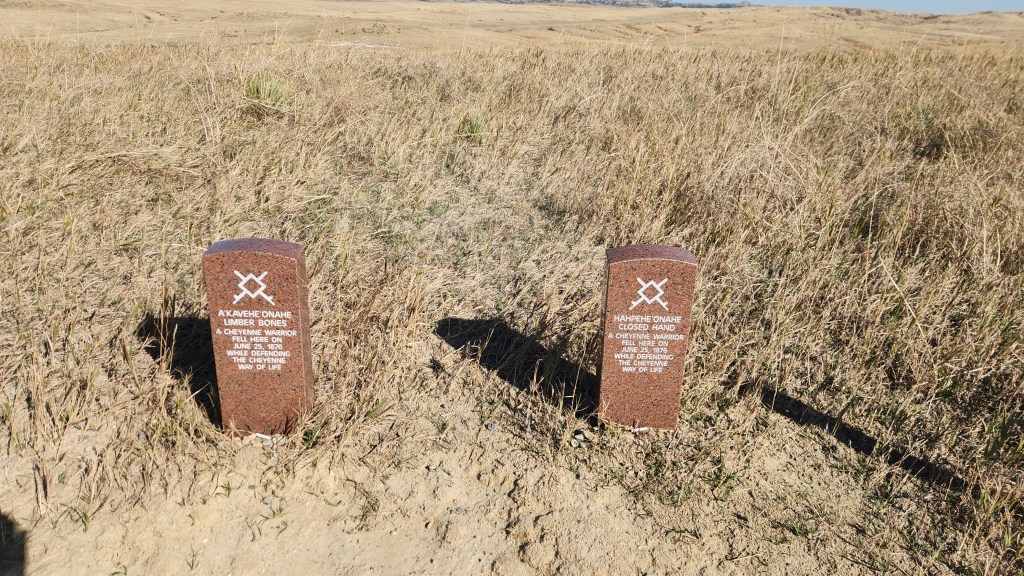
We spent about an hour walking around the area near Last Stand Hill and the newer Native People’s memorial and then driving along Battlefield Road to see the various points of interest. In addition to white gravestones marking places where 7th Cavalry soldiers fell, newer, granite markers have been added to mark places where some of the opposing Native warriors died. The site was interesting, and I was pleased to see that the NPS is trying to present a more balanced view of history than I remember from the 1950s. I would hope that all Americans can agree that this is a good thing (though I have my doubts given ongoing efforts by many to recreate the 1950s version of history).

7th Cavalry Gravestone Markers
Fallen Warrior Native Markers
Native People’s Memorial
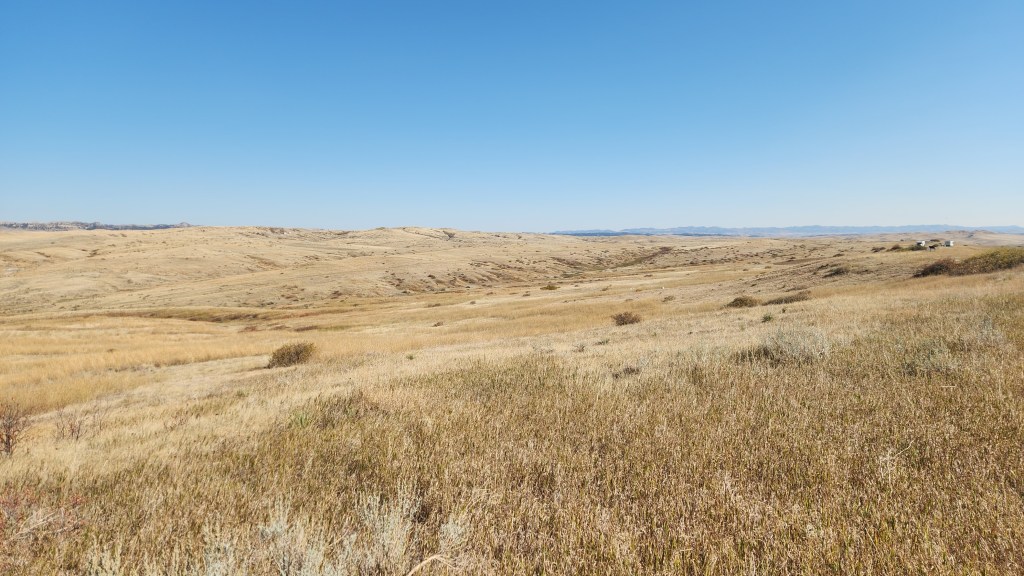
View from Battlefield Drive

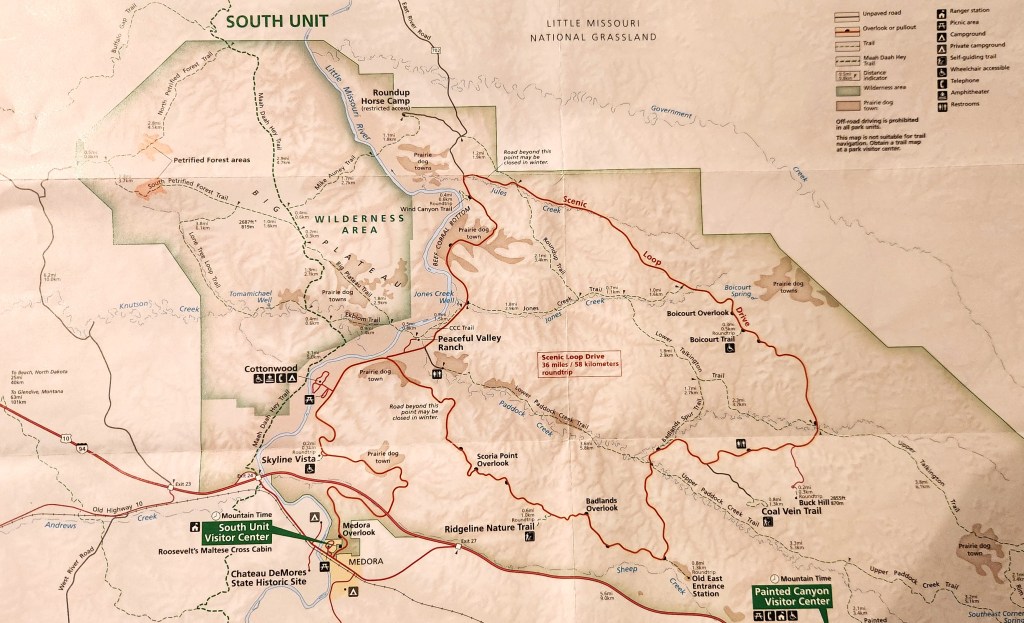
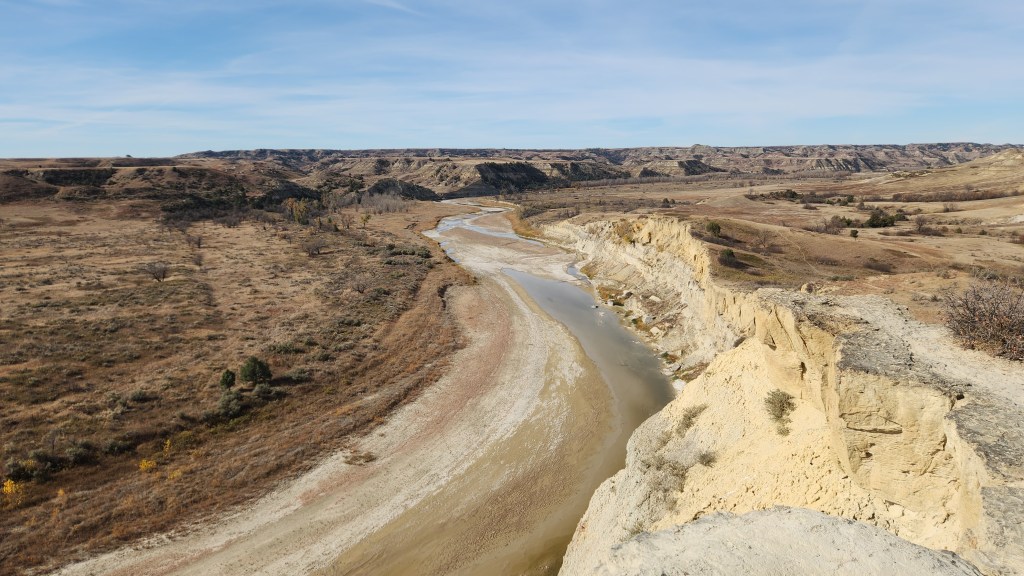
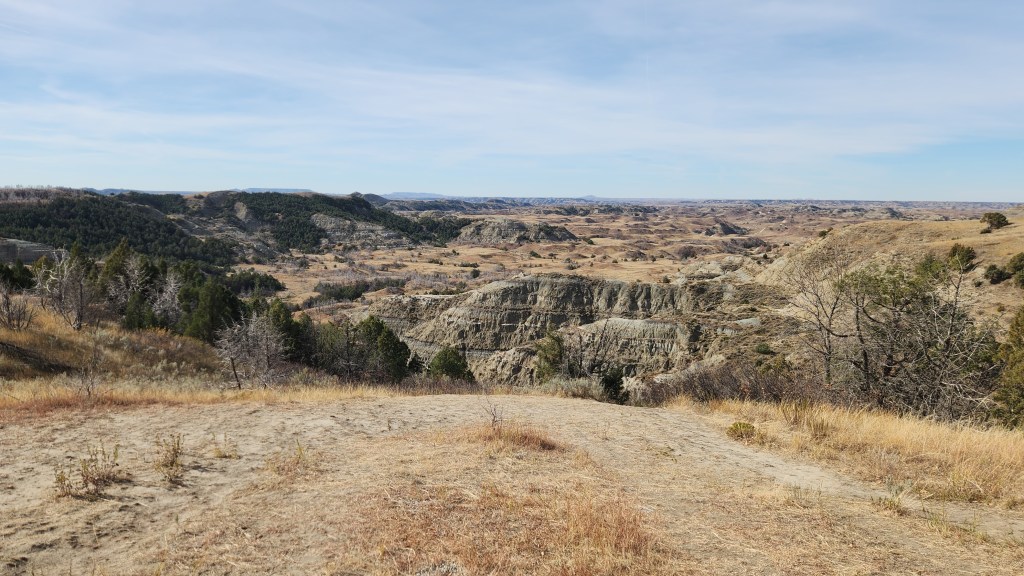
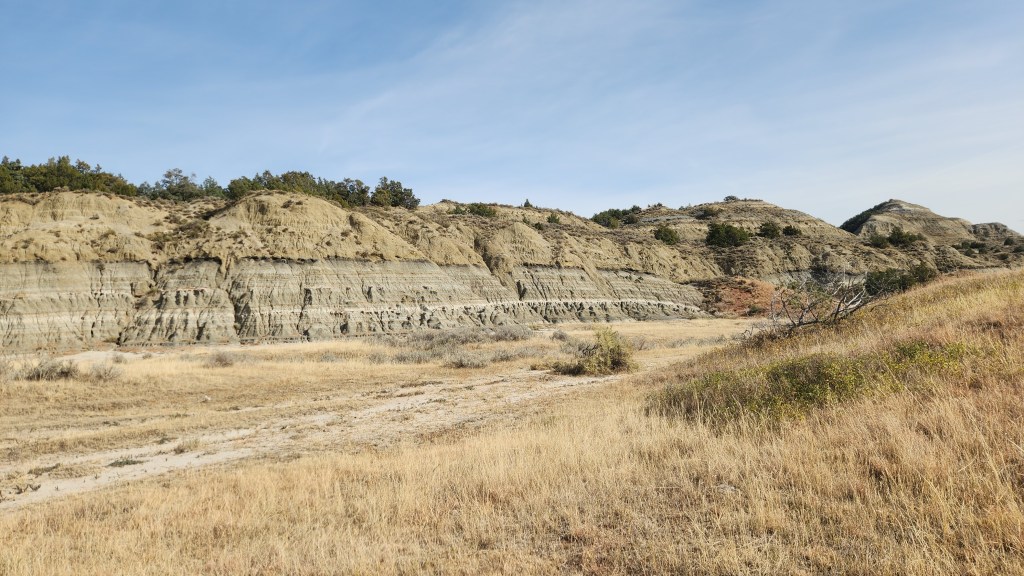
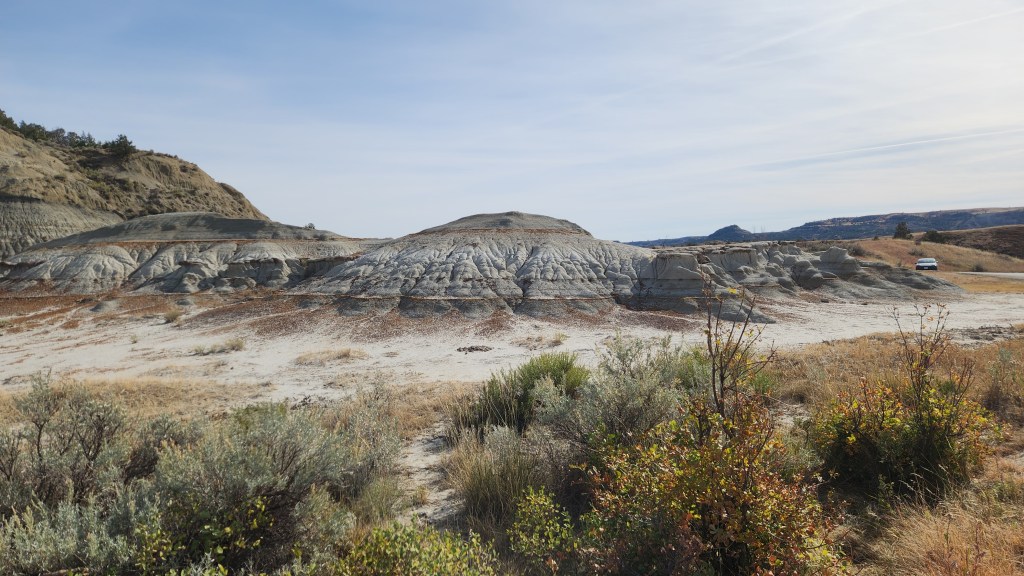
Theodore Roosevelt National Park (October 13): This was the final stop on our road trip, easily accomplished since we were driving right past it on I94 as we headed back toward Minnesota. The park was designated to honor the man known as the Father of the National Parks, which have become Theodore Roosevelt’s most lasting legacy. What is now called the North Unit of the park was originally designated as the Roosevelt Recreation Demonstration Area in 1935, before being transferred to the US Fish and Wildlife Service and renamed the Theodore Roosevelt National Wildlife Refuge in 1946. What is now called the South Unit was established as Theodore Roosevelt National Memorial Park in 1947. The North and South Units, along with the Elkhorn Ranch Unit, were finally designated as Theodore Roosevelt National Park in 1978.

We arrived at the South Unit Visitor Center at about 10:30 AM. This time, after viewing the park movie, I bought a souvenir sweatshirt, rather than a T-shirt (a near-radical departure from past practice). We spent about three and a half hours driving along the Scenic Loop and stopping frequently at various points of interest and to take a couple of short hikes. Since I’m running out of steam, I’ll just share some photos and call that good enough.

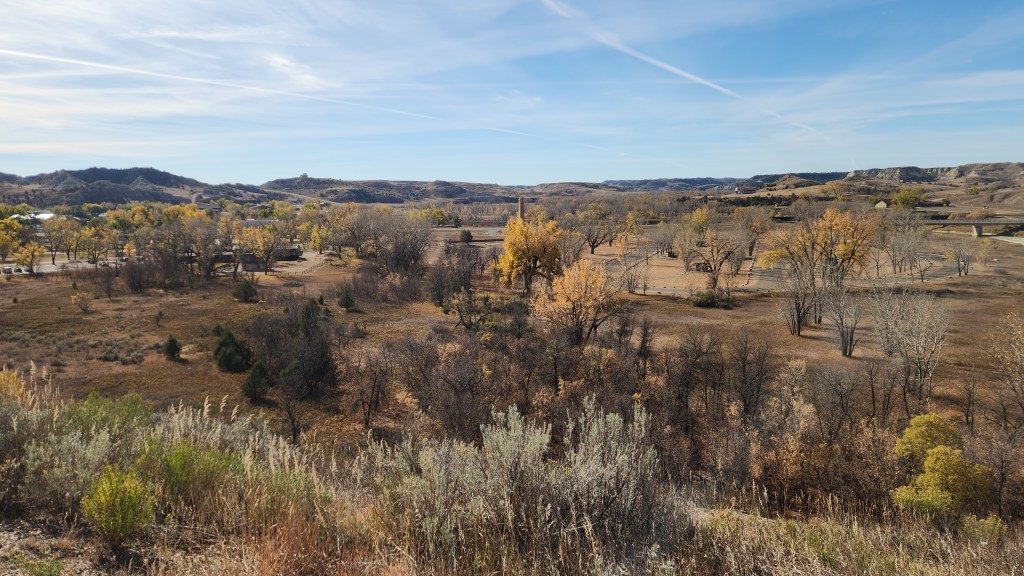
View of Medora, ND, from Theodore Roosevelt National Park
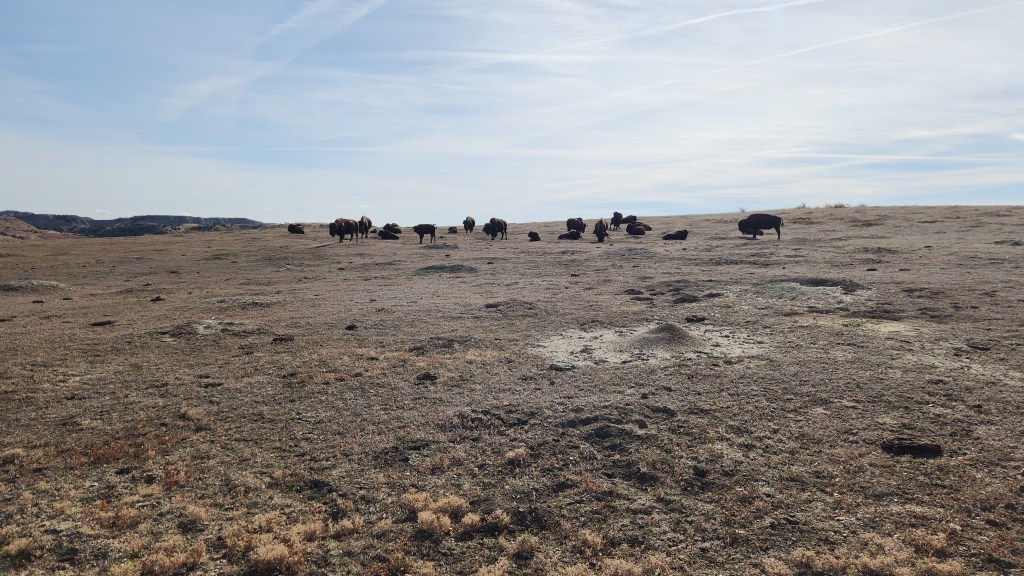
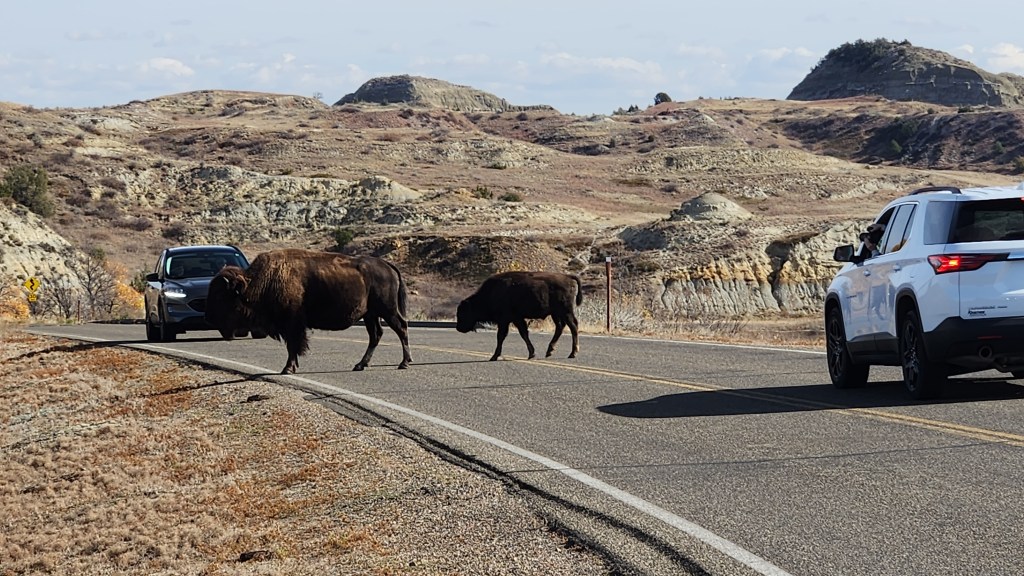
Bison at Theodore Roosevelt National Park
Kings of the Road …
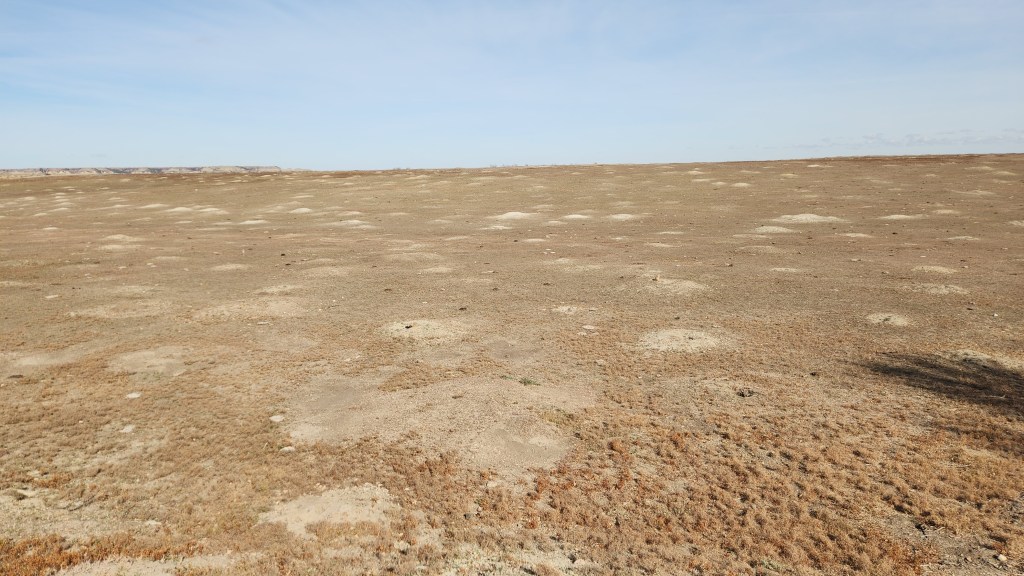
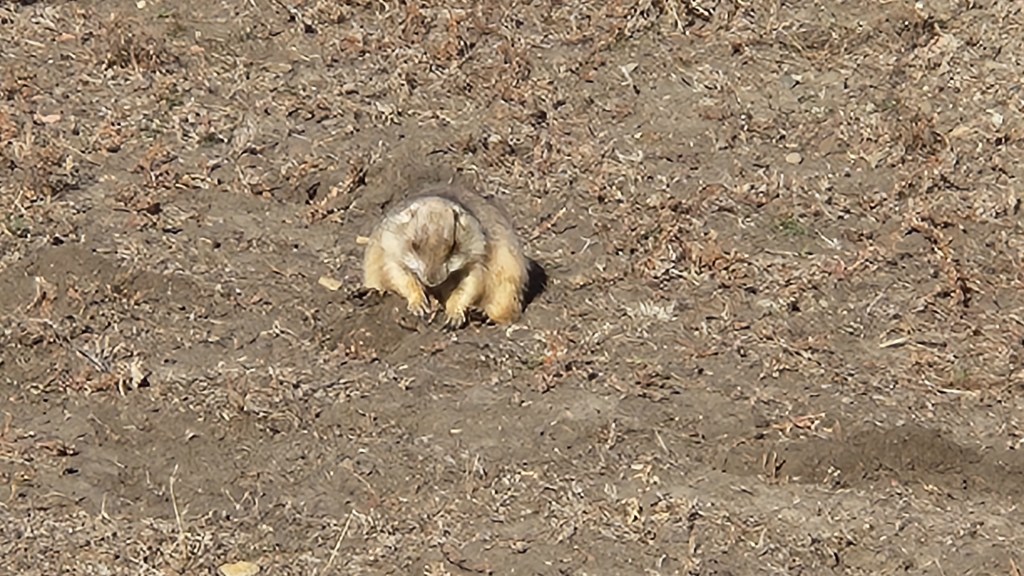
Prairie Dog Metropolis at Theodore Roosevelt National Park
Prince of the Prairie …
Another Prairie Dog Town
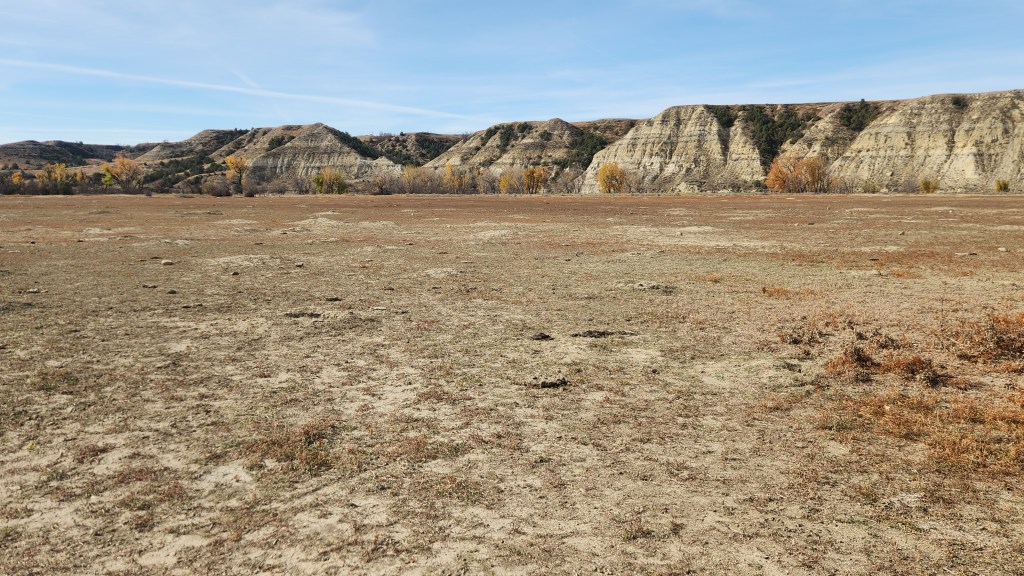
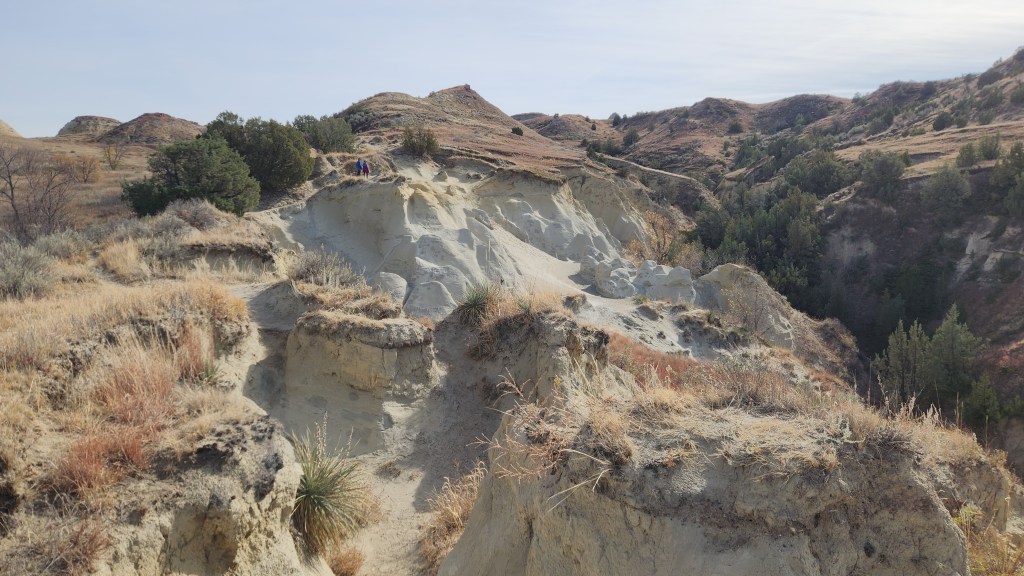
View from Scenic Loop at Theodore Roosevelt National Park
View of Little Missouri River from Nature Trail at Theodore Roosevelt National Park
View from Scenic Loop at Theodore Roosevelt National Park

Scenery Along the Way: In addition to the main attractions described above, we also enjoyed beautiful scenery we encountered during many of the major stretches of driving. These sights only added to our enjoyment, so I thought I’d leave you with a few miscellaneous photos we took, some through the car windows and some from roadside stops.

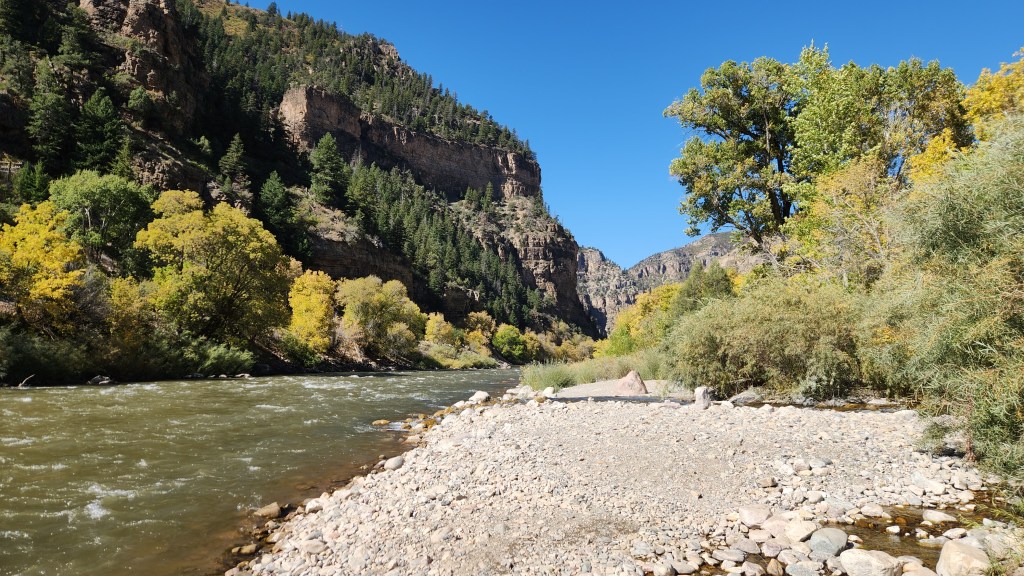
Colorado River, near Glenwood Springs, CO
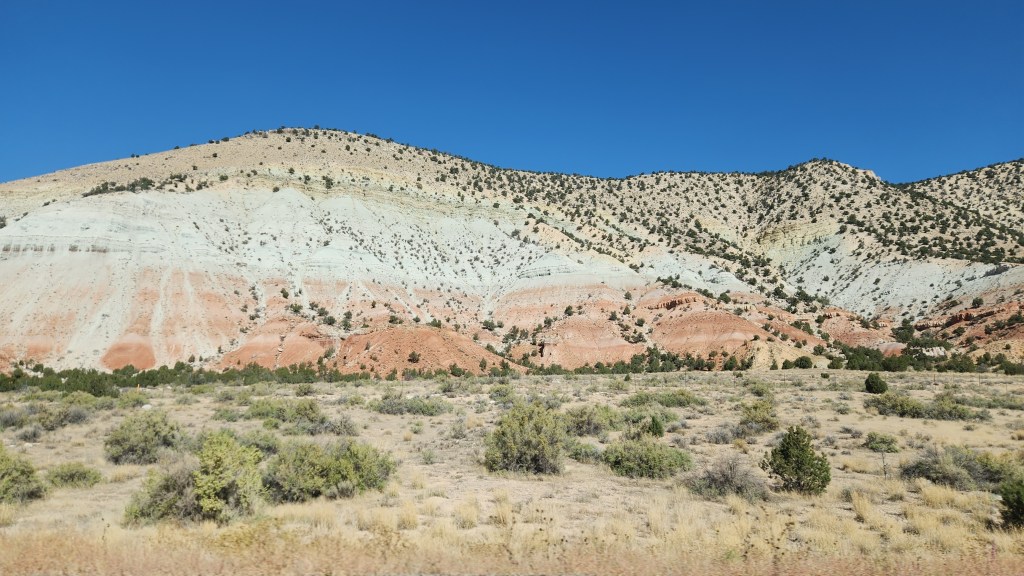
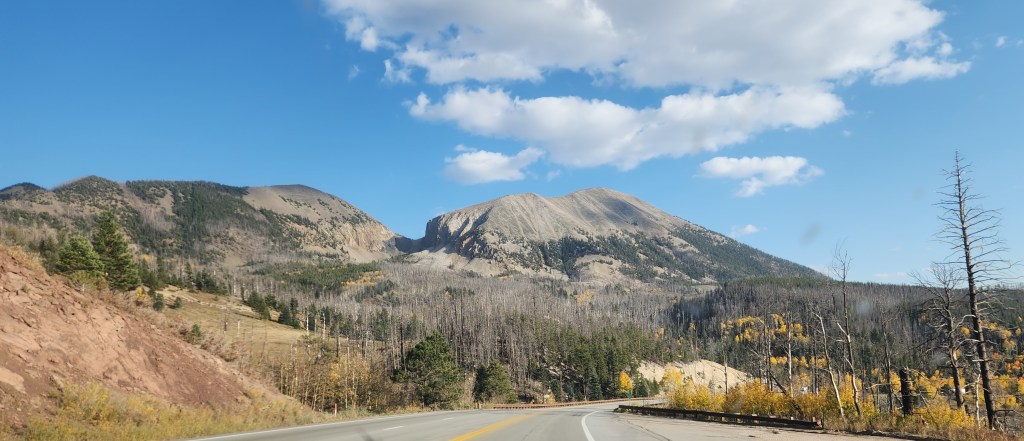
On I70 in Utah, on the way to Bryce Canyon
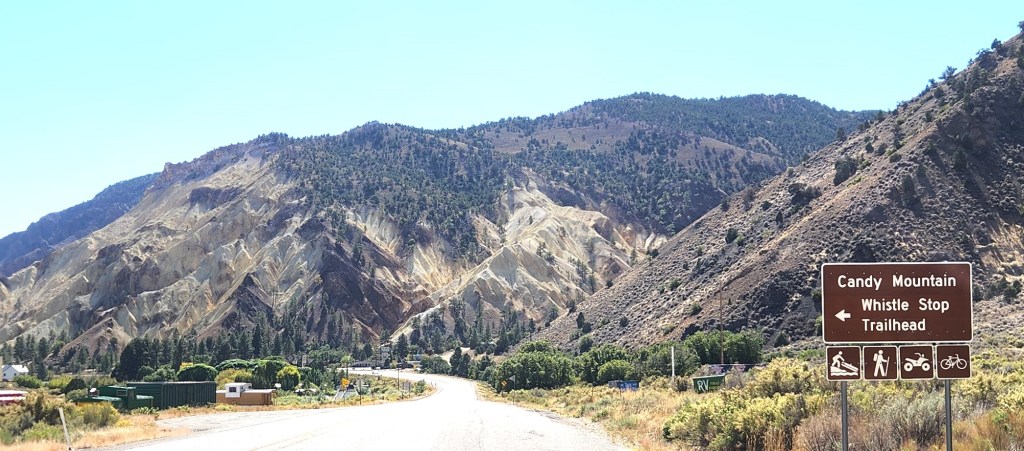
The “Candy Mountain” Along US Highway 89 in Utah
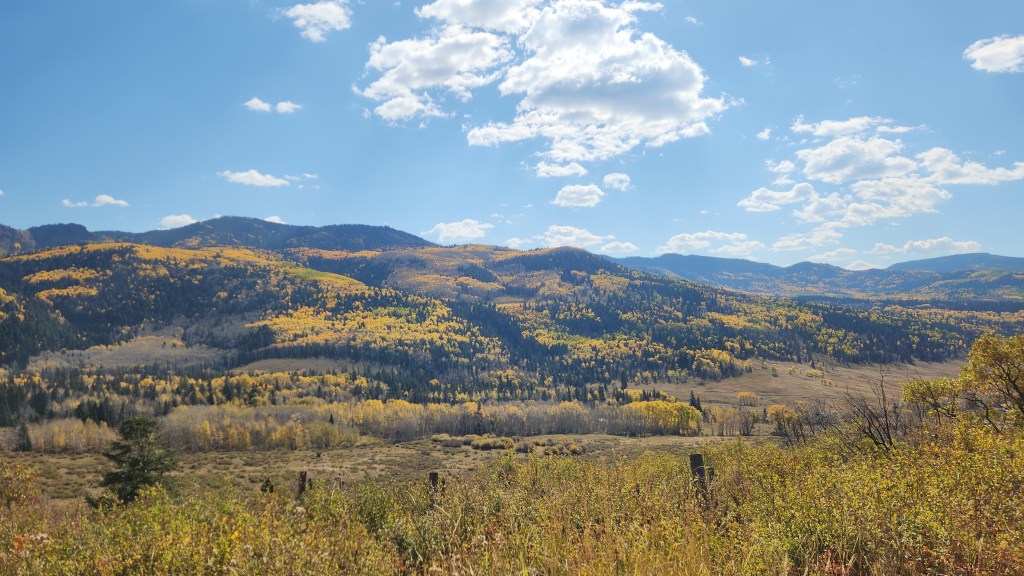
Fall Colors at Cumbres Pass in Colorado
On US Highway 160 in Colorado

That wraps up my documentation of this fabulous trip. I won’t include a lengthy discussion of our Tesla Model 3 EV this time, as I did in relating our April trip to the Great Smokey Mountains. Let it suffice to say that this trip again showed that taking a road trip in an EV is easily done, requiring only a little more planning and patience than driving an ICE car. The Tesla performed very well throughout, and we had no problems finding available chargers. One difference on this trip was that we encountered other EV brands using some of the Tesla Superchargers, specifically including several Rivians and one Mustang Mach E.

Just to let readers know, you won’t have to wait too long for my next travel blog installment. Next up will be another Viking River Cruise, this time to Spain and Portugal in November. Bye for now!

Pat and Dave’s Nifty National Park Lark – PART 1

Fall has arrived and the golf courses are closed in northeastern Minnesota, which can only mean one thing. It must be time for another road trip travel blog! Sure enough, Pat and I have just recently returned from a road trip outing, which I will now attempt to memorialize. The trip was a classic example of our rather spontaneous, some might say haphazard, approach to car travel. In contrast to certain unnamed relatives, we do not go in for detailed planning of such things, though at least some aspects, such as lodging in high-demand locations, do need to be arranged in advance to ensure availability when desired. So, here’s how this latest trip began and then developed as time went by.

The central idea for the trip was actually born some two-and-a-half years ago, in May of 2022, when we spent one day visiting Bryce Canyon National Park as part of a previously documented road trip. In that earlier blog post, I made a vague reference to my aching knees. In fact, it was at Bryce Canyon that I finally decided I needed to have my severely arthritic knees replaced, since walking on the trails was extremely difficult for me. Add to that the fact that we did not actually drive our car into the park and were thus unable to visit places where the convenient shuttle bus route does not reach. Further add that we very much admired the look of the in-park lodge cabins as we strolled past them. As we were leaving, we decided that we would come back for a longer visit once I had my new knees, that we would stay in one of those nice cabins, and that we would drive all the way to the end of the park road to take in the full park experience. Fast forward to February of this year: I made a reservation for three nights in one of those little cabins, from October 5 through October 8, by which time I assumed the golf season in Grand Marais would be winding down. (Incidentally, the process for making the reservation was really convoluted, requiring multiple phone messages and callbacks rather than the expected few clicks on a web site. Government contractor inefficiency at its finest.) We put the dates on the calendar, leaving all further details of the trip to be determined later, and went on with our spring and summer activities.

Sometime around the end of September, Pat began to suggest that we maybe ought to start thinking about what else we might do as part of the road trip. After all, it seemed like a long way to drive for only a three-day visit to one National Park. “Let’s just book some hotels near EV chargers for the trip out there, and we can add some other stuff for the way back,” I suggested. So that’s what we did, after deciding that we would leave on October 1st. Once we took off, the trip developed organically, eventually turning out to cover 4,128 miles in our Tesla Model 3 with visits to six National Parks and one National Battlefield. Here’s a map of the journey:

NOTE: This brings our total of National Parks visited to 27, or 43% of all the National Parks in the US. Maybe we’ll get to them all someday, or at least a majority of them. We’ve now also visited 20 other paces operated by the National Park Service, including National Monuments, Conservation Areas, Wildlife Refuges and Sanctuaries, and Battlefields. All of these national treasures represent socialism at its finest, if you ask me.

Although I’ve included the various hotels on the map to illustrate our actual route (I left off the Moab Valley Inn for visual clarity), I won’t spend any time describing them, since we only spent one night at each of them except for two nights at the Moab Rustic Inn. Suffice it to say that reserving all of these places was very easy using various travel and lodging apps on Pat’s iPhone and that all of the accommodations were convenient and comfortable. (A side note for EV drivers: both the Casa Blanca Inn and Suites in Farmington, NM, and the Heartland Inn and Suites in Wheatland, WY, had free Tesla Destination Chargers. The Heartland one was unusual in that there was also a Tesla Supercharger at a different location in the hotel parking lot.)

OK, now let’s move on with some descriptions of the main attractions, in chronological order.

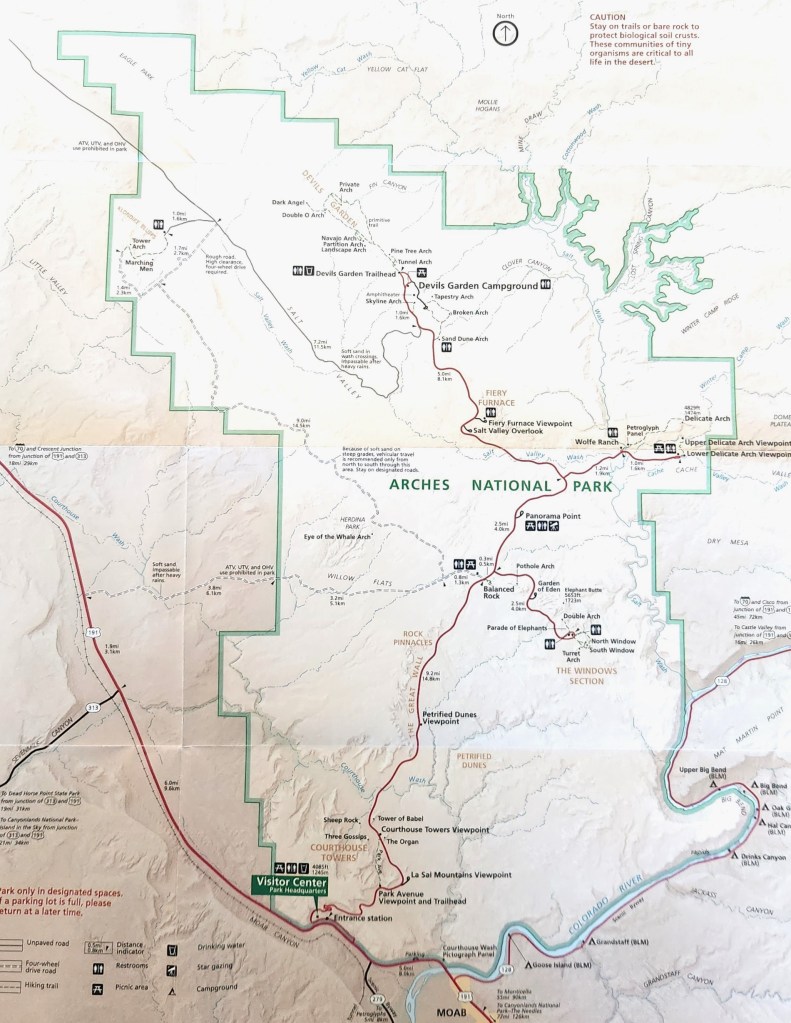
Arches National Park (October 4): We arrived at the Moab Rustic Inn shortly before 4 PM on October 3. At 7 PM, I used the Recreation.gov app on my phone to obtain a timed visitor’s pass for access to the National Park between 10 and 11 AM the following morning. The National Park requires these passes, which cost $2 per car, during prime visiting hours in order to manage traffic in the park. (As I understand it, a pass is not needed for access before 7 AM or after 5 PM.) We obtained free entry to the park using my Lifetime Senior Pass, as we did at all of the other NPS sites during the trip. Here’s a map of the park, which covers 76,680 acres (120 square miles):

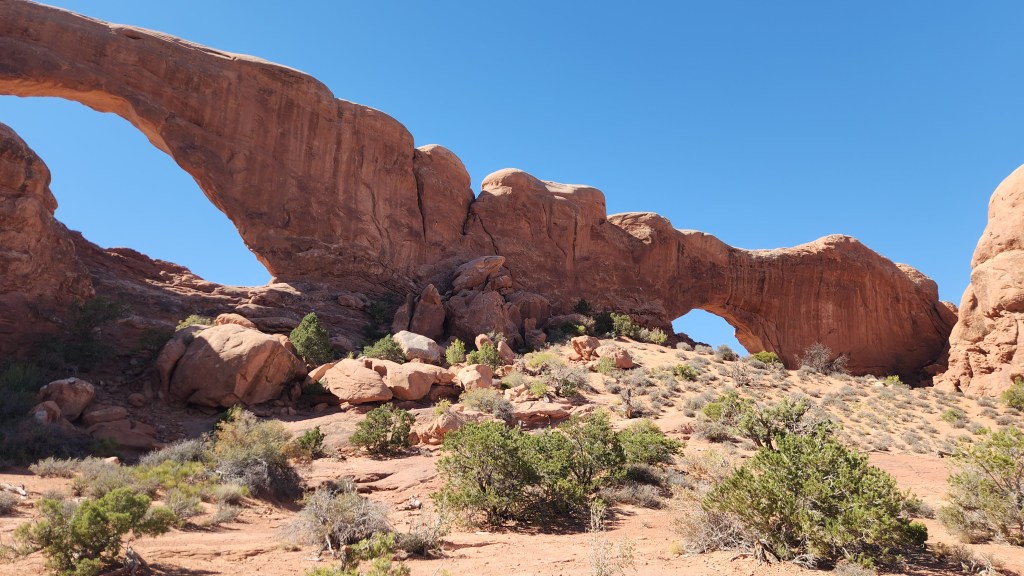
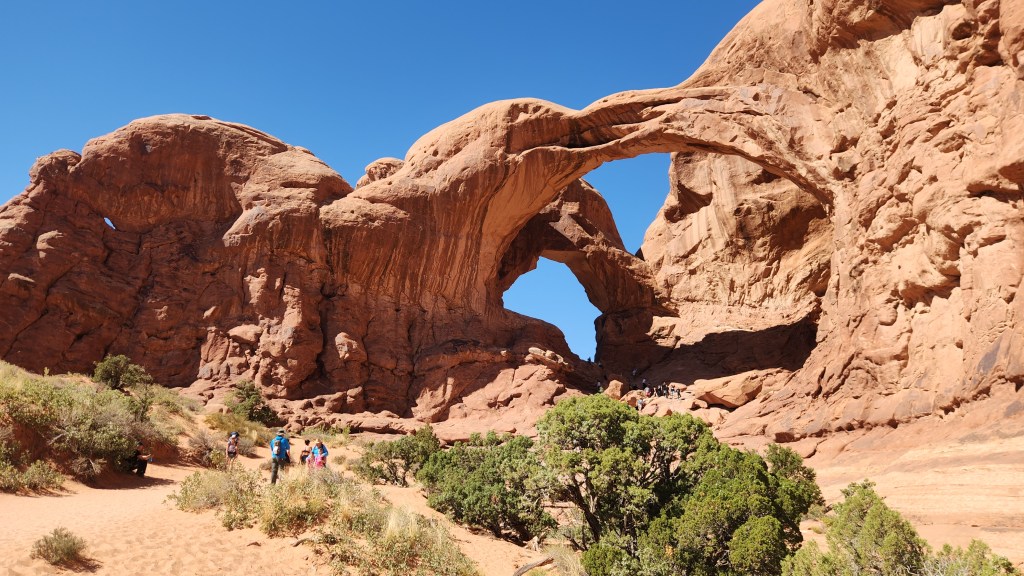
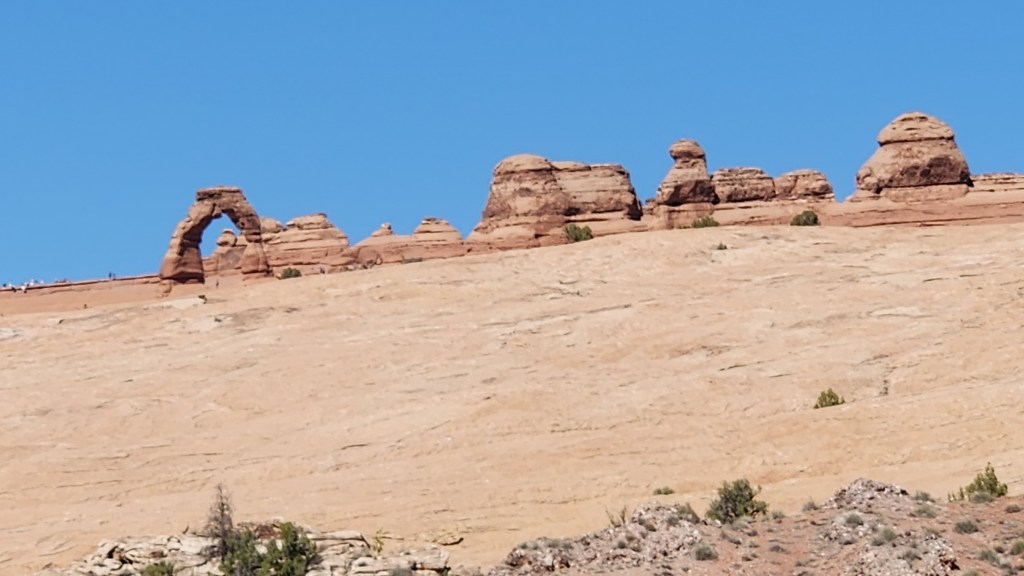
After stopping at the Visitor Center to watch an excellent movie about the park and buy a souvenir T-shirt, we spent about 6 hours driving along the excellent road through the park and stopping at multiple points of interest. The park includes over 2,000 natural sandstone arches, of which we saw about 20, a multitude of fascinating rock formations, and a limitless number of stunning vistas. We walked along the one-mile Windows Trail for some excellent views of the Windows Arches, then returned by the 1.2-mile primitive trail, which provided a good test for my new knees. I did use walking sticks due to the rough terrain on the primitive trail, but I was quite pleased with how it went. I couldn’t quite keep up with my younger and spryer wife, but I didn’t feel like a near invalid as I did back in 2022.

Enough words – here are some pictures:

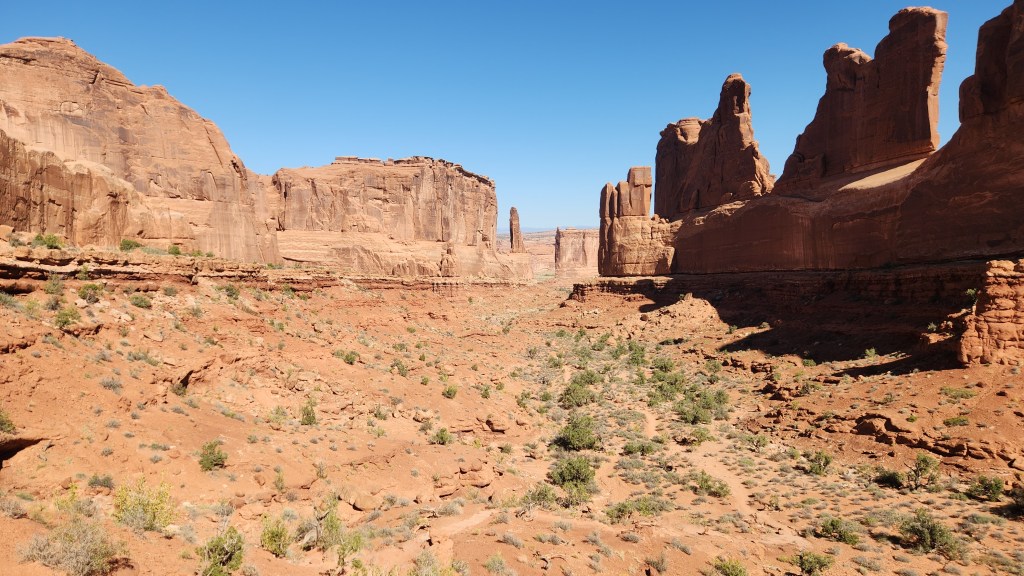
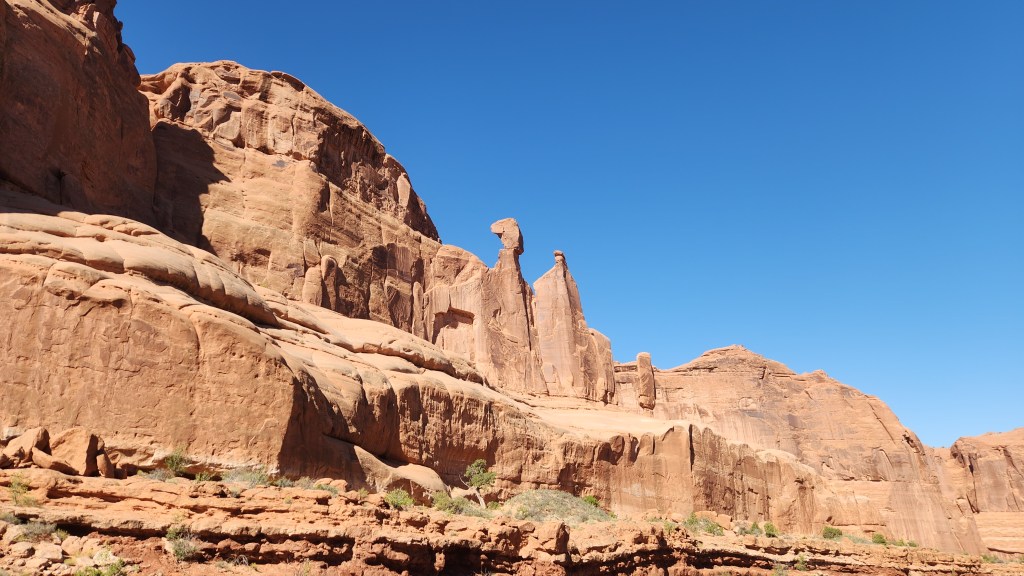
Courthouse Towers Viewpoint
Courthouse Tower Viewpoint
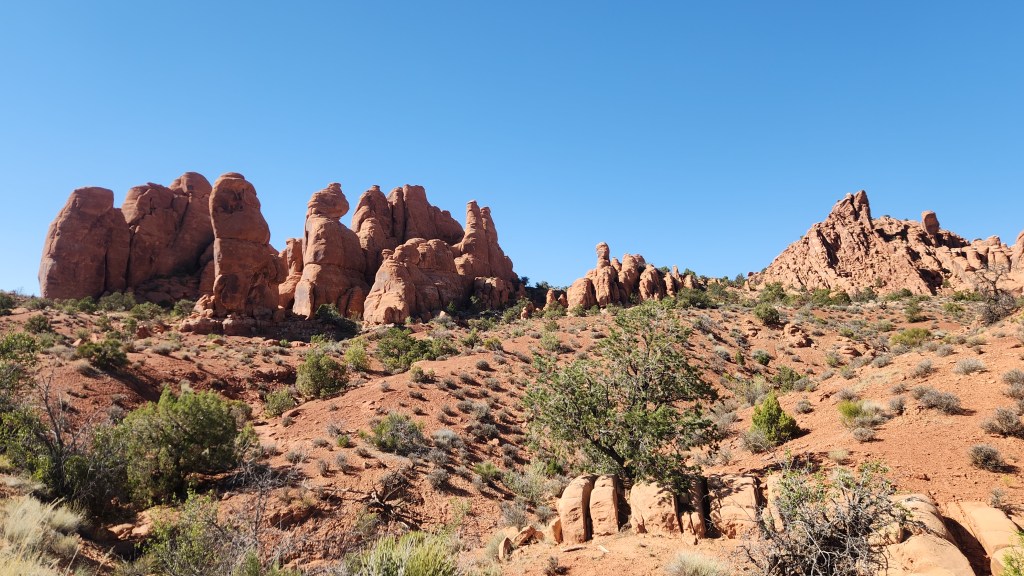
Rock Formations at Arches National Park
The Windows Arches
View from Windows Arch Primitive Trail
The Double Arch
The Delicate Arch
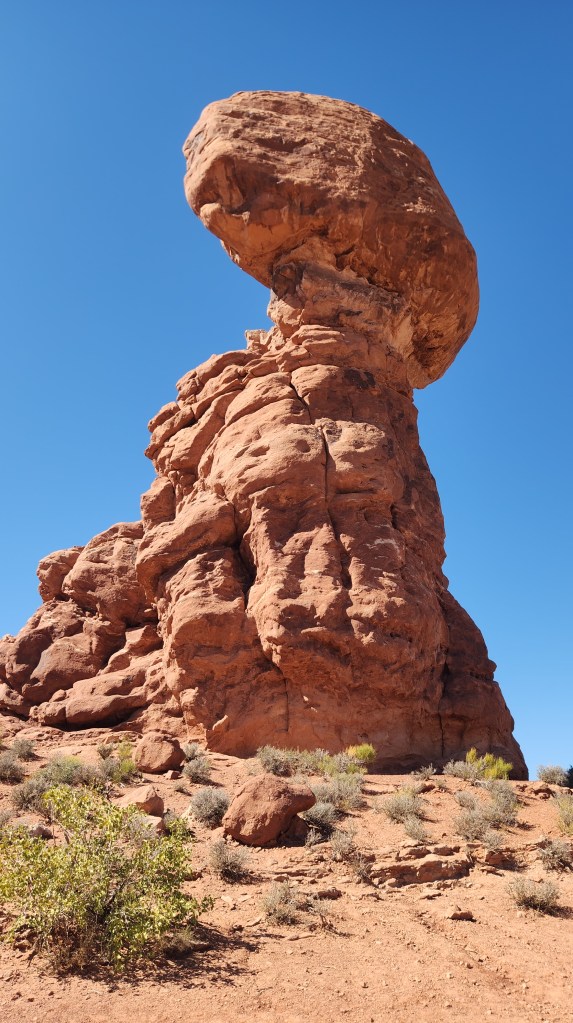
Balanced Rock
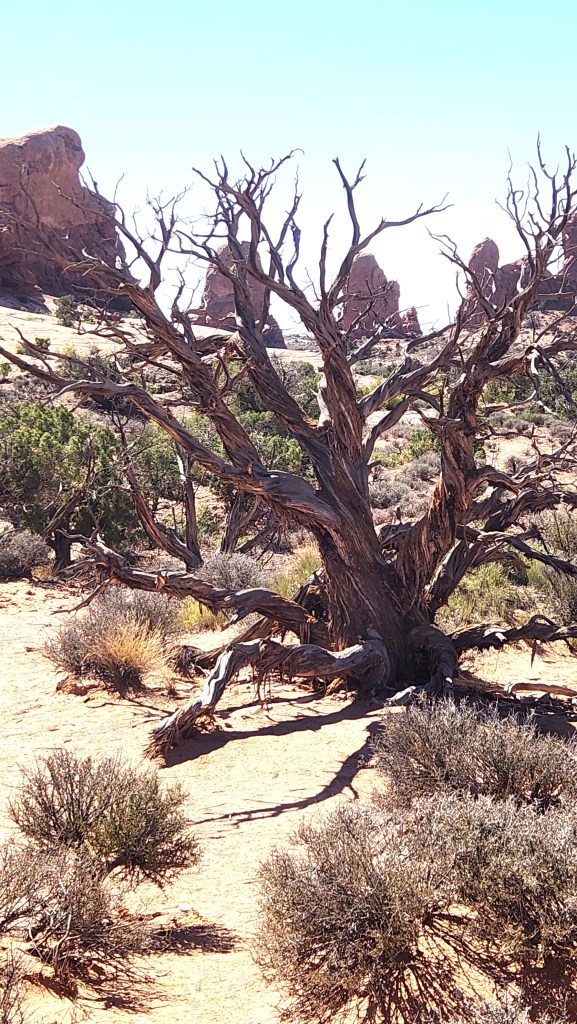
Interesting Terrain at Arches National Park

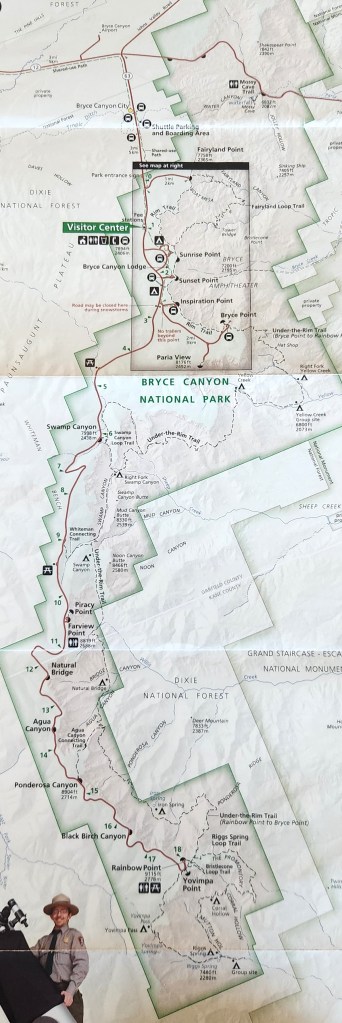
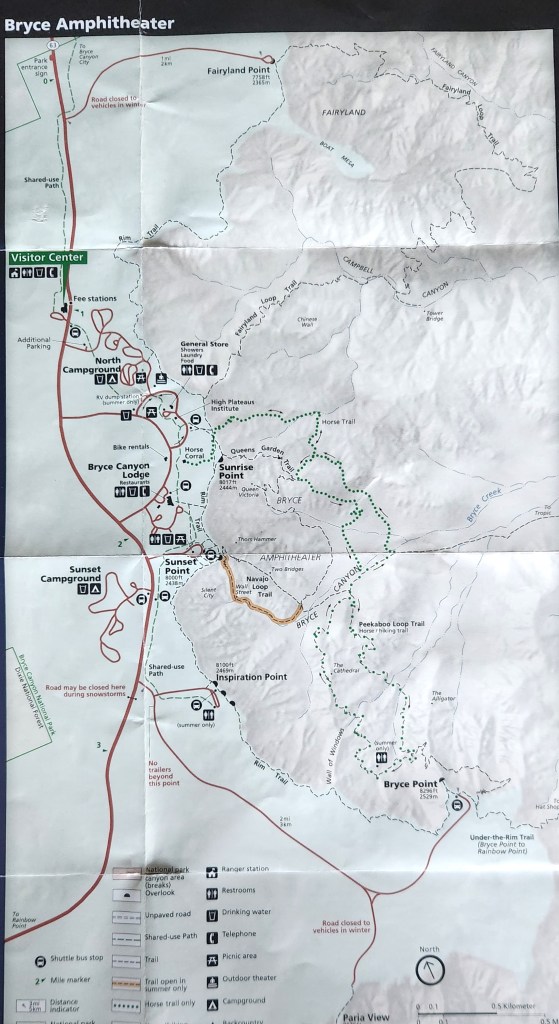
Bryce Canyon National Park (October 5 – 7): After our second night at the Moab Rustic Inn, we drove to Bryce Canyon National Park, which, as noted above, was the central idea for the road trip. Bryce manages traffic in the park by means of their free shuttle service and thus does not require timed entry passes. The shuttle picks up passengers who stay in the nearby town of Bryce Canyon City (as we did for our 2022 visit) or at the Visitor Center and ferries them around a loop to various points of interest in the Bryce Amphitheater as shown in the following maps:

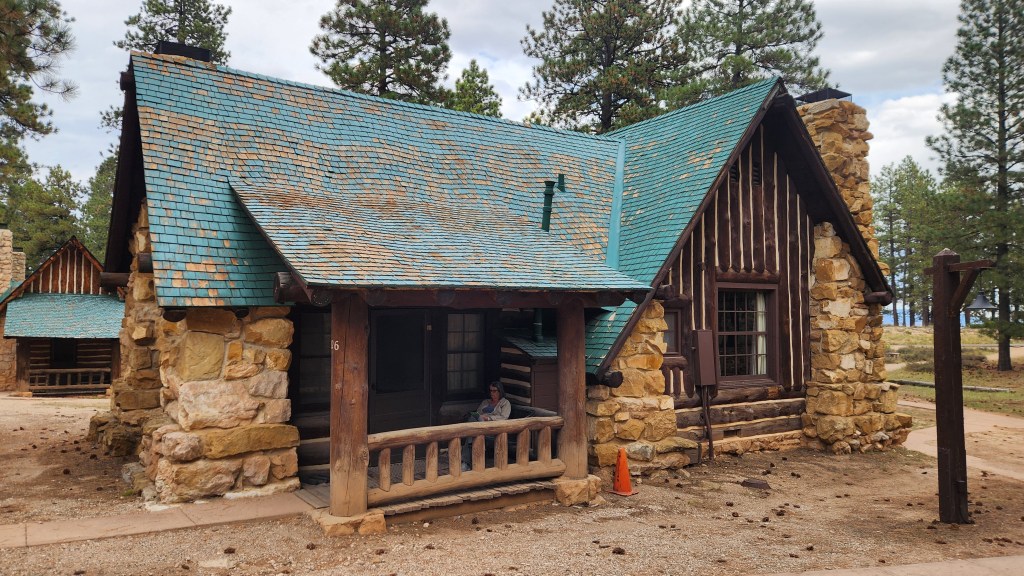
This time, we drove directly into the park (using my Senior Pass for entry) and to the Bryce Canyon area Lodge, where we checked in to Room 526, one-half of a lovely duplex cottage. The accommodations were very comfortable, with a gas fireplace, two queen beds, a bathroom, and a dressing area – the only drawback was the lack of Wi-Fi (heaven forbid!) in our room. Wi-Fi was available in and around the main lodge, however, and I occasionally got a cell signal in our room, so we weren’t exactly roughing it. The lodge has an excellent dining room, where we had breakfast and dinner each day, and there are a couple of nearby places where we could get lunch. Here’s a photo of the cottage – note the interesting roof tile construction which gives an optical illusion of a wavy surface.

Our Cottage at Bryce Canyon National Park

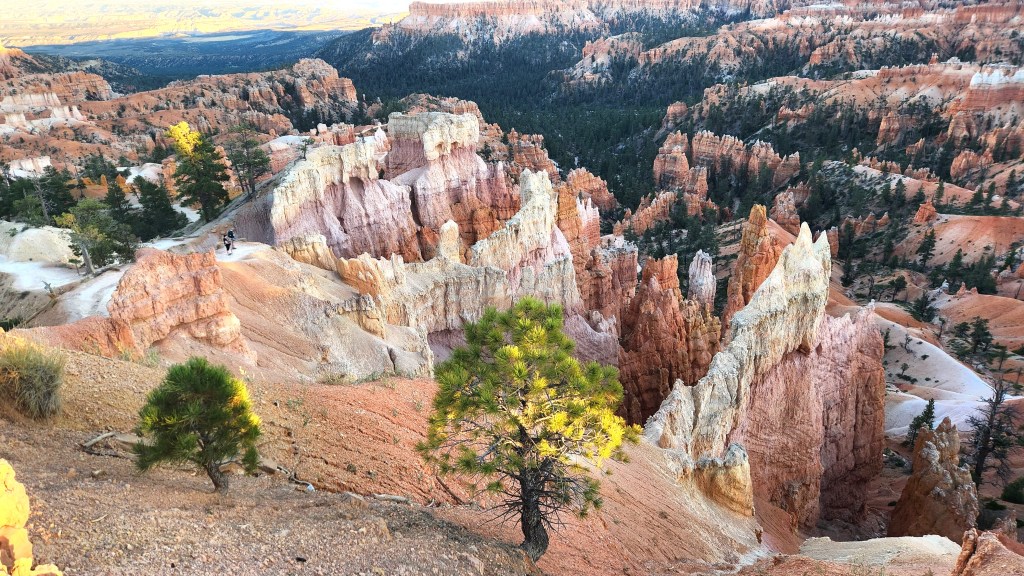
We spent the afternoon and evening of the 5th walking along the paths near the lodge, oohing and aahing at the spectacular views from the canyon rim, and I easily traversed the very same paths I was nearly unable to manage in 2022.

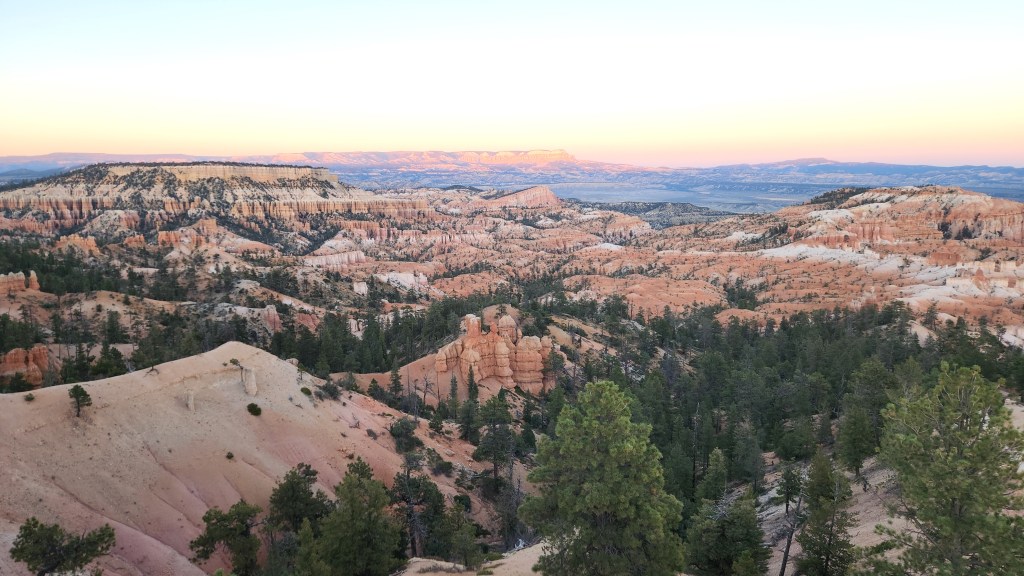
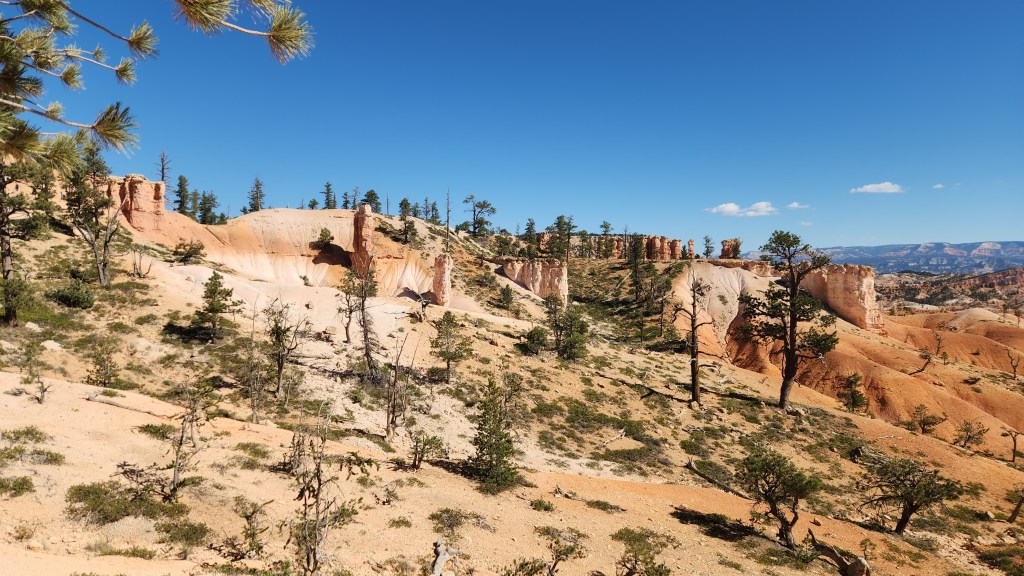
View from the Bryce Canyon Rim
View from Bryce Canyon Rim at Sunrise Point

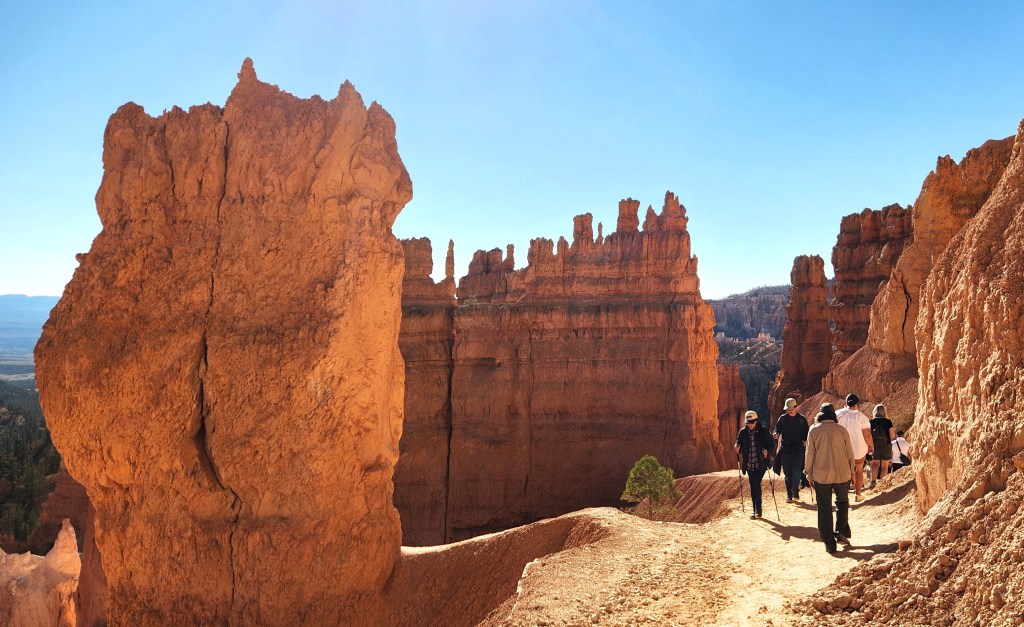
The next day, we took a hike on the Navajo Loop Trail, which meanders 450 feet down into the canyon, then returned to the rim on the Queen’s Garden Trail, some 2.9 miles in total. It was especially fascinating to see the rock formations and the foliage from the canyon floor, which provided a very different perspective than the view from the rim.

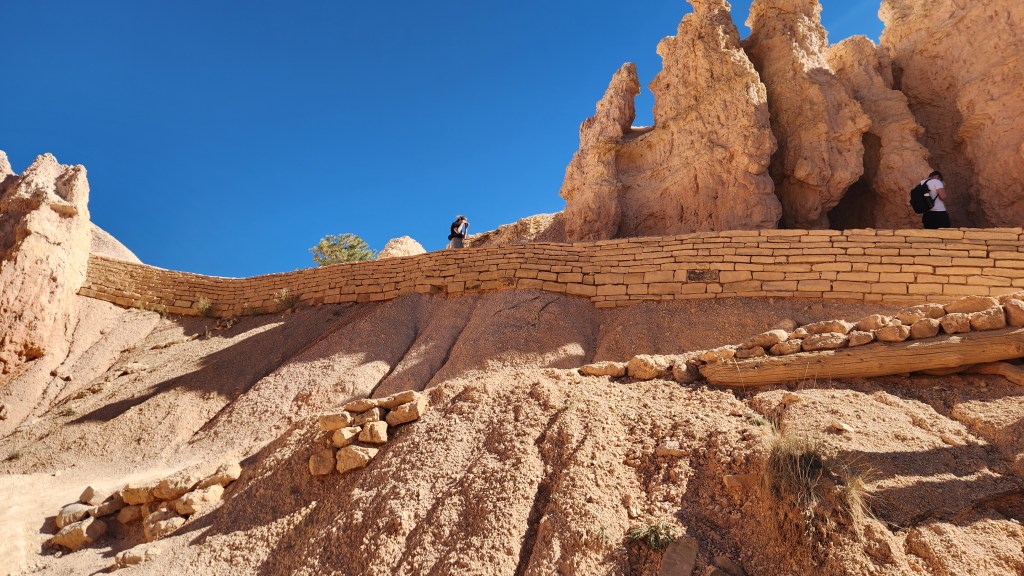
Navajo Loop Trail
Navajo Loop Trail
Navajo Loop Trail
Queen’s Garden Trail
View from Queen’s Garden Trail
Queen’s Garden Trail
View from Queen’s Garden Trail
Queen’s Garden Trail

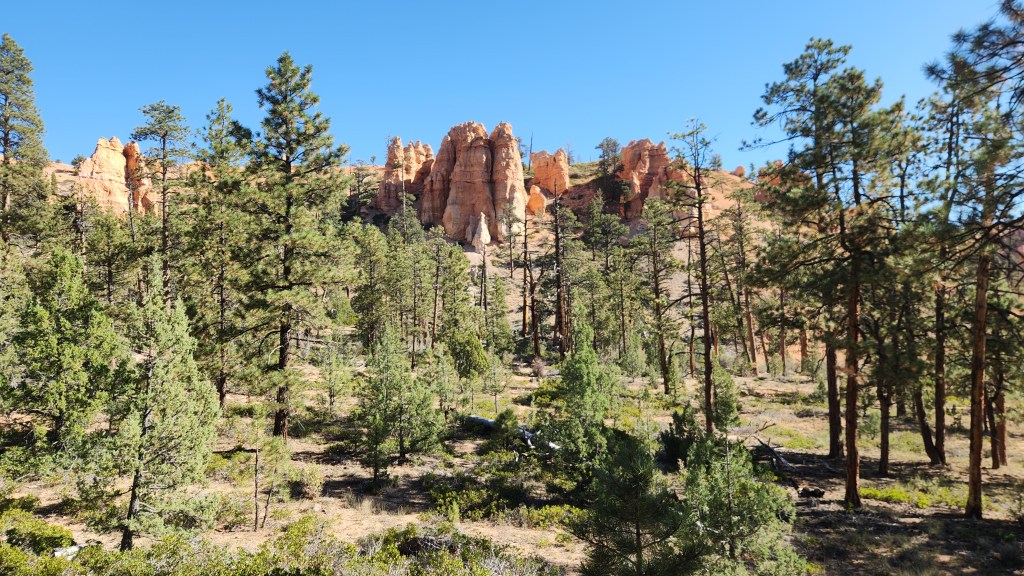
After our hike, we took the shuttle bus to the Visitor Center for, what else, a movie about the park and a souvenir T-shirt, then rode the shuttle back to the Lodge. On the third day, we drove along the excellent park road to Rainbow Point, the highest elevation in the park at 9,115 ft, and walked along the easy, 1-mile Bristlecone Trail. On the way back to our cottage, we stopped at all the points of interest and took another short walk from Fairview Point to Piracy Point.

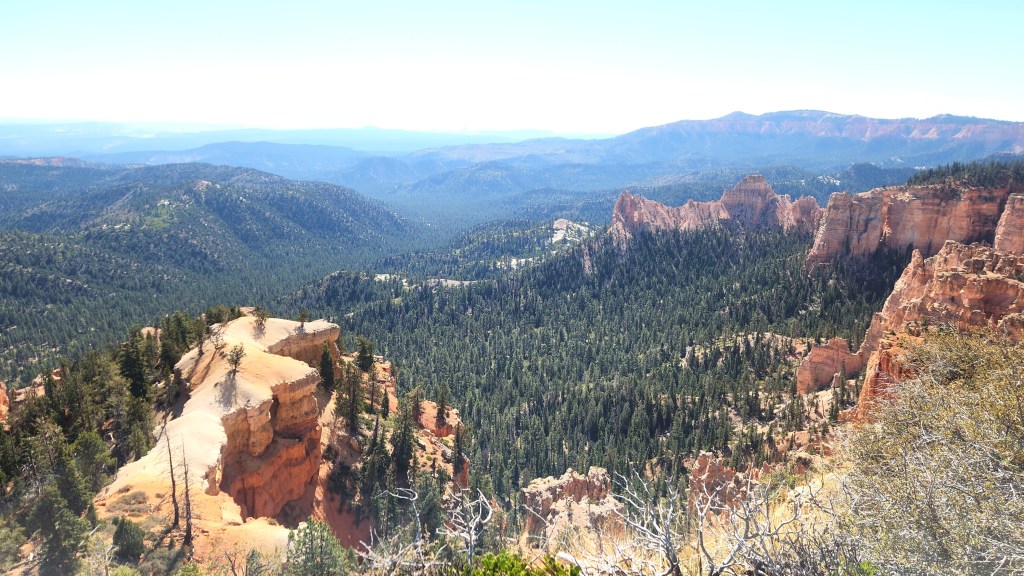
View from Farview Point
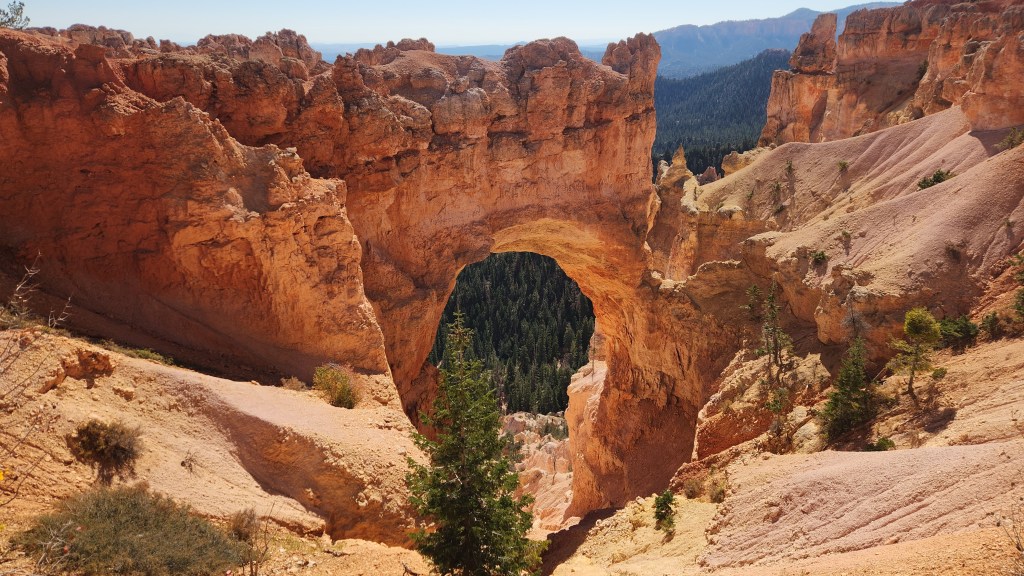
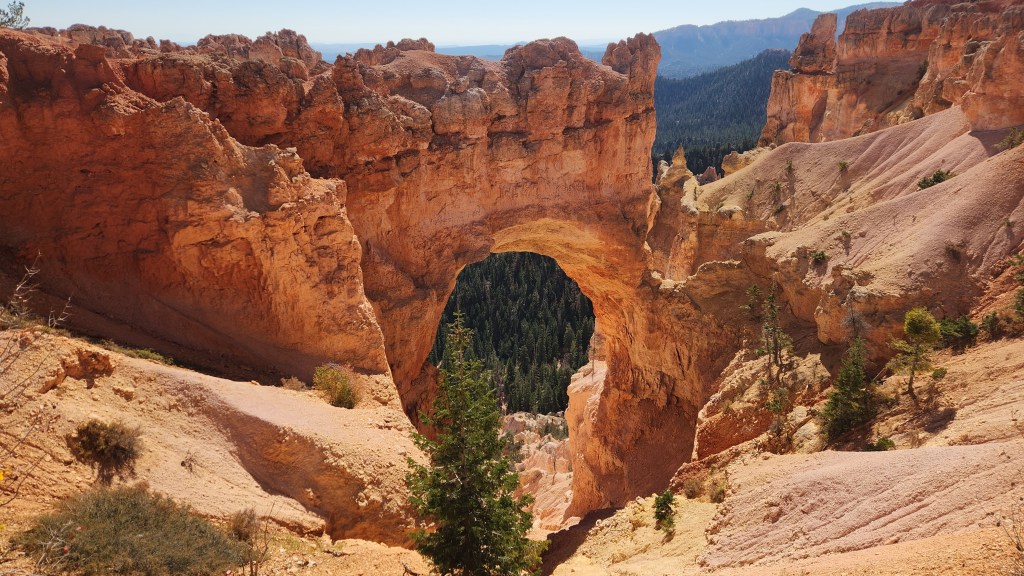
Natural Bridge
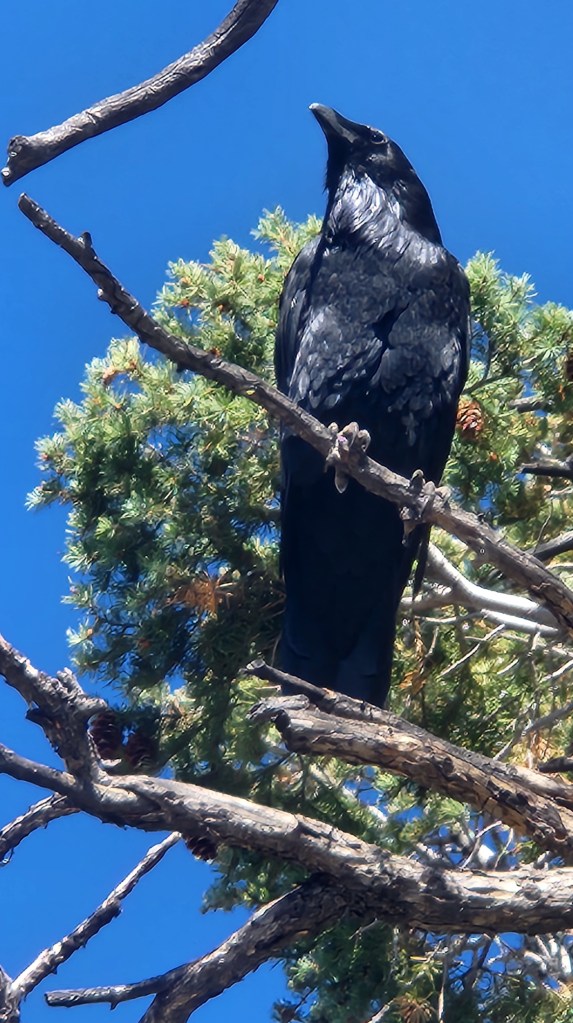
Quoth the Raven … near Piracy Point
Another feature of the park is its certification as a dark skies location. I stepped outside a couple of times during the night to take in the stars, which looked especially bright in comparison to the views from the various hotels we had been staying in, or for that matter from our Minneapolis condo, but not too dissimilar to that from our Grand Marais summer home. All in all, the Bryce Canyon visit was an excellent cornerstone for our road trip.

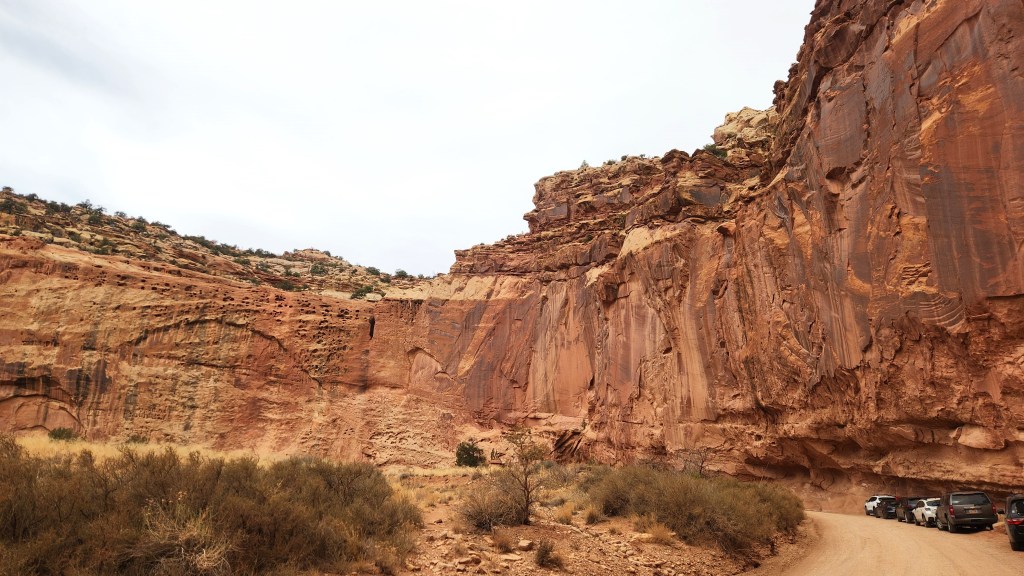
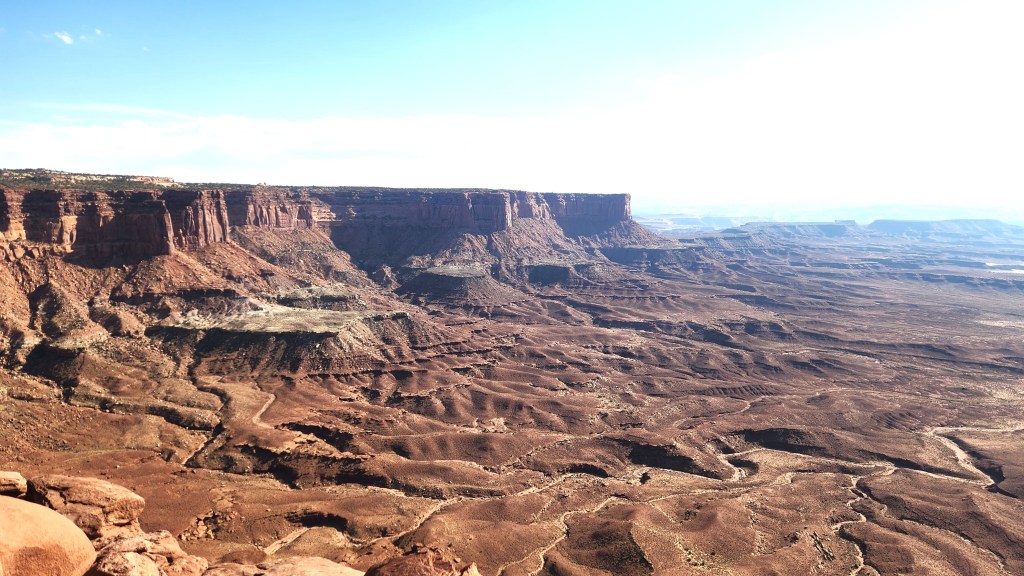
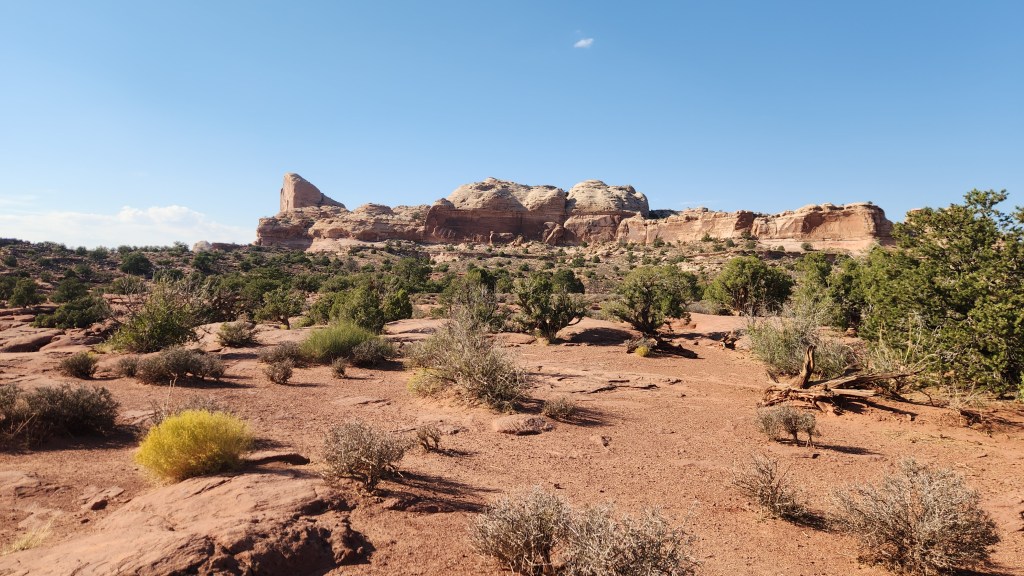
Canyonlands National Park (October 8): After leaving Bryce Canyon, we retraced our steps toward Moab and then drove to the Canyonlands Island in the Sky Visitor Center from the north. The visitor center was smaller than those at Arches and Bryce, and there were fewer visitors. This may be due to the presence of the Needles Visitor Center which is accessed from the south and which we did not visit. We arrived at the Visitor Center at around 3 PM and, after watching another excellent movie (no T-shirt this time), spent about two hours driving to the Grand View Overlook and back again, with several stops including a short walk to see the Mesa Arch.

Canyonlands National Park
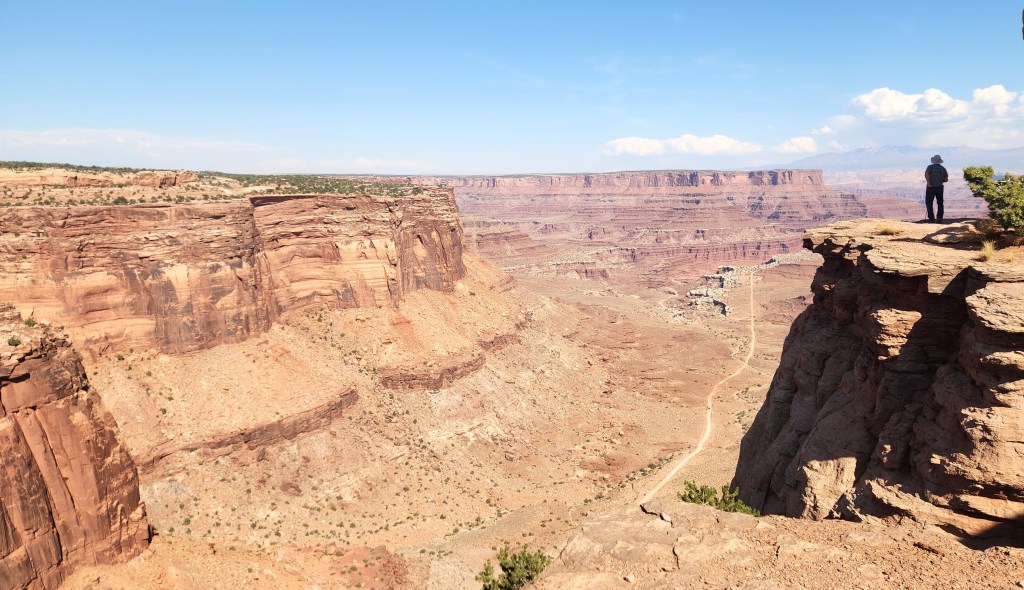
Overlook at Canyonlands
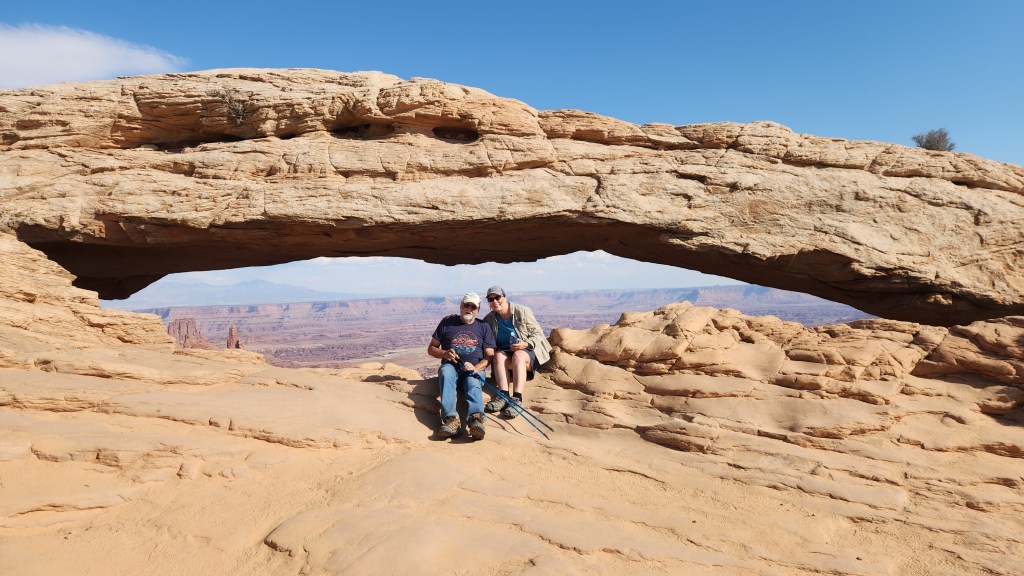
Mesa Arch at Canyonlands
Green River Overlook at Canyonlands
Canyonlands National Park

OK, that’s it for Part 1. Thanks for reading, and stay tuned for the three remaining National Parks and the National Battlefield, as well as some pictures of the scenery we encountered at various points during the journey, all coming in Part 2.

Pat and Dave’s West Coast Wayfaring – PART 2: Points of Interest

My most recent blog post described our multi-modal travel to Oregon and back – by airplane, automobile, and train – during June of 2024. That post focused primarily on the modes of travel involved, but I pledged to add another post describing the beautiful places we visited during the automobile portion of the trip. True to my word, here it is.

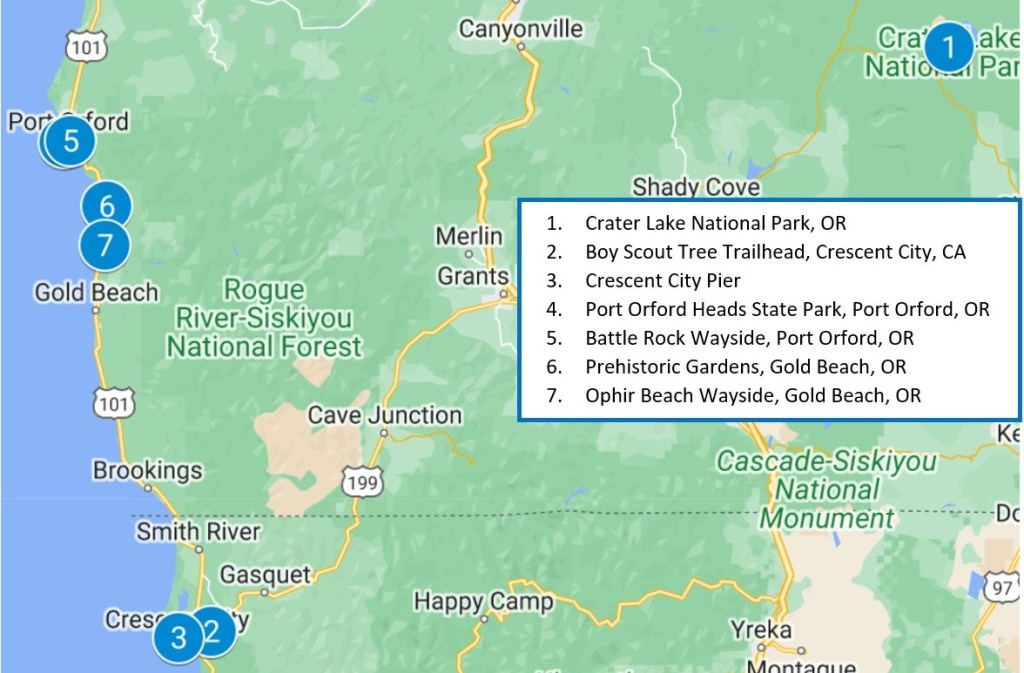
The map below shows the main places we visited in Oregon and northernmost California. Brief descriptions of these points of interest are provided below.

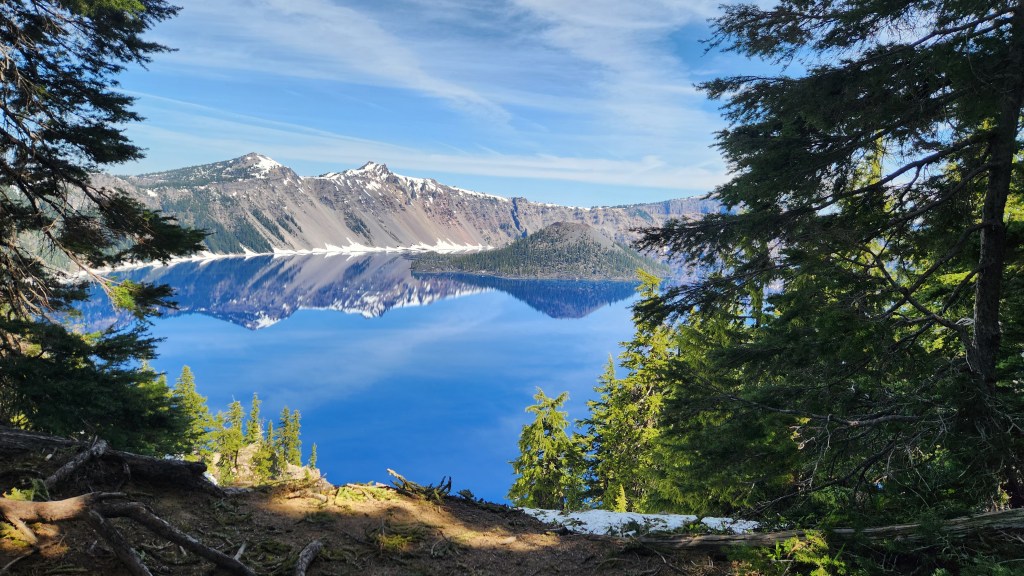
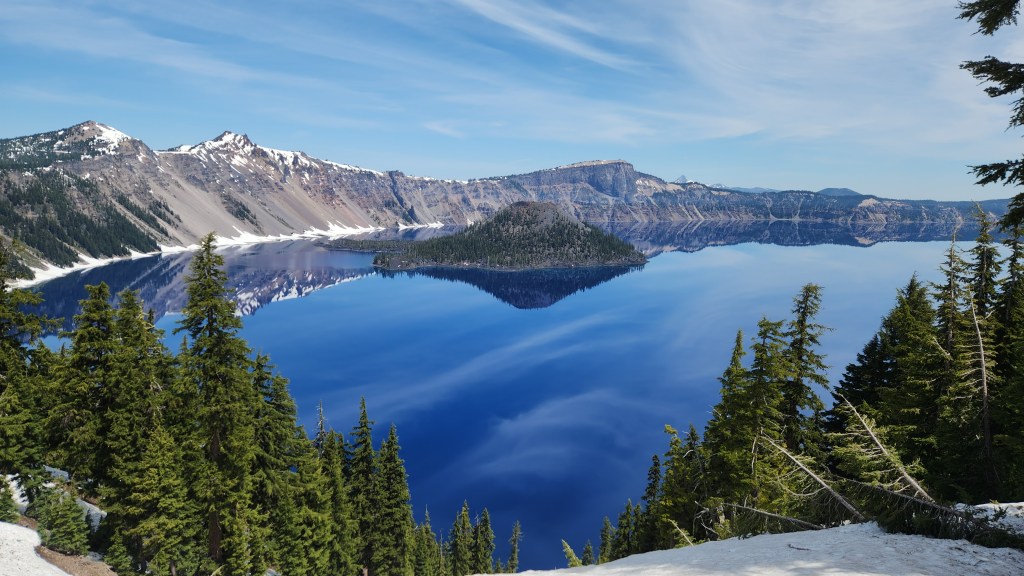
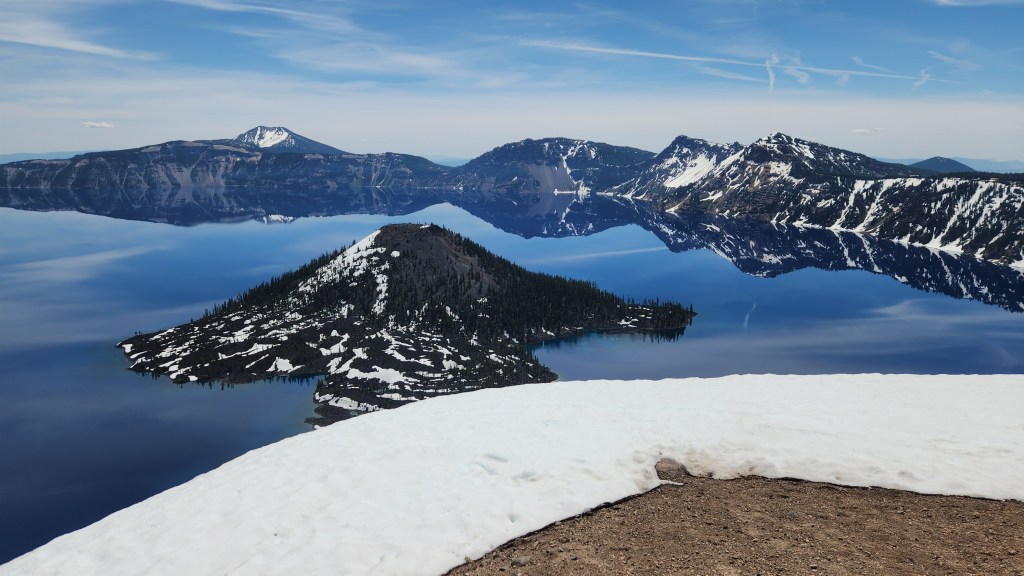
Crater Lake National Park, OR: On our second day in Oregon, in-laws Andy and Barb drove us to visit Crater Lake and served as our tour guides, since they had been there several times before. It was my first visit and Pat’s second, becoming the 39th National Park that we have visited together. I had seen pictures of the lake, but that had not prepared me for the beauty of the place. I’ve included some photos I took myself, but they also fail to do justice to this magnificent national treasure.

Crater Lake was formed when a massive eruption 7,700 years ago decimated a mountain peak and created in its place a deep basin. Centuries of rain and snow filled the basin, creating the deepest lake in the United States (1,943 feet at its deepest point) with water of stunning color and clarity. The lake is 6 miles across at its widest point and 4.5 miles across at its narrowest and contains 4.9 trillion gallons of water. The lake level is maintained by precipitation, with rain and melted snow averaging 5.5 ft annually. The National Park is open year-round, but the rim road is typically closed from mid-October to late June, with annual snowfall accumulations ranging from 25 to 50 feet over the past five years. The road was still closed during our visit, so we were unable to drive all the way around it, but we did walk along the rim trail near the Visitor Center to experience a multitude of amazing views. Since a picture is said to be worth 10,000 words, here are 60,000 eliminated words for your viewing enjoyment.

View from the Rim Trail, Crater Lake National Park
View from the Rim Road at the last open overlook, Crater Lake National Park
Relaxing along the Rim Trail, Crater Lake National Park
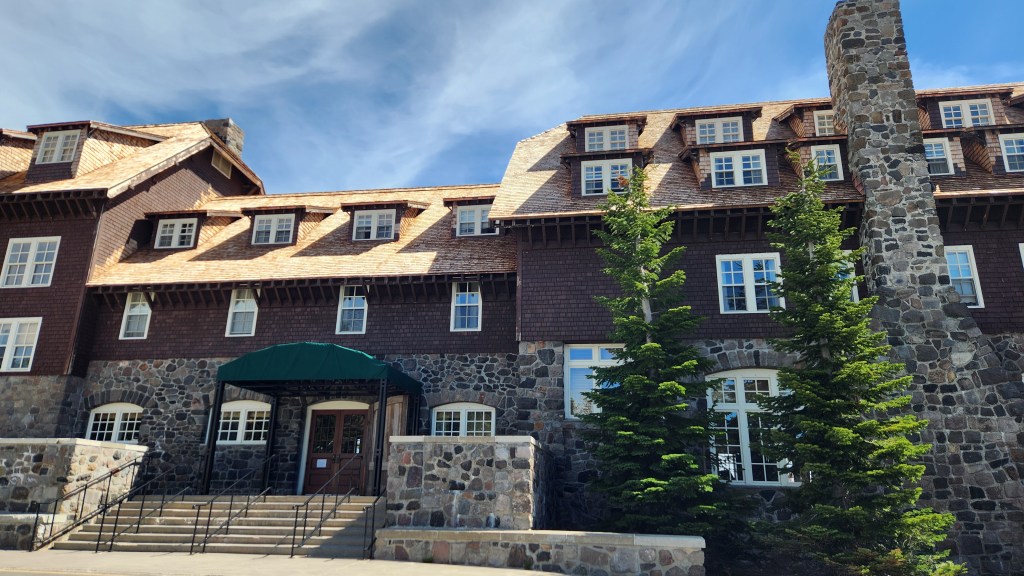
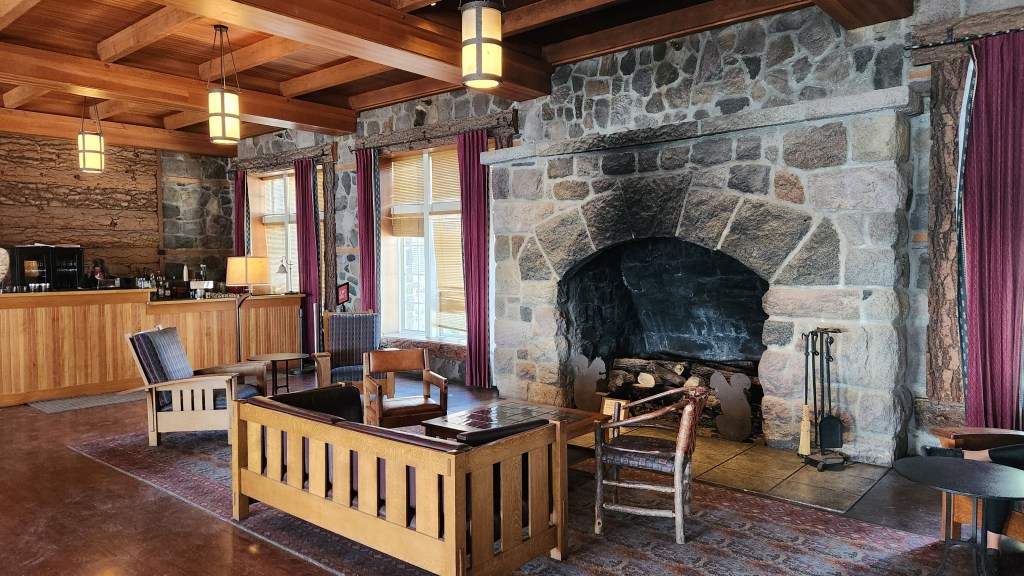
Visitor’s Lodge, Crater Lake National Park

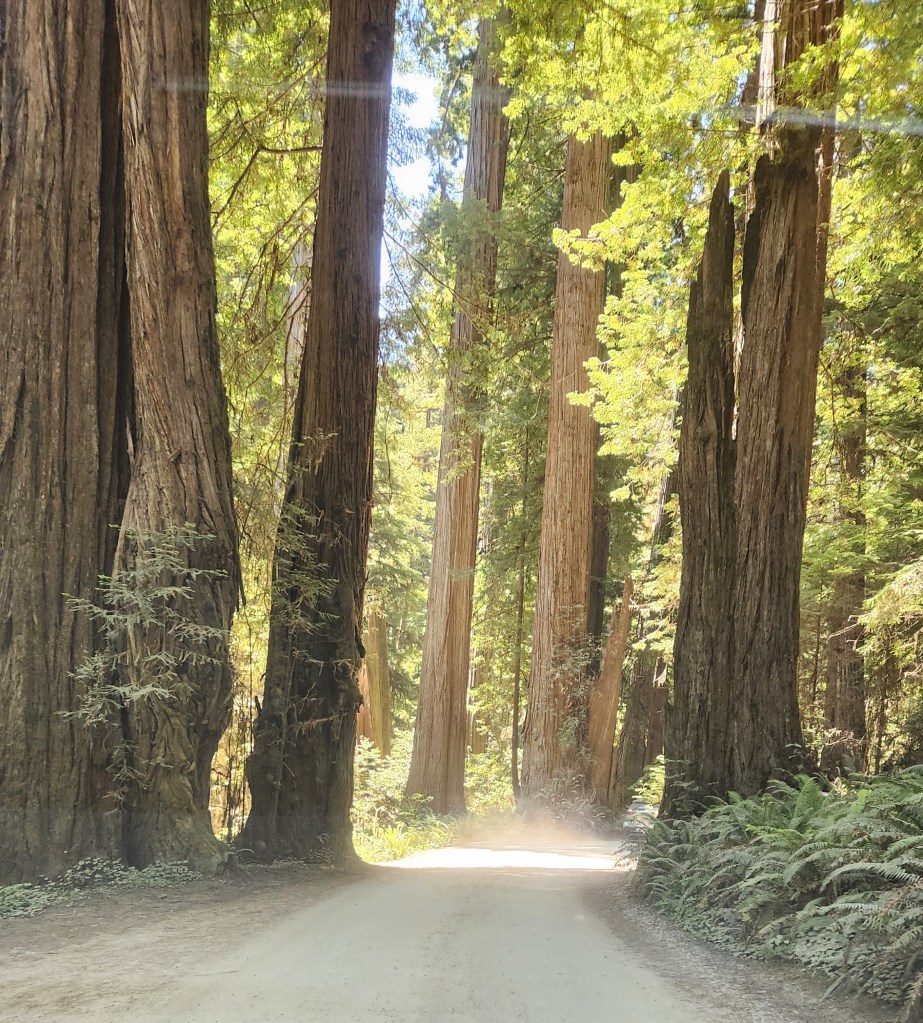
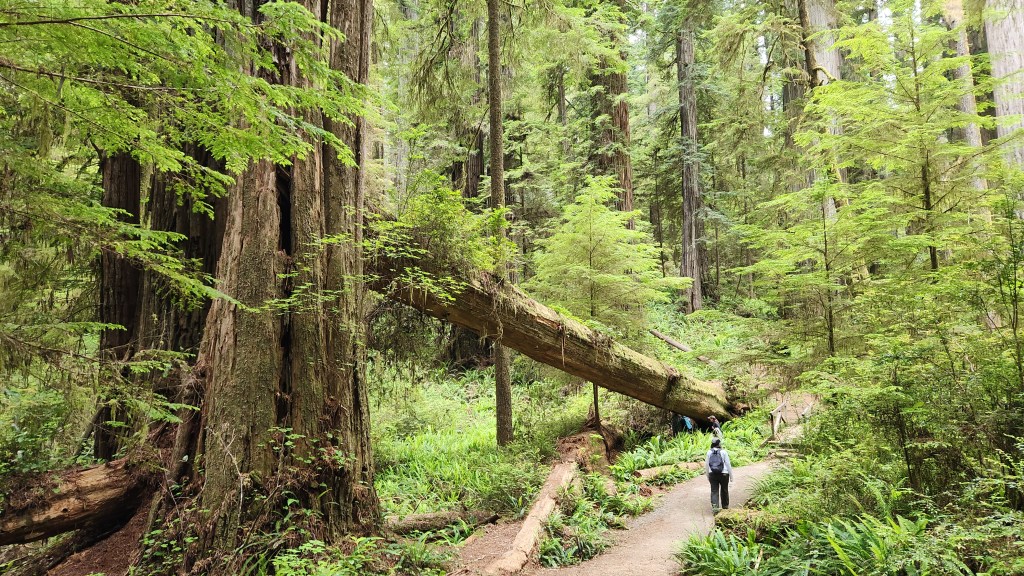
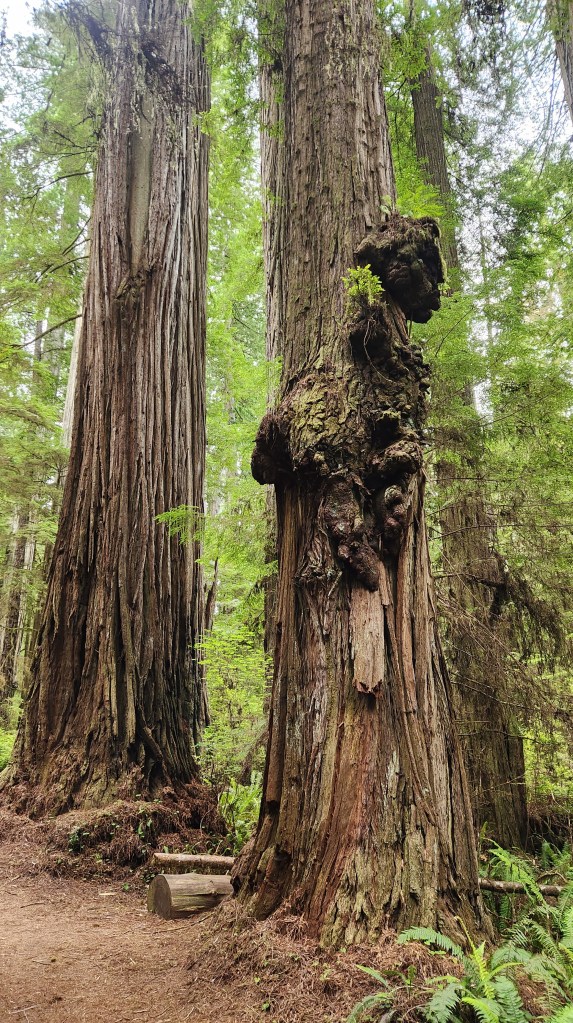
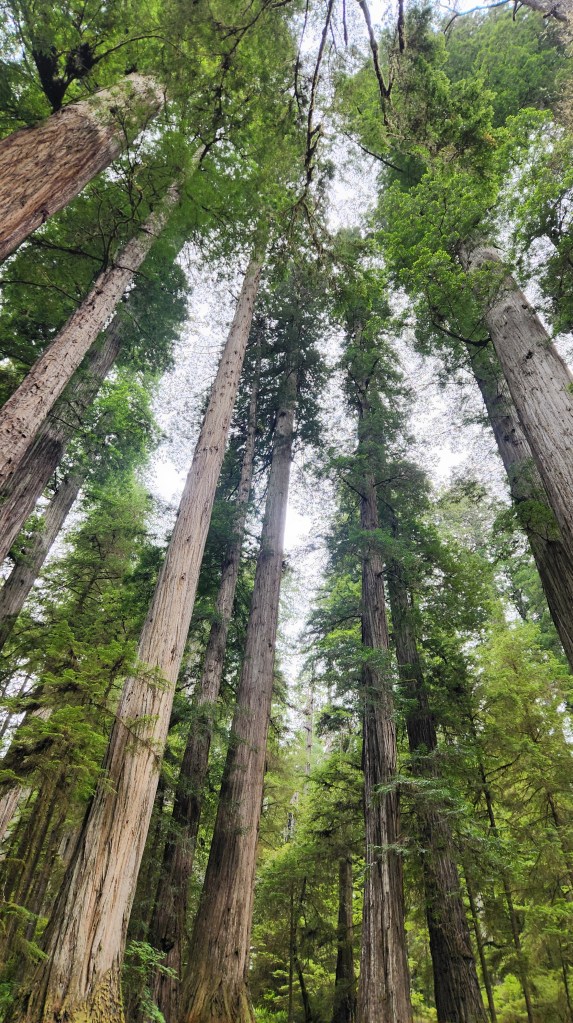
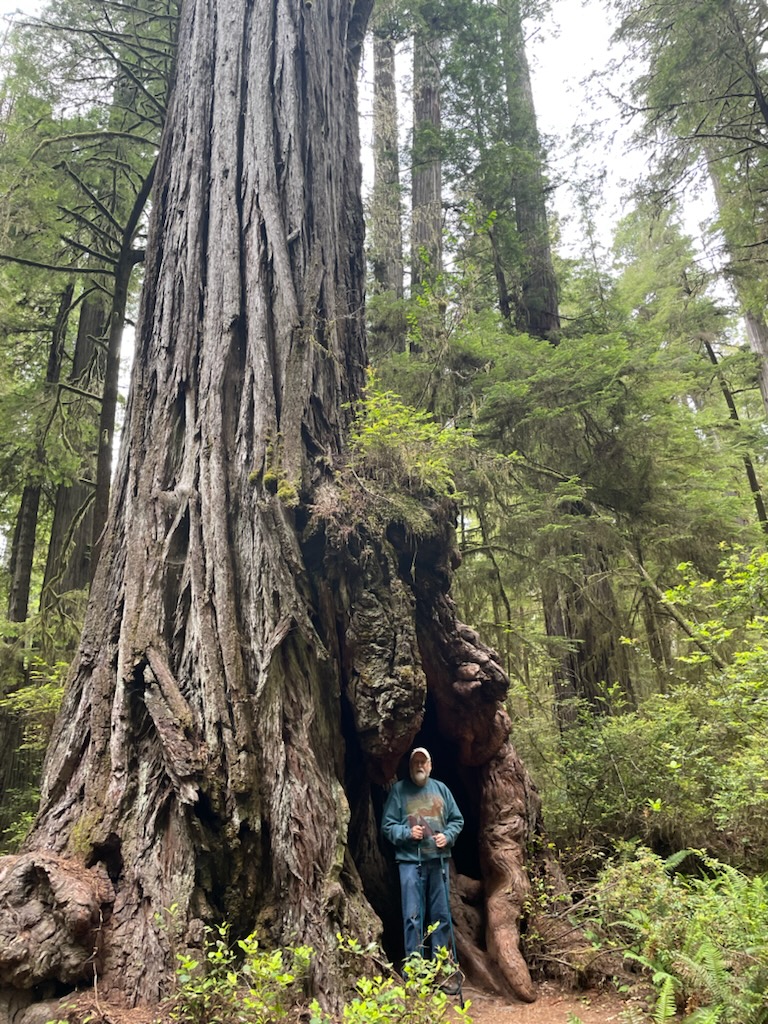
Boy Scout Tree Trail, Crescent City, CA: After two days staying in Medford, OR, including our visit to Crater Lake, we drove along an amazing road, US Highway 199, that wound its way steeply up and down and around a multitude of sharp curves as it traversed the mountains toward Crescent City, CA. As we neared Crescent City, we got off the main highway to take small, forest roads into the Jedediah Smith Redwoods State Park. The most amazing of these was called Howland Hill Road, a mere dirt path that wound its way through giant redwood trees. We stopped at the Boy Scout Tree Trailhead and walked about a mile and a half into the forest to admire magnificent trees and beautiful wildflowers. Again, the pictures can not truly capture the immensity of these ancient trees, but I’ll once again dispense with 60,000 words.

Howland Hill Road, near Crescent City, CA
The Boy Scout Tree Trail, Jedediah Smith State Forest, CA
Interesting Redwoods with Burls along the Boy Scout Tree Trail
Tree Blossom along the Boy Scout Tree Trail
My Attempt to Illustrate the Immensity of the Redwoods
Feeling Puny along the Boy Scout Tree Trail

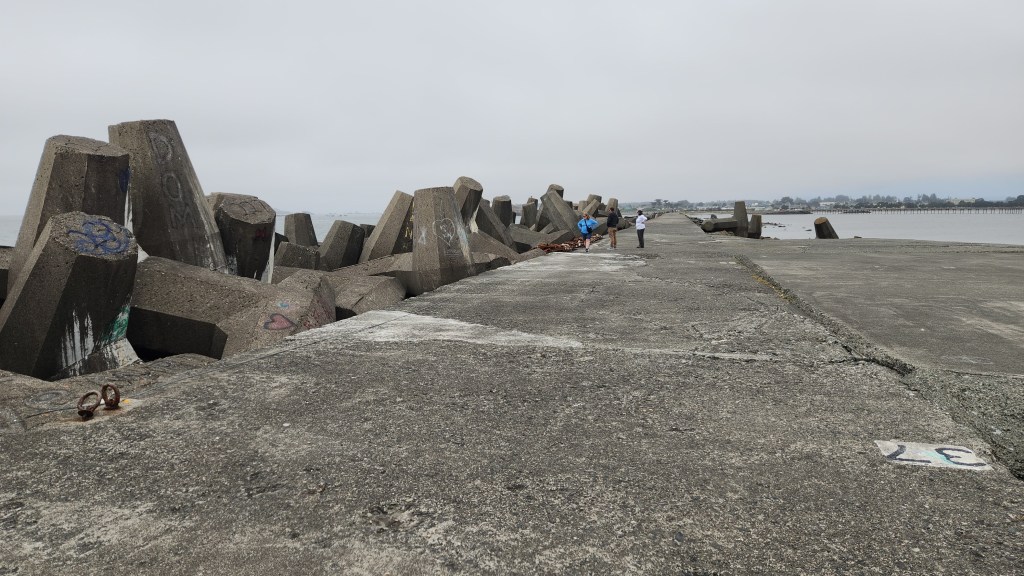
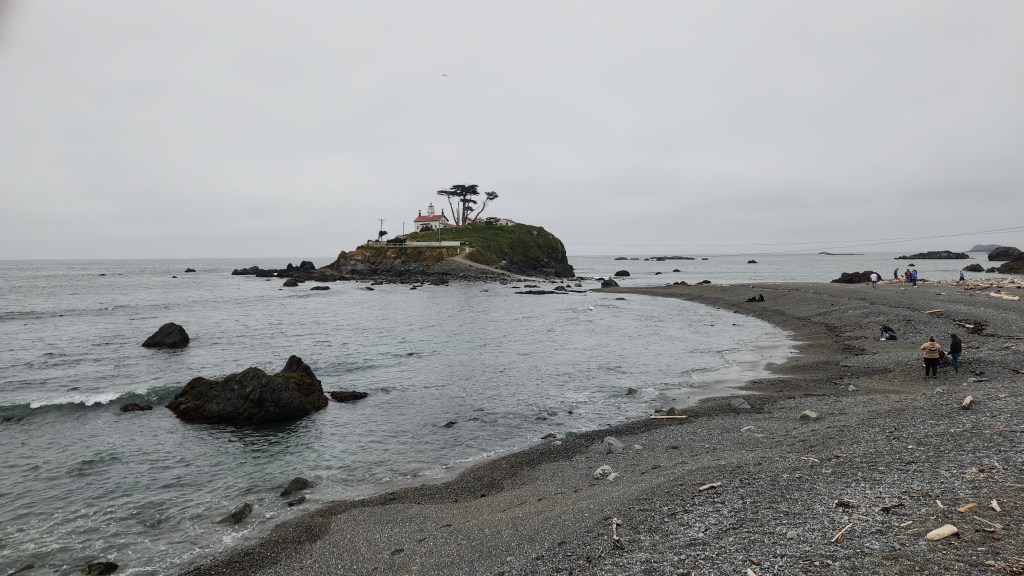
Crescent City Breakwater: After our walk in the woods, feeling quite puny and insignificant compared to the massive trees, we again drove along Howland Hill Road until it emerged from the forest and morphed into a city street. Once in Crescent City itself, we had a nice lunch at SeaQuake Brewing (I had clam chowder and a hearty stout) before taking a short walk to the nearby breakwater. This structure is known for its unusual design, employing concrete structures called tetrapods, designed by the US Army Corps of Engineers in the 1950s to serve as protection against the heavy ocean waves that frequently impinge on the pier. I found these tetrapods fascinating, given my nerdy engineer curiosity, so I’m calling this a point of interest even though others may not be overly impressed.

Crescent City Breakwater with Tetrapods
Crescent City Lighthouse viewed from Breakwater

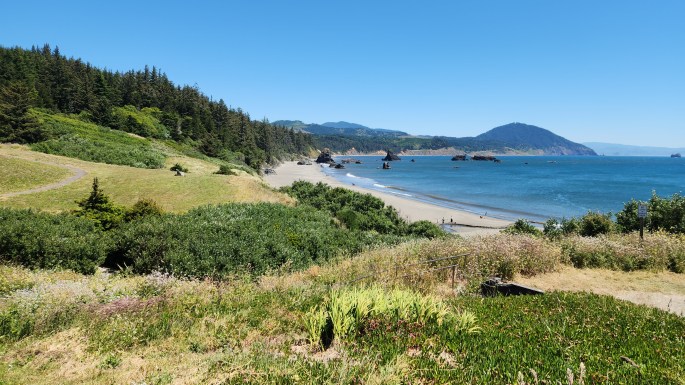
Port Orford Heads State Park, Port Orford, OR: As I explained in Part 1, visiting this location was the underlying purpose of the whole Oregon excursion – to visit the site where our nephew, Steve, and his wife, Kelci, were married in a quiet ceremony last year, so we could celebrate the event with them post facto. The assembled relatives all trooped along a lovely walking path to the overlook where the nuptials took place and gave the newlyweds our collective congratulations. As we stood looking out at the surroundings, I couldn’t resist the urge to say a few words of purported wisdom to the happy couple. Here’s what I came up with:

“I’m very happy that you chose such a beautiful place to say your wedding vows, because it can serve as a symbol of your future life together. I say this because there is nothing in the world more beautiful than the love shared between life partners.”

Okay, maybe a bit sappy, but there you have it. Now for some more word-saving photos.

The Happy Couple at Their Wedding Site
Port Orford Head State Park, Port Orford, OR
Foliage Along Walking Path at Port Orford Head State Park
Wildflower Along Walking Path at Port Orford Head State Park

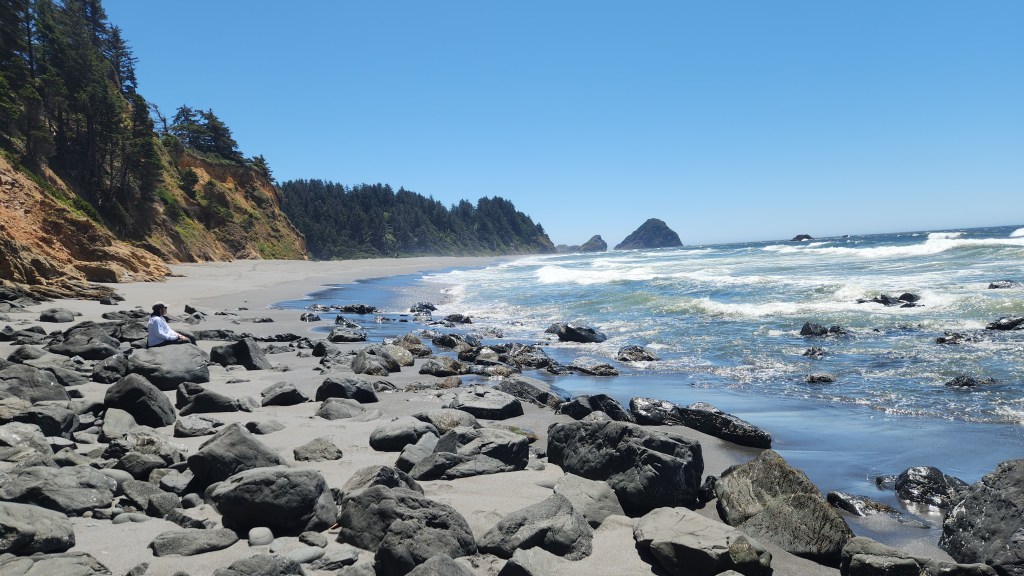
Battle Rock Wayside, Port Orford, OR: After our visit to the State Park, we drove to the nearby town of Port Orford for a great lunch at a place called The Crazy Norwegian’s Fish and Chips and then walked to a nice little beachside park called the Battle Rock Wayside. While the name comes from one of the many unfortunate moments in American history (a battle between white settlers and indigenous people who were being unceremoniously expelled from their supposed treaty lands), it was actually a very beautiful place, and we spent some time roaming the beach and enjoying the scenic overlooks.

Overlook at Battle Rock Wayside, Port Orford, OR
Beach at Battle Rock Wayside
A new Driver? On the Beach at Battle Rock Wayside

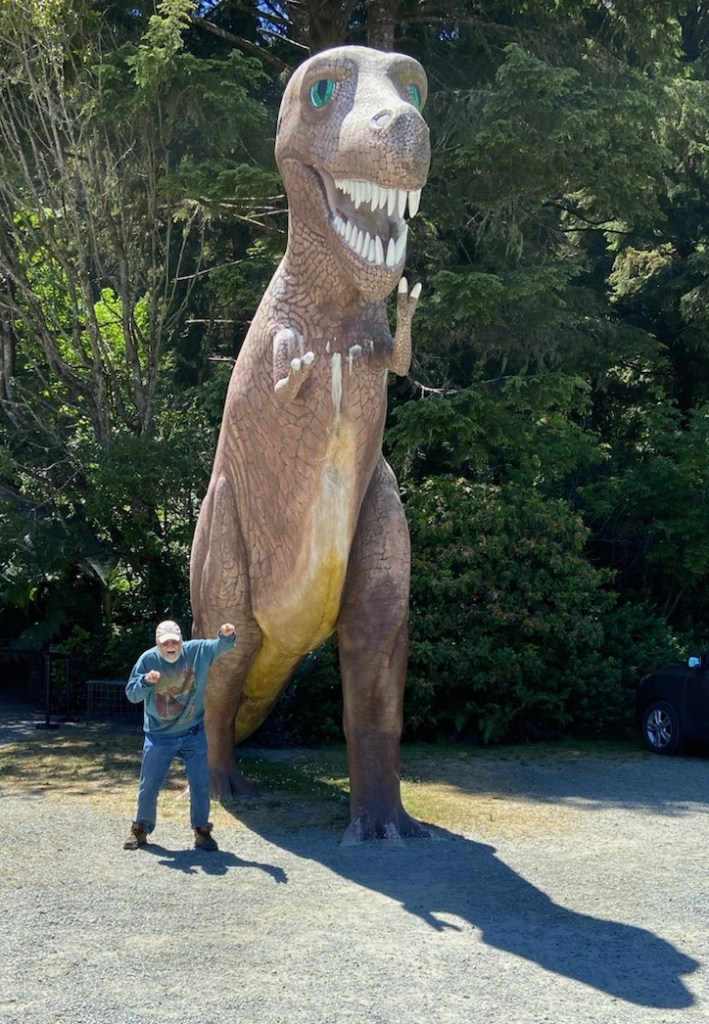
Prehistoric Gardens, Gold Beach, OR: Calling this one a point of interest is a bit of a stretch. It’s a tourist attraction featuring 23 life-sized sculptures of dinosaurs set among the lush foliage of the area’s temperate rainforest. The gardens are the work of an amateur paleontologist in the 1950s, but I presume it’s mainly the sort of place people stop to entertain their kids. Unfortunately for our little tour group, it did include one big kid – me. So, we had to make a quick stop on the way back from Port Orford so I could pose with the big T-Rex that’s visible from the highway. We didn’t actually go into the gardens, though, so I can’t really give an opinion on whether or not it’s a worthwhile stop.

Some People Never Grow Up

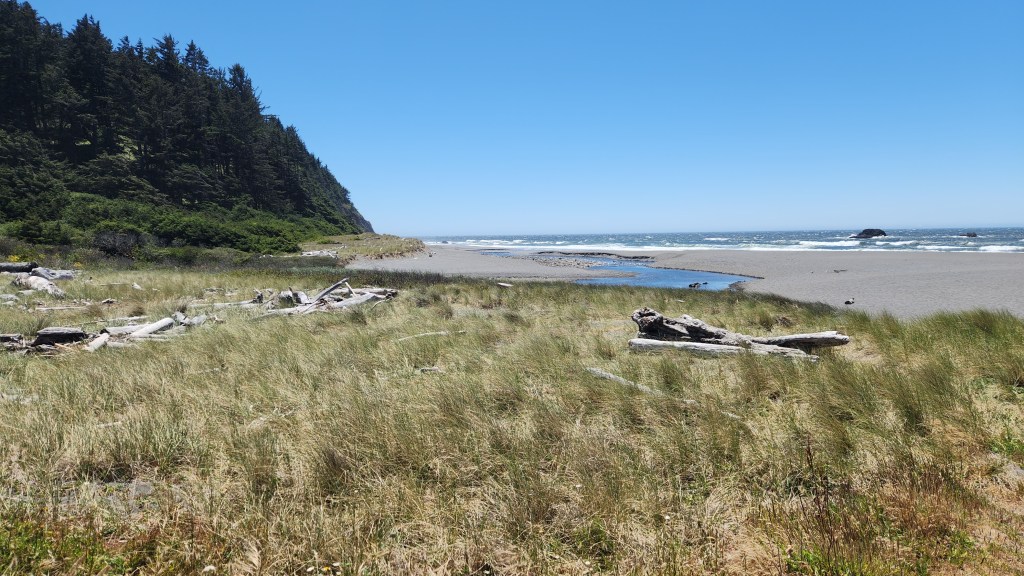
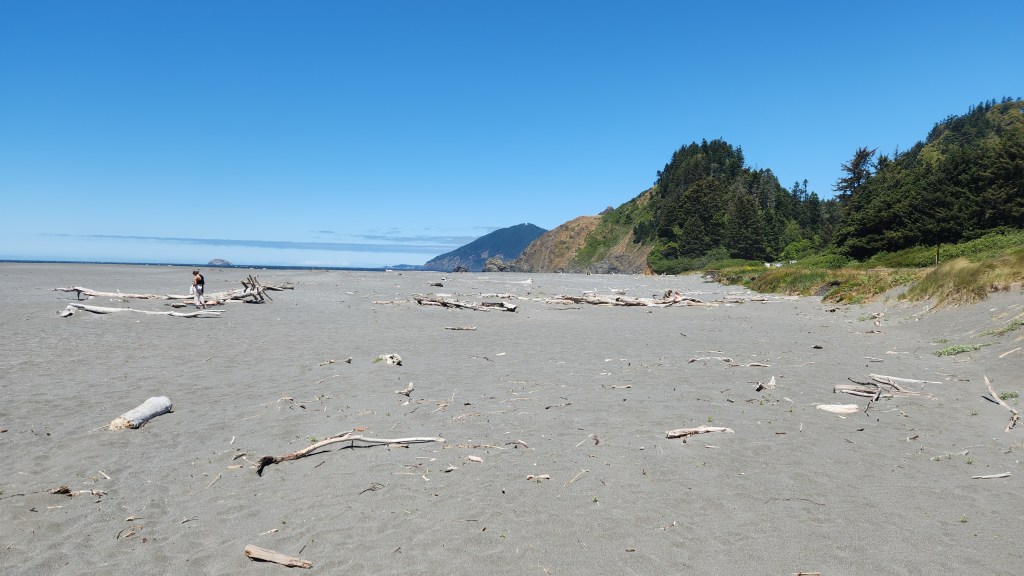
Ophir Beach Wayside, Gold Beach, OR: On our last day before heading off to catch the train in Portland, we visited one of the many nice waysides along US Highway 101. Ophir Beach is a long, sandy beach divided by a small creek that emerges from the hillside area east of the highway. We enjoyed beautiful views of the ocean and the sandy hills as well as interesting driftwood and other objects strewn along the sand.

View from Ophir Beach Wayside, near Gold Beach, OR
Driftwood at Ophir Beach
Ophir Beach
Ophir Beach
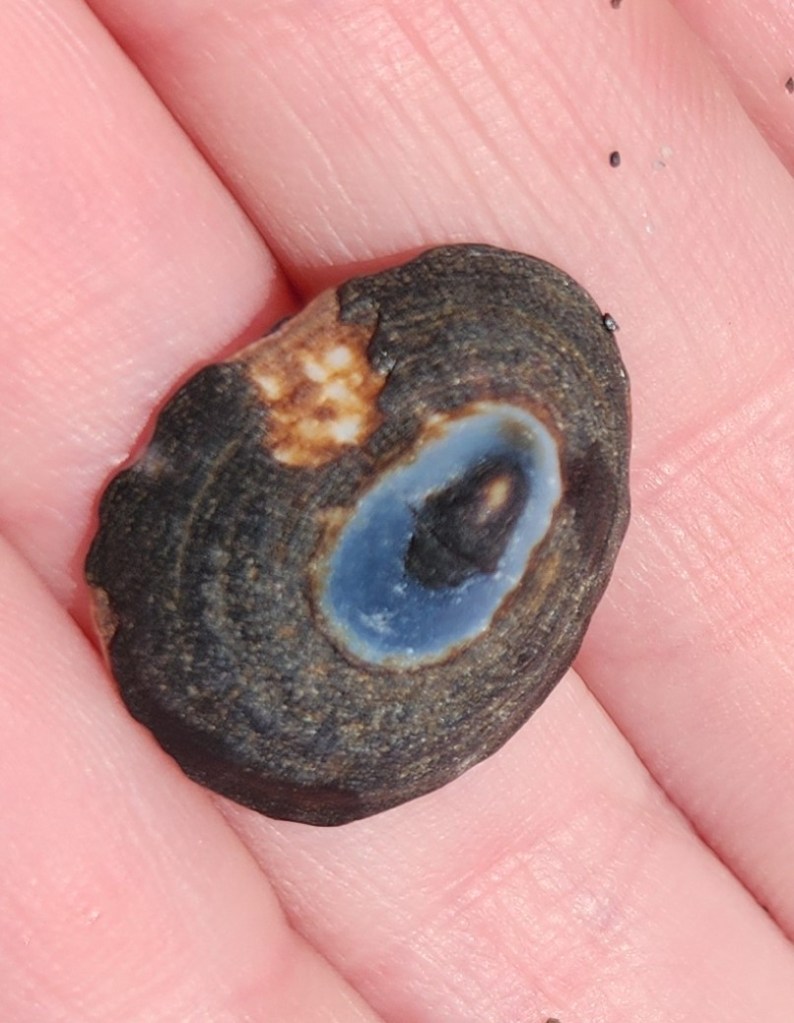
Object found at Ophir Beach
Detritus on Ophir Beach

Miscellaneous: Finally, to round out this narrative, I have a couple more photos I want to share from other places we passed by during the trip.

Rogue River seen from Jot’s Resort, Gold Beach, OR
Sunset along Oregon Coast near Gold Beach, OR

OK, that’s it for this installment of my travel blog. Thanks for reading, and stay tuned for our next adventure, coming in October of 2024.

Pat and Dave’s Easy EV Road Trip – PART 1: Overview

As past readers know, for the past several years I’ve been documenting some of our travel experiences through blog posts. (The most recent of these was entitled Pat and Dave’s Magical Maritime Meanderings, describing our travels in September of 2023 to the Maritime Provinces of Canada.) We are among those most fortunate of people who are able to travel about the world in our Golden Years, and we are constantly discussing ideas for where to go next. Travel during the 2023-2024 winter season was off the table, however, since I had decided to have both my arthritic knees replaced. The left knee operation took place on October 18, 2023 and the right one on January 19, 2024, leaving me in a state that I call “knee-hab” – physical therapy sessions and daily home exercises to rehabilitate the knees. In part to give me something fun to look forward to at the end of all that, Pat suggested that we take a road trip to the Great Smoky Mountains National Park in mid-April, by which time we figured I’d be able to drive and walk around – not to mention play golf – reasonably well with the new knees.

Seizing on this idea, Pat located a condo in Pigeon Forge, TN, which, according to the internet, was close to the National Park but also within a stone’s throw of the Gatlinburg Golf Course. I eagerly booked a one-week stay at the condo, called Golf Vista, for April 18-24, 2024 through VRBO. As I labored through the winter months with various knee flexes, leg lifts, wall squats, and twice-daily jaunts on the stationary bike, the prospect of the upcoming Smoky Mountains road trip helped me maintain a positive frame of mind. Day-dreaming of eagles and birdies in Tennessee (both the avian kind and the golfing kind) motivated me to keep going with the knee-hab, and the new joints gradually recovered.

Meanwhile, we also made the decision to buy a new Tesla Model 3, for reasons which are not entirely clear in retrospect – a combination of the potential for a new EV rebate, which unfortunately failed to materialize, and my unbridled enthusiasm for the EV revolution. We thus become an all-EV couple, as our former ICE car is now being used by our youngest son. Once we realized that the new car would be delivered before we left for the Great Smokies, the road trip became even more exciting as a chance to give the new EV a thorough shakedown.

Against that backdrop, we began planning details of the trip – to the extent that we actually plan anything – during the first two weeks of April. The map below shows the complete trip, including the various places where we stayed and where we charged the car. All of the hotel stays were for a single night except for the one-week stay at the Golf Vista. We picked the various hotel stops by limiting our daily driving time to about four hours so that, starting out on April 14, we would easily get to Pigeon Forge by the 18th. The map doesn’t show all the places we visited during our week in Pigeon Forge – I’ll expand on that in Part 2 of the series. I’ll also provide some detailed information about how the new car performed (including the cost and duration for charging) in Part 3, for those who might be interested in learning more about taking an EV road trip.

Pat and Dave’s Easy EV Road Trip — April 14-26, 2024

Getting There, April 14 – 18, 2024: As planned, we left the condo on the morning of April 14th and drove to our first hotel stop in Madison, WI. There’s not much to tell about the first three days – driving, charging, eating, sleeping – so let’s skip ahead to the first point of interest.

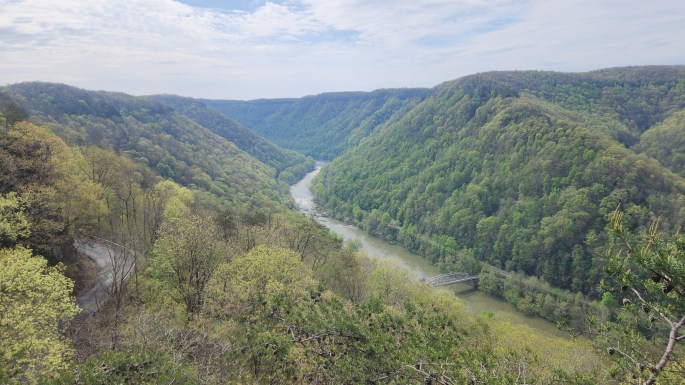
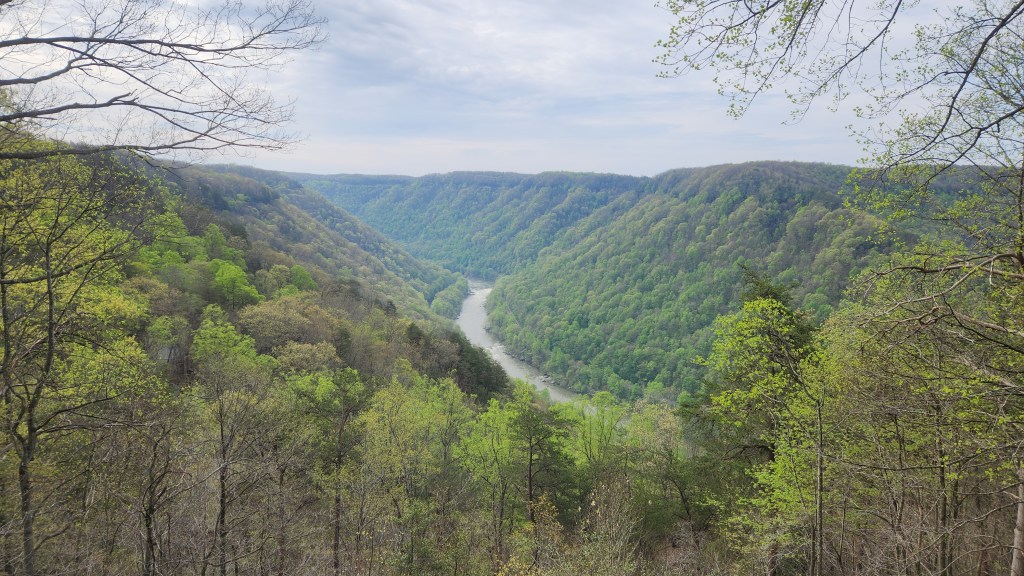
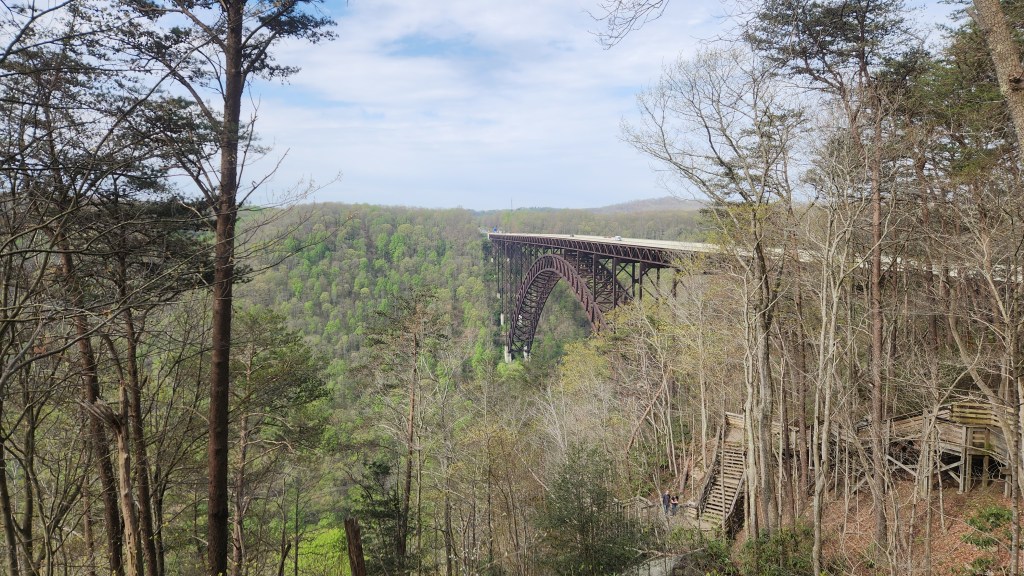
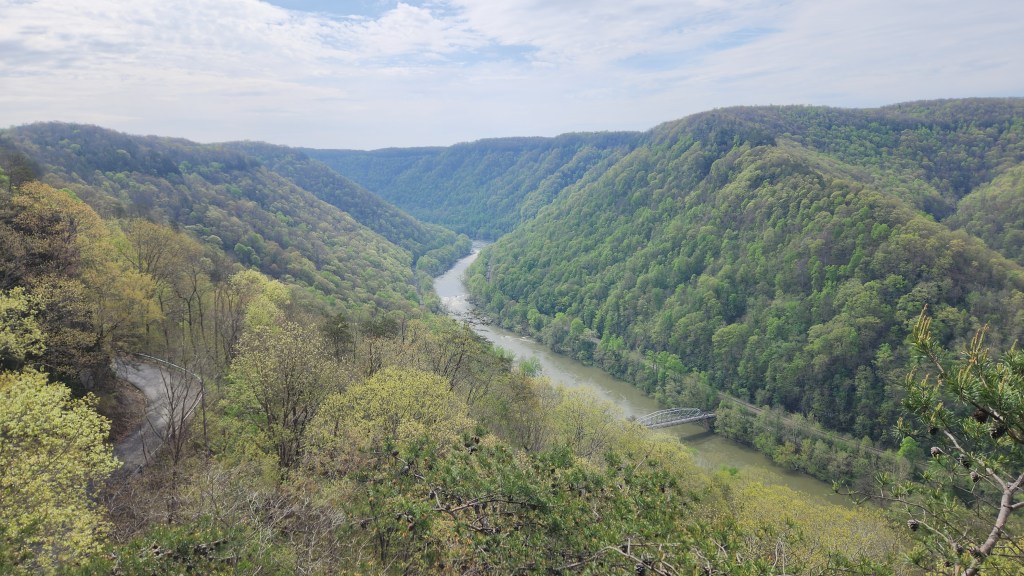
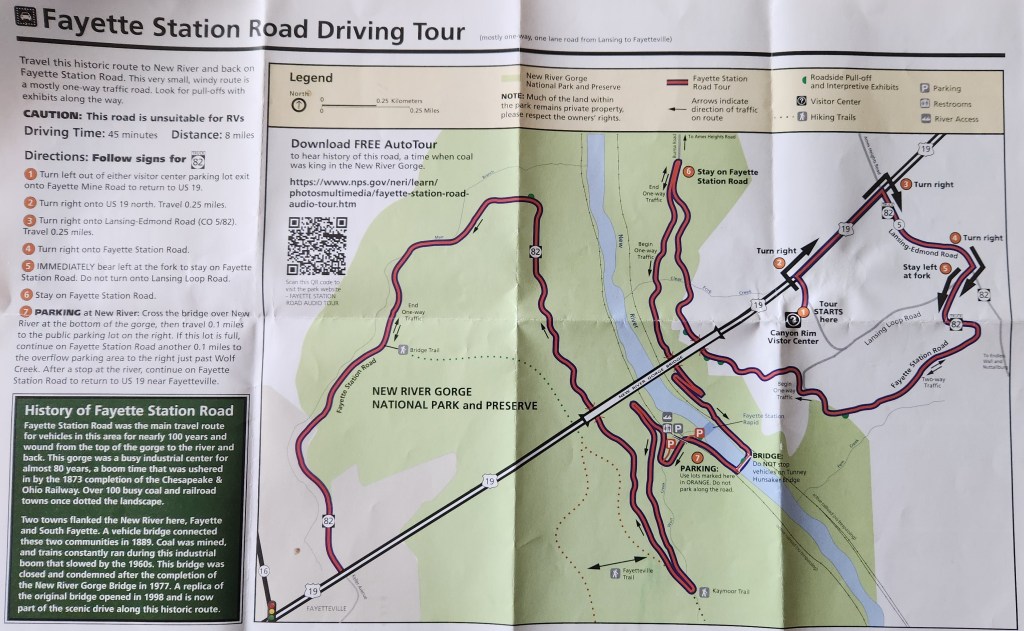
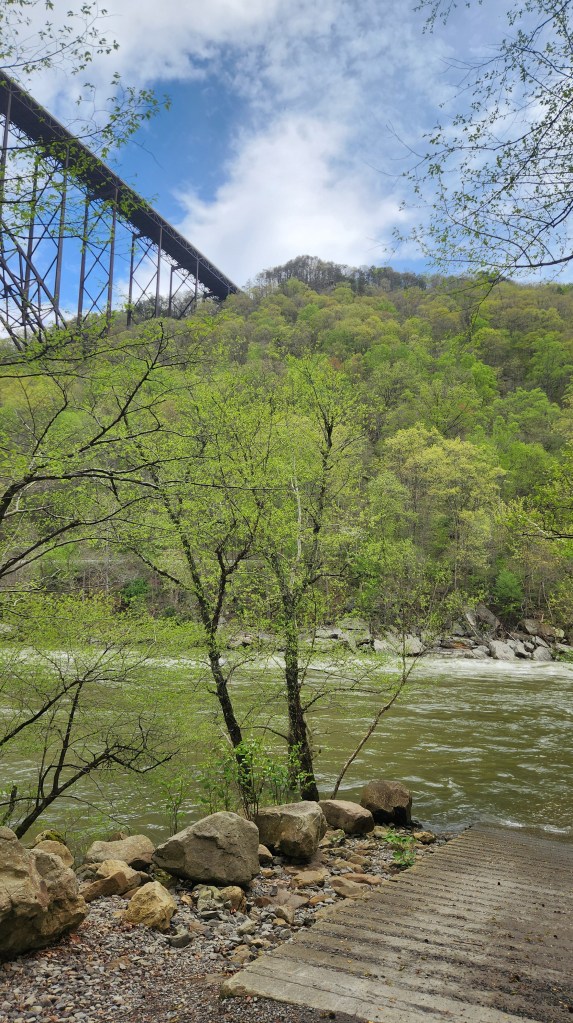
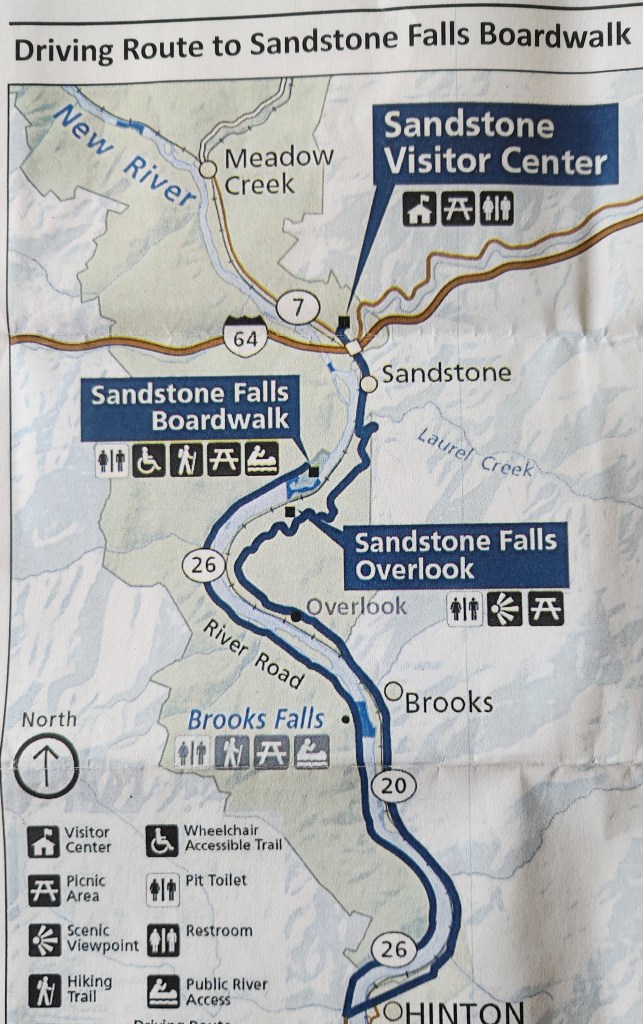
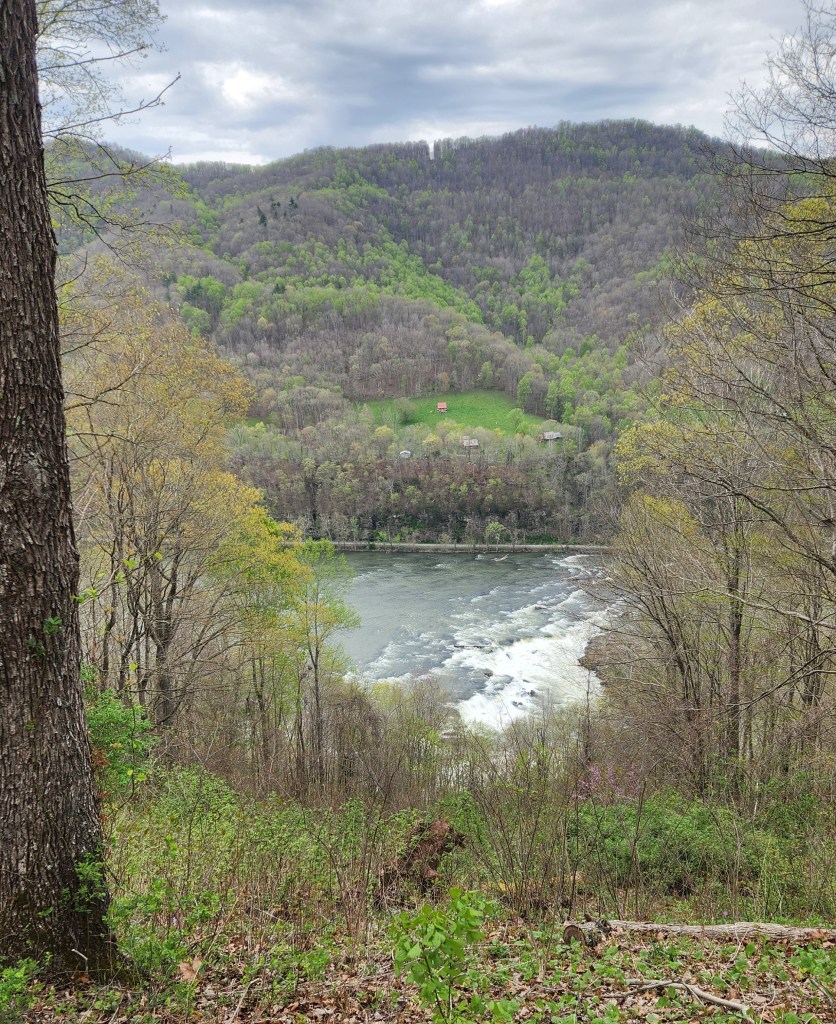
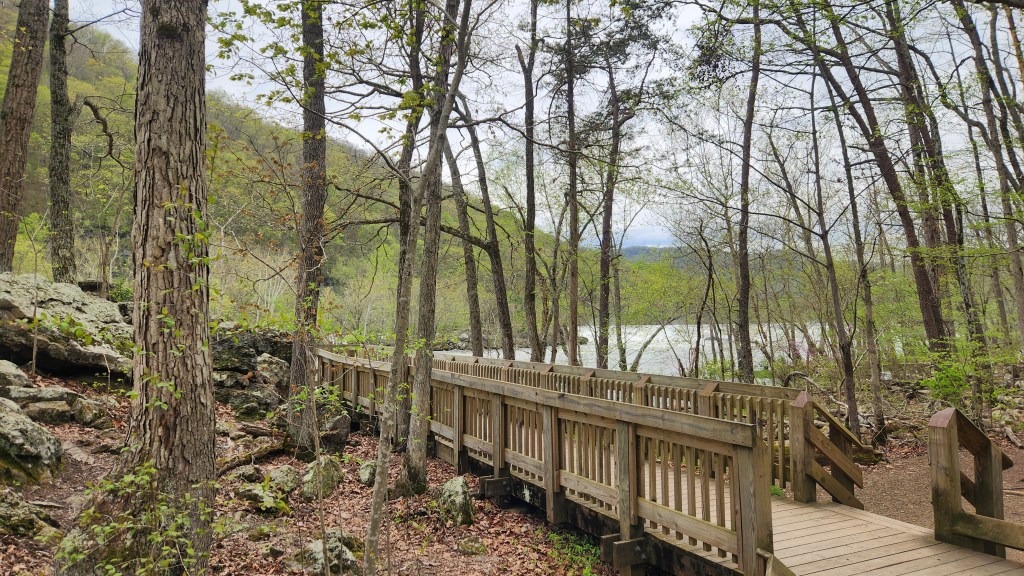
On Wednesday, April 17th, we visited the New River Gorge National Park and Preserve in West Virginia, the nineteenth National Park we have visited so far in our travels. Despite its name, the New River is actually one of the five oldest rivers in the world, older than the Appalachian Mountains through which it flows. Its origins are in South Carolina, flowing northward for 360 miles through Virginia and West Virginia before joining with the Gauley River to form the Kanawha River, which eventually flows into the Ohio River. One explanation for the name of the river is that a mapmaker added it to the Fry-Jefferson map of Virginia, which did not show the river when first published in 1753, thus adding the “new river” to the old map. A 53-mile stretch of the New River in West Virginia – the so-called New River Gorge – was designated as a National River in 1978 and placed under supervision of the National Park Service. It was designated as the New River Gorge National Park and Preserve on December 27, 2020, essentially becoming America’s newest National Park.

We first went to the Canyon Rim Visitor Center, where I eagerly offered my National Parks Senior Pass for admittance, only to learn that New River Gorge is a free park. I couldn’t decide whether to be disappointed that I wasn’t getting anything special with my pass or happy that the Government makes the lovely park available to all for free. Anyway, the visitor center had some nice displays about the geography, flora, and fauna of the National Park, and the walking paths afforded stunning overlooks of the river and the large bridge that crosses it.

New River Gorge Overlook from Canyon Rim Visitor Center
Viewing Platform on the Visitor Center Grounds
Proof of Visit? Another of my lousy selfies …
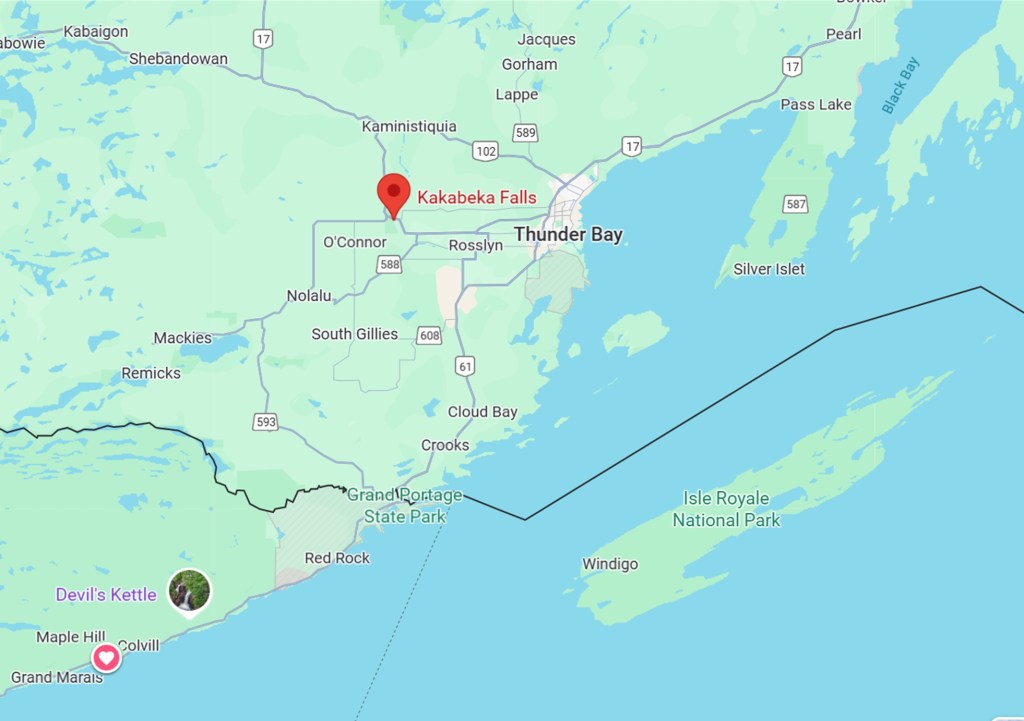
New River Gorge Bridge — from Viewing Platform
River Gorge from Viewing Platform with Fayette Station Road on Left and Bridge Below

We then took the Fayette Station Road Driving Tour, a very narrow and winding eight-mile road that descends from the visitor center to the river below and crosses a rickety-looking bridge before climbing back up to the town of Fayetteville, WV. We stopped at several places along the way to admire the scenery.

Along the Fayette Station Road Driving Tour
Fayette Station Road — Tunney Hunsacker Bridge
New River and Tunney Hunsacker Bridge
New River Gorge Bridge from Below

We then drove to the Sandstone Visitor Center, then followed the highway along the river southward to the town of Hinton. We crossed the river and drove northward on the other side to the Sandstone Falls Boardwalk for a close-up view of the Sandstone Falls. As you see below, the falls extend across the full width of the river, making it impossible to see the entire span at once, but the excellent boardwalk provided many nice photo opportunities.

Sandstone Falls Overlook
Sandstone Falls Boardwalk
A Portion of the Sandstone Falls
Another Portion of the Sandstone Falls

After our time spent ogling the New River Gorge, we proceeded southward to Wytheville, VA, where we spent our last hotel night before the week’s stay in Pigeon Forge. On Thursday, April 18th, we headed for the Golf Vista, located appropriately on Dollywood Lane, with a stop along the way at Saltville, VA. We visited a fascinating place called the Museum of the Middle Appalachians, which included a wide array of displays including ancient fossils, ice-age mammoth skeletons, dioramas and artifacts from indigenous peoples, development of the important salt mining industry, the famous Civil War Battle of Saltville, and transition to the 20th century industrial age and the residual pollution issues. Before heading off for the final drive to Pigeon Forge, we also stopped at one of the Saltville Battle sites, which turned out to be a dud, but we vowed to visit a more interesting Civil War Battlefield site later during the trip.

Saltville Battle Site — not much to see …
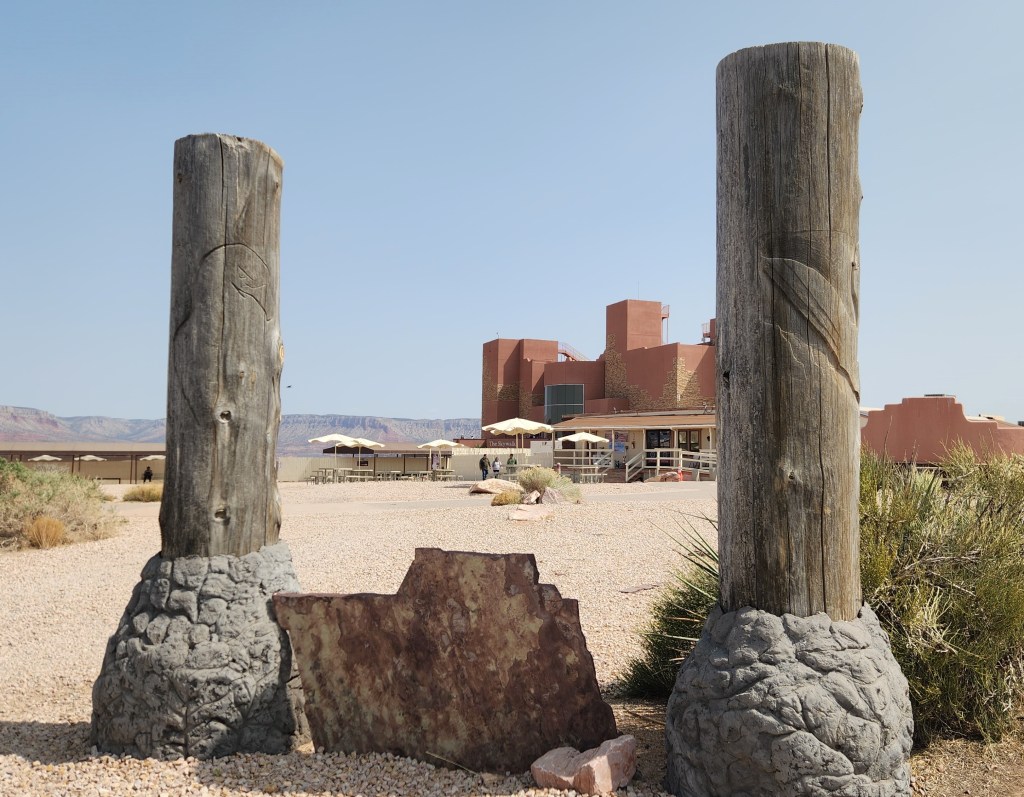
I’ll stop for now, but stay tuned for Part 2, in which I’ll describe our week exploring the Great Smoky Mountains and local environs from our base at the Golf Vista on Dollywood Lane.