Welcome back for Part 2 of this narrative of our recent trip to the Iberian Peninsula. Part 1 left off as we completed a walking food tour of Lisbon on November 11th. In this episode, we’ll head north to Porto, with a stop at Coimbra along the way, and begin sailing along the Douro River.
Coimbra (November 12): On Tuesday the 12th, we set our luggage outside our Lisbon hotel room for collection by the Viking team at 6:45 AM before heading down for our final excellent breakfast at the Corinthia. We boarded our Viking bus at 8:15 AM. During the two-hour, 130-mile drive north to Coimbra (with a rest stop for snacks and the all-important restrooms along the way), our Viking guide gave us some background on the history of Coimbra and the places we were going to visit. The city, located on a hill by the Mondego River, was originally founded by the Romans during the reign of Augustus (63 BCE – AD 14). It was later conquered and ruled by Germanic tribes including the Visigoths beginning in the 400s and then by the Moors beginning in the 700s. It was recaptured in 1064 by the king of León. The subsequent king, Alfonso VI of León, gave Henry of Burgundy stewardship of Coimbra and the surrounding territories when he married Alfonso’s illegitimate daughter. Henry’s son, Alfonso Henriques, later rebelled from of León, consolidated power in the territories and had himself declared the first King of the newly independent Kingdom of Portugal in 1131, establishing Coimbra as its capital and continuing to expand Portuguese territory by driving the Moors out of the south. Coimbra remained the capital until 1255, when it was relocated to Lisbon.
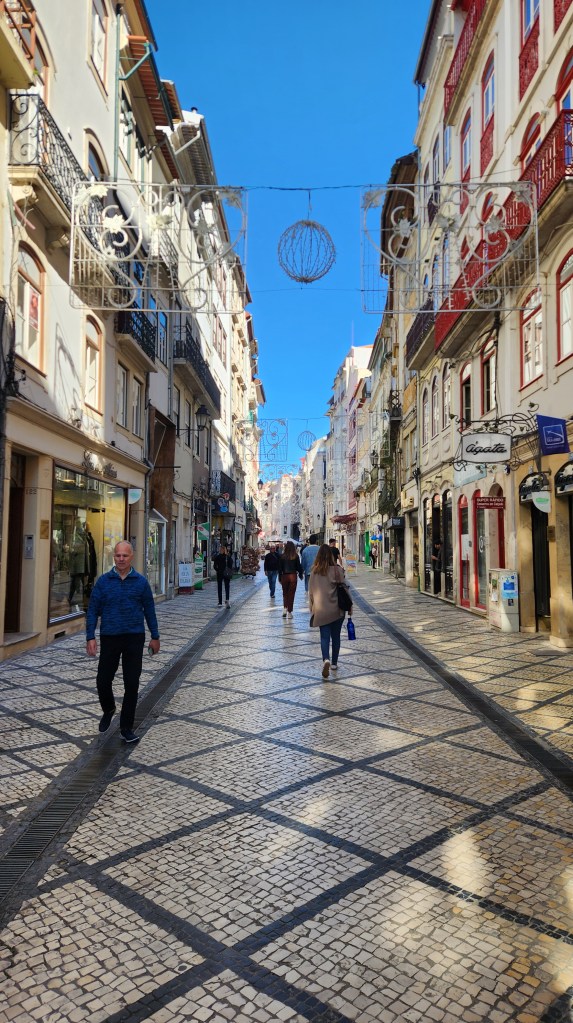
When we arrived in the city, we first had a short break as we strolled down a long, commercial street. Our guide suggested we stop at a pastry shop to try Coimbra’s famous custard tart, the Pasteis de Santa Clara, or St. Claire pastry, originally invented at the Santa Clara convent and popularized when the nuns began selling them to University students. However, when I asked for a “Saint Claire pastry,” the clerk sold me an éclair instead, so I unfortunately didn’t get to taste the proper thing.
The University of Coimbra was founded in Lisbon in 1290 but relocated to Coimbra in 1308 and transferred to the premises of the Coimbra Royal Palace in 1537. Since then, city life has revolved around the state-run university, which we toured during our visit. Of special interest was the Biblioteca Joanina, or the Joanine Library, founded in 1717 by King Joan V. It is home to more than 70,000 volumes, including many priceless historical documents and first editions. It is registered as a National Monument. The library is carefully climate controlled and taking of pictures was forbidden, so you’ll just have to believe me when I say it was a beautiful and impressive place. A resident colony of bats protects the books from termites, but this aspect of preservation does dictate covering the tables at night and daily cleanup before tours are admitted. Some say that the library was used as the Harry Potter film set for the Hogwarts library; it was not, but its appearance is quite reminiscent of the movies. Also, the University students’ traditional uniforms are said to have inspired the Hogwarts uniforms in the Potter books, as author J. K. Rowling resided for a time in Porto.
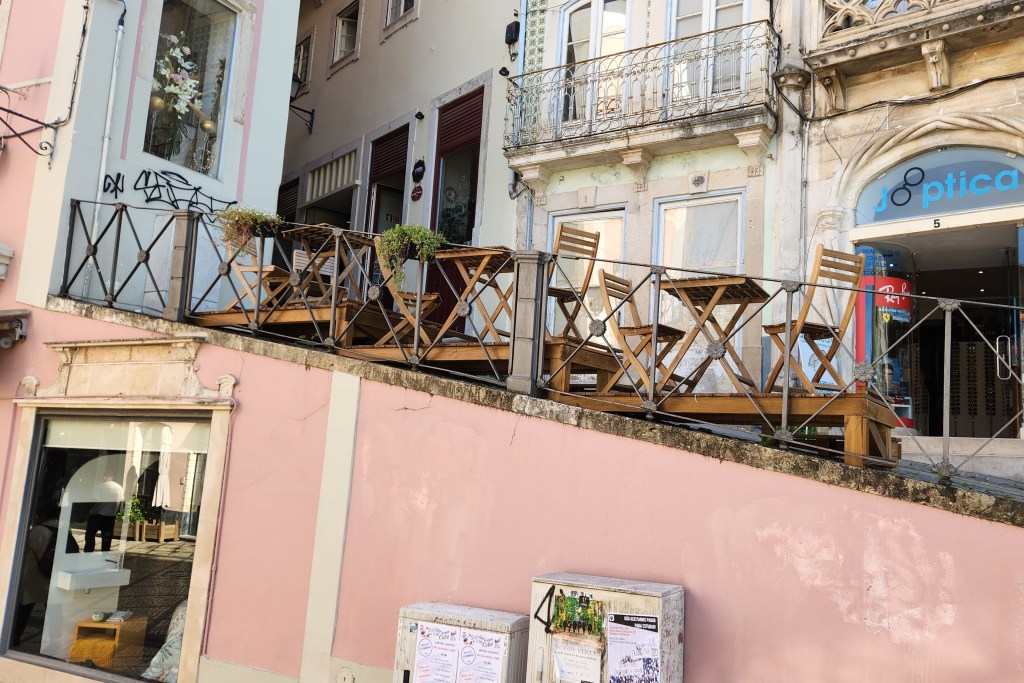
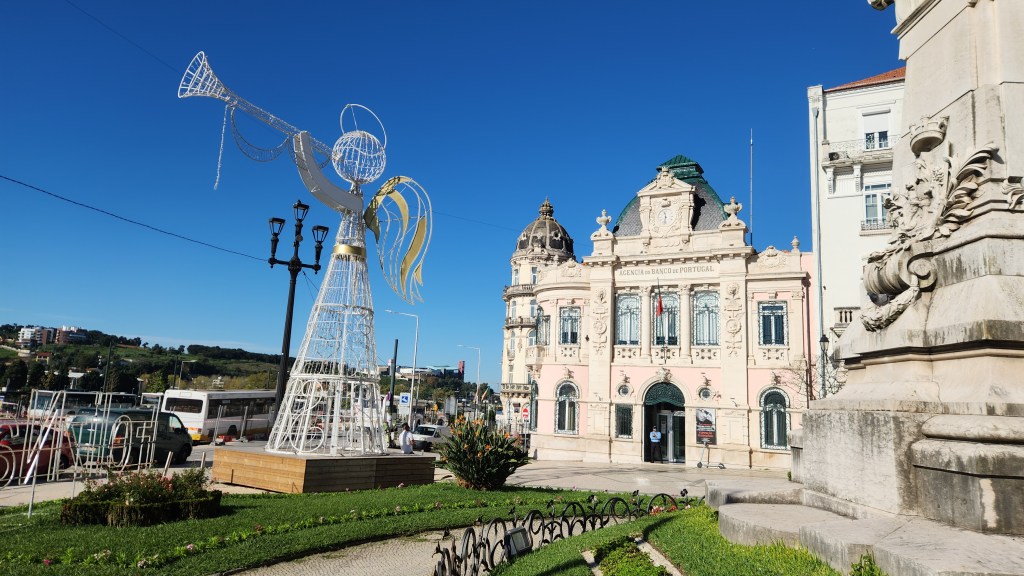
Here are some photos of other parts of the University.
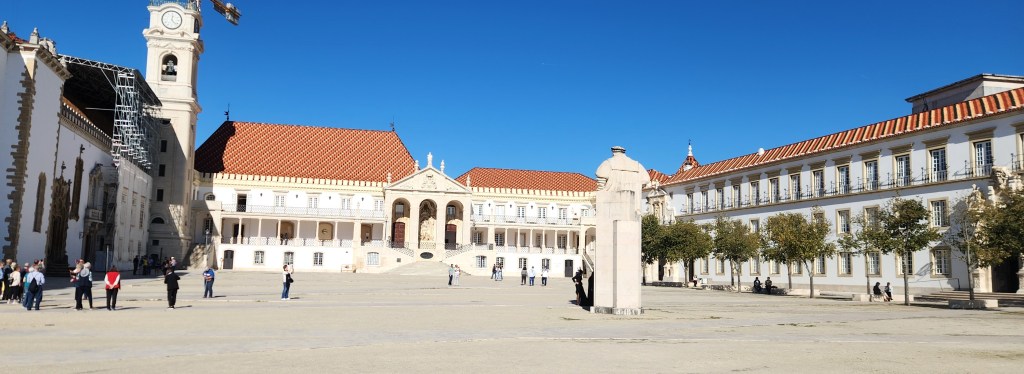
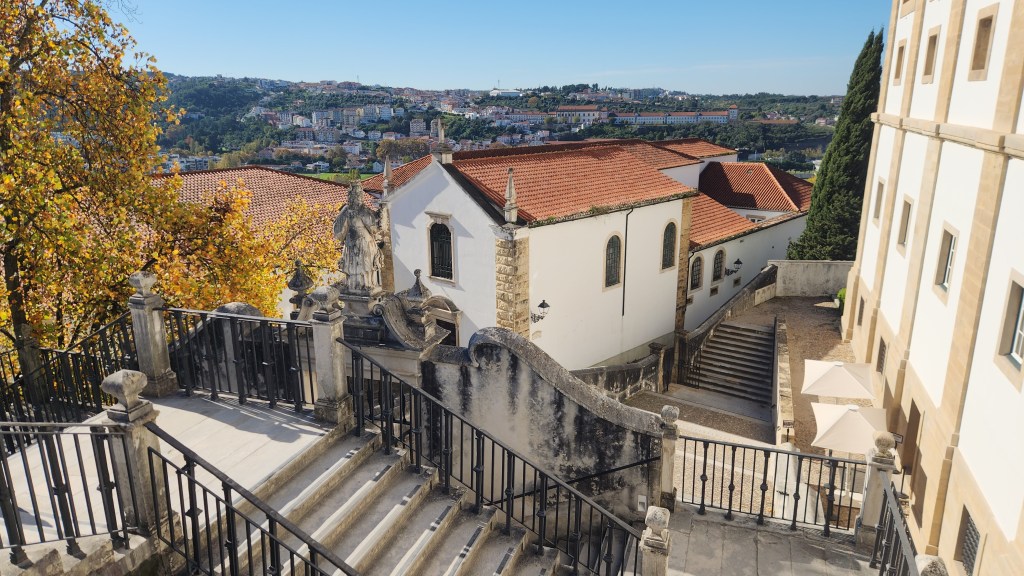
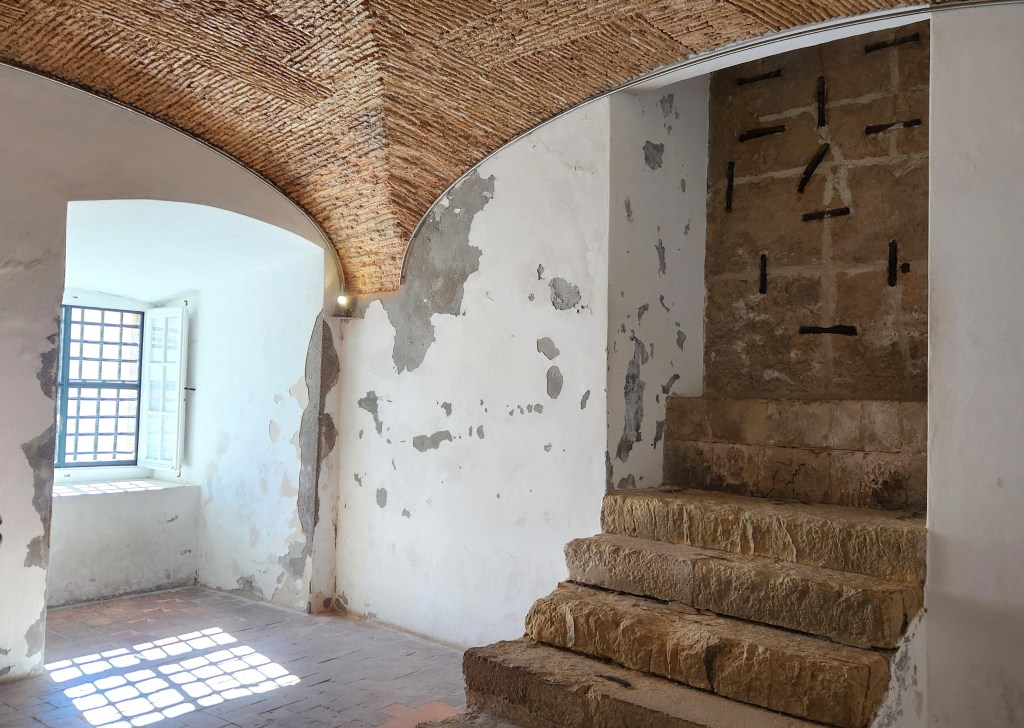
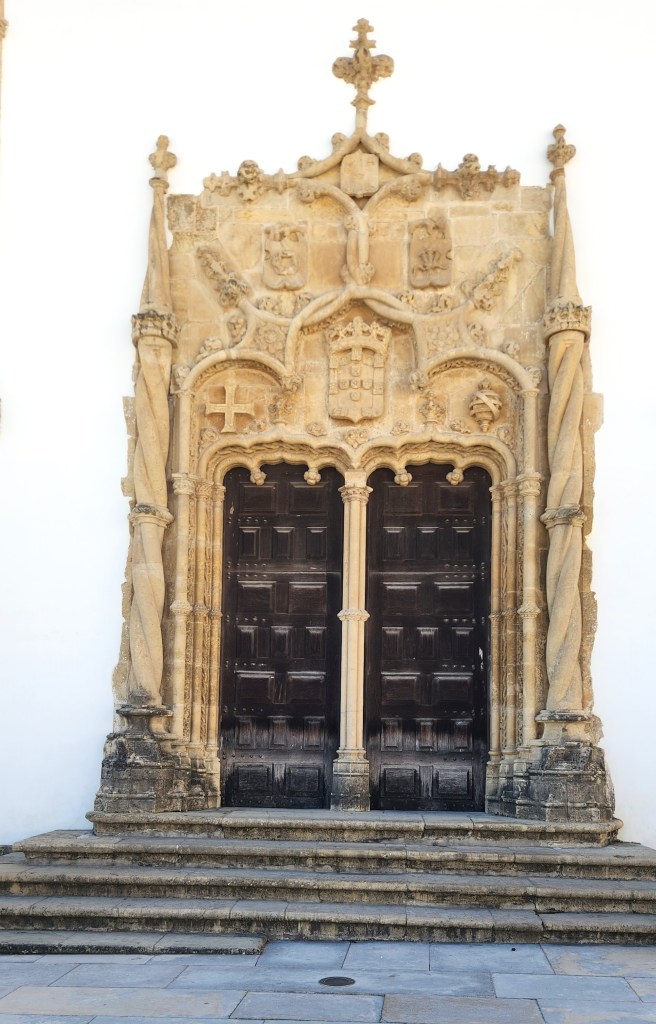
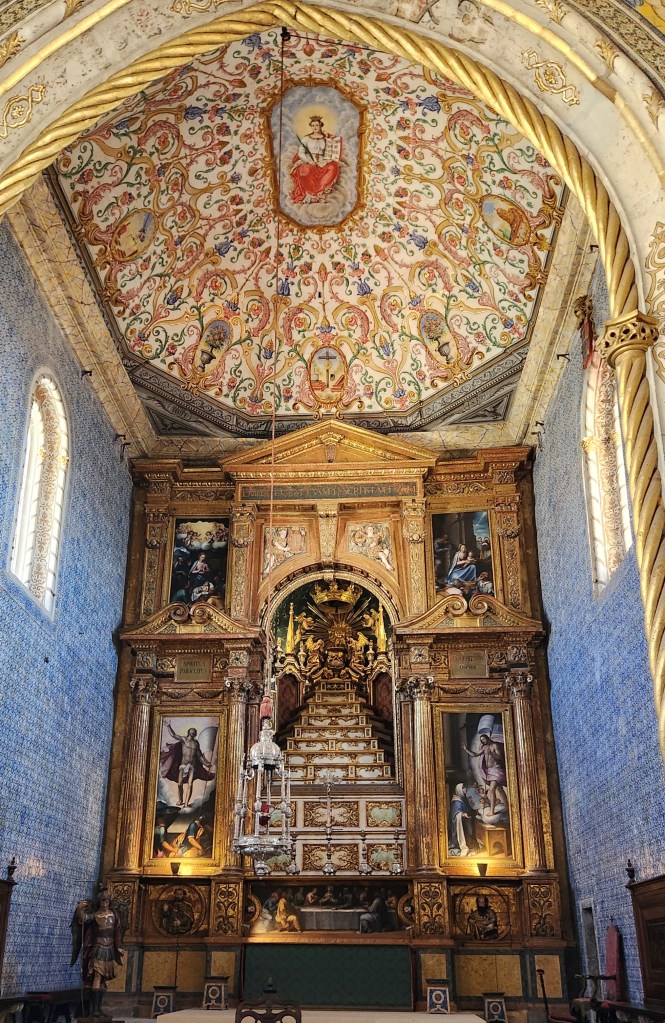
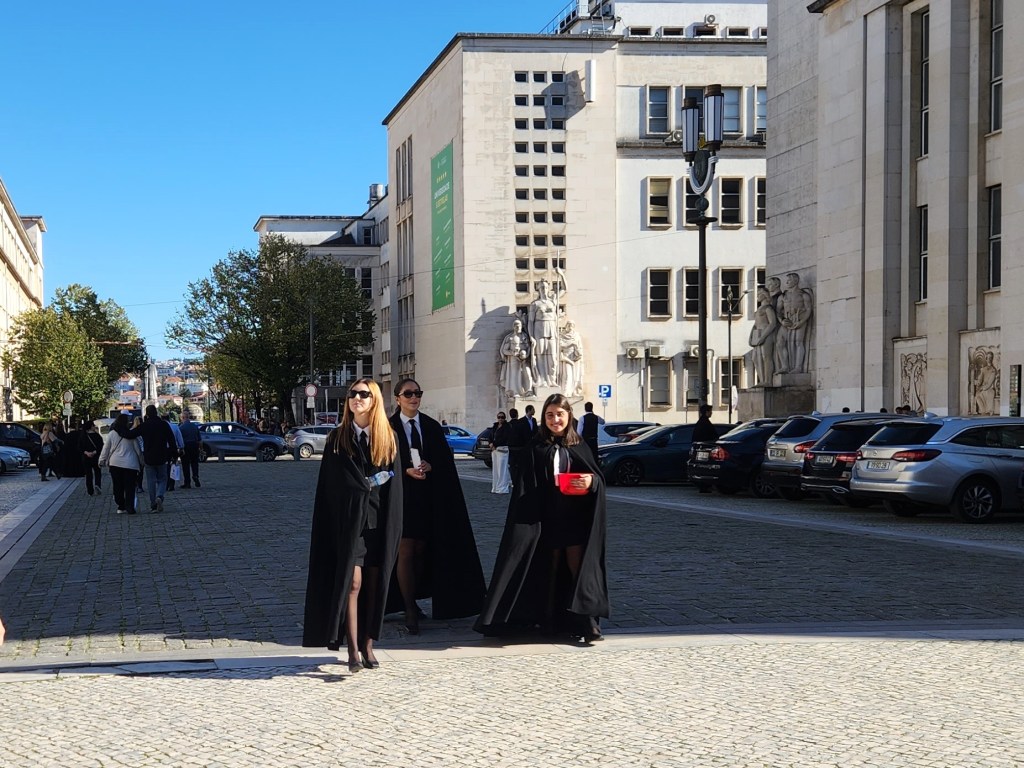
After visiting the University, we stopped for an excellent lunch at a restaurant called Republica da Saudade. As we ate, we were entertained by a trio of musicians performing what is known as Coimbra Fado – a genre of music born of the late-night love serenades made famous by university students over the centuries. Here’s a sample:
Porto (November 12): After lunch, we boarded the bus again and headed north for some 80 miles . We arrived at the river dock in Vila Nova de Gaia (a suburban city across the river from Porto) and boarded our ship, the Viking Helgrim, at about 4:30 PM. After we settled into our stateroom and walked around the ship a bit, we were called for a mandatory safety drill during which all 102 passengers reported to the lounge area with our safety vests for instructions should an emergency occur. Once properly trained, Pat and I and a dozen or so other passengers departed for an optional tour of Graham’s Port Lodge, a major wine production house built in 1890 by a Scottish wine importer and located high on the nearby bank of the river.
At Graham’s we learned about the history and production of Port wine. First and foremost, a wine can only be called Port if it is produced in the Douro Valley. The Douro valley was defined and established as an official appellation in 1756, making it the third oldest wine in the world (after Chianti, 1716, and Tokaj, 1730). It is named for the city of Porto, where much of the wine is produced and from where much of it was initially exported to England. Port wine is produced from grapes with a high sugar content, which are fermented in large wooden barrels. After several days of fermentation, the wine is fortified by the addition of a tasteless and odorless grape spirit known as aguardente (78% alcohol content) which stops the fermentation, leaving residual sugar in the wine and boosting its alcohol content. The wine is then stored in barrels. This technique for producing so-called fortified wine was developed in the late 17th century to prevent spoilage during transportation by ship from Portugal to England. These two kingdoms first signed one of the oldest existing trade agreements in the world, the Treaty of Windsor, in 1386, establishing terms for the trade of English cod for Portuguese wine. English and Scottish merchants subsequently set about perfecting the methods for producing wine – and eventually Port wine – in the Douro Valley.
There are three major types of Port wine:
- Ruby Port is filtered after fermentation and stored in steel or concrete barrels to prevent oxidation and preserve its bright red color and full-bodied fruitiness. Once bottled, it does not age further. Once opened, a bottle of Ruby Port should be consumed within three to four months.
- Tawny Port is aged in wooden barrels after fermentation, allowing it to mellow to a golden-brown color and pick up nutty flavors. These wines are typically blended to produce a desired style and character, then filtered and bottled. As with Rubies, Tawny Ports do not age further after bottling. Once opened, a bottle of Tawny Port should be consumed within three to four weeks.
- Vintage Port is made only in certain years when the growing conditions are deemed to be of the highest quality by the Instituto dos Vinhos do Douro e do Porto (IVDP), a government organization overseen by the Minister of Agriculture. A wine producer may decide to declare a Vintage Port if they believe the wine from a specific harvest year meets specified criteria. The producer then submits samples of the wine to the IVDP for analysis. The IVDP assesses the samples, and if the wine receives a rating of 9 out of 10, it is certified as a Vintage Port. The wine must then be bottled by the end of the year of certification, but it is not completely filtered so that it continues to age in the bottle. A Vintage Port may be aged in its bottle for decades, but then should be consumed within three or four days after opening.
Here are some photos of the Graham’s climate-controlled production and storage facilities:
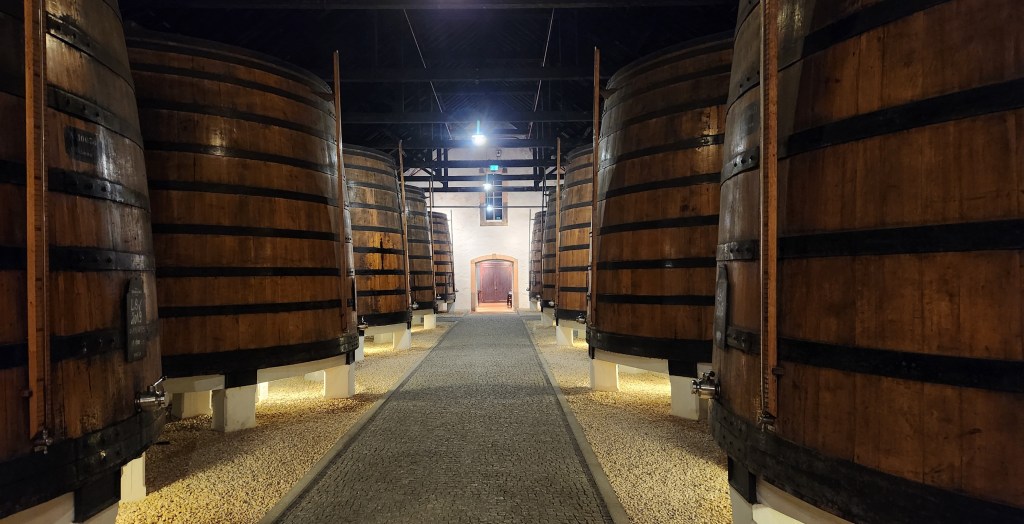
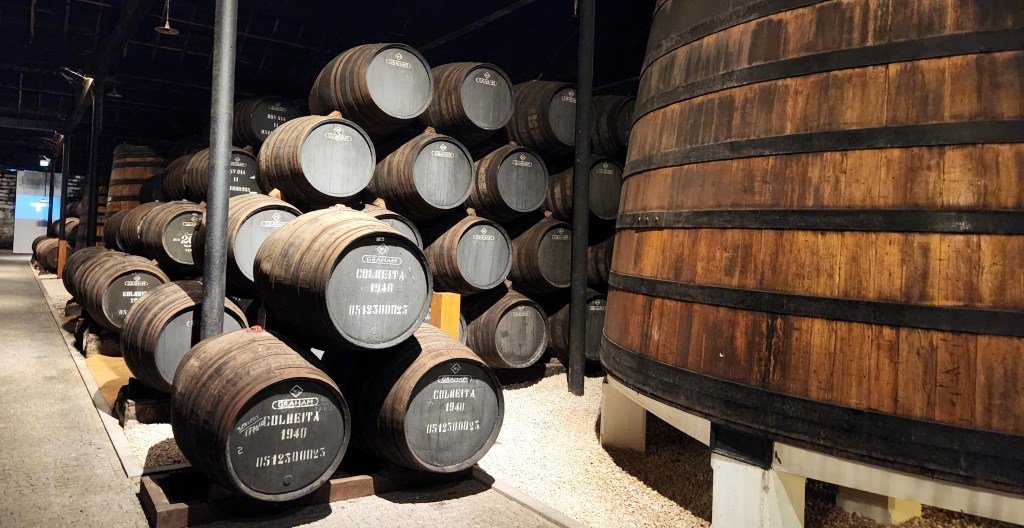
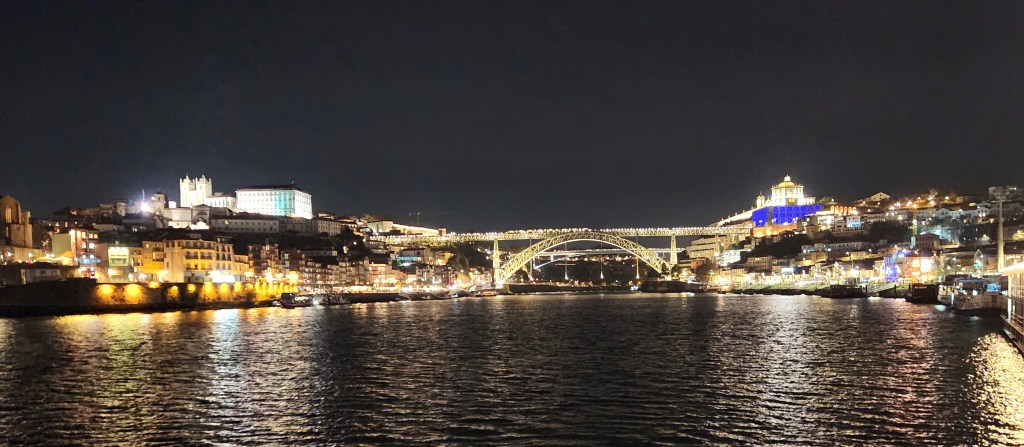
After our tour of the facilities, we were treated to a tasting of five Graham’s wines: a Ruby, two Tawnies, and two Vintages (2000 and 2014). Various member of our group preferred one or another of them, but Pat and I were in agreement that the 2000 Vintage was the best, so we bought a bottle to bring home. (Now all we need to do is decide what special occasion to choose for opening it.) To close out the evening, we were served a fantastic three-course dinner in the restaurant on the top floor of the building, which provided a spectacular view of the Douro and the cities of Porto and Vila Nova de Gaia.
Douro River (November 13-18): On Wednesday the 13th, the Helgrim cast off and headed upriver. Here’s a map showing details of the river portion of the trip:
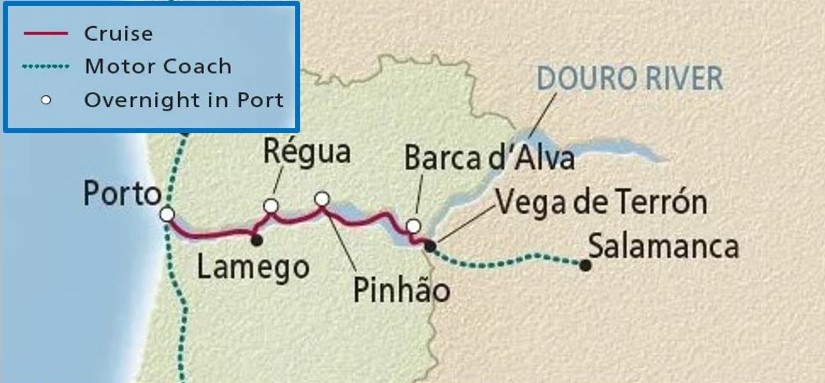
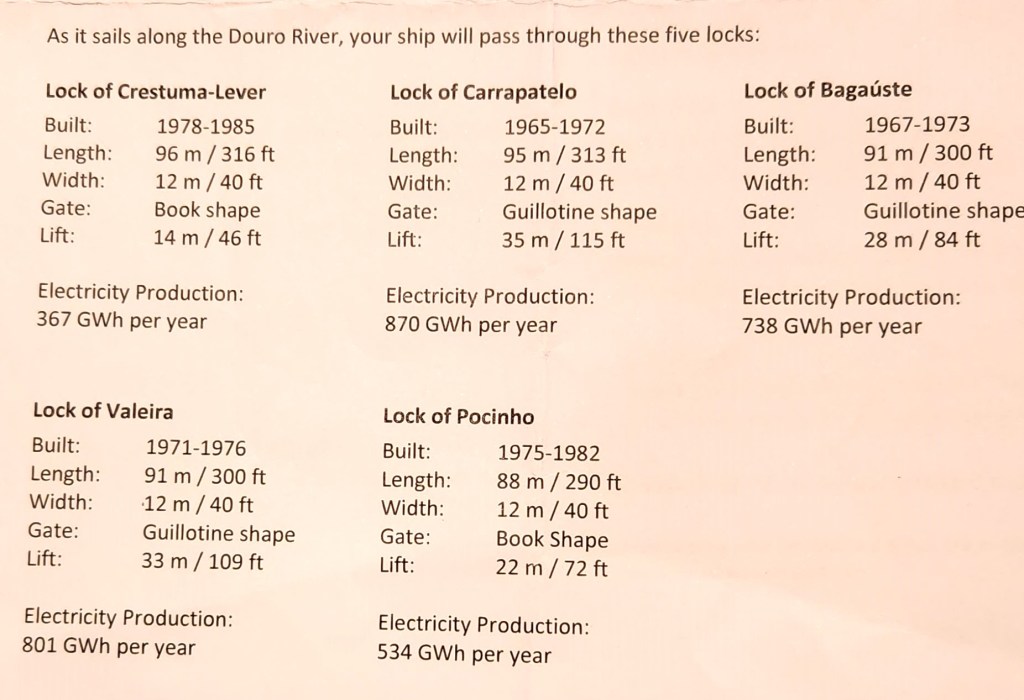
Over the course of the river journey, the ship sailed upstream from Porto to Vega de Terron and then back downriver to Porto again. It passed through five locks in each direction. Here are the technical specs for my fellow geek readers some photos of our passage through the lock of Carrapatelo, and a video of the upstream lock gate being retracted (more geeky stuff).
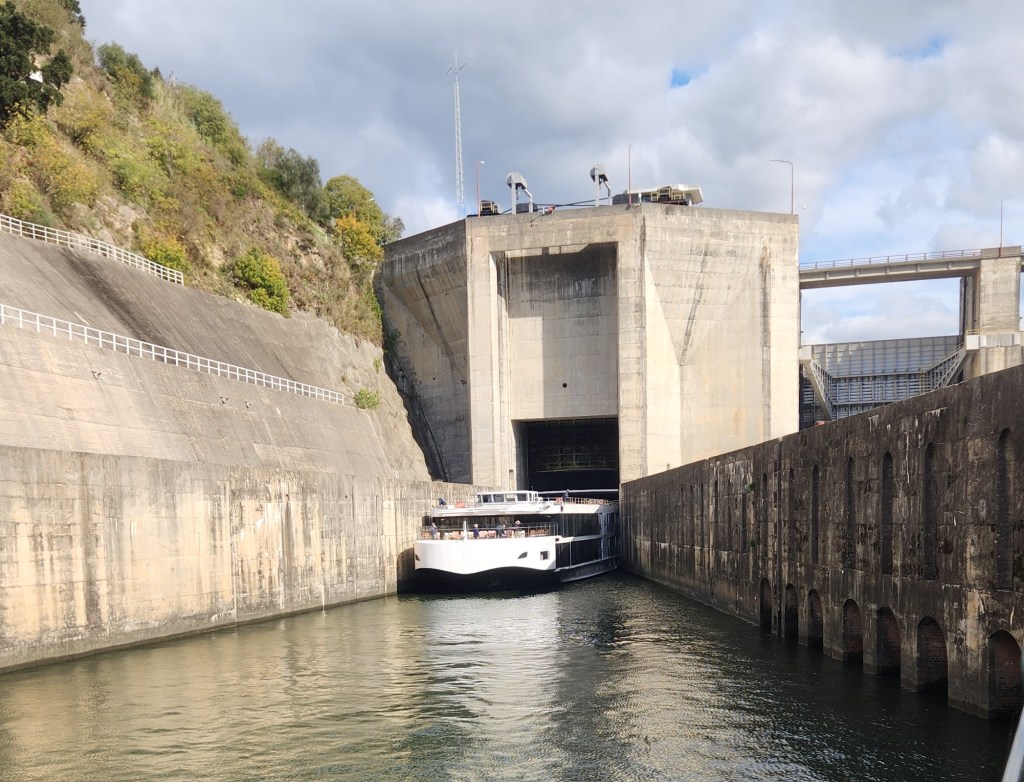
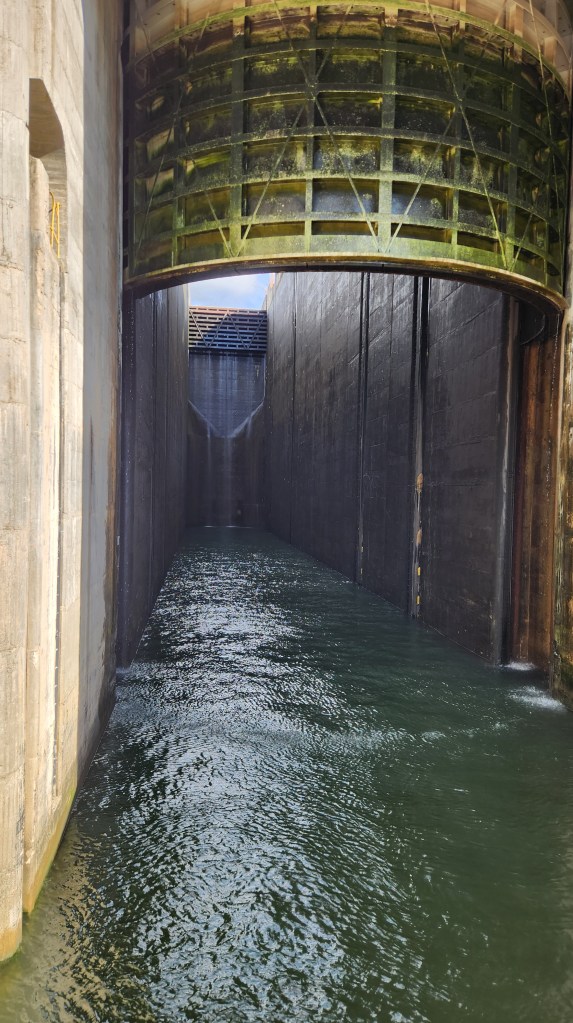
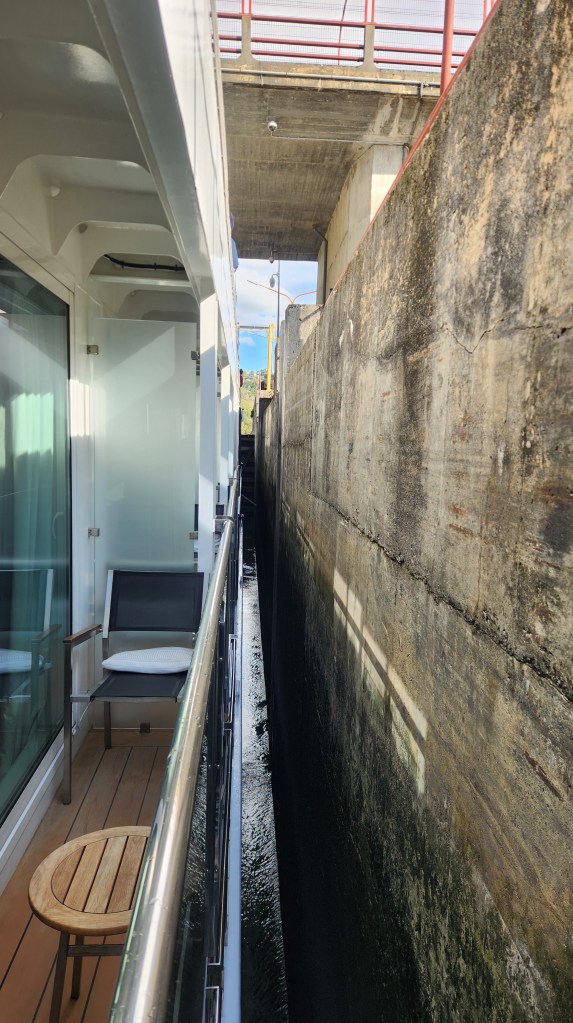
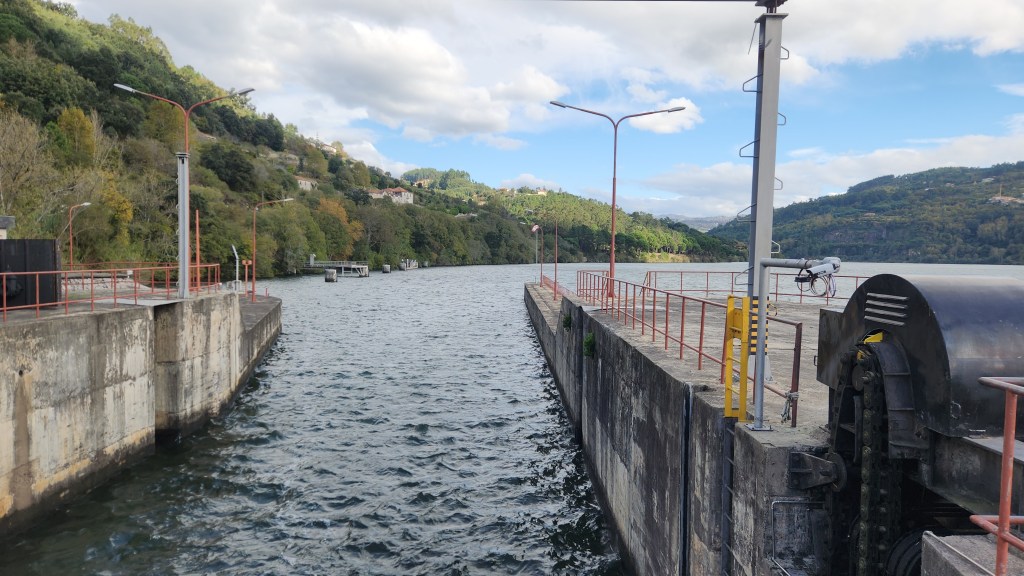
As you can see from the photos, the maximum width of the river ships is restricted by the width of the locks. I determined from walking around the ship as we passed through at least one of the locks that the ship could also not have been any longer. Here’s another one that shows that the height is also limited by various bridges spanning the river, even with the superstructure lowered – the lucky crew member holding a stick is there to alert the captain if the ship is riding too high to fit beneath the bridge — more evidence that the Viking Helgrim was custom built specifically for travel on the Douro.
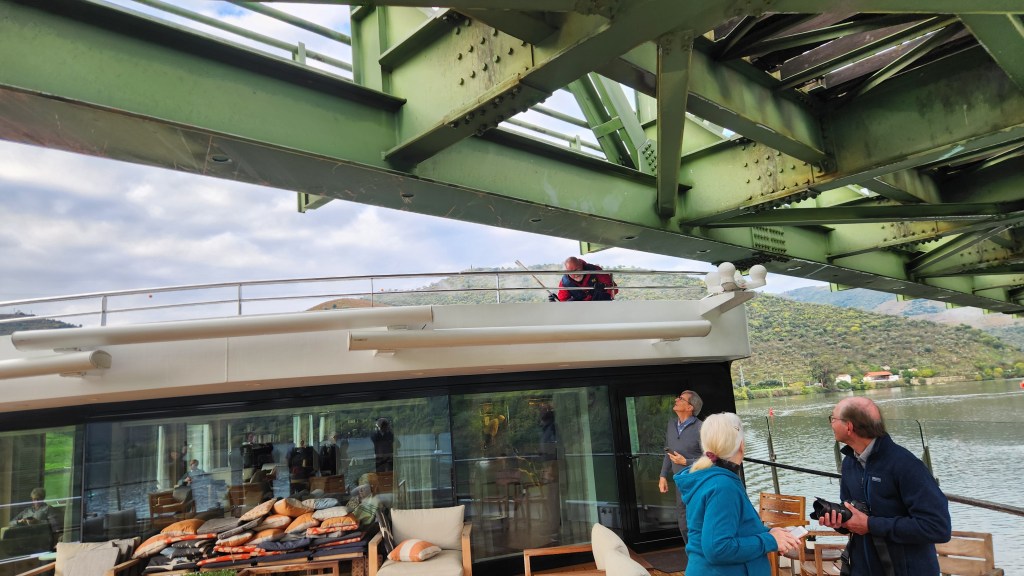
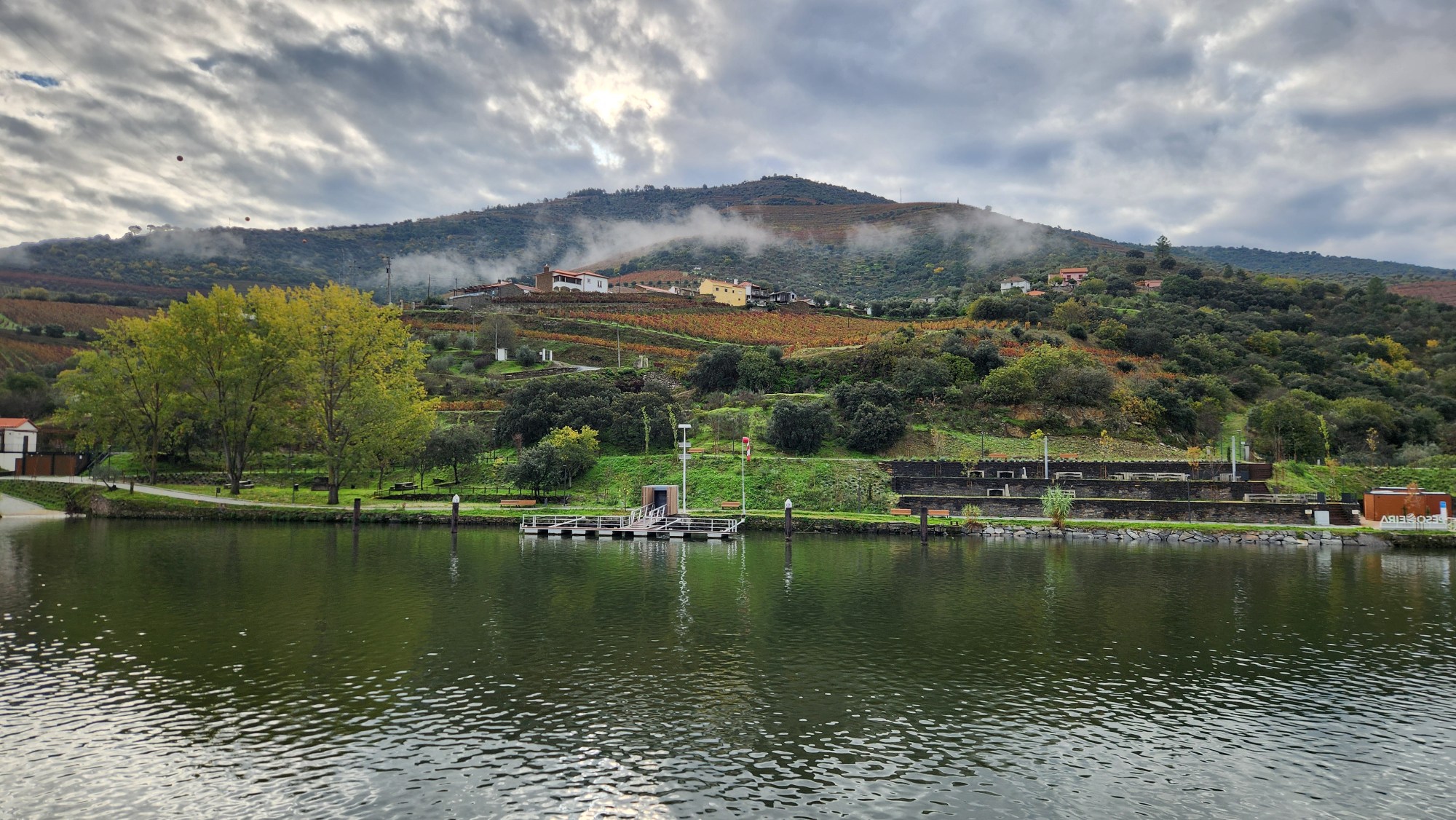
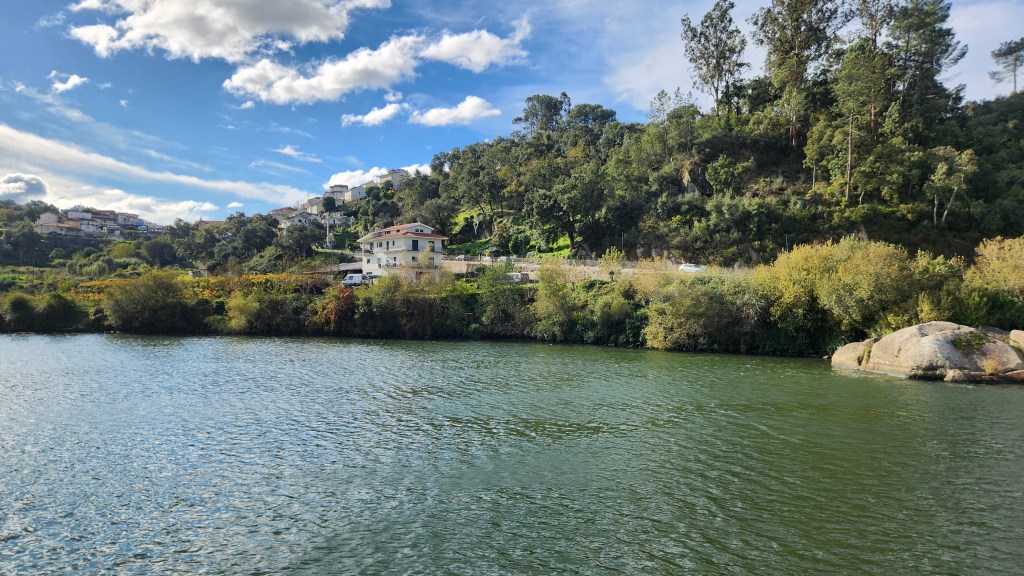
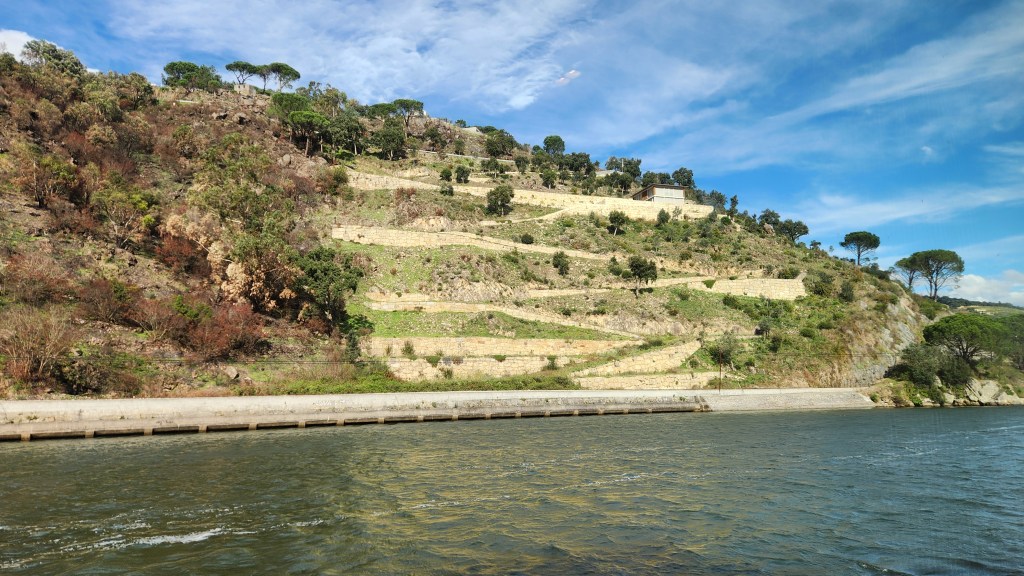
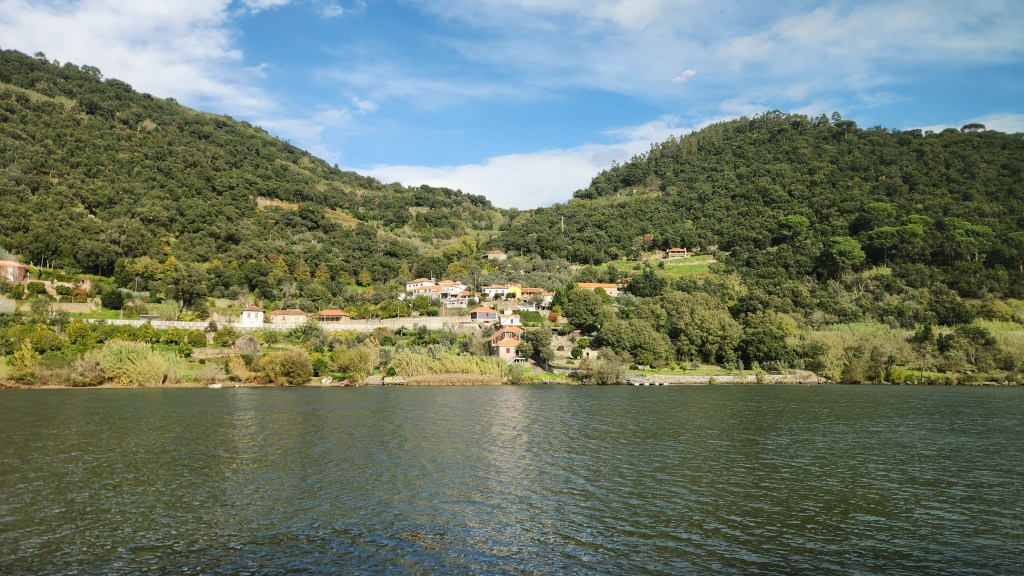
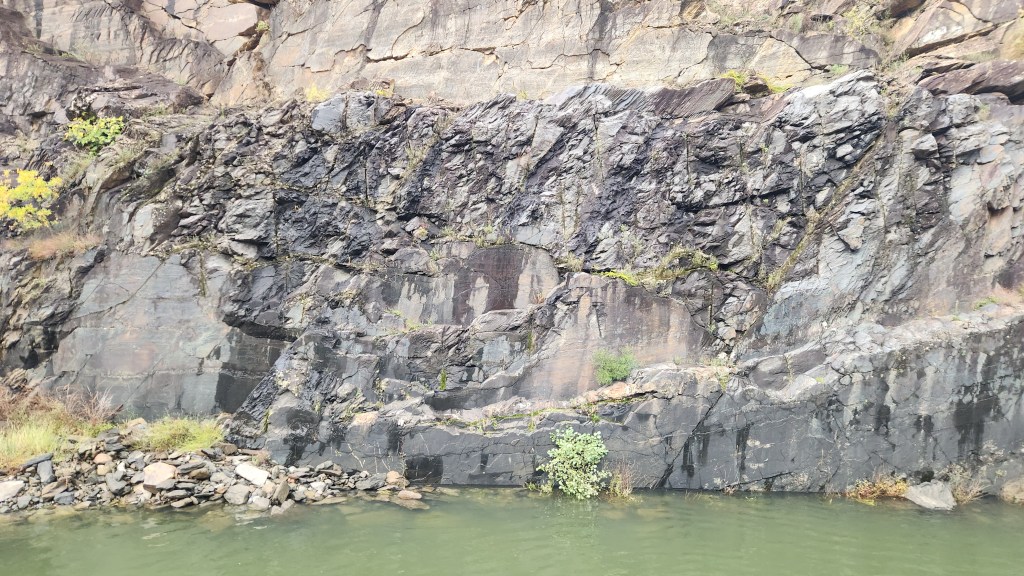
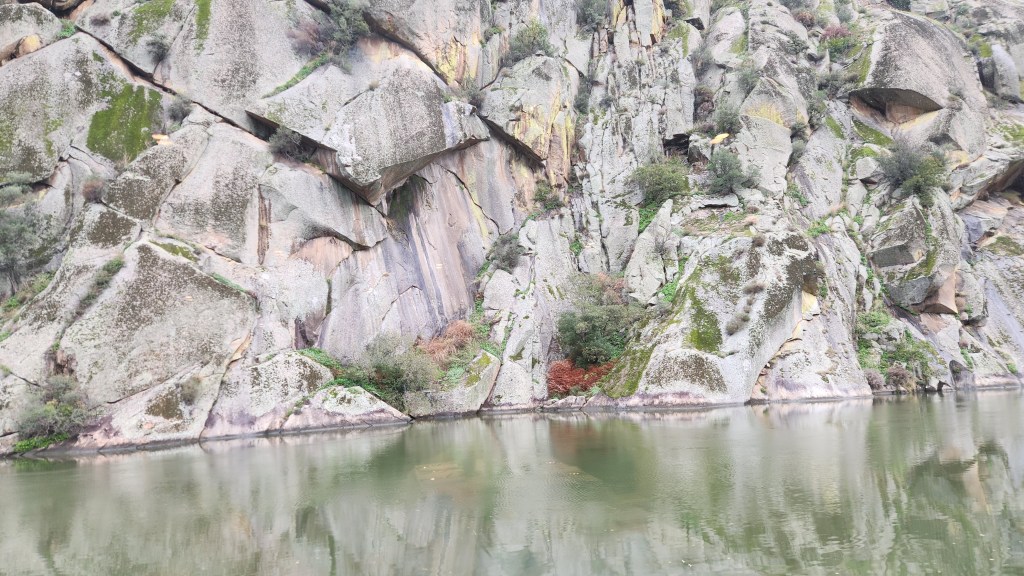
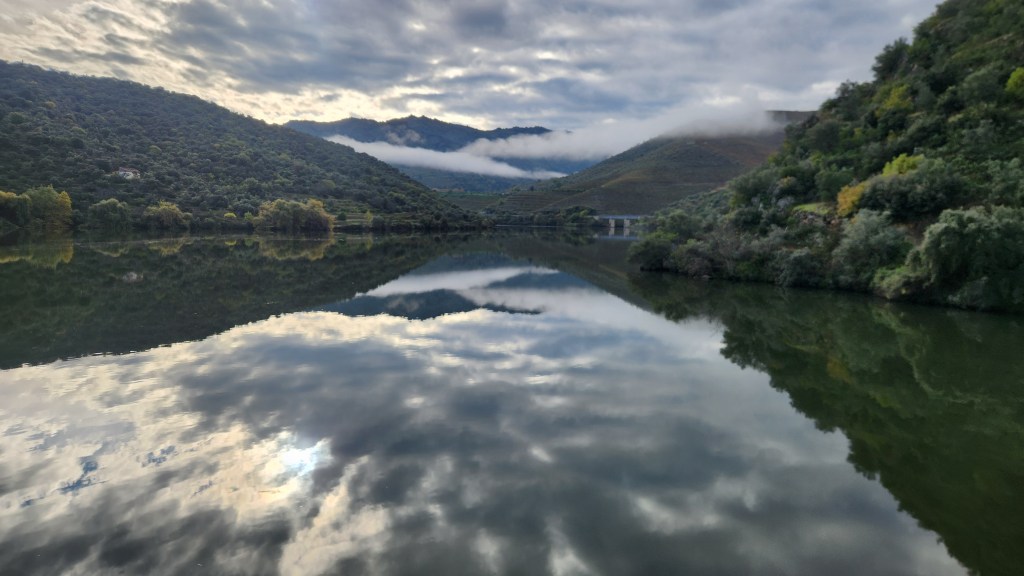
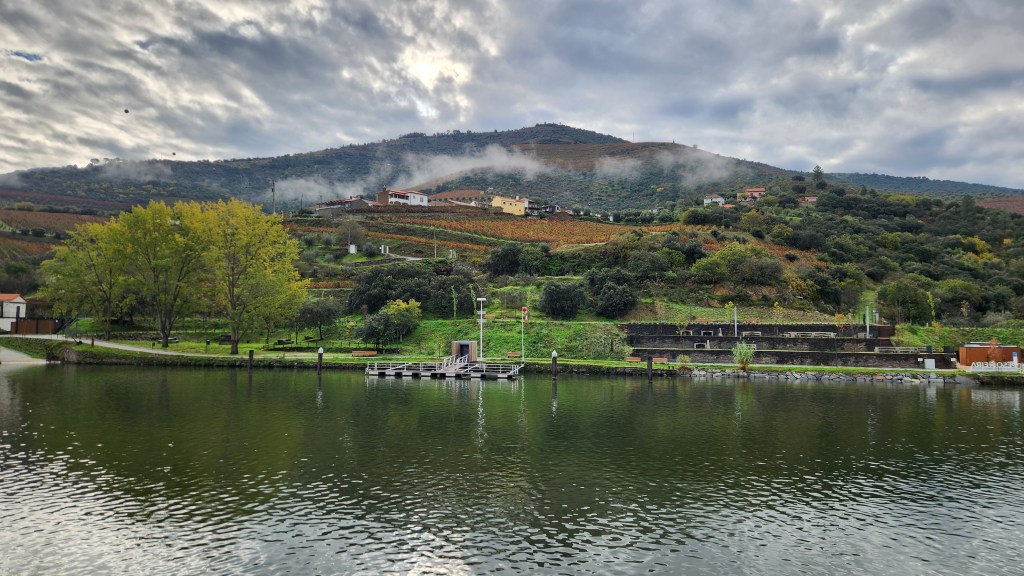
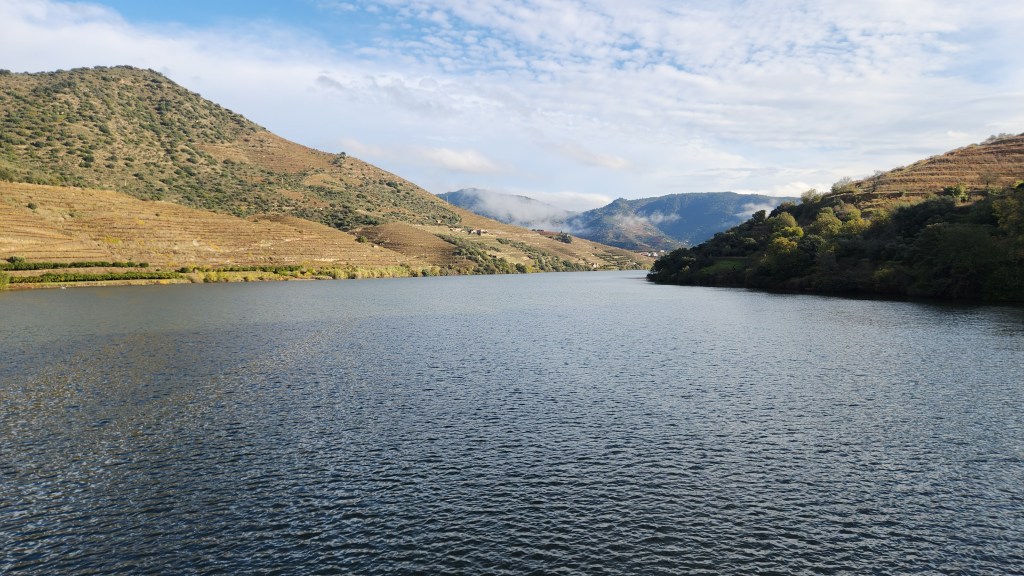
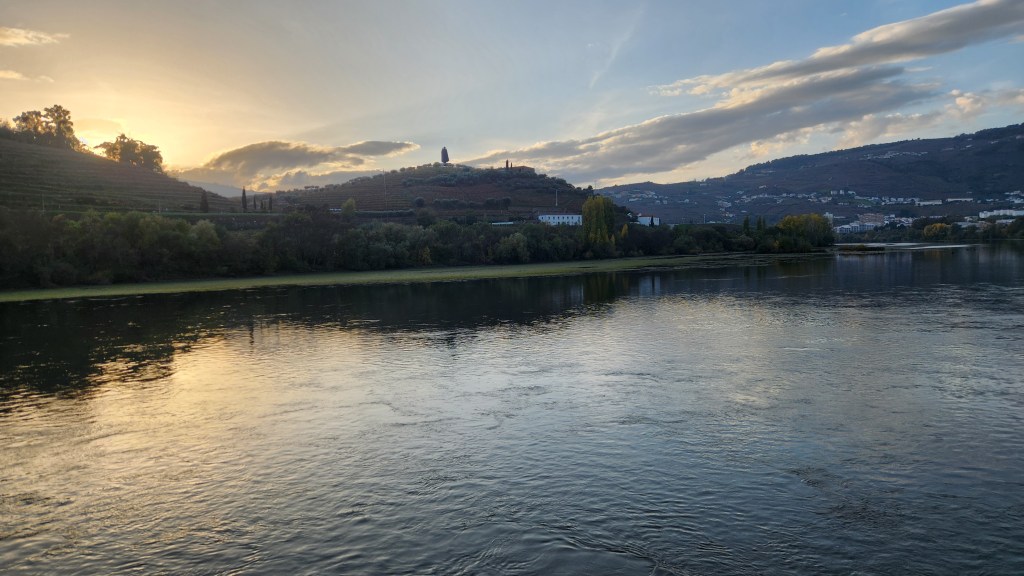
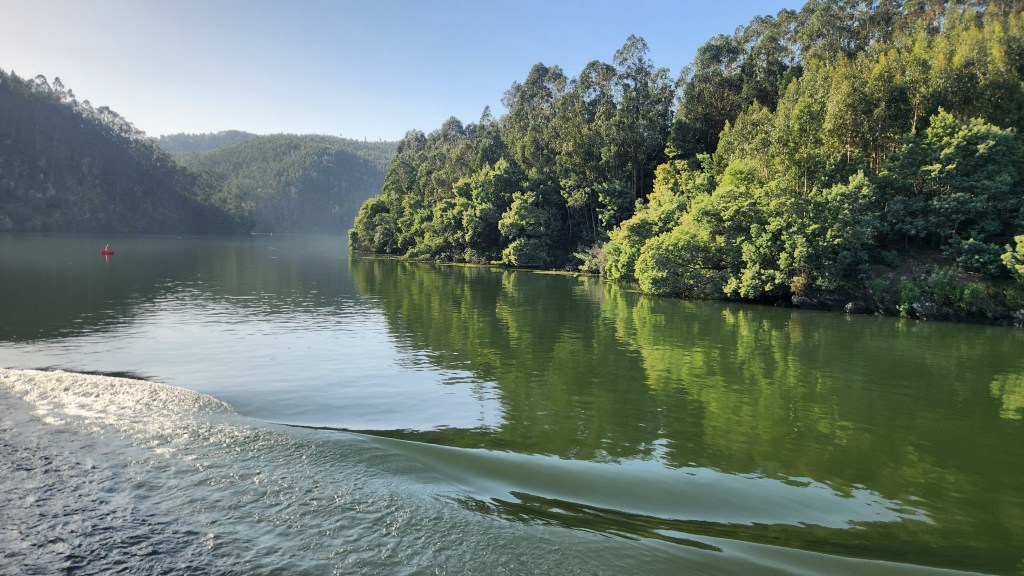
I’ll close out this episode with some pictures of the scenery along the river as we sailed upstream to Vega de Terrón and back downstream again to Porto.
OK, that’s it for Part 2. In the remaining episodes, I’ll describe seven shore excursions we took during the river cruise and our travels (and travails) getting back home to Minneapolis.
 Dave Saari
2 thoughts on “Pat and Dave’s Intrepid Iberian Interlude – PART 2: Coimbra, Porto, and the Douro River”