

Preamble
Here comes another in my ongoing series of travelogues documenting our domestic and international travel experiences. Since the fall of 2018, I’ve produced fourteen of these travelogues (see INDEX). As past readers will know, the domestic travelogues have been road trips (either with the RV we formerly owned or with one of our two our electric cars) while the international travels have mostly been with the Viking River Cruise or Viking Ocean Cruise lines. We took our first Viking River Cruise on the Danube River back in 2018 (before I started blogging about our travels), as a direct result of watching hundreds of TV ads prior to episodes of the dramas we love to watch on PBS. We were so impressed with Viking that we’ve now taken four more cruises: Switzerland to Paris via the Rhine and Mosel (River Cruise), Ft. Lauderdale to the Panama Canal and back (Ocean Cruise), Spain, Portugal, and the Douro River (River Cruise), and most recently, another Ocean Cruise which is the subject of this travelogue. With that, let’s get to it.
The Itinerary
The Ocean Cruise portion of the trip was entitled “Empires of the Mediterranean,” and we also booked a pre-cruise extension in the Italian Lakes region and a post-cruise extension in Greece. Here’s a map of the journey indicating the various places we visited along the way.
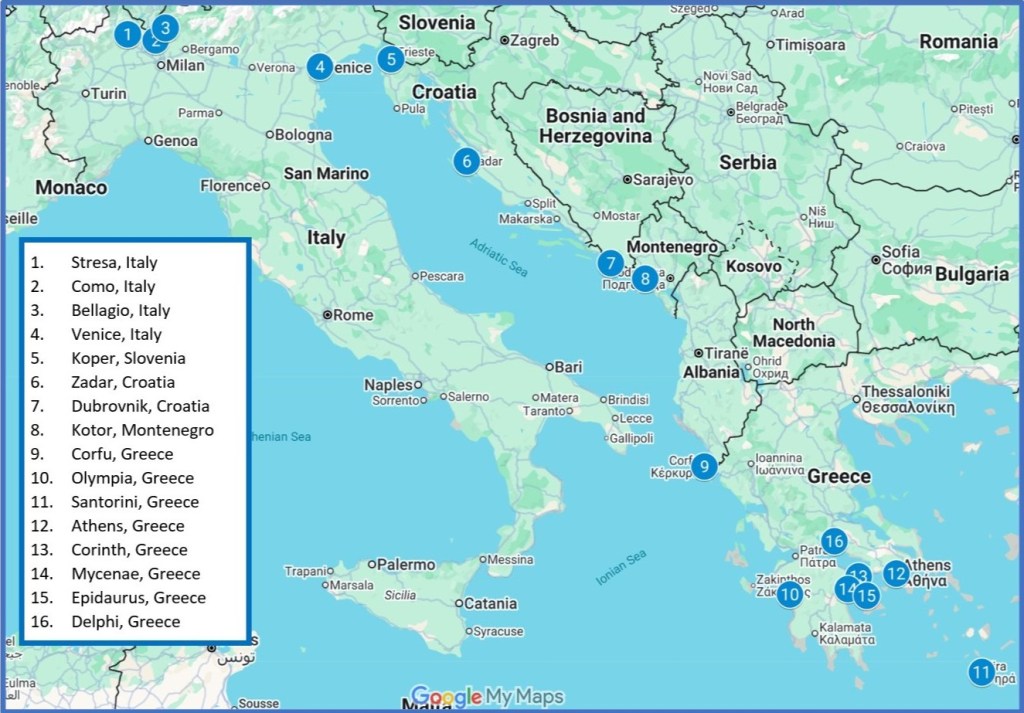
Part 1 of the travelogue (the one you’re now reading) covers the pre-cruise extension in Italy. So, let’s get started …
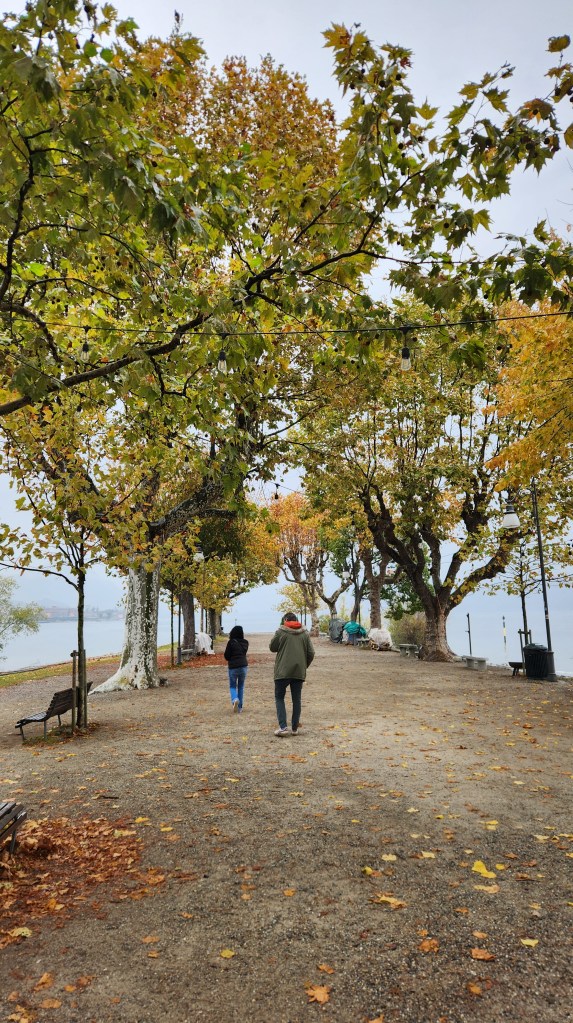
Stresa (Tuesday, October 28 – Friday, October 31, 2025): Our flight from the US landed at Milan Malpensa International Airport shortly before eight AM Tuesday morning, where we were met by Viking representatives and dispatched along with some twenty other Viking guests for a thirty-mile chartered bus trip to our first destination, the town of Stresa on the shores of Lake Maggiore. The hotel we’d been booked into, the Grand Hotel des Iles Borromees, was indeed quite grand as you can see in these photos:
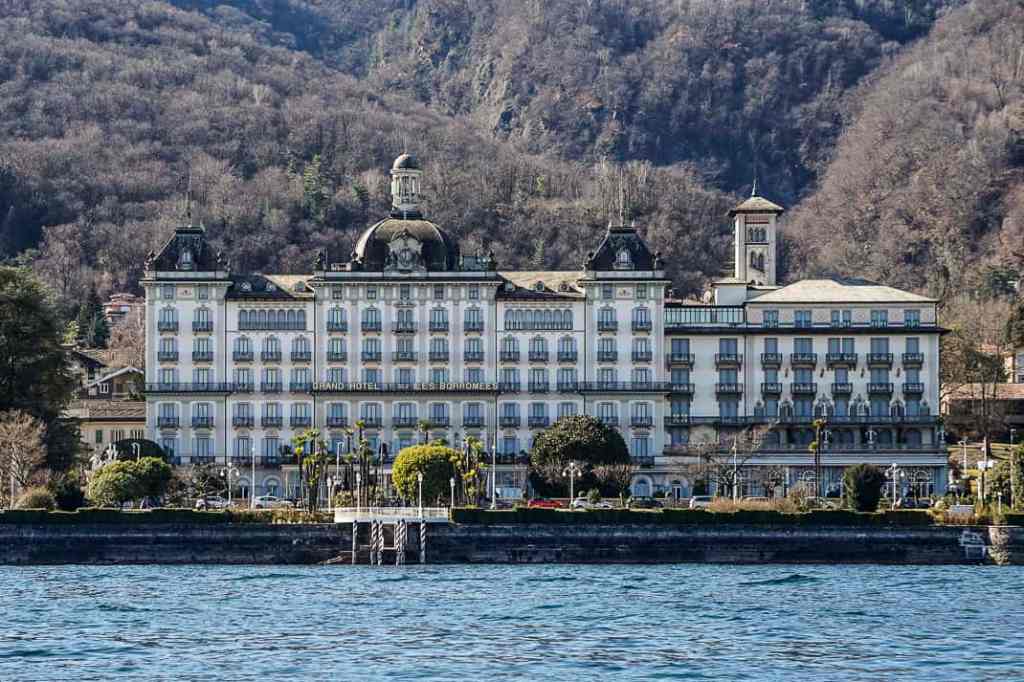
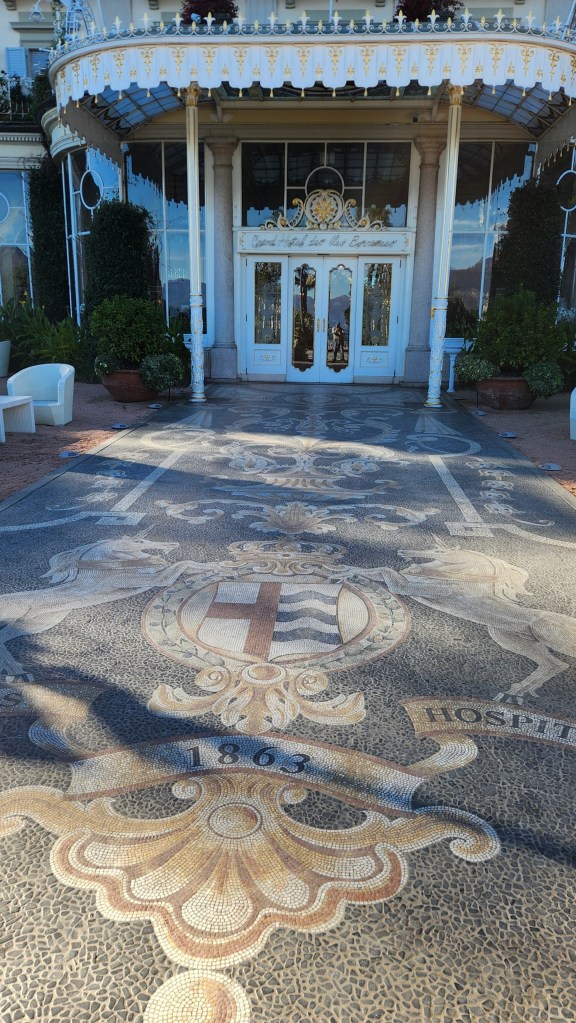

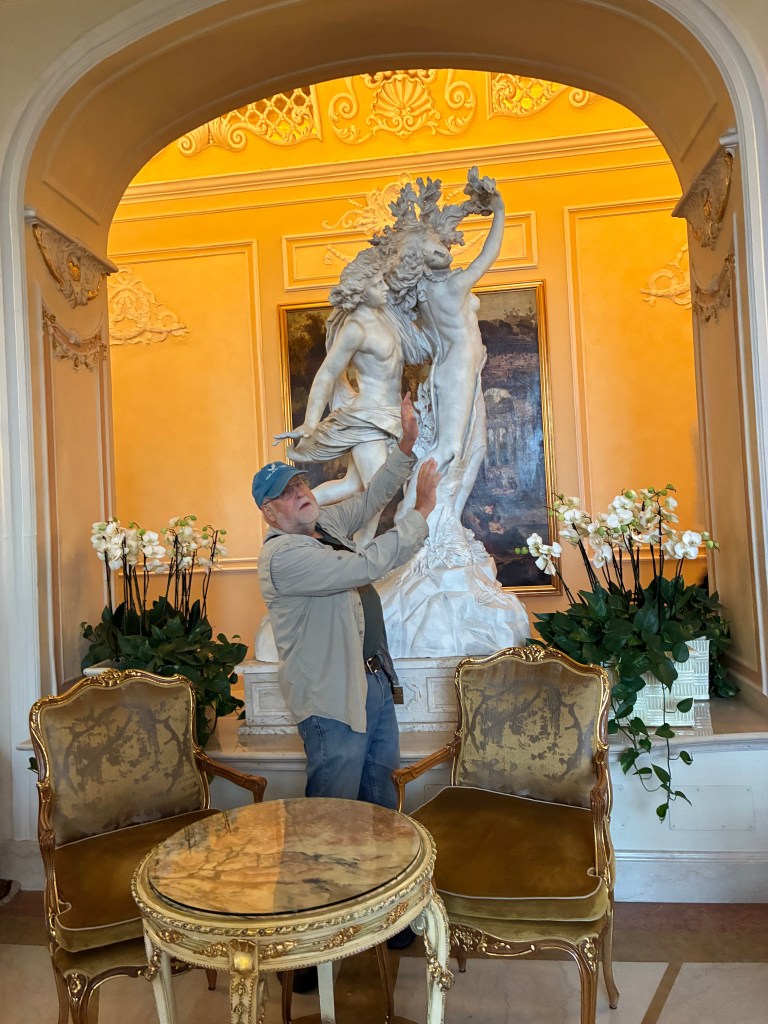
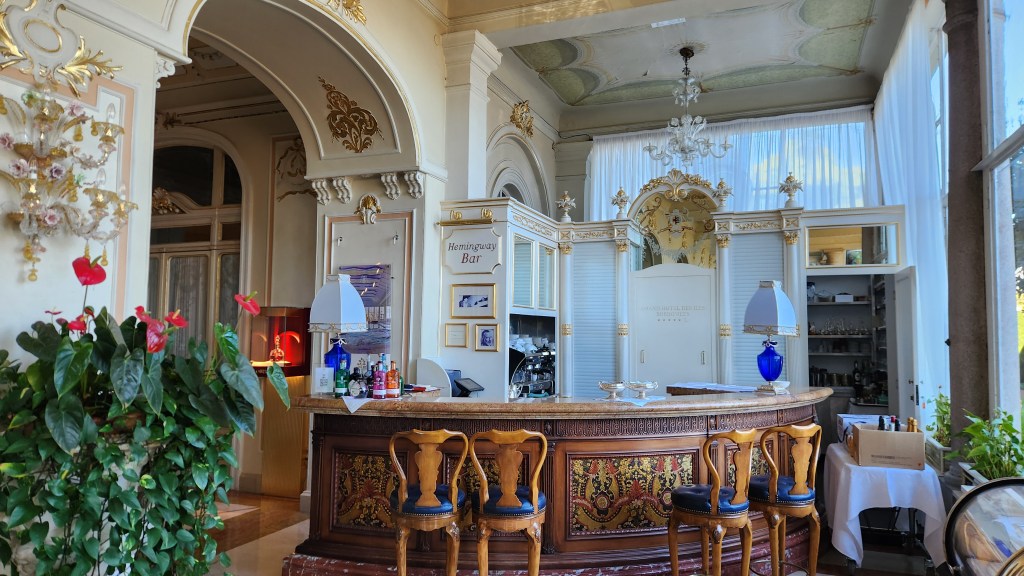
The Hotel is named for the Borromean Islands (Iles Borromees) and is well-known as the place where Ernest Hemingway stayed while on a ten-day pass from the Milan hospital where he was convalescing from war wounds in 1918. The hotel, the city of Stresa, and Lake Maggiore feature prominently in his novel A farewell to Arms, published a decade later, and he subsequently returned to the hotel many times. The Hemingway Suite (room 105, next to the room he stayed in), and the Hemingway Bar still commemorate the world-famous author.
We arrived at the hotel around ten AM local time Tuesday, then strolled around the scenic town while waiting for our room to be available. Once we eventually checked into the room in the early afternoon, I crashed due to exhaustion from no sleep during the previous 24-hours. Pat was in much better shape, having managed several hours of sleep on the flight. Once I came to again, we went out for another stroll around town, enjoying some gelato and stopping for a few items at a small grocery store along the way.
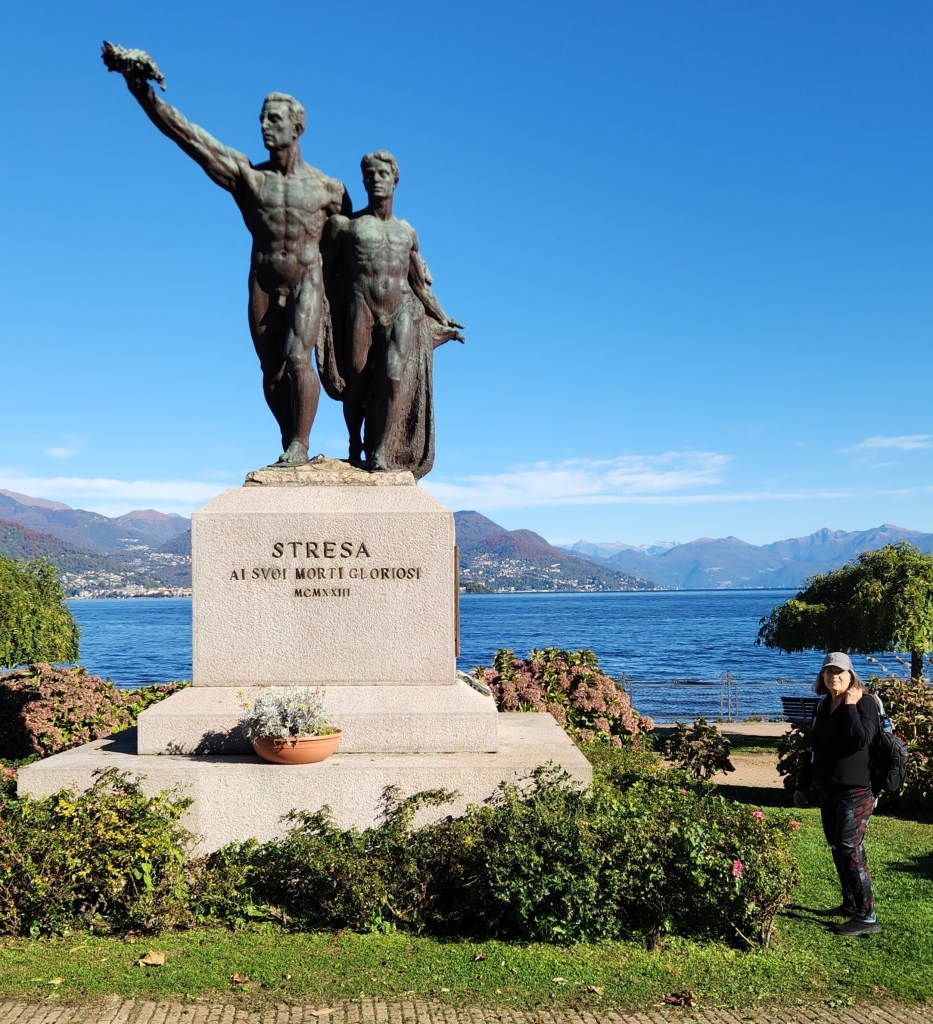
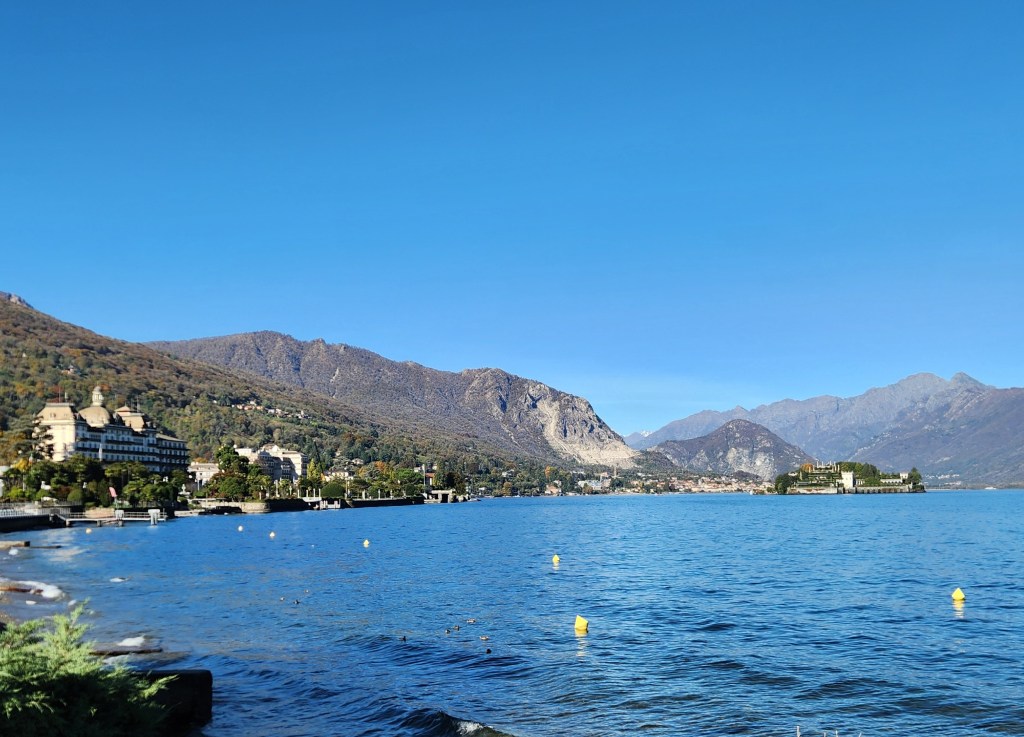
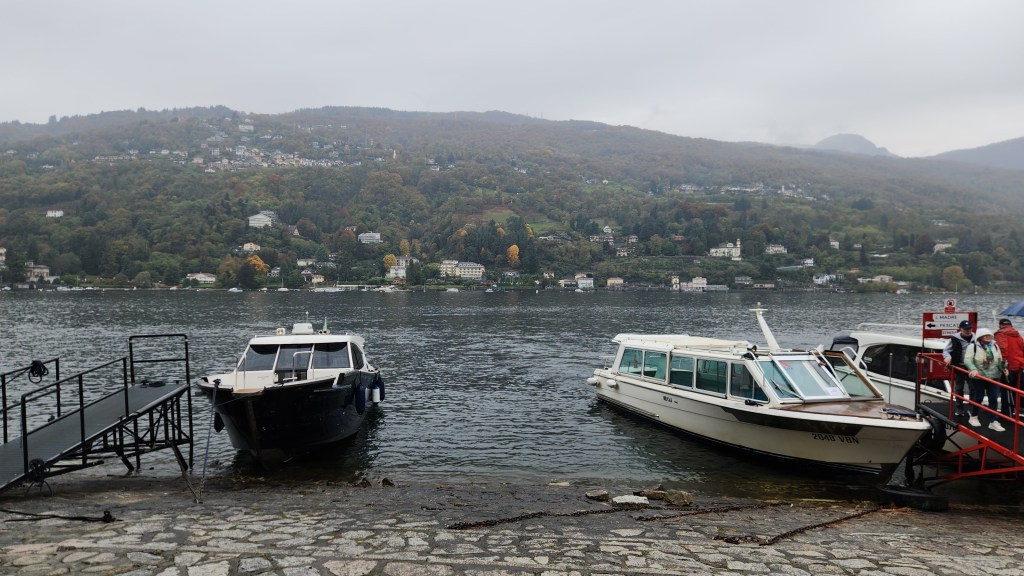
Borromeo Islands (Wednesday, October 29, 2025): On Wednesday, we traveled by boat with a local tour guide to the three nearby Borromean Islands. Interestingly, the islands do not have any piers or docks – the boats simply slide up onto the rocks until they are far enough out of the water to stay put.
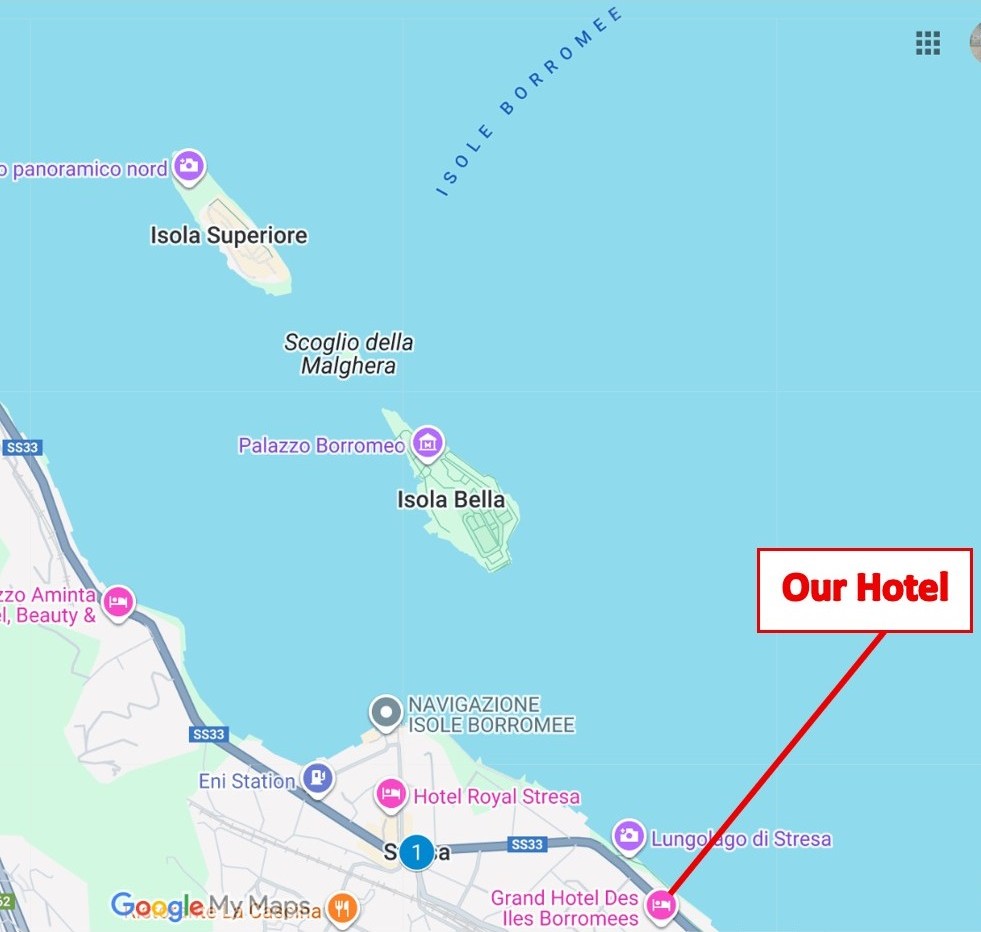
The islands are named for the House of Borromeo, an Italian noble family that started as merchants around 1300 and became bankers in Milan after 1370. The family accumulated wealth and power over the years, acquiring the islands in the early 16th century and eventually establishing a quasi-state in the Lake Maggiore region. We learned that in each subsequent generation of the family, the first-born son inherited the title and properties of the father, the second born entered the church hierarchy, and the third served in the military. (Daughters had to marry well, of course.) The most famous of the second born was Charles II Borromeo, who served as Archbishop of Milan from 1564 to 1584, was made a cardinal in 1560, and was canonized in 1610, in large part due to his reverence for “humilitat,” or pious humility, and for his reforms to the Catholic church. When Napolean invaded Milan in 1797, all lands and privileges of the Borromean State were revoked except for the Borromean Islands. Interestingly, Napoleon and wife Josephine were frequent guests at the Palazzo Borromeo, described below.
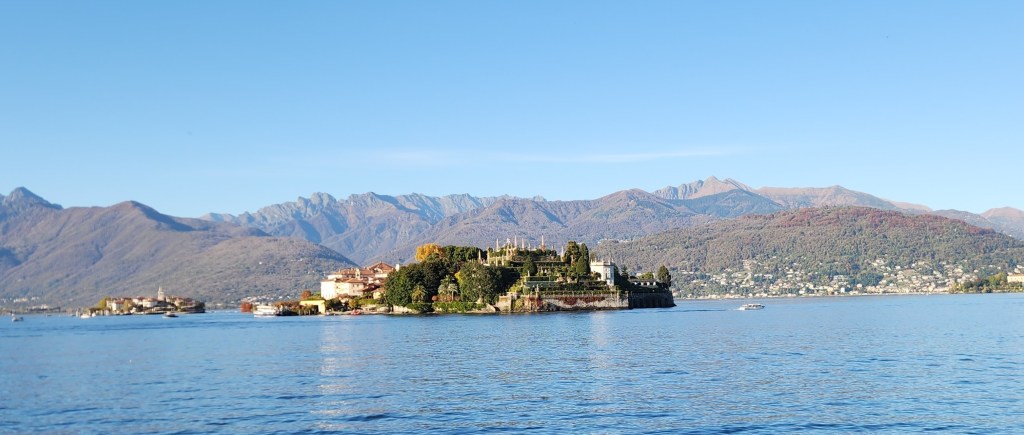
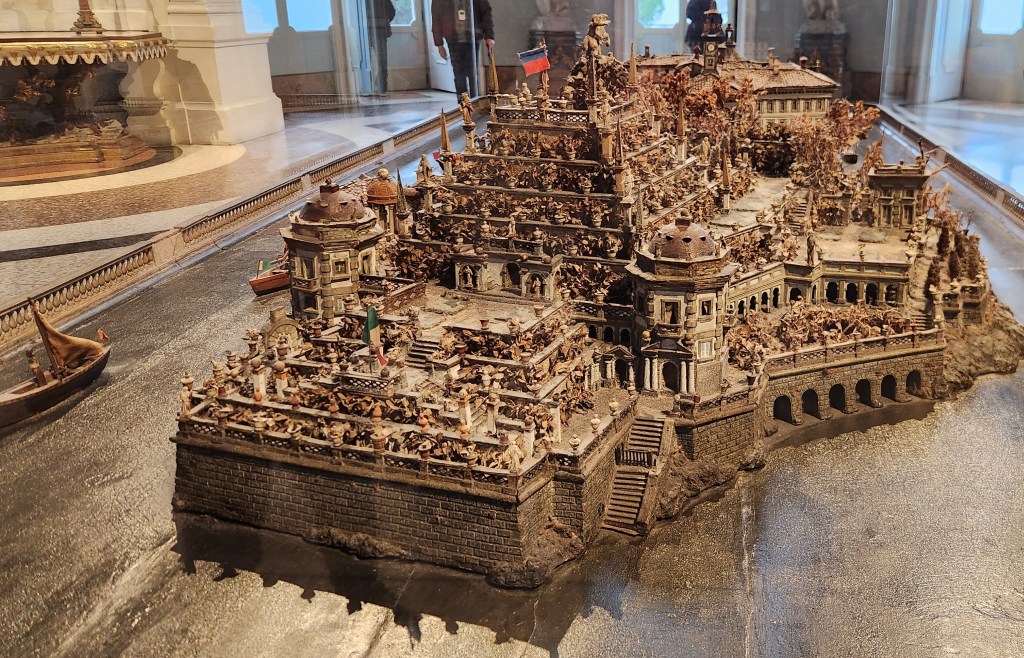
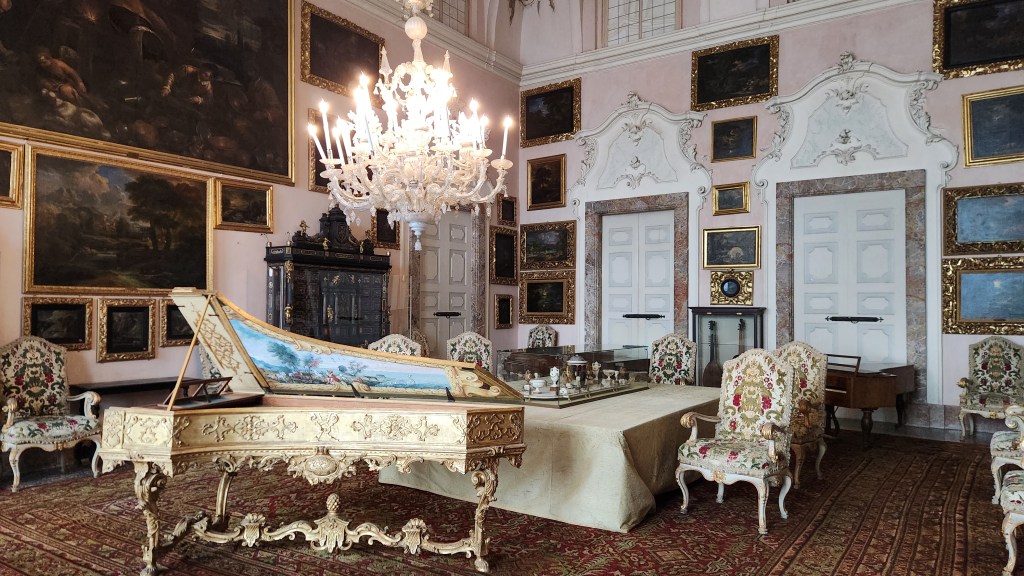
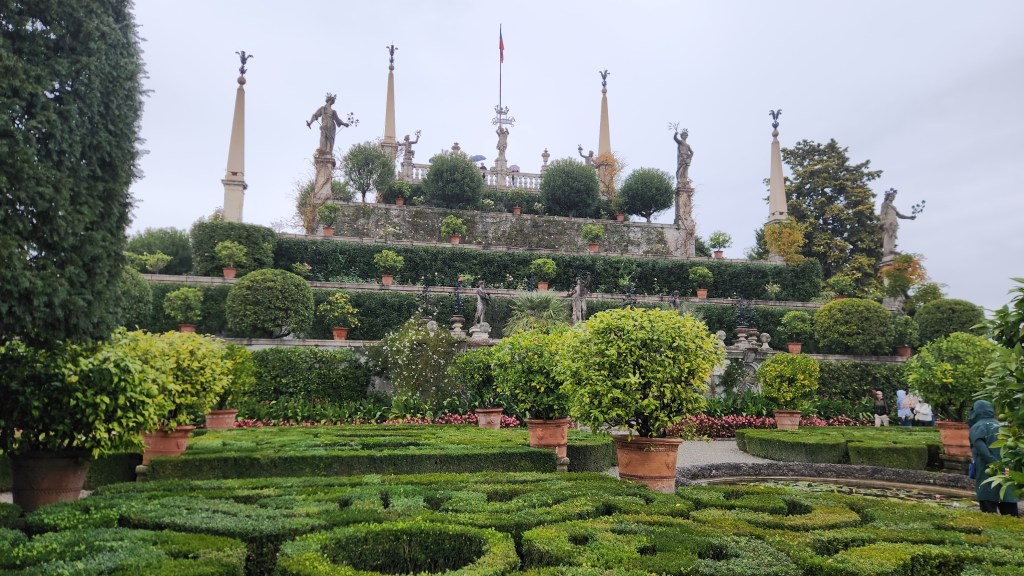
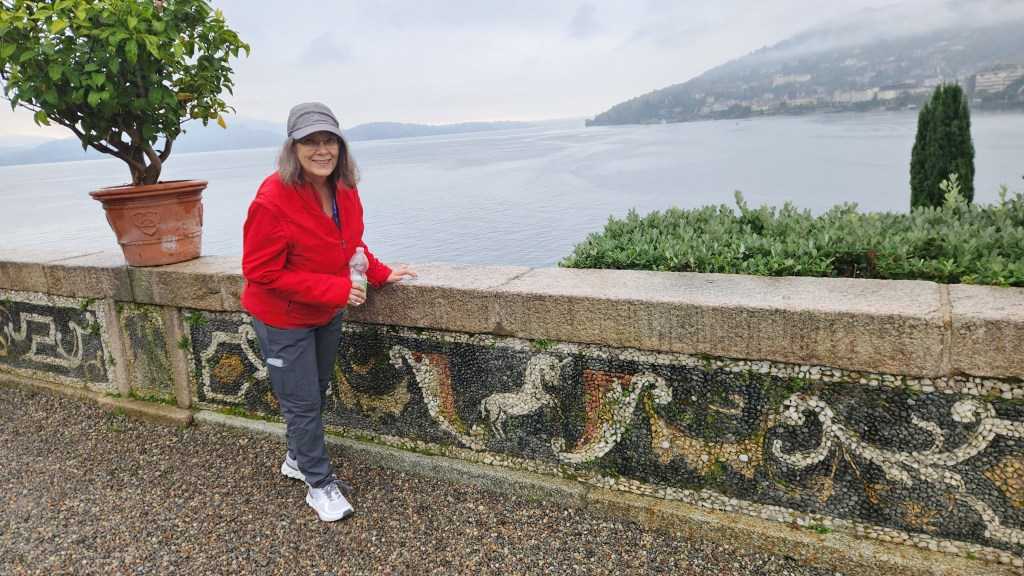
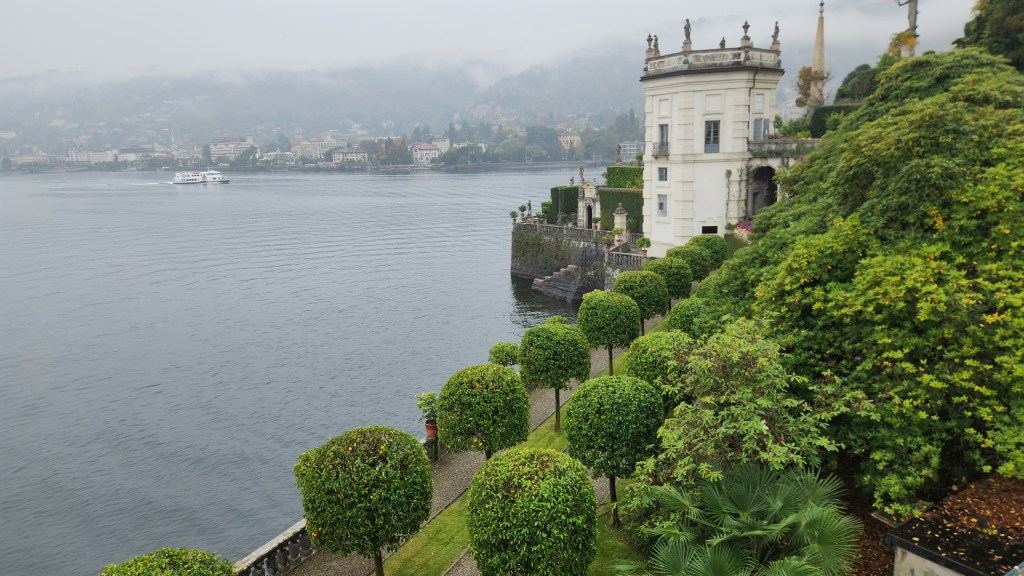
Our first visit was to Isola Bella (the Beautiful Island), named for Isabella D-Adda, wife of Charles III Borromeo (not the Saint). He began building the Palazzo there in honor of Isabella in 1632. After a pause due to plague in Milan, the palace and the adjoining gardens were completed by his heirs in 1671. Later additions and a new northern facade were finished by Vitaliano X Borromeo in the 20th century, so the palace complex is considered to have been fully completed in its present form in 1959, at which time it was opened to the public. The palace and gardens are absolutely stunning as you can see in the photos below. One ironic aspect is the family crest, prominently emblazoned throughout the palace, including the word “humilitat.” We found it hard to swallow the notion that this ostentatious display of wealth was supposed to inspire humility.
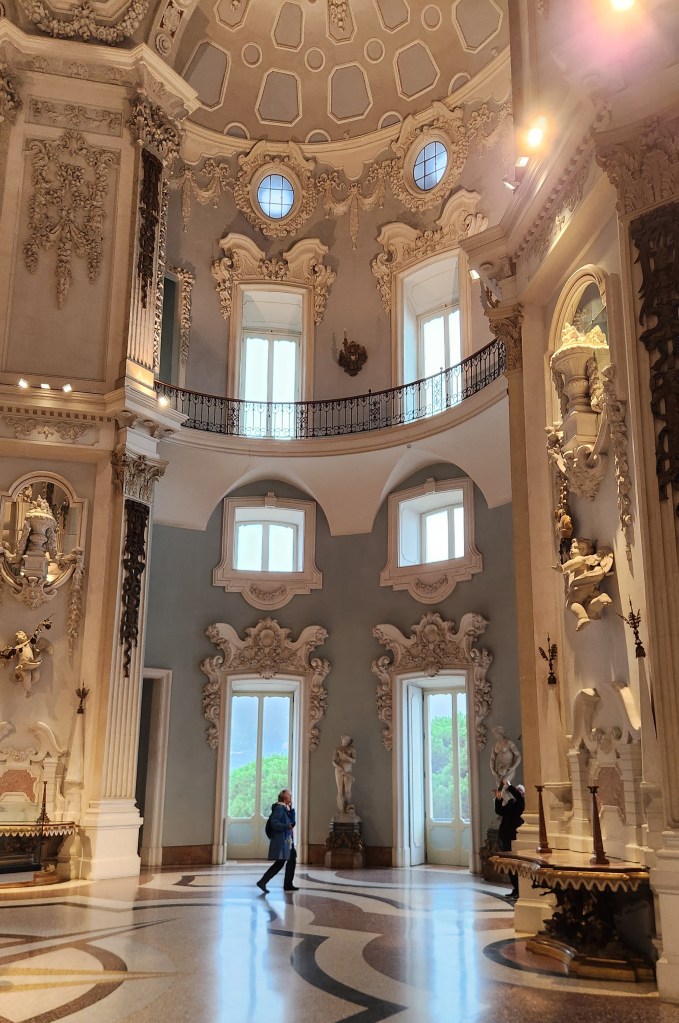
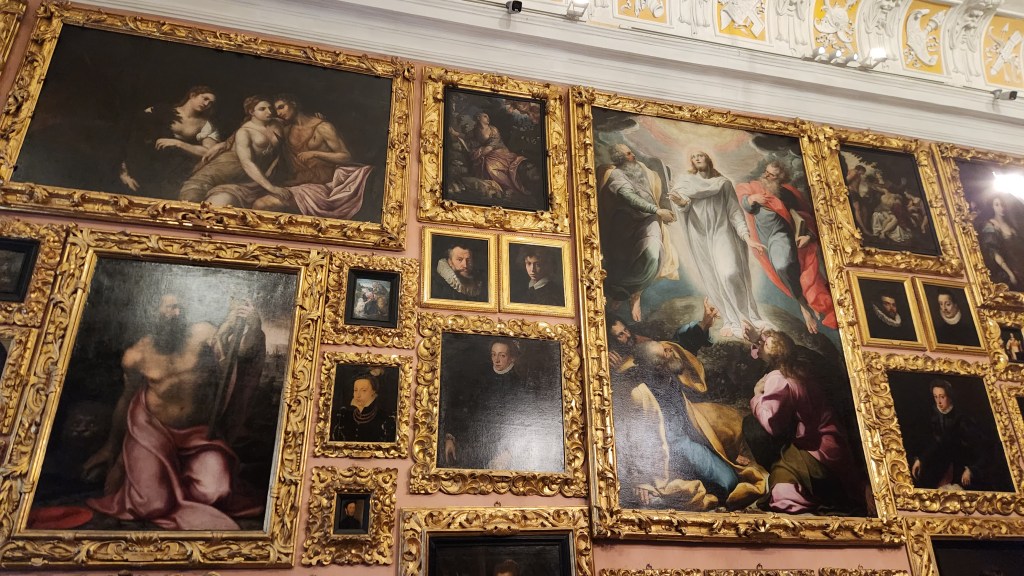
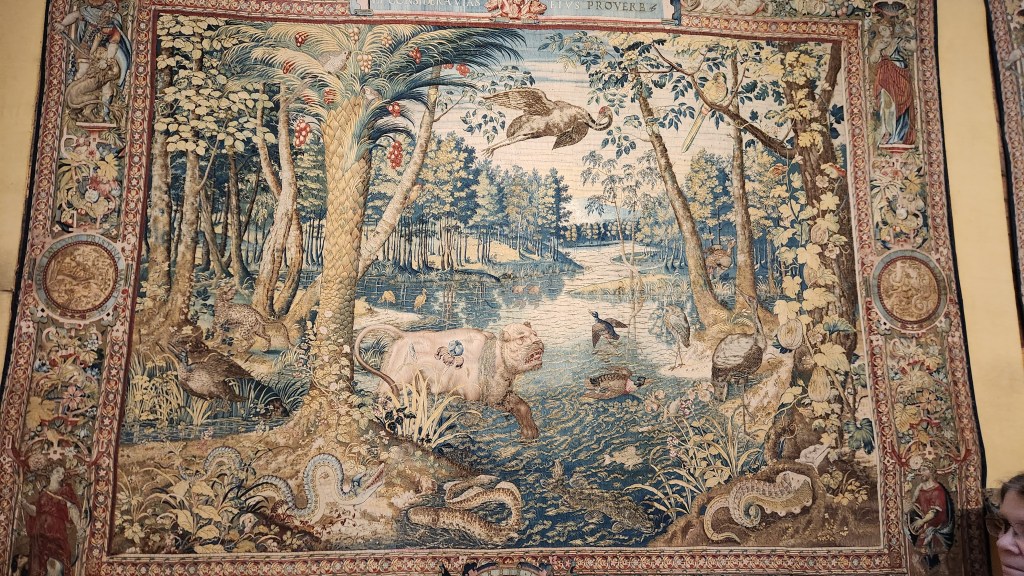
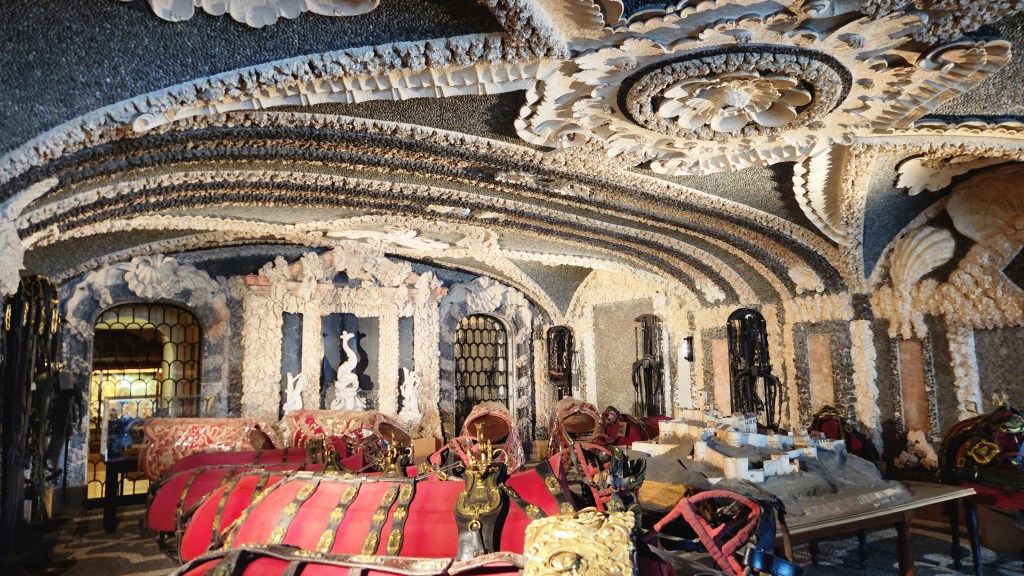
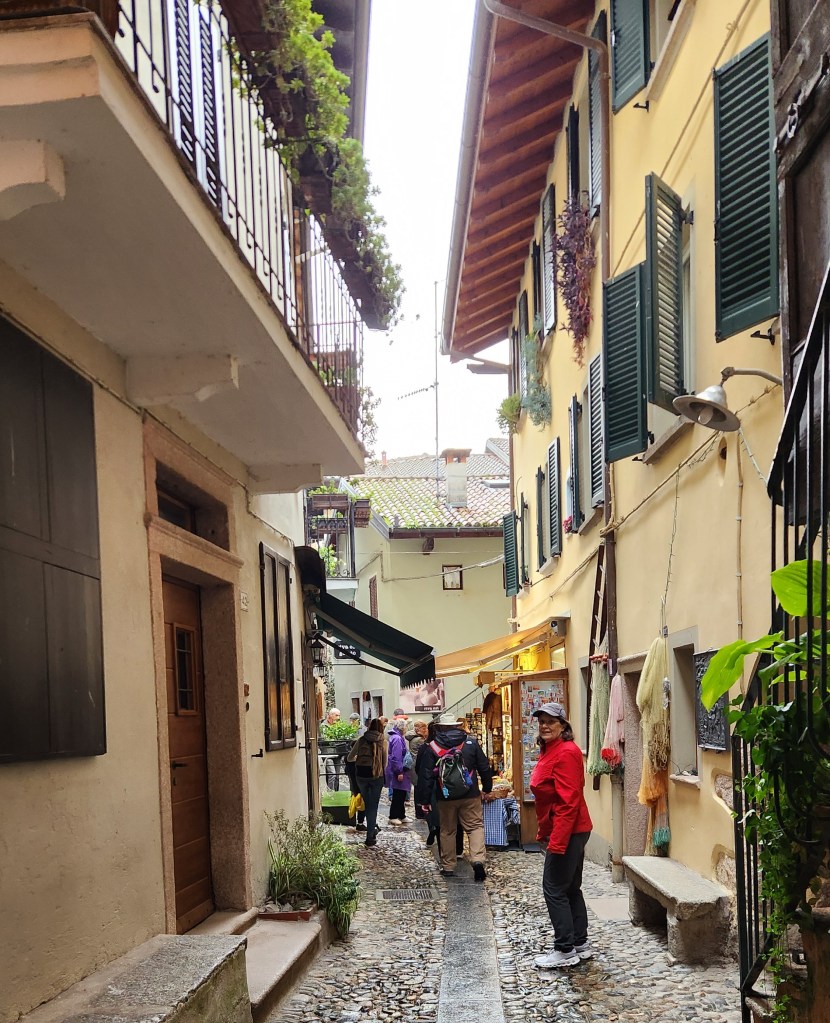
Next, our boat took us to Isola dei Pescatori (Fisherman’s Island), which is now the only inhabited Borromean Island. It is named for its fishing village, which had a population of 208 in 1971, but also includes many shops and restaurants to serve the tourist trade. We enjoyed an excellent lunch of local fish at a restaurant called Chez Manuel.
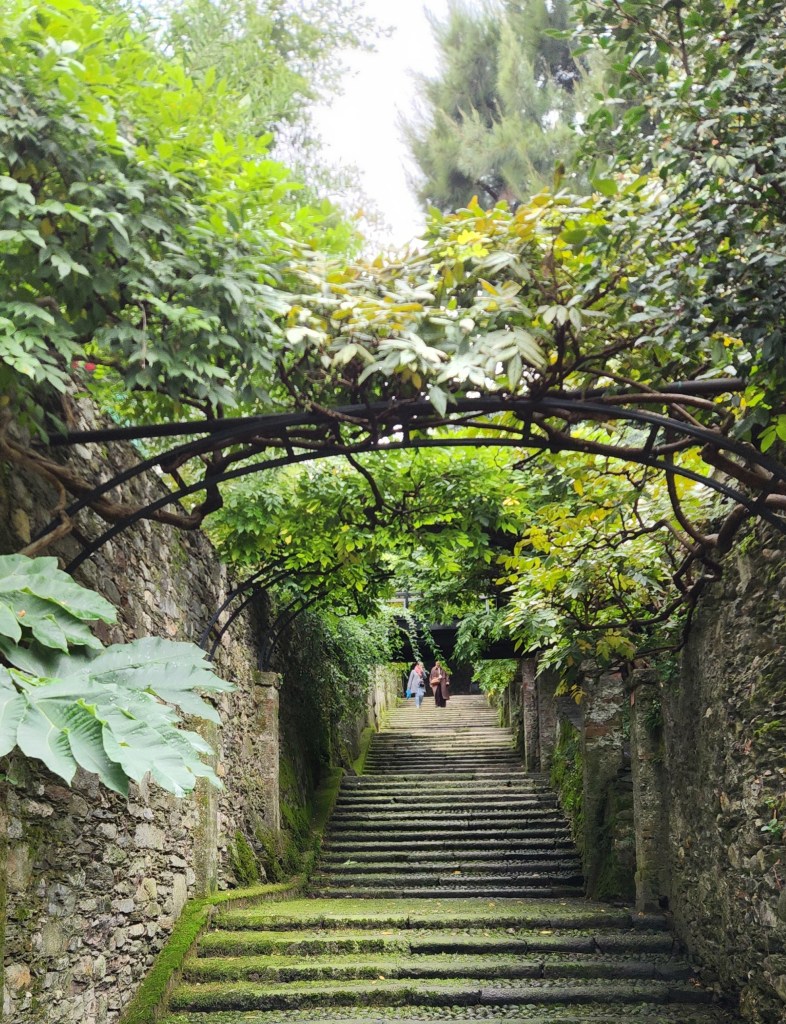
The final visit of the day was to the one known as either Isola Superiore (Big Island) or Isola Madre (Mother Island), the largest of the three. As early as the ninth century, it included a church and a cemetery, and olives were cultivated there. In 1501, Lancillotto Borromeo introduced cultivation of citrus fruits using plants brought from Liguria and a gardener to tend them. He also began construction of the family residence on the island, which was extended in Renaissance style in the 1580s by Renato I Borromeo.
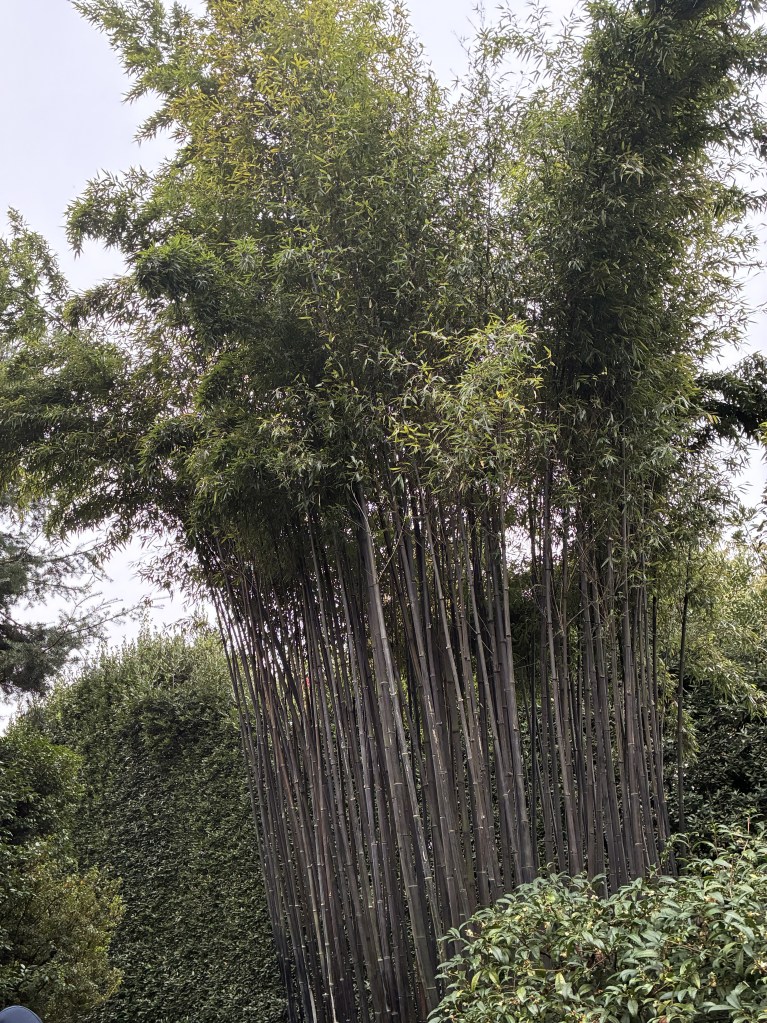
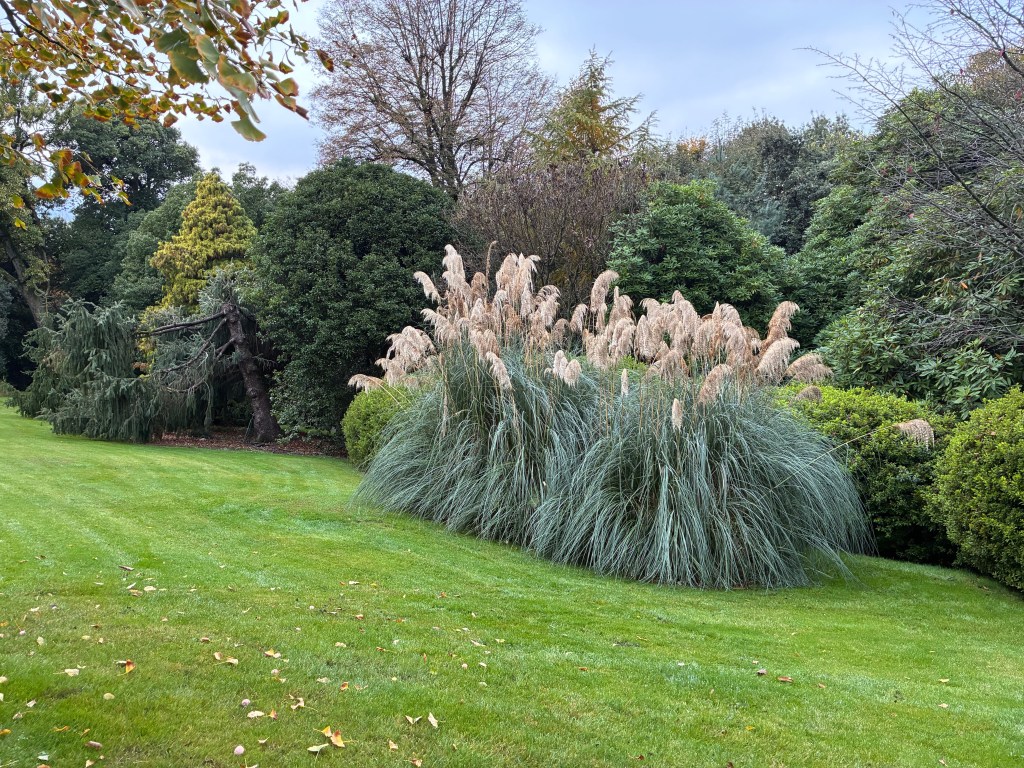
However, the main attraction is the extensive English style botanical gardens, begun in the late eighteenth century. The gardens contain impressive collections of cypress, rhododendron, camellia, wisteria, pampas grass, dogwood, magnolia, maple, and even bamboo and palm trees, all of which have adapted beautifully to the microclimate of Lake Maggiore. There are also large numbers of freely roaming parrots, peacocks, pheasants, and other birds.
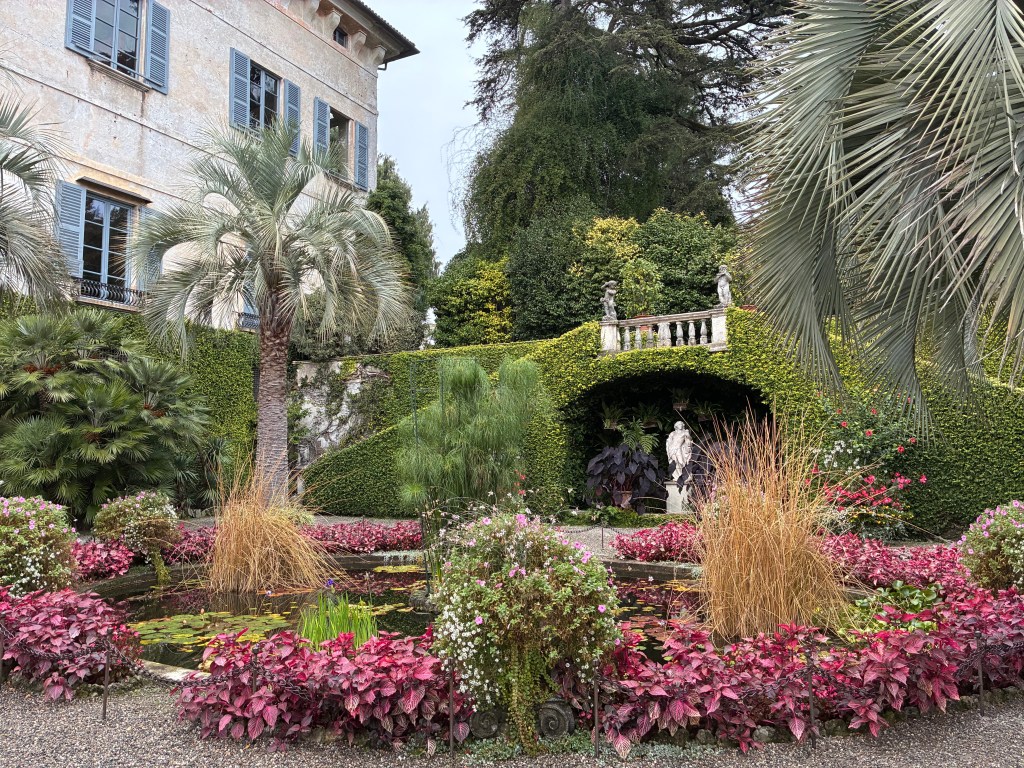
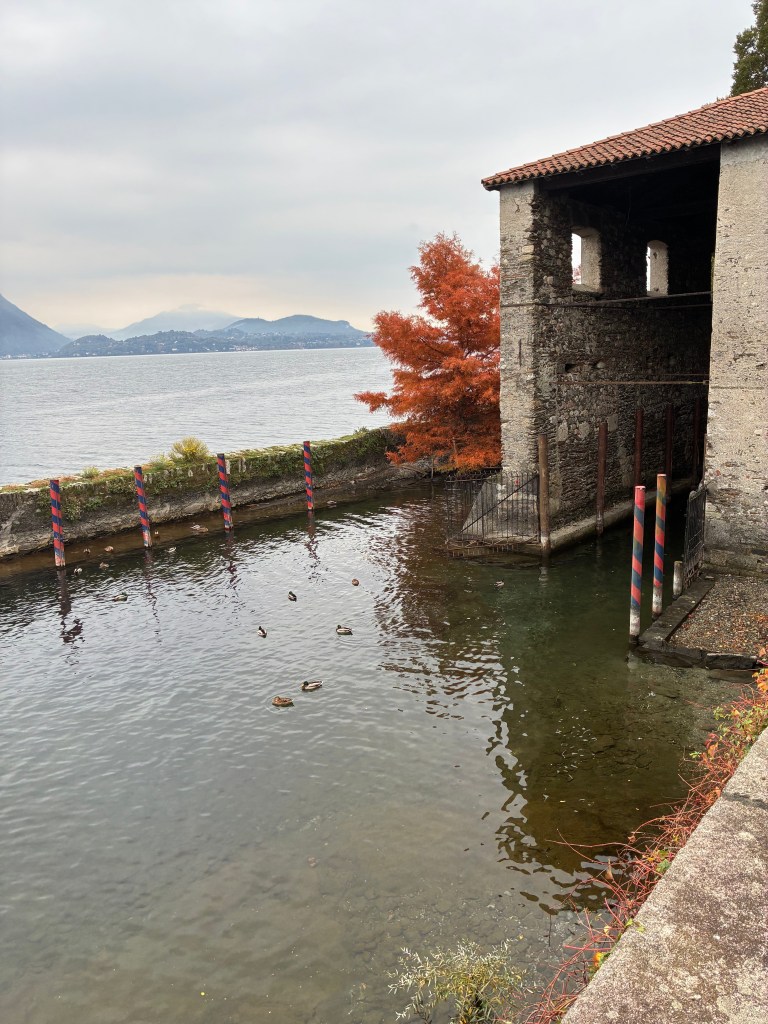
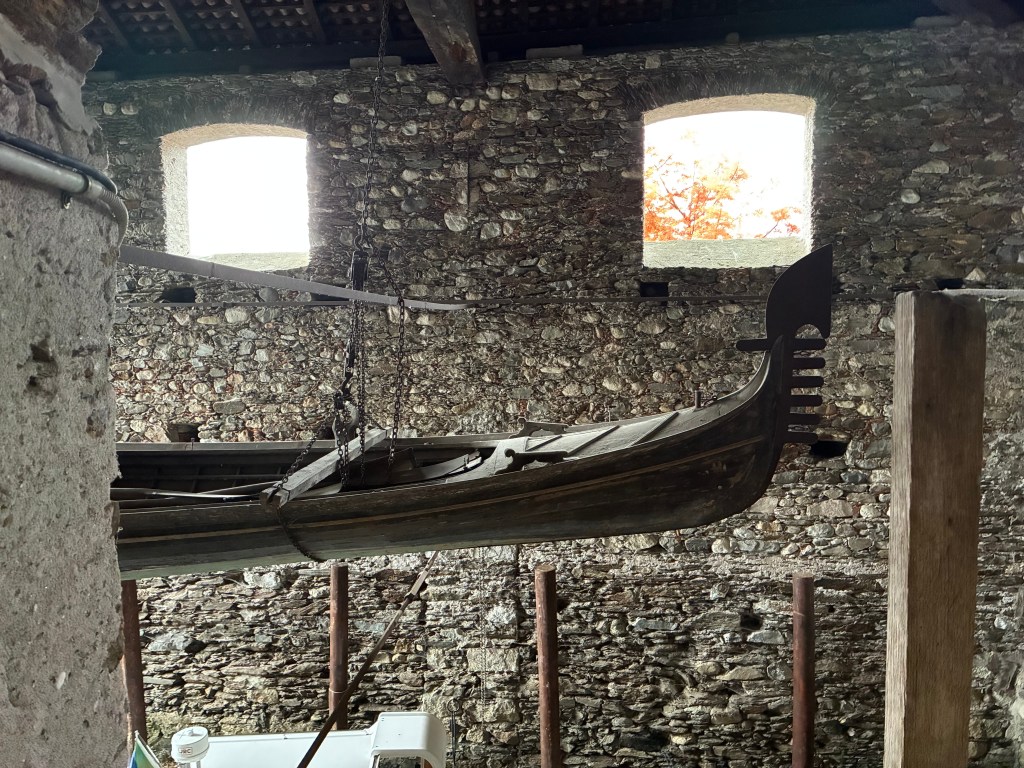
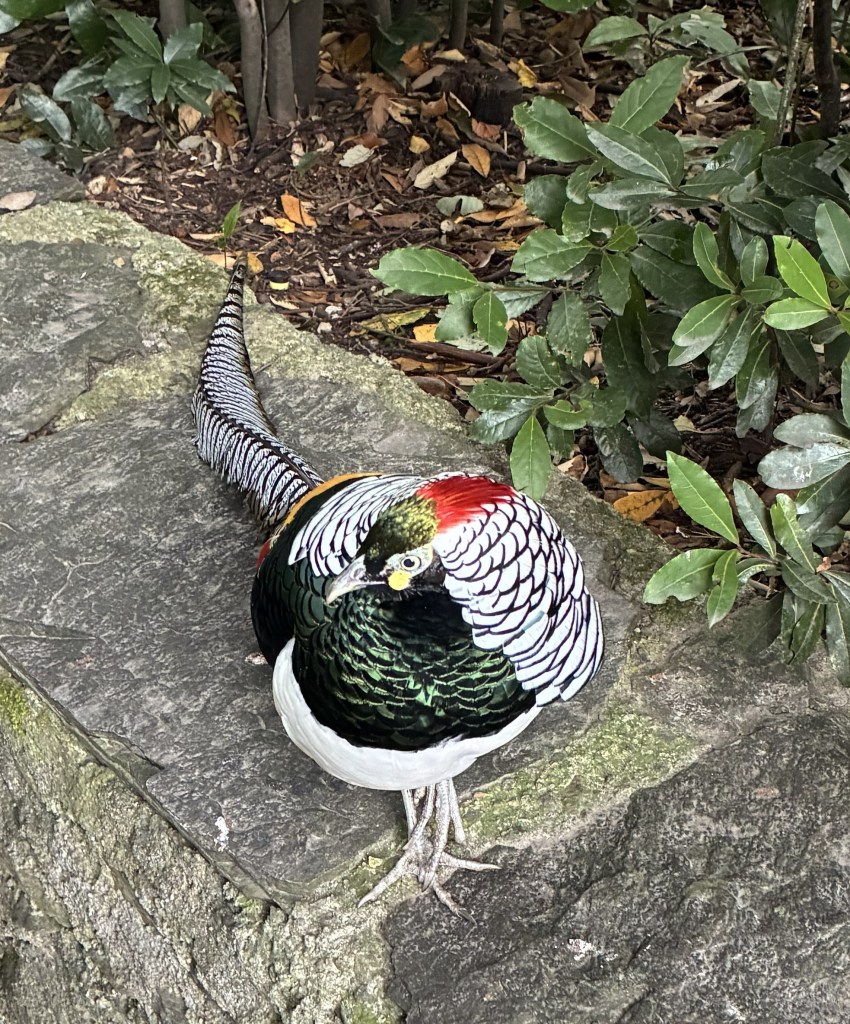
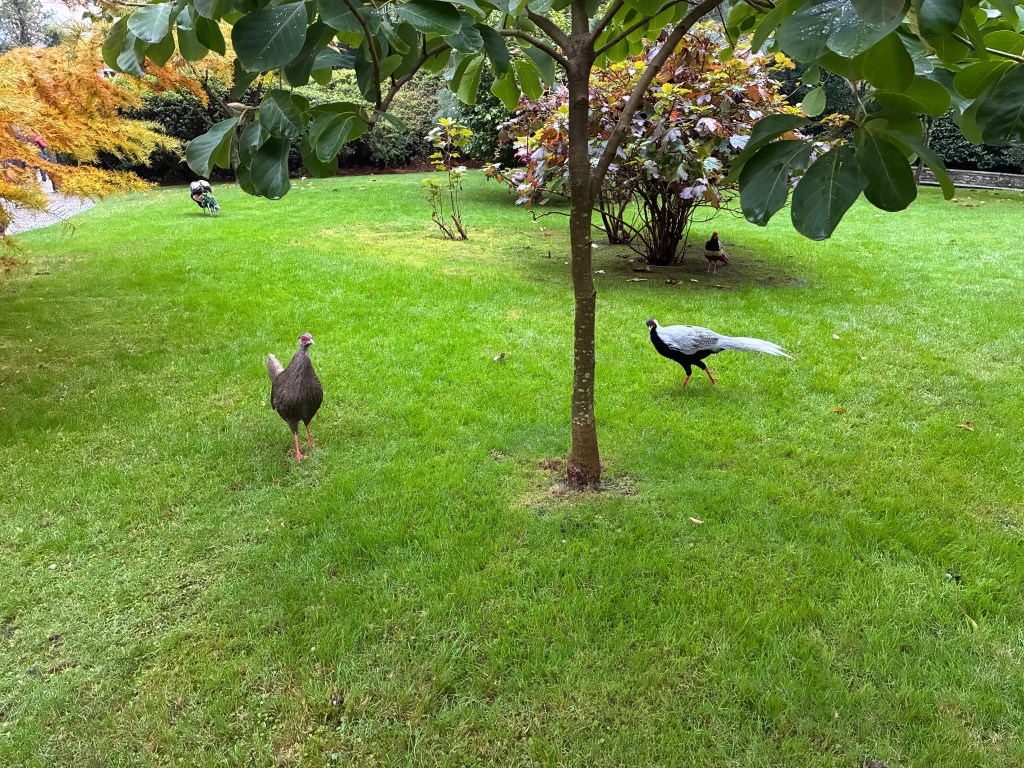
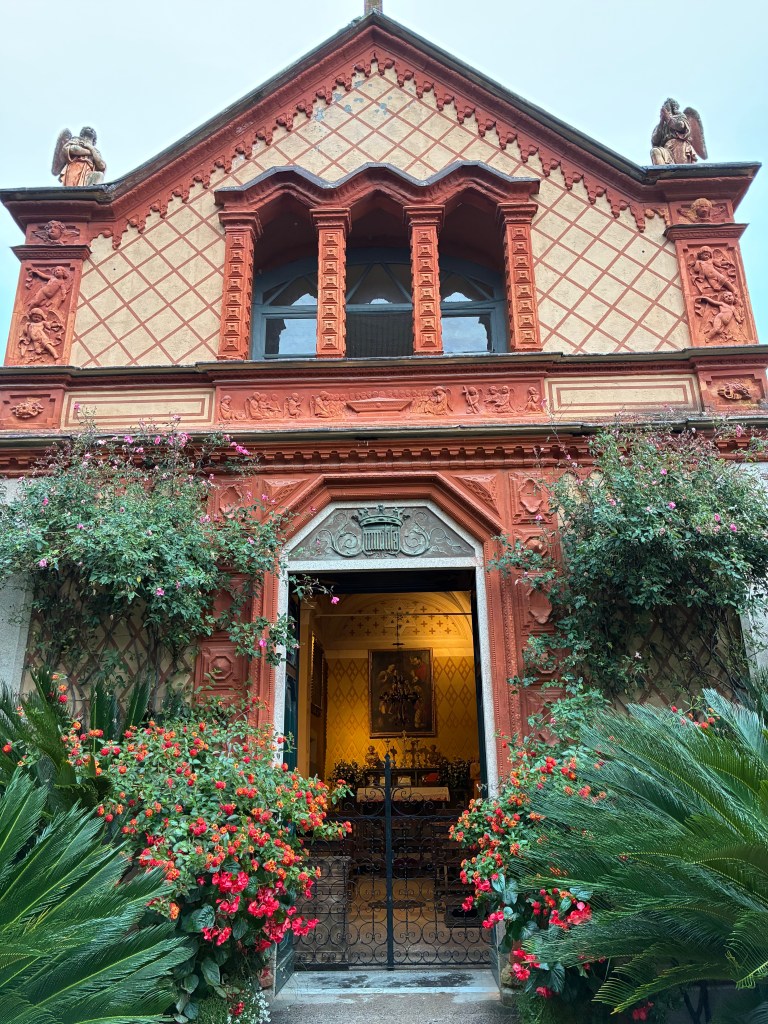
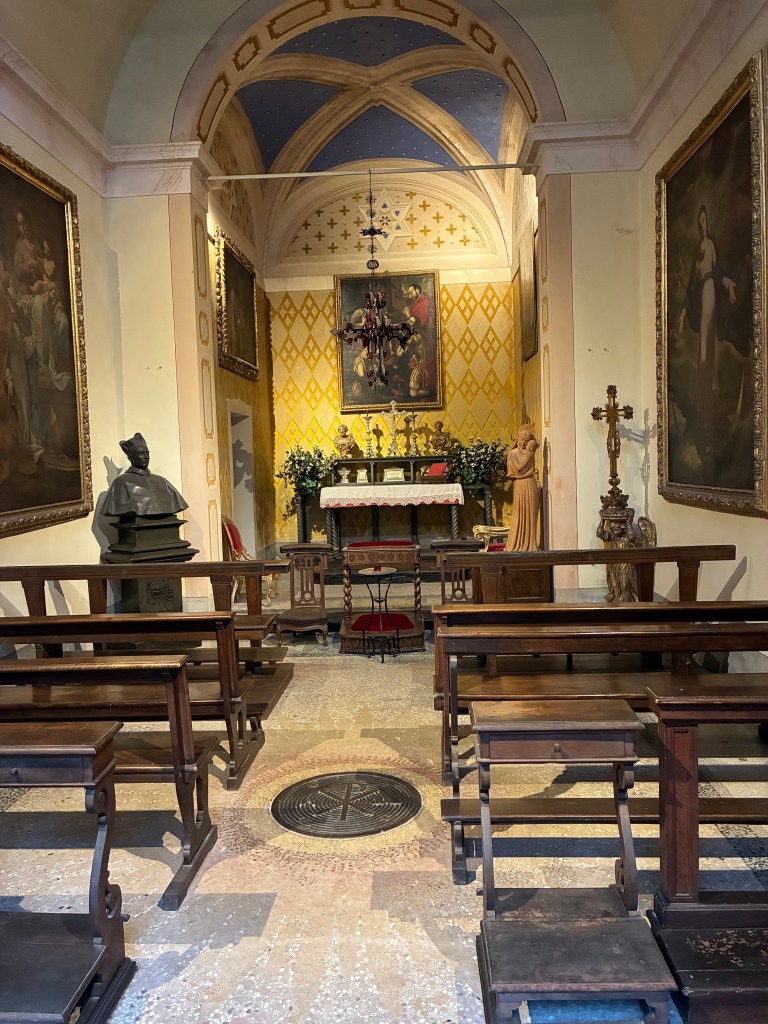
By the time we were ready for dinner, the overcast skies we’d had during most of the day had turned into a steady rain, but we donned rain gear and headed back into town for dinner at a nice place called Ristorante Pizzeria Mamma Mia.
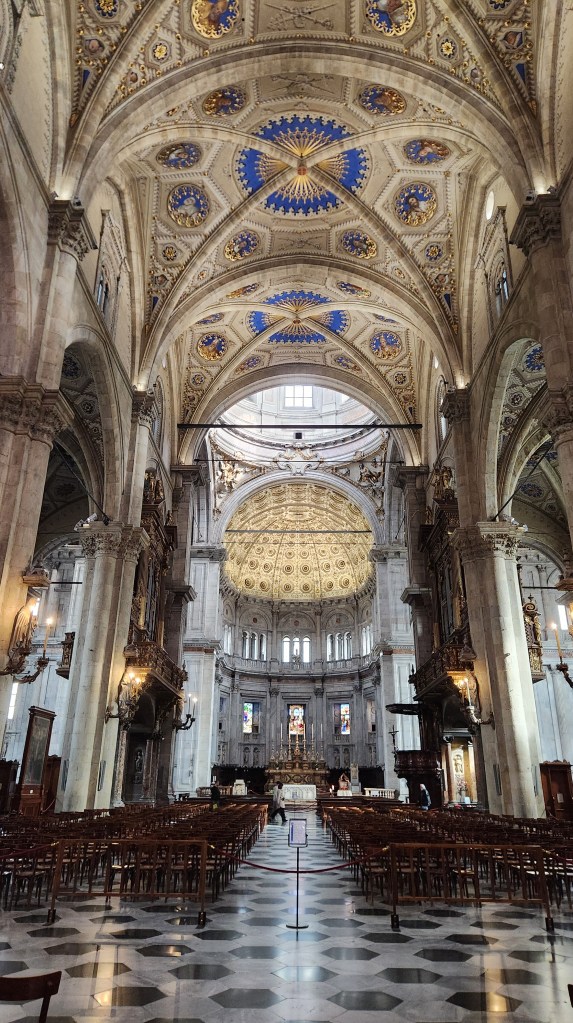
Como and Bellagio (Thursday, October 30, 2025): On Thursday morning, we boarded a bus for a trip to the city of Como, located at the southwestern tip of Lake Como (whose shape reminds me of a running man). We spent a brief time in Como, where we strolled along the main street, visited the cathedral, and stopped for a tasty gelato. I would have loved to ride on a neat looking funicular, but there wasn’t enough time, as the boat was due to leave for Bellagio shortly.
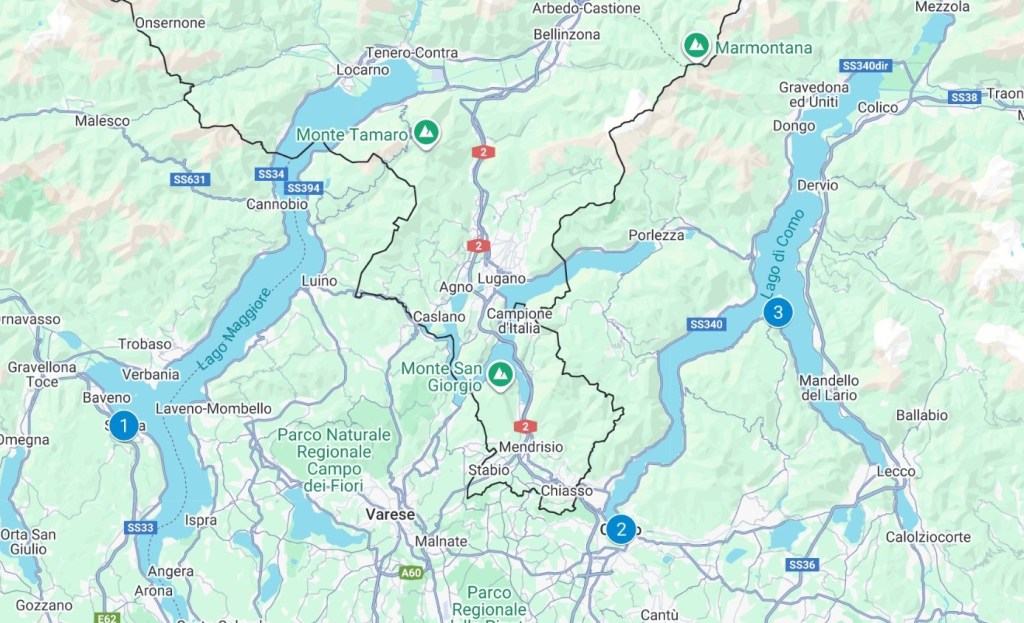
The church is described as the last Gothic cathedral built in Italy. Construction began in 1396 (on the site of the earlier Romanesque cathedral dedicated to Santa Maria Maggiore) ten years after the foundation of the Milan Cathedral. Construction work did not finish until 1770 with the completion of the Rococo cupola. The imposing west front was built between 1457 and 1498 and features a rose window and a portal between two statues of Pliny the Elder and Pliny the Younger, natives of Como.
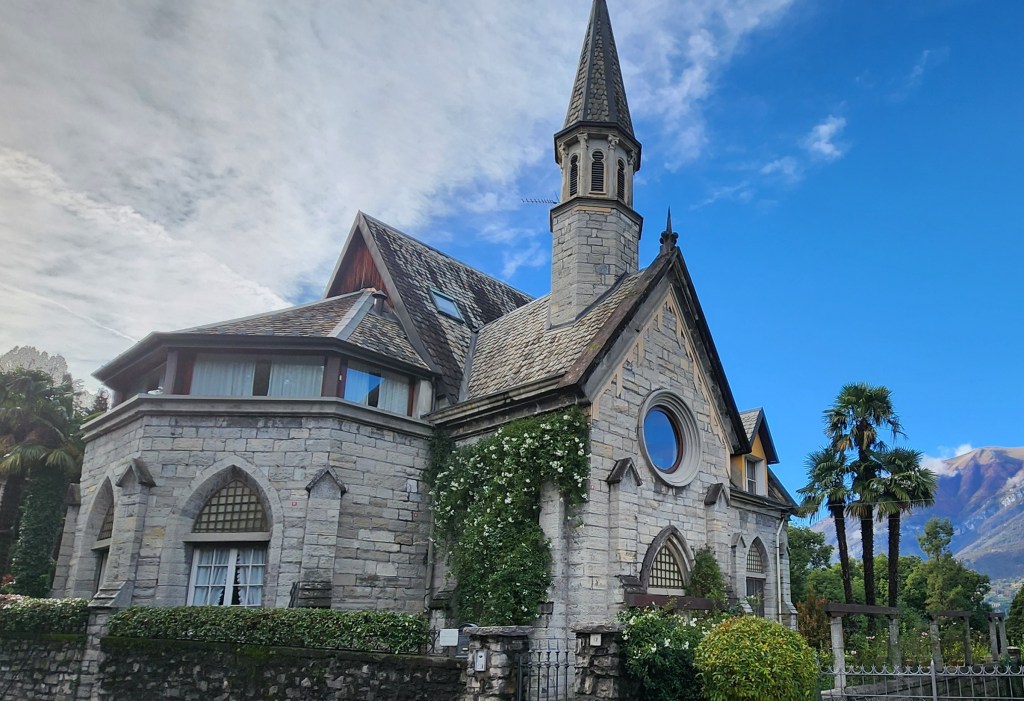
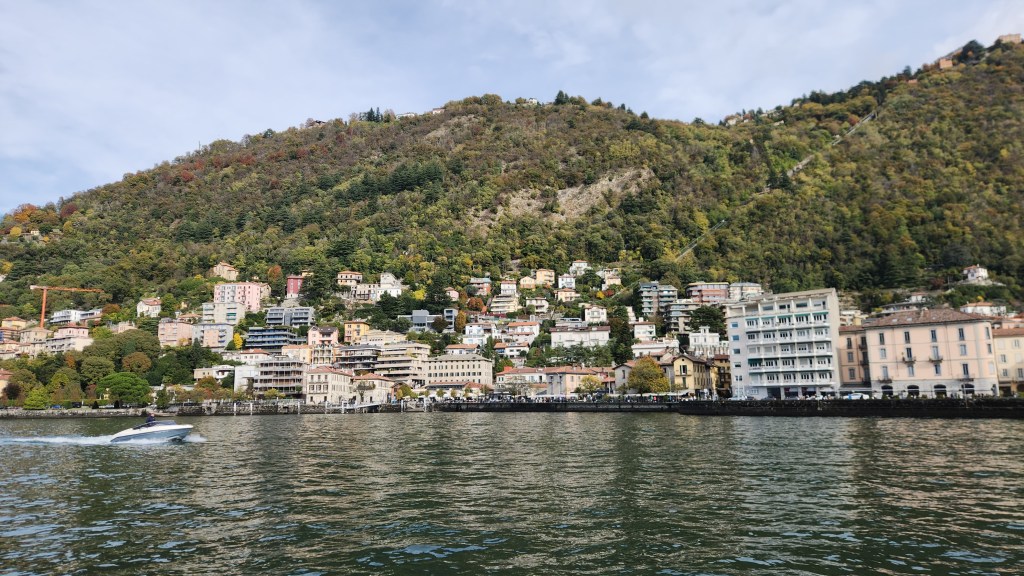
After the brief stop in Como, we boarded a boat for a trip to Bellagio, located at the midpoint of the two “legs” of the lake. The boat zigged and zagged from one side to the other for close-up looks at some of the impressive villas along the shorelines and for a fleeting view of a lovely waterfall on the east side of the left “leg.”
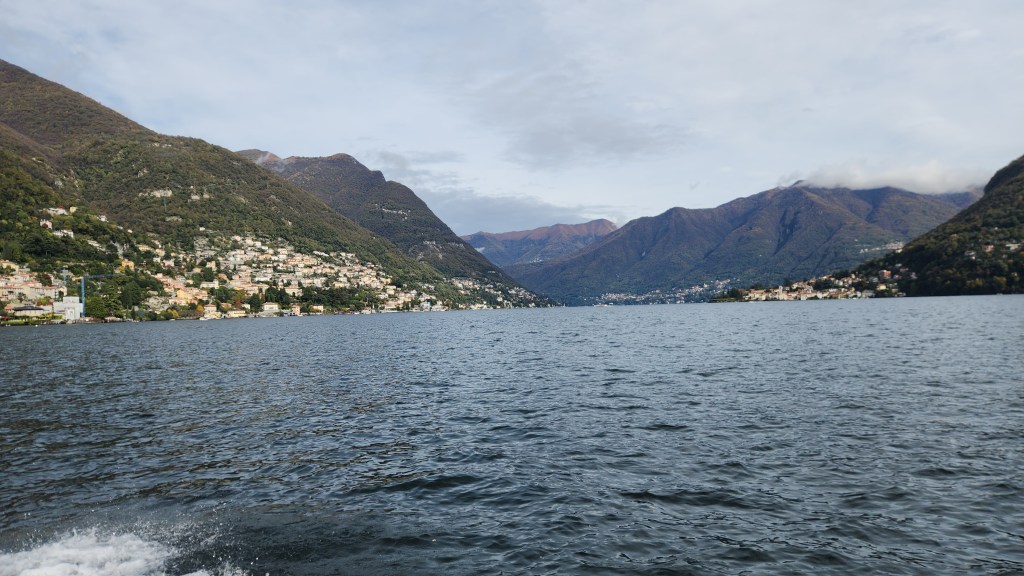
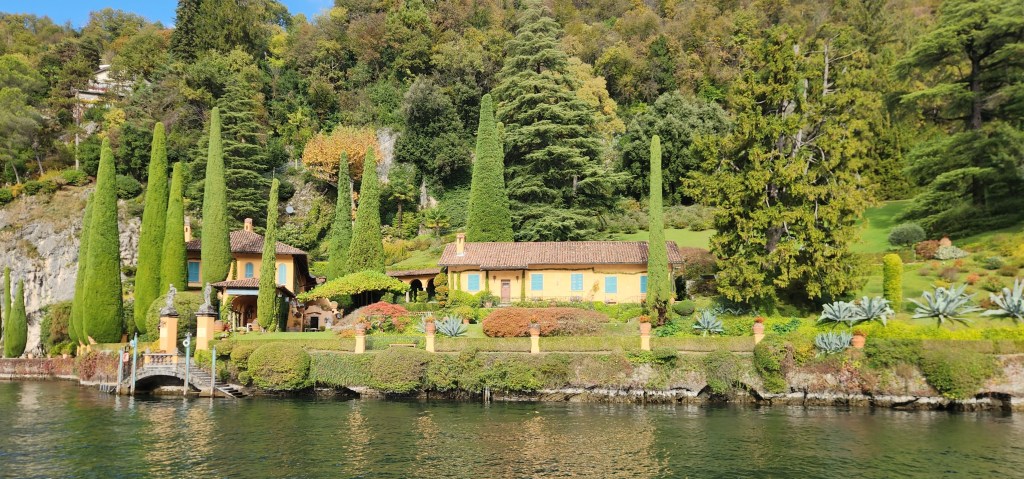
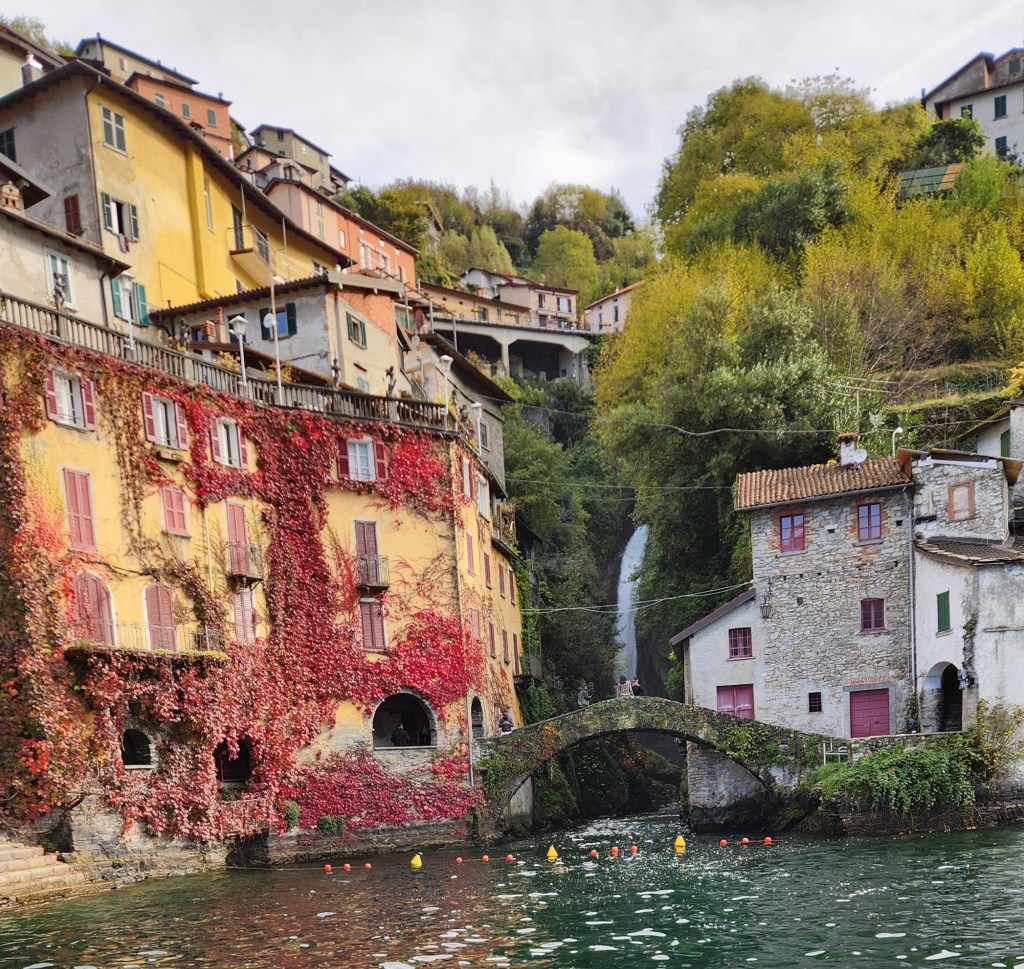
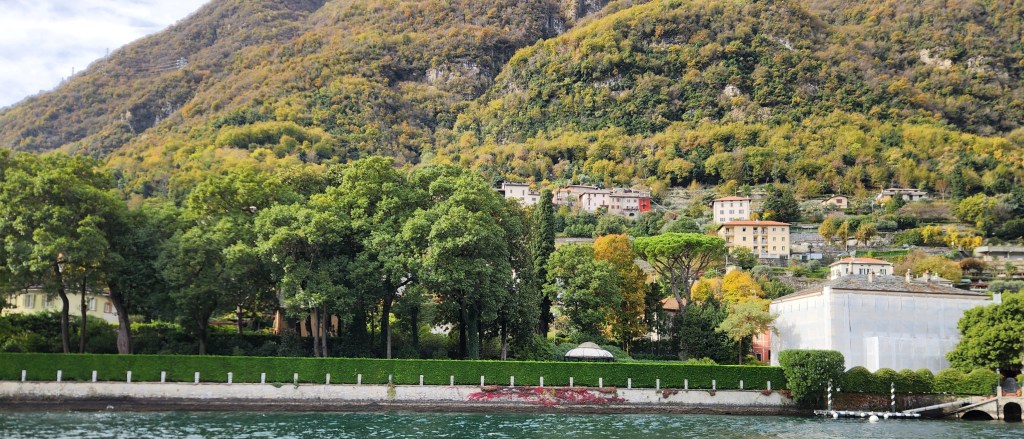
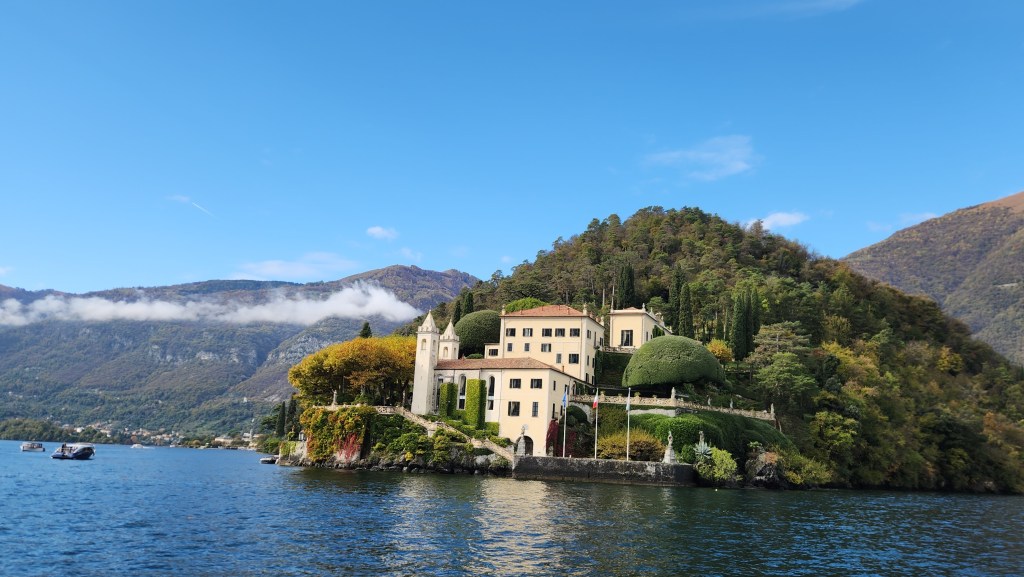
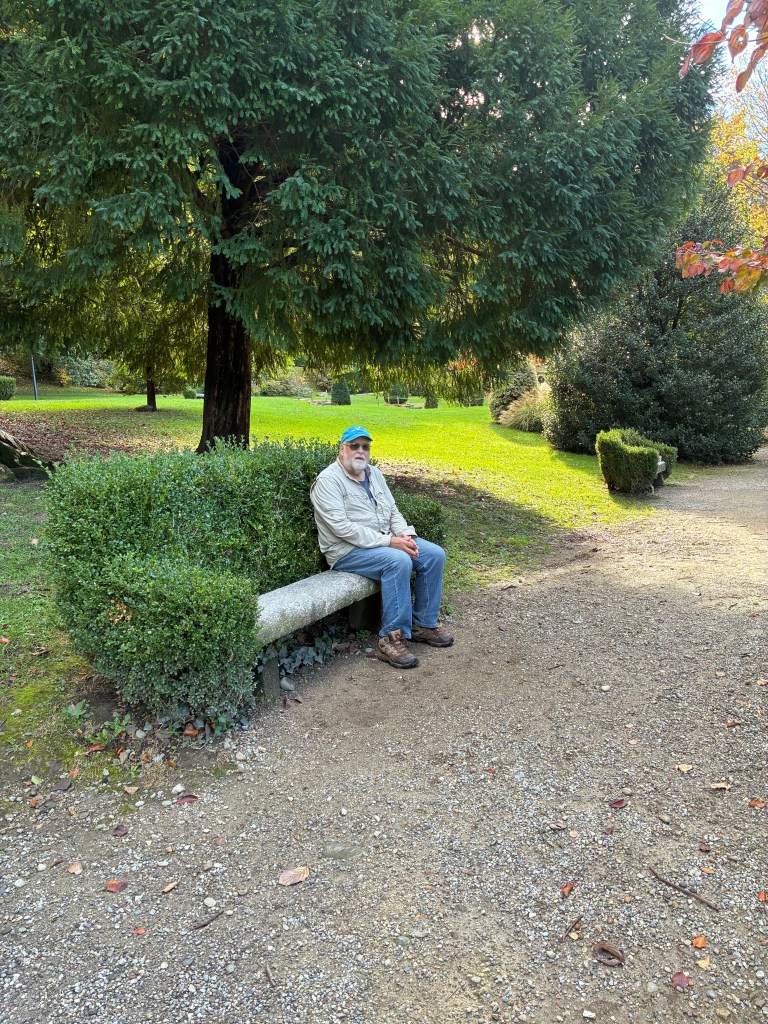
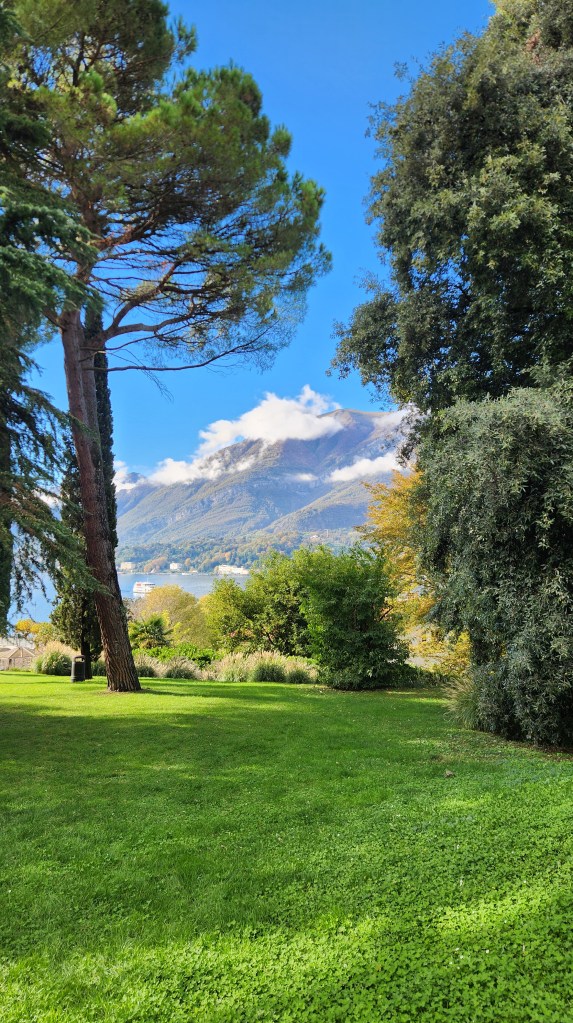
In Bellagio, known as the “Pearl of Lake Como,” we strolled through the town and visited a nice park with impressive views of the lake before stopping at a food truck for some pita wraps.
On the way back, the boat made a more direct route to Como, where we boarded the bus again for our return to Stresa. That evening, our group of travelers enjoyed a lovely dinner at a restaurant in Stresa.
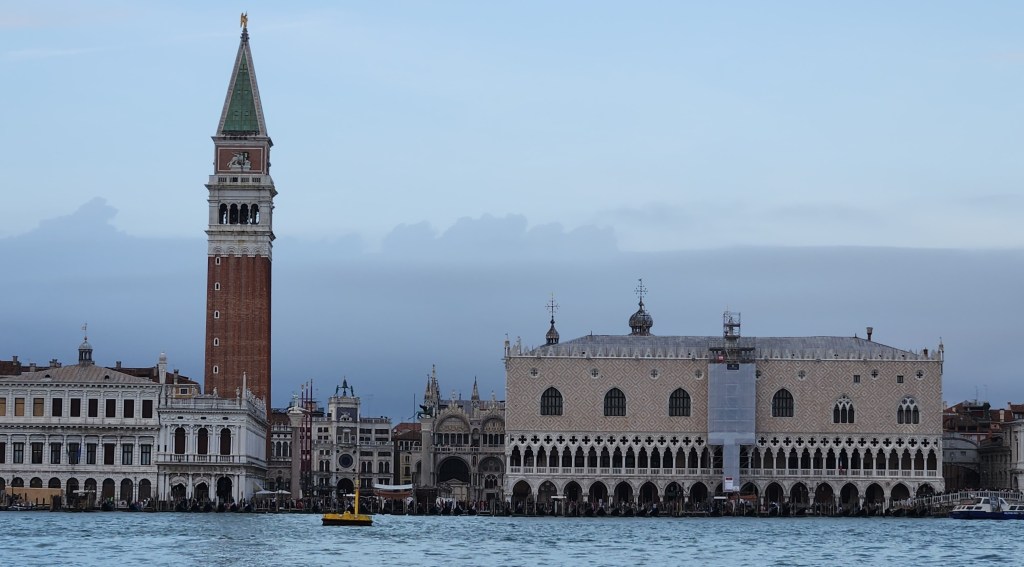
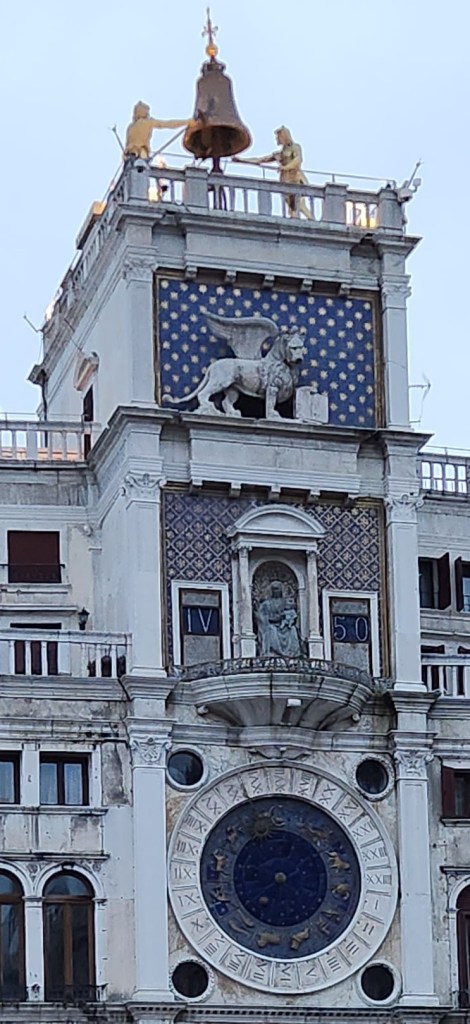
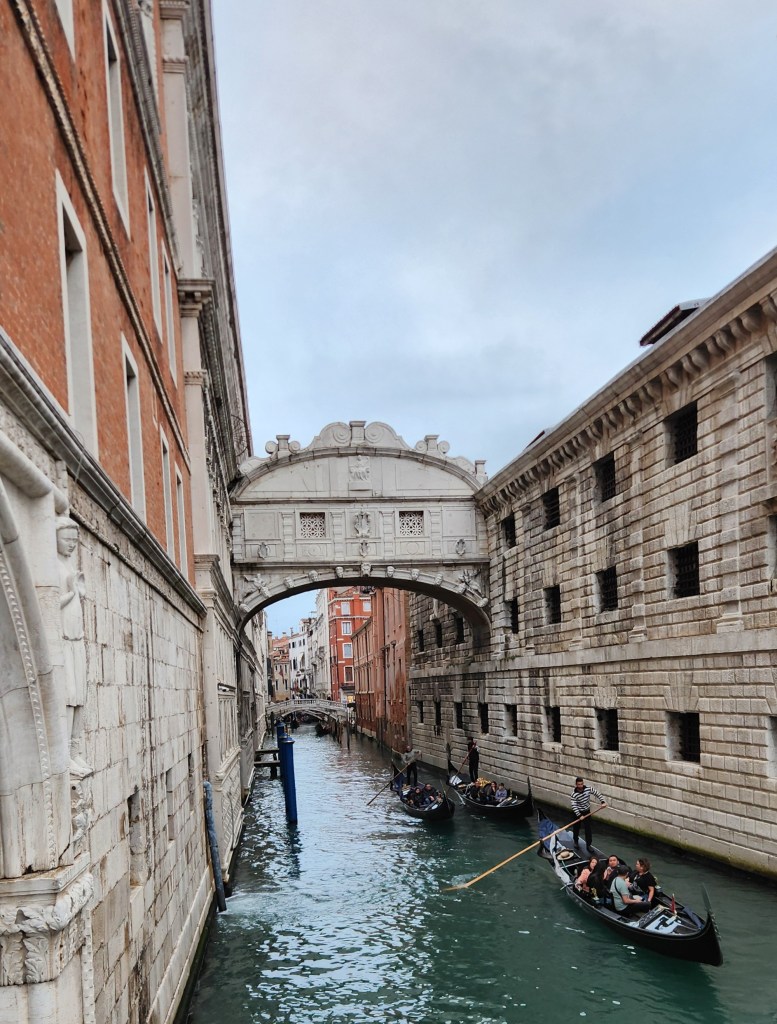
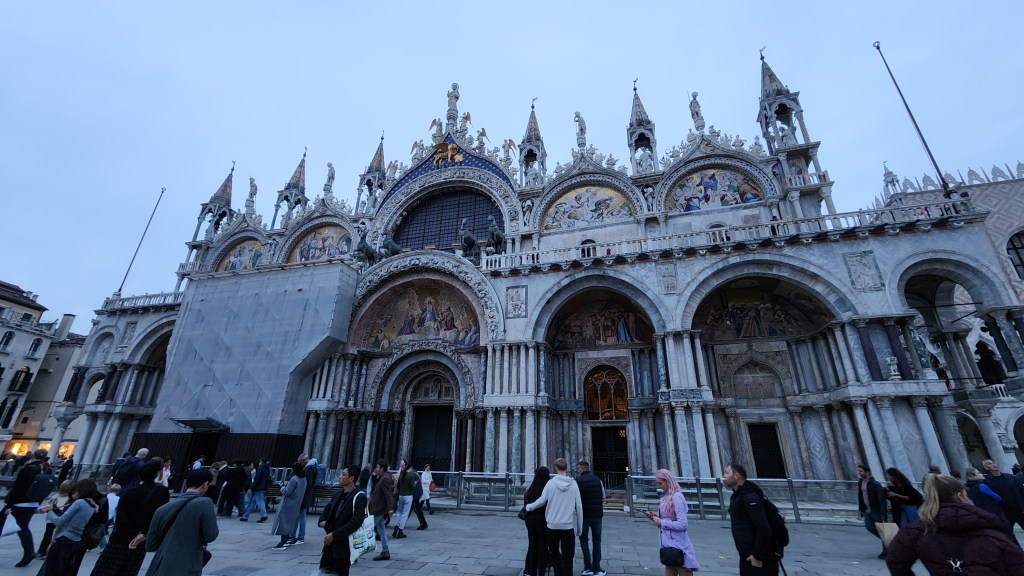
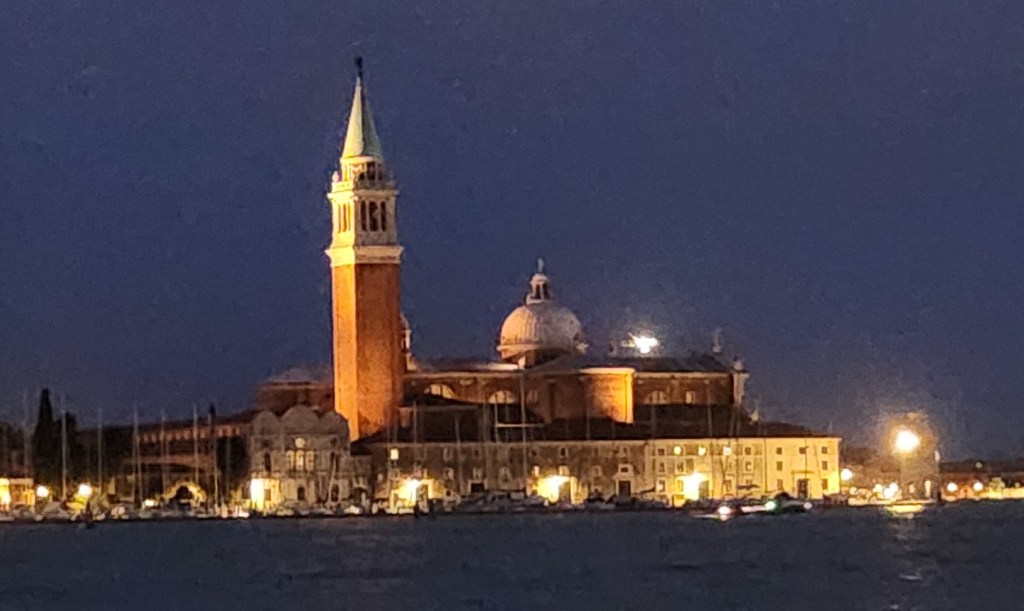
Venice (Friday, October 31, 2025): We departed the hotel in Stresa at 8:25 AM for a seven-hour bus trip to the port terminal at Fusina, located across the Venetian Lagoon from the island city of Venice. After boarding our cruise ship, the Viking Neptune, and checking into our stateroom, we departed again for a ferry trip across the lagoon to visit the city. Unfortunately, it was after four PM by the time we reached the Viking destination dock in Venice, leaving time for only a very brief visit before returning to the ship again. At least we did manage to see some of the most iconic sights in Venice during that time, including the Bridge of Sighs, the Doge’s Palace, and San Marco square before strolling through some of the busy, crowded streets in the vicinity. Of particular interest to me was the Renaissance era (1493-1499) Clock Tower in San Marco Square, with its astronomical clock, changing Roman numerals, and automated figures who ring the bell every hour.
Okay, that’s it for Part 1. I hope you enjoyed the read and will come back to read future installments:
- Parts 2 and 3 will cover the Ocean Cruise, with shore excursions in Slovenia, Croatia, Montenegro, and Greece (Corfu, Olympia, and Santorini).
- Part 4 will cover the post-cruise extension in Greece.
Stay tuned …
 Dave Saari