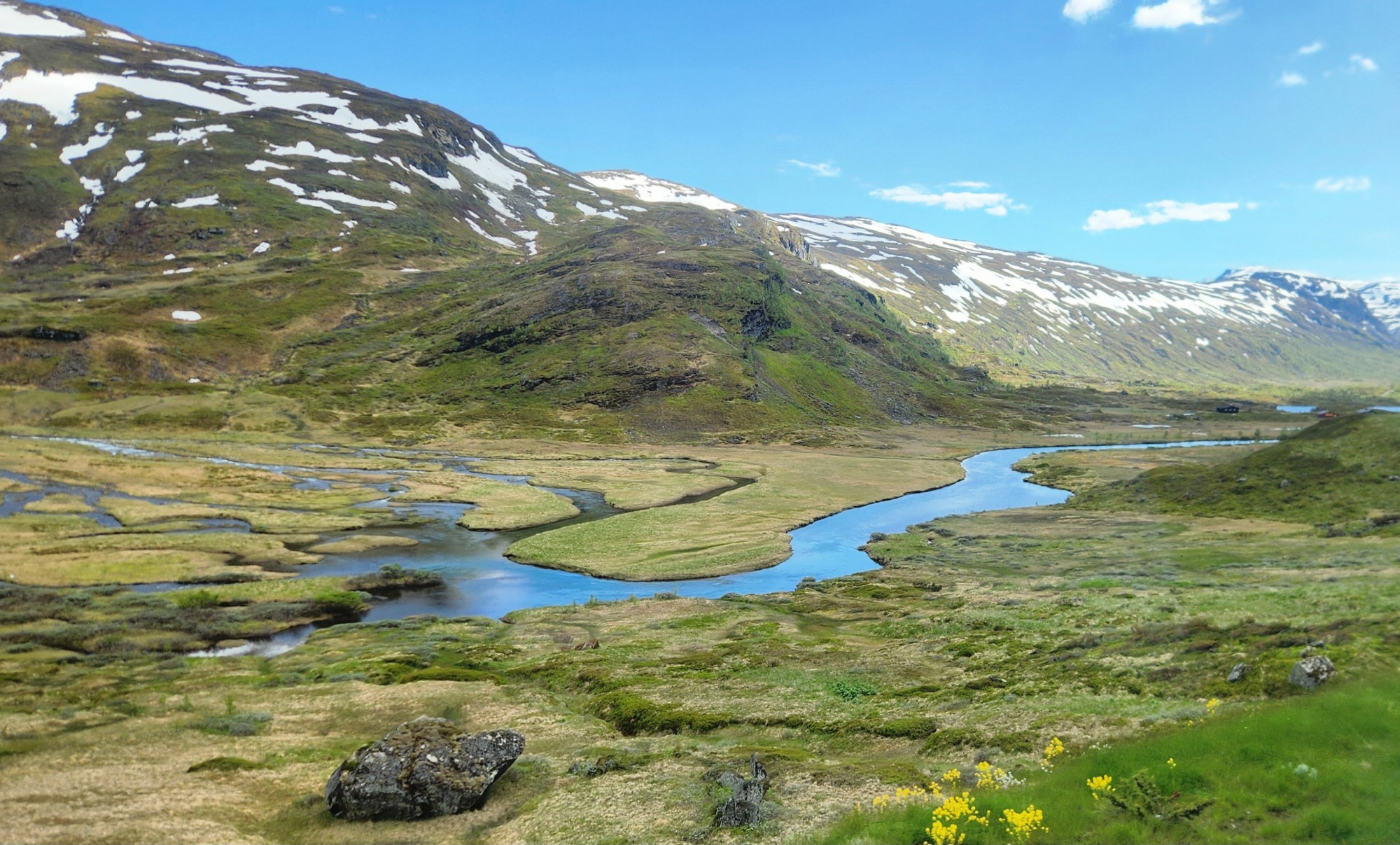
Preamble
It’s hard to believe, but it’s already time for another episode in my ongoing series of travelogues documenting our domestic and international travel experiences. As past readers will know, the domestic travelogues have been road trips (either with the RV we formerly owned or with one of our two our electric cars) while the international travels have mostly been with the Viking River Cruise or Viking Ocean Cruise lines. We took our first Viking River Cruise on the Danube River back in 2018 (before I started blogging about our travels), and we enjoyed it so much that we’ve continued to patronize Viking. Just to be clear, I am not a paid influencer and receive no compensation of any type – Pat and I are purely and simply great Viking fans. So here I go again, this time documenting an Ocean Cruise denoted “Viking Homelands.” (Thus the latest in my somewhat goofy series of alliterative titles, using the word “Viking” for both the cruise line and the destinations.)
As sometimes happens, we did not get off to an auspicious start. We were booked on a Delta flight from MSP to Newark at 9:14 AM on Friday, June 12, and a connecting flight from Newark to Oslo. However, at about 7 PM Thursday evening, as we were getting ready to retire before an early morning Lyft to the airport, we received an email notice that the flight to Newark had been canceled. Somewhat anxiously, I called the Viking Travel Emergency number and we were soon rebooked on a 3:55 PM United flight to Frankfurt and a connecting flight from Frankfurt to Oslo. However, when we arrived at the departure gate on Friday afternoon, we learned that the Frankfurt flight had been delayed because the plane could not get to the departure gate – blocked by a Delta plane at the adjacent gate as well as airport construction activities. We finally took off two hours late and – big surprise – missed the connecting flight due to the long line at the passport control checkpoint in Frankfurt. After another call to the Viking Travel Emergency number, we were rebooked again on a later flight. We eventually arrived in Oslo feeling sleep deprived after a very long travel day but ready to start on our Vibrant Viking Voyage.
So, let’s get this travelogue started, shall we?
Pre-Cruise Program
The Ocean Cruise portion of the trip began in Bergen, Norway, on June 17th, but we had also booked a four-day pre-cruise extension program that began with a day in Oslo and included a trip to Bergen on the world-famous Bergensbanen railway and a day of sightseeing in Bergen prior to boarding the cruise ship. This Part 1 of the travelogue describes the highlights of the four-day pre-cruise program.
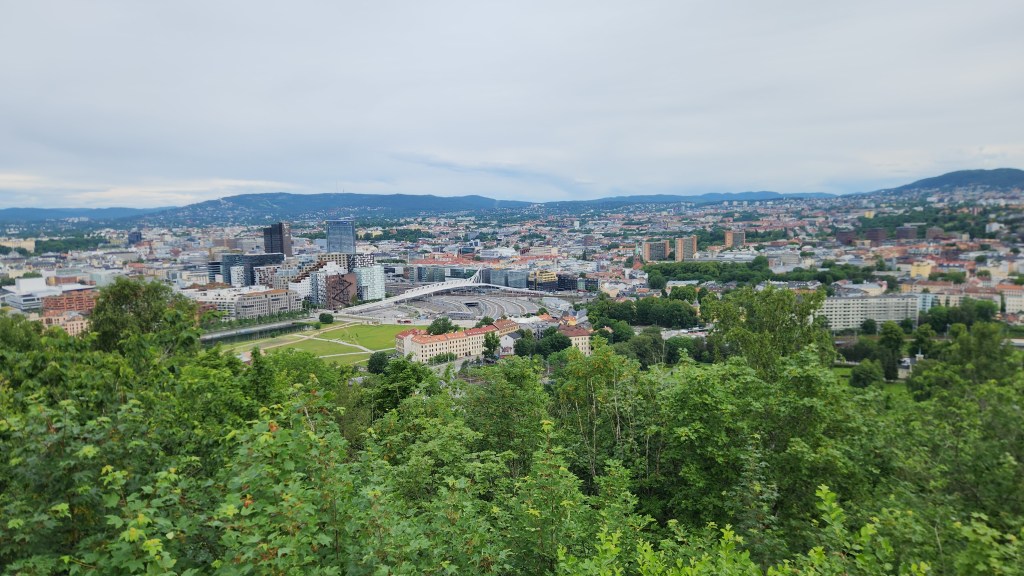
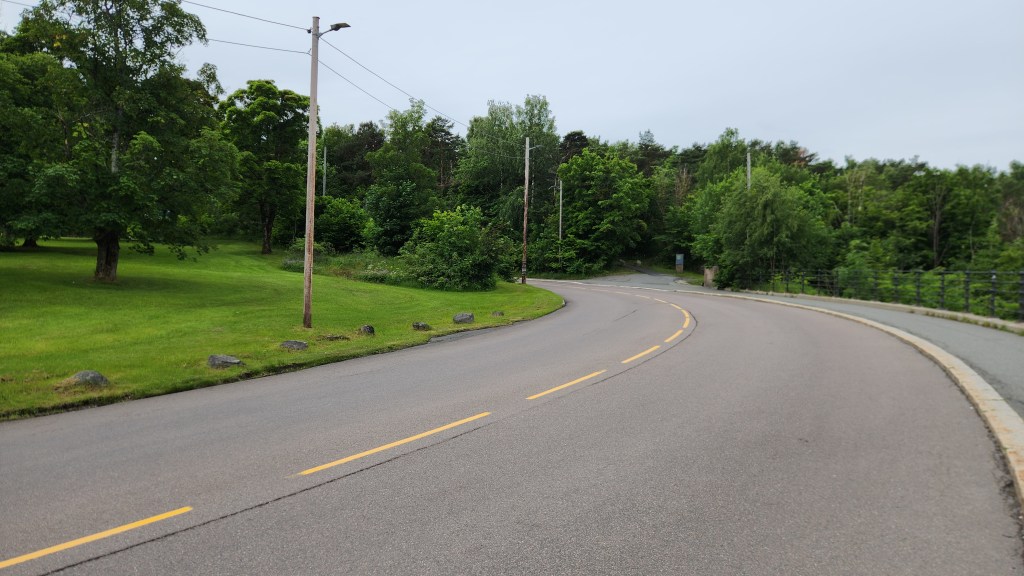
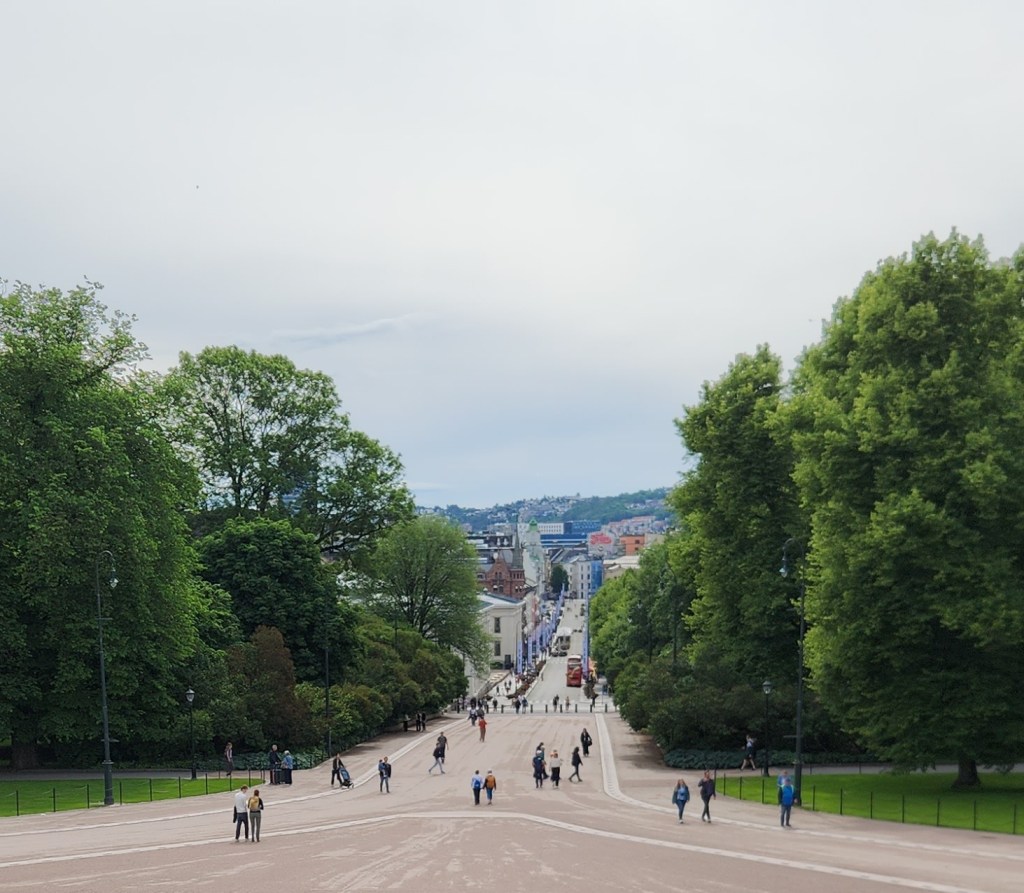
Oslo, Norway (Sunday, June 14, 2026): The first activity was a four-hour scenic motorcoach and walking tour of Oslo. Highlights included a stop at an overlook point with a fantastic view of the city and a visit to the Royal Palace. The overlook is located close to a place in the road referred to as “The Scream curve,” in recognition of the spot where famous Norwegian painter Edvard Munch was walking and came upon an eerie scene of the sunset over Oslo, inspiring his world-famous painting.
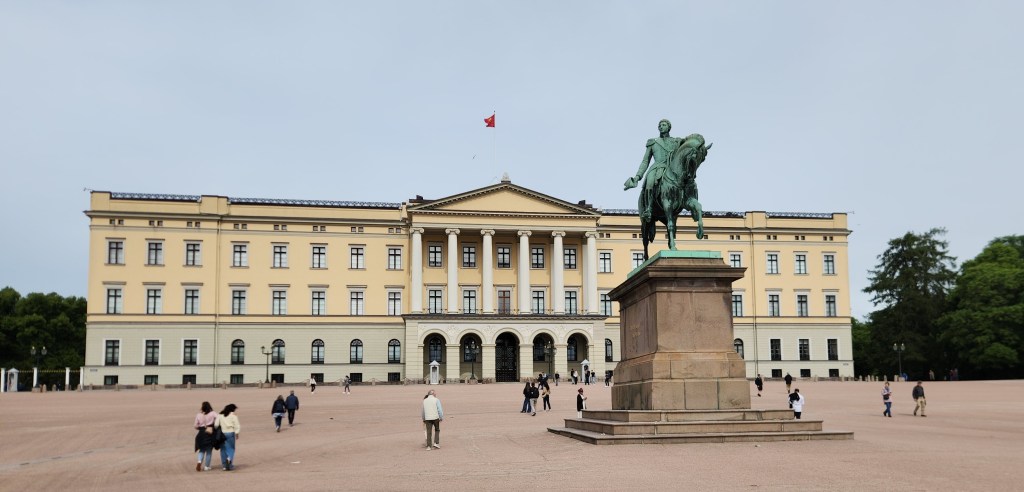
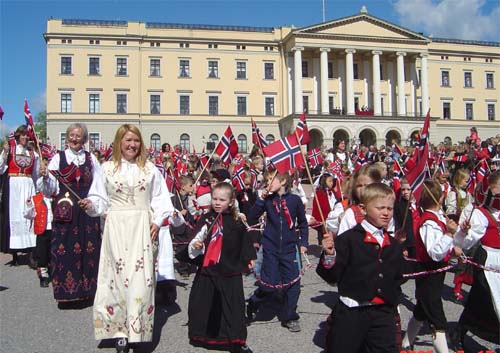
On our way from the overlook to the Royal Palace, home of current monarchs King Harald VI and Queen Sonja, our guide gave us a brief Norwegian history lesson. We learned that Norway had been ruled by Danish and Swedish kings from the fourteenth century until its independence in 1905. However, on May 17, 1814, Norway adopted a constitution establishing the ruling Parliament but retaining the king as a ceremonial leader. After independence, the Norwegian people still wanted a king. Somewhat ironically, Prince Karl of Denmark was asked to fill that role, which he did, but only after a national referendum confirming him as the Norwegian people’s choice. To emphasize continuity with Norway’s medieval kings (prior to Danish rule) he adopted the name Haakon VII. The palace itself was built by Swedish King Karl III Johann, who also became the king of Norway when Sweden was awarded Norway as a prize following the defeat of Denmark in the Napoleonic wars. A huge statue of Karl Johann on his steed stands in front of the palace, facing Oslo’s main street, Karl Johann Gate. On Constitution Day (May 17), a parade runs from downtown Oslo to the palace, with the participants wearing the so-called “bunad,” the traditional costume of Norway. The 54-acre public Palace Garden surrounds the palace, and we enjoyed a leisurely stroll through the garden before resuming the coach tour.

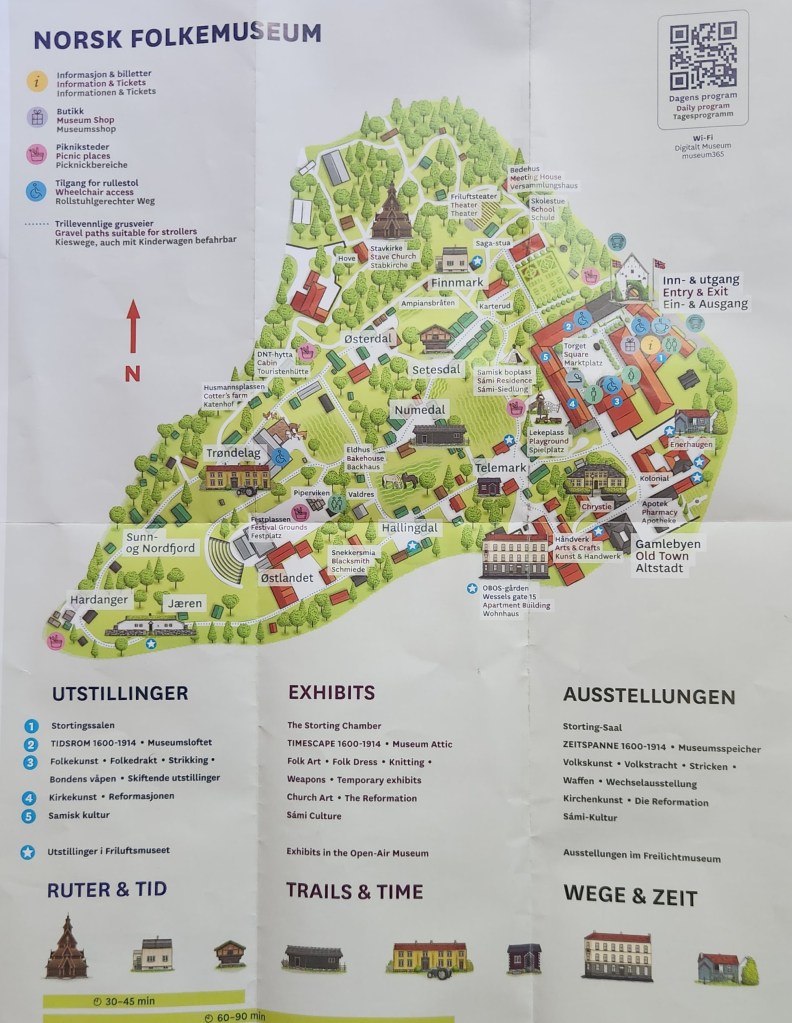
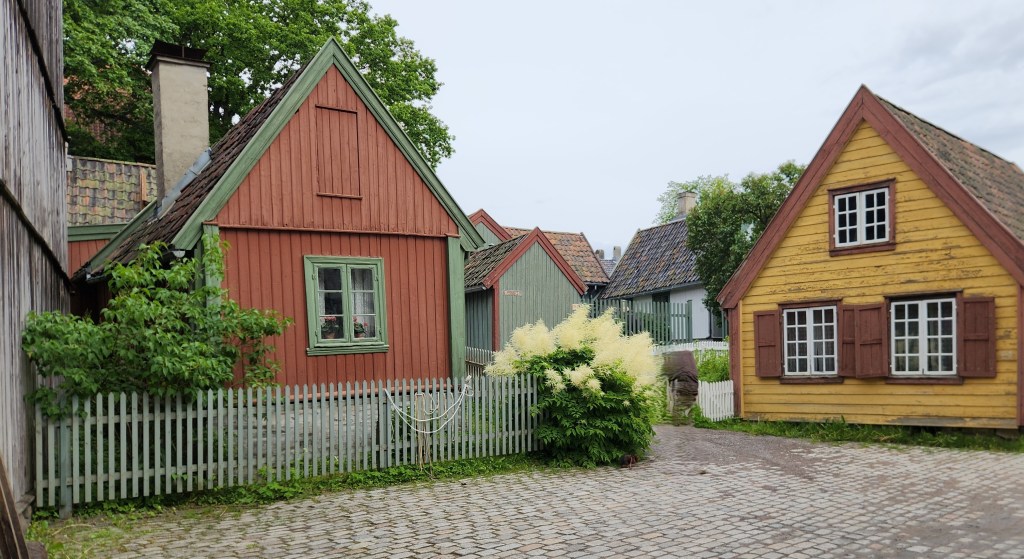
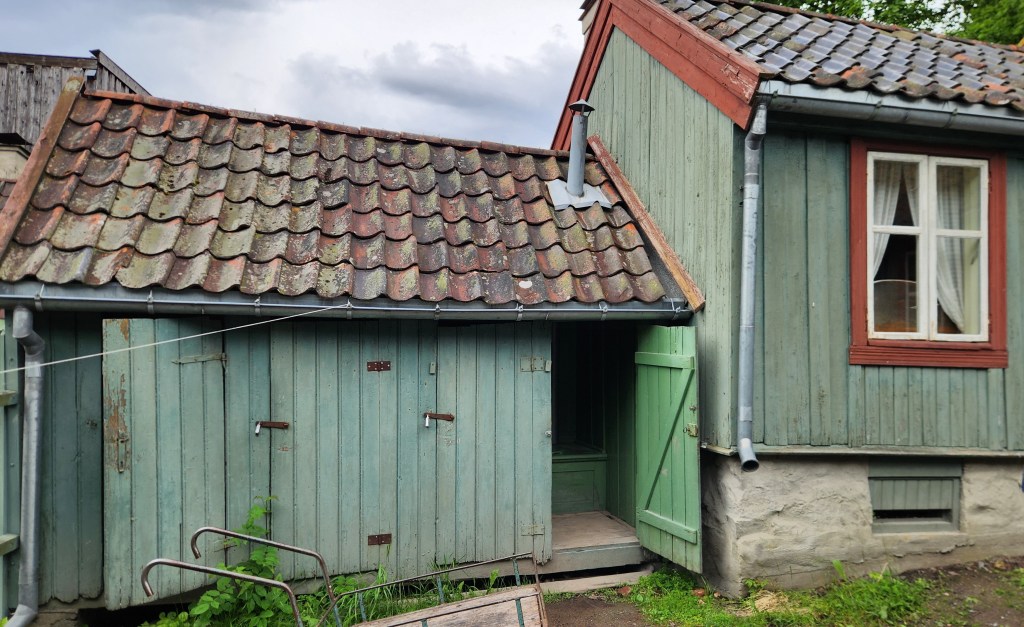
After the Royal Palace, we traveled to the Norwegian Museum of Cultural History (Norsk Folkemuseum), located on the Bygdøy peninsula. This is an open-air museum, featuring over 150 historic buildings relocated from across Norway, including a 13th-century stave church, so named for the “staves” that support the church building.
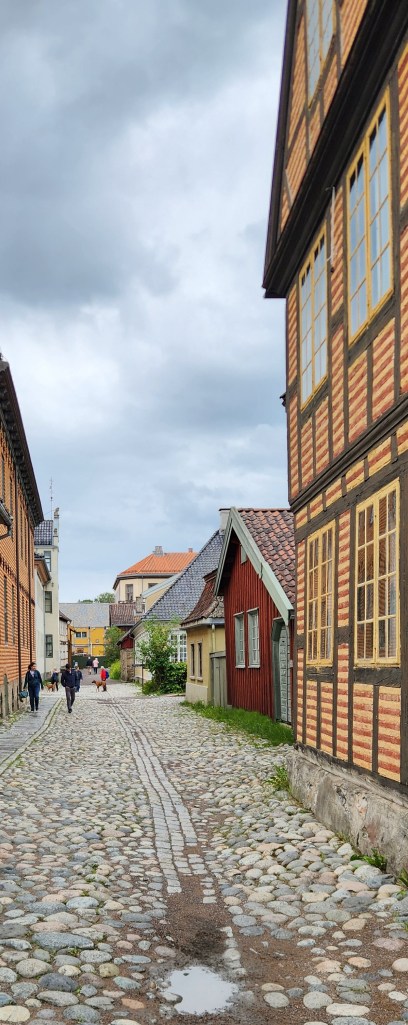
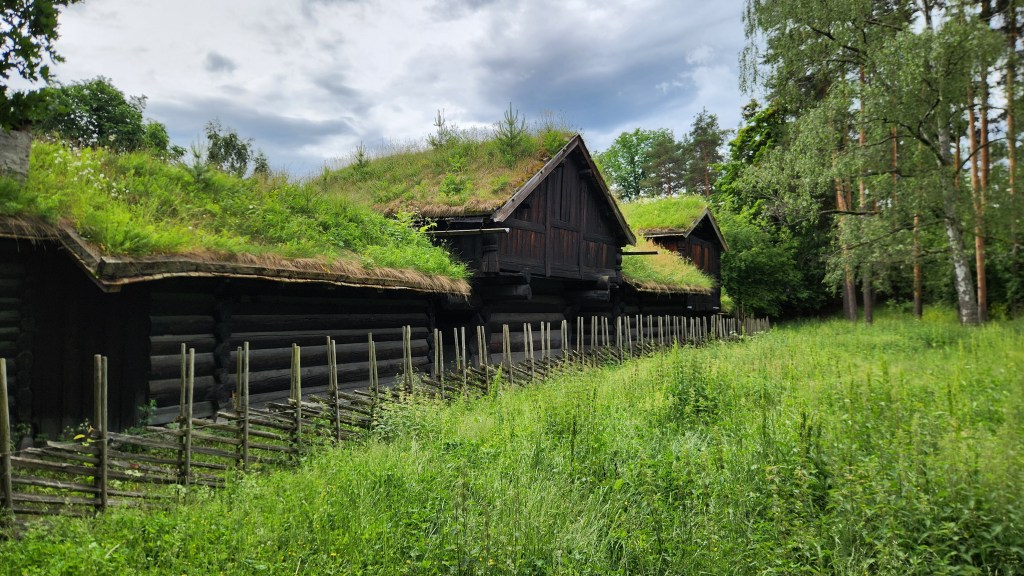
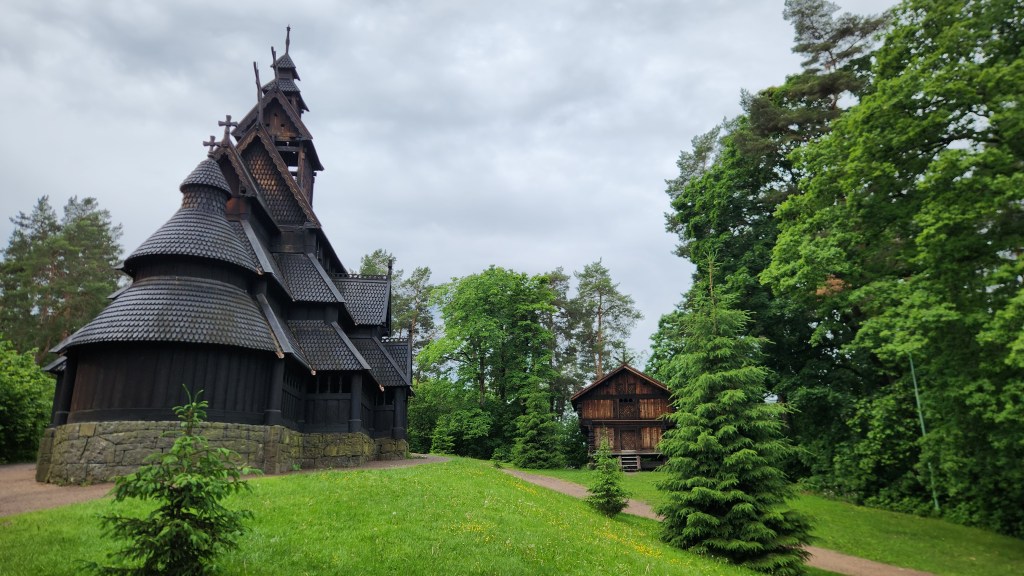
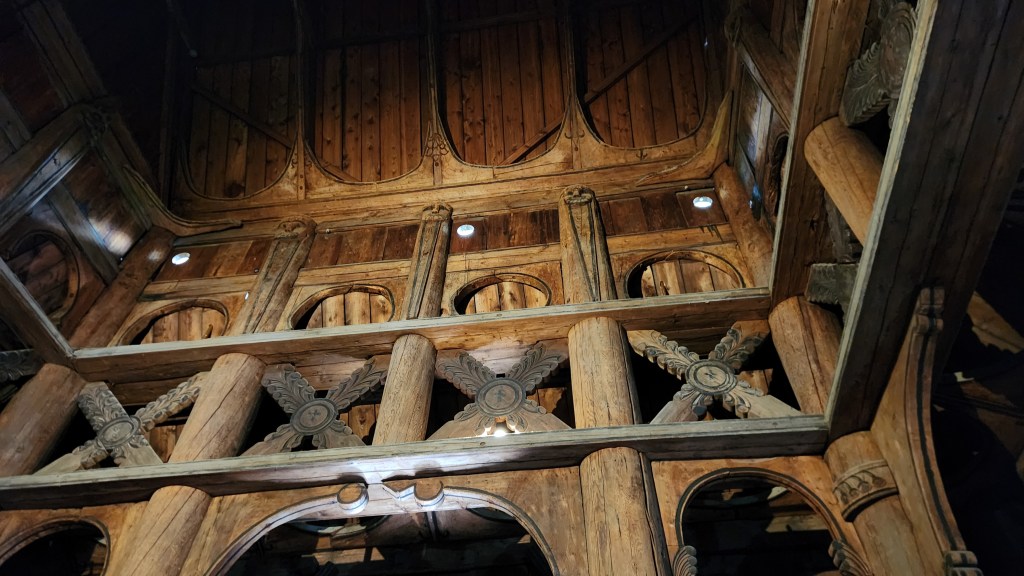
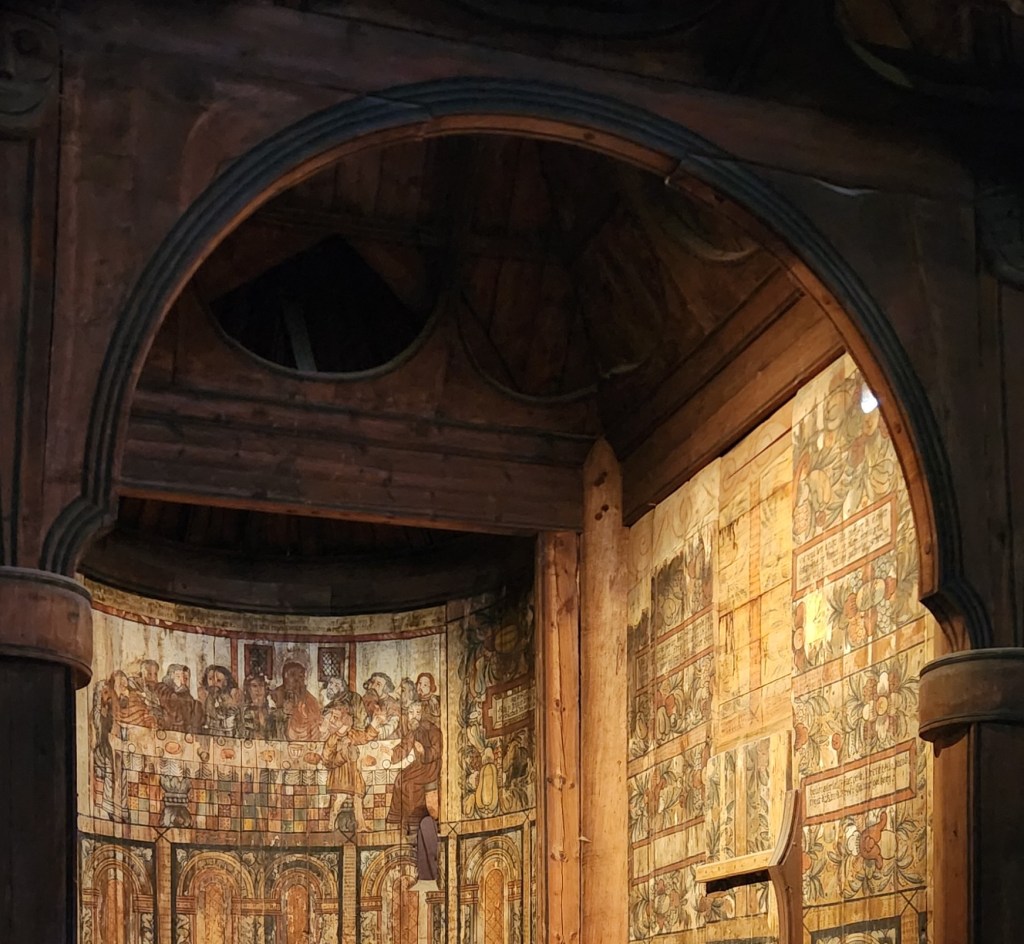
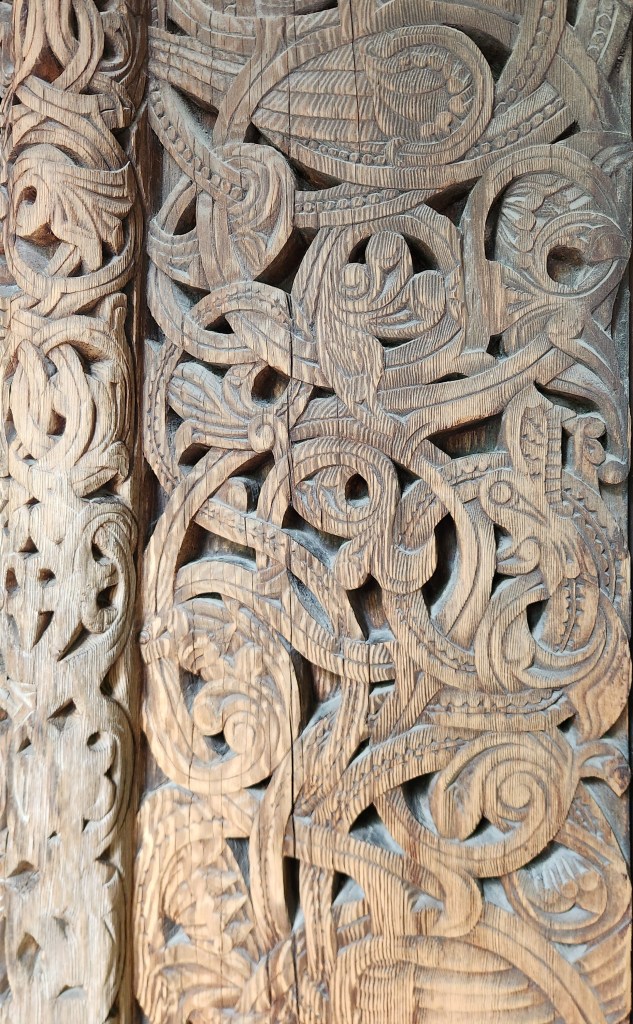
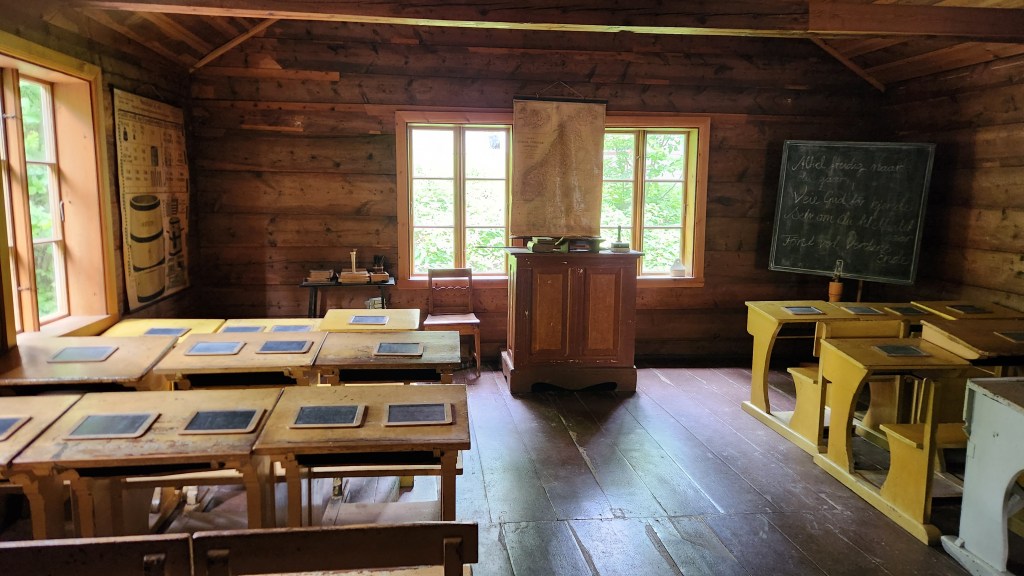
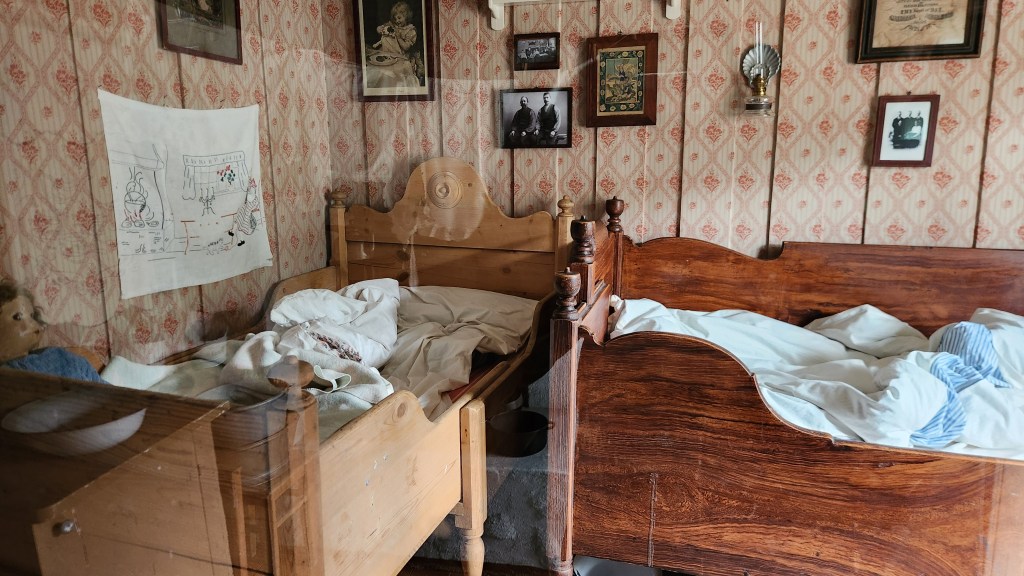
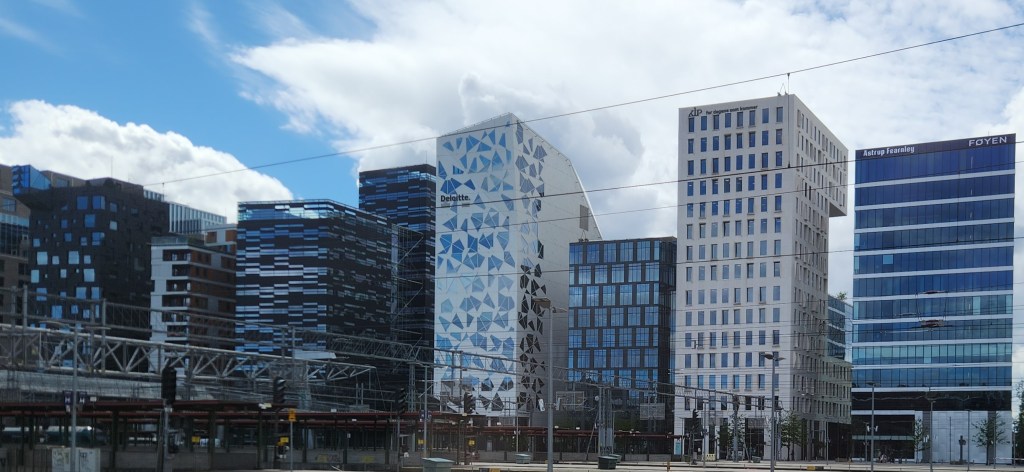
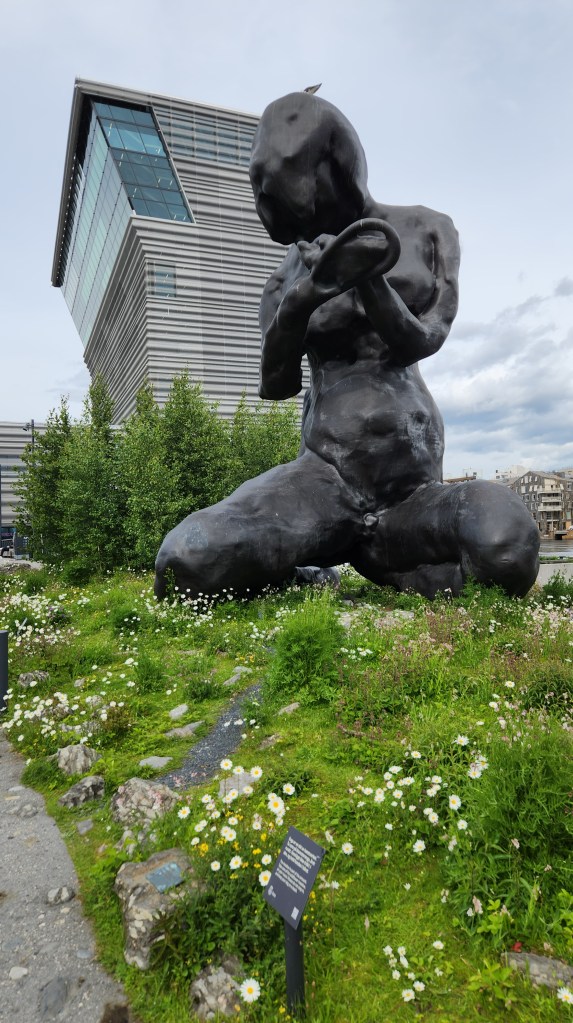
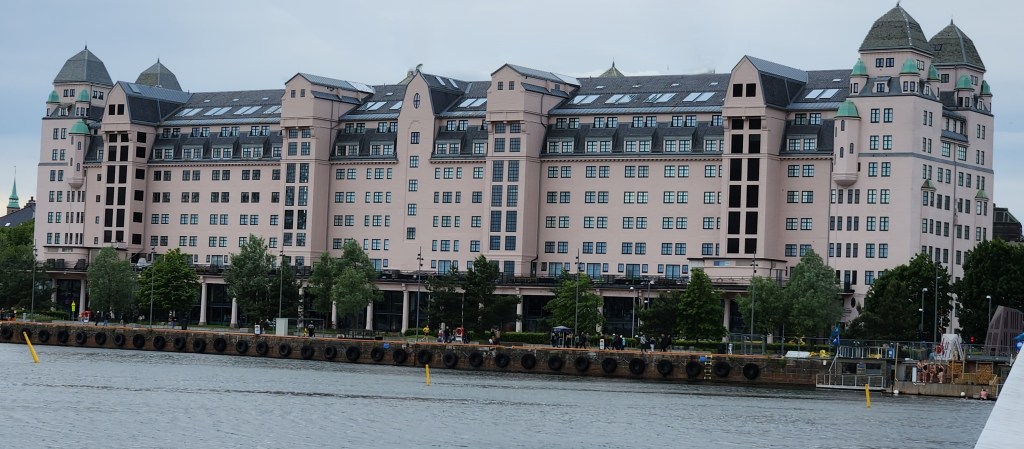
As we drove back to the hotel, we passed by many interesting buildings, including the so-called “bar code” area of Oslo, inspired by the look of the buildings, which include many of Oslo’s financial and technology businesses as well as housing units.
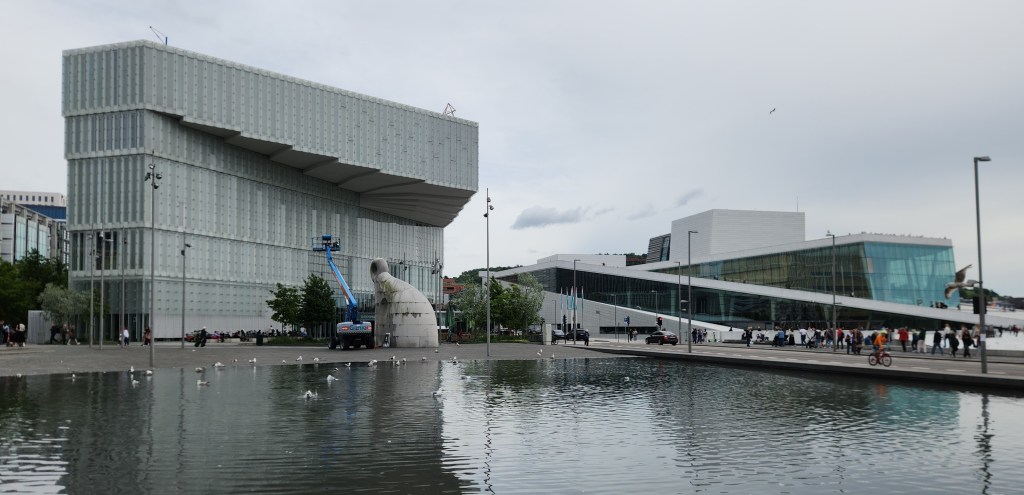
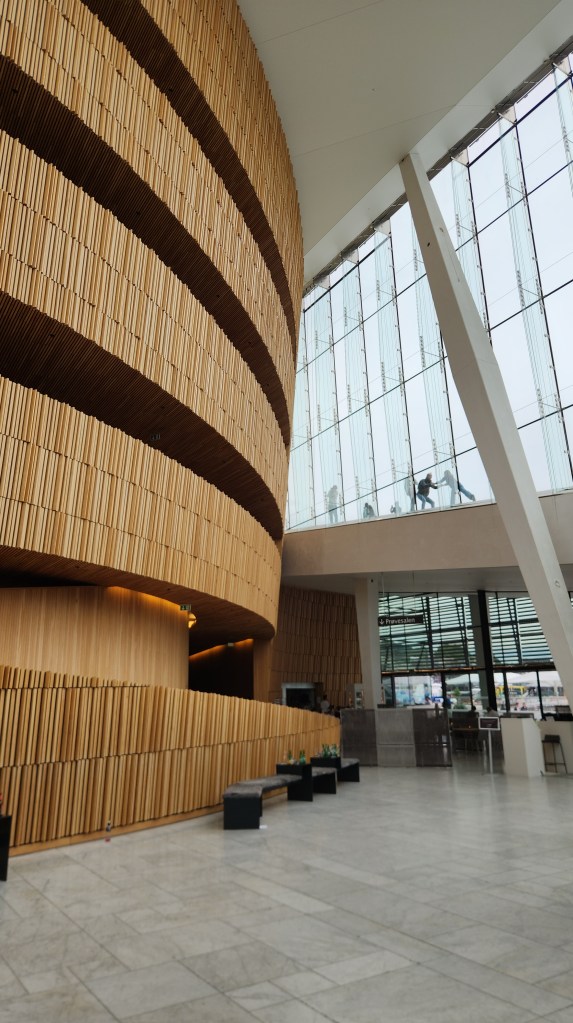
After the coach tour we spent several hours on our own exploring the area around our hotel, including the impressive Opera House and other areas adjacent to the Oslo fjord. (Although we think of a fjord as a deep, narrow, and winding sea inlet flanked by steep cliffs or mountains, which we’ll get to in the next Part of the travelogue, in Oslo’s case it merely refers to the sea inlet – more or less a generic word for “inlet” or “bay.”) The roof of the Opera House is designed for people to walk on, providing beautiful views of the area.
Along the way, we stopped for a couple of hours to tour the Munch Museum. The current museum building opened in 2021 and houses much of the collection bequeathed by Munch to the city of Oslo, including a staggering total of 28,000 artworks and 42,000 unique museum objects. While Munch is best known for The Scream, three versions of which are displayed at the museum, he was a prolific artist who worked in multiple media and formats. Among the most impressive of his works are 12 giant murals commissioned by the Freia Candy Factory to decorate the dining hall for their workers. These were temporarily on display at the museum. For some strange reason, I failed to take any photos at the museum, so I borrowed the following pictures from the museum’s website. (Hopefully they won’t sue me for copyright infringement!)
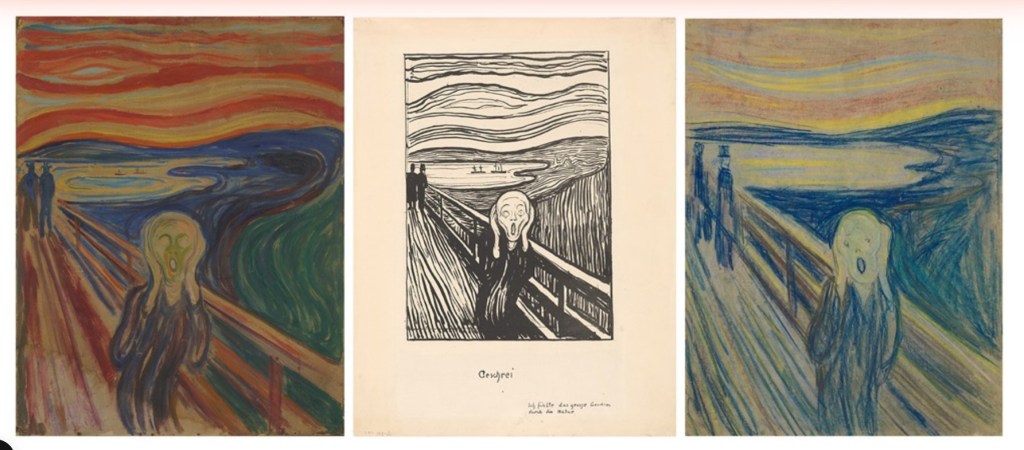
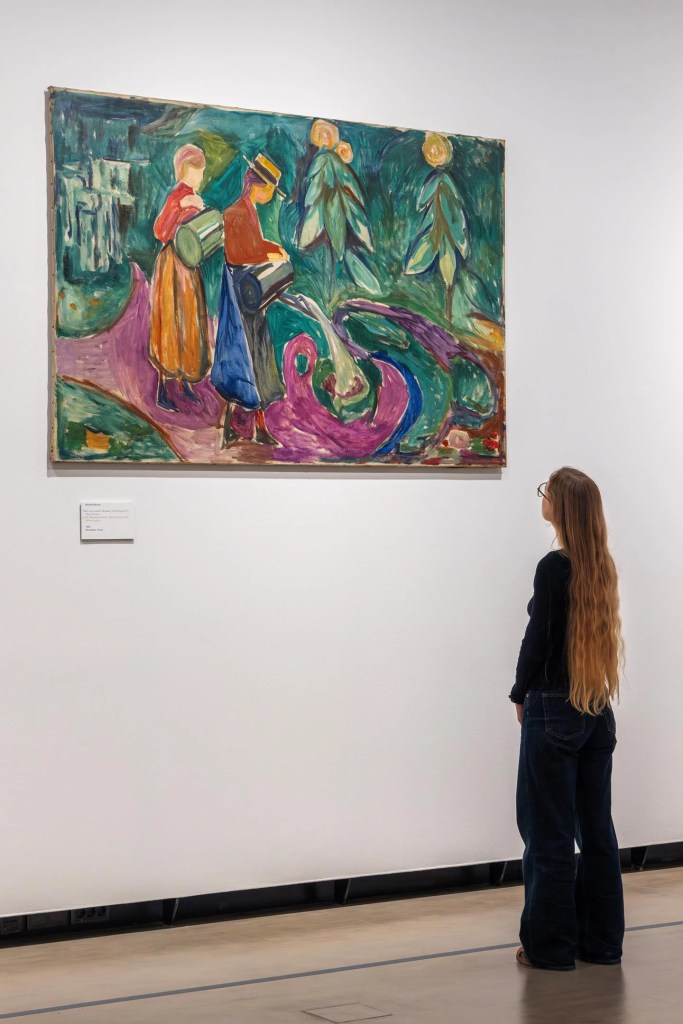
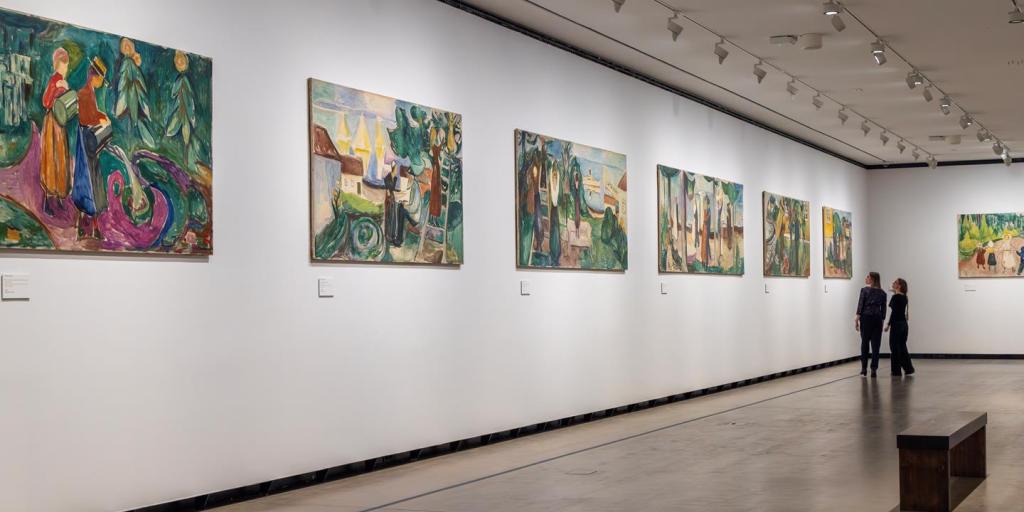
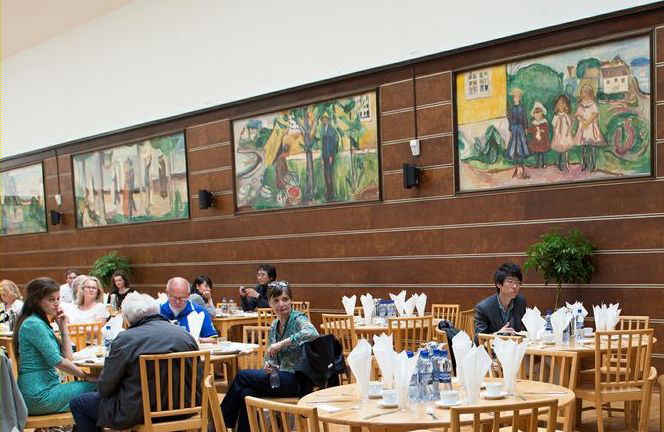
Although I will bet that most readers are familiar only with The Scream, as was I before touring the museum, the variety and depth of Munch’s works is simply amazing, and I would recommend this museum as a must for visitors to Oslo.
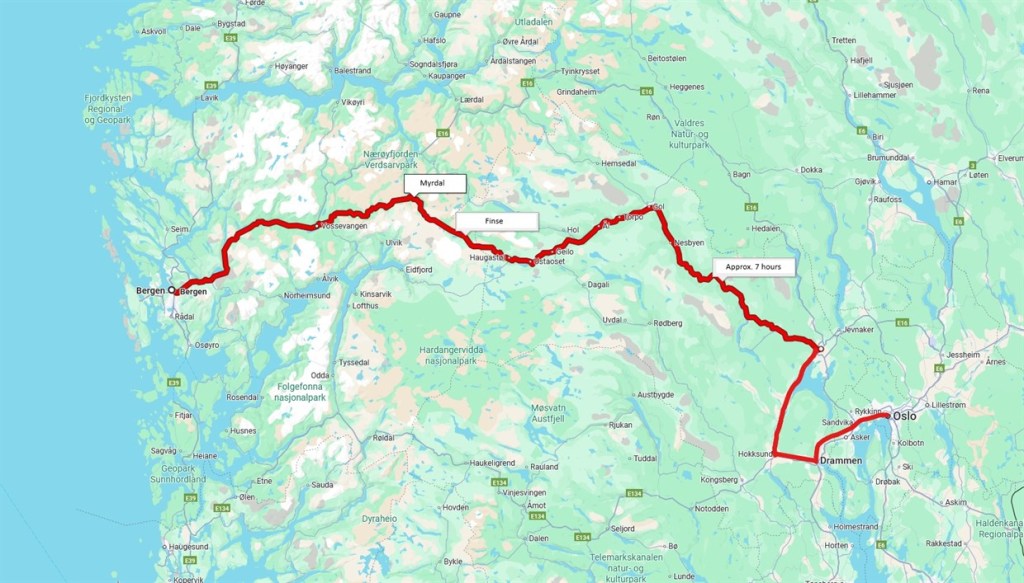
The Bergensbanen Railway (Monday, June 15, 2026): After a lazy Monday morning, we joined our tour group as we walked from the hotel to the railway station and boarded the 12 PM Oslo to Bergen train. The Bergensbanen line is a 308-mile-long railway connecting Oslo and Bergen. It is the highest mainline railway in Northern Europe, crossing the Hardangervidda plateau at 4,058 feet above sea level. The railway took about 15 years to build, officially opening in 1909 as the first year-round transport between Norway’s two largest cities, and was fully electrified by 1964. The route passes through 182 tunnels, the longest of which is the 6.4-mile long Finsetunnelen, which sits at 4009 feet above sea level. The journey took about 7.5 hours and was far and away the most scenic train ride I’ve ever experienced, with breathtaking fjord and mountain vistas. Here are a few photos taken from the train, none of which do justice to the actual views. (There were some spectacular waterfalls along the way, but I didn’t get any decent photos of those as the train raced along, so you’ll just have to go and see them for yourselves.)
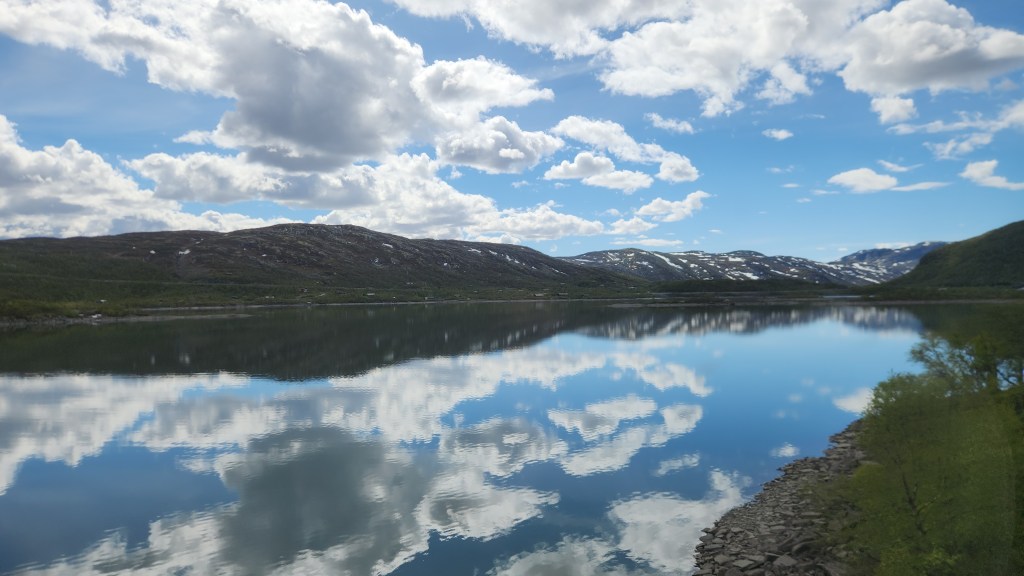
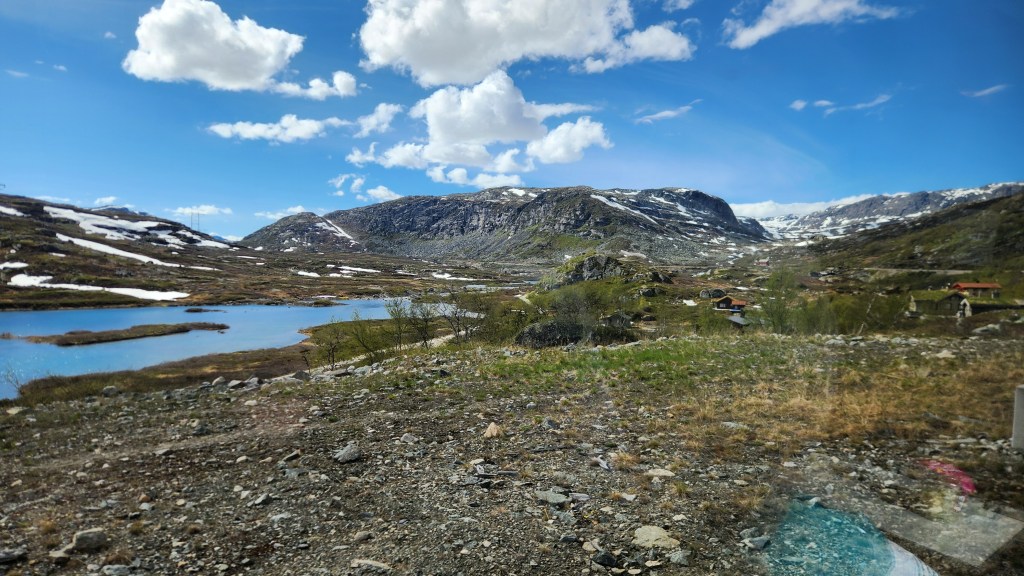
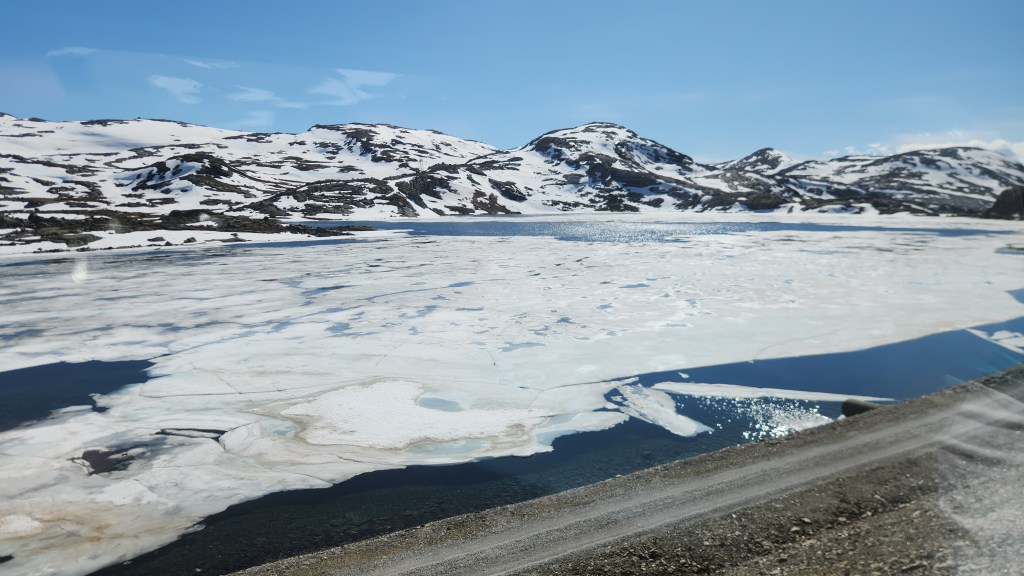

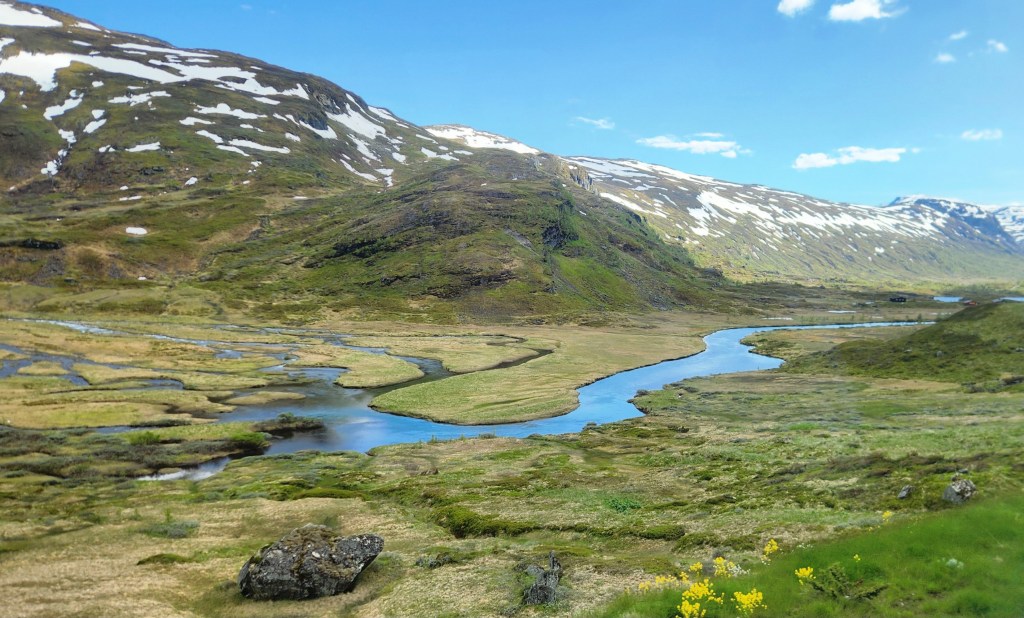

One interesting bit of trivia we learned along the way is that the scenes of Planet Hoth in Star Wars: Episode V – The Empire Strikes Back were filmed on the Hardangervidda plateau and glacier due to its reliably frigid winter conditions.
Bergen, Norway (Tuesday, June 16, 2026): On Tuesday morning, we headed off for a coach and walking tour of Bergen, passing by the famous Bryggen (wharf) area, where the Hanseatic League established a trading port in the fourteenth century, and various points of interest in the city.

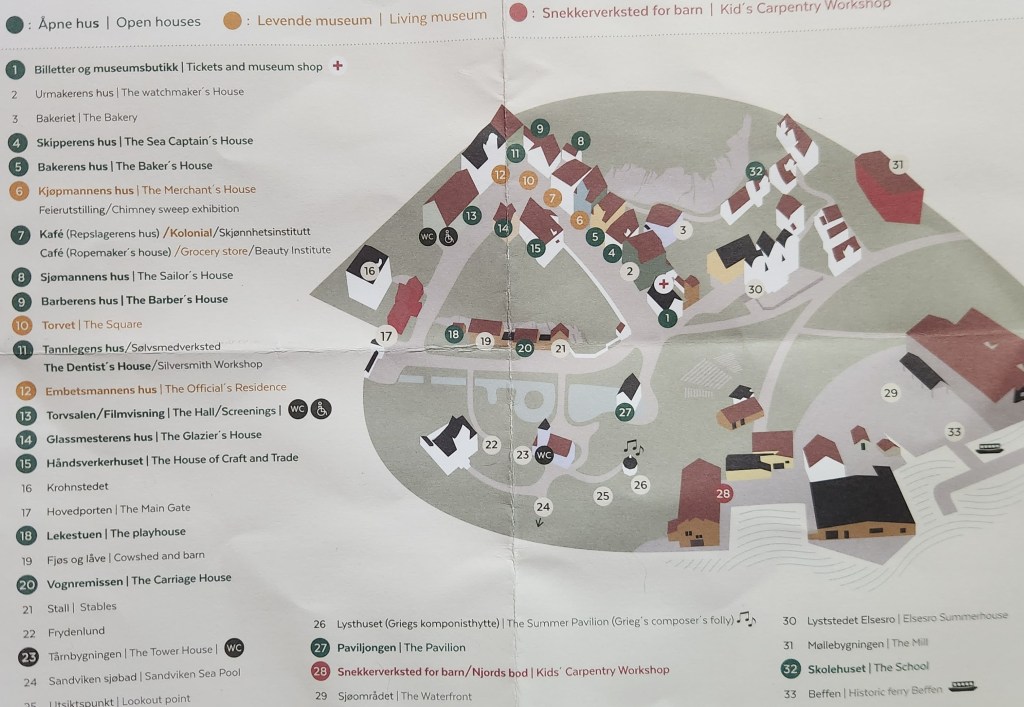
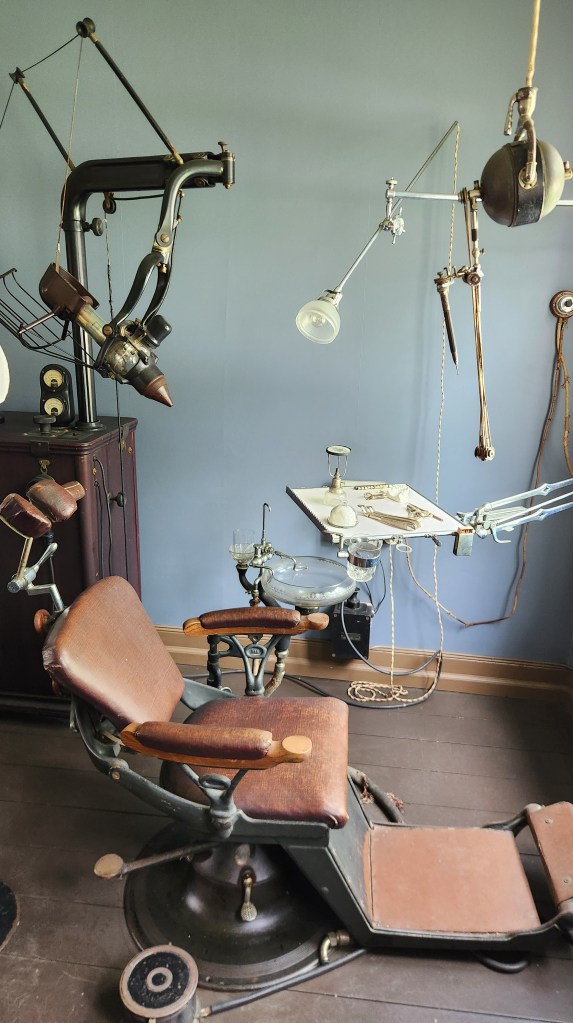
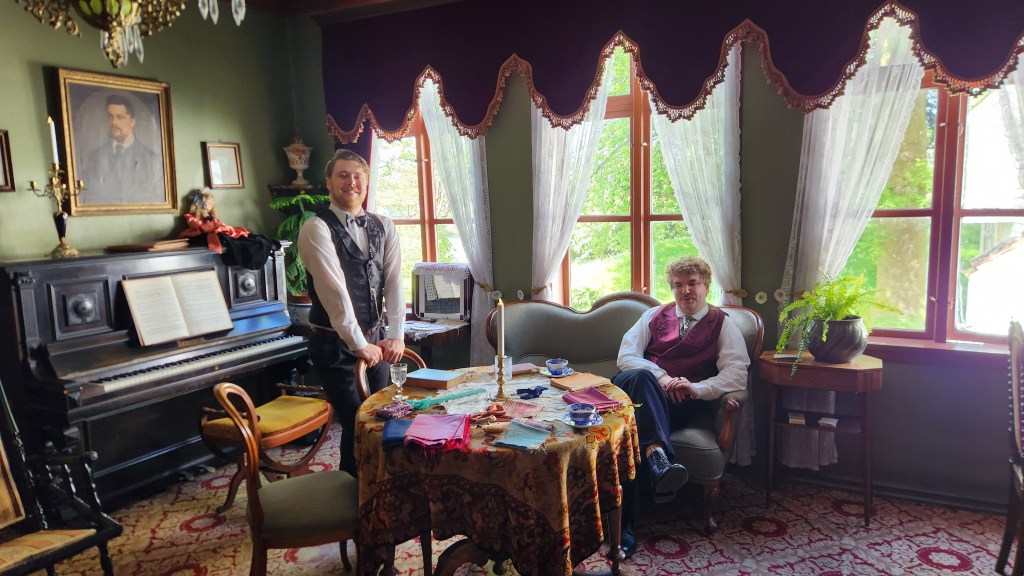
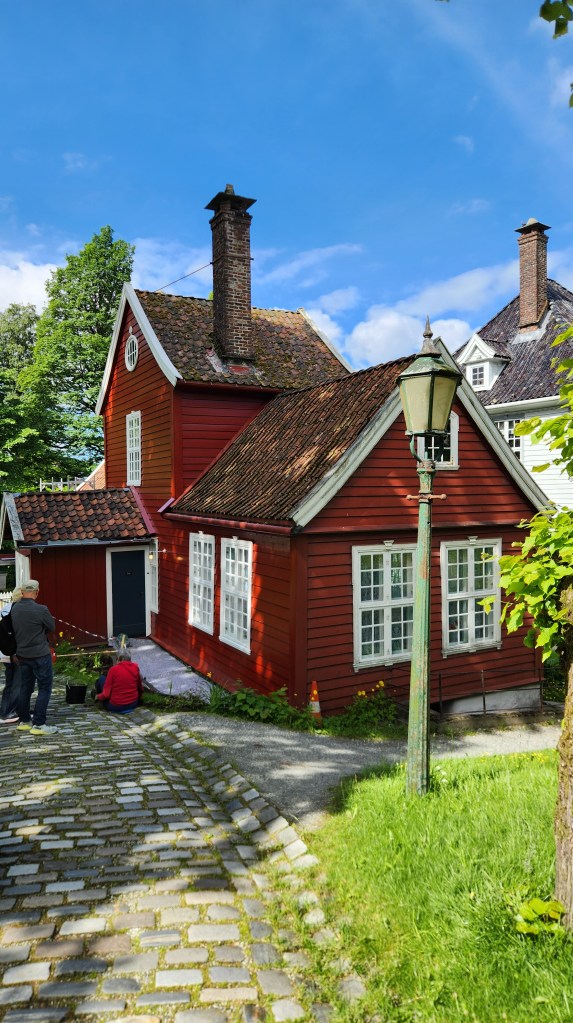
We stopped for a walking tour of the Old Bergen Museum (Gamle Bergen), consisting of some thirty historic buildings (built between 1700 and 1900) relocated from the city center. Costumed volunteers put on a short play in the main square in which a young bride-to-be was forced to have all her teeth extracted by a dentist and replaced with a false set. We learned that this was a common practice in Bergen in the 18th and 19th centuries to avoid problems later in life, and that the patients were generally given cocaine as an early form of anesthetic. After the play, we wandered through the village before reboarding the coach.

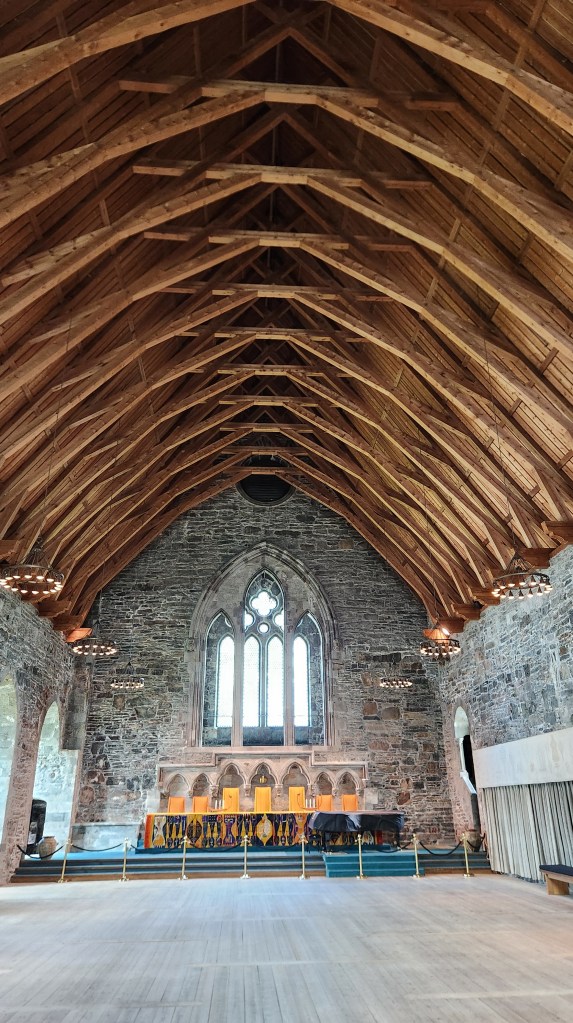
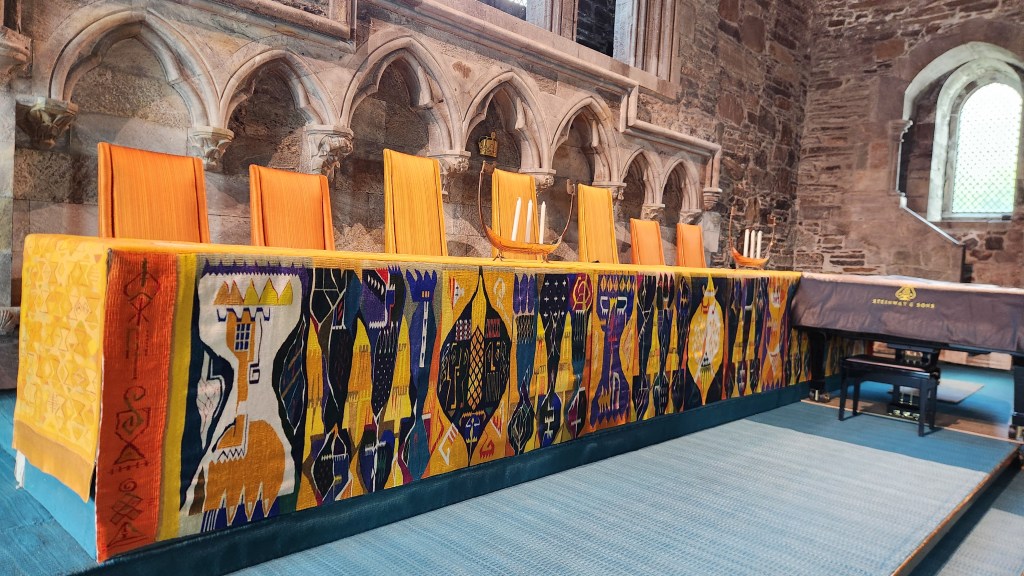
Next, we traveled to the Bergen Fortress, built in the 13th century when Bergen was the capital of Norway. The fortress remains an active military site under the command of the Royal Norwegian Navy, but the grounds are largely open to the public and function as a popular historical landmark and park. The major attraction is Haakon’s Hall, built by King Haakon Haakonsen between 1247 and 1261, a magnificent stone building used as a royal residence and banquet hall. It is the largest and oldest surviving stone building of its kind in Norway. The hall has been beautifully restored and serves as a venue for various Government and private functions.
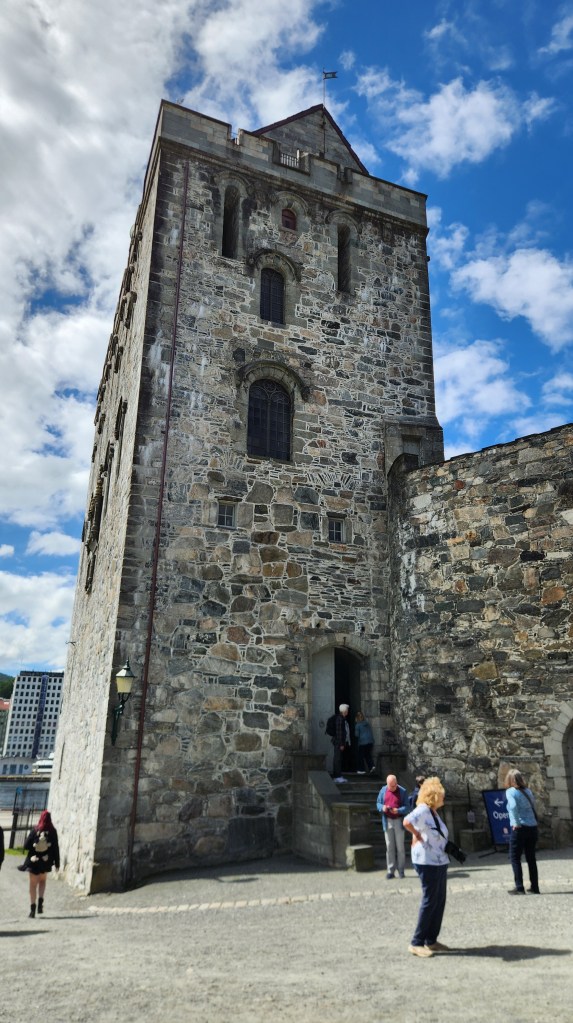
The Rosenkrantz Tower was constructed in the 1560s by Governor Erik Rosenkrantz, incorporating older 13th-century masonry. It served as a heavily fortified residence and a symbol of royal authority.
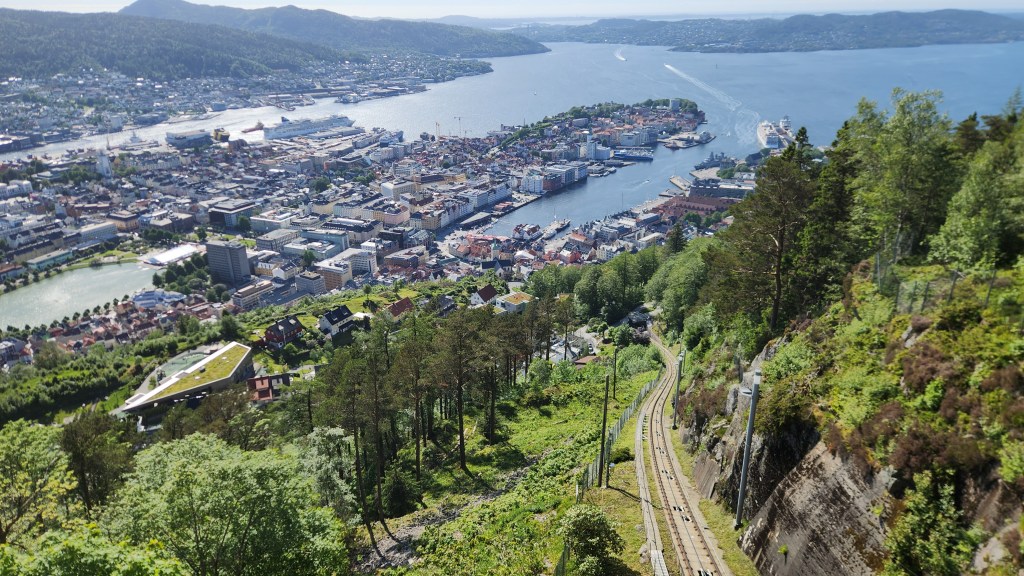
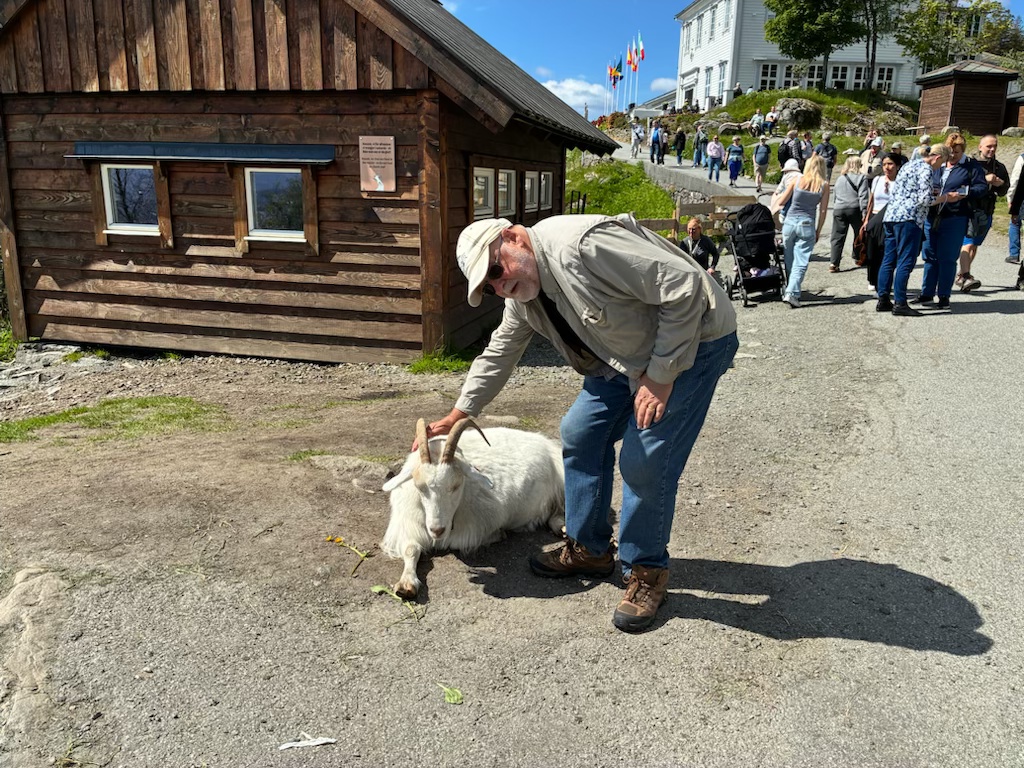
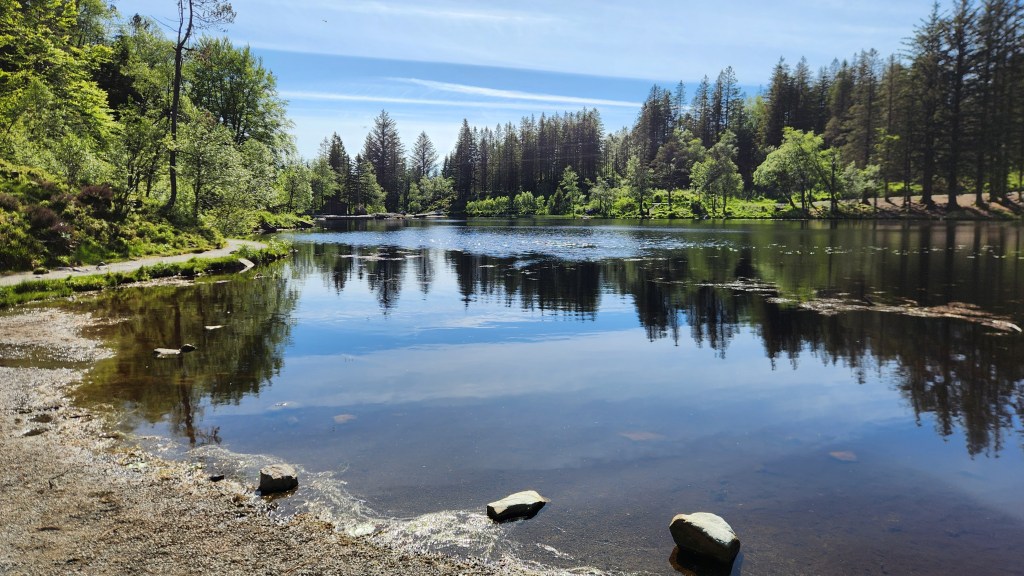
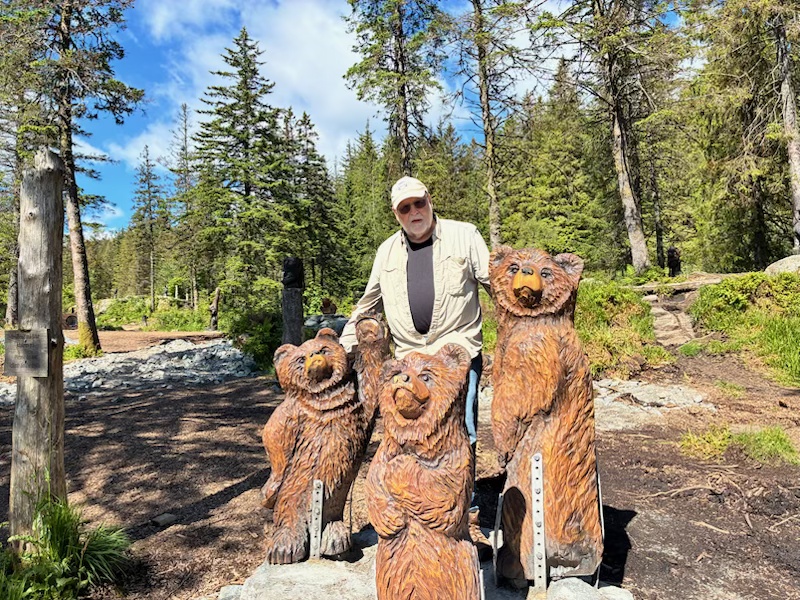
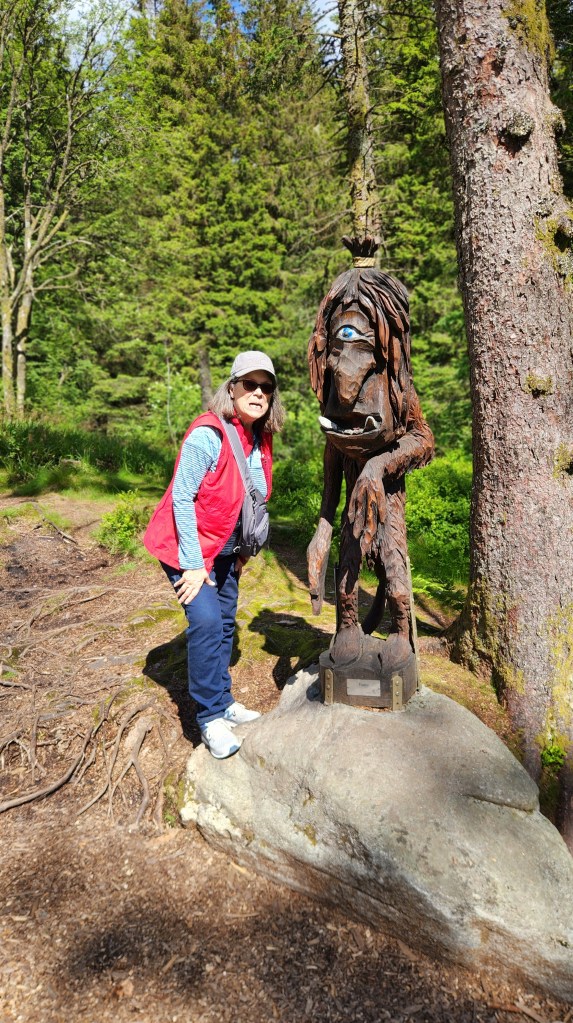
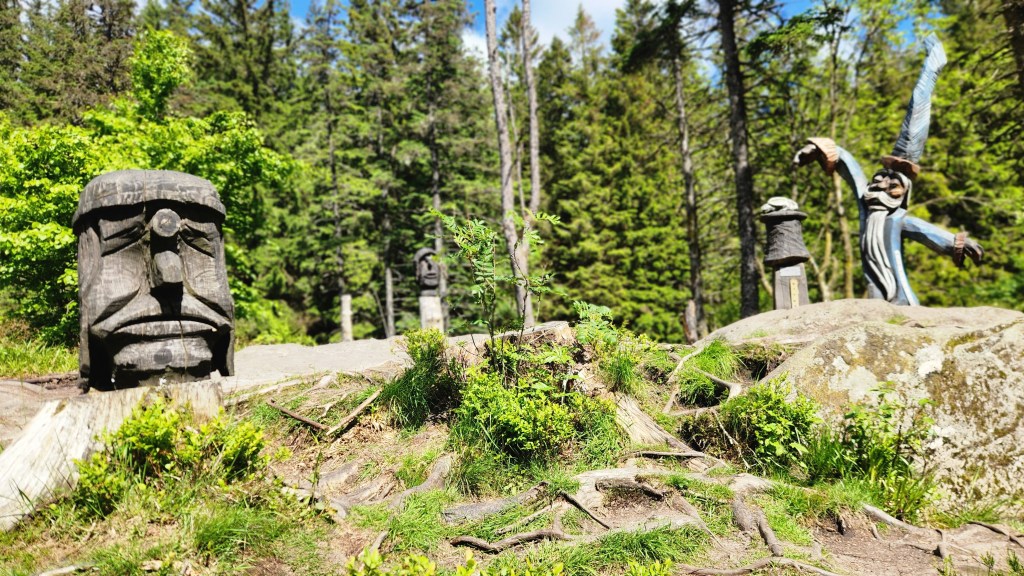
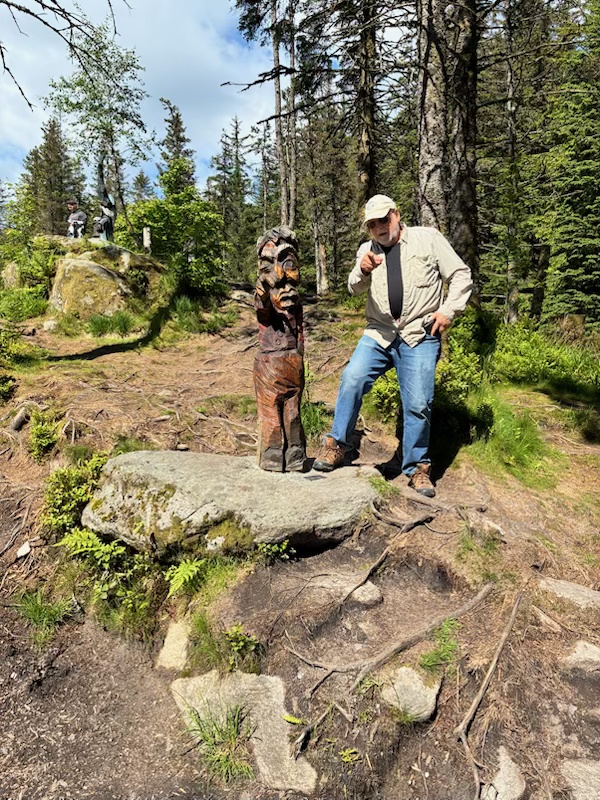
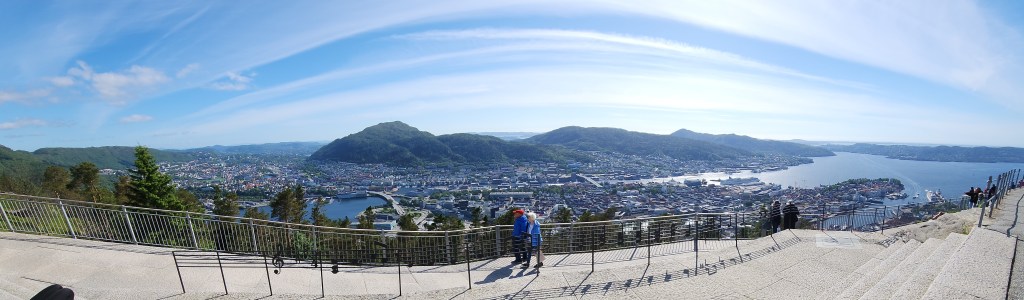
After the tour, we had free time to explore the city. We took the opportunity to ride a Funicular which travels from the city center to the top of Mount Floyen, where we had an excellent lunch (pea soup for me and fish chowder for Pat) before exploring the mountain top area. The scenic views were spectacular – and very lucky, as Bergen has rain for something like 250 days a year – and we also enjoyed petting the local goats, hiking to a lovely lake, and visiting the whimsical Troll Forest. We learned that trolls are very prominent in Norwegian folklore, and the oddly shaped hills and mountains are said to be the remains of trolls caught in the sunlight.
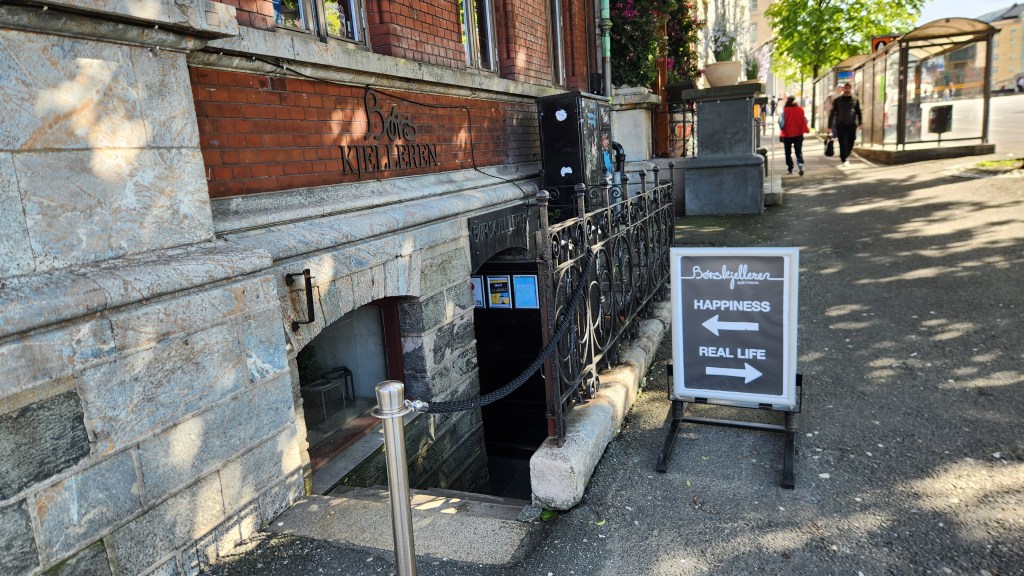
This concluded the pre-cruise portion of the journey, as we prepared to board our ship anchored in the Bergen harbor on Wednesday morning. But I’ll leave you with one final scene of a bar we passed on our way back to the hotel that may capture the spirit of at least some Bergen residents:
Okay, that’s it for Part 1, although there will be more about both Oslo and Bergen in the next Part. I hope you enjoyed the read and will come back for future installments covering the entirety of the Ocean Cruise. Stay tuned …


2 thoughts on “Pat and Dave’s Vibrant Viking Voyage – PART 1: Introduction and Pre-Cruise Program”