
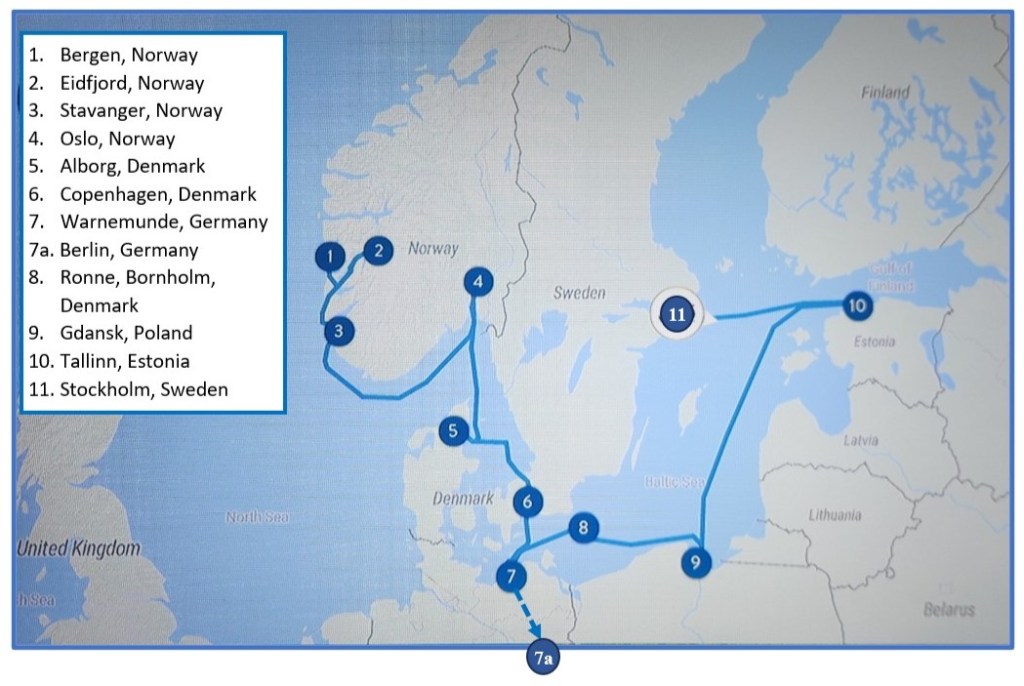
Welcome back for Part 4 of my travelogue describing our recent Viking Ocean Cruise entitled “Viking Homelands.” Part 3 left off as we were departing from Bornholm, Denmark. This episode will cover our stops in Poland, Estonia, and Sweden, including locations 9, 10, and 11 on the map of our itinerary.
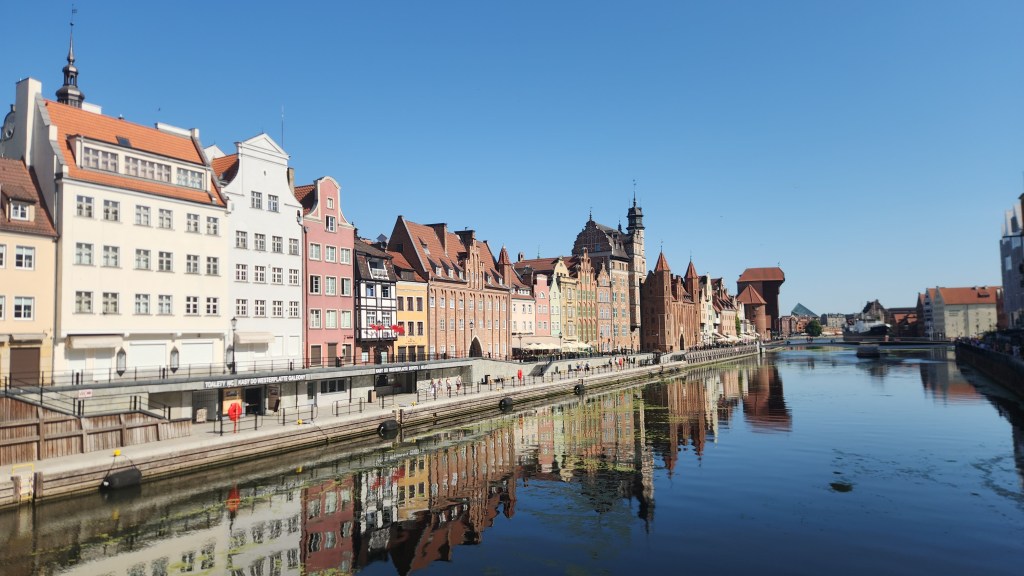
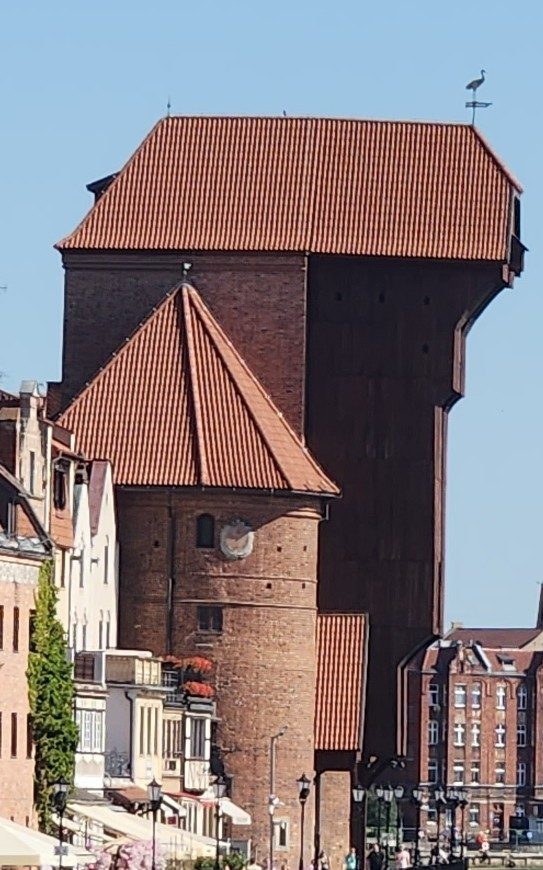
Gdansk, Poland (Saturday, June 27, 2026): Our ship docked at the port in Gdansk at 8 AM, and we were soon off on a motorcoach for a tour of the city’s old town. I didn’t know what to expect in Gdansk, since I knew that the city suffered extensive damage during World War II – 95% of the old town, then known as Danzig, was reduced to rubble. I was surprised and delighted to see how well the old town has been restored. Our guide explained that the immediate, post-war restoration work was primarily done by volunteer city dwellers, since Poland was unable to fund a major restoration project. (She described the situation as “grandmothers hauling bricks.”) Up until the war, the city was populated largely by German descendants of the 19th century Prussians, but most of the Germans either left or were expelled after the war and were replaced by Polish settlers eager to rebuild the city. The restoration recreated the pre-Prussian Gothic, Renaissance, and Baroque styles of architecture to bring back the old town as it existed in medieval times, when it was one of the most prosperous cities in the Hanseatic League. Here was my first view of the old town waterfront on the Motlawa River as we left the bus and headed toward the city. The large block-like structure in the distance (on the left side of the river) is a fascinating treadwheel crane, a 14th-century human-powered device that helped the medieval port load and unload cargo.
We entered the old town through the Green Gate, which was built in 1571 to be the formal residence of Poland’s monarchs – although no Polish king ever actually lived there – and now houses the National Museum.
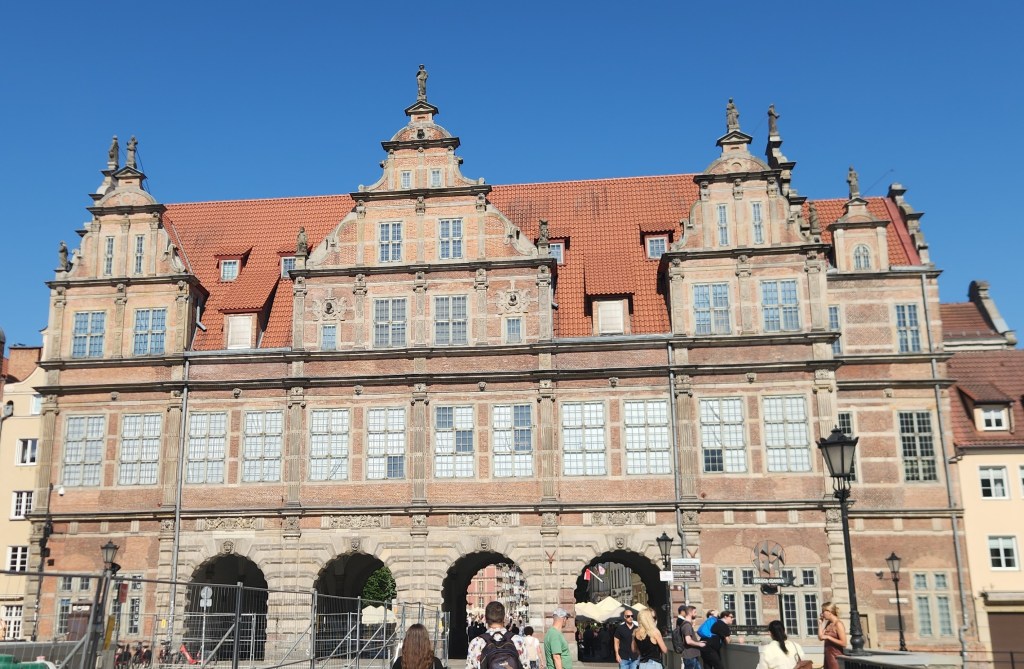
Passing through the Green Gate, we entered Long Market Street, a pedestrian plaza full of beautiful structures including the 15th-century Artus Court (a merchant’s palace), Neptune’s Fountain from the 17th century, and the Gothic-Renaissance Town Hall, which has a tall brick tower featuring a distinct spire and clock face.
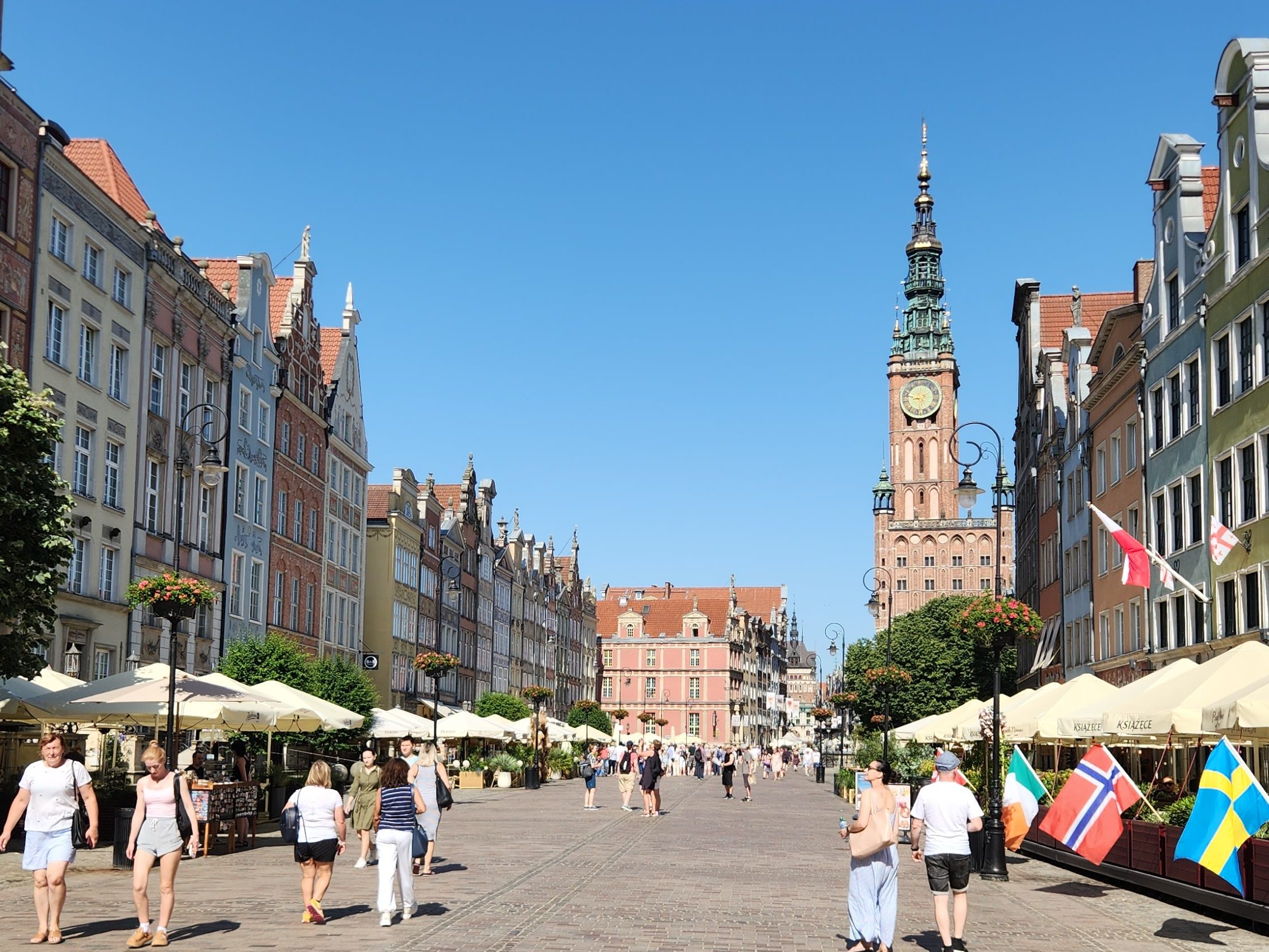
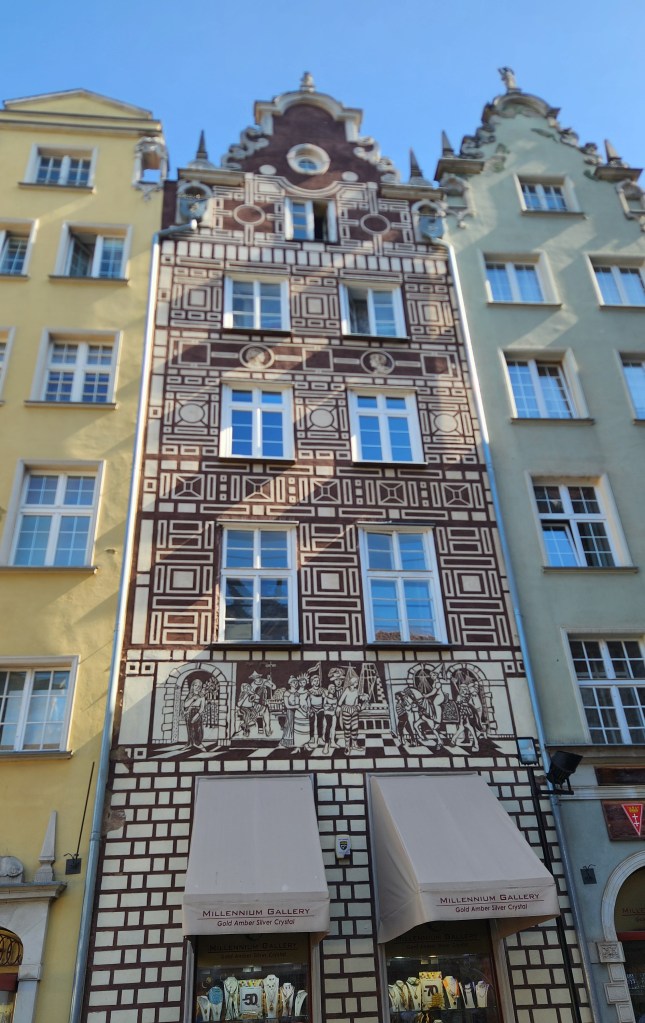
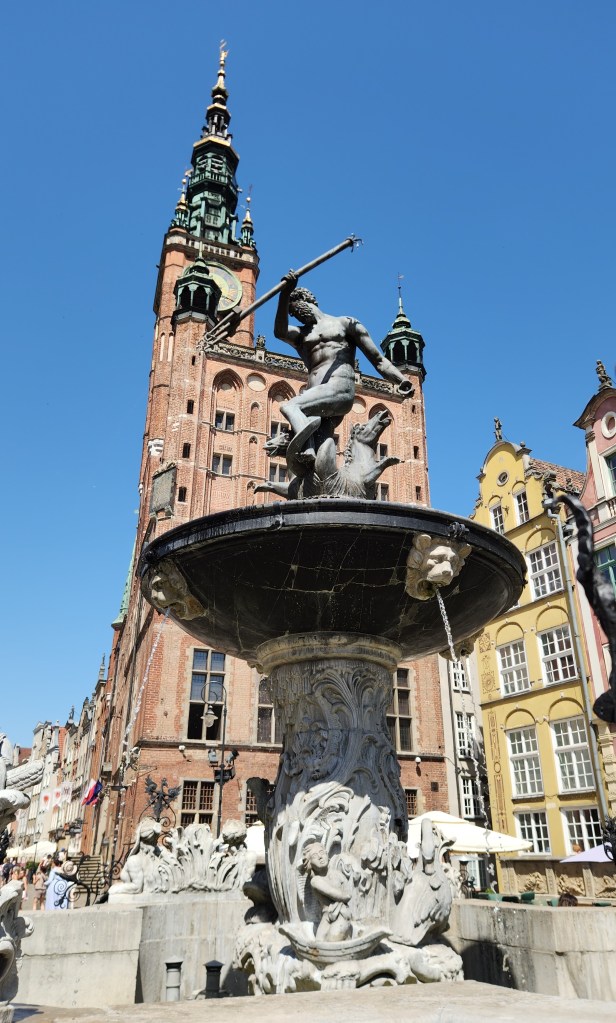
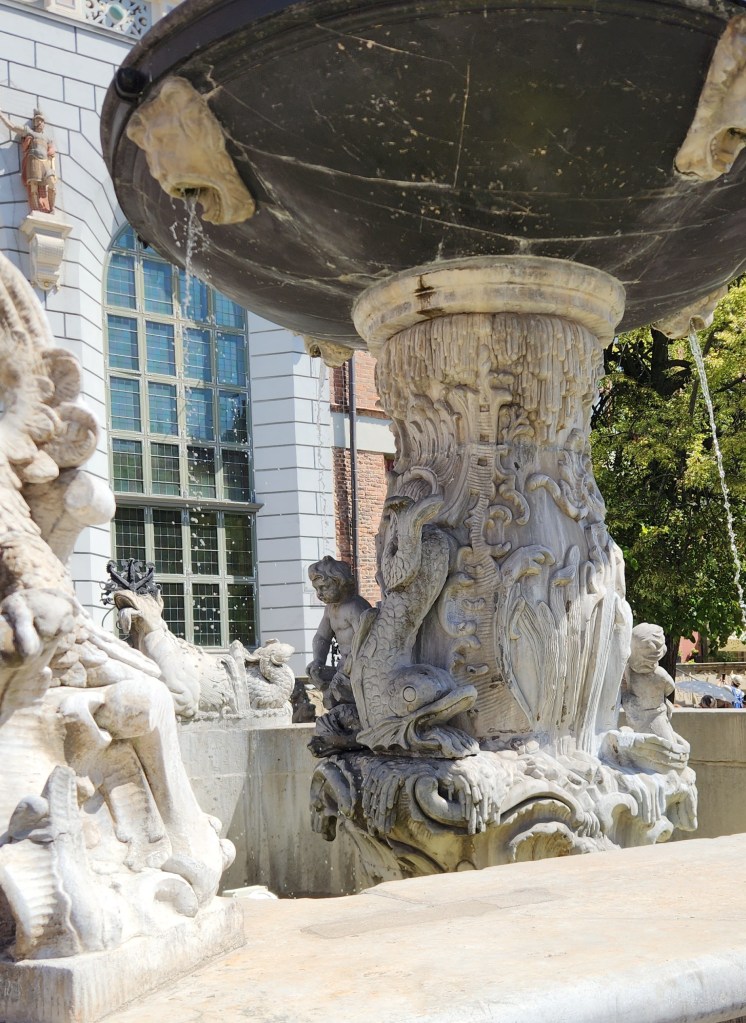
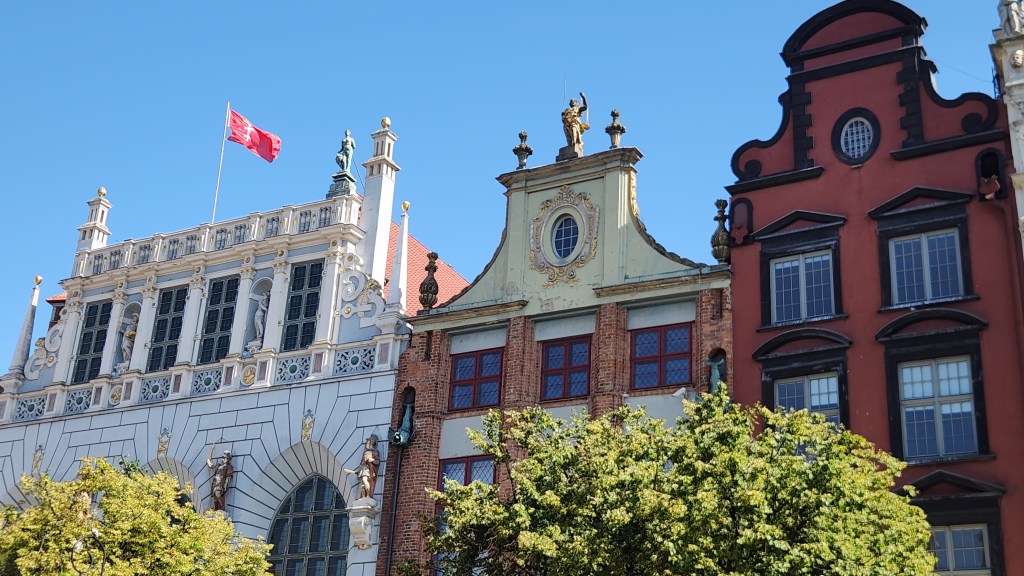
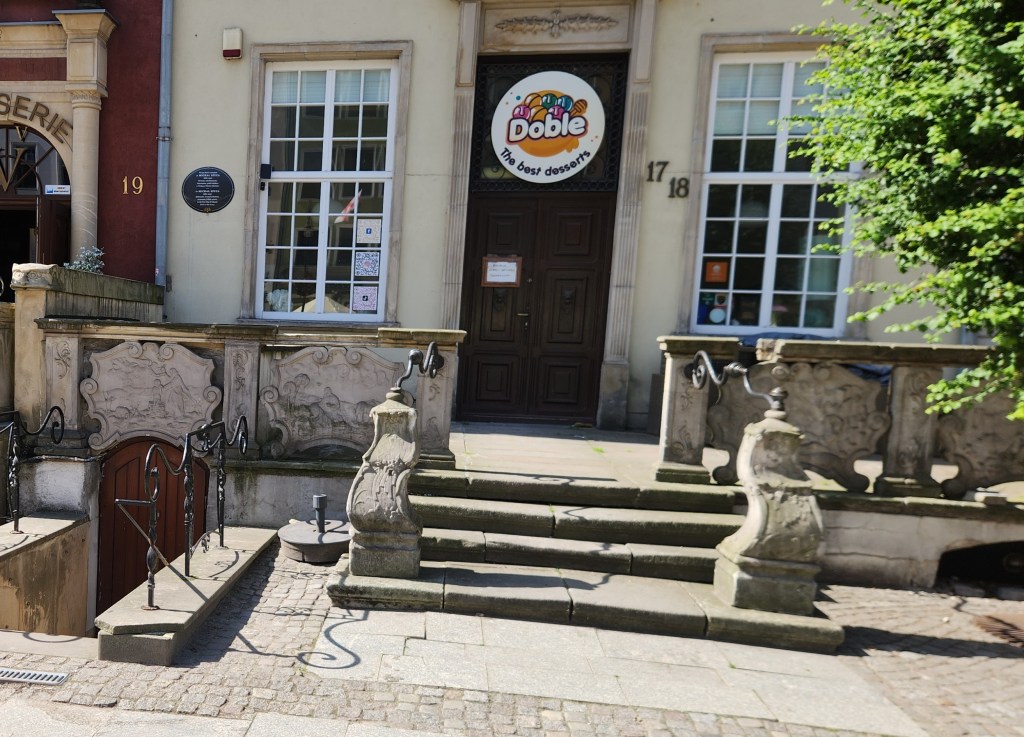
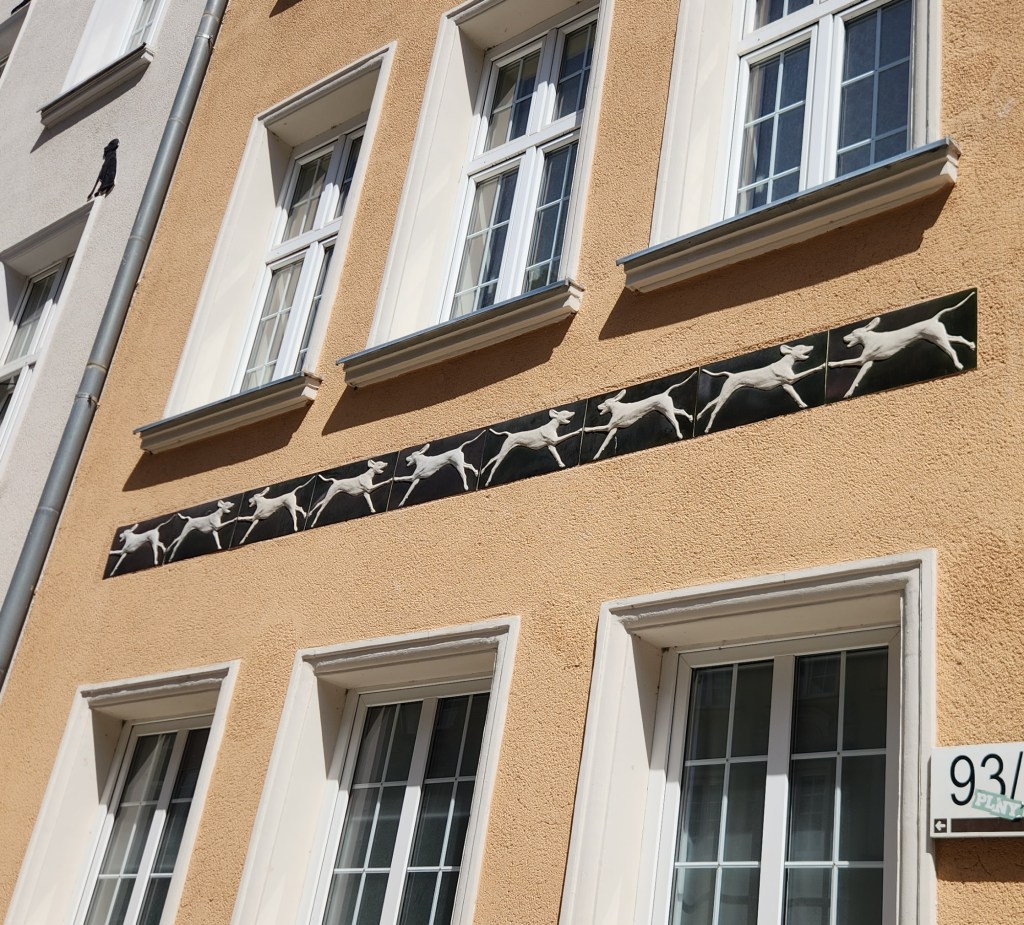
As we strolled along the street, we heard the delightful chimes of the clock tower.
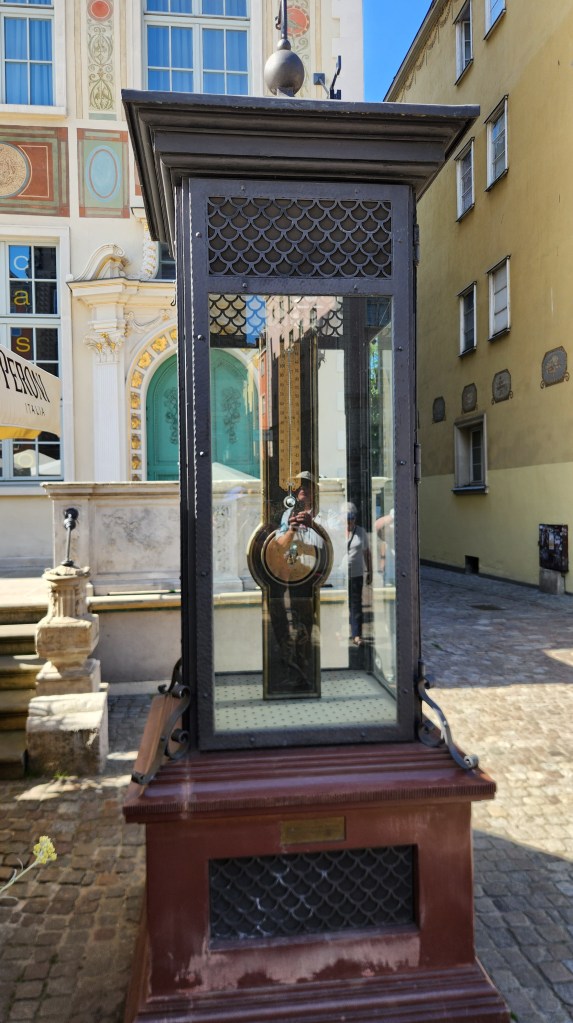
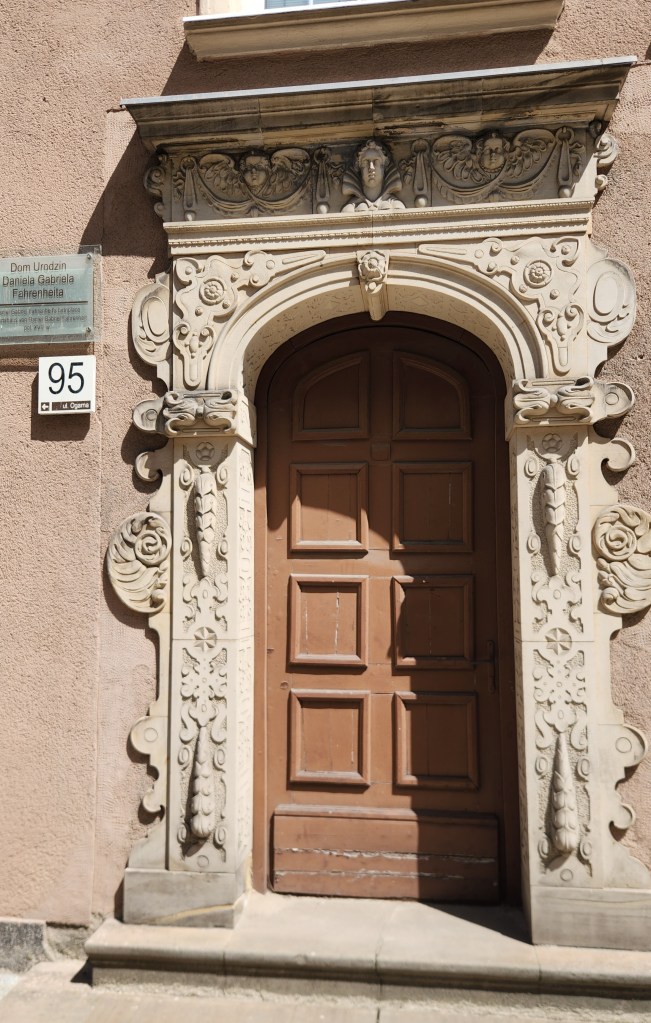
We also stopped to see a display case dedicated to Daniel Fahrenheit, the city resident who invented the Fahrenheit temperature scale and whose house has been preserved on a street one block away from the Long Street.
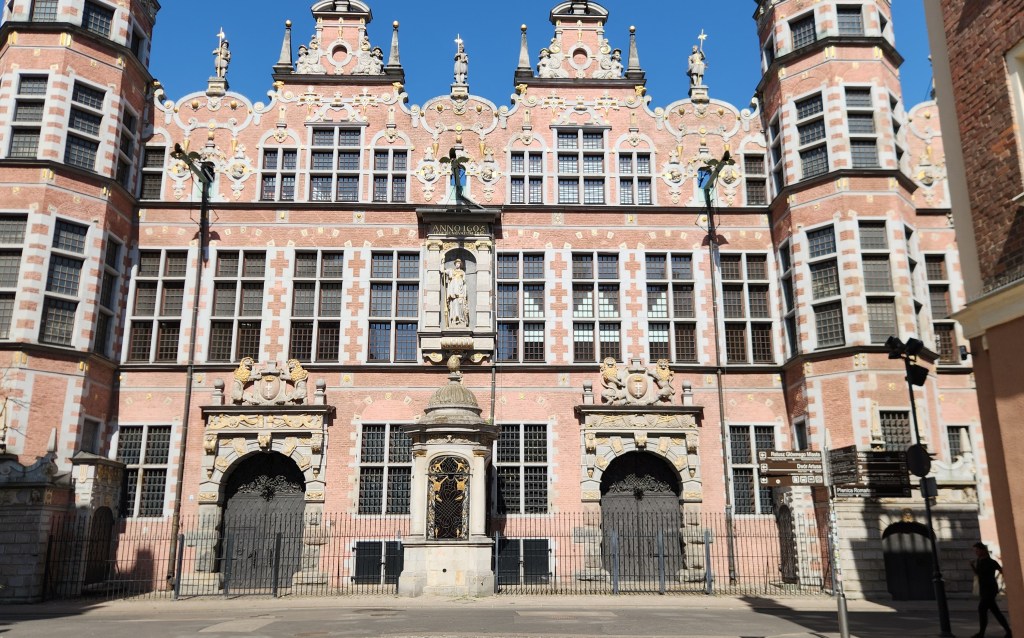
Next, we saw the Great Armory, built between 1600 and 1605, the finest example of Flemish Mannerist architecture in Gdansk.
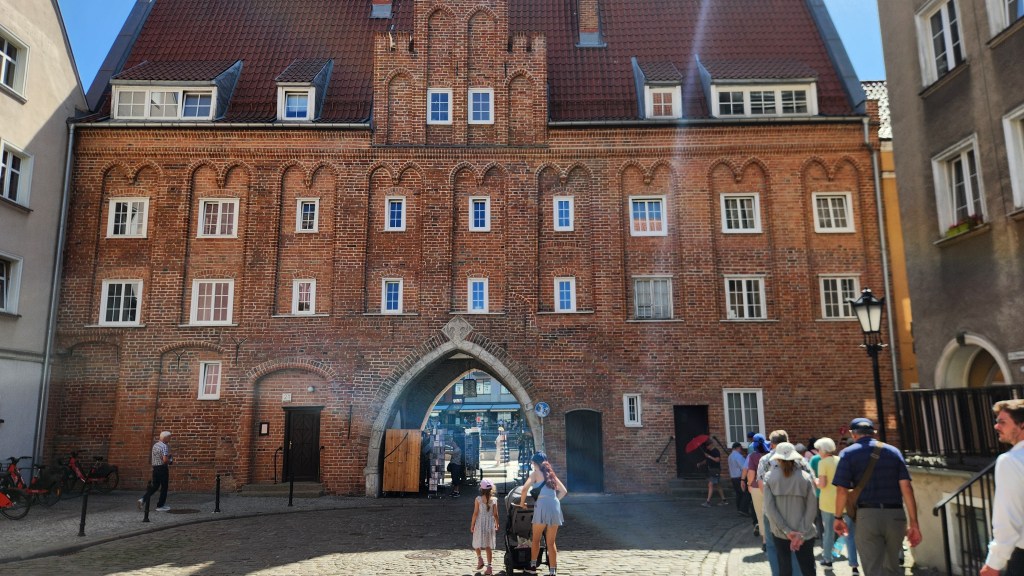
After the armory, we walked back toward the river on a parallel street, where we came to the Chlebnicka Gate, a well-preserved medieval Gothic gate dating back to the 15th century. The gate is commonly called either the Bread Gate, named for the medieval bread stalls and benches that used to line the nearby street, or the Lily Gate, named for the carved lily symbol of the Dukes of Pomerania displayed on the river-facing side.
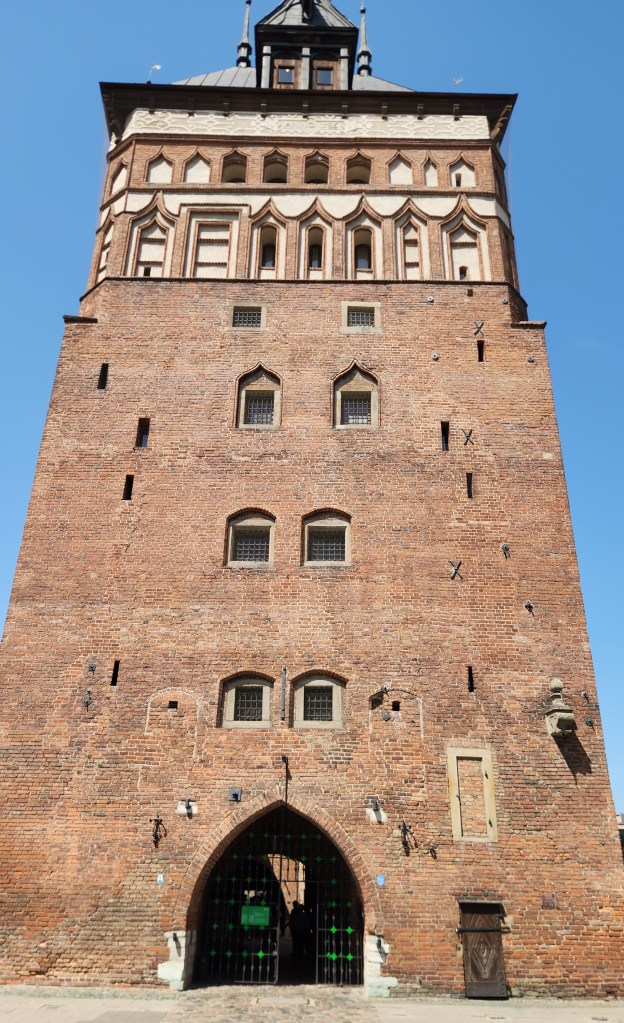
Another famous structure near the entrance to the Long Street is the Prison Tower and Torture House, built in the 14th century as part of the Main Town’s medieval defensive walls and gate complex. It still looked foreboding to me, though no tortured prisoners are housed there anymore.
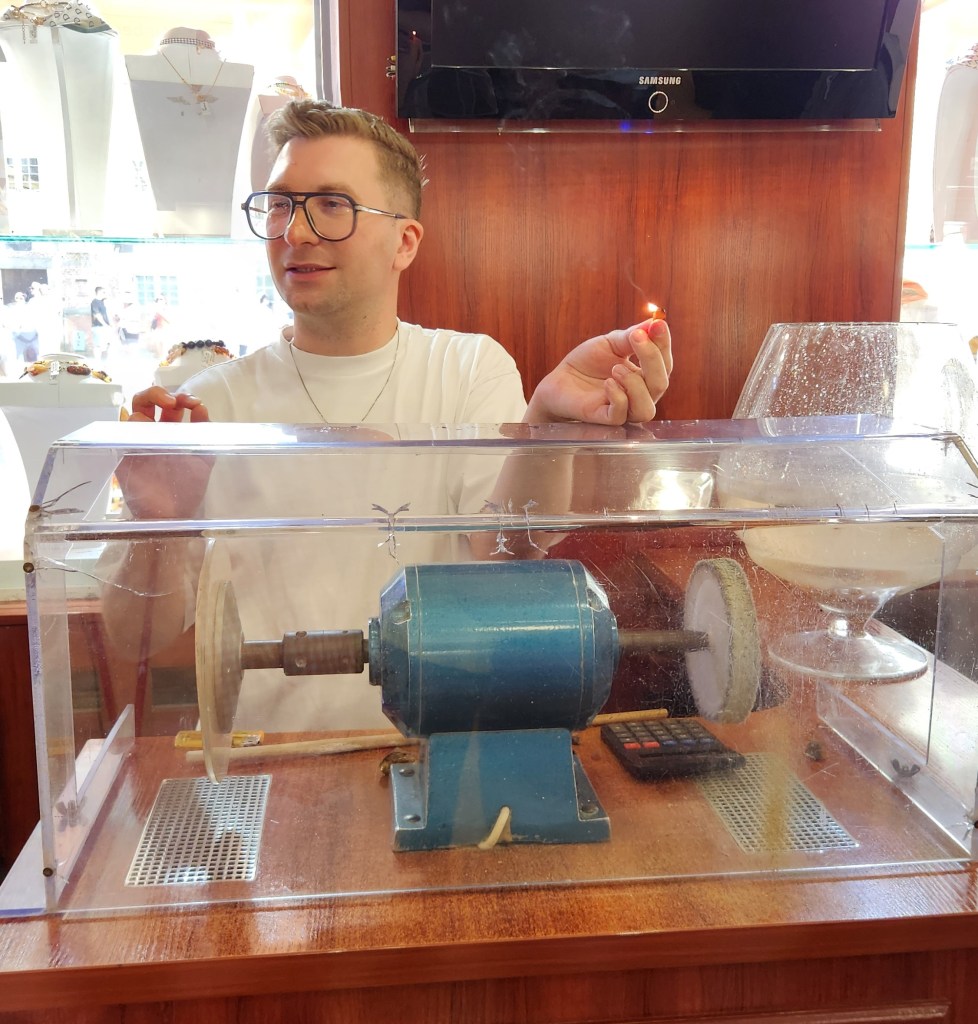
The tower once held a branch of the Gdansk Amber Museum, as the city is well-known as a supplier of amber jewelry. Rather than the museum, we stopped in a jewelry shop specializing in amber, and Pat picked up some very nice earrings. While there, we learned that the way to determine whether a purported amber item is real is to toss it in water. If it doesn’t burn or float, it’s not real.
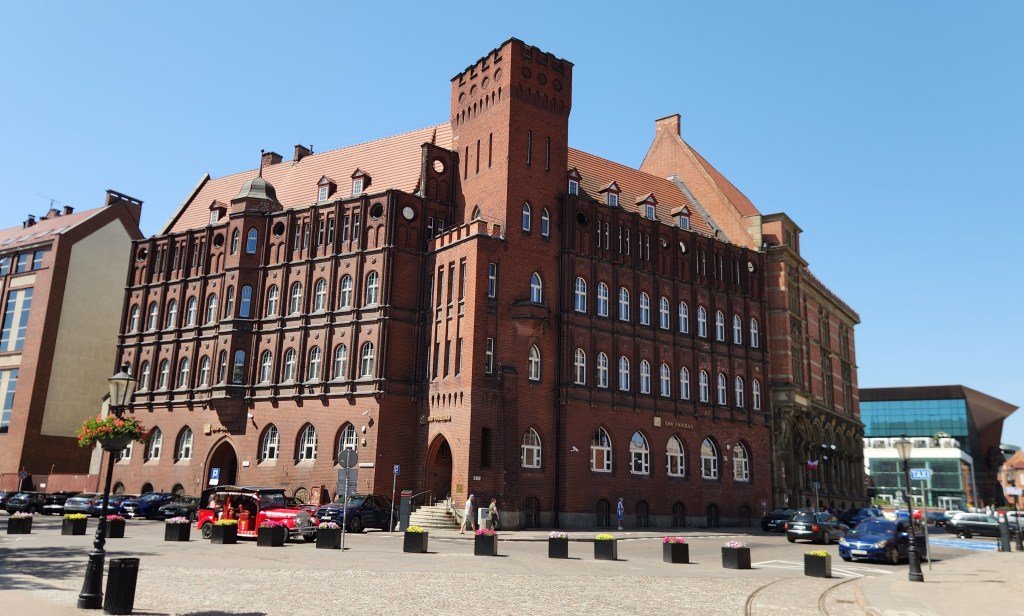
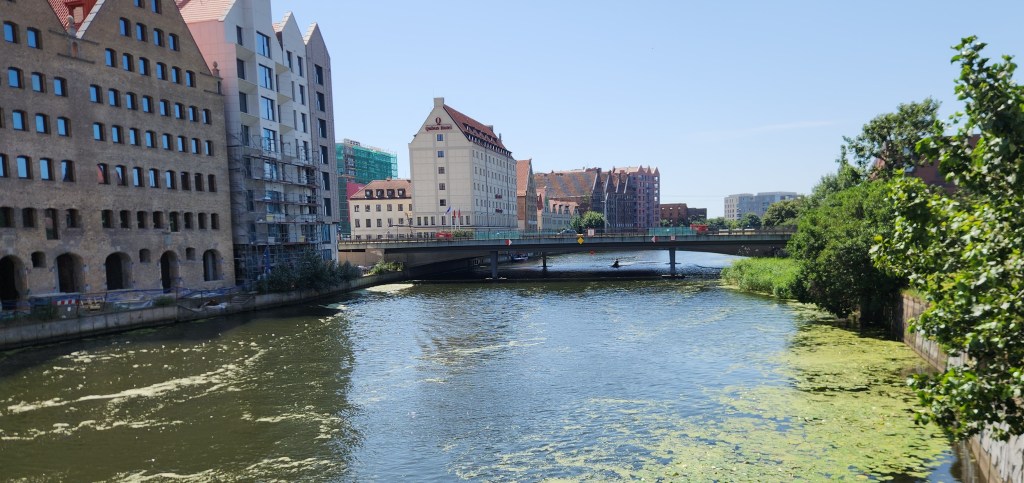
As we left the old town to get back on our bus, we passed by an impressive bank building, which now operates as a branch of BNP Paribas Bank Polska. I also got another photo of the river as we crossed a bridge departing the Old Town.
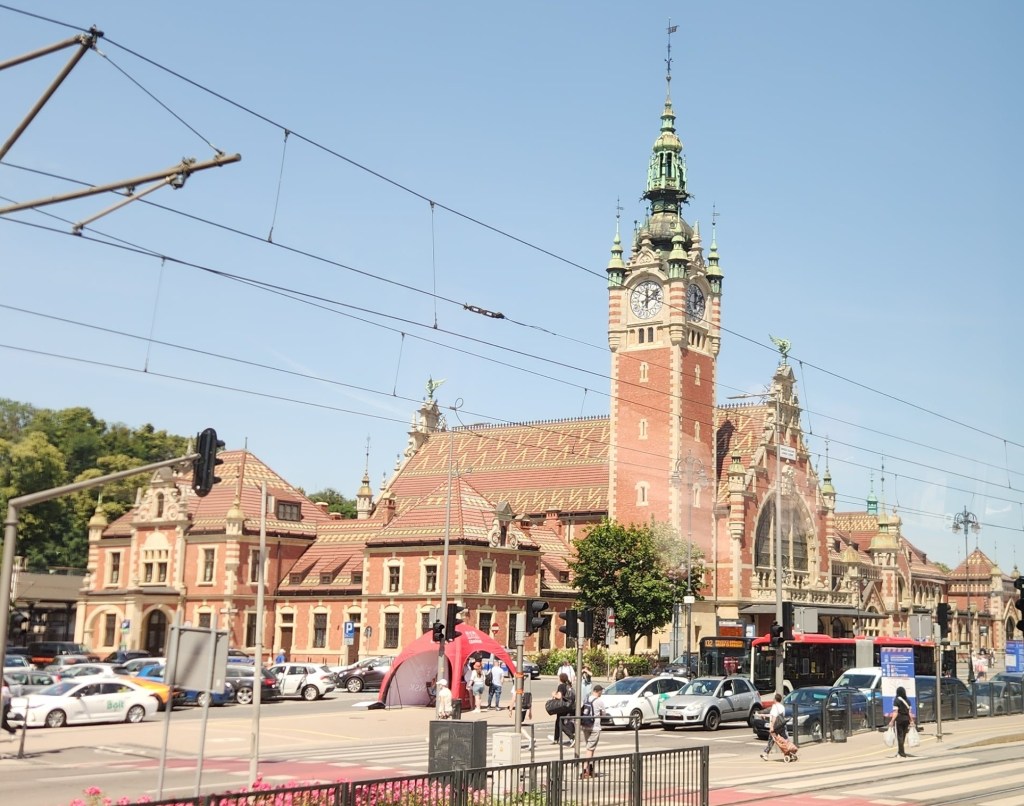
On the bus again, we headed for our final destination, and although we passed by several other Gdansk landmarks, the only one I managed to get a decent photo of was the railway station, built in a Renaissance Revival and baroque style with red brick and a prominent 160-foot clock tower.
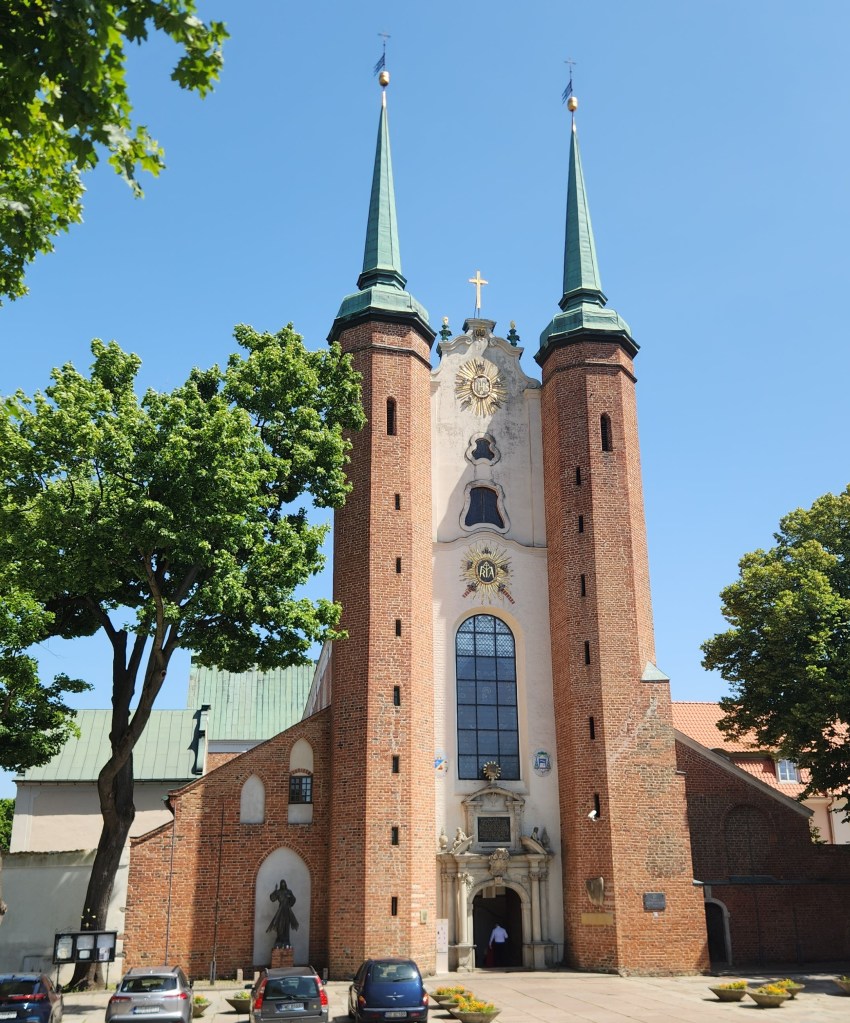
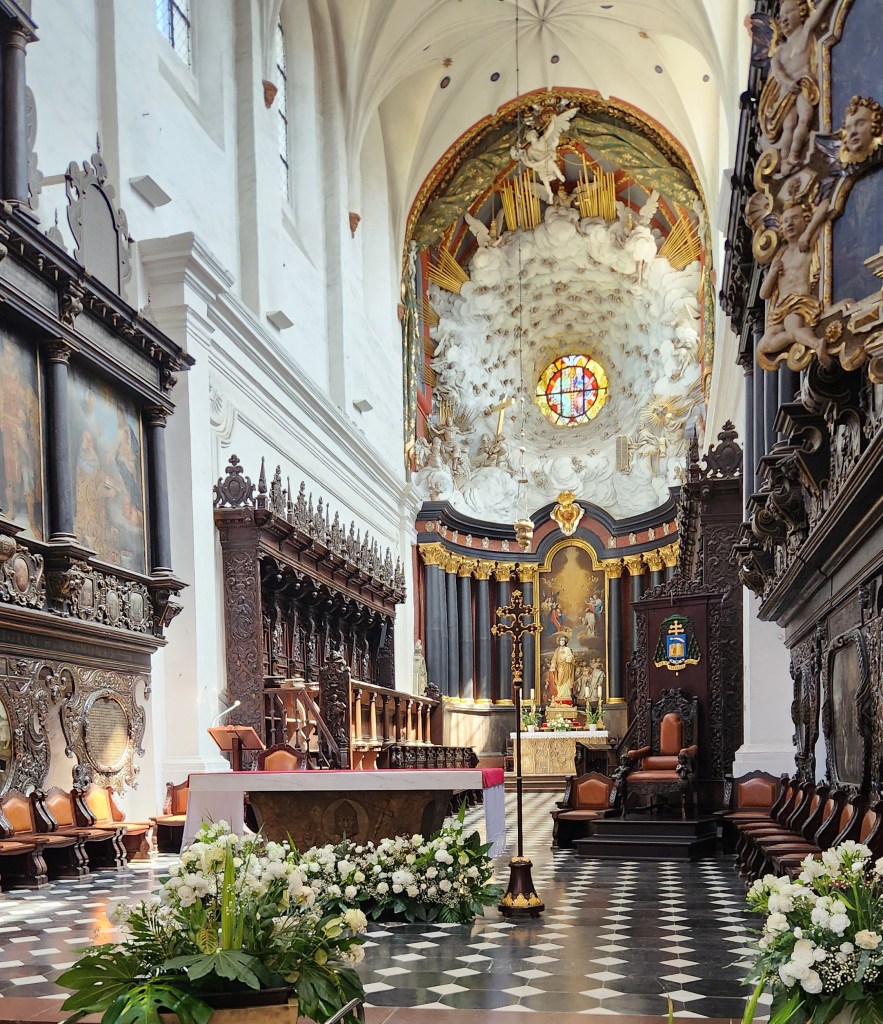
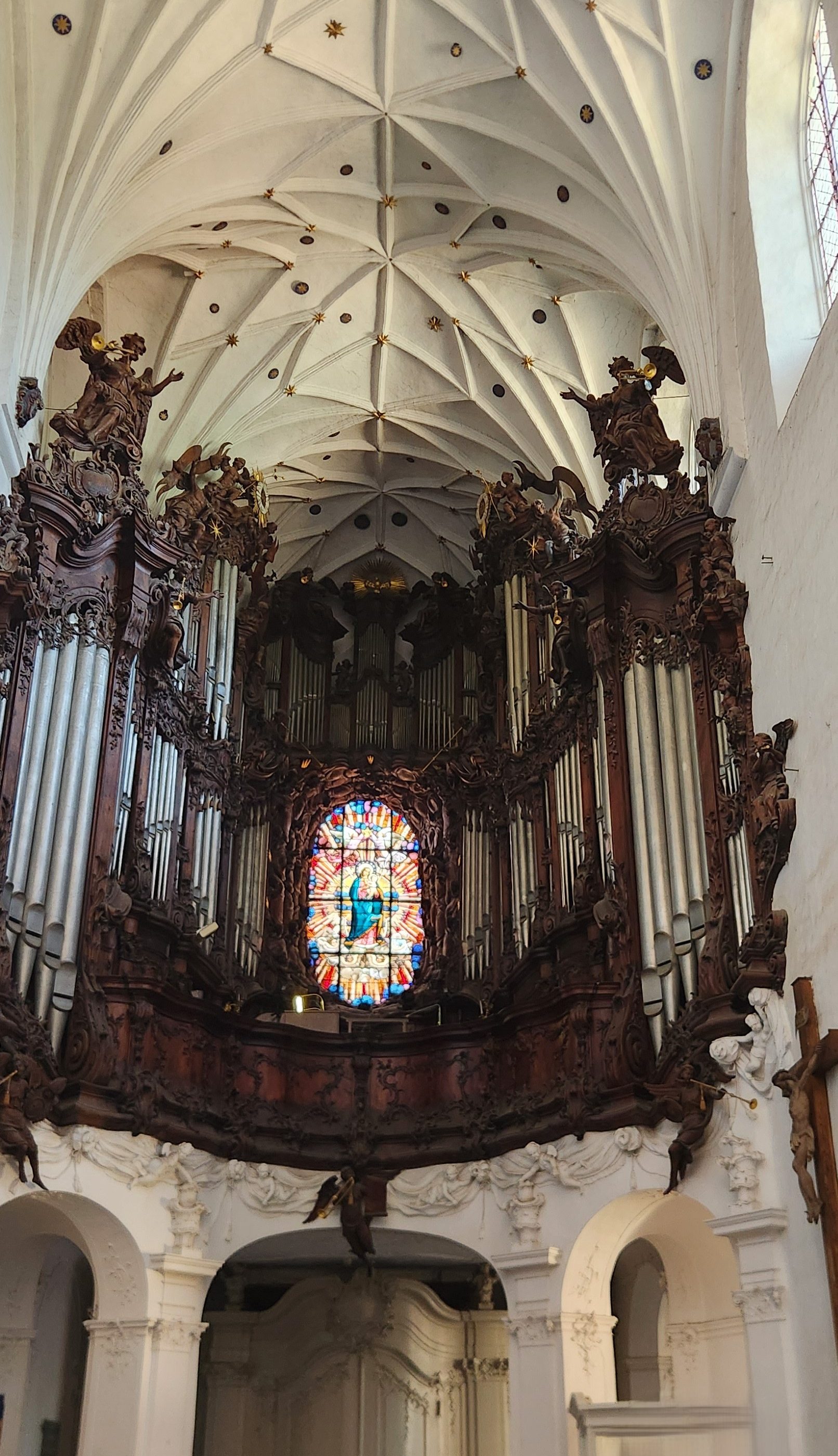
Our final visit of the day was to the Oliwa Cathedral, Poland’s longest church, completed in 1594. The church features brick Gothic architecture with Baroque and Rococo interior elements and is famous for its massive 18th-century pipe organ that features moving wooden figures and angels. After touring the church, we sat in the pews and listened to a 20-minute organ concert. Unfortunately, I was unable to capture any of the moving figures, but I’ve included a snippet from the concert anyway.
Heading back to the sip, I tried to get a photo as we passed by the Lenin Shipyard, where Lech Walesa led the worker’s protest that eventually led to the fall of Poland’s USSR-supported communist regime in 1989, but I never got an unobstructed view. Back on the ship again, we sailed off in the evening toward Estonia.
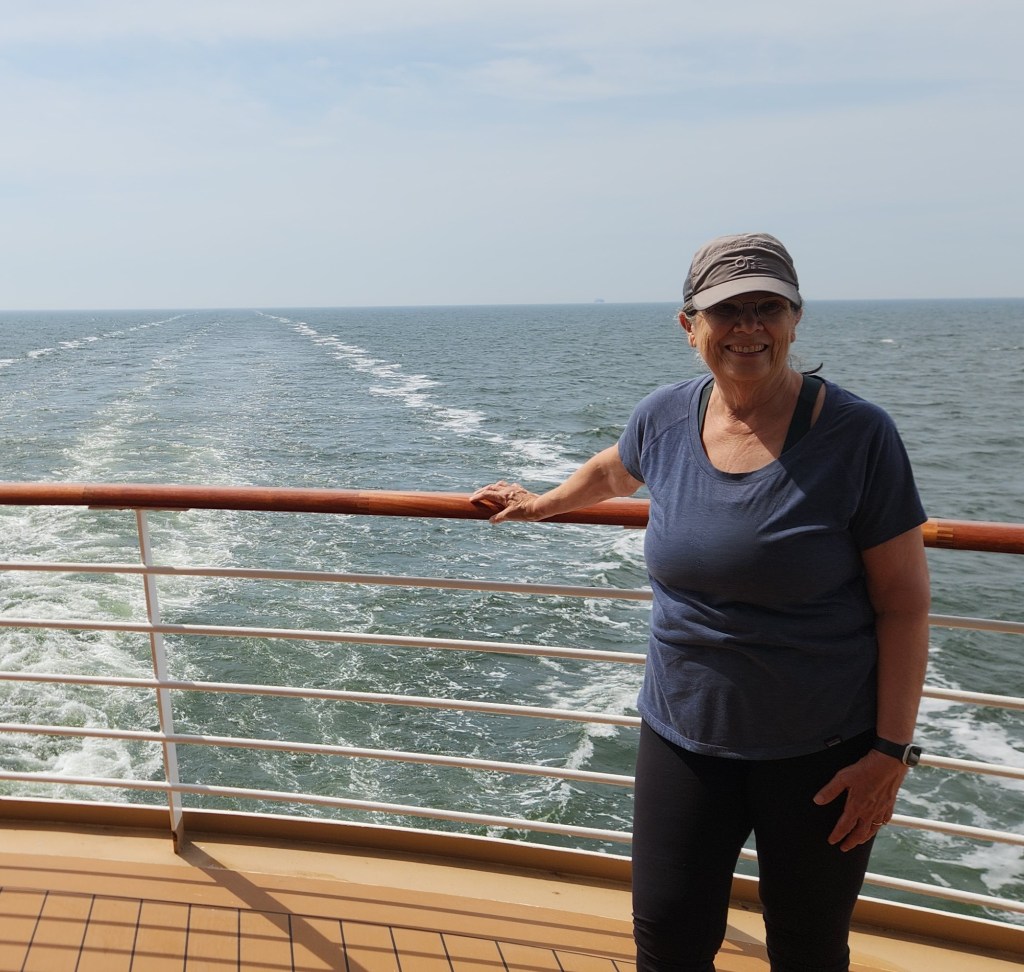
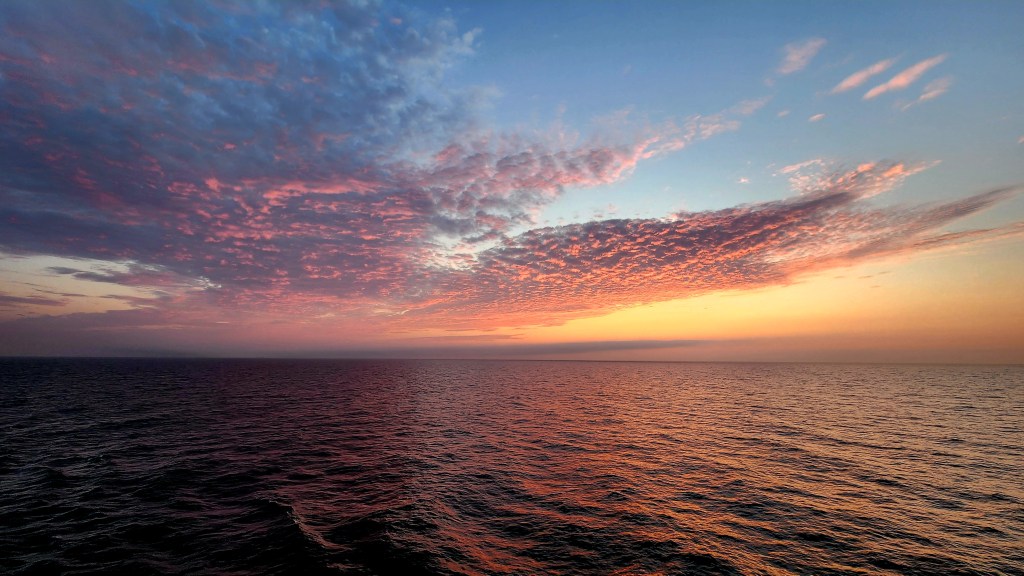
Sailing the Baltic Sea (Sunday, June 28, 2026): As you can see from the map above, the journey from Gdansk to Tallinn was the longest segment of the trip – so long, in fact, that we spent all day Sunday sailing. We enjoyed loafing about on the ship, watching the sea pass by as we reached sunset, and even took in one of the many on-board entertainment events, a British singer channeling the great divas of pop.
As we retired after the restful day, we were eager to get off the ship at our next interesting place.
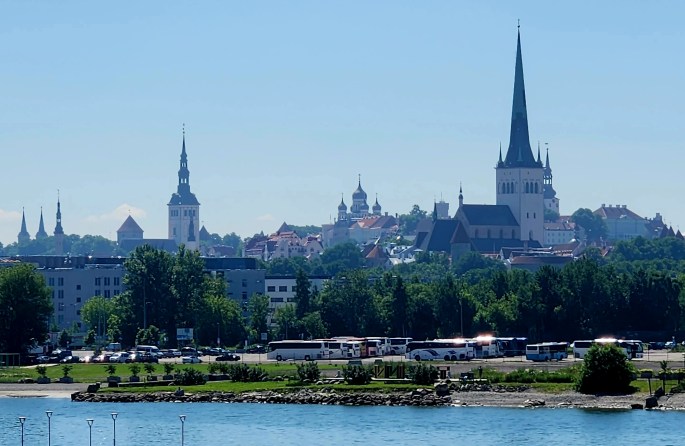
Tallinn, Estonia (Monday, June 29, 2026): The ship docked at the Tallinn Old City Harbor Cruise Terminal at 7 AM on Monday, and I got a nice photo of the Old City from our stateroom balcony.
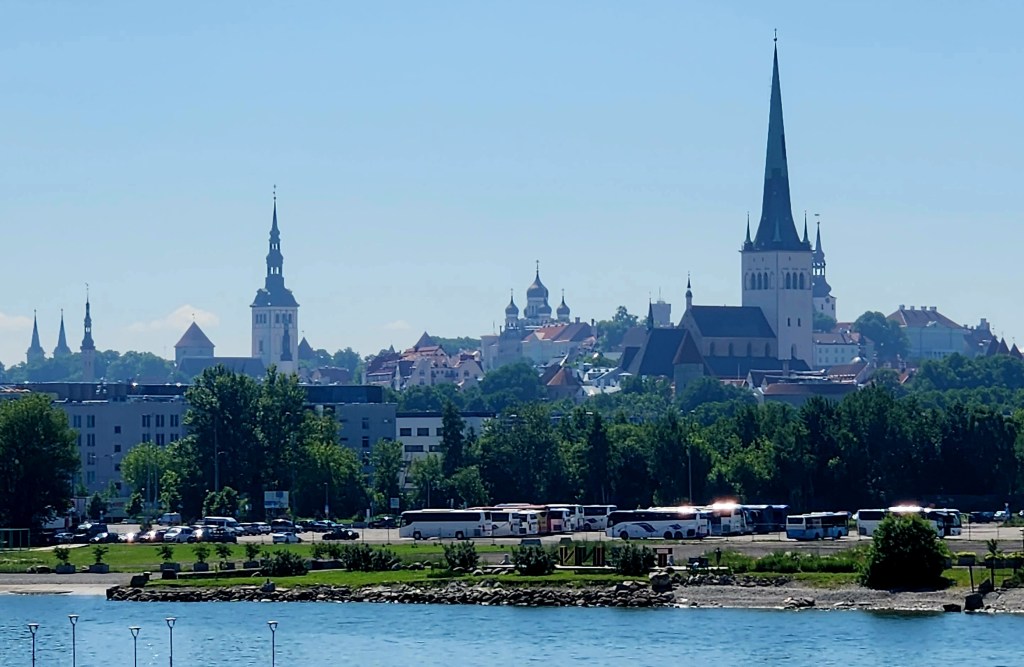
I later learned that the photo had captured a number of historic landmarks: St. Olaf’s Church is the tall, needle-like gothic spire on the right side of the skyline, historically one of the highest structures in the world; St. Nicholas’s Church is the distinct slender tower with a baroque spire located towards the left-middle; and Alexander Nevsky Cathedral has the characteristic Russian Revival onion domes rising near the center of the horizon behind the trees.
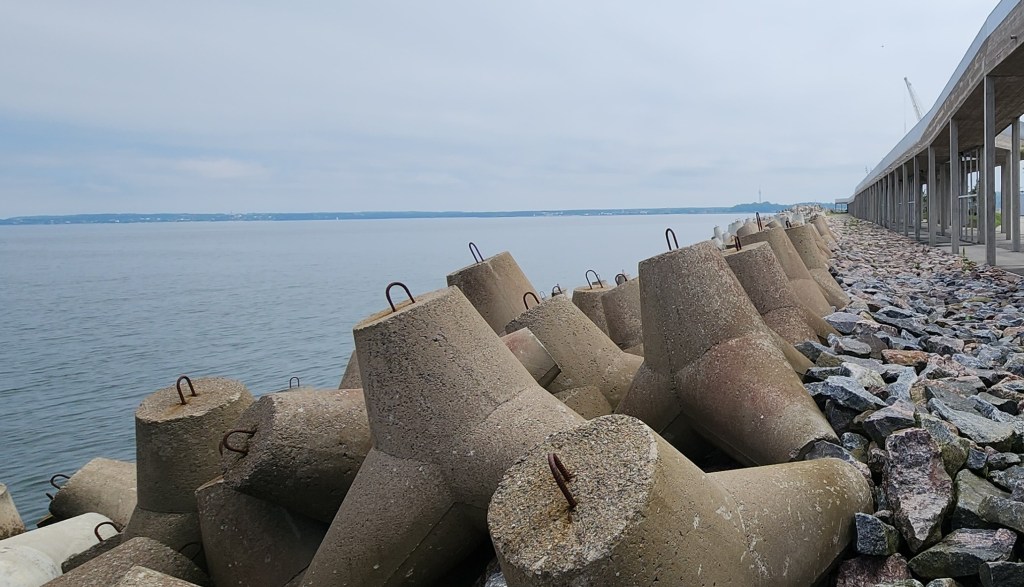
After breakfast, we were off for the day’s tour of Old Town Tallinn. As we walked to the bus parking are, we passed by some interestingly shaped concrete structures piled along the oceanfront. The most loyal readers of my blogs may recognize that these are similar to those used in Crescent City, CA – tetrapods, designed by the US Army Corps of Engineers in the 1950s to serve as protection against heavy ocean waves – that I reported on in an earlier travelogue: Pat and Dave’s West Coast Wayfaring – PART 2: Points of Interest.
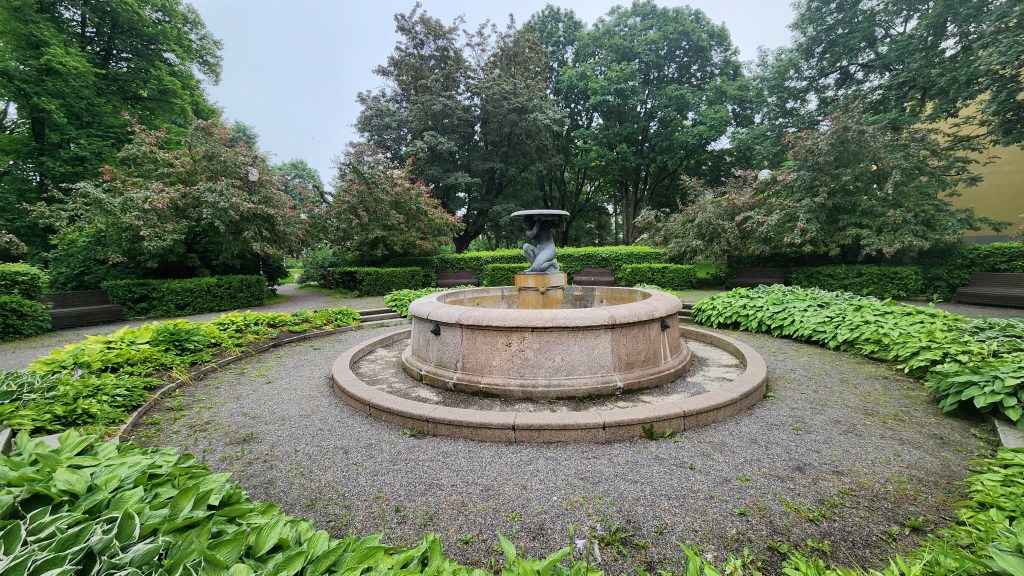
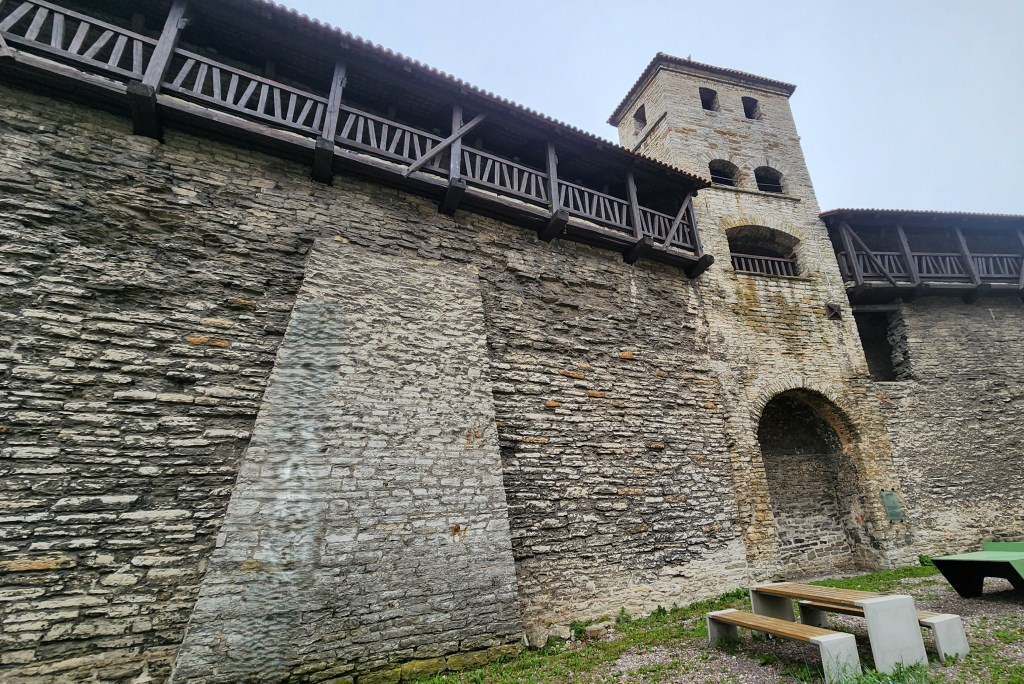
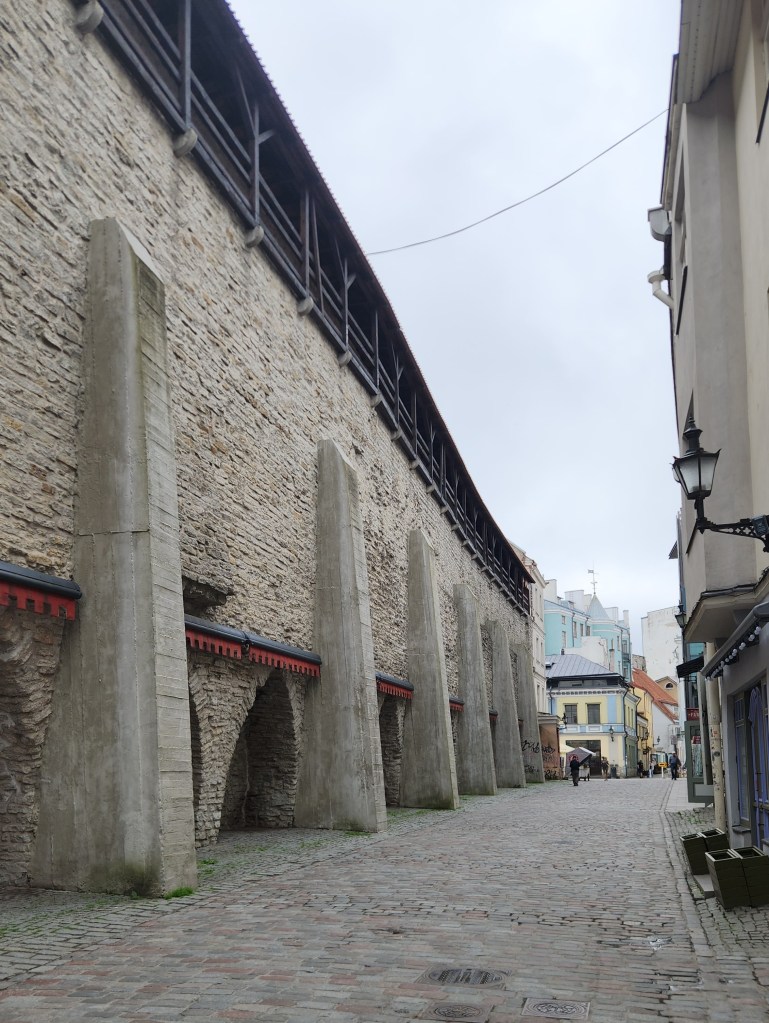
Tallinn is the capital of Estonia, and its well-preserved old town, a UNESCO World Heritage Site, is surrounded by a ring of 17th-century historic walls that were built to protect the city from invaders. Our bus dropped us off just outside the walls, and we proceeded with or guide to tour the Old Town. On our way, we passed by a stone fountain and the “Woman with a Basin” sculpture located in the Towers’ Square Park.
The old walls have been preserved and fitted with walkways which probably provide some fantastic views, but they are not open to the public.
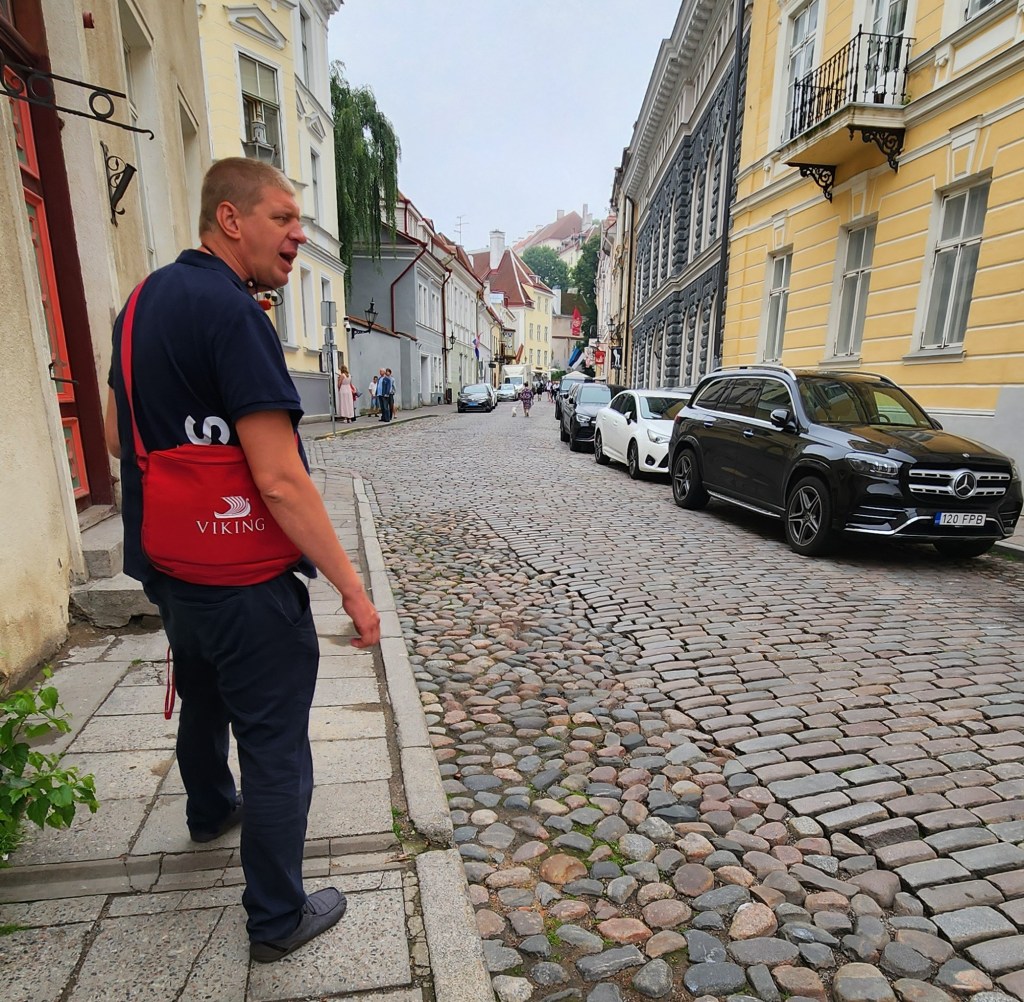
Once inside the walls, we began our tour in the upper part of town. Our guide pointed out the different cobblestones: The roundish ones are from the 13th century, before stone cutting was practical, and the flatter ones are from the 16th century. As you can see, they have been very well maintained.
ASIDE: The guide also told us some very interesting stories about recent Estonian history. Estonia first became independent of Russia in 1918, but was then annexed as one of the Soviet Socialist Republics. Independence from the USSR came on August 20, 1991, following decades of peaceful resistance in Estonia. The protests are now known as the Singing Revolution due to spontaneous night-singing demonstrations in Tallinn as well as a massive 1988 gathering of 300,000 people at the Song Festival Grounds and a historic 1989 Baltic Way human chain which stretched across the entire country. However, prior to 1991, under Soviet rule, foreign travel was strictly controlled and monitored. One requirement was that a traveler could not bring anything back to Estonia that they did not take with them when they left. Our guide’s mother once traveled to the US, bringing with her and declaring two toy pianos that she had labelled “Yamaha” with paste-on letters. When she returned with two actual Yamaha pianos, the customs inspectors were fooled by her exit declaration ad allowed the pianos in. Talk about ingenious and daring!
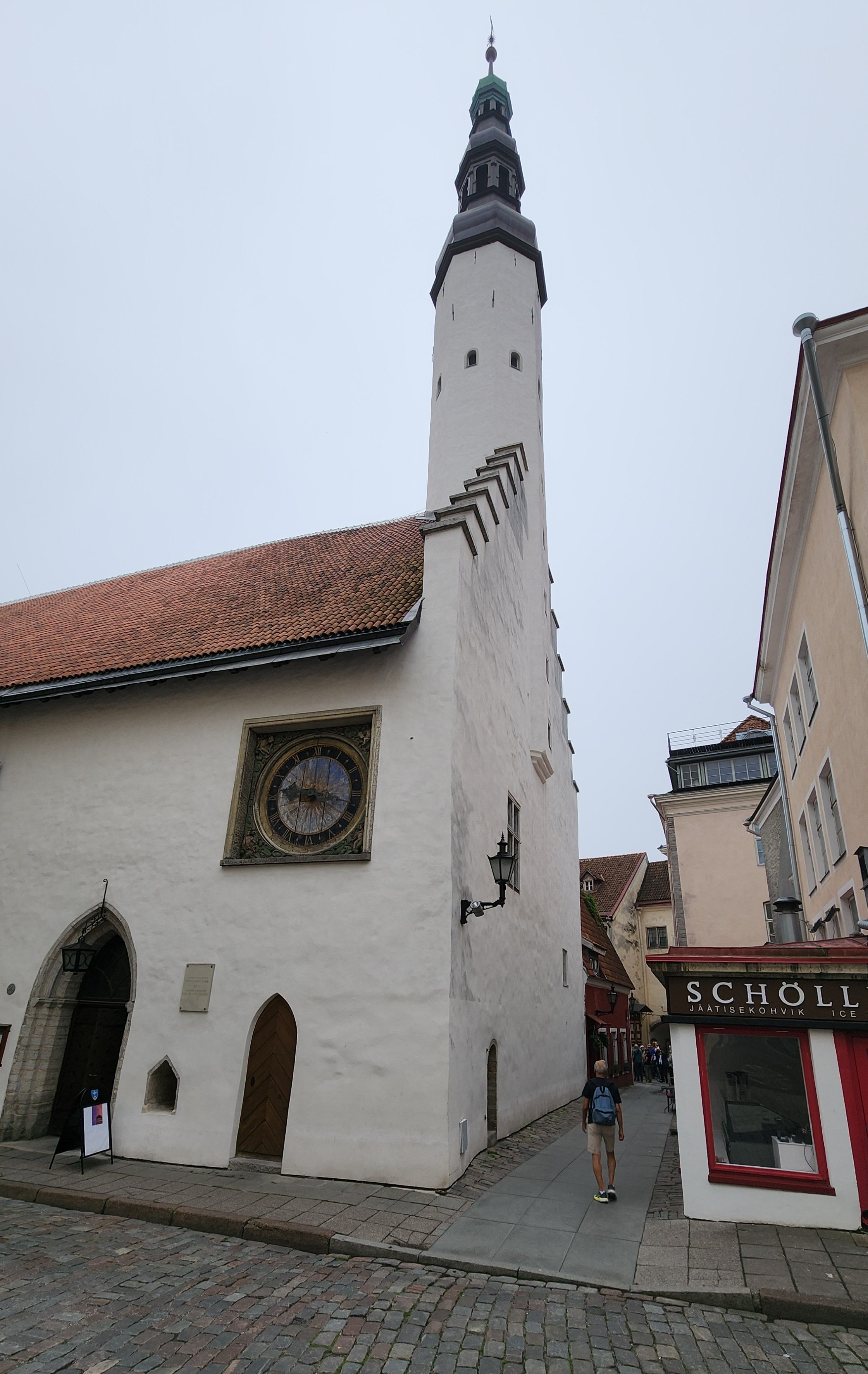
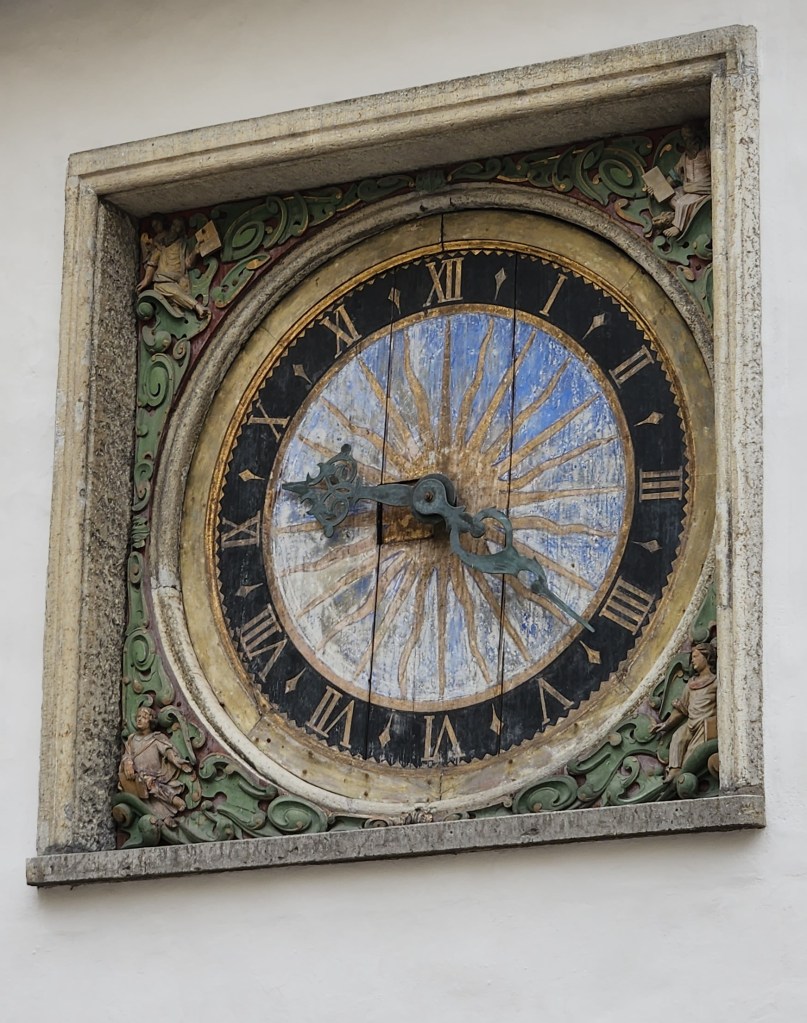
Anyway, back to the tour. We passed by the Church of the Holy Ghost, which included a famous clock face, built in the 17th century, the oldest public clock in Tallinn. It features a hand-carved wooden dial with a striking blue and gold sunburst motif and traditional Roman numerals.
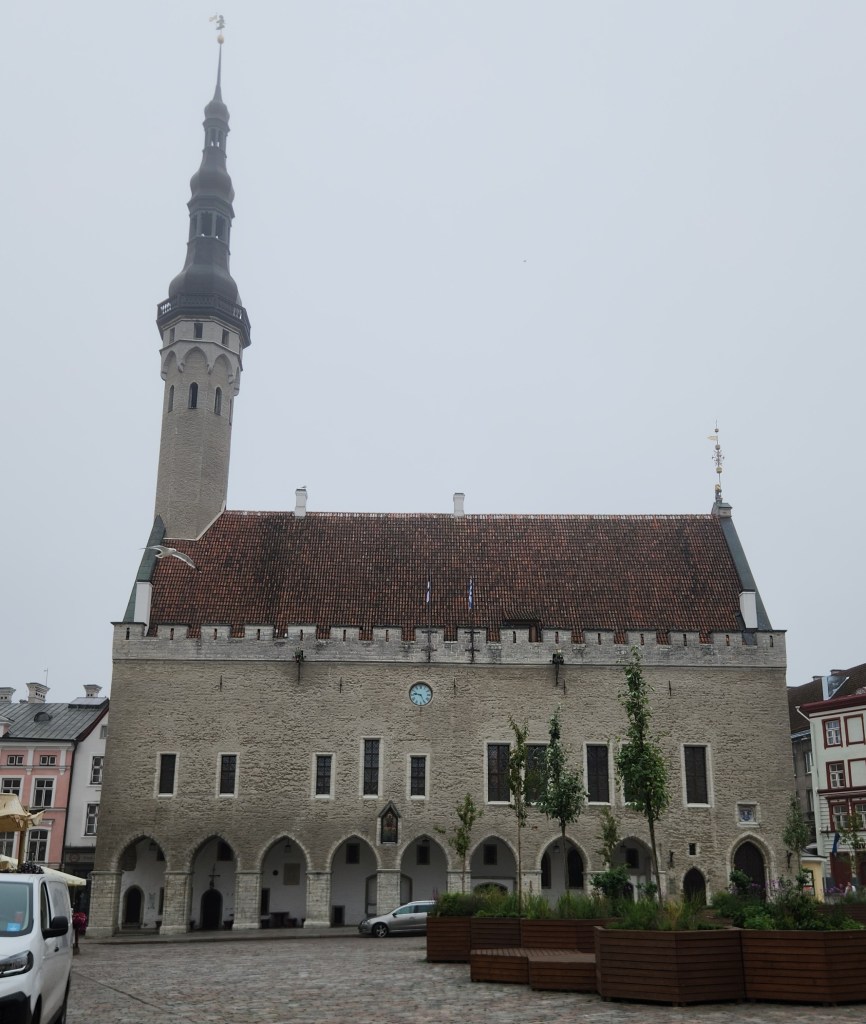
Next came the Gothic-style Tallinn Town Hall, completed in 1404. It is the oldest surviving town hall in Scandinavia and the Baltic Sea region.
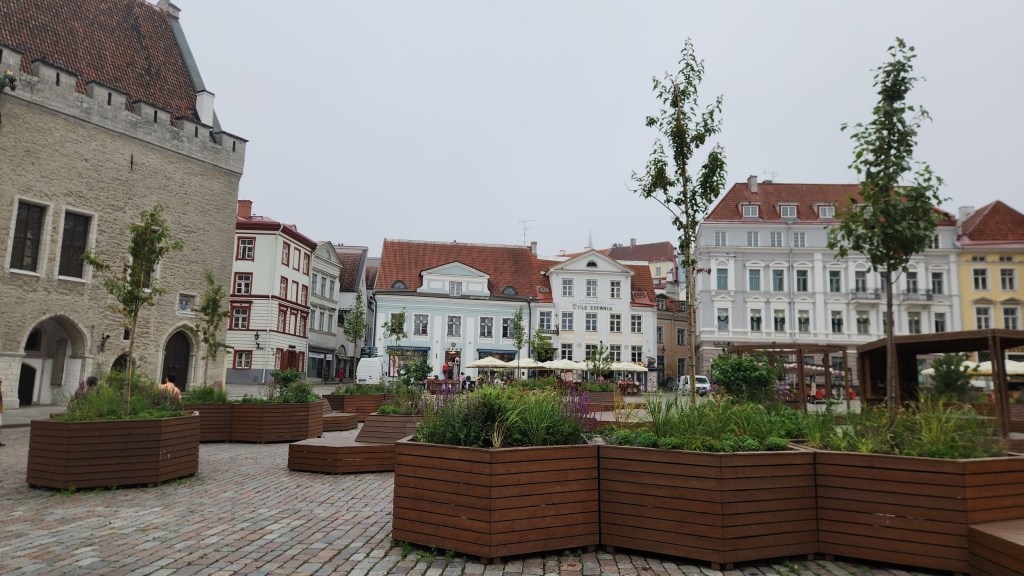
Adjacent to the Town Hall is the appropriately named Town Hall Square, with many merchant kiosks and restaurants. It was also set up with temporary wooden planters and integrated benches designed to bring greenery and public seating into the historic square.
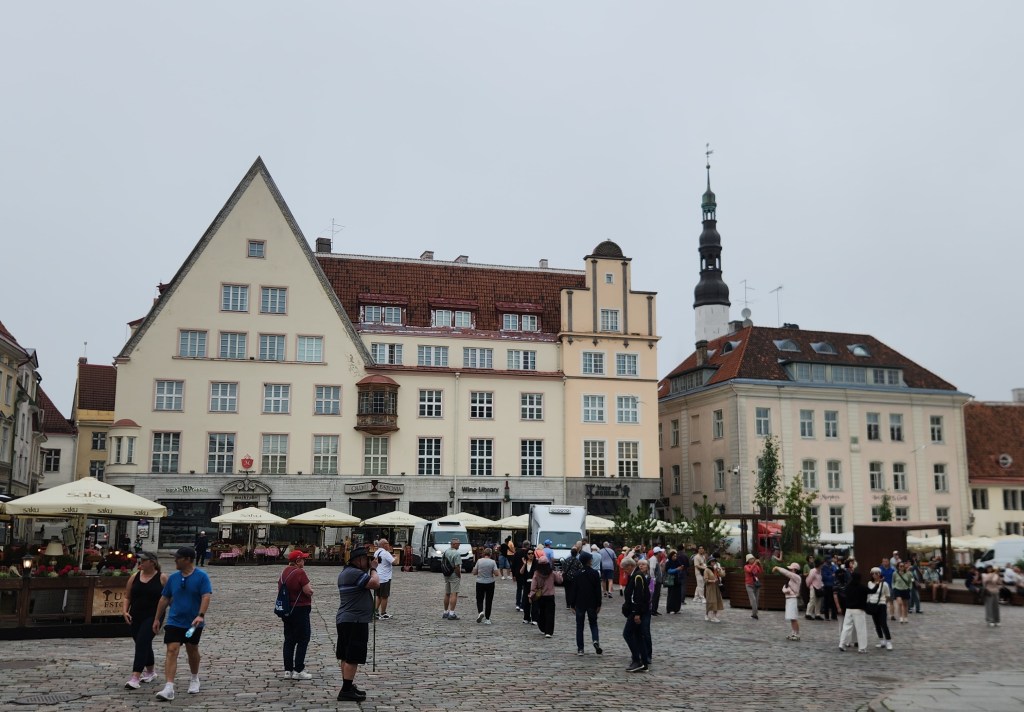
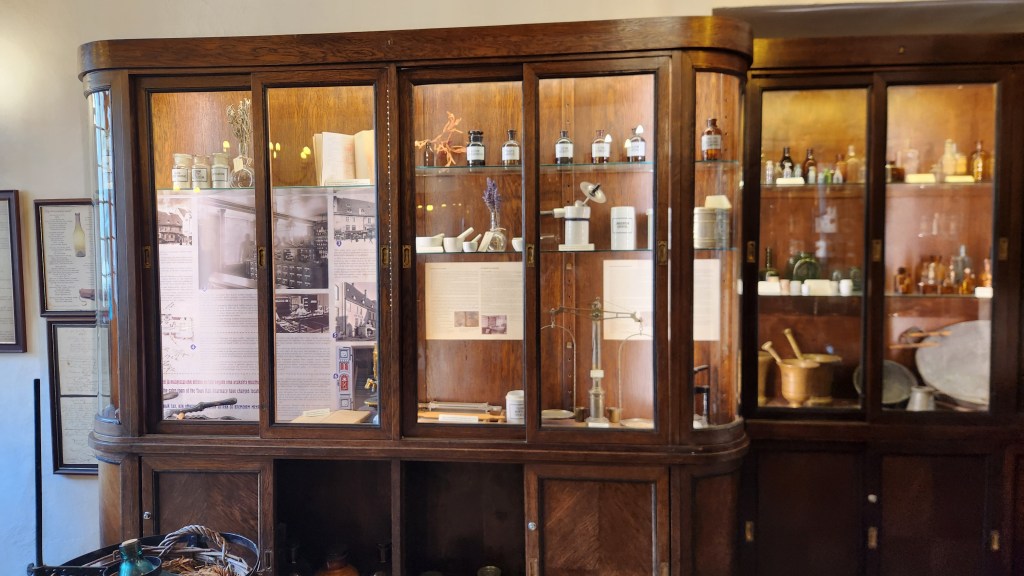
The Town Hall Pharmacy is one of the oldest continuously operating pharmacies in Europe, having been in operation since at least 1422. The pharmacy features a museum room displaying medieval and early modern medical instruments, drugs, and historical documents.
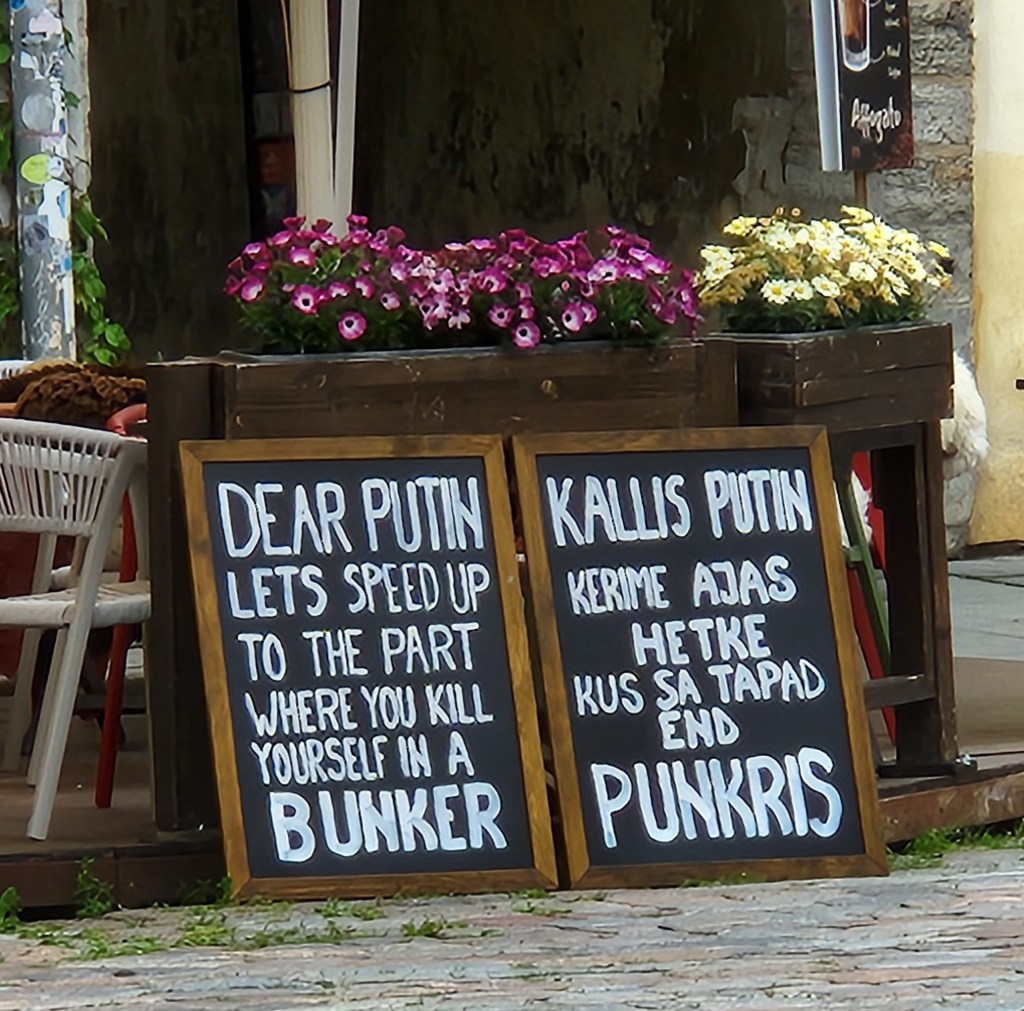
I was impressed to see that the proprietors of one business in the square were not shy about expressing their opinion of the Russian invasion of Ukraine.
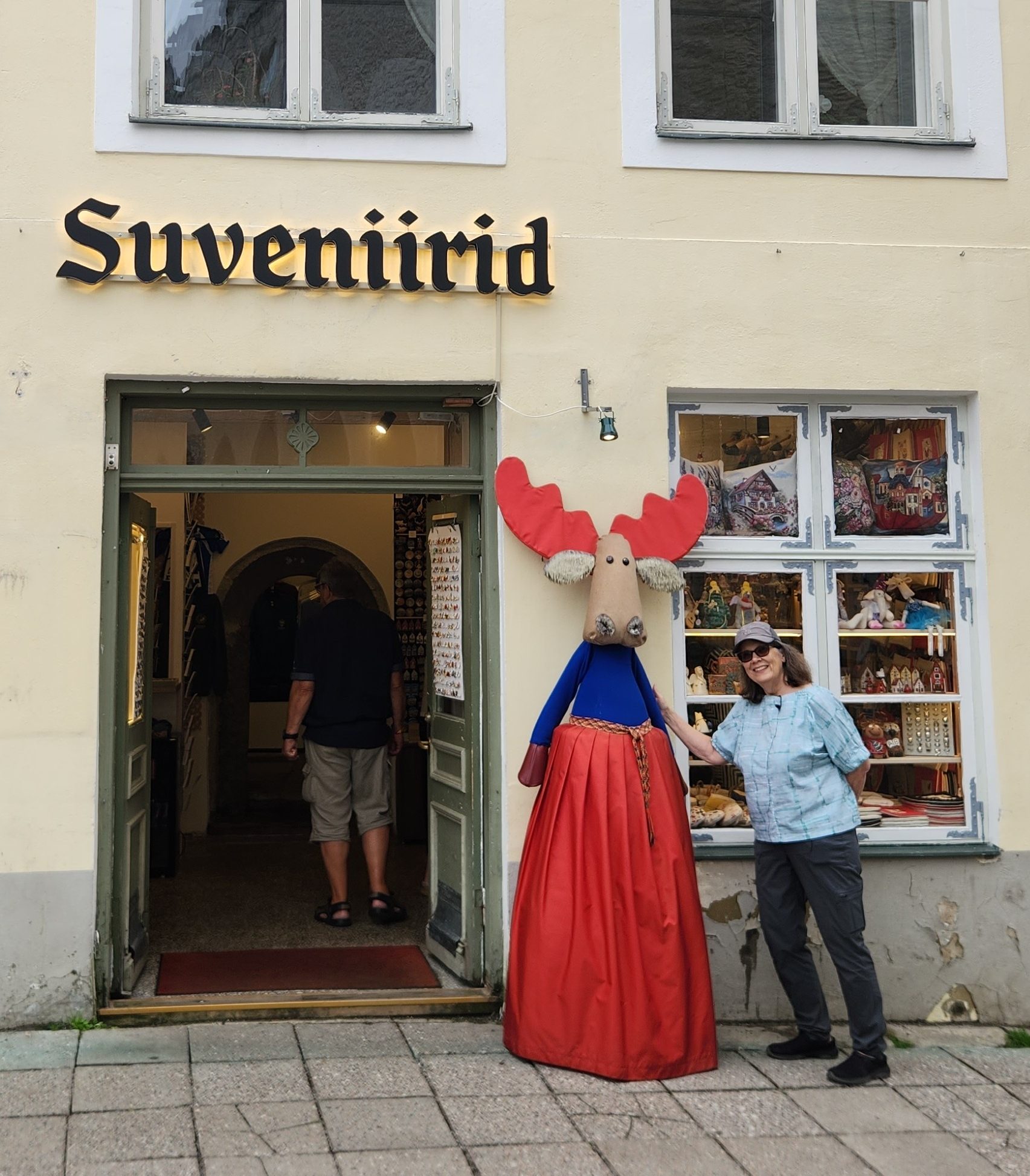
Pat also met a new friend in the square and had a brief chat about world affairs.
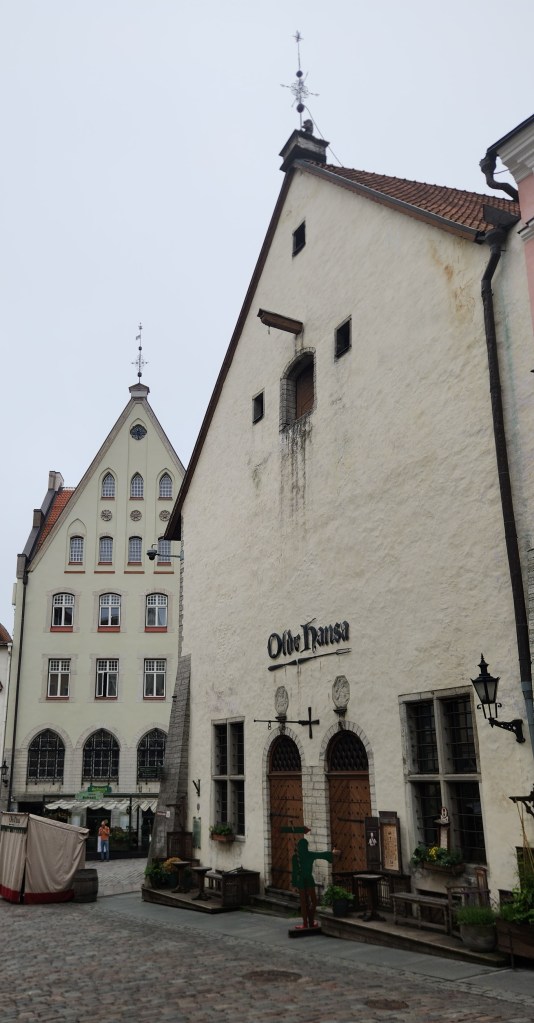
Another well-known place near the square is the Olde Hansa restaurant, a popular medieval-themed restaurant designed to recreate a 15th-century Hanseatic merchant house experience, featuring staff in period costumes and traditional recipes.
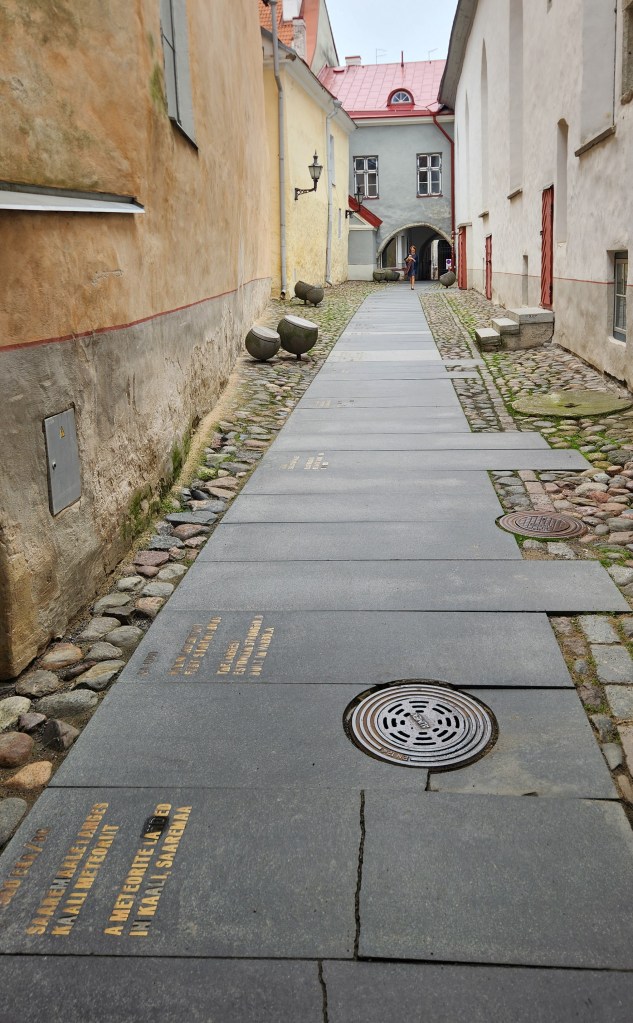
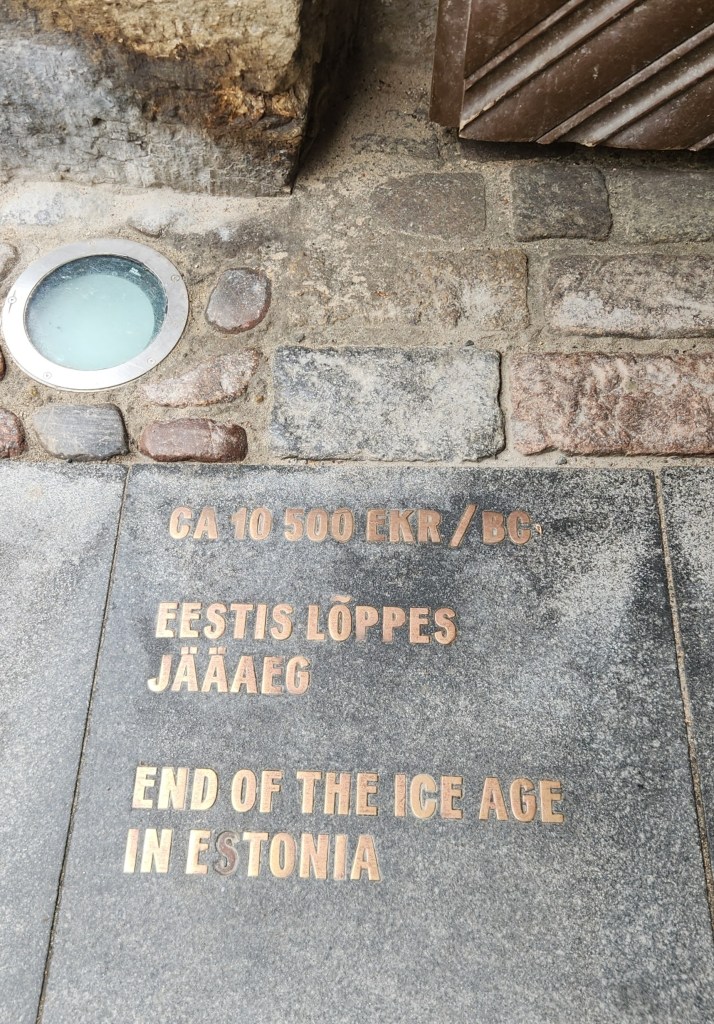
From the square, we passed along a courtyard passage known as “The Path of History.” This paved walkway features dates and key events from Estonian history etched directly into the stone.
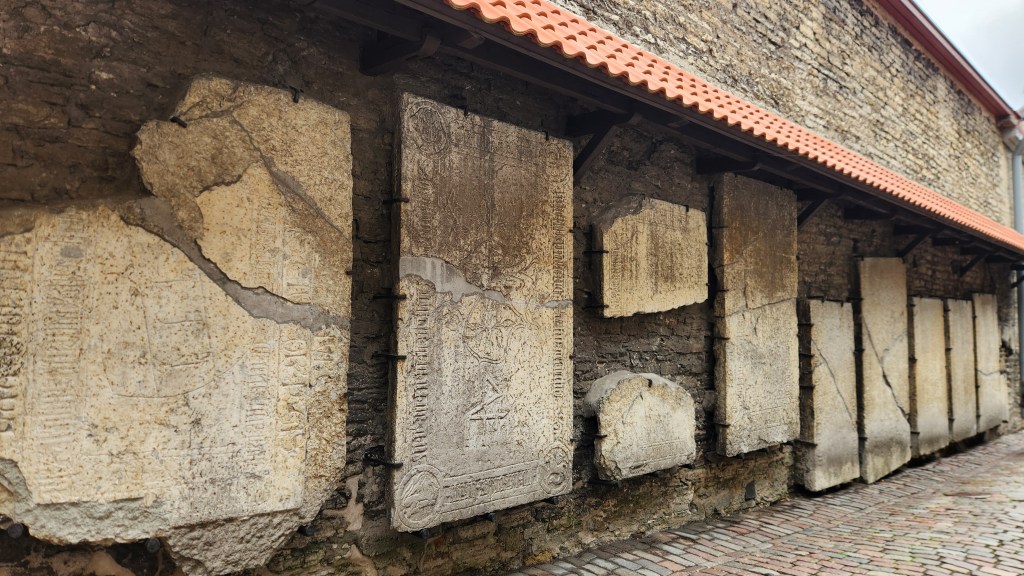
We emerged onto St. Catherine’s Passage, which includes a display of ancient 14th- to 15th-century limestone tombstones mounted on the stone wall. These grave markers were collected from the ruins of the adjacent medieval St. Catherine’s Dominican Monastery, which dates back to the 13th century.
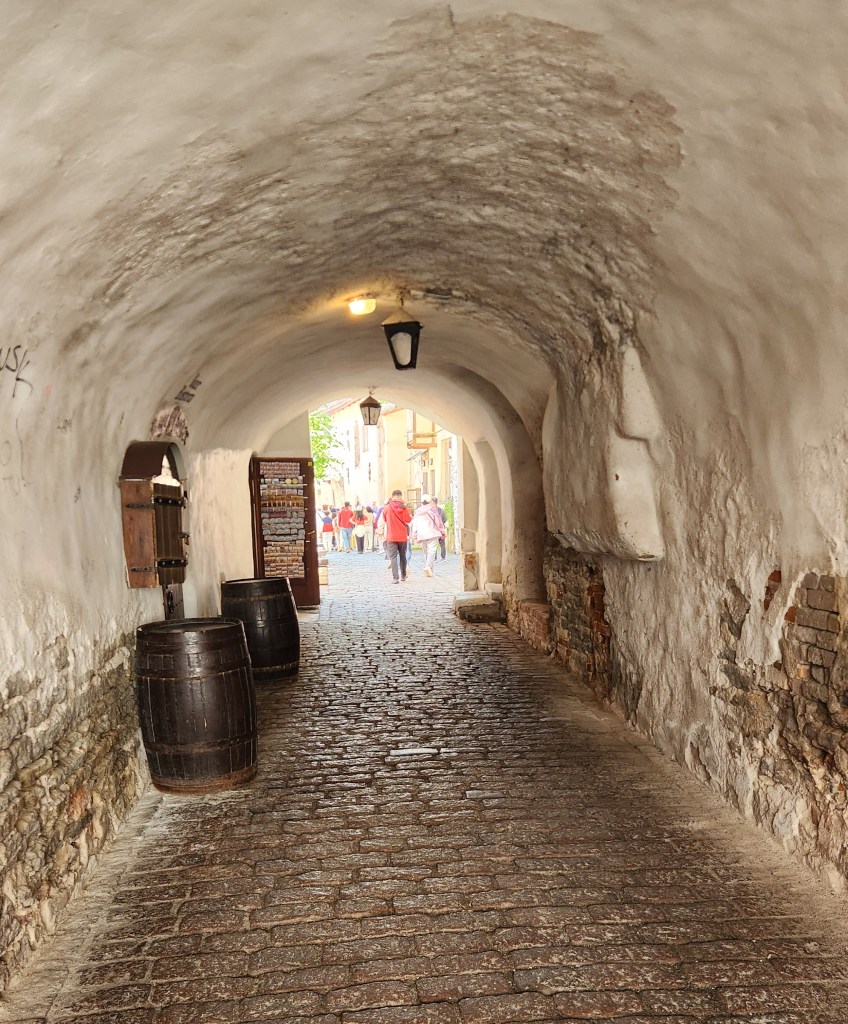
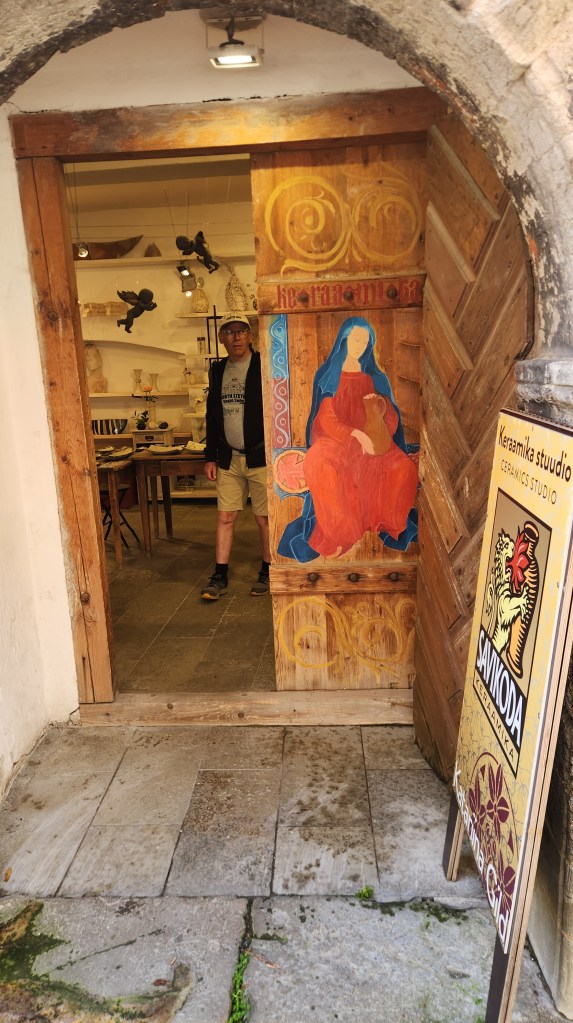
After St. Catherine’s Passage, we moved through the lower part of the Old Town, filled with shops and merchant guilds, including one of the earliest guilds formed by and for women.
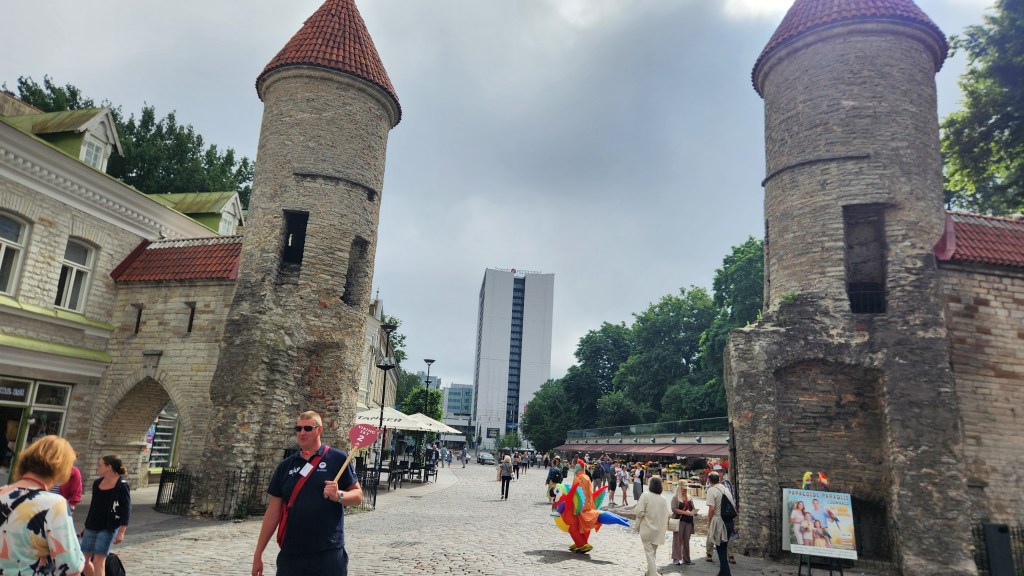
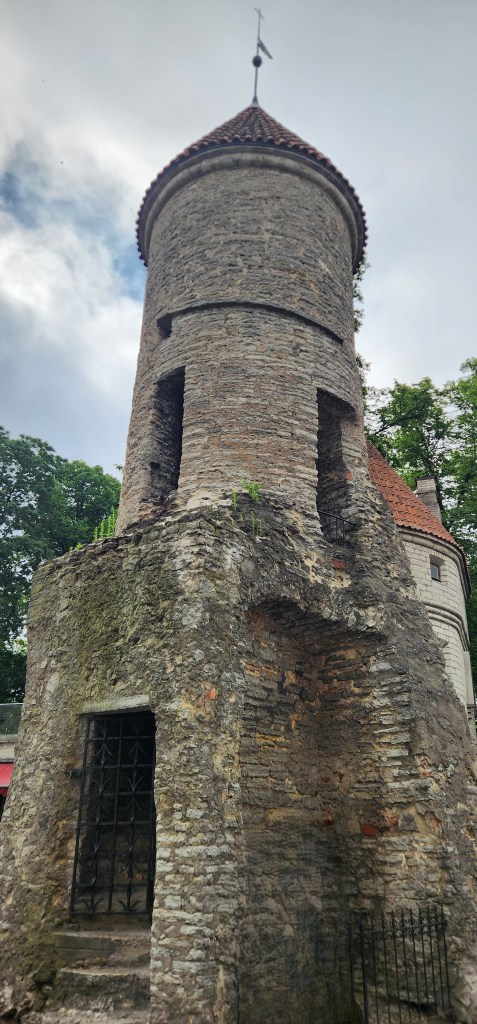
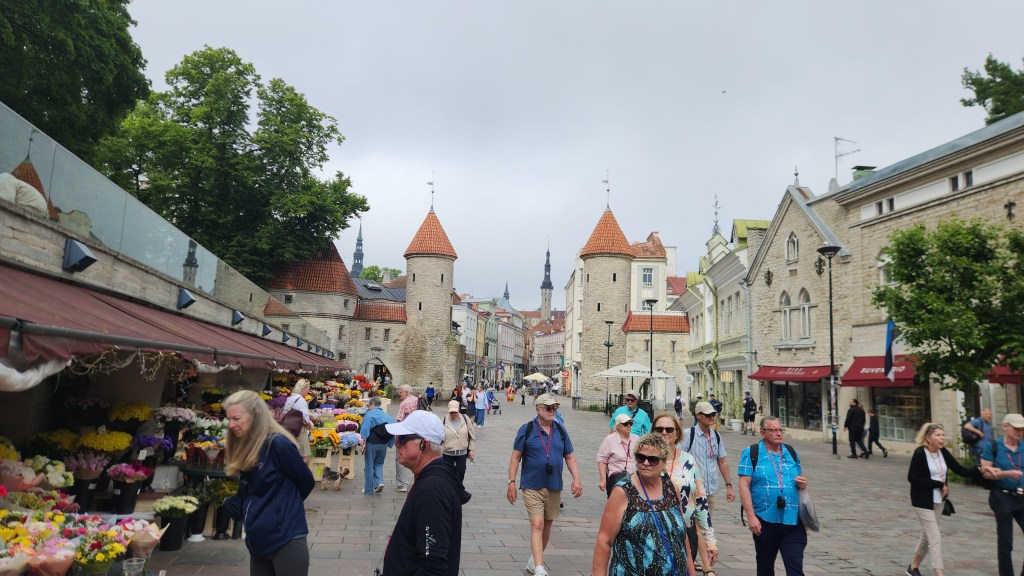
Next, we walked along the fortification walls to the historic Viru Gate, a famous pair of 14th-century stone defense towers serving as an eastern entrance to the UNESCO-listed Old Town. The vibrant outdoor Tallinn Flower Market sits just outside the stone towers.
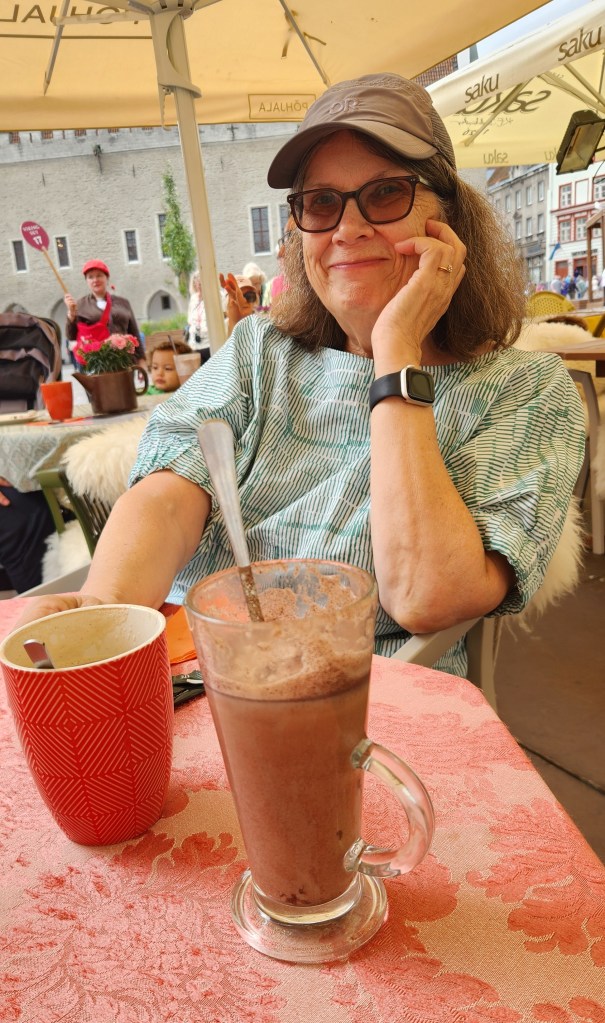
After touring the old town, we had some free time, so we stopped for a coffee and a hot chocolate at an open-air restaurant. We could have stopped at a nearby world-famous famous restaurant, but we opted to pass on that one.
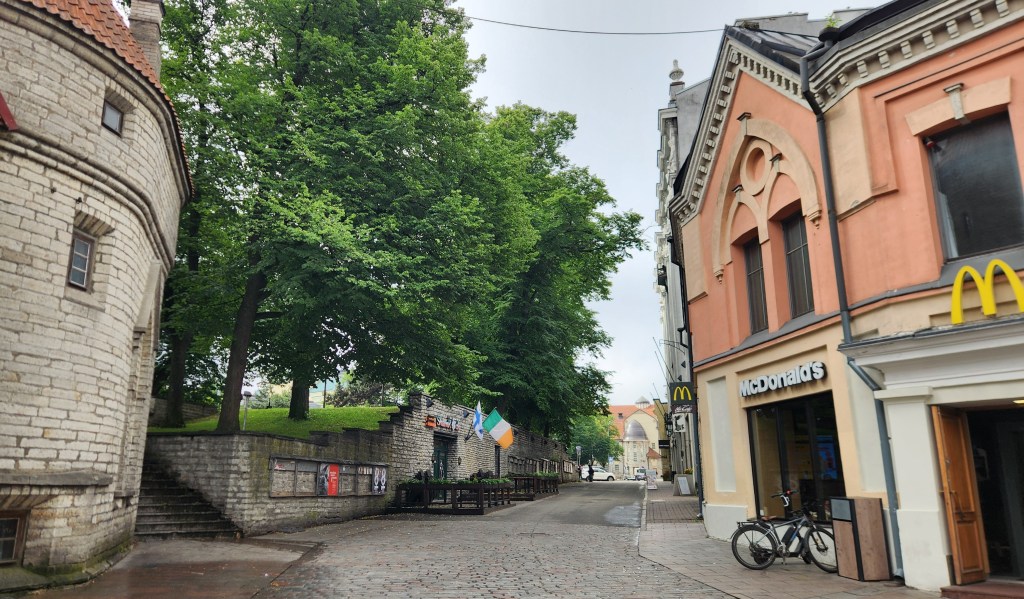
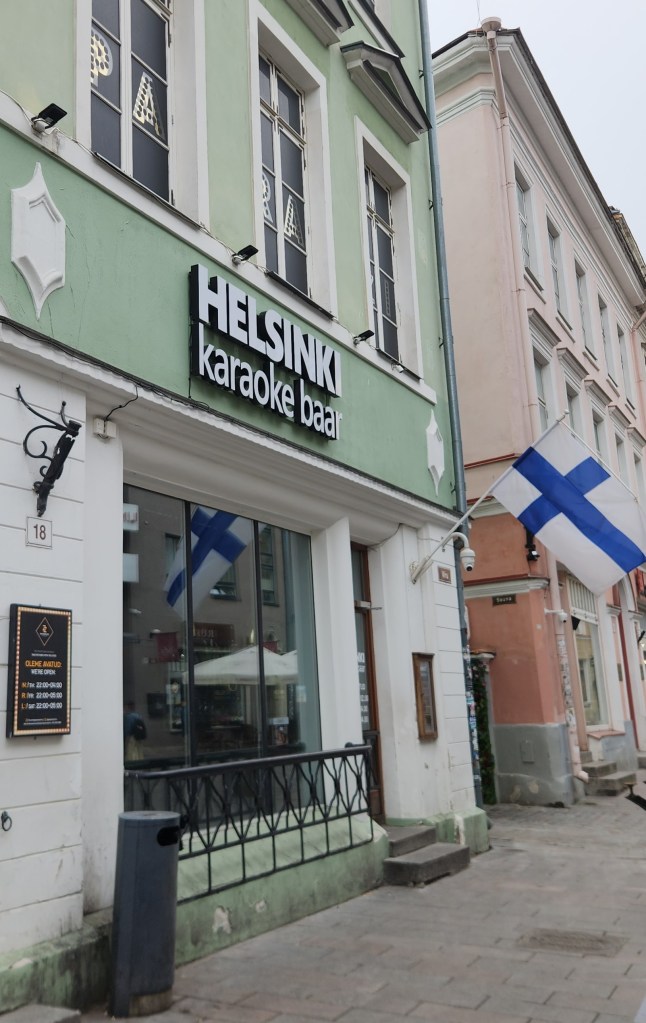
Another place that caught my eye, and my breath, as a notably introverted Finnlander, was this Finnish karaoke bar. I had a hard time imagining any Finnlanders that I know being gregarious enough to do karaoke, but there must be some!
Speaking of Finnlanders …
We had some time to speak one-on-one with our guide during the free time. His English was excellent, but he spoke with the exact same accent I’ve heard from many Finnish-American acquaintances. I asked how similar the Estonian language is to Finnish, which was my parents’ native language that I never managed to learn. While both languages are in the same group (Finno-Ugric) and share core vocabulary and grammar rules such as lacking prepositions and grammatical gender, he told us they differ significantly in sound systems, and have many words that sound the same but have very different meanings. He said he can understand simple phrases in Finnish, but anything complicated leaves him without a clue.
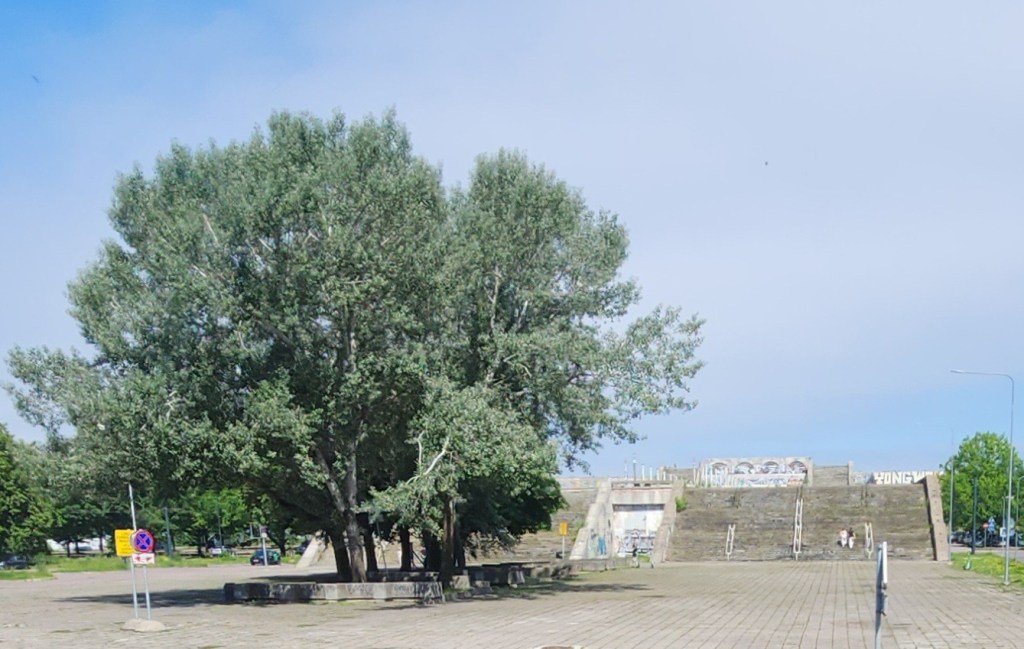
As a final photo from Tallinn, here’s an area that was used for the boating competitions in the 1980 Moscow Olympics.
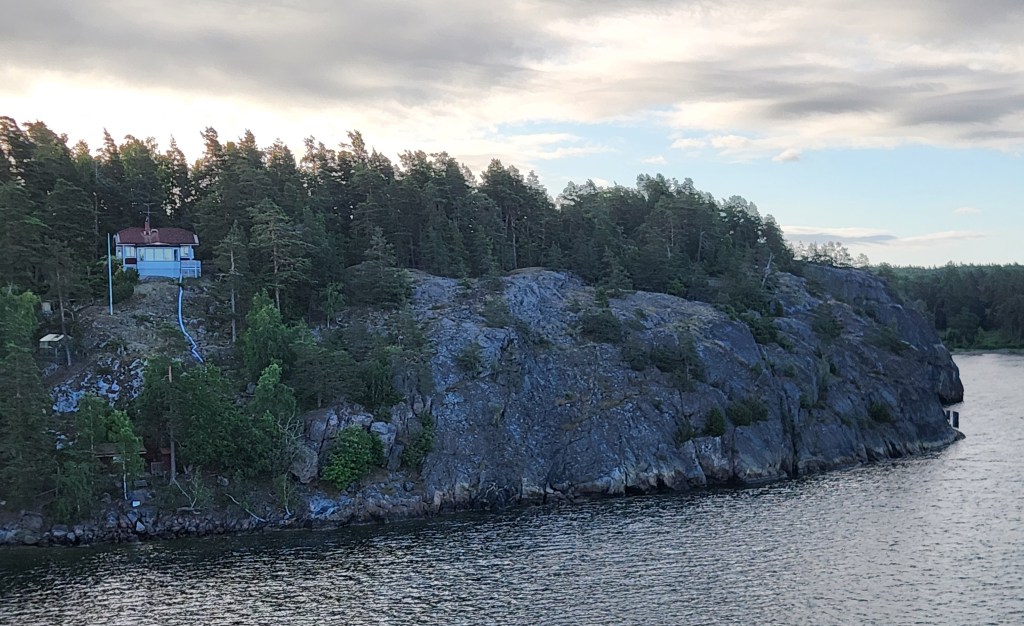
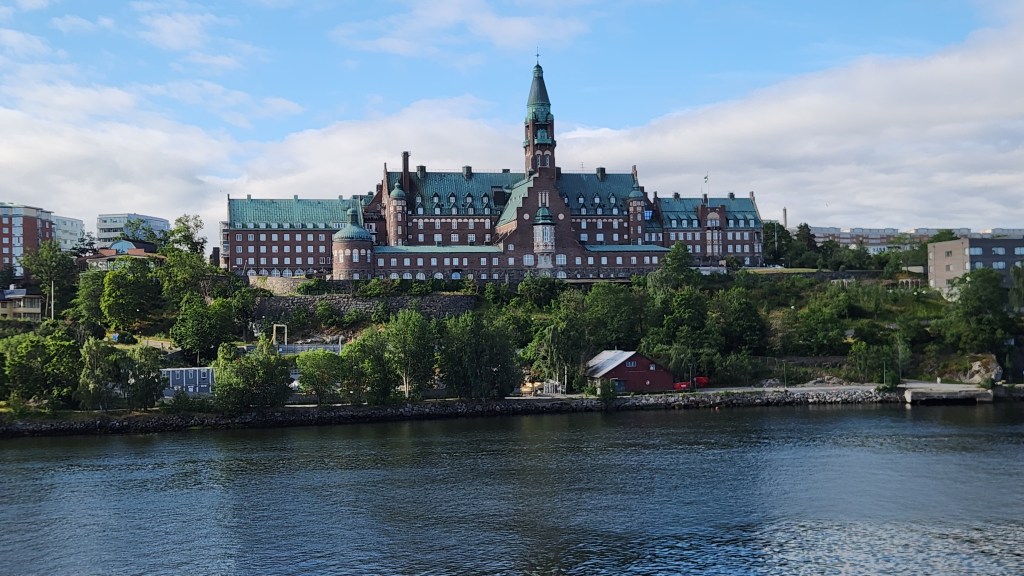
Stockholm, Sweden (Tuesday, June 30, 2026): Stockholm is situated within an archipelago containing the incredible number of 30,000 islands. Since the ship began passing through the archipelago early Tuesday morning, I got up at 5 AM to take photos. Here are some worth sharing:
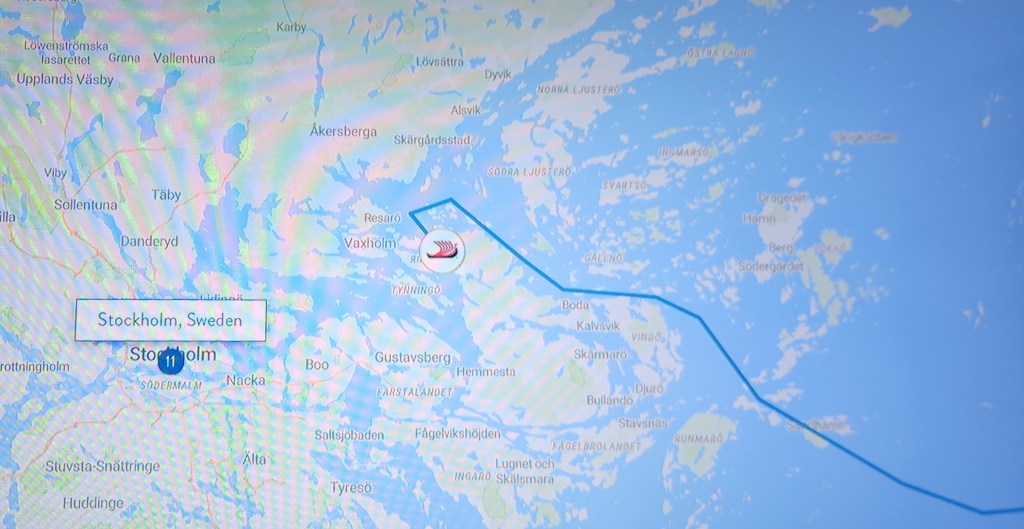
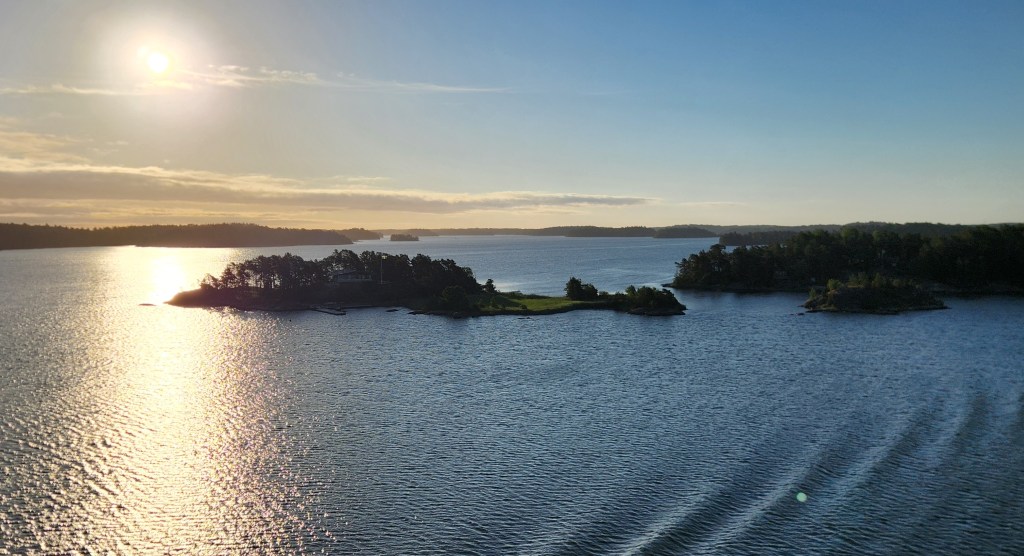
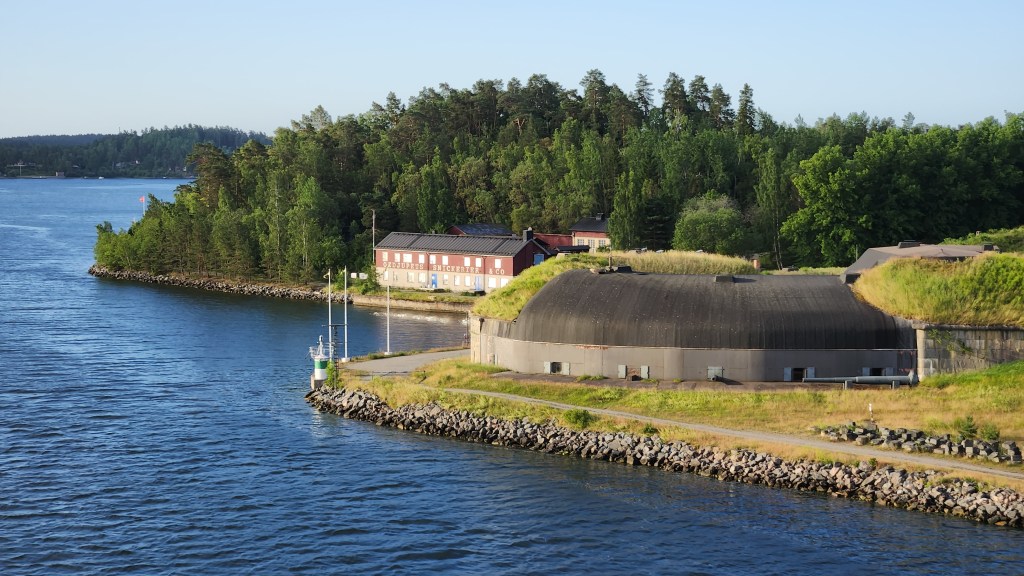
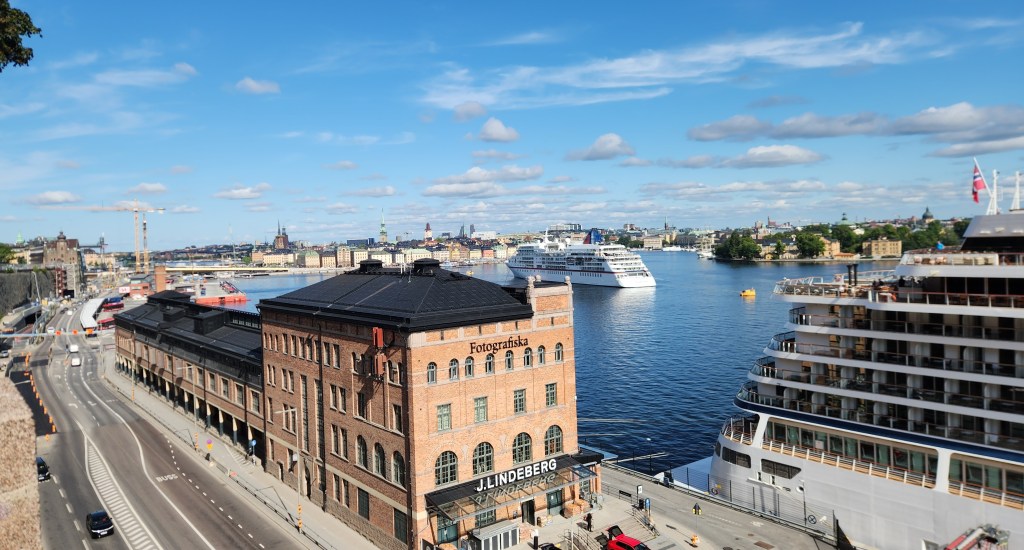
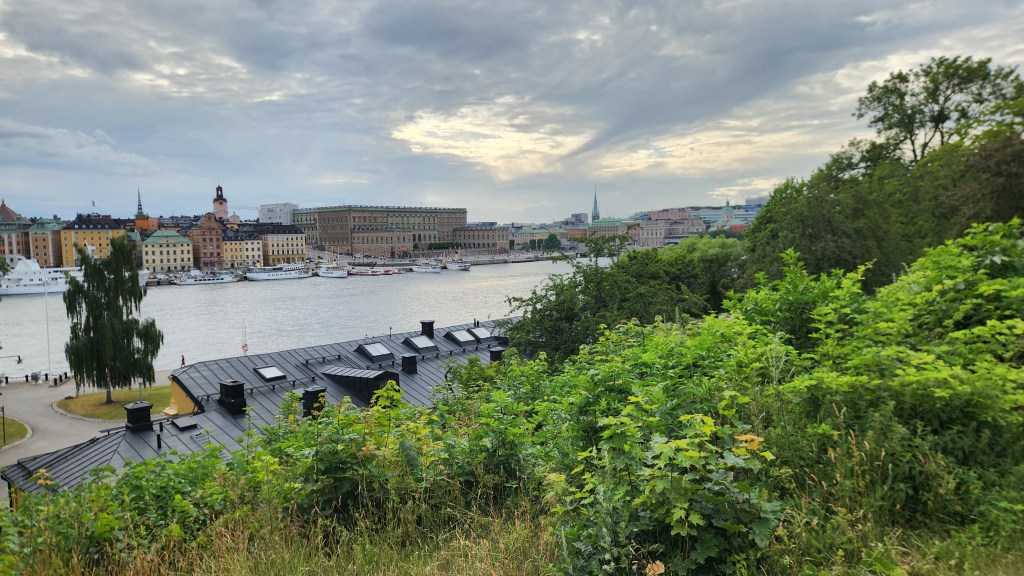
We docked at the pier at 8 AM and were soon off for a busy day of touring by bus and on foot. Our first stop was on a hill just above the ship’s location on the pier, providing a good look at the city. We learned that Stockholm extends over 14 islands linked by 57 bridges. Within the city, water from the freshwater Lake Mälaren flows into the Baltic Sea, and a lock system allows boat traffic into and out of the lake. The first, 5-foot-high lock was built in 1642, and has been periodically rebuilt many times to accommodate shipping needs. In addition, since the land is still rising after being pressed down by massive glaciers that once covered the area, the locks must be rebuilt every century or so to accommodate the increased height of the lake above the sea.
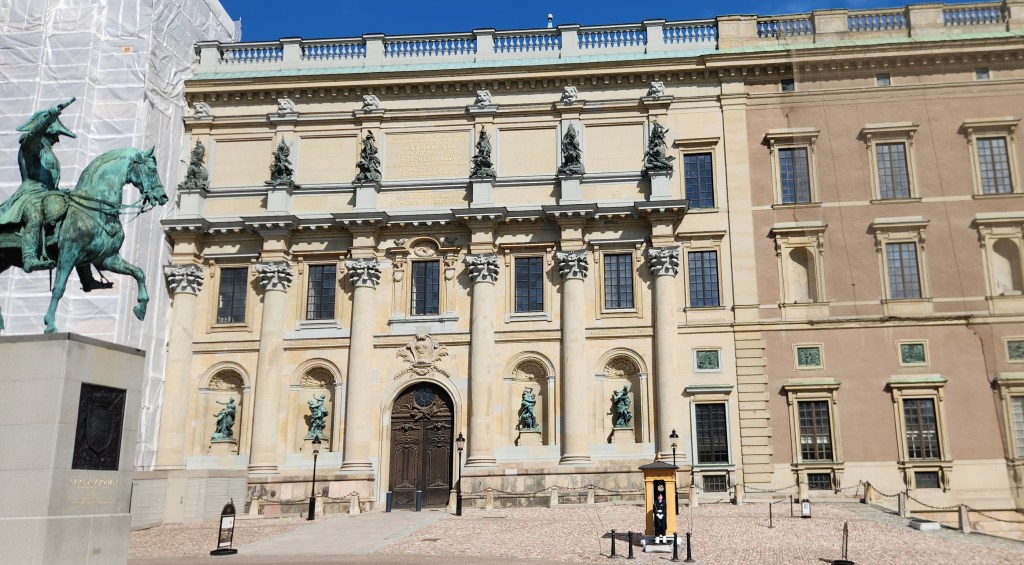
The bus then took us to Gamla Stan, the old town of Stockholm, which sits primarily on the island of Stadsholmen. The old town was founded in 1252 and is the oldest section of the city. The tour began at the Stockholm Palace, the official residence and major royal palace of the Swedish monarch.
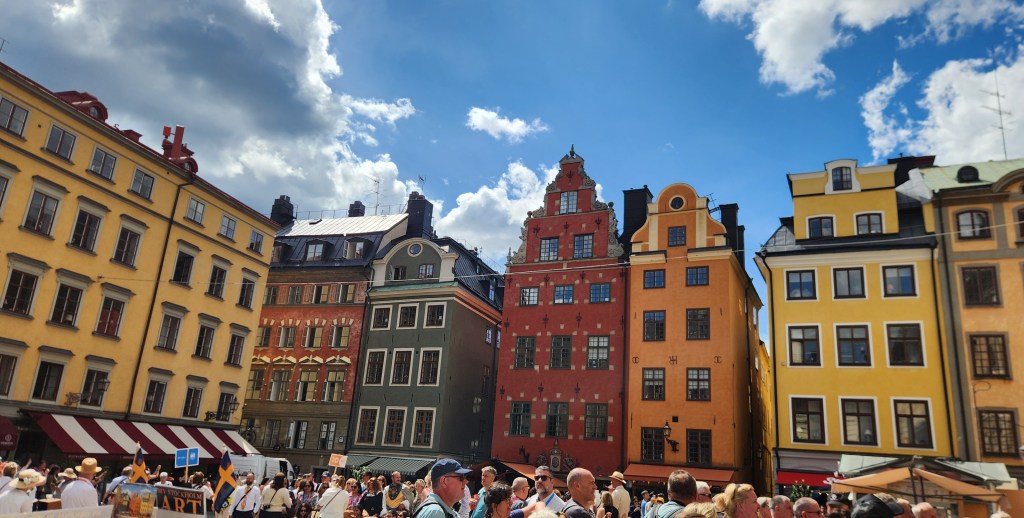
We then strolled the narrow, cobblestone streets to Stortorget, a historic square surrounded by old merchant homes built in the North German style.
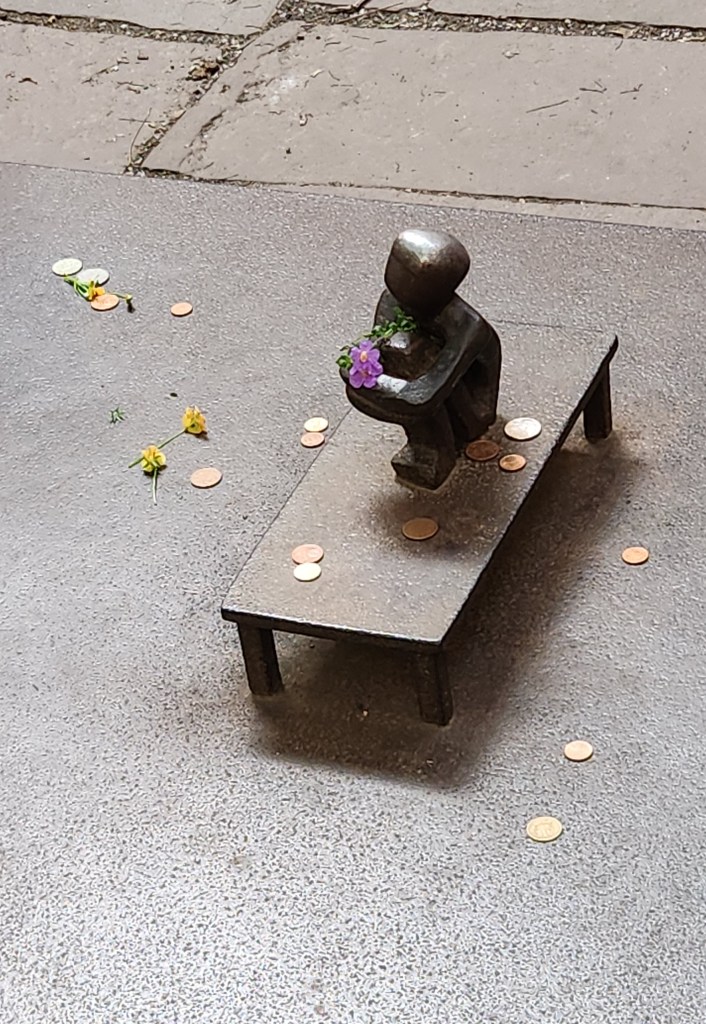
Near the square is the Finnish Church, a small, simple structure with a small, simple statue in its front yard. I managed to get a picture of the statue, but not one of the church, which was quite unremarkable anyway.
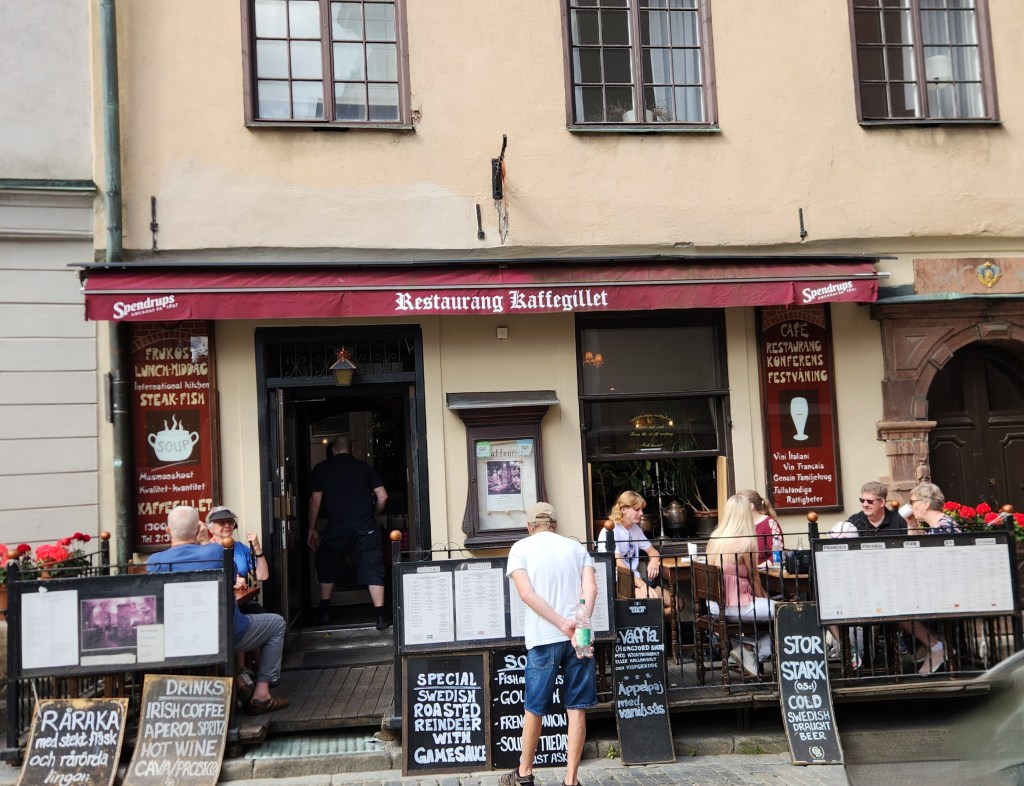
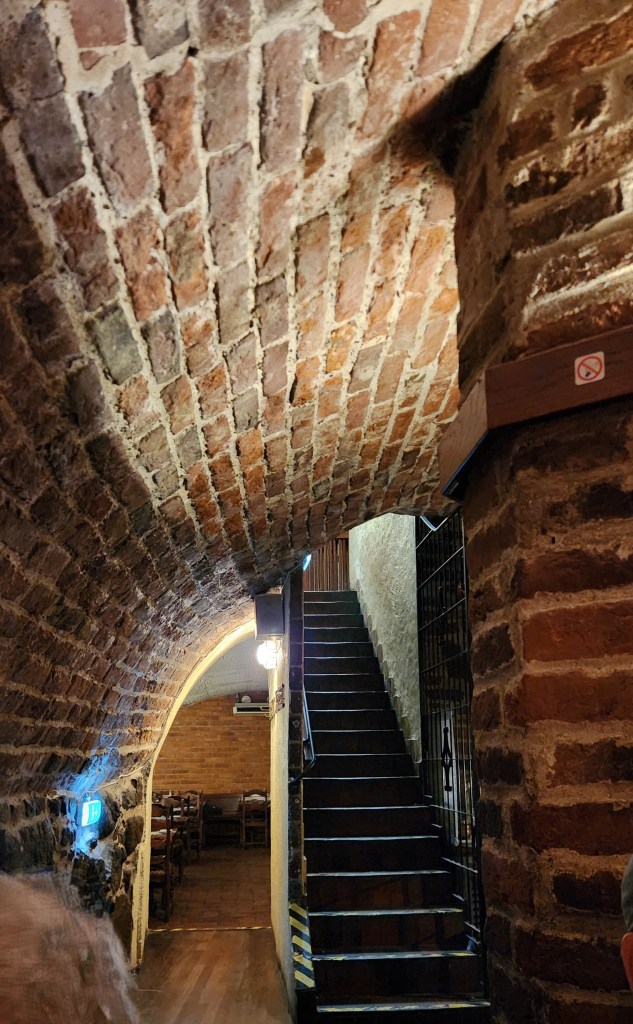
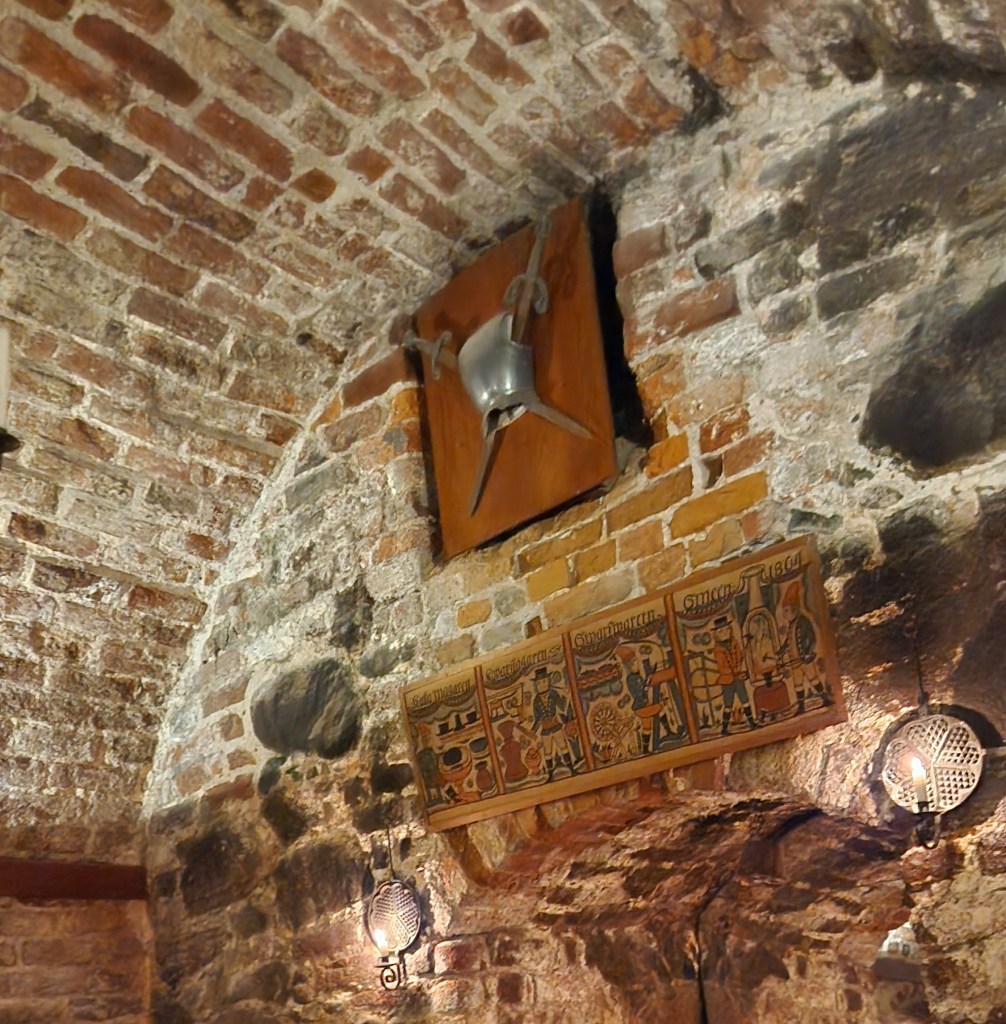
Along the way, we stopped at a restaurant that felt like a throwback to a previous century for a mid-morning snack.
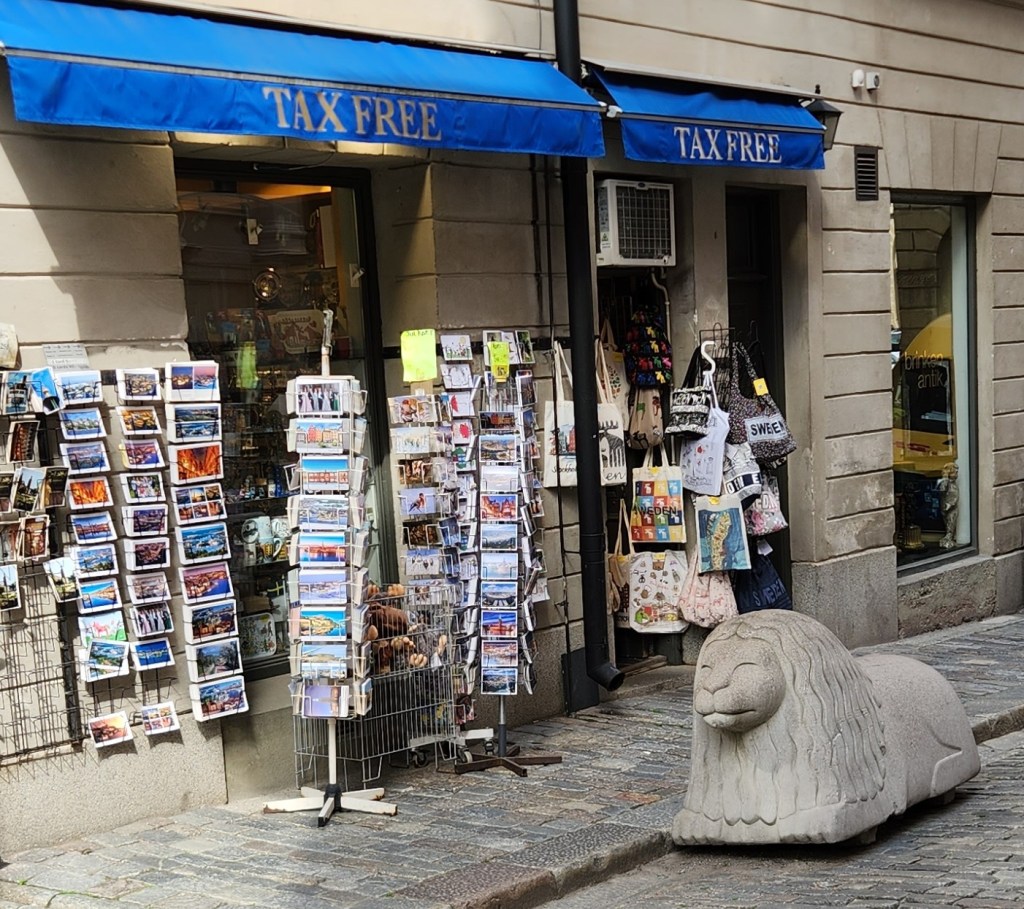
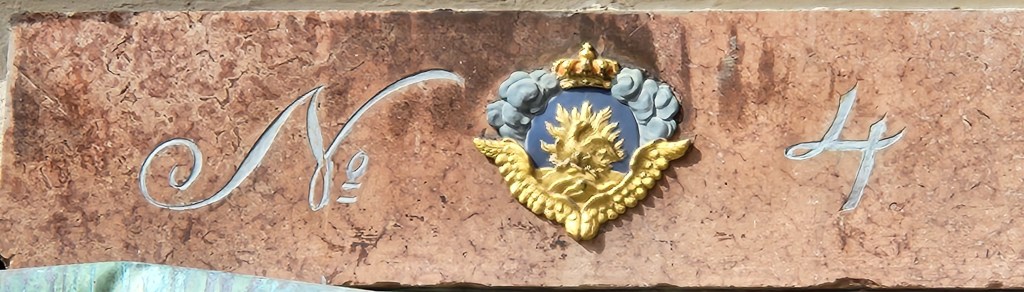
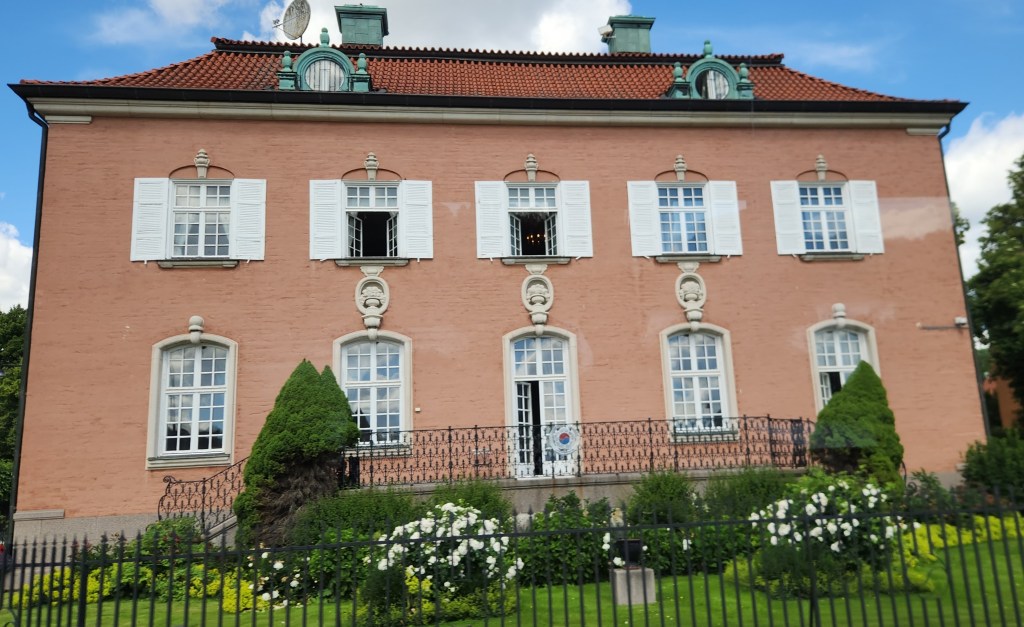
Our bus took us into a less bustling the part of Stockholm around Lake Mälaren and through the Diplomatstaden, or “Embassy Row.” We saw several intersting buildings before being dropped off at the Stockholm City Hall.
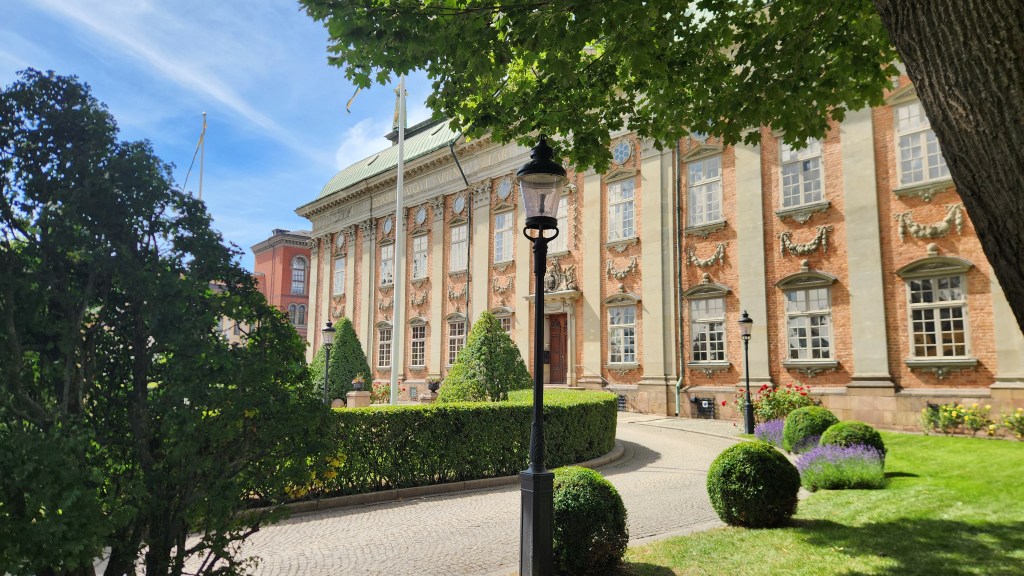
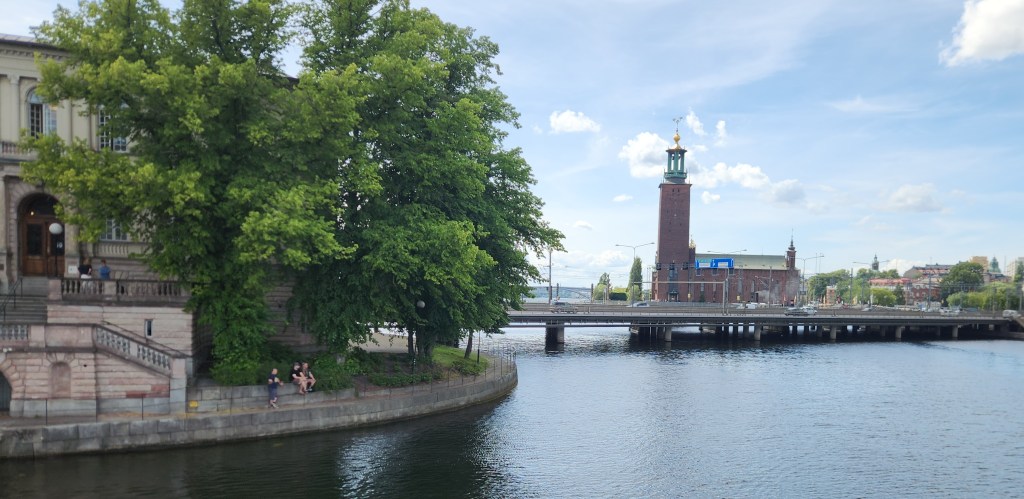
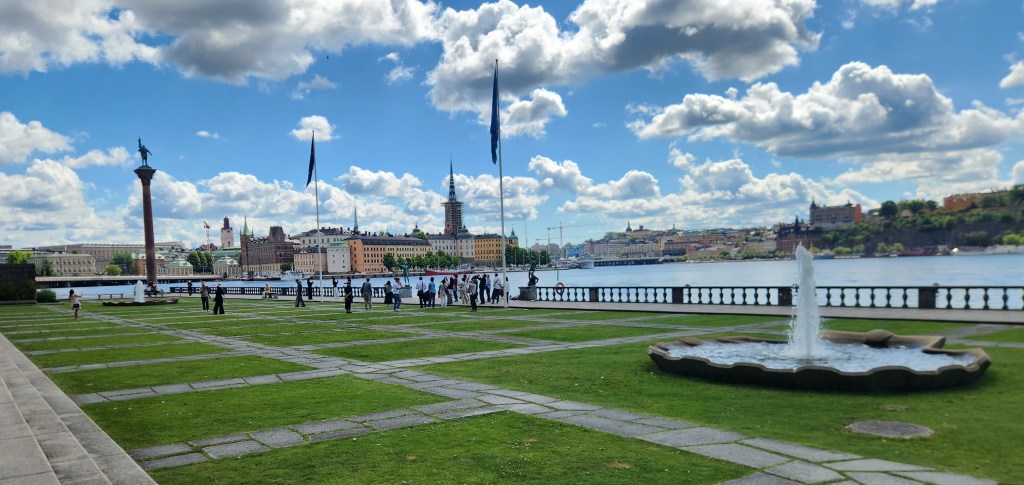
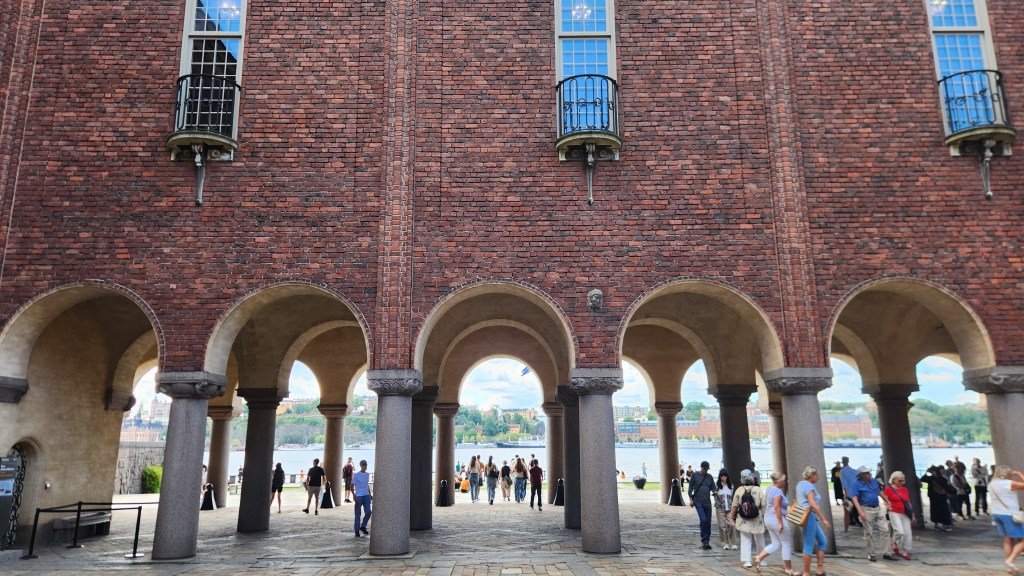
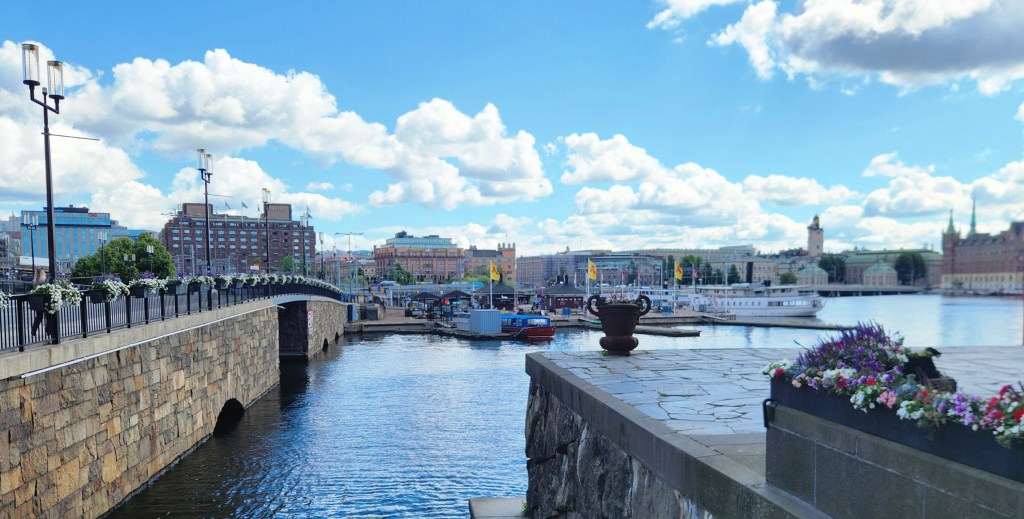
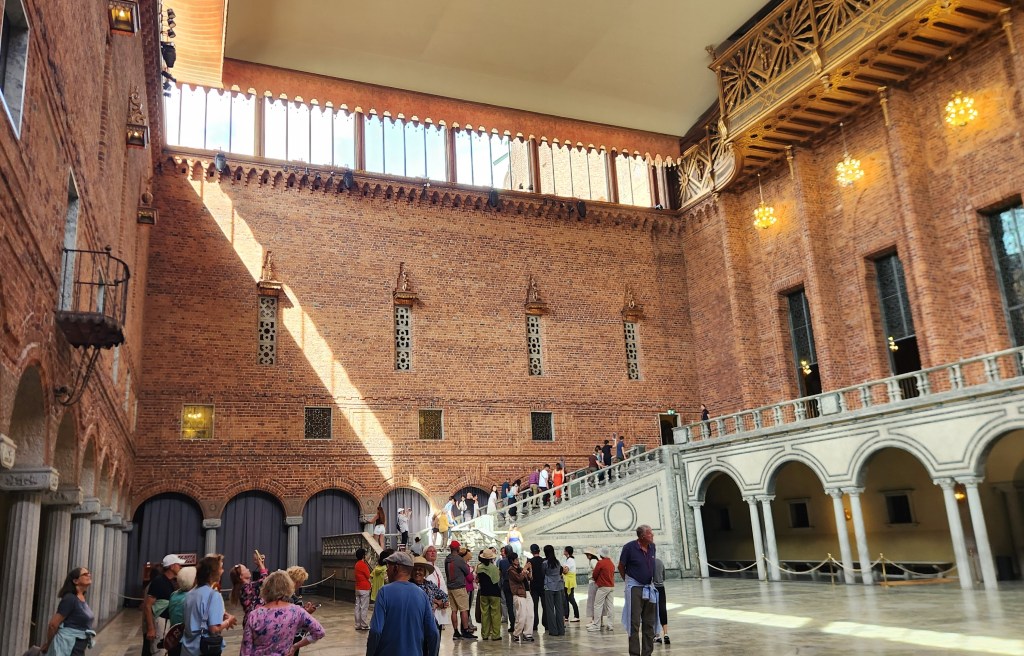
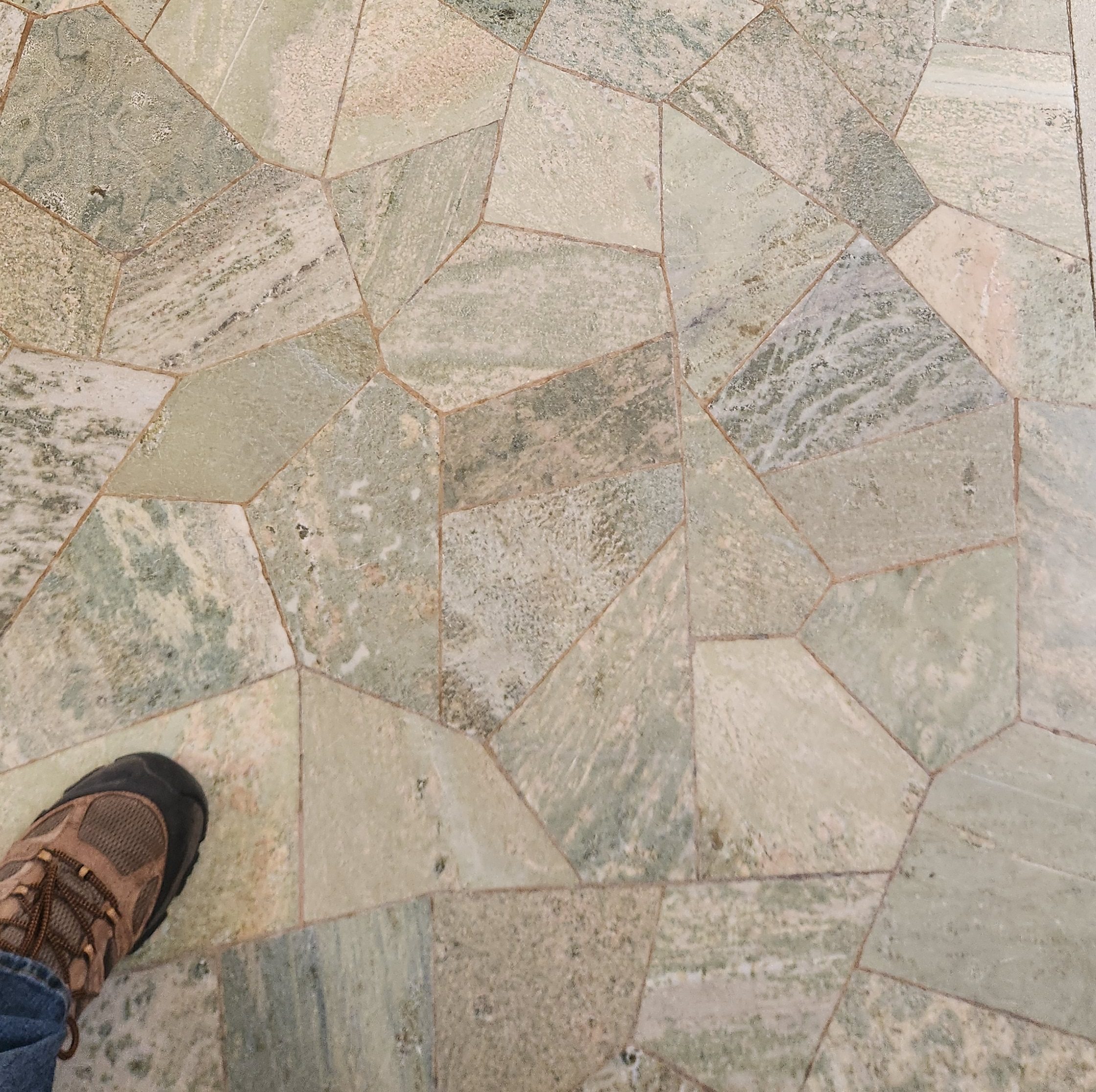
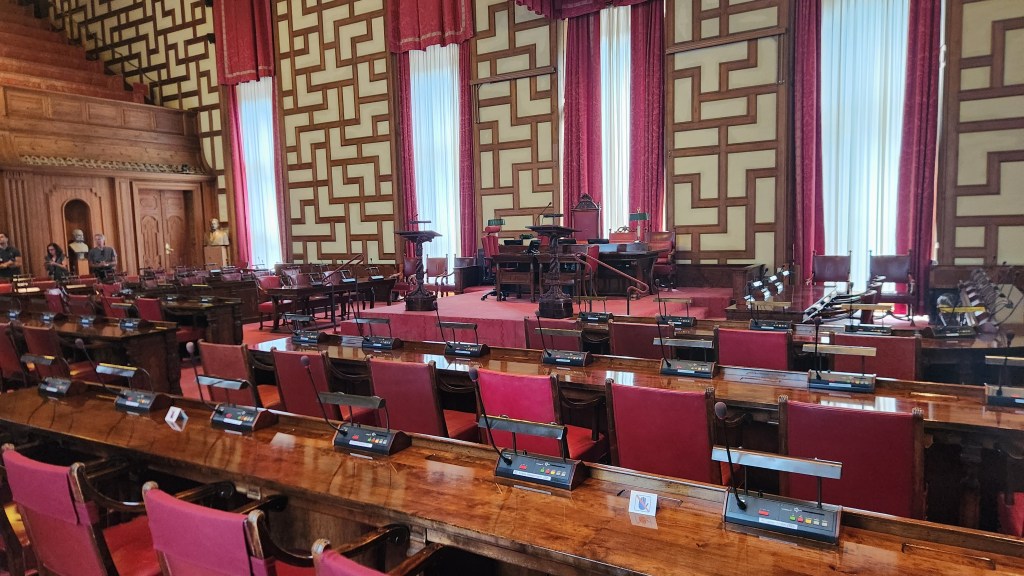
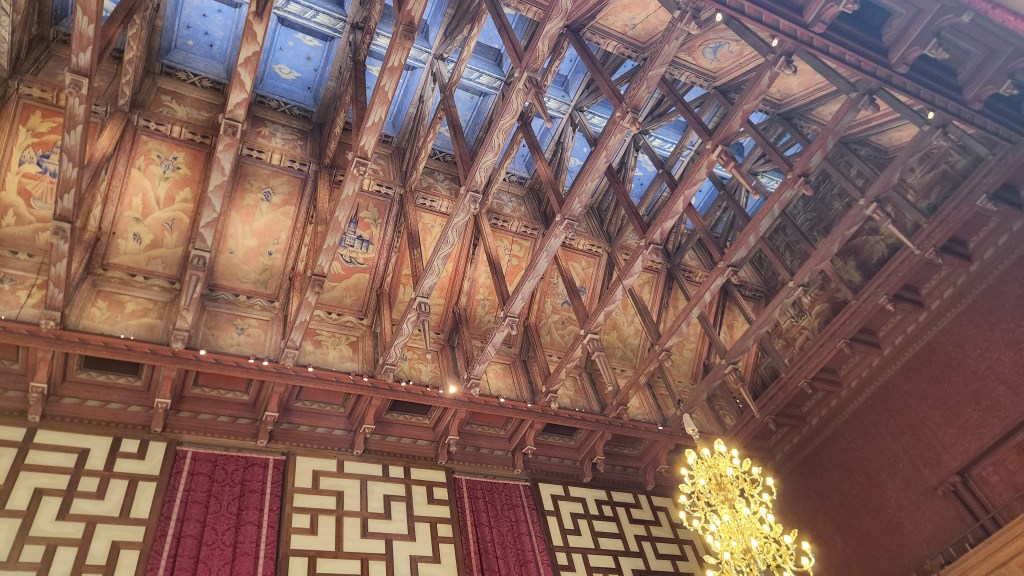
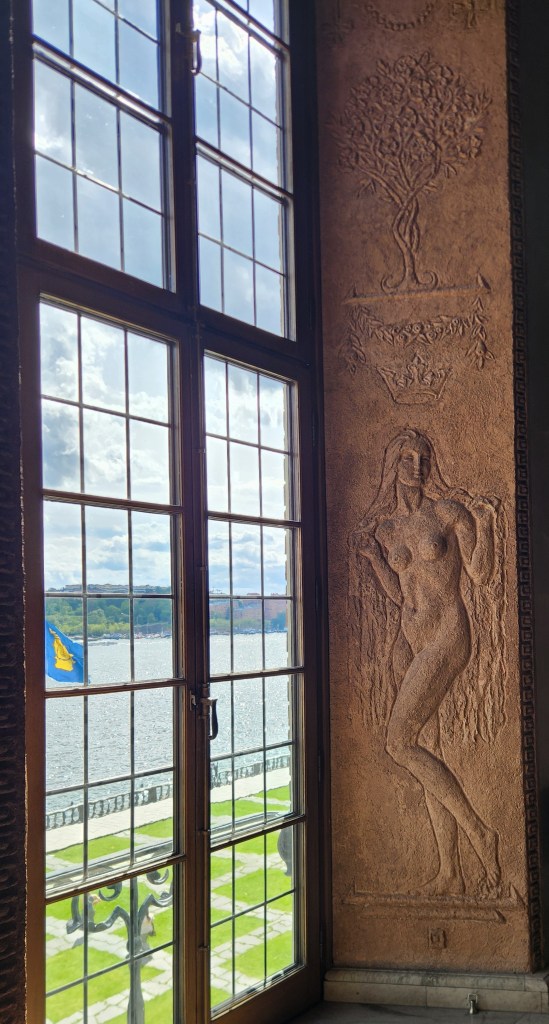
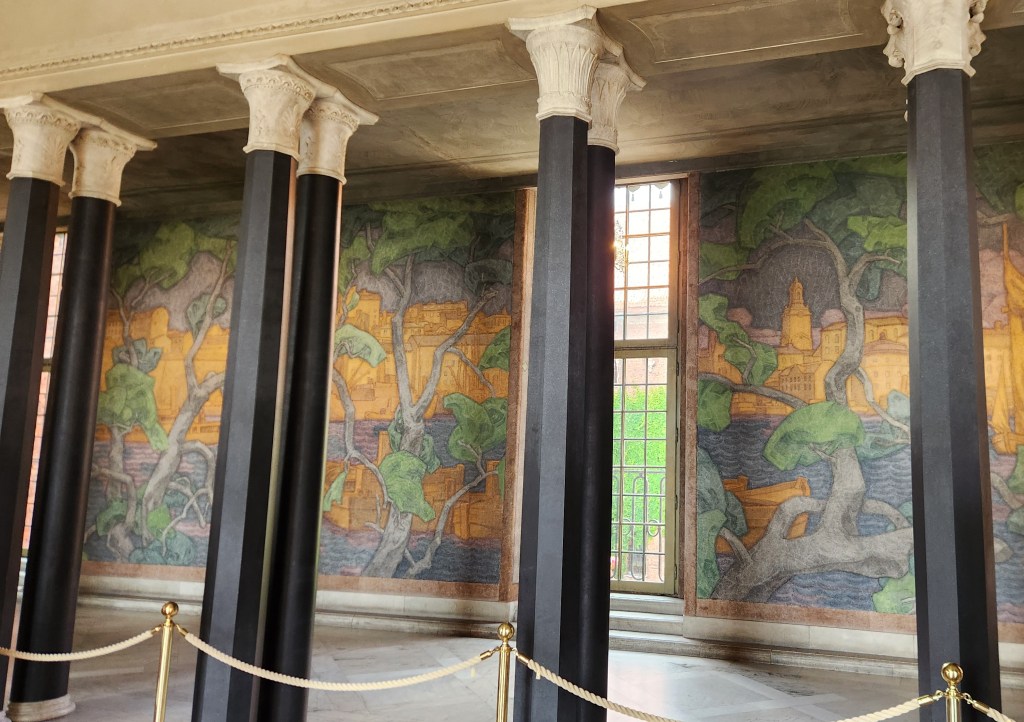
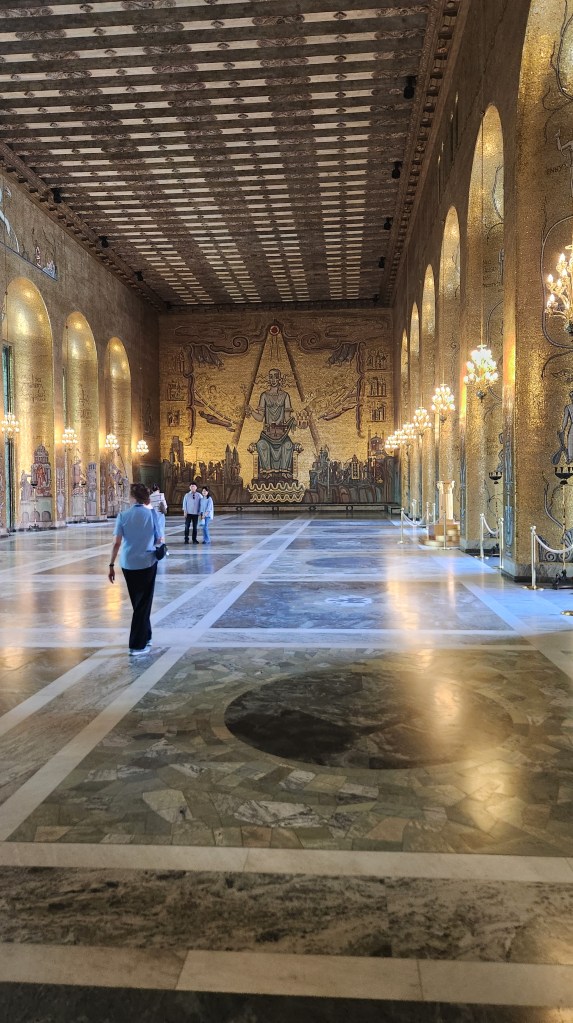
The City Hall, located on the shore of Lake Mälaren, is an amazing building. We actually visited there twice – once for a look around the exterior of the building and again later for a tour of the interior. While its official purpose is as the seat of the city government, it is famous as the location for the annual Nobel Awards dinner, where each year’s laureates are celebrated.
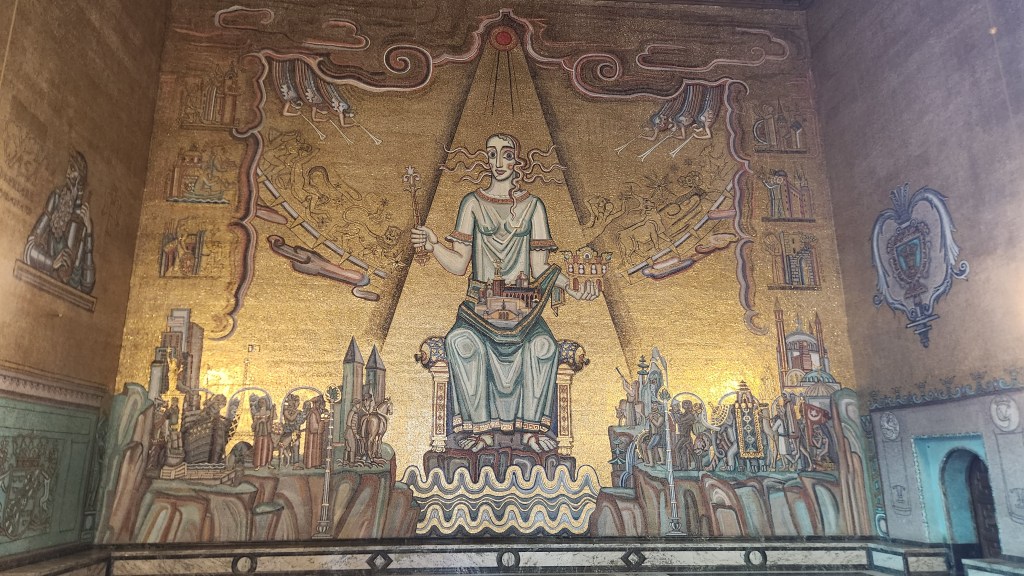
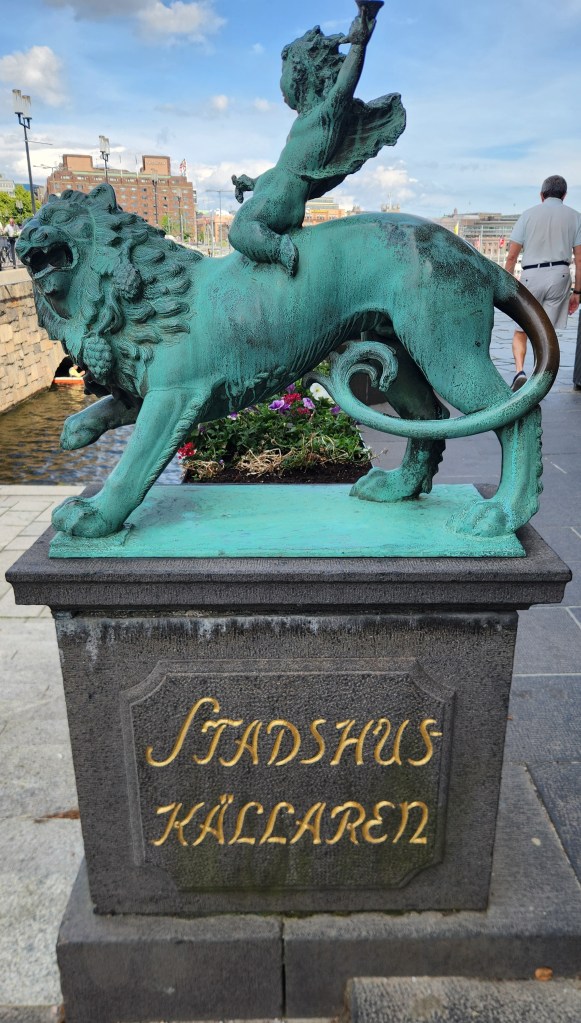
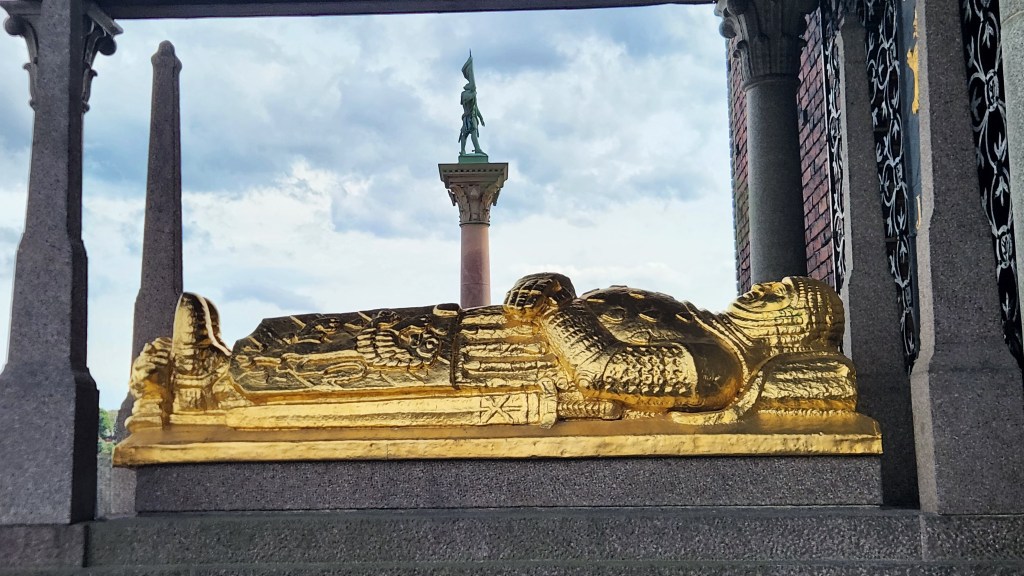
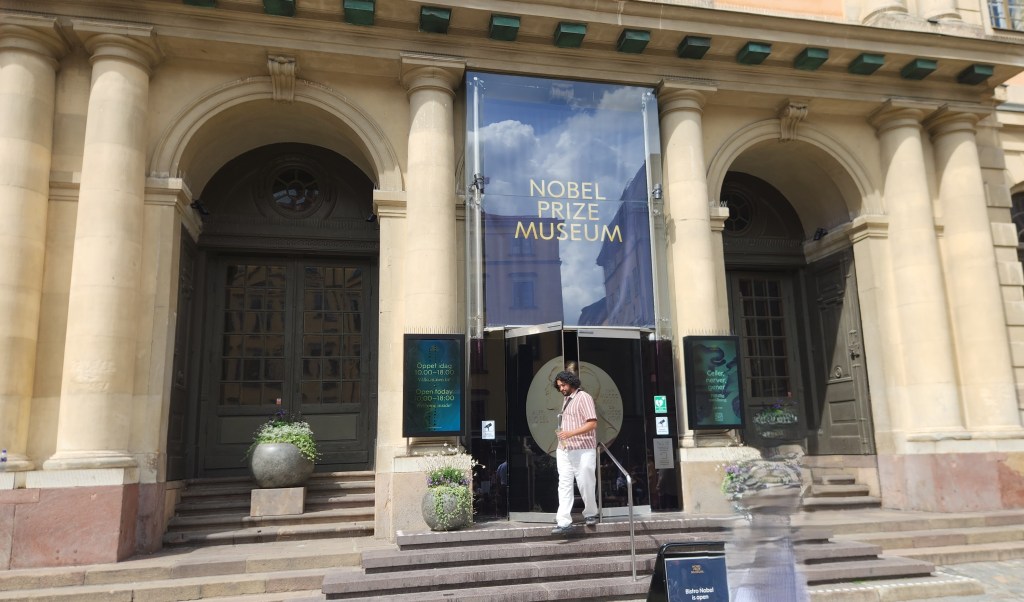
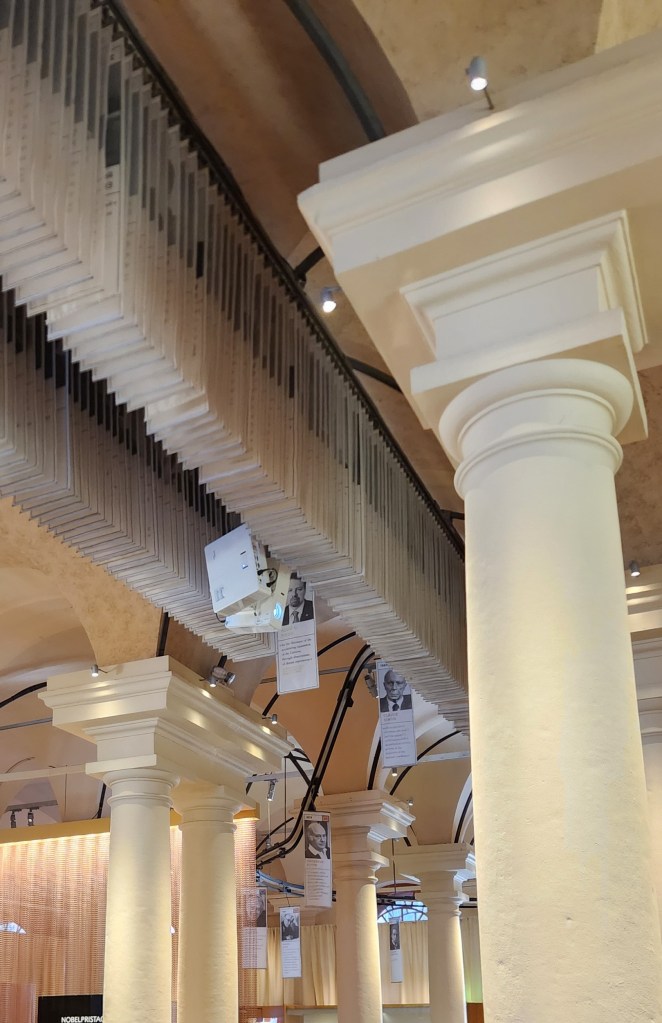
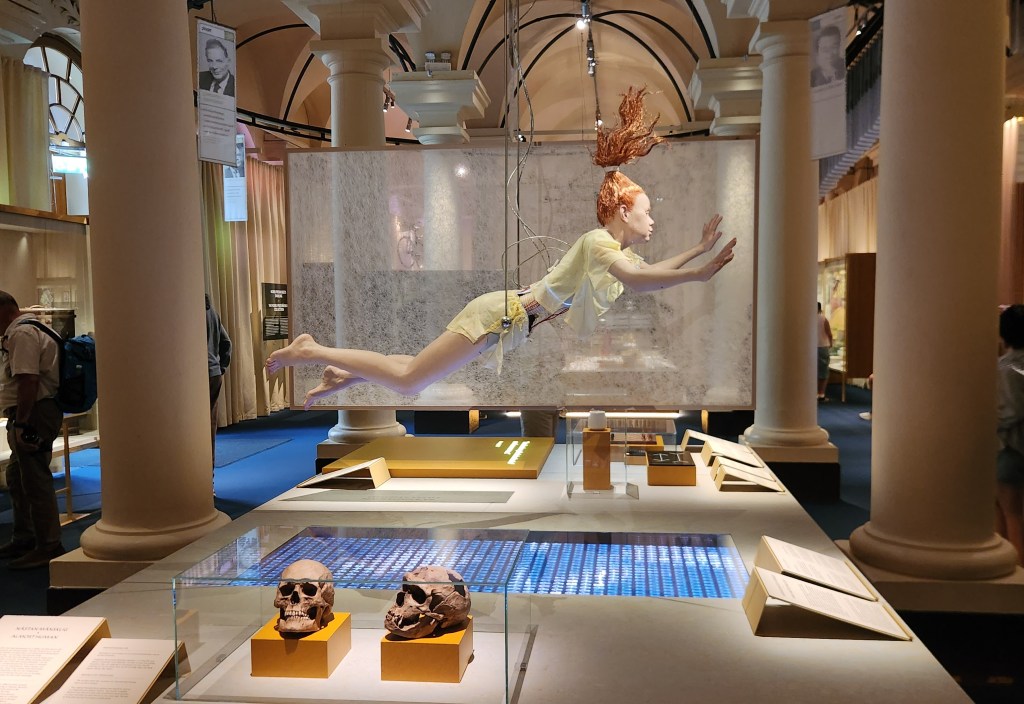
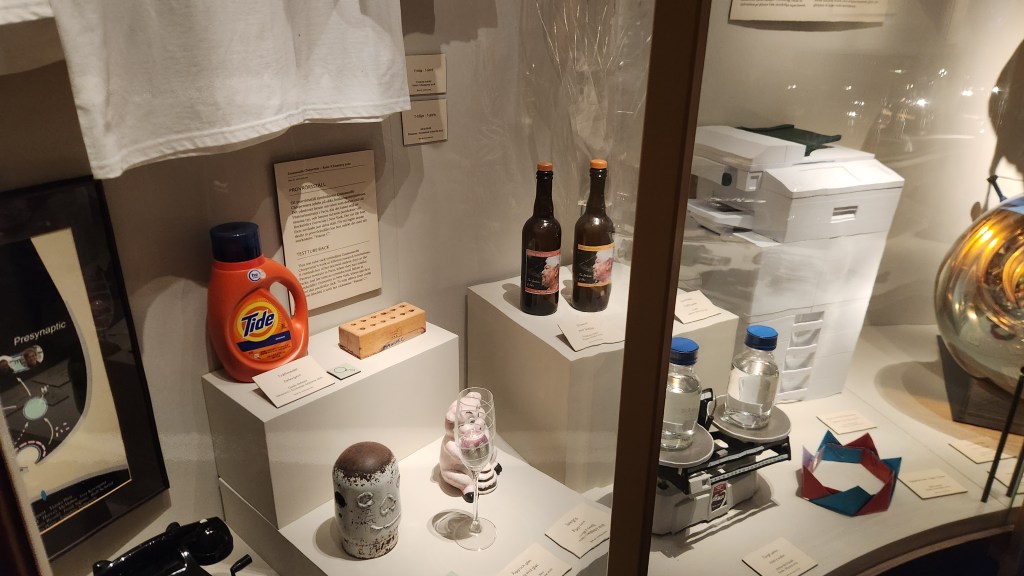
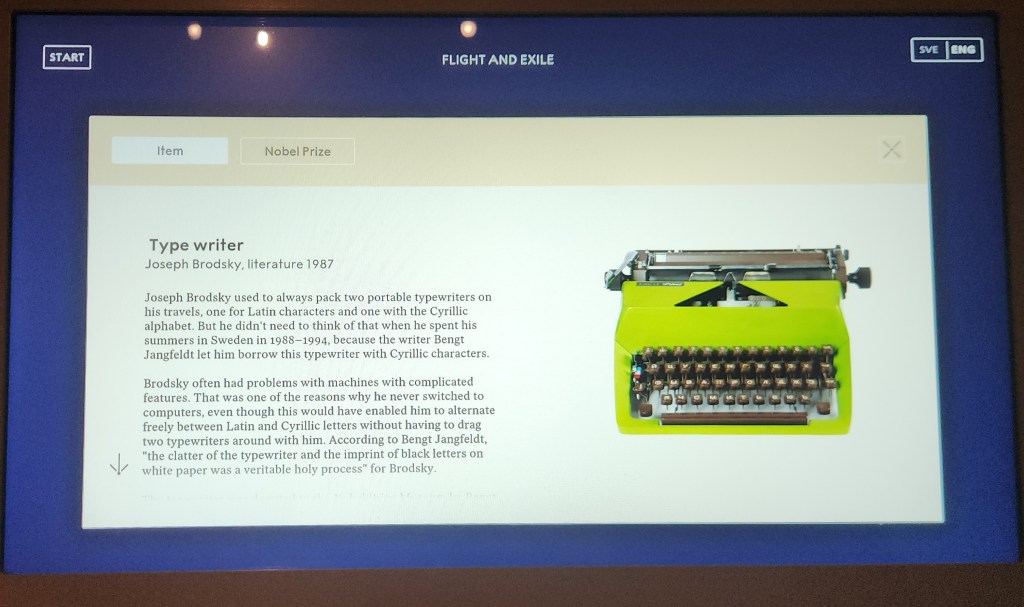
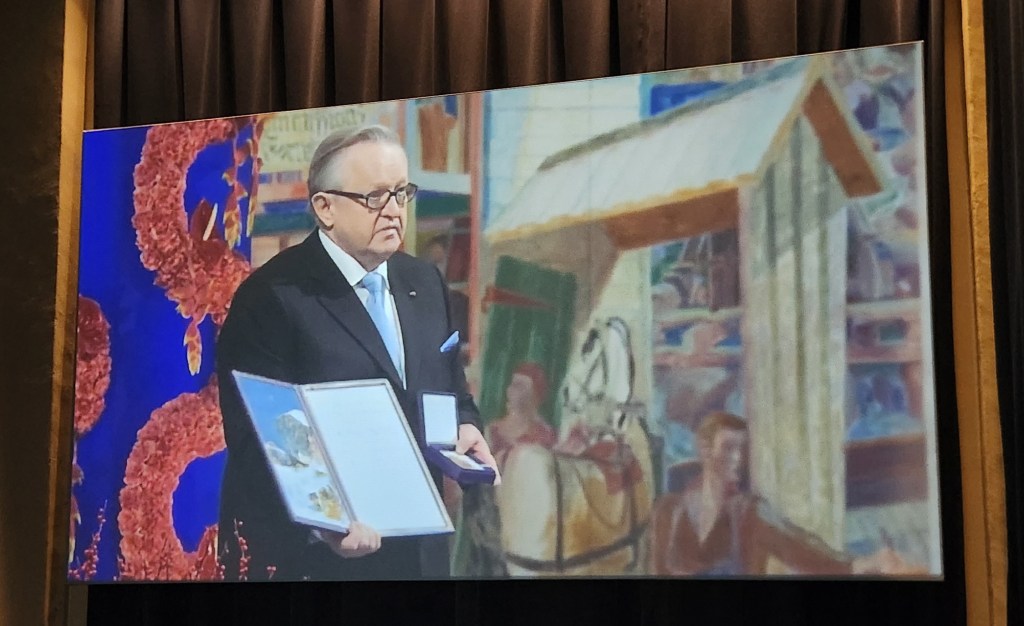
In between the two visits to City Hall, we visited the Nobel Prize Museum. This amazing place showcases every Nobel laureate since the first ones were awarded in 1901. Various exhibits provide information in many forms: plaques with written information, short videos highlighting the various awardees, statues, and a labyrinthine system on which a page describing every single laureate passes continuously through the entire building. We learned that Alfred Nobel was inspired to establish the Nobel Prize Foundation when he read an erroneously published obituary in a newspaper that deemed him “the merchant of death,” due to his invention of dynamite. Shocked by this characterization, as dynamite was only one of his several hundred inventions and was only intended to make heavy construction more efficient, he wanted his legacy to be very different from that characterized by the newspaper.
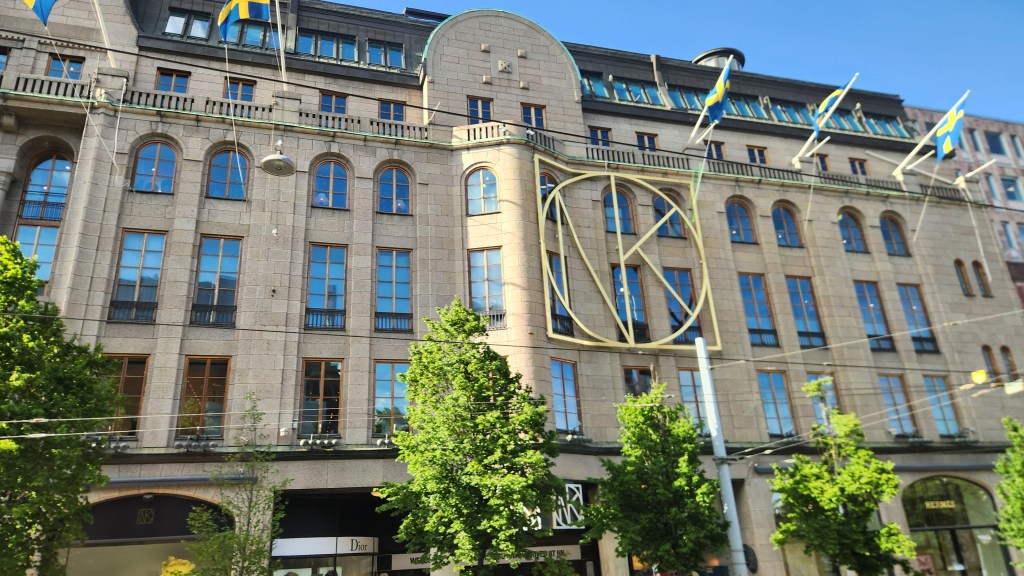
As usual, we tried to snap photos of the various sights we saw from our buses during the tours, with limited success. Here are a few that actually sort of turned out.
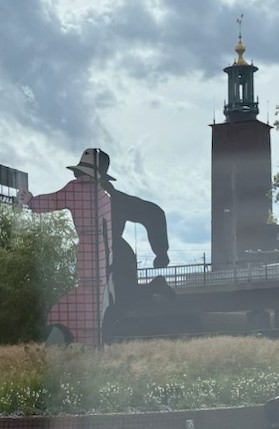
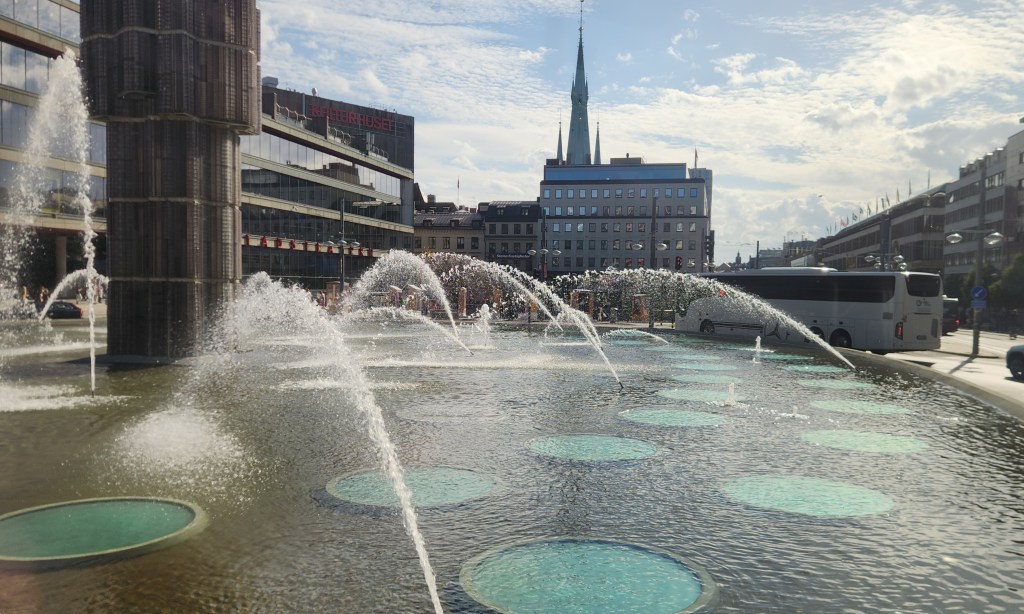
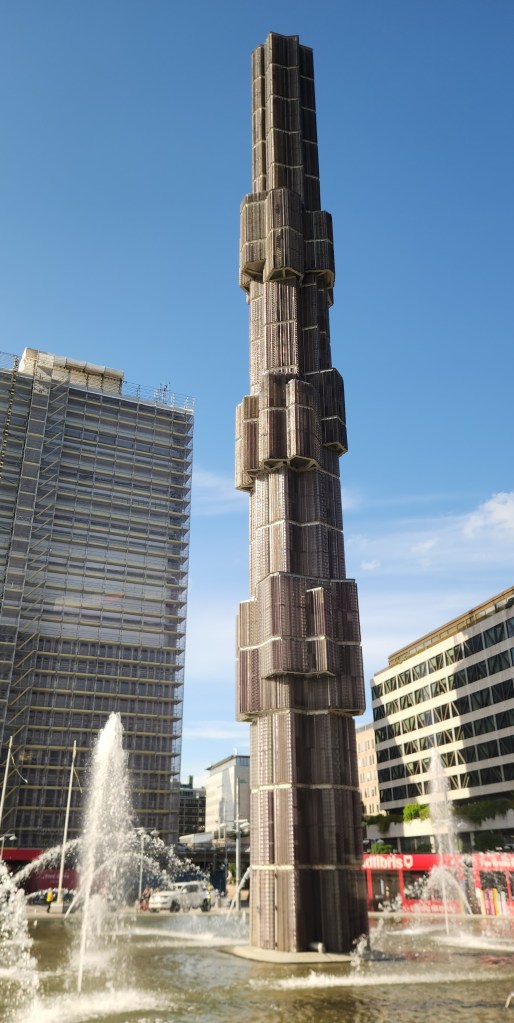
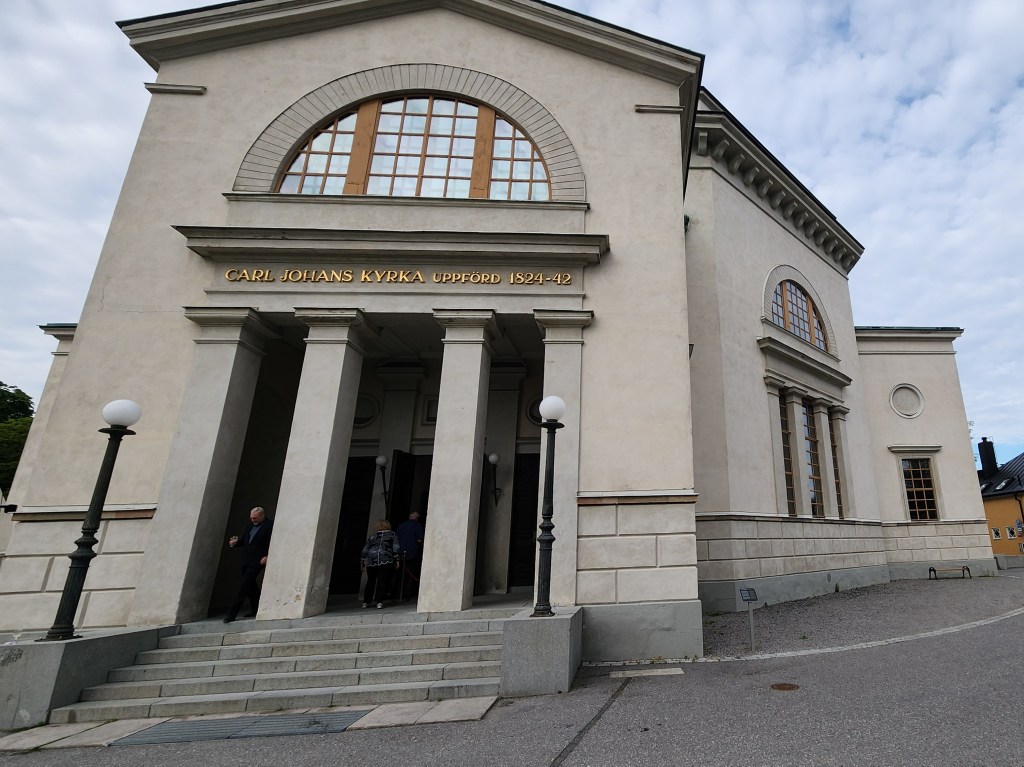
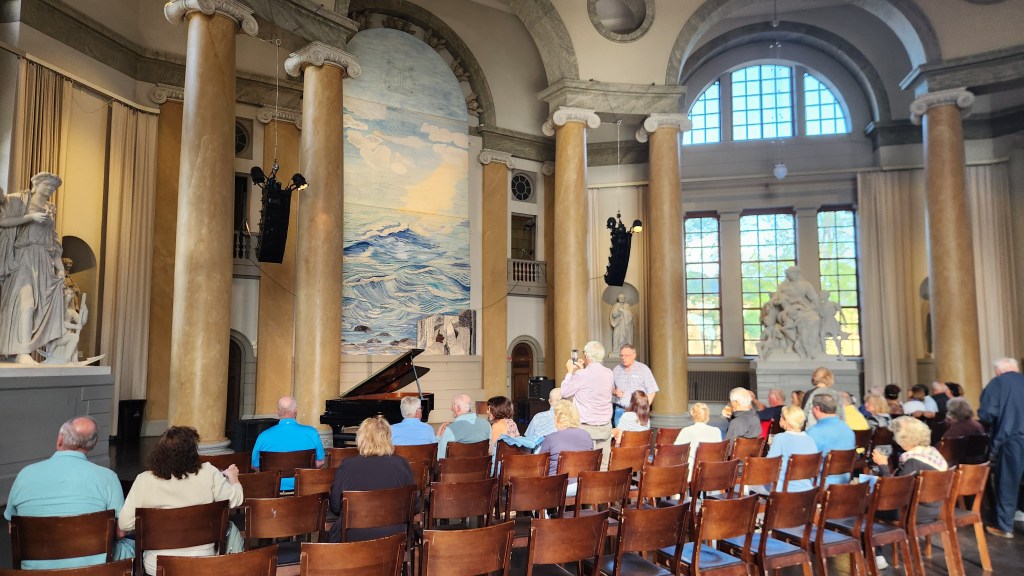
As evening approached and we returned to the ship from the second of our two bus and walking tours, Pat and I actually each did something on our own. I went on yet a third tour to visit the Carl Johan church, located on the island of Skeppsholmen which was originally used as a base for the Swedish navy. Constructed between 1823 and 1842, it has now been deconsecrated as a church and converted into a vibrant cultural venue and concert hall renamed Eric Ericsonhallen.
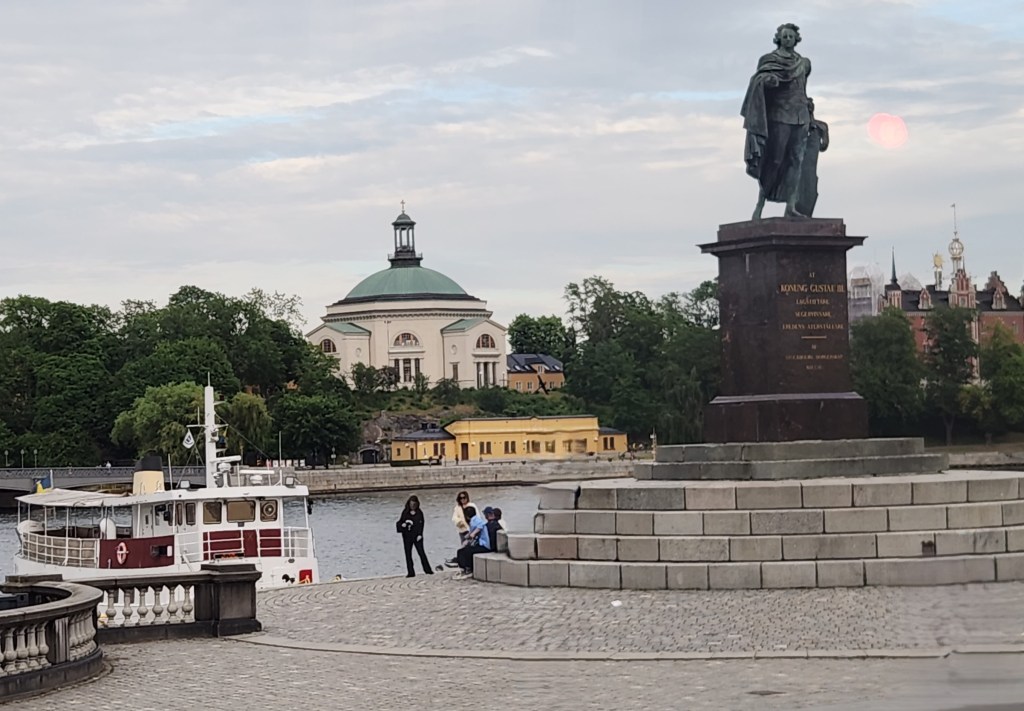
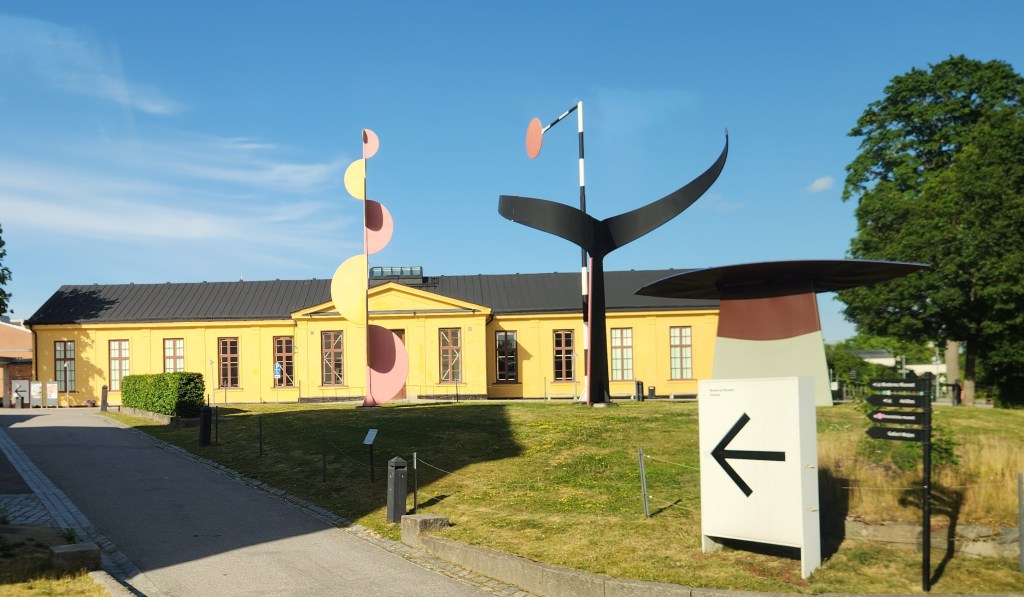
Upon arrival, we were treated to a glass of sparkling cider before settling in for a performance of Vivaldi’s The Four Seasons by some of Sweden’s leading musicians from the Stockholm Philharmonic Orchestra. Here are some photos and a brief video clip of the performance. I was too polite to stand up when taking the video, with the unfortunate result that it features the guests in the front row more prominently than the musicians. Oh, well … During the intermission, I joined the other guests in enjoying a tasting of locally made, seasonally inspired pralines.
So, what did Pat do while I attended the concert? She got a massage at the shipboard spa. I presume she didn’t get any photos of that, which might have spiced up this blog post a bit, but I didn’t ask and she didn’t tell.
After dinner, we retired early since we needed to depart the ship at 3 AM Wednesday to head for the airport and begin our journey home. We had three flights – Stockholm to London, London to Chicago, and Chicago back to our home sweet home in Minneapolis. Fortunately, the trip was uneventful, and we were once again very pleased with our Global Entry membership as we sailed through customs at Chicago O’Hare.
Okay, that wraps up this travelogue. I hope you enjoyed it, and I also hope you’ll keep an eye out for future episodes as we gallivant off yet again to some very exotic locales in January and August of 2027. Not to give too much away, but they will involve travel to South America and Egypt!!
Thanks for reading, and farewell until next time …

